
Shelf Life in Space: Feeding Astronauts Safely on Long Missions
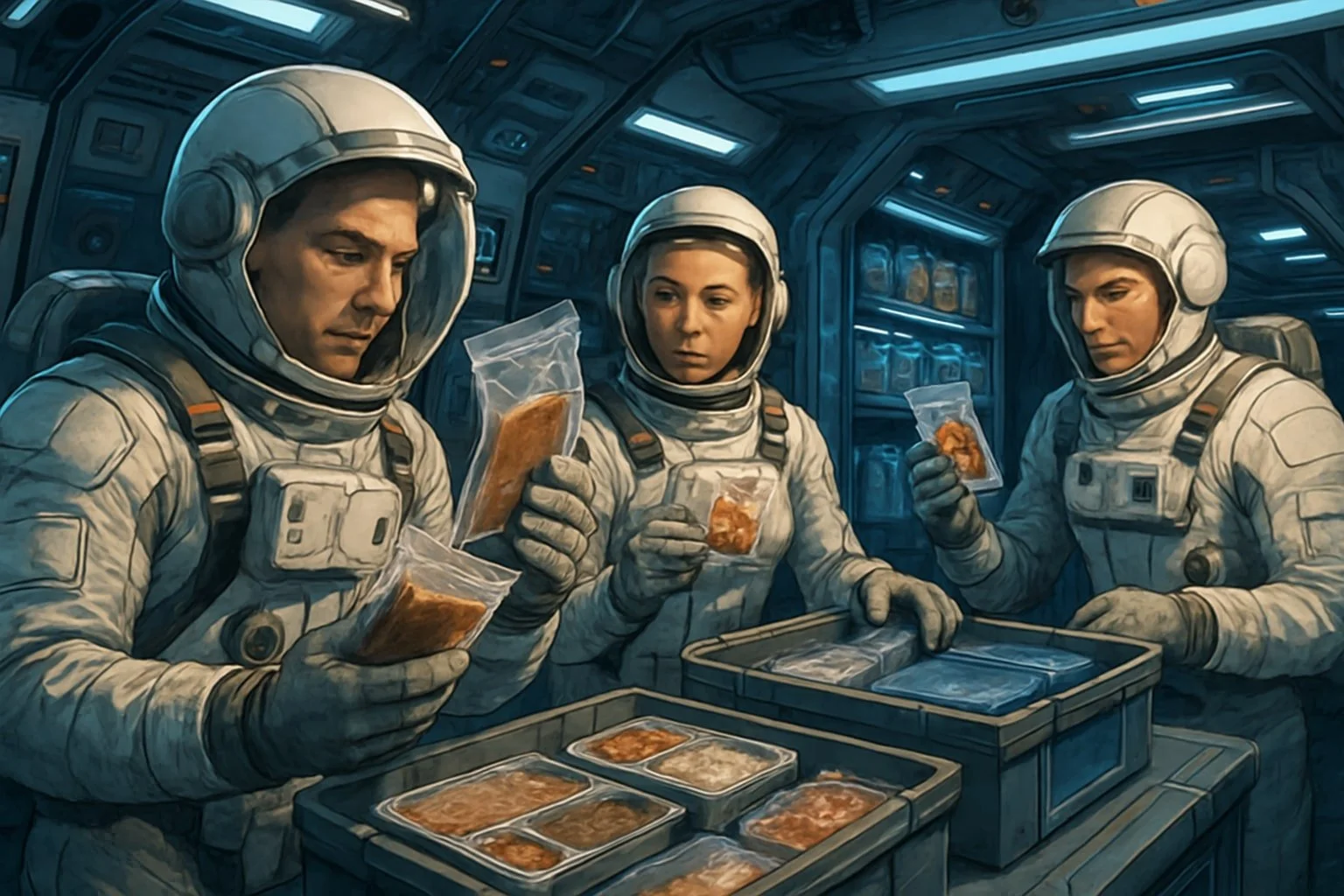
The shelf life of food in space is vital, as astronauts rely on meals that can safely last anywhere from one to five years, depending on the mission's duration and storage conditions. This is especially important for long-term space exploration, where missions to the International Space Station (ISS) or even Mars require food that remains nutritious and safe over extended periods.
Innovation in food preservation has led to a variety of menu options, with items like tortillas, bread products, and more being packaged to maximize their lifespan. Space agencies focus heavily on both the safety and nutritional quality of these foods, recognizing that the unique environment of space can impact how well food holds up.
The challenge of feeding astronauts goes beyond taste––it involves ensuring that every meal supports their health when resupply isn't an option. Understanding the science behind the shelf life of space food is key to future missions venturing farther from Earth.
Understanding Shelf Life in Space
Maintaining food safety and nutritional value on missions like those aboard the International Space Station demands strict control over shelf life. Microgravity, packaging techniques, and environmental factors uniquely shape how long astronaut food stays edible and safe.
Definition and Challenges
Shelf life in space refers to the period during which food remains safe to eat, acceptable in flavor and texture, and meets nutritional requirements for astronauts. On Earth, shelf life is often easier to manage due to predictable storage conditions. In space, extreme temperature changes, radiation exposure, and vibration during launch create new risks for spoilage.
NASA typically requires foods for the International Space Station to last 18 to 24 months. However, longer missions need foods to maintain quality for up to 3 to 5 years. The limited variety of preservation techniques, such as thermostabilization and freeze-drying, further complicates achieving extended shelf life.
Labeling and regular testing help monitor safety, but some nutrients degrade over time, potentially impacting astronaut health. Maintaining food quality is a balancing act, especially on missions far from Earth.
Factors Affecting Shelf Life
Temperature fluctuations in spacecraft can accelerate food deterioration. Radiation in orbit can break down both packaging materials and nutrients, shortening the usable life of food supplies. Oxygen and moisture may still seep into packages, promoting spoilage and microbial growth if not controlled.
Key influences on shelf life include:
Storage Temperature: Consistency is critical for slowing bacterial growth and chemical reactions.
Packaging Integrity: Advanced multi-layer packaging helps protect food from air, light, and contaminants.
Food Type: Freeze-dried foods often last longer than wet-packaged items.
Preservation methods directly impact texture and taste, which must be considered alongside nutritional needs. Balancing all these factors requires a systems-based approach for space missions.
Microgravity’s Role in Food Preservation
Microgravity changes how gases, liquids, and solids interact inside packaging. On the International Space Station, foods may settle or separate in ways not seen on Earth, sometimes creating uneven heating or spoilage risks when heated.
In microgravity, convection is reduced, so heat transfer operates differently. This can influence how foods are sterilized and reheated. Flavor and aroma perception is also altered, which could affect how astronauts gauge food freshness.
While microgravity does not accelerate traditional spoiling mechanisms, it introduces unique handling and heating challenges. Ensuring safe, palatable food in this environment demands continuous adaptation of preservation techniques and package design.
Astronaut Diet and Nutrition Needs
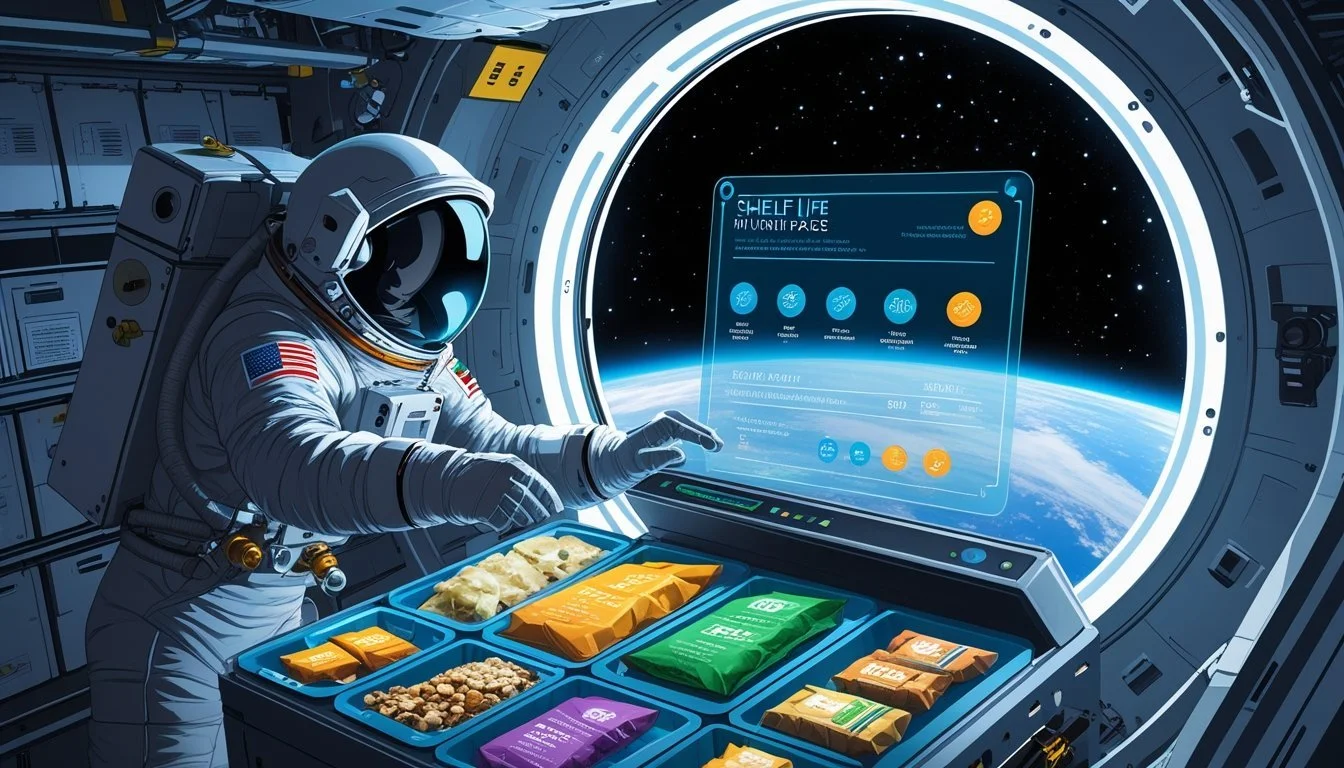
Space missions, especially those of long duration, require precise planning to ensure astronauts get all essential nutrients. Food systems must address calories, protein, vitamins, minerals, and the stability of these nutrients over time in microgravity.
Macronutrient Requirements
Astronauts need a balance of carbohydrates, proteins, and fats to support muscle function, maintain energy, and avoid excessive muscle loss due to microgravity. Typical daily needs include:
Nutrient Daily Requirement Calories ~2,500-3,000 kcal Protein 1.2-1.7 g/kg body weight Fat ~30% of daily calories Carbohydrate ~50-55% of daily calories
High protein intake is especially important to counteract muscle and bone loss in reduced gravity. The mix of simple and complex carbohydrates helps maintain stable blood sugar. Including healthy fats is necessary for hormone regulation and overall cellular health.
Vitamins and Mineral Stability
Maintaining adequate levels of key nutrients—such as vitamin D, calcium, potassium, iron, and magnesium—is critical for astronaut health. However, many vitamins degrade over time due to exposure to heat, radiation, and oxygen during storage.
Frequent nutritional challenges in long-duration missions include the loss of vitamin C, B vitamins, and vitamin K in processed foods. Fresh fruits and vegetables are unavailable, so supplements and fortified foods are often used. The instability of some vitamins and minerals makes it hard to meet Dietary Reference Intakes (DRIs) for men and women (for example, 1,000-1,200 mg calcium, 700 mg phosphorus, 8 mg iron, and 2,300 mg sodium per day).
Balancing Shelf Life and Nutrition
Processed and packaged space foods usually last 12–24 months; however, deep space missions need foods that remain safe and nutritious for 3–5 years. Preservation methods such as freeze-drying, thermostabilization, and overwrapping help extend shelf life but may impact nutrient quality.
Shelf-stable foods must be engineered to preserve both flavor and nutrients over long periods, while packaging helps shield contents from radiation and moisture. Despite these advancements, nutrient degradation can still occur over time, creating gaps in essential nutrition. Regular monitoring and adjustment of menus, as well as using supplements, are needed to meet astronauts' needs on extended missions.
Space Food Technologies and Preservation Methods
Astronauts rely on advanced methods like freeze-drying and dehydration to keep food safe and nutritious during long-term missions. These technologies are designed to extend shelf life, maintain food quality, and minimize storage needs in space.
Freeze-Drying
Freeze-drying is a primary method for making space food shelf-stable and lightweight. In this process, food is first frozen and then placed in a vacuum, where the ice turns directly into vapor. This removes most of the moisture while preserving nutrients, flavor, and texture better than traditional drying.
The resulting freeze-dried food typically weighs less and is less prone to spoilage by bacteria or mold. Beef stew, fruits, and yogurt are common freeze-dried options on missions. Astronauts just add water to reconstitute the food, which rehydrates quickly and maintains much of the original taste and mouthfeel.
One crucial benefit is space efficiency. The lightweight packaging and long shelf life (up to 2.5 years for some items) make freeze-dried food ideal for missions where supply resupply is limited. This method also reduces the need for refrigeration during storage and transport.
Dehydration and Rehydration
Dehydration removes water from food by gentle heating or exposure to air, making it a reliable preservation technique for a variety of meals and snacks. Foods like soups, eggs, and vegetables are commonly dehydrated to prevent microbial growth and slow down spoilage.
Once in space, astronauts rehydrate dehydrated foods using hot or cold water from the spacecraft's galley. The process is straightforward, and properly dehydrated foods can retain much of their nutritional value if rehydrated carefully. Below is a table summarizing key differences:
Feature Freeze-Dried Dehydrated Moisture left <5% 5-10% Shelf Life Up to 2.5 years Typically 1-2 years Reconstitution Quick Moderate Texture/Taste Best preserved May change slightly
Packaging for dehydrated food is also compact, helping save space and reduce waste. Routine monitoring ensures that rehydrated food remains palatable and safe to eat for extended mission durations.
Types of Astronaut Food
Astronaut food must remain stable, safe, and nutritious over long periods without refrigeration. Various preservation strategies and packaging technologies are used to ensure meals meet strict requirements on shelf life and safety.
Canned Food Applications
Canned food was among the first types of astronaut food used in space missions. It offers a strongly sealed environment, helping prevent microbial contamination and nutrient loss. The canning process heats foods to destroy bacteria and extend shelf life.
Table: Key Features of Canned Space Foods
Feature Benefit Hermetic Sealing Prevents microbial ingress Heat Processed Destroys pathogens Metal Packaging Durable, puncture-resistant
Canned foods are easy to store and transport, but their weight and rigid structure have led to decreased use for long-duration missions. The shelf life of canned food can exceed one year, but weight constraints have shifted focus toward lighter options for modern spaceflight.
Innovations in Long-Lasting Meals
Modern astronaut food includes freeze-dried and dehydrated meals, thermostabilized pouches, and vacuum-sealed packs. These methods maintain food quality while dramatically reducing weight and volume, critical advantages for space missions.
Freeze-dried foods preserve texture and nutrients by removing water in a vacuum after freezing. When astronauts add water, the food returns to its original form.
Thermostabilized pouches use heat and sealed packaging to provide safe, shelf-stable meals that can last 12 to 24 months.
Strict hygiene standards are maintained to prevent foodborne illness. Organized storage and careful tracking of "use-by" dates are necessary to avoid expired products and ensure every meal is safe for consumption.
Storage Conditions on the ISS
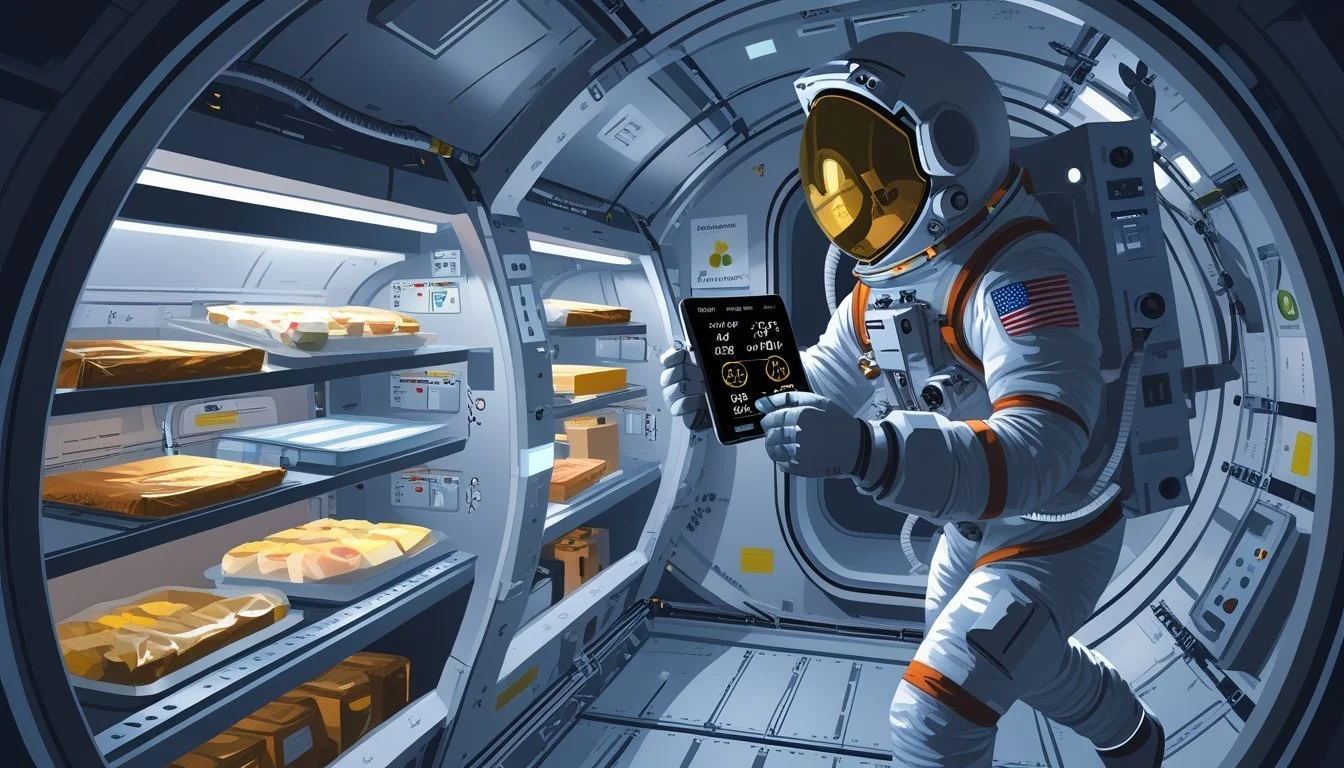
Food storage on the International Space Station (ISS) must address unique challenges. Limited space, the absence of standard refrigeration, and the need for long-duration food safety all affect how foods are stored and preserved.
Temperature Control Without Refrigerators
The ISS does not have conventional refrigerators or freezers for food storage. Instead, most astronaut food is kept at ambient cabin temperature. Cabin temperatures are generally maintained around 22°C (72°F) to suit crew comfort and to preserve food quality as long as possible.
This lack of refrigeration means that foods must rely on processing methods like freeze-drying, dehydration, or thermostabilization to slow spoilage. These techniques remove moisture or heat-treat foods to destroy bacteria and enzymes, keeping them safe over several months or even years on orbit.
Some scientific freezers exist on the ISS, but these are reserved primarily for experiments and sample preservation, not daily food storage. This temperature management approach requires that foods intended for the ISS must be shelf-stable at room temperature for at least 18 to 24 months.
Packaging Solutions for Extended Shelf Life
Packaging plays a critical role in protecting food from the ISS environment. Specialized flexible pouches and multilayer overwraps are common. These materials prevent exposure to oxygen, moisture, and light, which can degrade nutrients and flavor over time.
For added protection, items such as bread products are often placed in a secondary white overwrap pouch. This layer helps to further extend shelf life by limiting physical damage and environmental exposure.
Labels, Velcro strips, and color coding are used to organize and secure packages in microgravity. The design also considers ease of use, allowing astronauts to handle, open, and rehydrate food efficiently. Proper packaging ensures that the contents remain safe and nutritious for the duration of ISS missions, which often last up to six months.
Food Safety Challenges During Long Missions
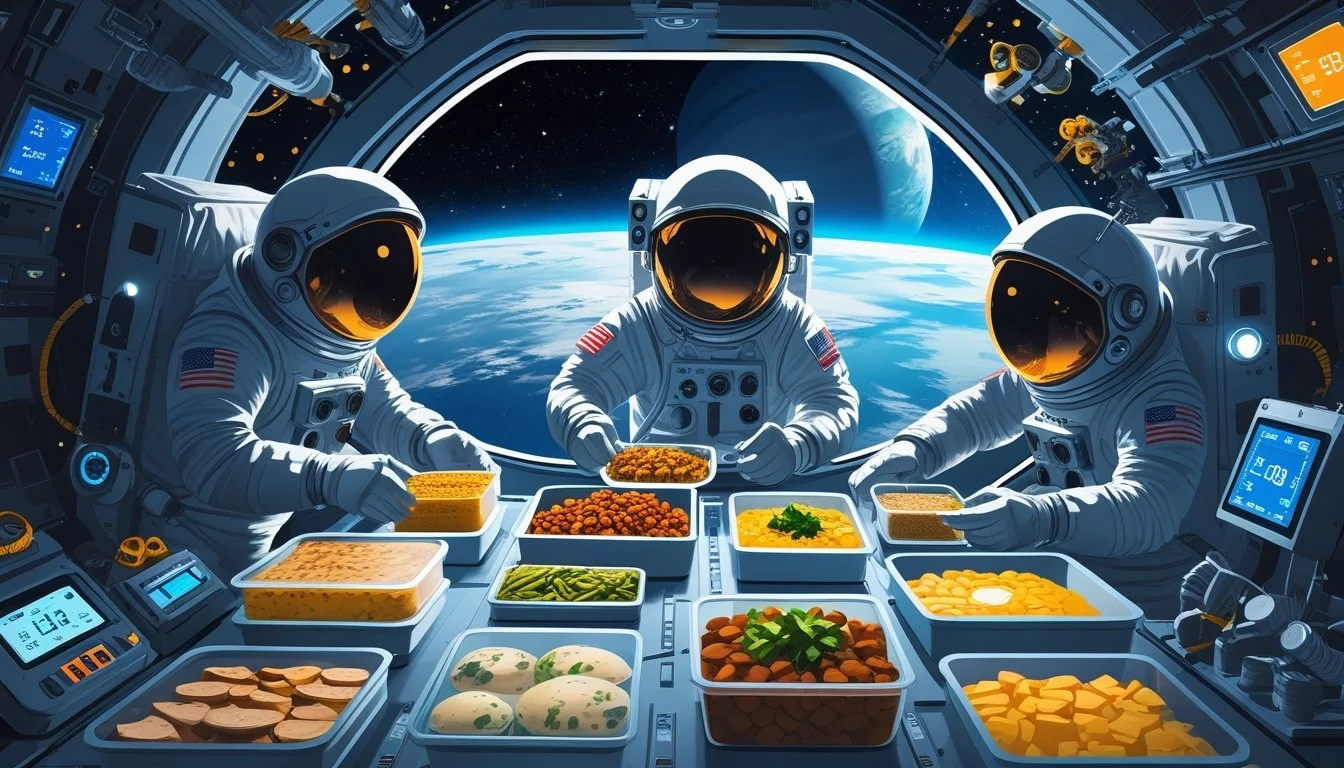
Long-duration missions in space pose distinct risks to the safety and quality of food. As missions extend, maintaining nutritional value and protecting against contamination and radiation become crucial to astronaut health.
Preventing Contamination
In microgravity, crumbs and liquids behave differently, creating additional contamination risks. Floating food particles can cause equipment malfunctions or lead to unintended microbial spread within the spacecraft.
Once a food package is opened or rehydrated, it must typically be consumed within four hours. After this window, the risk of bacterial growth and foodborne illness, including symptoms such as nausea, vomiting, and diarrhea, increases. Closed environments make outbreaks more dangerous, as they can affect the entire crew.
Key approaches for contamination prevention include:
Using thermo-stabilized and vacuum-sealed packaging that limits microbial intrusion
Implementing strict hygiene protocols for food handling and consumption
Scheduling regular cleaning of surfaces and equipment
These strategies help ensure food safety and minimize the risk of illness during extended space travel.
Effects of Space Radiation on Food
Space radiation poses a threat to both food quality and safety. Cosmic rays and solar particles can cause chemical changes in packaged foods, leading to nutrient degradation and the potential formation of harmful byproducts over time.
Radiation can break down vitamins, particularly vitamins A, C, and E, reducing the overall nutritional content of stored food during long missions. Some packaging materials are designed to shield food from radiation, but their effectiveness is limited by weight and space constraints.
Comparison of Potential Effects:
Factor Impact on Food Ionizing radiation Nutrient loss; chemical changes Extended storage Further degradation over time
Astronauts depend on adequate nutrition for performance and health, making radiation management essential in space food system design. Ensuring that packaging and food formulations resist radiation damage is an ongoing area of research.
Ongoing Research and Experiments
Space agencies work on multiple strategies to ensure astronauts have safe, nutritious food over long missions. Current research focuses on extending shelf life and exploring biological solutions to reduce reliance on Earth-based resupply.
NASA’s Space Food Initiatives
NASA’s Space Food Systems Laboratory develops and tests meals for long-duration missions. Research targets include improving food quality, safety, and shelf stability for periods exceeding three years. This involves advanced packaging, thermostabilization, and freeze-drying methods.
A key focus is minimizing nutrient degradation during storage. NASA scientists conduct periodic testing on stored food items to track changes in vitamins, taste, and texture. Shelf life studies have revealed that current foods last up to 2.5 years—insufficient for Mars missions. Efforts continue to create products with longer and safer shelf lives.
Experimenting with Biological Samples
Experiments using biological samples test ways to grow and process food in space. Projects investigate cultivating plants and microorganisms in microgravity to supplement traditional packaged meals with fresh produce.
Ongoing studies examine closed-loop life support systems where waste products feed plant growth, creating a partially self-sustaining environment. Assessing the stability and safety of these biological systems is crucial, as contamination could threaten crew health.
Key experiments focus on quantifying how microgravity affects plant growth, nutritional content, and the food’s ability to remain safe during extended missions. Results help refine both in-flight cultivation and the storage of biologically derived foods.
Future Directions in Shelf Life Extension
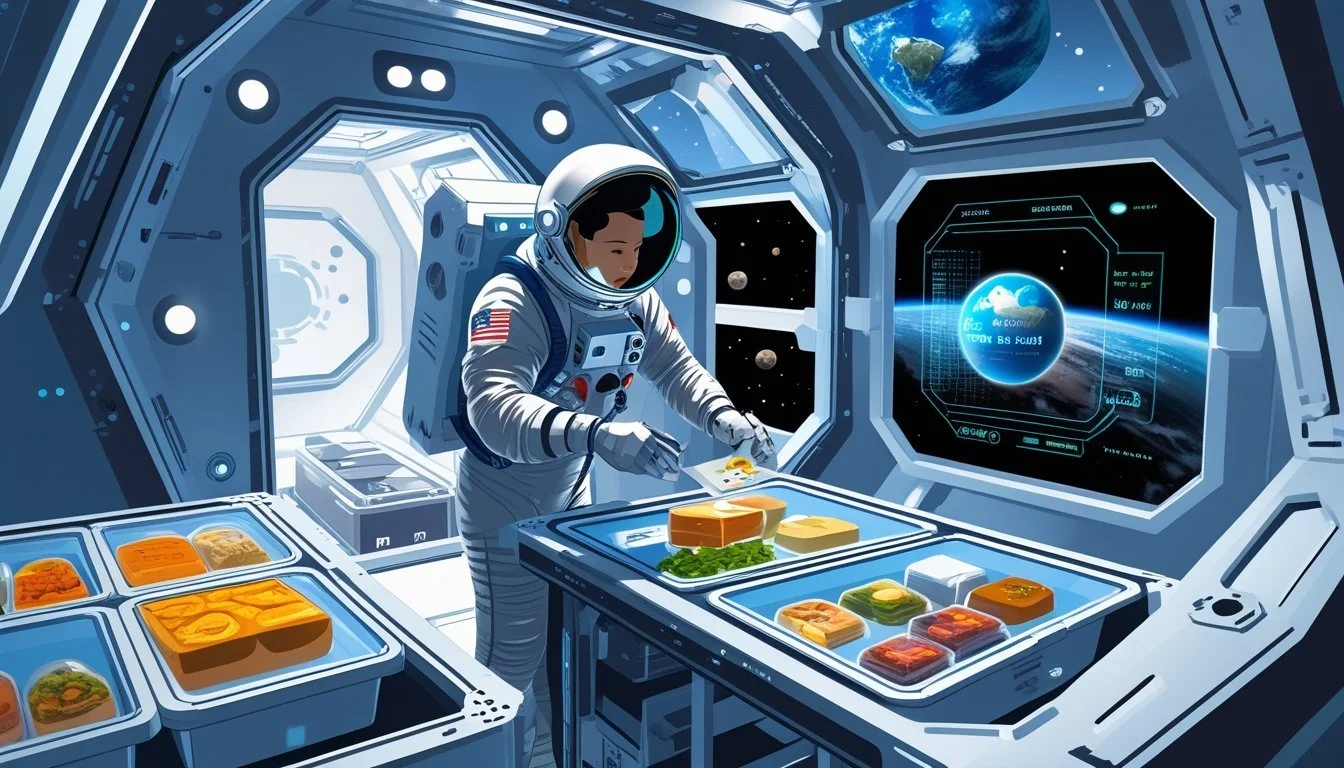
Advancements in food preservation are playing a critical role in making space exploration safer and more efficient. Researchers are exploring both new preservation technologies and sustainable approaches to create longer-lasting, nutritious food for astronauts.
Emerging Preservation Technologies
Recent research focuses on innovative preservation methods such as high-pressure processing, radiation, and advanced freeze-drying. These approaches aim to maintain food quality, reduce nutrient loss, and increase microbial safety.
For example, high-pressure processing inactivates bacteria without using heat, helping retain vitamins and taste. Radiation methods, like gamma irradiation, are being tested to extend shelf life by controlling spoilage and pathogens. Enhanced freeze-drying further reduces moisture while preserving texture.
Table: Preservation Technologies and Their Benefits
Technology Primary Benefit High-pressure processing Retains nutrients/taste Radiation Increases microbial safety Advanced freeze-drying Improves texture/shelf life
As missions grow longer, packaging innovations also contribute by providing oxygen barriers and reducing ethylene buildup, both of which slow spoilage in space food systems.
Sustainable Solutions for Space Exploration
Sustainability in shelf life extension is vital for missions beyond low Earth orbit. Closed-loop systems, like hydroponics and bioregenerative farms, offer fresh produce to supplement packaged food.
Recycling water and nutrients in these systems reduces resupply needs from Earth. Astronauts have already grown leafy greens and radishes on the International Space Station, providing essential nutrients missing from processed foods.
Efforts also focus on edible packaging and waste minimization to lessen mission mass and maintain environmental balance. Combining preserved food with fresh-grown crops allows crews to enjoy greater dietary variety and potentially longer shelf life, supporting health on lengthy deep space missions.

