
Reusable Containers and the Shelf Life Puzzle
Understanding Freshness and Safety
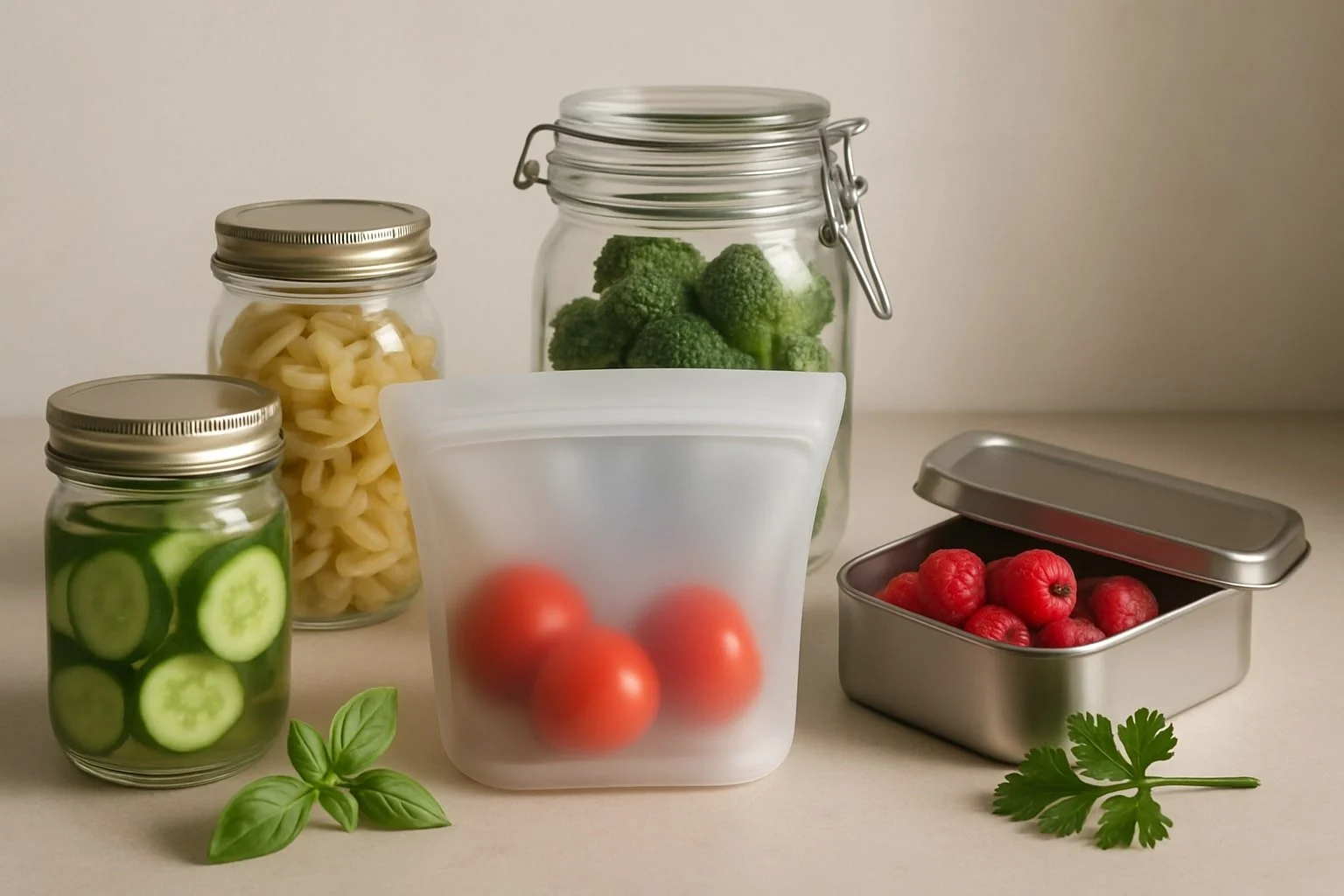
Reusable containers can last for many years if properly cared for, though their effective shelf life depends on the materials used and how often they are cleaned and handled. Many people turn to reusable containers to reduce waste and environmental impact, but wonder about their durability and whether they truly outlast single-use options. This shelf life puzzle is more than just a matter of longevity—it's also about everyday use, hygiene, and performance over time.
Recent studies and real-world use suggest that rigid reusable containers not only maintain sterility and protection for long periods, but can also save money when compared to disposables. However, their actual lifespan is influenced by factors such as repeated washing, exposure to heat, and the specific type of plastic or material involved. Understanding these details can help anyone make informed choices about sustainable storage and food packaging.
Understanding Reusable Containers and Shelf Life
Reusable containers play a vital role in modern storage and logistics systems. The relationship between their physical durability and the shelf life of their contents raises unique practical and environmental challenges.
Defining Reusable Containers
Reusable containers are designed to withstand multiple uses, often in a variety of settings. They are typically made from durable materials such as plastic, silicone, stainless steel, or glass. These containers serve a range of purposes, including the storage and transport of food, medical supplies, and consumer goods.
Key characteristics include:
Durability: Engineered to resist wear from repeated handling, washing, and sterilization.
Standardization: Often built to standardized sizes for compatibility in logistics and retail.
Sustainability: Intended to cut down on single-use packaging, reducing waste and emissions compared to disposable alternatives.
Cost Efficiency: Long-term use can help offset the higher initial purchase price.
Each reusable container’s longevity depends on how it is handled, cleaned, and maintained. Brand reputation, material quality, and adherence to proper care guidelines also play substantial roles.
Explaining Shelf Life in Puzzles
In the context of containers, shelf life refers to two distinct but interconnected concepts. First, it means how long the container itself remains functional, sanitary, and safe for repeated use. Second, it means how well the container preserves the freshness, safety, and quality of its contents while in storage.
Puzzles arise when trying to match a reusable container’s lifespan with the requirements for storing sensitive goods, such as food or sterilized medical devices. Over time, repeated use or inadequate cleaning may cause micro-damage or chemical degradation, which can affect performance.
Shelf life can also vary based on container material. For example, silicone bags may be less prone to staining, while some plastics can degrade or harbor odors if not cleaned correctly. Regulatory requirements may also dictate limits on reuse for safety-critical applications.
The Shelf Life Puzzle: Core Challenges
One of the biggest challenges is balancing environmental, economic, and safety factors. Containers must retain integrity through many cycles, but real-world use often exposes them to harsh cleaning agents, physical knocks, or improper storage.
A crucial issue is that while reusable containers can be claimed to have an “indefinite” shelf life, their actual usability is influenced by how they are treated. Exposure to certain chemicals, high temperatures, or repeated mechanical stress can shorten their safe lifespan.
There is also complexity in logistics: tracking usage cycles, ensuring proper sterilization, and avoiding cross-contamination. For the end user, understanding when a container has reached the end of its useful life can be unclear without clear visual or structural failure. These factors require users to be proactive about inspection and care to ensure both container performance and content safety.
Materials and Quality Factors
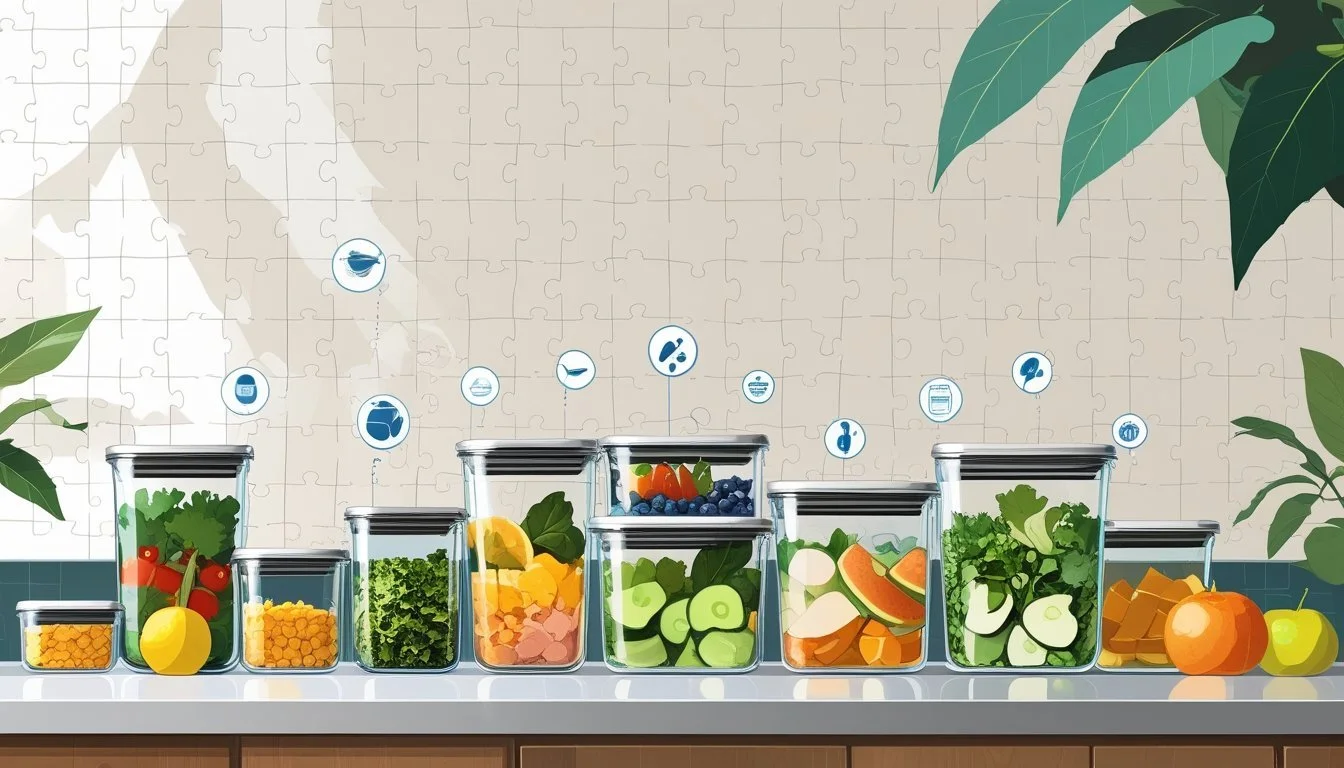
The Shelf Life Puzzle stands out due to its focus on sustainable materials, safe manufacturing practices, and reusable packaging. Attention to detail in production ensures both environmental responsibility and durability for users.
FSC-Certified Material and Sustainability
The greyboard used in the Shelf Life Puzzle contains approximately 90% recycled paper, reducing waste and minimizing resource extraction. This approach helps preserve forests and lowers the product’s environmental footprint.
All packaging incorporates about 70% recycled paper and is manufactured using FSC-certified materials. The Forest Stewardship Council certification signifies that the paper and board are sourced from responsibly managed forests. Consumers can refer to FSC logos on the box for verified sustainable sourcing.
By prioritizing these materials, the puzzle appeals to those who value eco-friendly products. It aligns well with modern environmental standards without compromising quality or presentation.
Use of Nontoxic Inks
Printing for the Shelf Life Puzzle uses nontoxic inks. This ensures that the puzzle is safer to handle, especially for those who may be sensitive to regular chemical inks.
Nontoxic inks reduce exposure to harmful chemicals during both manufacturing and usage. They meet modern safety standards for toy and game products. Children and adults are less likely to experience irritation or adverse reactions even after prolonged assembly sessions.
The commitment to nontoxic inks reflects broader trends toward cleaner, more responsible product development. This makes the puzzle a reliable choice for family use and educational activities.
Sturdy Boxes and Reusability
Each Shelf Life Puzzle is packaged in a matte-finish sturdy box designed to protect the pieces and artwork. The packaging is not only attractive but also practical for gifting, storage, and repeated reuse.
Reusability extends beyond the game itself; the durable box can be repurposed for storing small items or organizing household materials. An insert with the full puzzle image is included, which aids in assembly and can be reused for reference.
Sturdy boxes help preserve the puzzle for future use, supporting waste reduction and enhancing the overall value of the product for users seeking long-lasting items.
Puzzle Design and Packaging
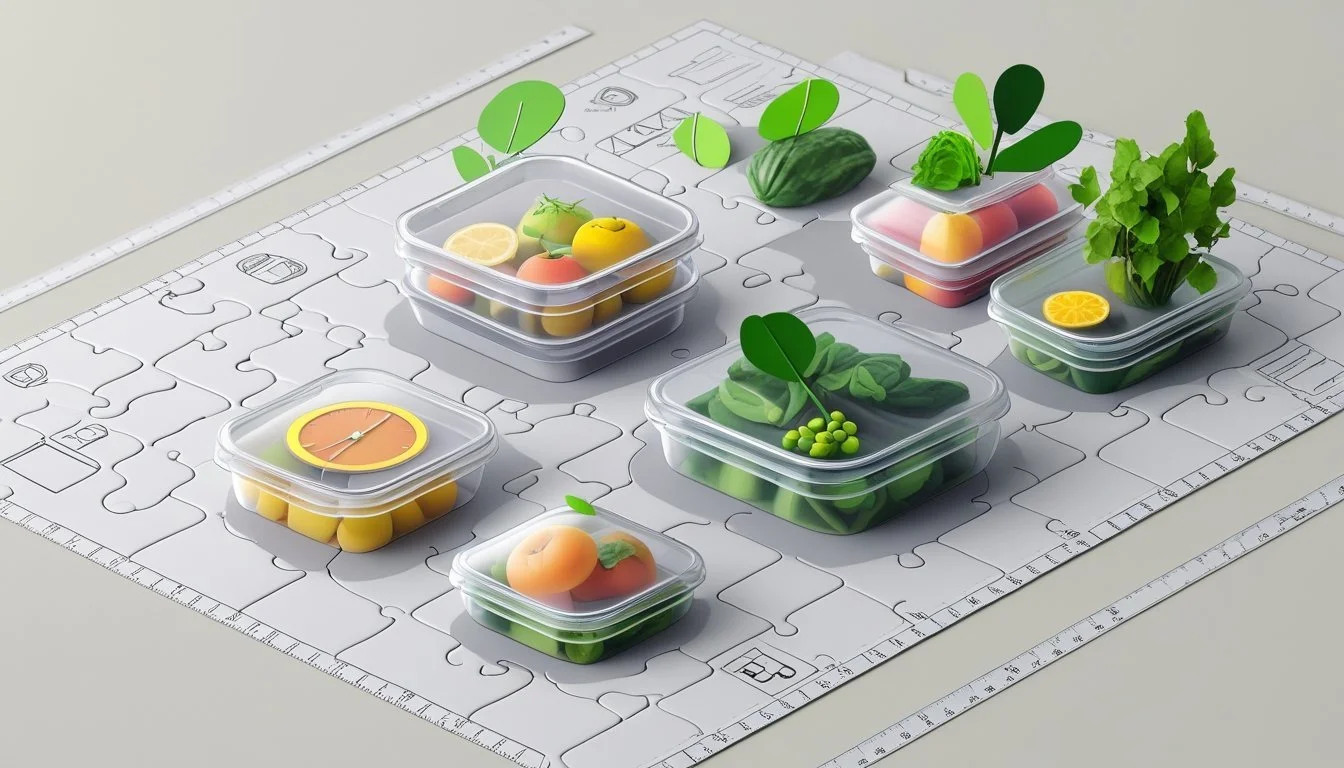
Effective puzzle packaging serves both protection and usability. Elements like inserts, dust management, and precision cuts can extend a puzzle’s shelf life and improve the user experience.
Puzzle Insert and Instructions
Puzzle inserts usually include an image of the finished puzzle and assembly tips. These printed sheets help users orient pieces and often provide insights about the puzzle’s artwork or theme. Manufacturers typically use high-quality paper to resist creases and tearing.
Instructions may also address storage recommendations, such as keeping pieces dry and away from direct sunlight. Some inserts incorporate QR codes for digital instructions or interactive features. This aids both new and experienced puzzlers.
In addition, secure inserts help maintain organization. When included, trays or partitions keep pieces separated and minimize mixing, especially with larger puzzles.
Minimal Puzzle Dust Solutions
Puzzle dust is a common but often overlooked issue, resulting from the cutting process. A fine cardboard residue can coat pieces and collect inside the box. Excess dust may cause friction between pieces or irritate sensitive users.
Manufacturers use several strategies to limit puzzle dust. These include vacuuming pieces during packaging, treating boards before cutting, and using higher-density paperboard that produces cleaner edges. Some packaging now features sealed bags to contain dust and keep pieces clean during storage.
Reducing dust is beneficial for shelf life because it lessens abrasion inside the box. Consumers are less likely to experience complaints related to debris or require extra cleaning before assembly.
The Role of Ribbon Cut in Preservation
The ribbon cut is a specific method where puzzle pieces are cut in straight, parallel rows. This style increases consistency in piece shape and fit. It also tends to produce less dust compared to random or irregular cuts.
Ribbon cut puzzles are less prone to frayed edges, which improves durability over repeated use. This contributes to a longer shelf life, especially in reusable containers. The even edges also help ensure that pieces sit flush against one another, reducing movement and potential warping.
Manufacturers prefer ribbon cut styles in both mass-market and premium puzzles for easier packaging and added longevity. This cutting method is a key component in maintaining the structural integrity of puzzles through multiple assemblies.
Product Variations and Innovations
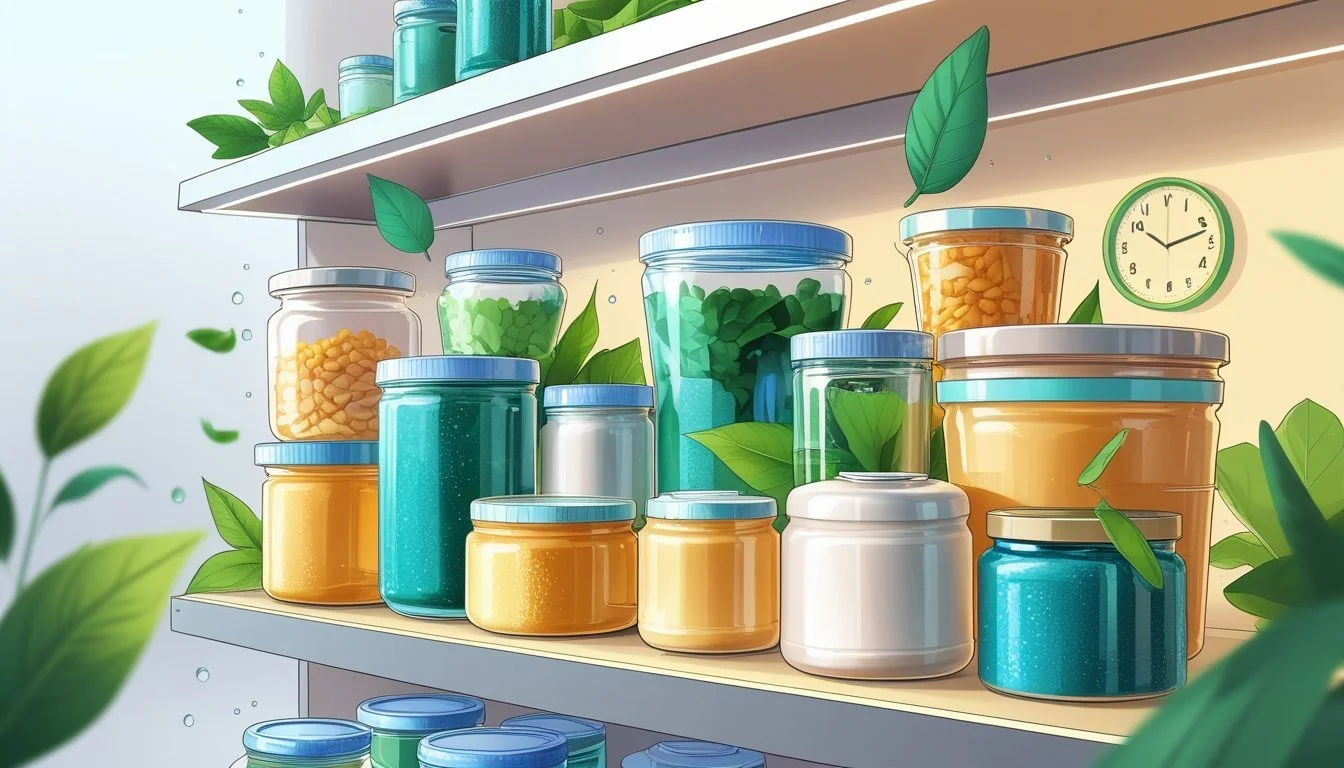
Product choices in puzzles differ in both visual presentation and practical design. The Shelf Life 1000 Piece Surprise Puzzle particularly stands out for its creative approach to image and how the finished puzzle is experienced by users.
Puzzle Image and Presentation
The Shelf Life 1000 Piece Surprise Puzzle introduces a botanical-themed surprise image that is not fully revealed on the box or insert. This element of the unknown sets it apart from traditional puzzles, where the complete picture is usually displayed.
Buyers get a partial preview, but the final assembly reveals new details and visual surprises not shown on the packaging. This can make repeating the puzzle more entertaining, maintaining its novelty for multiple uses.
To support this experience, Galison includes a printed insert with the full image for reference. The packaging uses a sturdy, matte-finish box that is suitable for gifting as well as storage.
1000 Piece Puzzle Options
The 1000 piece format is popular for adult puzzlers and families seeking a moderately challenging activity. The number of pieces allows for strong image detail while remaining manageable for casual puzzlers and groups.
Galison’s 1000 piece puzzles are positioned as both fun and challenging but accessible to a wide range of skill levels. This makes them suitable for both beginners looking for an engaging activity and experienced puzzlers who value quality construction.
The puzzles often feature bold, bright artwork and surprise imagery, offering both visual interest and a different experience for repeat solving. In addition, some brands allow buyers to choose their level of difficulty or reuse the puzzle multiple times without image fatigue due to the secret image reveal.
Puzzle Size Considerations
The typical size for a completed 1000 piece puzzle, including the Shelf Life Surprise Puzzle, measures about 25 x 19 inches (approximately 32 inches in some variants). This size is large enough to display intricate imagery but compact enough to fit on most tables and work surfaces.
Puzzle size matters for two reasons: assembly comfort and storage needs. A balanced completed size ensures that users are not overwhelmed during assembly and can easily store or transport the puzzle when disassembled.
Reusable containers or sturdy boxes designed for puzzles help protect the pieces during storage. Durable packaging contributes to better longevity, especially for those who enjoy assembling their puzzles multiple times.
Reusability and Longevity
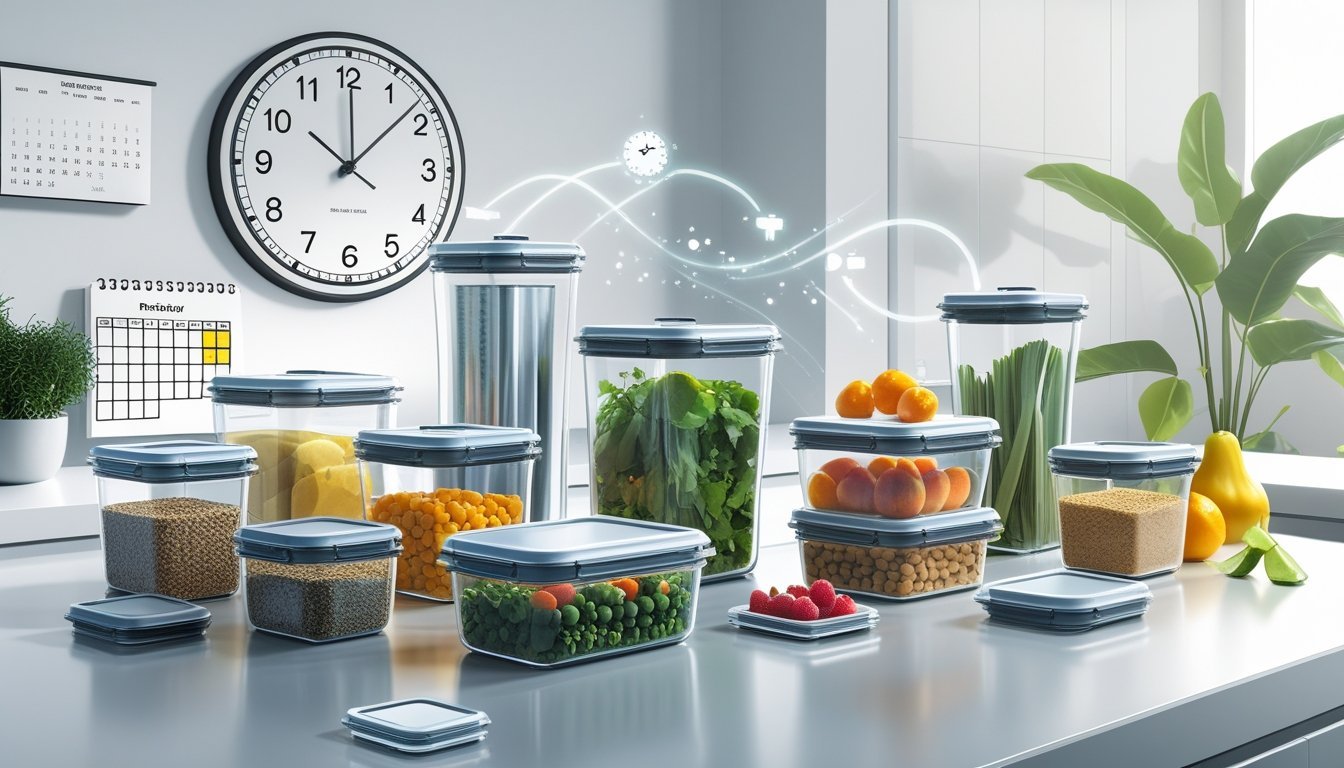
Durability and storage can determine how long reusable containers and sturdy boxes keep puzzles in playable condition. Multiple factors—from materials to handling—affect how well puzzles are preserved through repeated use.
Factors Affecting Puzzle Shelf Life
Material selection is one of the most critical aspects of longevity. Containers made from high-grade polypropylene, thick cardboard, or reinforced plastics tend to protect puzzles from moisture, pests, and physical wear during handling.
Design matters as well. Tight-sealing lids and reinforced corners in sturdy boxes help prevent crushing and environmental exposure. Containers with clear labels and smooth interior finishes also reduce the risk of accidental loss or damage to puzzle pieces.
Regulations and standards influence the expected reusability of containers. Some guidelines set targets as high as 780 to 1,000 cycles of use without significant degradation. The number of reuses before visible wear often depends on factors such as frequency of handling and the method of opening and closing the box.
Proper Storage Techniques
Optimal storage conditions significantly extend the shelf life of puzzles in reusable containers. Puzzles should be kept in areas with stable, moderate temperatures and low humidity, as both extremes can cause warping or mold growth.
Maintaining cleanliness inside the container is essential. Regularly wiping out dust and preventing residue buildup reduces the risk of contaminating the puzzle pieces. Using silica gel packets or moisture absorbers inside sturdy boxes can further inhibit mold and wear.
Storing containers upright on shelves instead of stacking them can minimize pressure and avoid distortion of the box shape. Clearly labeling each container makes retrieval efficient and reduces unnecessary handling, keeping the storage cycle efficient and minimizing potential damage.
Gifting and Collectibility
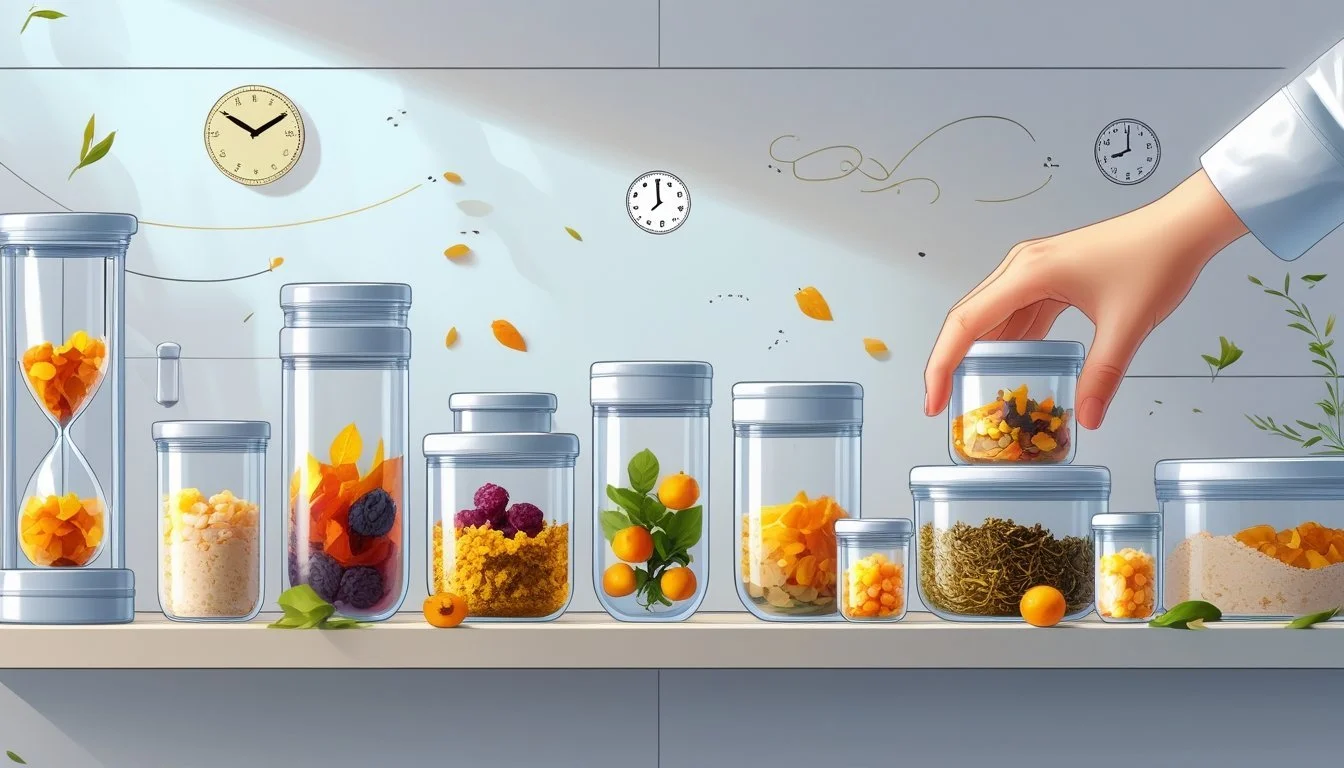
Reusable containers are increasingly being chosen for gifting because of their practicality and eco-friendly appeal. Puzzle editions offer added collectibility, making them attractive not just for play but as thoughtful gifts and keepsakes.
The Appeal of Surprise Puzzle Editions
Surprise puzzle editions use the element of mystery to enhance their appeal. With limited releases or themed packaging, each container can hold different puzzle designs or bonuses, making every unboxing unique.
Collectors and enthusiasts are drawn to these editions for their exclusivity. The knowledge that an edition may not return adds incentive to acquire and preserve it. Some brands number these puzzles or include certificates of authenticity, increasing their desirability.
Reusable packaging also plays a role in collectibility. Containers designed for reuse—such as metal tins, glass jars, or decorative boxes—serve both as storage and display pieces. This approach reduces waste and adds value for the consumer, as highlighted by trends in sustainable gifting.
Puzzles as Meaningful Gifts
Puzzles packaged in reusable containers bring a dual advantage to gifting. First, they show thoughtfulness by offering both entertainment and a practical container that can be reused by the recipient.
Options like decorative jars, planters, or cloth bags elevate the unboxing experience. According to current trends, making the wrapping part of the gift itself extends its usefulness and aligns with eco-conscious values.
A puzzle, especially a surprise edition or a beautifully crafted collectible, can signal care and attention. It's a gift that encourages relaxation, collaboration, or quiet thought, making it suitable for a wide range of recipients—from friends and family to colleagues. The added practicality of a reusable container ensures the gift has lasting utility beyond its initial opening.
Regional Availability and Distribution

Reusable containers and the Shelf Life Puzzle are available in several regions, with notable differences in distribution and consumer access. Distribution channels and local partnerships impact how customers in Canada and Europe find and purchase these products.
Market Presence in Canada
In Canada, reusable containers are widely distributed through major retailers, specialty kitchen stores, and online platforms. Many Canadian shoppers can find brands offering a range of materials, including glass, BPA-free plastics, and stainless steel.
The Shelf Life 1000 Piece Surprise Puzzle by Galison is available in Canada through physical shops and online sellers such as Amazon and Barnes & Noble. Boxes are packaged for reuse and storage, making them attractive to eco-conscious consumers.
Canadian retailers often highlight product sustainability and durability. Promotions and stock levels may vary by province due to logistics and demand fluctuations.
Expanding Across Europe
Across Europe, reusable containers are a staple in most grocery chains and home goods stores, especially in countries with strict environmental policies. European consumers look for containers that support waste reduction and meet strict food safety regulations.
The Shelf Life Puzzle is present in the European market through select bookstores, puzzle shops, and international online retailers. Shipping times may be longer in certain regions, but multilingual packaging supports broader accessibility.
Consumer trends in Europe emphasize multifunctional products and designs that fit smaller urban living spaces. Certifications such as LFGB (Germany) or EU food-contact safety marks are often used by leading brands to build trust and meet regulatory standards.
Spotlight: galison puzzles
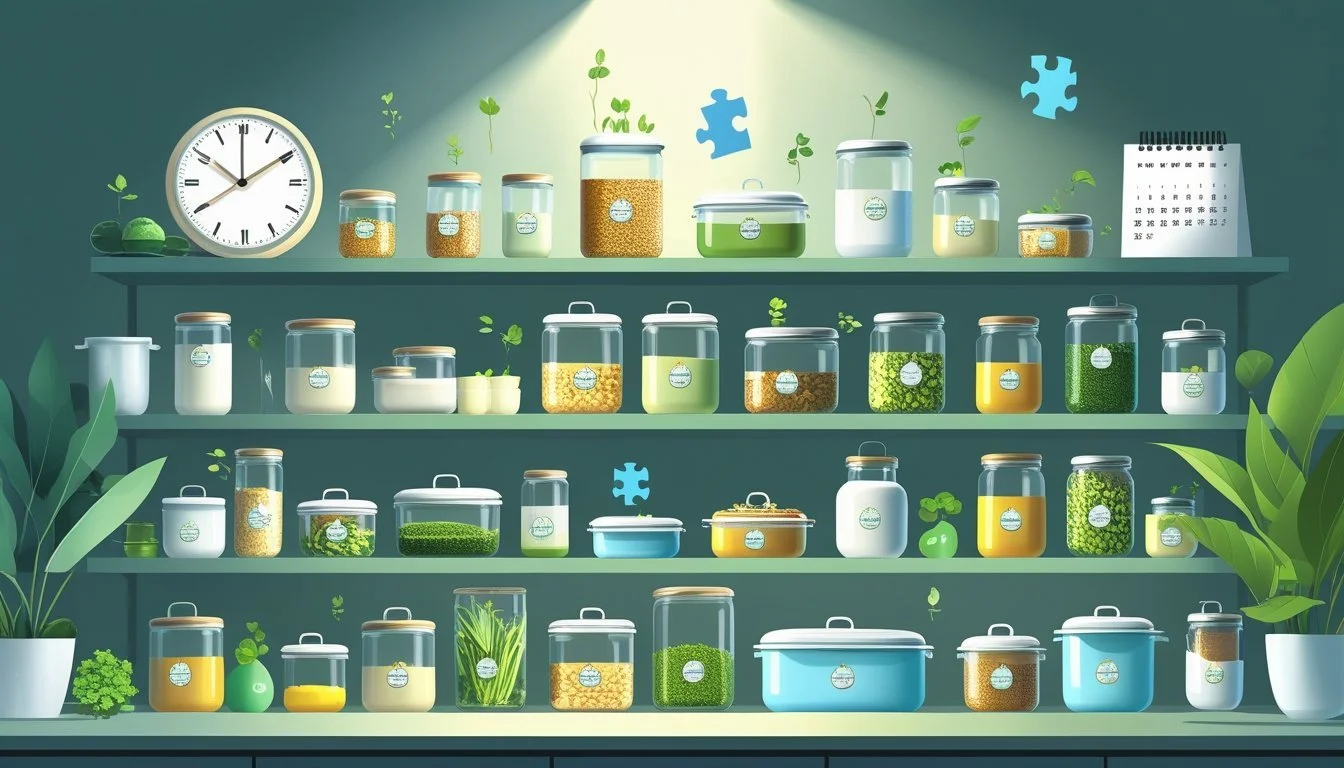
Galison puzzles are recognized for their combination of striking design and reliable quality. Their products are notable for thoughtful packaging and a focus on environmental responsibility.
Unique Features of galison puzzles
Galison offers jigsaw puzzles featuring a range of distinctive artwork and diverse themes. Many designs incorporate colorful, detailed images that provide a satisfying visual experience. For example, the Shelf Life puzzle uses vibrant patterns and well-defined areas, making it easier for users to organize and piece together.
Each puzzle is packaged in a sturdy, matte-finish box, which helps with both gift presentation and safe storage. An image insert is included to guide assembly. Galison uses a ribbon-cut technique for their puzzle pieces, ensuring a snug fit and a smooth assembly process.
Puzzle piece counts typically include options such as 1000 pieces, catering to both casual puzzlers and enthusiasts. The presentation and thoughtful design make these puzzles suitable for display or reuse.
Commitment to Sustainability
Galison consistently emphasizes the use of recyclable and reusable materials in their packaging. Their sturdy boxes can be repurposed for storage beyond the original puzzle use, reducing waste. Matte-finish boxes are both protective and recyclable, aligning with sustainability goals.
Galison’s production process is designed to limit environmental impact. By focusing on durable materials and encouraging long-term use, they help minimize single-use packaging. Their efforts make Galison puzzles a favorable choice for environmentally conscious buyers.
The company’s environmental approach is complemented by their attention to product longevity and usability. These measures highlight Galison’s position as a puzzle manufacturer with both creative and sustainable priorities.

