
How Warehouse Conditions Skew Expiry Projections and Impact Inventory Management
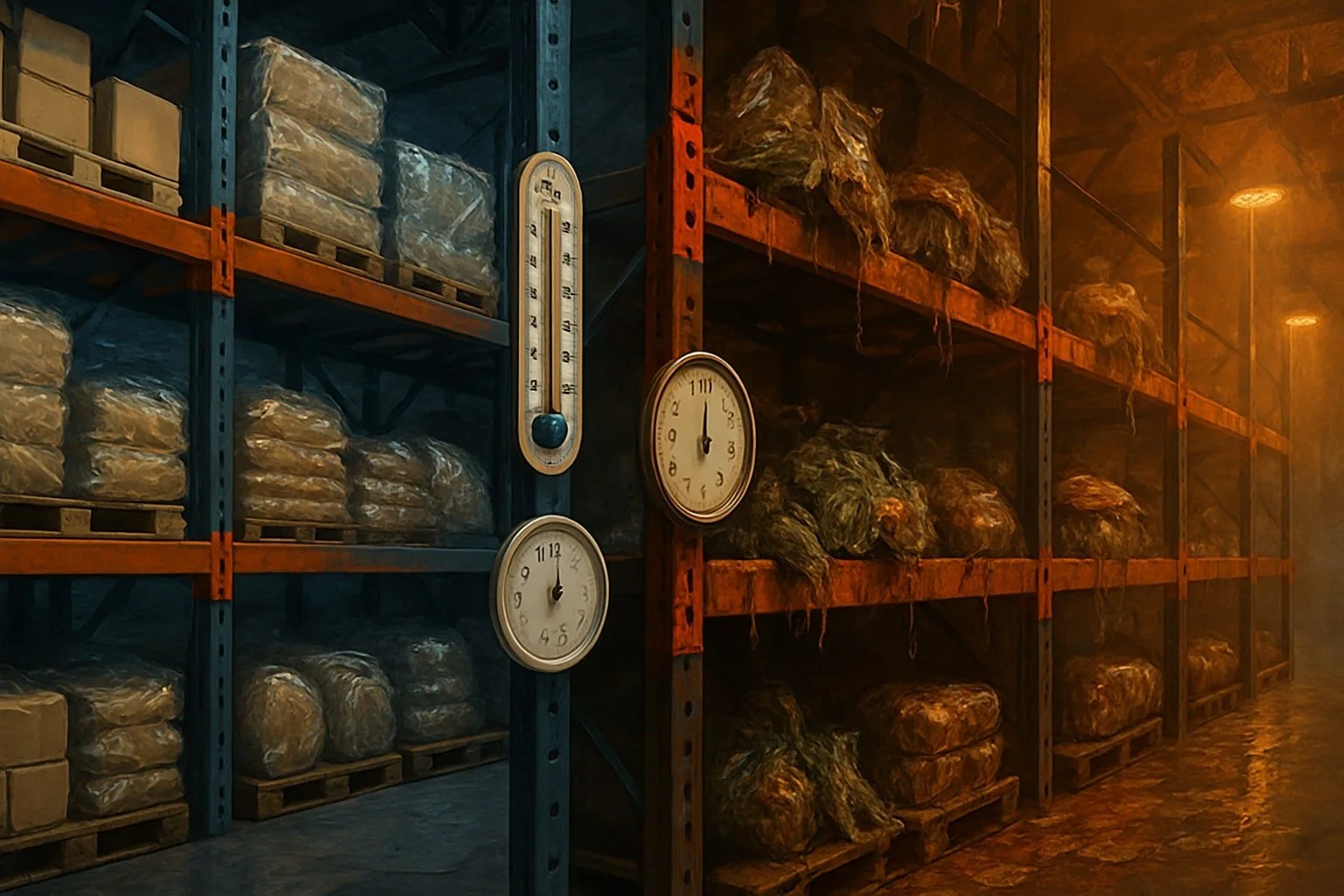
Warehouse conditions, such as temperature and humidity, can directly affect how long products stay safe and usable, making shelf life projections less reliable. Even products with a printed expiration date may spoil early if not kept under recommended conditions, which is especially true for items like dairy, meat, and pharmaceuticals.
Improper storage, poor stock rotation, and inconsistent environmental controls often lead to unexpected spoilage and increased waste. Recognizing these risks helps managers understand why relying solely on static expiry dates can be costly.
By examining how storage environments impact product lifespan, warehouses can take more precise steps to reduce losses and improve inventory reliability. This article explains the key ways warehouse conditions skew expiry projections and explores practical solutions to counteract these challenges.
Understanding Expiry Projections and Their Importance

Knowing how long a product will remain usable directly influences storage, rotation, and shipment decisions. The accuracy of expiry projections determines how effectively a warehouse can minimize waste and maintain product quality.
What Are Expiry Dates and Expiration Projections
An expiry date is a specific point when a product is no longer considered suitable for use or sale. This date is usually set by the manufacturer, factoring in the product’s stability, formulation, and storage requirements.
Expiration projections go a step further by estimating how long products will stay safe and effective under actual warehouse conditions. Factors such as temperature, humidity, and exposure to light play a critical role in refining these projections.
While expiry dates provide a standardized guideline, projections use real-time data to anticipate potential changes in shelf life. This allows inventory managers to adjust workflows and prioritize handling before products reach the end of their shelf life.
The Impact of Shelf Life on Inventory Decisions
The shelf life of an item determines the window during which it can be safely distributed and consumed. A short shelf life demands fast turnover, close monitoring, and strategic placement within the warehouse for easy access and dispatch.
In inventory management, techniques like FEFO (First-Expired, First-Out) and quality function models are widely used to prioritize items based on their remaining shelf life. These methods reduce waste by ensuring that products nearing expiration are shipped first.
Warehouse organization, such as strategic product labeling and tracking of expiration dates, supports efficient picking and helps prevent loss from unsellable stock. Constant monitoring of shelf life across batches also enables timely interventions if quality issues arise.
Why Accurate Expiry Projections Matter
Accurate expiry projections directly affect profitability, sustainability, and customer satisfaction. Incorrect forecasts may lead to premature disposal, product recalls, or spoilage—causing financial losses and reputation damage.
With modern systems like barcode scanning and IoT sensors, warehouses can track expiration dates more precisely and update projections as conditions change. This improves stock rotation and reduces unnecessary waste.
Precise projections support better decision-making in purchasing, storage, and fulfillment, ensuring that only safe and high-quality products reach consumers. This is critical in industries where compliance and safety are strictly regulated, such as pharmaceuticals and food.
Key Warehouse Conditions Affecting Expiry Projections

Storage conditions in a warehouse play a direct role in how long products remain usable. Factors such as temperature, humidity, lighting, and air quality can significantly alter both the shelf life and safety of inventory.
Temperature Control and Fluctuations
Accurate temperature control is essential for products like pharmaceuticals, dairy, and meat, where specific temperature ranges are often required to maintain freshness and prevent spoilage. Even minor temperature fluctuations can speed up degradation, leading to products expiring prematurely.
Frequent opening of warehouse doors, faulty thermostats, or insufficient insulation can cause inconsistent temperatures. These inconsistencies can trigger microbial growth or chemical reactions, especially in sensitive items. Monitoring systems that provide real-time temperature data help warehouse management keep conditions within safe parameters.
Warehouses using modern climate control technology reduce the risk of loss and mismatch between expected and actual expiry dates. Routine calibration of cooling systems and regular staff training on temperature-sensitive storage further support accurate expiry projections.
Humidity and Environmental Factors
Humidity is another critical factor that impacts expiry projections, particularly for goods such as grains, powders, and packaged foods. Excess moisture accelerates mold growth and can compromise packaging integrity, causing products to degrade faster than anticipated.
Warehouses must continually measure and regulate indoor humidity to maintain product quality. Unexpected changes in humidity may result from inadequate sealing of storage areas, seasonal weather effects, or malfunctioning dehumidifiers. Consistent humidity control helps prevent both microbial contamination and physical deterioration of products.
Other environmental factors, including dust and pest presence, can also skew expiry projections. Management strategies, such as air filtration and pest monitoring, are necessary to minimize these additional risks.
Lighting and Air Quality
Lighting, especially exposure to UV or high-intensity visible light, can degrade products like vitamins, chemicals, and certain foods. Continuous light exposure may lead to discoloration, nutrient loss, or chemical breakdown, shortening effective shelf life.
Air quality is equally important. Poor ventilation and airborne contaminants contribute to faster spoilage, particularly for sensitive goods. Gases emitted by forklifts or packaging materials may also affect product stability.
Warehouse management should implement filtered ventilation systems, avoid unnecessary exposure to direct lighting, and ensure regular checks for airborne pollutants. Using appropriate storage materials and corrective lighting can further minimize the impact on expiry projection accuracy.
Inventory Rotation Methods and Their Influence

Different inventory rotation methods—such as FIFO and FEFO—directly impact expiration tracking and product quality in warehouse management. The accuracy of product rotation plays a significant role in preventing spoilage and minimizing financial loss.
First-In-First-Out (FIFO) Versus First-Expired-First-Out (FEFO)
FIFO (First-In-First-Out) is widely used for products without exact expiration dates. It assumes that items received first are distributed or sold first. This method is straightforward and effective for managing goods that are not highly perishable, such as canned goods or hardware.
FEFO (First Expired, First Out), in contrast, prioritizes products based on their expiration dates regardless of arrival time. This approach is crucial for industries handling perishable goods or pharmaceuticals, where shelf life can vary even within the same shipment.
Method Basis Best For Key Limitation FIFO Arrival date Non-perishables Overlooks expiry FEFO Expiry date Perishables Needs accurate data
Choosing the right rotation method depends on product type and storage needs. FEFO is more complex but reduces the risk of outdated inventory reaching customers.
Challenges in Product Rotation Accuracy
Product rotation accuracy can be affected by several warehouse conditions. Poor labeling, inconsistent temperature, and inadequate tracking systems can cause items to be misplaced or incorrectly rotated. These errors are more likely when managing large inventories or when expiration dates are ambiguous.
Manual processes increase the risk of human error, such as accidentally skipping items or misreading dates. Warehouses that rely on manual inventory checks often struggle to maintain correct rotation, especially when product packaging changes or batch codes are hard to see.
Automation and proper staff training help reduce rotation mistakes. Barcoding and digital tracking systems allow for better visibility, making it easier to follow FEFO or FIFO methods reliably and keep spoilage or wastage low.
Warehouse Management Systems and Expiry Tracking
Warehouse Management Systems (WMS) play a key role in how organizations monitor and control expiry dates for perishable inventory. Accurate expiry data is vital for minimizing product waste, maintaining compliance, and protecting consumer safety.
Role of WMS in Managing Expiry Data
A WMS automates the logging of batch and expiry information as products arrive, reducing manual errors and standardizing data entry. With each inbound batch, essential details such as production date and expiration date are recorded in a centralized system.
By using automated tracking, warehouse staff can quickly identify items approaching expiry. This enables prioritization of product movement, such as first-expiry, first-out (FEFO) picking, which helps reduce spoilage and financial loss.
WMS platforms often include easy-to-read dashboards and reporting tools. These systems allow managers to monitor inventory health at a glance, making it easier to spot and address any looming expiry risks.
Integration with Tracking and Notification Systems
Many WMS solutions are designed to integrate with external tracking and notification systems. This integration triggers automated alerts—such as emails, SMS, or system pop-ups—when products are nearing expiry thresholds.
A typical WMS-to-notification workflow involves these steps:
Monitoring expiry dates through real-time tracking.
Sending notifications to responsible staff when critical thresholds are reached.
Initiating actions like reallocation or removal of soon-to-expire stock.
These proactive alerts help avoid distributing expired goods and support compliance with food safety or pharmaceutical regulations. Notifications can be customized by product type, risk level, or regulatory requirements, giving warehouses more control and flexibility.
Product Types Most at Risk of Expiry Projection Errors

Products with short shelf lives or sensitive handling requirements face the highest risk of errors in expiry projections. Poor storage or environmental fluctuations often lead to spoilage or reduced efficacy, undermining inventory and safety targets.
Perishable Goods and Perishable Products
Perishable goods such as dairy, fresh produce, meat, and seafood are extremely sensitive to temperature, humidity, and ventilation. Even small deviations from recommended storage conditions can accelerate spoilage, causing these items to expire days or weeks before expected dates.
Mislabeled expiry dates or poor rotation practices—for example, ignoring the FEFO (First Expired, First Out) principle—can result in excess waste and lost revenue. Inconsistent refrigeration or improper handling further complicate accurate shelf life predictions.
Items like ready-to-eat meals and bakery products also require constant monitoring. Regular audits, clear labeling, and automated tracking systems can reduce projection errors, but only if strict climate control and training are maintained.
Product Type Storage Need Typical Risks Dairy Cold (≤4°C) Spoilage, texture change Fresh Produce Cool/humid Fast spoilage, decay Raw Meat/Seafood Very cold (-1°C) Bacterial growth, odor
Pharmaceuticals and Cosmetics
Pharmaceuticals require precise environmental controls, especially temperature and humidity, to maintain potency and safety. Variations—even brief—can degrade active ingredients, making standard expiry projections unreliable in warehouses lacking proper controls.
Cosmetics—including creams and lotions—are also vulnerable to changes in heat and light. Shelf life may shorten if exposed to fluctuations, leading to separation, discoloration, or microbial growth. Errors in handling or tracking can cause products to be used past their effective date, risking reduced performance or safety concerns.
Batch tracking, serial numbers, and real-time monitoring systems are essential for these product types. Regulatory compliance adds complexity, making rigorous inventory rotation and monitoring non-negotiable. Reliable expiry projections depend on unwavering adherence to manufacturer-recommended storage standards.
Operational Challenges in Expiry Date Accuracy

Accurately projecting expiry dates in a warehouse is influenced by several real-world operational factors. Inventory management, packaging choices, and labor behaviors all introduce challenges that can disrupt reliable shelf-life estimates and regulatory compliance.
Inventory Levels and Storage Practices
Fluctuating inventory levels directly affect how products are rotated and stored. Overstocking can lead to items with sooner expiry dates being pushed to the back, making them harder to access and increasing the risk of missed sell-by deadlines. Understocking, on the other hand, may force the use of older stock without proper inspection.
Storage practices also play a crucial role. Failure to uphold temperature controls or maintain correct humidity can shorten product shelf life, especially for sensitive goods like dairy, meat, or pharmaceuticals. Using methods such as FEFO (First Expired, First Out) becomes essential, but poor recordkeeping or lack of real-time tracking hinders its effectiveness.
Visibly organizing stock, clearly labeling expiry and production dates, and using barcode or RFID systems can help maintain accuracy. Inconsistent application of these tools weakens links between actual shelf life and expected dates, risking both financial loss and compliance breaches.
Packaging’s Role in Expiry Projections
Packaging acts as the primary barrier between product quality and environmental exposure. If packaging is improperly sealed or damaged, oxygen and moisture can reach perishable items, leading to spoilage before the printed expiry date. The material type and thickness contribute significantly to maintaining the stated shelf life.
Some products rely on modified atmosphere packaging, which extends freshness but only if stored under specified conditions. Inadequate packaging information or ambiguous labeling further complicates tracking and increases the likelihood of errors.
Regulations often dictate packaging standards for pharmaceuticals, foods, and cosmetics. Failing to comply with these regulations not only compromises inventory accuracy but can lead to costly recalls. Staff should receive regular training on identifying damaged packaging and taking corrective action to preserve accurate shelf-life projections.
Labor Practices and Process Compliance
Warehouse staff practices and adherence to standard procedures are central to reliable expiry management. Skipping steps in the receiving or dispatch process, such as scanning and documenting batch codes, can cause inaccuracies in expiry tracking. Errors accumulate when processes depend too heavily on manual entry.
Routine compliance checks, process audits, and clear documentation procedures can mitigate these risks. Automation tools—like RFID scanners and handheld barcode readers—help reduce human error, but only if workers use them consistently and are held accountable.
Clear communication of responsibilities ensures that every shift maintains correct product rotation, upholds regulatory guidelines, and detects potential problems early. When labor practices slip, expiry projections become unreliable, elevating risks of non-compliance and inventory loss.
Impact on Supply Chain and Financial Outcomes

Warehouse conditions can distort expiry projections, shaping both operational decisions and bottom-line results. Inconsistent storage environments increase risks related to product lifecycle accuracy, directly influencing logistics and cost structures for supply chain management.
How Expiry Projection Errors Affect Supply Chain Management
Errors in expiry projections lead to flawed inventory planning and movement. For example, misestimating shelf life may trigger premature product rotation or unnecessary recalls, disrupting distribution flows.
Supply chain managers often rely on projected expiry dates to schedule shipments and optimize warehouse space. When projections are skewed by inadequate conditions—such as irregular temperature or humidity—products may expire earlier or later than anticipated. This results in last-minute changes to transportation, storage allocation, and order fulfillment.
A table summarizing key impacts:
Issue Supply Chain Effect Early expiry Accelerated turnover, stockouts Late expiry Overstock, reduced warehouse space Uncertain dates Inefficient scheduling, extra checks
Effective supply chain management requires real-time data and accurate forecasts. Inaccuracies increase administrative workload and introduce uncertainty into demand planning and vendor agreements.
Financial Losses and Spoilage
Skewed expiry projections are directly linked to financial losses and spoilage. When products expire sooner than planned, companies face direct costs from unsellable goods and indirect losses due to interrupted business relationships.
Spoilage impacts both raw materials and finished products, increasing write-offs and reducing margins. If expiry errors go undetected, expired products may enter the market, resulting in possible fines, recalls, or reputational risk.
According to supply chain research, up to 70% of a product’s cost may be attributed to the supply chain itself. When spoilage and wastage climb due to faulty expiry data, these financial burdens grow, constraining working capital and profit margins. Persistent expiry issues can also increase insurance costs and decrease investor confidence.
Maintaining Product Quality and Regulatory Compliance

Warehouse conditions directly influence both product quality and the ability to remain compliant with regulations. Constant monitoring and process improvements are needed to address risks, such as temperature fluctuations, improper humidity, and poor stock rotation, that can impact expiry projections and increase the chance of violations or product recalls.
Quality Control Measures
Quality control in warehouses centers on routine audits, precise record-keeping, and the use of automated tracking systems. A quality auditor regularly inspects storage environments to assess temperature and humidity, making sure they remain within safe thresholds.
Key measures include:
Environmental monitoring: Continuous sensors track storage conditions.
FEFO system: Stock is rotated so items closest to expiry are dispatched first.
Visual inspections: Staff regularly check for damaged packaging or visible spoilage.
All findings are documented and corrective actions are taken as soon as deviations are identified. This reduces the risk of selling or shipping products past their effective shelf life, supporting accuracy in expiry projections.
Meeting Regulatory Standards
Regulatory compliance is achieved by aligning warehouse processes with national and international standards, such as FDA or EudraLex guidelines. Validation of storage conditions, documented control procedures, and regular training ensure employees understand protocol.
Inspections focus on:
Accurate record-keeping: All storage and expiration data must be traceable.
Validated systems: Temperature, humidity controls, and tracking must be proven effective.
Routine audits: Internal reviews and third-party inspections verify compliance with regulations.
Failure to adhere to these standards can result in product recalls or legal penalties. By implementing robust validation and quality assurance protocols, warehouses can minimize compliance risks and help maintain product quality.
Using Data Analysis and Demand Forecasting for Accuracy

Accurate expiry projections rely on understanding how variables such as temperature, humidity, and stock movement affect inventory. Precision in these estimates comes from the integration of data analysis and demand forecasting within warehouse operations.
Leveraging Data Analysis for Improved Projection
Data analysis helps identify correlations between warehouse conditions and inventory shelf life. Sensors and historical records are reviewed to pinpoint how specific factors, like inconsistent refrigeration or exposure to light, impact the rate at which products expire.
Operators use structured data to build dashboards showcasing critical variables:
Variable Impact on Expiry Measurement Temperature Accelerates spoilage °C Humidity Encourages mold growth % Relative Humidity Stock turnover Older products linger Units/month
By systematically analyzing these factors, managers can detect outliers and update expiration models to reflect real-period conditions, leading to more reliable inventory predictions.
Forecasting Customer Demand and Inventory Control
Demand forecasting uses historical sales, seasonality, and market trends to estimate the rate at which inventory will move. Machine learning algorithms, such as regression and time series models, predict short-term and long-term customer demand levels.
Accurate demand forecasts support optimal inventory control methods, ensuring enough stock to meet needs without accumulating excess that risks expiry. Automated systems frequently adjust stock parameters by incorporating live sales trends and consumer behavior metrics.
Integrating demand insights with expiry modeling lets warehouses dynamically set reorder points and prioritize inventory rotation. This approach reduces costs linked to expired products and aligns available stock with actual customer demand.
Customer Satisfaction Through Accurate Expiry Management

Maintaining accurate expiry management safeguards product quality and minimizes customer complaints. Keeping expired products out of circulation directly protects brand reputation and supports ongoing customer loyalty.
Reducing Expired Product Risk
Accurate tracking of expiry dates—along with strict control of storage conditions—reduces the chance that expired products are shipped to customers. Specialized inventory software with real-time alerts helps staff identify at-risk items before they leave the warehouse. Using the FEFO (First Expired, First Out) method, companies prioritize dispatching items with the soonest expiry dates.
Key practices include:
Practice Result Real-time expiry monitoring Early detection of risks Temperature and storage control Prevents premature spoilage FEFO picking methodology Minimizes expired product distribution
These steps lower the risk of sending expired goods, reducing returns and preventing waste. Accurate expiry management also protects customers from consuming unsafe or low-quality products.
Improving Customer Trust and Satisfaction
Customers expect to receive products with sufficient shelf life, particularly with perishables like dairy, pharmaceuticals, or meats. Clear expiry labeling and consistent product quality help build confidence in the brand. By preventing expired product distribution, warehouses lessen negative experiences and boost repeat purchases.
Businesses often offer discounts on near-expiry items, providing extra value and transparency to buyers. Satisfied customers are more likely to leave positive reviews and recommend the business to others. Reliable expiry management is foundational for delivering consistent product quality and maintaining high levels of customer satisfaction.

