
How Long Is Too Long? Rethinking Longevity Standards in Modern Life

Defining how long is “too long” to live isn’t just a matter of counting years; it’s about the quality and purpose those years hold. For many, living “too long” means surpassing the point where health, independence, or personal fulfillment can be maintained. As medical advancements push life expectancies higher, the focus is shifting from simply adding years to making those extra years meaningful and manageable.
Society's standards for longevity have evolved with technology and lifestyles, but the debate remains whether we should try to maximize lifespan at any cost. Concerns about prolonged life with declining health, social isolation, or loss of autonomy fuel hesitation about pushing the limits of longevity. Rethinking what “too long” means challenges both the individual and collective approach to health and aging.
Defining Longevity Standards

Longevity standards have changed over time, shaped by shifting medical, social, and cultural factors. Life expectancy metrics now reflect advances in public health, wealth, and a better understanding of aging.
Historical Perspectives on Longevity
Historically, life expectancy was much lower than today. In the 19th century, many countries recorded average life expectancies below 40 years, often due to high infant mortality, infectious diseases, and lack of medical care.
Survival past age 60 was rare in previous centuries. Reaching old age often carried significant status and was associated with wisdom or leadership roles in many societies.
Gradual improvements in sanitation, nutrition, and medical interventions led to a noticeable rise in life expectancy during the 20th century. The concept of "old age" was redefined as society adapted to people living longer.
Modern Longevity Benchmarks
Contemporary standards set the average life expectancy in developed countries between 75 and 85 years. These benchmarks are based on statistical averages and shaped by economic resources, health care quality, and technological progress.
Scientific advances now make it possible for more people to reach ages previously considered extraordinary, such as 100 years or even longer. However, not all populations experience these gains equally.
Modern measures of longevity also consider quality of life, focusing on healthy life years rather than just lifespan. Governments and organizations track both average and maximum lifespans to inform policy and planning.
Key factors influencing current longevity standards include:
Access to healthcare
Socioeconomic status
Lifestyle and diet
Public health infrastructure
Cultural Influences on Life Expectancy
Cultural beliefs and practices shape attitudes toward aging and longevity. In some societies, long life is celebrated, while in others, it can be associated with challenges such as economic strain or social isolation.
Dietary customs, family structures, and social policies impact how long individuals live and what is considered an "ideal" lifespan. For example, Mediterranean and certain Asian cultures emphasize community and balanced diets, which correlate with higher life expectancy rates.
Religious or philosophical views can also influence perceptions about aging. Preferences for lifespan—such as the finding that most people do not wish to live beyond 120—reflect both individual choice and broader cultural narratives.
The Concept of 'Too Long': Biological and Social Dimensions
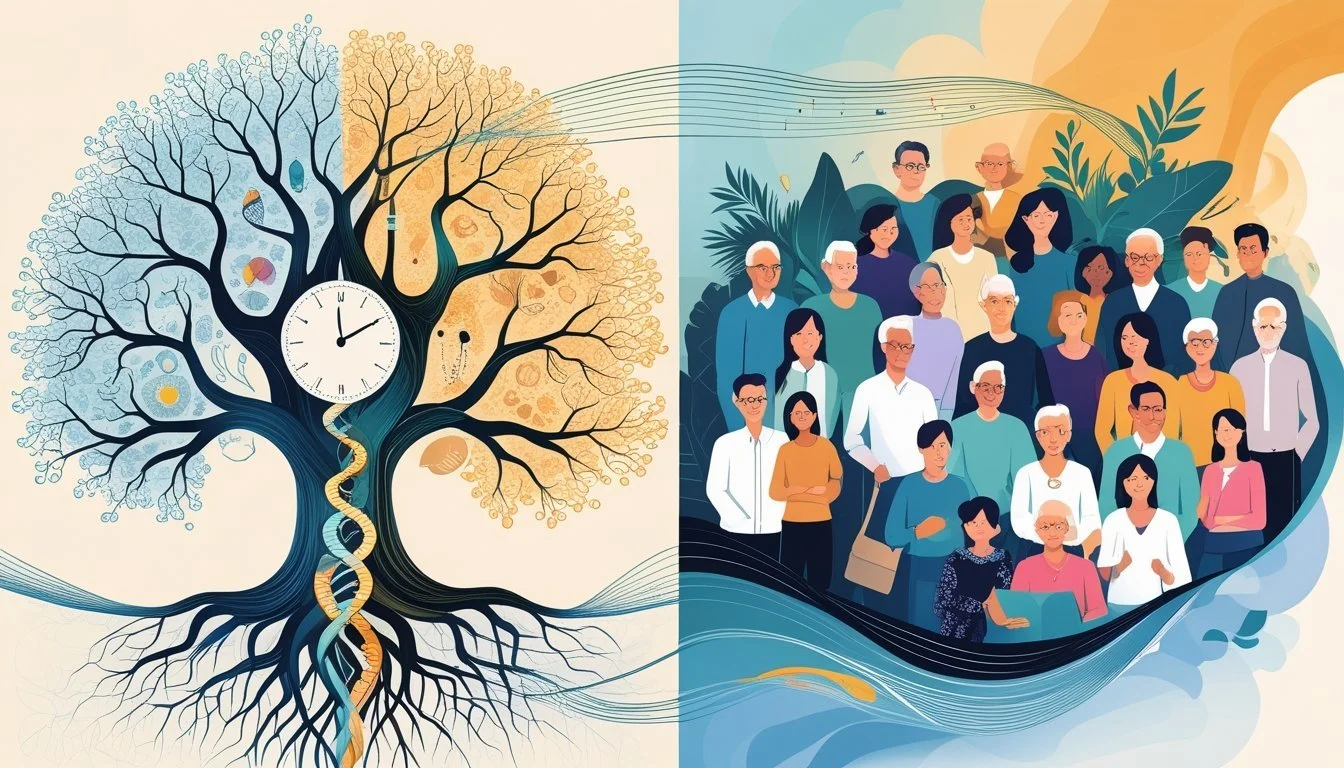
Longevity is influenced by both biological mechanisms and social frameworks. Aging affects the body at the cellular and systemic level, while longer lifespans change how societies function and distribute resources.
Aging and Cellular Senescence
Aging is closely tied to cellular senescence, which refers to cells losing their ability to divide and function. Over time, this accumulation of senescent cells contributes to physical decline and chronic diseases.
Senescence involves changes such as DNA damage, telomere shortening, and the buildup of cellular debris. These processes slow tissue repair and reduce organ function. Advanced age increases vulnerability to conditions like cancer, cardiovascular disease, and dementia, as highlighted by studies noting the exponential rise in dementia risk with age.
Research into delaying senescence explores interventions like caloric restriction, senolytic drugs, and gene editing. While these may extend healthy lifespan, they often raise questions about balancing extended life with quality of life and the ethical implications of altering human aging.
Social Implications of Extended Lifespan
Longer lifespans impact family structures, economies, and healthcare systems. As more people live beyond traditional retirement ages, there is increased demand on social security, pension programs, and long-term care.
Healthcare costs rise sharply as age-related diseases accumulate. For instance, a greater proportion of the population surviving into old age raises the overall burden of dementia and chronic illness, straining both public and private resources.
Extended longevity also affects workforce participation and intergenerational relationships. Policy makers must address how to support a growing elderly population without compromising support for younger generations. Changes to retirement age, healthcare access, and community support are necessary to adapt to these demographic shifts.
Factors Shaping Life Expectancy
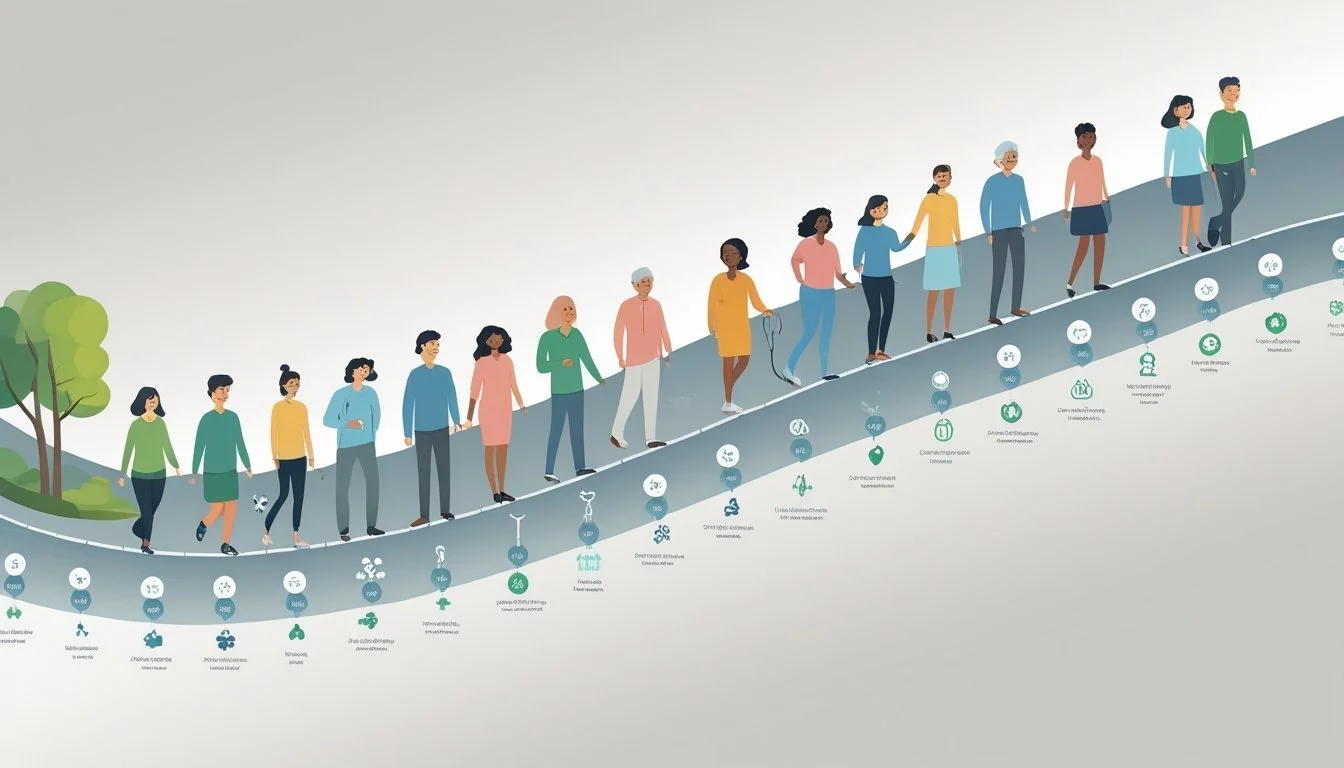
Life expectancy is influenced by advances in medicine and healthcare, as well as individual choices and behaviors. Scientific developments and daily habits jointly affect how long people live and the risks they face for diseases such as heart disease.
Medical Advancements and Preventive Healthcare
Over the past century, medical advancements have played a critical role in increasing average life expectancy. Vaccines and antibiotics have reduced deaths from infectious diseases, while new surgical techniques and pharmaceutical therapies help manage chronic illnesses.
Preventive healthcare, including regular screenings for conditions like heart disease and cancer, allows for earlier detection and more successful treatment. Improved access to healthcare in many regions means that more people receive timely interventions.
Table: Examples of Key Medical Advancements and Their Impact
Advancement Impact on Life Expectancy Vaccines Lower mortality from infectious diseases Antibiotics Reduced deaths from bacterial infections Cardiac treatments Fewer deaths from heart disease Cancer screenings Increased survival rates
Improvements in healthcare systems and public health campaigns targeting vaccination, hygiene, and smoking cessation have also reduced premature death rates.
Lifestyle and Behavioral Influences
Diet, physical activity, and smoking habits are among the most decisive lifestyle factors shaping longevity. Poor dietary choices, lack of exercise, and tobacco use increase the risk of conditions like heart disease, obesity, and diabetes.
Countries with lower rates of heart disease often have populations with diets rich in fruits, vegetables, and healthy fats, along with regular physical activity. Smoking remains a leading modifiable risk factor, and public health campaigns have successfully reduced its prevalence in many nations.
Other behavioral factors, such as alcohol consumption and stress management, also play significant roles in overall health and life expectancy. Making consistent, healthy choices can lower the risk for many age-related diseases.
Heart Disease and the Limits of Longevity
Heart disease remains one of the principal barriers to extended life expectancy in adults. Advances in the treatment and prevention of cardiovascular problems continue to shape how longevity is defined in medicine.
Cardiovascular Health and Mortality
Heart disease is the leading cause of death globally, accounting for millions of deaths each year. As people age, the risk of developing heart disease rises sharply due to changes in blood vessels and the heart itself.
The prevalence of coronary artery disease, heart failure, and arrhythmias increases significantly with age. These conditions drive the majority of morbidity seen among older adults and contribute to a plateau in life expectancy even when other diseases are managed.
Key risk factors:
Smoking
Sedentary lifestyle
Management of these factors can reduce cardiovascular mortality, but even aggressive interventions often only delay, rather than eliminate, age-associated risks. As a result, the upper limits of human longevity are still closely tied to cardiovascular health.
Innovations in Heart Disease Management
The landscape of heart disease treatment has evolved with minimally invasive procedures, new medications, and preventive care. Statins, blood pressure medications, and antiplatelet drugs now form the backbone of cardiovascular prevention.
Technologies like coronary stents, valve replacement, and pacemakers have significantly reduced morbidity and extended life for many patients. Early detection through imaging and biomarkers also allows intervention before severe symptoms develop.
Despite medical advances, age-related cardiovascular decline cannot be entirely avoided. Efficient management and prevention can push individual life expectancy higher, but the biological limits imposed by aging hearts and vessels remain a challenge for further gains in longevity.
Reevaluating Longevity: Quality Versus Quantity

An increasing human lifespan has prompted debate about whether extending life always leads to better outcomes. The issues go beyond just adding years; they touch on what makes life meaningful and the broader societal impact of life extension.
Defining a 'Meaningful' Lifespan
A meaningful lifespan is not simply measured in years lived but also in years lived with autonomy, health, and purpose. Research shows that as life expectancy increases, so does the prevalence of chronic illnesses and age-related cognitive decline.
People typically value independence, cognitive clarity, and physical wellbeing over sheer duration. Pew Research found that most individuals do not seek extreme longevity, with only a minority interested in living past 100. Quality of life factors—such as relationships, ability to contribute, and absence of suffering—often outweigh the appeal of longer life at any cost.
Defining what is "too long" is subjective and shaped by cultural, medical, and personal contexts. Key factors include the balance between physical capabilities and the ability to make meaningful choices.
Ethical Considerations in Life Extension
Life extension raises complex ethical questions, especially when medical advances can prolong life without guaranteeing quality. Some argue that focusing resources on extending life expectancy may inadvertently harm public health and strain economic resources due to increased rates of dementia and disability in older populations.
Ethical debates address whether it is right to prioritize the quantity of years lived over the experience of those years. These concerns influence healthcare policy, resource distribution, and societal views on aging.
Stakeholders—patients, families, clinicians—must consider not only individual wishes but also the broader implications. Balancing the benefits and burdens of life-extending interventions remains a central challenge in modern longevity discussions.
Future Directions in Longevity Research

Ongoing progress in longevity research relies on advances in technology and better understanding of biological limits. Researchers are exploring not just how to extend life, but how to improve its quality while preparing for potential challenges.
Emerging Technologies and Therapies
Innovative tools such as gene editing, senolytic drugs, and artificial intelligence are reshaping longevity science. CRISPR-Cas9 and similar technologies allow for targeted gene modification, offering the chance to address certain aging-related conditions at the DNA level.
Senolytic therapies seek to clear out senescent cells, which accumulate with age and contribute to frailty and disease. Machine learning models are being used to identify new compounds that influence lifespan in model organisms.
Telomere extension, regenerative medicine, and personalized health monitoring using wearable devices are also gaining traction. These approaches aim to tackle underlying causes of aging rather than just treating symptoms. Clinical trials are ongoing, but much remains in early stages and some therapies remain unproven.
Challenges in Predicting Maximum Lifespan
Estimating the true upper limit of human longevity remains difficult. Variations in genetics, environment, and lifestyle make predictions complicated. Current records indicate a documented maximum lifespan just above 120 years.
Researchers face several unknowns, such as the roles of rare genetic mutations and external stresses over time. Population-level studies show that even as average lifespan increases, the oldest age reached has barely changed. Ethical concerns also arise around interventions that may prolong life without improving health span.
Limited data, especially on extremely old individuals, hampers accurate modeling. The balance between longer life and quality of life remains a central concern for scientists and policymakers.
Conclusion

Longevity standards are shifting as life expectancy rises. People are living longer than ever, but questions remain about the quality and purpose of extended years.
Growing older brings unique opportunities, yet also new risks, such as the potential financial strain of "living too long" or facing health challenges beyond planned retirement ages. Managing savings and securing health can become more complex as life spans stretch further.
Key factors influencing how long is "too long":
Physical and cognitive health
Financial security
Family and social connections
Personal values and goals
There is no universal answer to the question of optimal longevity. Individual preferences, societal norms, and advancements in healthcare all play roles in how long feels "just right" for different people.
As societies rethink longevity standards, balancing lifespan with healthspan becomes essential. Clear communication about risks and options helps individuals make informed decisions for living well at any age.

