
How Growing Conditions Impact Post-Harvest Longevity for Fresh Produce Quality
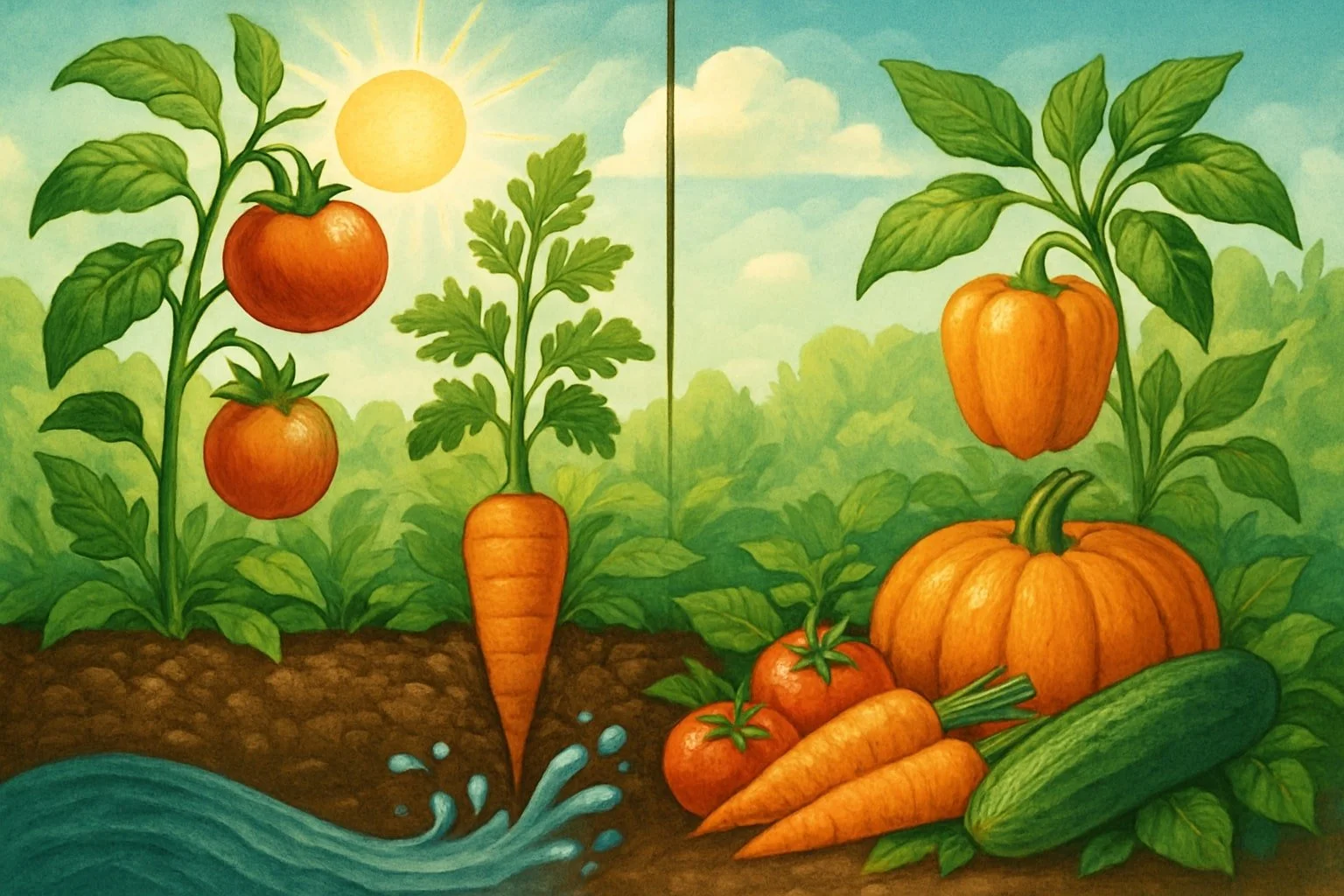
Growing conditions have a direct and significant influence on how long fruits, vegetables, and flowers last after harvest. Everything from temperature and light exposure to the time of day crops are picked affects important qualities like shelf life, color, flavor, and even nutritional content. For example, higher day and night temperatures have been shown to increase antioxidants in some fruits and impact their appearance, while different harvest times can alter how long lettuce and other crops remain fresh.
Understanding these factors is crucial for growers, retailers, and anyone interested in keeping produce and flowers at their best for longer. The right combination of environmental conditions during growth leads to stronger plants and higher post-harvest quality, benefiting everyone from farmers to consumers.
Overview Of Growing Conditions And Post-Harvest Longevity
Environmental factors before and after harvest greatly influence the shelf life and quality of horticultural crops. Understanding key growing and post-harvest variables helps optimize flower longevity and the marketability of agricultural products.
Defining Growing Conditions
Growing conditions refer to the environmental and management factors affecting crops from planting to maturity. These include temperature, light, soil quality, humidity, irrigation practices, and nutrient availability.
Each factor can affect plant physiology and the formation of physical and chemical characteristics relevant to postharvest life. For example:
Temperature: Regulates growth rate and stress tolerance.
Light: Influences photosynthesis and flower development.
Soil & Water: Affect nutrient uptake and root health.
Effective control of growing conditions can contribute to improved product quality, enhanced yield, and better resistance to pests or diseases. Inconsistent or suboptimal environments can lead to weaker plants that deteriorate more quickly after harvest.
Understanding Post-Harvest Longevity
Post-harvest longevity describes how long horticultural crops, including flowers and fruits, maintain freshness, appearance, and nutritional value after harvest. This period is commonly measured as vase life for cut flowers or shelf life for fruits and vegetables.
Several factors influence postharvest quality:
Storage Temperature: Lower temperatures often slow spoilage by reducing metabolic activity.
Humidity Control: Reduces wilting and water loss.
Handling Practices: Gentle treatment can minimize bruising or damage.
Crops with extended post-harvest life incur lower losses and maintain higher market value. How the produce is handled immediately after harvest often determines how long it stays viable for consumers or retailers.
Link Between Pre-Harvest Environment And Shelf Life
The conditions under which crops are grown directly impact how they respond to post-harvest storage and handling. Research shows that flowers and other horticultural commodities grown under optimal pre-harvest environments exhibit longer post-harvest life and better resistance to deterioration.
For example, controlled light and temperature during growth typically result in flowers with stronger stems, more vivid colors, and prolonged vase life. Conversely, stress factors such as drought or nutrient deficiencies can shorten shelf life and degrade product quality.
Poor growing conditions can also increase susceptibility to post-harvest diseases and physiological disorders. Therefore, careful management from sowing to harvest is necessary to maximize both quality and longevity of agricultural products.
Key Environmental Factors Impacting Longevity
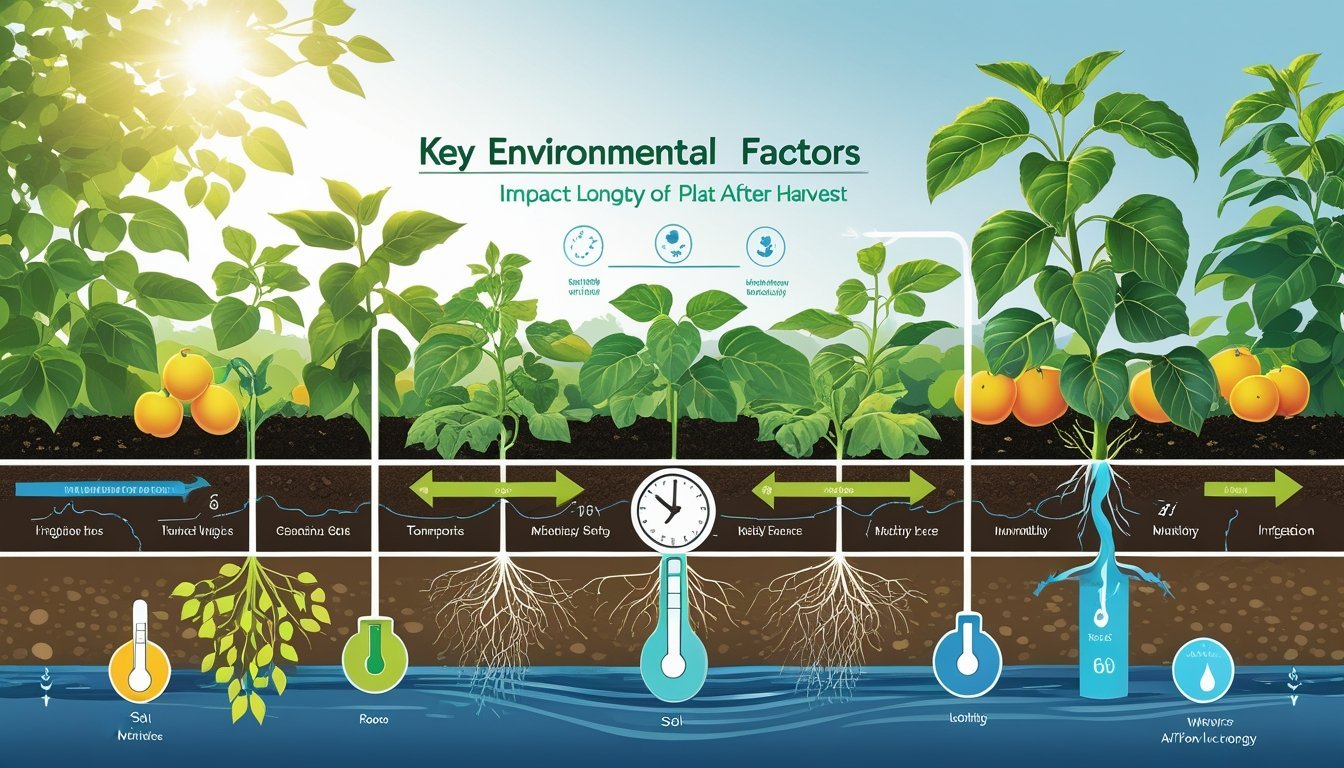
Environmental conditions during growth, harvest, and storage have a direct effect on the post-harvest life of flowers and other perishables. Key factors include temperature management, moisture balance, and optimal light exposure throughout all production and storage stages.
Temperature Effects On Storage And Quality
Temperature management is central to extending shelf life. High storage temperatures speed up respiration, ethylene production, and senescence, resulting in shorter vase life and increased quality loss. Cold storage between 2–5°C is typically ideal for cut flowers and many ornamental crops, helping slow metabolic rates and delay wilting.
Extremes in temperature, such as exposure to frost, can cause irreversible tissue injury, making products prone to rot. Proper handling protocols should include rapid cooling after harvest to minimize initial temperature spikes and preserve quality. Temperature fluctuations in storage can also increase water loss and stress, leading to reduced longevity.
Temperature (°C) Expected Storage Effect 0–1 Risk of chilling injury 2–5 Optimal shelf life >10 Accelerated senescence
Role Of Humidity And Water Relations
Relative humidity (RH) is vital in preventing excessive water loss and wilting. An RH level of 90–95% during storage helps maintain tissue hydration and slows down the desiccation process. Low humidity leads to rapid water loss through transpiration, causing wilting and loss of turgor in petals and leaves.
Water relations in harvested crops depend not only on humidity but also on how effectively stems absorb water. Air embolisms can form in cut stems if humidity is too low or stems are left dry after cutting, blocking water uptake. Regular monitoring and control of storage RH, combined with proper hydration practices, ensure longevity and freshness.
Importance Of Light Intensity And Irrigation
While light intensity during storage is minimal, its role during the growth stage is critical. Plants grown under insufficient light produce weaker stems and smaller flower heads, which are more prone to premature senescence after harvest.
Irrigation directly influences water status within plant tissues. Inconsistent or insufficient watering can cause water stress, compromising cell structure and decreasing post-harvest quality. Uniform irrigation throughout the growth period produces resilient plants that retain water more effectively after harvest, reducing losses during storage. Crop-specific light and irrigation regimes should be managed for optimal vase life and appearance.
Genetic And Maturity Factors
Genetic makeup and the physiological stage at harvest have a direct effect on the longevity and quality of produce in storage. Varied genetic traits and the degree of ripeness when harvested determine how well fruits and vegetables withstand post-harvest loss and maintain desirable qualities.
Genotype And Genetic Factors
The genotype of a crop, including its genetic composition, strongly influences post-harvest behavior. Different cultivars or varieties can exhibit significant differences in resistance to spoilage, browning, or physiological disorders. For instance, some tomato varieties are bred for enhanced shelf-life while others are valued for flavor but deteriorate faster.
Genetic factors can determine how produce responds to stress, such as chilling or handling. Resistance to pathogens and adaptability to storage conditions vary by genotype. Selecting the right cultivars for both quality and storability is crucial for reducing losses.
Modern breeding programs focus not only on increasing yield but also on traits like delayed ripening and thicker skins. These characteristics contribute to longer shelf life and better appearance during storage and distribution.
Stage Of Maturity At Harvest
The maturity stage at the time of harvest is a key factor in post-harvest life and overall quality. Harvesting too early often results in poor flavor, reduced nutritional value, and increased risk of shriveling or incomplete ripening. Late harvesting may cause over-ripeness, rapid softening, and a higher chance of spoilage during storage.
Some crops, such as bananas and avocados, are commonly harvested mature but unripe to extend their storage potential. Others, like table grapes, must be fully ripe at harvest to achieve optimal taste and post-harvest quality. The correct harvest timing must align with the intended storage and marketing strategy.
Assessment methods to determine harvest maturity include measurement of firmness, color, sugar content (Brix index), and acidity. These indicators are routinely used to support decision-making during harvest operations.
Qualitative Traits And Storability
Qualitative traits such as skin thickness, firmness, external color, and disease resistance play a major role in storability. Produce with firmer flesh and thicker skins can resist mechanical injury and water loss more effectively. Such traits are often genetically controlled and selected for in breeding programs.
Levels of natural antioxidants and organic acids influence resistance to oxidative damage and pathogen attack during storage. Some varieties possess waxy cuticles or specialized epidermal layers that help reduce transpiration and microbial entry.
The interaction between physical qualities and physiological status determines how products respond to storage conditions. Cultivars with robust qualitative traits maintain marketable appearance and texture for a longer period, reducing post-harvest losses.
Pre-Harvest Practices Shaping Post-Harvest Longevity
Growing conditions before harvest play a central role in how long fruits and vegetables remain fresh after picking. Factors such as water management, nutrient supply, and the use of plant hormones not only impact crop yields but also the shelf life and nutritional content of produce.
Irrigation, Fertilization, And Nutritional Quality
Precision in irrigation directly affects the water content and firmness of harvested produce. Excessive irrigation can increase susceptibility to decay, while water stress may result in poor texture.
Strategic fertilization impacts the development of nutrients such as protein, amino acids, and sugars in crops. Balanced nutrient management—applying the right amount of nitrogen, potassium, and micronutrients—supports optimal growth, improves resistance to physiological disorders, and minimizes post-harvest degradation.
Nutritional quality at harvest, especially in terms of vitamin C (ascorbic acid) and soluble solids like sucrose, is heavily influenced by pre-harvest nutrient conditions. Maintaining high nutritional value at the time of harvest contributes to improved post-harvest shelf life and market quality.
Growth Regulators And Plant Hormones
Plant growth regulators such as gibberellin and abscisic acid are frequently used to control ripening and enhance shelf life. Gibberellin applications can delay senescence and extend the marketing period for several fruits.
Abscisic acid plays a different role by promoting ripening and affecting soluble solid content. Judicious application of these substances allows growers to tailor harvest timing and post-harvest qualities, especially for crops where uniform ripening or delayed softening is important.
The use and timing of growth regulators require careful management, as both underuse and overuse may negatively affect post-harvest quality. Monitoring plant response and adjusting dosages helps optimize outcomes.
Impact Of Growth Conditions On Nutritional Value
Environmental conditions during crop development, such as sunlight, temperature, and humidity, significantly influence nutritional composition. Increased light exposure typically raises vitamin C content in many fruits, while cooler temperatures may enhance sucrose accumulation.
Protein content and free amino acid levels depend on both genetic background and nutrient availability. Crops grown with adequate nutrition and under stress-free conditions generally show higher nutritional quality.
The table below highlights factors and corresponding nutritional effects:
Growth Factor Nutrient Impact High sunlight ↑ Vitamin C, ↑ soluble solids Adequate nitrogen ↑ Protein, ↑ amino acids Water management Maintains texture, shelf life Balanced fertilization ↑ Overall nutritional value
Careful adjustment of these growing conditions leads to produce that better retains its nutritional value and quality after harvest.
Harvesting Techniques And Timing
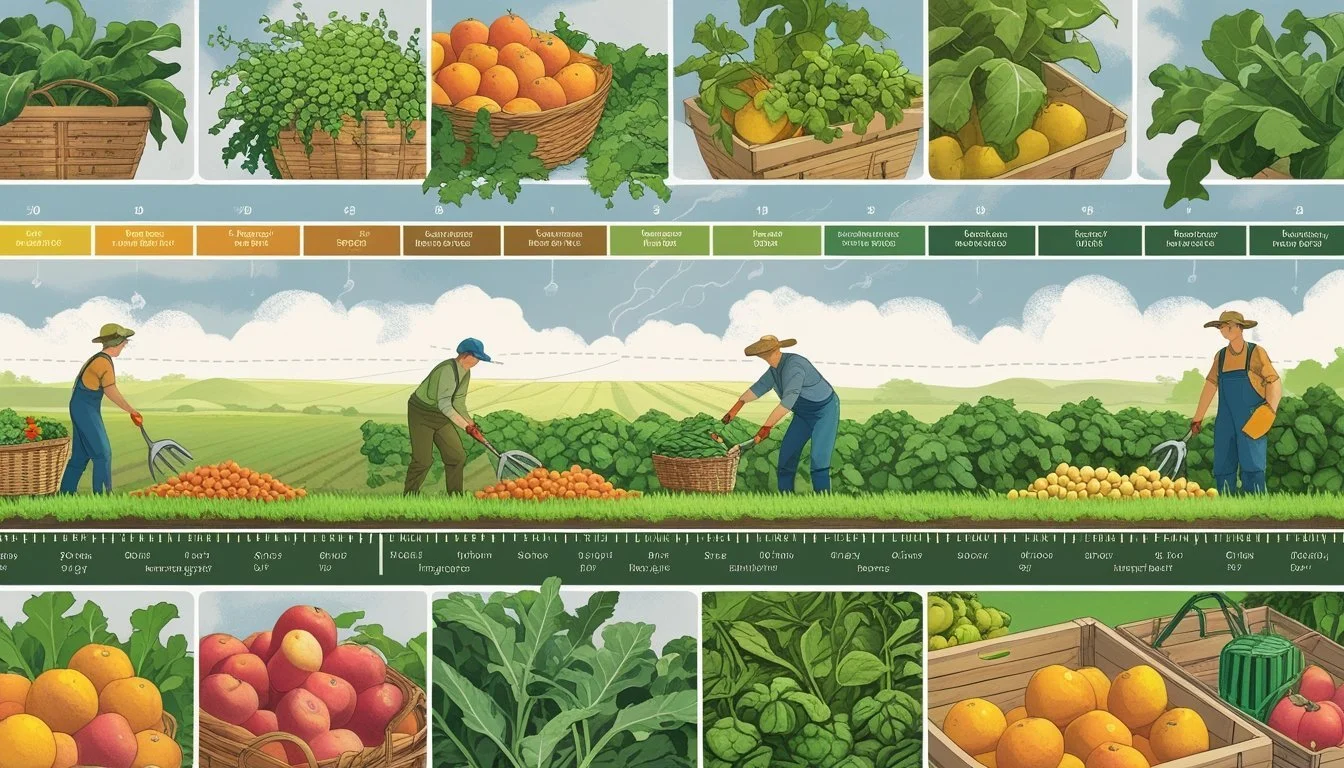
Choosing the right harvesting methods and timing can strongly influence the post-harvest longevity of crops. Attention to detail during harvest and initial handling helps retain quality, reduce losses, and maximize shelf life.
Optimal Harvesting Methods
Selecting the appropriate harvesting method depends on the crop type, its maturity stage, and market requirements. Mechanical harvesting works well for some grains and large-scale operations, but delicate produce like berries or tomatoes typically require careful hand-picking to avoid bruising and damage.
Proper tools such as sharp knives or secateurs help prevent unnecessary tearing or crushing of stems and fruit. Clean equipment also reduces the risk of contamination, supporting better post-harvest outcomes.
Sorting, cleaning, and grading as soon as possible after harvest ensures that only marketable, high-quality produce enters the supply chain. This step removes defective or damaged items, helping minimize rot and extend storage life.
Effect Of Harvest Timing On Shelf Life
The timing of harvest plays a crucial role in determining post-harvest longevity. Fruits and vegetables picked at their optimal maturity often have better flavor, texture, and nutrient content, but picking too early or too late can reduce storability and market appeal.
For many crops, early morning or late afternoon is the best time for harvesting. According to recent studies, stems cut later in the day show less leaf wilting during storage compared to those harvested earlier, likely due to water content and plant physiology.
Accurate timing helps maintain peak freshness and reduce post-harvest losses. For example, Abiu fruit should be harvested when bright yellow, with ripening continuing after picking, while other crops may need to reach full maturity on the plant.
Importance Of Handling During Harvest
Gentle and deliberate handling during harvest is essential for extending shelf life. Rough handling can cause bruising, internal injuries, or micro-cracks, all of which accelerate spoilage and reduce quality.
Workers should avoid overfilling containers and stacking produce too high to prevent crushing. Using padded or smooth-sided bins helps protect produce during collection and transport.
Consistent attention to sorting, grading, and cleaning during and immediately after harvesting leads to better post-harvest handling. Keeping harvested goods shaded and cool until further processing also helps slow deterioration, especially for sensitive items.
Post-Harvest Physiology And Longevity Mechanisms
Post-harvest longevity is shaped by complex physiological and biochemical processes influenced by the pre-harvest environment. The main factors affecting product shelf life are related to internal metabolism, hormone signaling, water management, and specific storage-induced changes.
Respiration Rate And Senescence
The respiration rate is a key factor in determining how quickly fruits, vegetables, or flowers age after harvest. Higher respiration rates accelerate the breakdown of stored carbohydrates and other nutrients, leading to faster senescence, or biological aging.
Temperature and oxygen availability play significant roles in setting respiration levels. Lower storage temperatures and controlled atmospheres are commonly used to reduce respiration rate, which helps to preserve fruit quality and extend shelf life.
Excessive handling, physical injury, or suboptimal growing conditions before harvest often lead to increased post-harvest respiration, causing weight loss and reduced longevity.
Ethylene Production And Its Effects
Ethylene is a plant hormone that acts as a signaling molecule in many post-harvest processes, including ripening, senescence, and abscission (drop) of plant organs. Its production increases after harvest in many fruits and flowers.
Even a small increase in ethylene concentration can sharply boost respiration rate and accelerate aging processes. Sensitive species like kiwifruit, bananas, and many ornamentals react strongly to ethylene, making control of its levels essential for maintaining flower longevity and fruit quality.
Practices such as ethylene scrubbing, using inhibitors, and improving ventilation are used to minimize its effects during storage and transportation.
Water Uptake And Hydration Needs
Water loss is a major cause of post-harvest deterioration in both floriculture and food crops. After harvest, products lose water through transpiration, which leads to weight loss, wilting, shriveling, and quality decline.
Maintaining hydration by using proper solutions, frequent misting, and high-humidity storage conditions is important, especially for cut flowers. Some species have specialized vascular systems that allow better water uptake, which directly contributes to longer shelf life.
Handling approaches like recutting stems or using pulse solutions can restore water uptake efficiency, delaying senescence and prolonging marketability.
Biochemical Changes During Storage
Stored crops undergo several biochemical changes that affect their post-harvest life. These changes include breakdown of chlorophyll, degradation of cell walls, and conversion of starches to sugars.
Enzyme activity often increases in stressful conditions, leading to softening of texture, color loss, and sometimes off-odors or flavors. Nutrient composition, particularly vitamins and antioxidants, can also be altered during storage, impacting nutritional value.
Using cold storage, controlled atmospheres, and preservative treatments can slow undesirable biochemical changes, preserving fruit quality and extending shelf life. Regular monitoring allows early identification of unwanted metabolic shifts, supporting better post-harvest management.
Post-Harvest Handling And Processing Practices
Rapid temperature reduction, thoughtful packaging solutions, and controlled storage environments each play a direct role in slowing decay, preserving nutrients, and minimizing spoilage losses. These practices affect the freshness, visual quality, and shelf-life of fruits and vegetables during the post-harvest phase.
Cooling And Pre-Cooling Strategies
Cooling harvested produce immediately after harvest is essential for reducing respiration rates and delaying spoilage. Pre-cooling methods include forced-air cooling, hydro-cooling, and vacuum cooling. Each method is chosen based on the type of produce and its heat sensitivity.
Quickly lowering field heat minimizes the buildup of ethylene, a plant hormone that speeds up ripening and deterioration. Temperature management should be precise; for example, leafy greens often require rapid hydro-cooling, while fruits like berries benefit from forced-air systems.
Table: Common Pre-Cooling Methods
Produce Type Preferred Method Notes Leafy Greens Hydro-cooling Fast and gentle Berries Forced-air cooling Even, does not wet produce Root Vegetables Room Cooling Less sensitive to rapid changes
Effective cooling protects texture, color, and prevents microbial growth.
Packaging For Longevity
Packaging provides physical protection and can regulate the microenvironment around the produce. Materials like ventilated plastic crates, perforated films, and active packaging help control airflow and humidity, reducing water loss and shriveling.
Selecting the right packaging also lowers post-harvest waste by minimizing bruising or compression during transportation and storage. Some packaging uses ethylene absorbers or other additives that slow ripening and minimize decay.
Proper packaging design considers:
Permeability to gases
Strength and stackability
Ease of access for inspection
Innovations in packaging support longer shelf life and maintain produce appearance for consumers.
Use Of Modified Atmospheres And Cold Storage
Modified atmosphere (MA) and controlled atmosphere (CA) storage adjust oxygen, carbon dioxide, and ethylene levels to slow metabolic processes. These systems complement cold storage, where temperatures typically range from just above freezing to 15°C, depending on the crop.
Reducing oxygen and increasing carbon dioxide can delay ripening and control disease development. For instance, apples are often stored in low-oxygen environments to preserve crispness and flavor.
Key points for MA and cold storage:
Each crop requires tailored gas concentrations
Regular monitoring is vital to prevent physiological disorders
Integration with cooling systems maximizes effectiveness
These combined approaches extend post-harvest lifespan and ensure produce arrives at market with higher quality.
Chemical And Physical Treatments To Extend Shelf Life
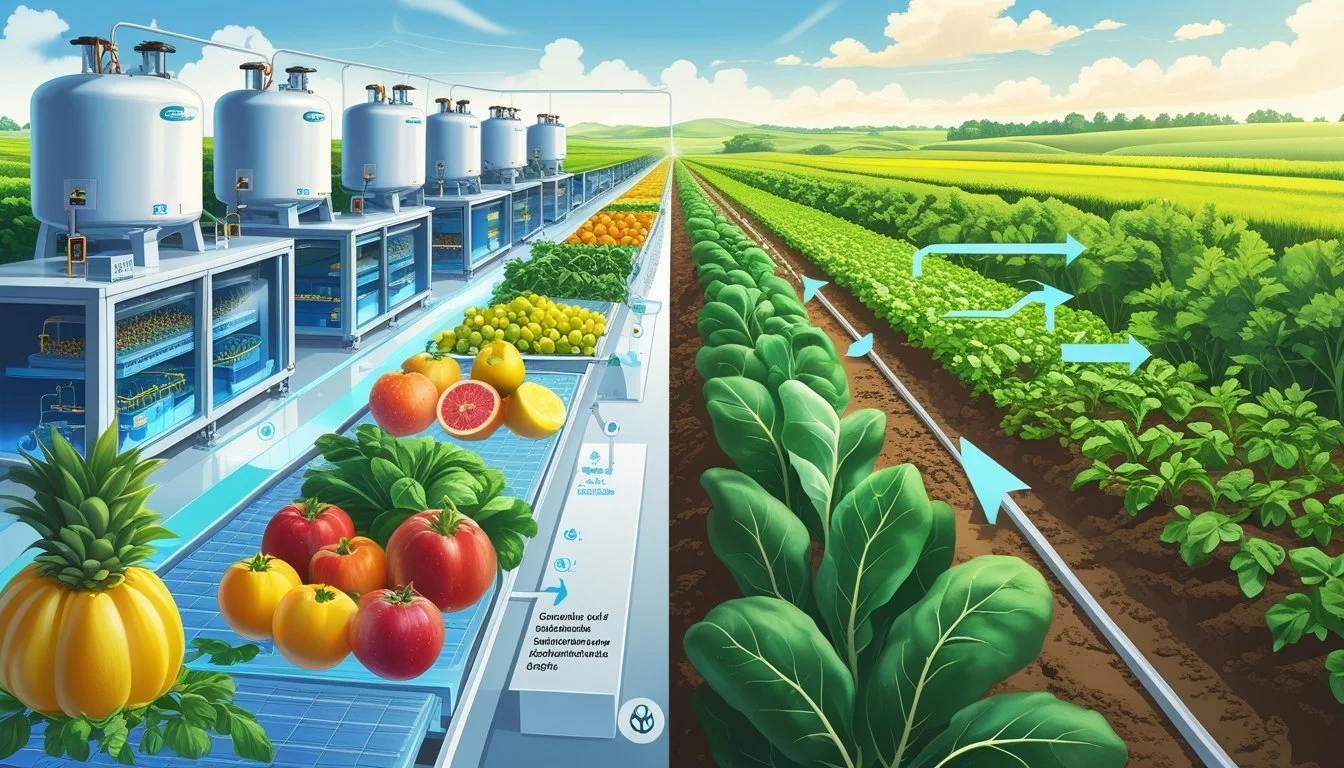
Extending the shelf life of harvested produce relies on several chemical and physical interventions. Methods such as the use of growth regulators, preservatives, pulsing, and biocides play central roles in reducing spoilage and maintaining quality after harvest.
Application Of Growth Regulators And Preservatives
Growth regulators such as cytokinins, gibberellins, and abscisic acid are widely applied to slow down senescence and delay spoilage. They work by interfering with natural ripening and aging processes, which can help maintain firmness and overall quality for longer periods.
Floral preservatives are mixtures containing sugars, acidifiers, and germicides. These additives are formulated to sustain hydration, reduce microbial growth in vase solutions, and provide nourishment to cut flowers and foliage.
The use of preservatives in commercial and home floriculture ensures that cut plants maintain color, turgidity, and freshness. Many solutions can be tailored for specific types of cut flowers, considering their unique metabolic requirements.
Pulsing, Dipping, And Conditioning Methods
Pulsing involves temporarily exposing harvested materials to solutions containing sugars, salts, or growth regulators before storage or shipping. This technique provides a nutritional and metabolic boost, helping tissues better withstand later stress.
Dipping treatments immerse produce in solutions containing fungicides, calcium salts, or other protective agents. This surface application helps limit decay and post-harvest diseases, particularly in fruits and vegetables.
Conditioning or hardening is often done before cold storage; items are held under specific humidity and temperature to manage water loss and improve resilience. These physical treatments are especially important for crops prone to rapid wilting or shriveling.
Biocides And 1-Methylcyclopropene Treatments
Biocides are chemical agents used to control bacteria, fungi, and other microorganisms responsible for spoilage. Sorbic acid and chlorine-based compounds are common in commercial post-harvest management.
1-Methylcyclopropene (1-MCP) is a synthetic compound widely used to block ethylene receptors in plant tissues. By inhibiting ethylene action, 1-MCP delays ripening and senescence, which is particularly beneficial for climacteric fruits such as apples, bananas, and avocados.
The application of 1-MCP can be conducted in sealed storage environments. It is generally safe, residue-free, and compatible with other post-harvest fungicides, reducing losses during transport and retail.
Holding Solutions And Floral Preservatives
Holding solutions are specialized mixtures designed to support the needs of cut flowers during storage and transportation. These usually contain a combination of sugars for energy, acidifiers to regulate pH, and antimicrobial agents to curb microbial growth.
Table: Common Components Of Holding Solutions
Component Purpose Sucrose Nutritional support Citric acid pH regulation Silver nitrate Antimicrobial effects 8-HQC (Hydroxyquinoline citrate) Microbial control
Floral preservatives are similar to holding solutions but are optimized for display rather than storage. Proper use of these formulations helps retain color, prevent stem blockage, and extend vase life for a wide range of species.
Post-Harvest Factors Affecting Quality And Safety
Maintaining the quality and safety of food after harvest depends on managing storage, transport, and handling practices. Effective control of these factors can significantly reduce postharvest losses, prevent food waste, and extend shelf life.
Storage Conditions And Losses
Storage environment directly impacts the longevity and safety of harvested produce. Temperature, humidity, and airflow are critical parameters; improper control can lead to spoilage, microbial growth, and reduced nutritional value. For example, high humidity may encourage mold growth, while low temperatures can slow ripening and decay.
A table summarizing common factors and their effects:
Factor Effect on Quality Impact on Safety Temperature Delays spoilage Reduces pathogens Humidity Prevents dehydration Controls mold Airflow Minimizes sweating Lowers contamination
Poor storage conditions increase postharvest losses and can accelerate food waste, especially in perishable fruits and vegetables.
Postharvest Quality And Food Safety
Postharvest quality involves not just appearance and taste, but also nutritional content and food safety standards. Contamination by microbes or chemicals during handling can compromise the safety of produce. Sanitization of equipment and maintaining clean facilities are essential steps to prevent the introduction of hazards.
Frequent testing for residues and pathogens is needed to verify safety compliance. Some post-harvest treatments, such as controlled atmosphere storage or edible coatings, can help preserve freshness and limit microbial growth, but must be properly managed to avoid unintended quality loss.
Transportation And Supply Chain Considerations
During transport and in the broader food supply chain, temperature fluctuations, physical damage, and delays are primary threats to quality and shelf-life. Inadequate packaging or rough handling can bruise produce, increasing the risk of spoilage and loss before sale.
Ensuring a cold chain—constant refrigeration from storage through transport—is key for maintaining freshness in many crops. Efficient logistics and rapid movement from field to market reduce the risk of postharvest losses, decrease food waste, and help ensure products that reach consumers are safe and high quality.
Case Studies: Horticultural Crops And Cut Flowers
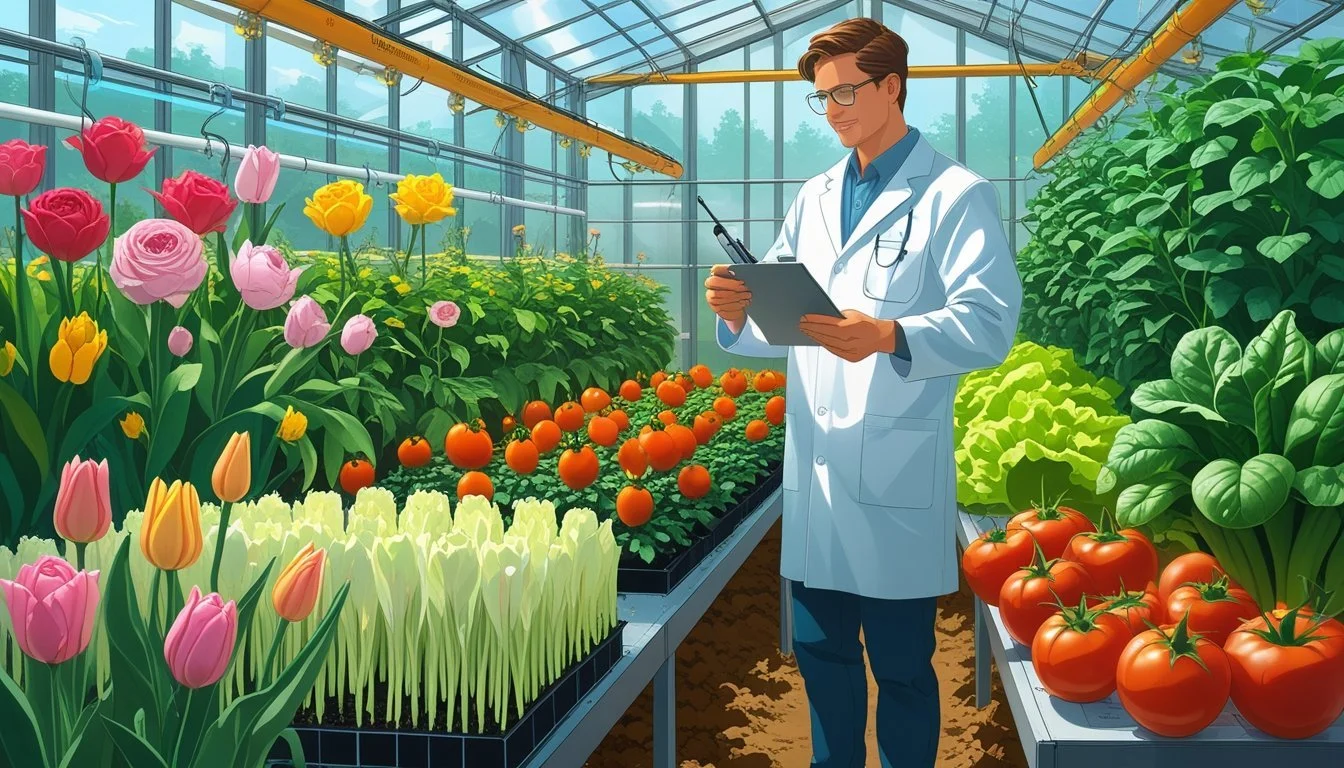
Pre-harvest factors shape how long harvested crops and flowers remain viable. The type of crop, specific environmental conditions, and handling practices all play crucial roles in determining post-harvest outcomes.
Post-Harvest Longevity In Cut Flowers And Floriculture
Cut flowers such as lilies, carnations, and alstroemeria are sensitive to their pre-harvest environment. Proper light, balanced nutrition, and adequate irrigation help develop robust stems and petals, leading to improved vase life.
Key* post-harvest threats include water uptake impairment, microbial growth at stem ends, and ethylene exposure. For instance, research shows that treatments with melatonin and putrescine can extend the vase life of alstroemeria from about 12–13 days (untreated) up to 20–21 days.
Table: Factors Affecting Vase Life of Cut Flowers
Factor Impact on Longevity Light Quality Increases carbohydrate reserves Water Stress Lowers vase life Nutrition Adequate supplies extend vase life Post-harvest Handling Impacts stem water uptake and senescence
Diseased or weak flowers wilt faster post-harvest, reducing marketable lifespan.
Factors Influencing Fruit And Vegetable Storability
Fruit and vegetable storability is tied closely to pre-harvest growing conditions. Temperature, irrigation, and harvest timing affect flavor, sugar content, and firmness, which in turn influence post-harvest life.
Adequate sunlight and optimal soil nutrition increase fruit quality, delaying senescence and slowing moisture loss. Harvesting at the correct maturity is essential; underripe or overripe produce spoils faster.
Important considerations include:
Variety selection for storability
Consistent disease control to minimize decay
Careful harvest and minimal handling to reduce bruising
Storage methods must match crop needs, such as humidity control for leafy greens or low-oxygen storage for apples.
Special Considerations For Flower Crops And Cut Roses
Flower crops, especially cut roses, have unique challenges regarding post-harvest longevity. Pre-harvest factors like fertilization, pest management, and timing of harvest affect stem strength and water uptake after cutting.
Cut roses are prone to botrytis (gray mold), particularly if high humidity persists during pre-harvest. Techniques such as non-contact disease detection and maintaining cool temperatures during handling reduce spoilage.
For commercial growers:
Regular sanitation of cutting tools
Prompt removal of diseased plants
Use of water treatments (e.g., clean water, proper pH)
These strategies, along with selecting varieties known for extended vase life, support higher quality and longer-lasting blooms for market.

