
The Cost of Recalling Food Over Expiry Confusion
Financial and Reputational Impacts for Businesses
The financial impact of recalling food due to expiry date confusion can reach millions of dollars, affecting both manufacturers and retailers. Costs include not only the market value of the lost product but also expenses related to notifying the public, transporting recalled items, and properly disposing of them. These ripple effects are often underestimated when setting up food safety processes.
Misunderstandings about date labels drive U.S. consumers to throw out billions of pounds of food yearly, compounding the issue. When companies misinterpret or misuse these labels, the risk of unnecessary recalls increases, adding even more to the industry’s burden. Expiry confusion is more than a minor labeling error—it is a significant economic and logistical problem that demands attention.
Understanding Food Expiry Confusion
Confusion over food expiry labels is a significant issue in the food industry, contributing to unnecessary recalls and increased food waste. Key factors include inconsistent labeling practices, public misunderstanding, and the regulations set by food safety authorities.
Definition of Expiry Confusion
Expiry confusion occurs when consumers, retailers, or even food companies misinterpret the meaning or intent of date labels on food packaging. Labels such as "best by," "sell by," and "use by" each indicate different aspects of product quality or safety.
Many believe these dates represent a firm deadline for safety, but often, they only refer to the period when a product is expected to be at its optimal quality. This misunderstanding can lead to food being discarded prematurely, or in some cases, recalled unnecessarily by cautious food companies.
Food recalls linked to expiry confusion can disrupt supply chains and damage consumer trust. Improper interpretation of expiry information also increases the likelihood of safe, consumable food being removed from shelves.
Causes of Mislabeled or Misunderstood Dates
Multiple dating terms are used in the food industry, but there is little standardization in the United States. Terms like "best before," "sell by," and "expires on" may appear on similar products without clear explanations. This lack of clarity stems from inconsistent practices among food companies and manufacturers.
Key causes include:
Absence of uniform regulations for date labeling.
Manufacturer preferences for marketing and inventory control.
Packaging changes that shift date placement or language.
Confusing or poorly explained dates often lead consumers to treat all dates as safety-related, when only a few indicate food safety risk. Misinterpretation can also arise from unclear communication between manufacturers, retailers, and regulatory oversight bodies such as the FDA or USDA.
Regulatory Guidelines on Expiry Labels
In the United States, regulatory oversight is mainly shared by the FDA and USDA, but neither requires uniform date labeling on most foods. The FDA focuses on food safety except for certain products like infant formula, which do have strict expiration requirements.
The USDA, responsible for meat, poultry, and eggs, provides guidelines for voluntary date labeling but does not enforce mandatory expiration dates except in specific cases. Food companies often create their own date labeling systems to comply with retailer demands or industry norms.
Below is a table summarizing federal guidance:
Agency Area Expiry Label Requirement FDA Most packaged foods Not required; quality-based dates recommended USDA Meat, poultry, eggs Voluntary, except for infant formula and some specialty cases
This regulatory patchwork can lead to inconsistent messaging on packaging. As a result, confusion persists for both companies and consumers, increasing the risk of food recalls due to misinterpreted expiry information.
Overview of Food Recalls Due to Expiry Issues
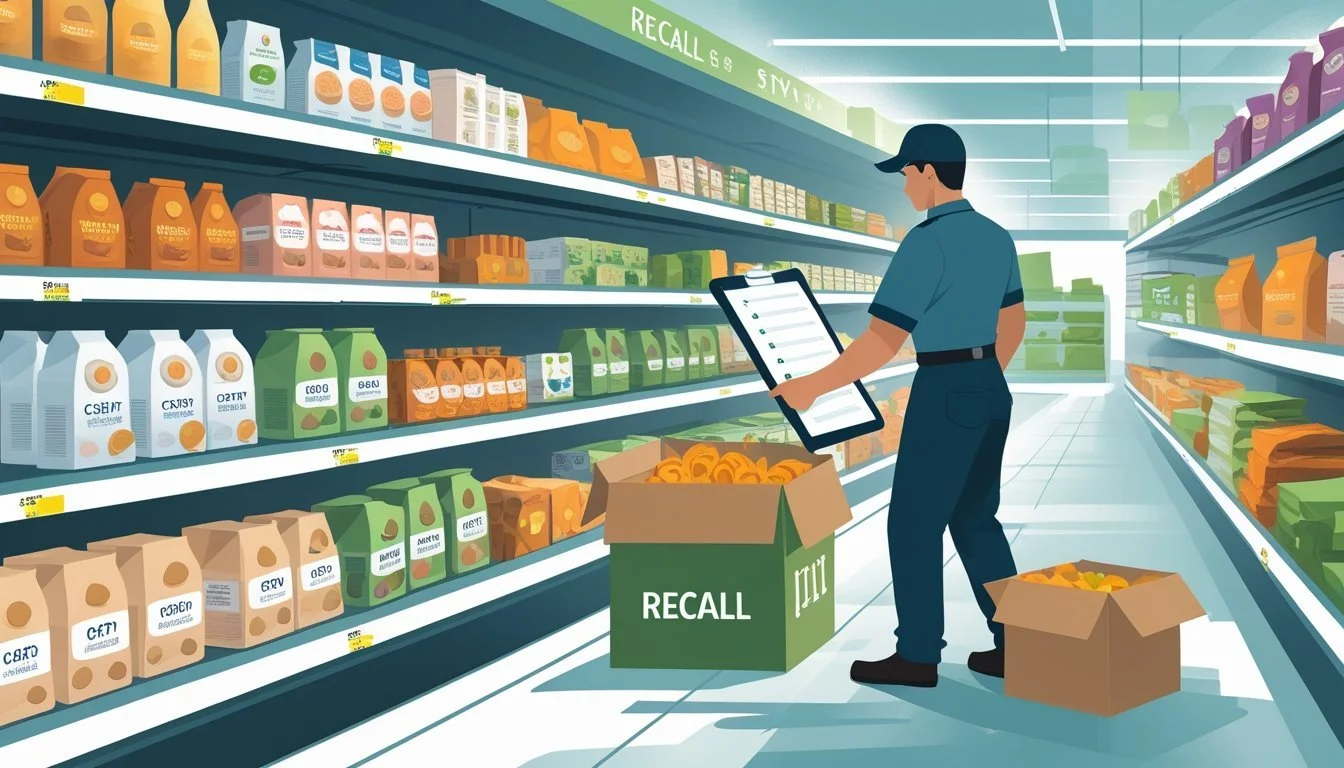
Mislabeling or mishandling expiry dates can trigger large-scale recalls, affecting the supply chain and brand reputation. Food companies must remain vigilant as errors around expiry information often result in costly action and legal scrutiny.
Types of Product Recalls Linked to Expiry Dates
Product recalls related to expiry dates generally fall into two main categories:
Premature Expiry Recall: When products are recalled before their shelf life actually ends, typically due to administrative or labelling errors.
Expired Product Recall: When foods are found on the market past their expiration date, leading to potential contamination risks.
These recalls commonly involve perishable foods like dairy, produce, and ready-to-eat meals, where spoilage poses immediate safety concerns. Recalls can also include packaged foods if date codes are misinterpreted or printed incorrectly.
Allergen management adds an extra layer of complexity; outdated foods may not meet updated allergen labeling standards. This can require removal from the market even if the product remains safe to consume.
Trends and Frequency of Recalls
The frequency of food recalls has risen in recent years, driven in part by increased regulatory oversight and improvements in traceability technology. Expiry-related recalls account for a significant portion of logistical disruptions faced by food companies.
According to industry reports, over the past decade, the number of annual recalls in the United States has grown four-fold. Expiry confusion, inaccurate labeling, or supply chain delays are often cited causes.
Produce, bagged spinach, ready-to-eat meals, and dairy are categories most impacted by expiry-linked recalls. Improved labeling systems and tighter supply chain controls have been implemented to reduce the risk, but errors still occur, making ongoing vigilance vital.
Notable Recalls in History
Several high-profile recalls have been linked to expiry confusion or expired products remaining in circulation. In 2013, a produce recall involving fewer than 250,000 units cost a medium-sized firm over $2 million, even without reported illnesses. This case highlighted how expensive even relatively small expiry-related recalls can be.
The Peanut Corporation of America case, though mainly focused on contamination, also underscored supply chain weaknesses. Expired and contaminated peanuts affected numerous products nationwide, costing the industry millions.
Bagged spinach recalls in the mid-2000s brought widespread attention to expiry management. Large retail chains had to pull spinach from shelves out of caution, causing substantial financial and reputational losses for food companies.
The Direct Costs of Food Recall Over Expiry Confusion
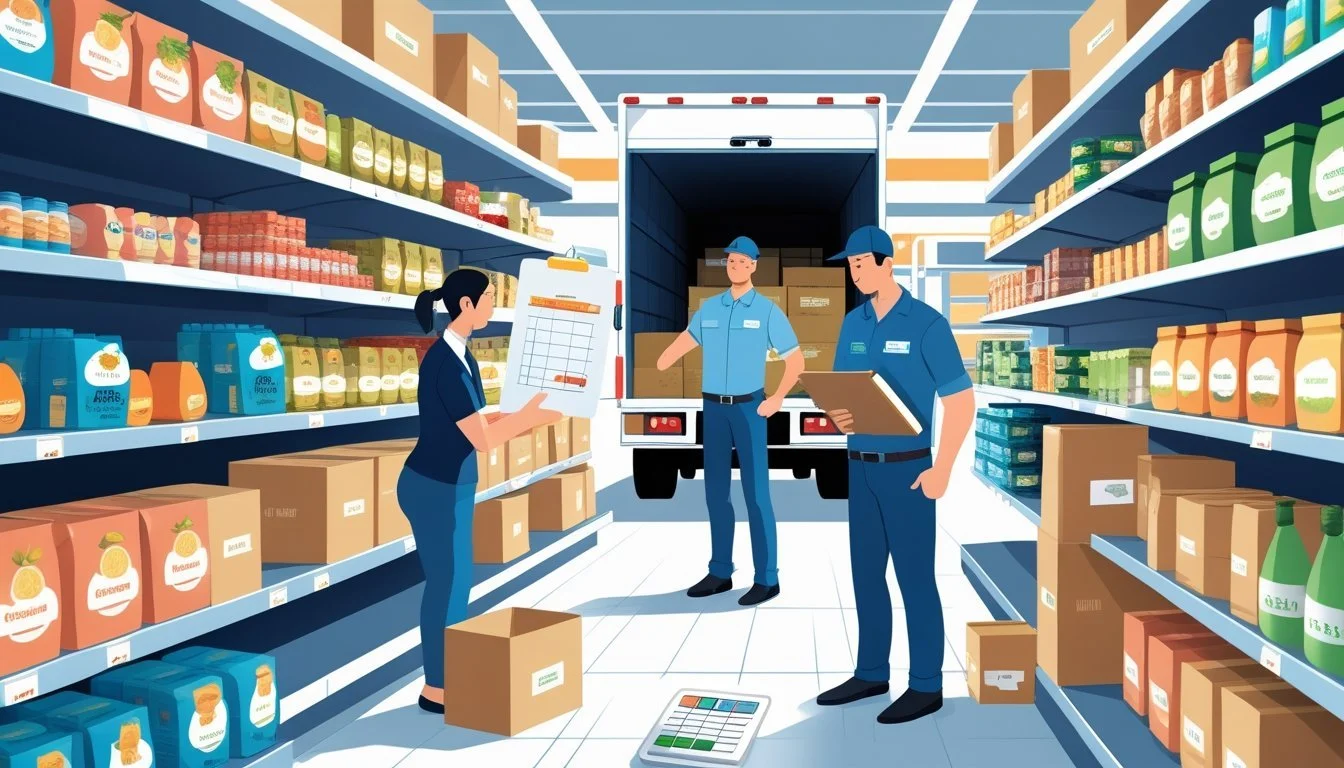
Recall actions triggered by expiry date confusion often create immediate and measurable financial burdens. Companies must address each stage of the process, from retrieving items from shelves to handling damages and penalties, leading to a range of direct costs and obligations.
Recall Logistics and Removal
Organizing the logistics for a food recall involves notifying distributors, retailers, and sometimes end consumers. Effective recall management usually requires coordination with supply chain partners to remove affected products quickly.
Direct costs here include transportation, inventory audits, and additional labor for locating and removing items from stores and warehouses. Retailers may charge fees for restocking and lost sales.
Many firms invest in recall insurance, but such policies rarely cover all retrieval expenses. Speed is critical to minimize financial and reputational damage, but increases costs through expedited shipping and overtime wages.
Disposal and Destruction of Products
After removal, affected food products must be disposed of in compliance with food safety regulations. Firms typically contract specialized waste management services for destruction, incurring both service and transportation fees.
Disposal costs vary by the volume and type of product, with perishable goods often requiring immediate incineration or environmentally safe compaction. Strict record-keeping is required, and companies are responsible for providing documentation to authorities.
Some jurisdictions require third-party certification of destruction, adding to direct expenses. Failure to manage disposal properly can lead to further regulatory action and increased compliance penalties.
Legal Fees and Compliance Penalties
Legal costs arise quickly when a recall centers on label or expiry date confusion, especially if consumer safety is questioned. Litigation costs may cover defense, settlements, or class-action lawsuits, depending on the incident's scope.
Compliance penalties can include fines from regulatory agencies for inadequate labeling, delayed action, or reporting failures. Companies may be required to upgrade compliance systems or conduct independent audits as part of follow-up actions.
A table summarizing typical direct legal expenses:
Cost Type Estimated Range Legal counsel $10,000 – $500,000 Penalties/fines $5,000 – $100,000+ Audit requirements $2,000 – $50,000
Litigation and penalties together often exceed initial recall costs, making immediate compliance and legal review essential.
Indirect and Long-Term Recall Costs
Food recalls caused by expiry date confusion carry costs that go far beyond immediate logistics and disposal. Indirect expenses can continue to affect companies for months or even years, especially through harm to brand reputation, customer relationships, and future sales performance.
Impact on Brand Reputation
Recalls linked to expired or mislabeled products often trigger negative publicity that damages a company's brand image. Media reports about a food recall spread quickly, and even a single incident can create lasting perceptions of mismanagement or poor quality.
Competitors may leverage these incidents, highlighting their own reliability in contrast. The cost to rebuild a damaged brand can be significant, requiring new marketing campaigns or public relations efforts. In some cases, retailers may hesitate to renew contracts or feature recalled brands as prominently, further reducing visibility.
A company's brand damage is not always limited to the product involved; it may extend to other products within the same brand or even to related companies, multiplying the financial burden.
Consumer Trust and Confidence Damage
Consumers often see a food recall as a sign that a company cannot properly manage safety or quality controls. This triggers an erosion of consumer trust and can make customers reluctant to purchase not only the affected product but also other items offered by the same company.
Loss of trust is difficult to quantify but can be long-lasting. Consumer surveys after high-profile recalls commonly show a measurable drop in confidence, which can persist well after the recall itself is resolved.
Restoring trust typically requires significant investment in communication, transparency, and sometimes third-party audits or certifications to reassure buyers. Companies may also need to offer incentives like discounts or guarantees as part of trust-rebuilding efforts.
Lost Sales and Profitability
The financial impact on profitability from lost sales is often one of the largest indirect costs. During and after a recall, affected products are removed from shelves, and demand drops as consumers avoid potentially risky items. Sales losses can quickly escalate into the millions, even if the recall is short in duration.
This loss is often compounded by ongoing lower demand and potential delisting by major retailers. The temporary or permanent shrinkage in market share can undermine long-term growth projections and investor confidence.
Calculating the true cost is complex. Alongside lost sales, companies must consider additional spending on advertising, logistics, and legal expenses. Together, these costs can erode margins much more severely than the initial direct recall expenses.
Legal and Regulatory Implications
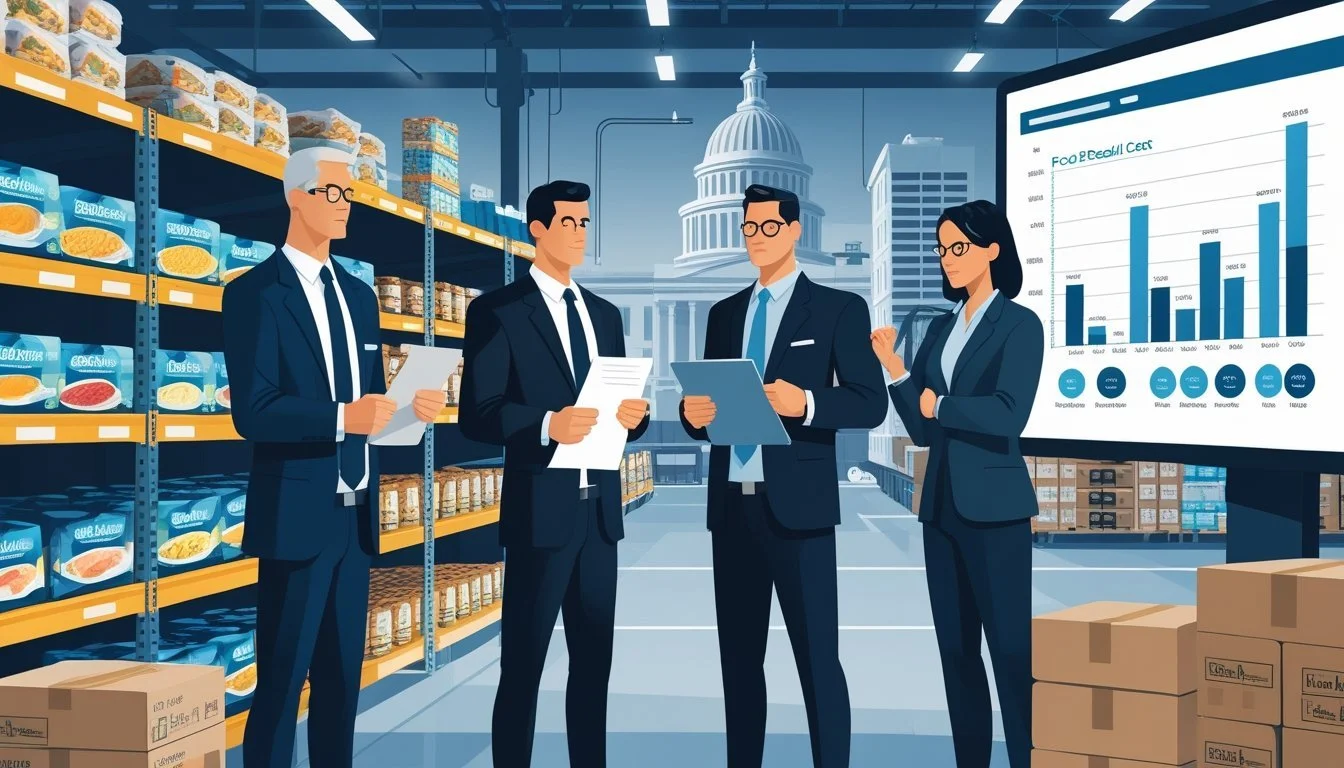
Food recalls over expiry date confusion introduce not only financial burdens but also significant legal and compliance challenges. Organizations must protect themselves against litigation, align with federal requirements, and safeguard public health responsibilities.
Litigation Risks
Incorrect or misleading expiry labeling can lead to lawsuits from both consumers and business partners. Legal actions often claim damages for alleged harm or financial losses tied to out-of-date products.
Companies may face direct litigation costs, such as attorney fees and settlement payouts. Large-scale recalls often result in class-action suits, increasing potential expenses further.
Litigation risks are heightened if a recall is delayed or handled poorly. Failure to act quickly can be used as evidence of negligence, escalating legal consequences. Some cases also attract governmental scrutiny, compounding liabilities.
Key litigation risks may include:
Claims of consumer injury or illness
Breach of contract allegations from retailers
Exposure to punitive damages in certain jurisdictions
Compliance with FDA, USDA, and FSMA Laws
The Food and Drug Administration (FDA) and United States Department of Agriculture (USDA) oversee most U.S. food recalls. Under the Food Safety Modernization Act (FSMA), the FDA has expanded authority to mandate recalls when products are considered unsafe or unlawfully labeled.
Firms must follow specific regulatory procedures, such as prompt notification, detailed documentation, and progress reporting to federal agencies. Non-compliance can result in government fines, forced recalls, and increased scrutiny in future inspections.
A table of key compliance requirements:
Agency Key Requirement Consequence for Non-Compliance FDA Timely notification/reporting Fines, mandatory recall, audits USDA Accurate records, traceability Product seizures, suspension of sales FSMA Preventive controls, documentation Court-ordered recalls, legal penalties
Adhering to these requirements is crucial to avoid escalating legal and regulatory costs.
Public Health and Safety Responsibilities
Food companies have a direct responsibility to protect public health. Expiry date confusion may lead to unsafe food reaching consumers if errors go unaddressed. This risk is especially serious for vulnerable populations such as the elderly, pregnant individuals, and those with compromised immunity.
If expired or misdated products cause illness, organizations can be subject to both legal consequences and reputational damage. Regulatory agencies monitor the effectiveness of recall actions and may intervene if companies fail to remove unsafe items rapidly.
A clear and effective recall plan safeguards both public health and compliance standing. Companies are expected to promptly communicate with the public, regulators, and the supply chain when expiry concerns arise. Proper handling directly impacts legal exposure and helps maintain food safety standards.
Root Causes of Expiry-Related Food Contamination

Expiry-related food contamination results from a range of preventable issues within the food production and distribution process. Factors such as labeling errors, supply chain blind spots, and intentional fraud all contribute to increased risks and costly recalls.
Operational Mistakes in Labeling
Incorrect or unclear date labels are a major source of confusion leading to expired products reaching consumers. Common mistakes include printing the wrong expiration date, using ambiguous terms like "best by" or "sell by," or failing to update labels during production changes. Such errors can cause food to be sold past its safe consumption period, raising the risk of foodborne illness.
Labeling mistakes also stem from inconsistent training or lack of standardized labeling guidelines across facilities. When production staff are not adequately trained, accidental mislabeling becomes more likely. Software or equipment malfunctions can introduce further inconsistencies, especially when line speeds increase during high output periods.
Retailers also play a role. They may misread or misinterpret labels, placing expired or near-expired goods on shelves. In larger supply chains, products stored close to expiration may be shipped out to fill orders, rather than being properly removed or discounted.
Supply Chain and Traceability Challenges
Weaknesses in food traceability and limited supply chain visibility can make it difficult to accurately manage expiry dates for products at every stage. With complex global food networks, shipments may be delayed, or storage conditions may fluctuate, causing food to degrade faster than labels suggest.
When real-time data is lacking, products might be stored or shipped past their safe window, especially if first-in, first-out (FIFO) inventory methods are not strictly enforced. Gaps in traceability can mean that, in the event of a contamination issue, companies struggle to identify which specific batches are affected. This often leads to larger, more expensive recalls.
Food contamination risks increase when poor supply chain practices allow expired products to mingle with fresh stock. Lack of digital tracking tools, manual recordkeeping, or fragmented logistics systems all contribute to this challenge.
Food Fraud and Undeclared Ingredients
Food fraud may involve the intentional mislabeling of expiry dates to extend product shelf life illegally, directly impacting product safety. In some cases, lower quality or spoiled foods are repackaged or relabeled to appear fresher, misleading both retailers and consumers.
Undeclared ingredients, another aspect of food fraud, pose significant health risks beyond simple expiry confusion. Allergens or unlisted chemical additives may go undisclosed, triggering recalls if discovered after distribution. This jeopardizes consumer trust and product integrity.
Intentional acts to manipulate food labeling or conceal product age undermine both traceability efforts and compliance with food safety regulations. These fraudulent activities can lead to costly investigations, regulatory penalties, and lasting harm to brand reputation.
Managing the Recall Process Efficiently
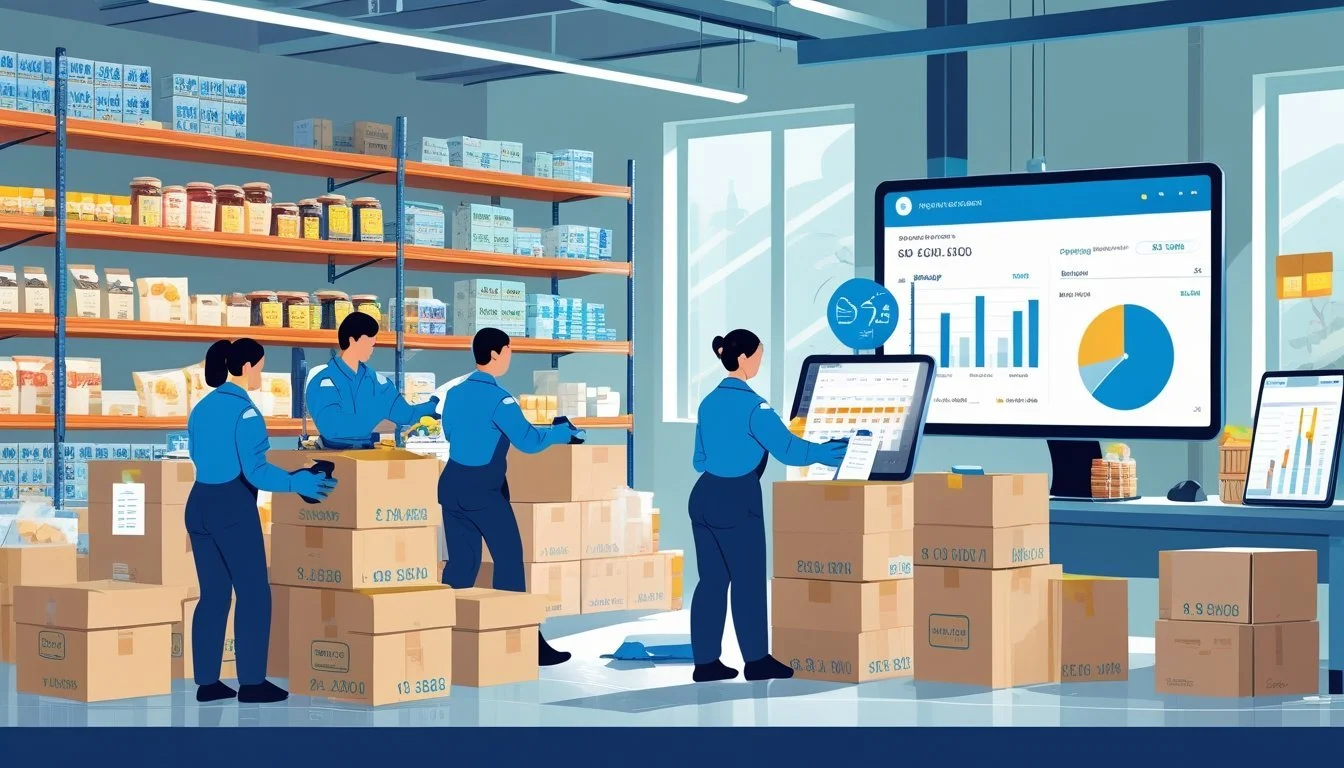
Efficient management of the food recall process reduces direct costs and limits brand damage. Strategic planning and clear, coordinated communication play a critical role in guiding corrective actions during a recall.
Crisis Management Plan Development
A comprehensive crisis management plan is essential for any company handling perishable goods. This plan should define clear roles, outline procedures for swift action, and include decision trees for various recall scenarios. Each step—identifying the lot, halting distribution, and coordinating returns—must be documented and rehearsed in advance.
Using multiple suppliers for key ingredients, as some organizations recommend, helps reduce the risk of broad disruption. Regular recall simulations test both the plan's clarity and the team’s readiness, helping to minimize delays once an actual recall is needed.
Detailed records allow quick traceability, while checklists ensure compliance with federal and state regulations. This approach streamlines the recall process, making corrective actions and regulatory reporting more effective.
Effective Communication with Stakeholders
Transparent communication with suppliers, distributors, regulators, and the public is vital during a food recall. Clear messaging reduces confusion and helps maintain trust with both internal teams and external partners.
Companies should notify all affected parties promptly, providing specific information about product lots, potential risks, and how to identify and return the affected items. Using templates for press releases and customer notifications can help keep the messaging consistent and factual.
A dedicated hotline or response team can help address consumer questions and public relations issues as they arise. Timely updates build confidence and demonstrate the company’s commitment to resolving the incident efficiently.
Preventive Strategies and Innovations
Cutting down on food recalls caused by expiry date confusion requires targeted approaches in both technology and staff procedures. Improving traceability, ensuring staff are well-trained, and fully utilizing food safety alerts all contribute toward reducing risks and associated costs.
Technologies for Enhanced Traceability
Modern food traceability systems use barcodes, RFID tags, and blockchain technology to give real-time visibility into the movement of products within supply chains. This ensures that manufacturers and retailers have accurate data on product age, location, and shelf life.
Cloud-based traceability platforms can notify stakeholders about items approaching expiry. These systems can also automate the removal of near-expiry products, reducing the chance of incorrect recalls.
Benefits include:
Faster recall execution
Reduction in human error
Improved data accuracy
Enhanced traceability establishes accountability and transparency, making it easier to identify affected lots quickly if expiry dates cause confusion.
Staff Training and Compliance Programs
Consistent training is key to minimizing errors and maintaining compliance with food safety standards. Effective programs typically include:
Detailed instruction in interpreting and handling expiry and best-before dates
Ongoing compliance workshops
Testing and regular retraining for all staff involved in food handling and labeling
Clear workflows and responsibilities reduce ambiguity, which lowers the likelihood of mislabeling and incorrect product removal.
Checklist for effective training:
Action Frequency Expiry date review Monthly Compliance workshops Quarterly Spot-check audits Bi-monthly
A confident, well-trained workforce helps prevent the sorts of mistakes that can trigger unnecessary recalls.
Leveraging Data and Food Safety Alerts
Food safety alerts, whether from regulatory bodies or supply chain partners, play a key role in early intervention. Connecting alert systems directly to inventory management platforms enables rapid identification of affected items.
Companies that integrate food safety alerts with internal data analytics can respond more precisely, decreasing both recall costs and reputational risk. Automated alert distribution ensures the right teams act quickly.
When combined with solid traceability processes, the use of real-time data and alerts allows for smarter, more targeted actions, minimizing disruption caused by expiry confusion.
The True Cost of Recalls: Industry Insights and Future Risks
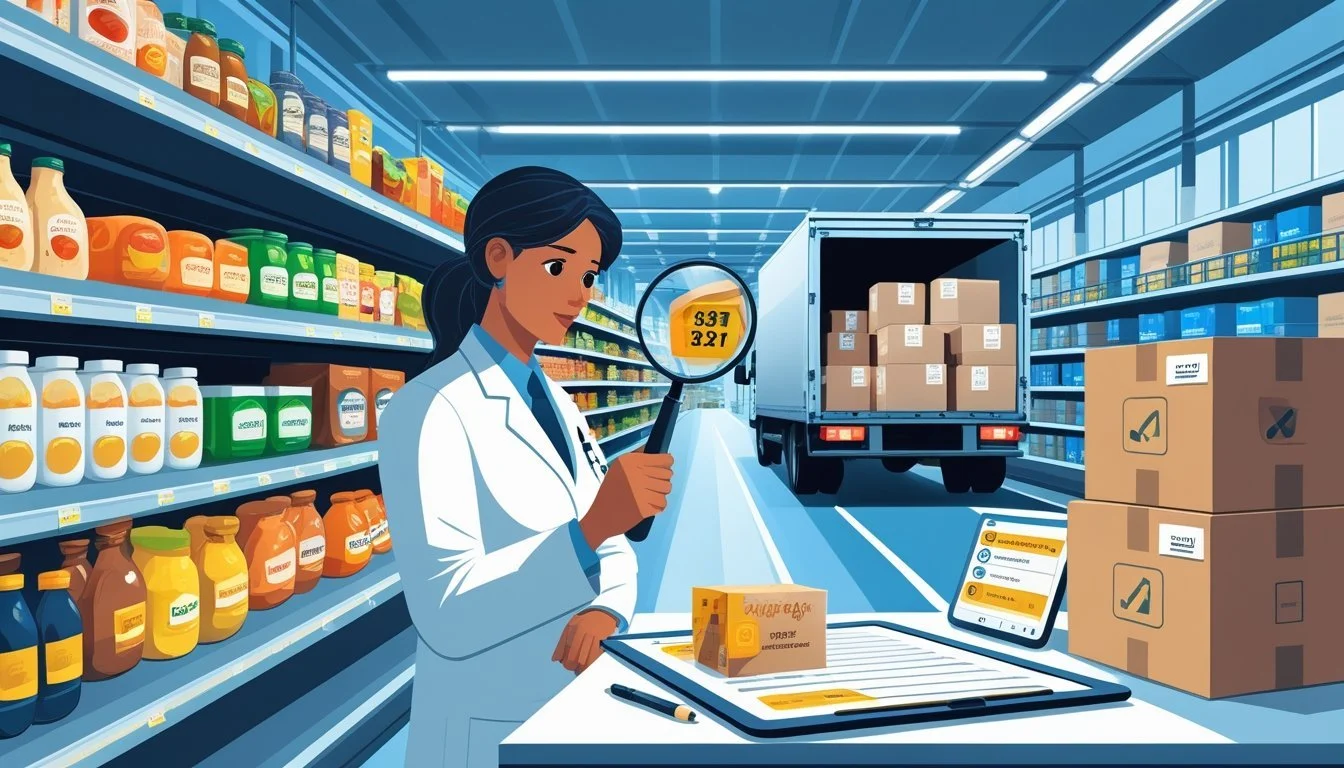
Food recalls tied to expiry confusion bring significant costs that extend beyond lost products. Impacts are felt throughout the industry, from operational disruption to regulatory scrutiny.
Impact on the Food Industry and Supply Chain
A food recall disrupts every segment of the supply chain, from manufacturers to retailers. Products must be retrieved and destroyed, causing delays and inventory losses. Companies spend considerable resources identifying and tracking affected lots, often pulling safe products as a precaution.
Distributors and grocers face lost sales and increased labor as they remove items. The ripple effect can lead to shortages, especially with high-volume items like leafy greens. Industry data shows that these recalls have increased fourfold over the past five years, straining logistics and relationship management.
Foodborne illness risks, such as salmonella contamination, also mean rapid action is essential. Swift recalls may prevent illness but at the cost of major supply chain upheaval.
Financial Burden Versus Consumer Protection
Direct financial costs of a food recall are significant. According to recent industry studies, the average direct cost is over $10 million, with 23% of cases exceeding $30 million. These amounts cover product retrieval, legal fees, crisis management, and communication.
Indirect costs include lost sales, damaged reputation, and eroded consumer trust. Protecting consumers from foodborne illnesses often justifies the expense, but confusion over expiry dates can result in unnecessary recalls. Brands must balance strict caution with the risk of excessive financial and reputational harm.
A food recall's true cost goes beyond immediate expenses. Long-term losses in consumer loyalty can linger for years, especially if contamination leads to widespread illness.
Emerging Risks and Areas of Concern
Expiry confusion is not the only concern causing recalls. The complexity of modern food labeling, combined with fragmented supply chains, increases the risk of mistakes or misinterpretations.
Global sourcing amplifies the challenge. Ingredients travel across multiple geographies, making consistent storage and labeling harder. Manufacturers risk recalls not just for contamination, such as with salmonella in leafy greens, but also for unclear or inconsistent expiration dates.
Future risks include the rise of automation in food production. Errors in automated data systems could trigger wider, faster recalls if expiry or safety data is mismanaged. The industry must adopt proactive monitoring and transparent labeling to reduce these threats.

