
Can Shelf Life Be Extended Without Additives?
Exploring Natural Preservation Methods
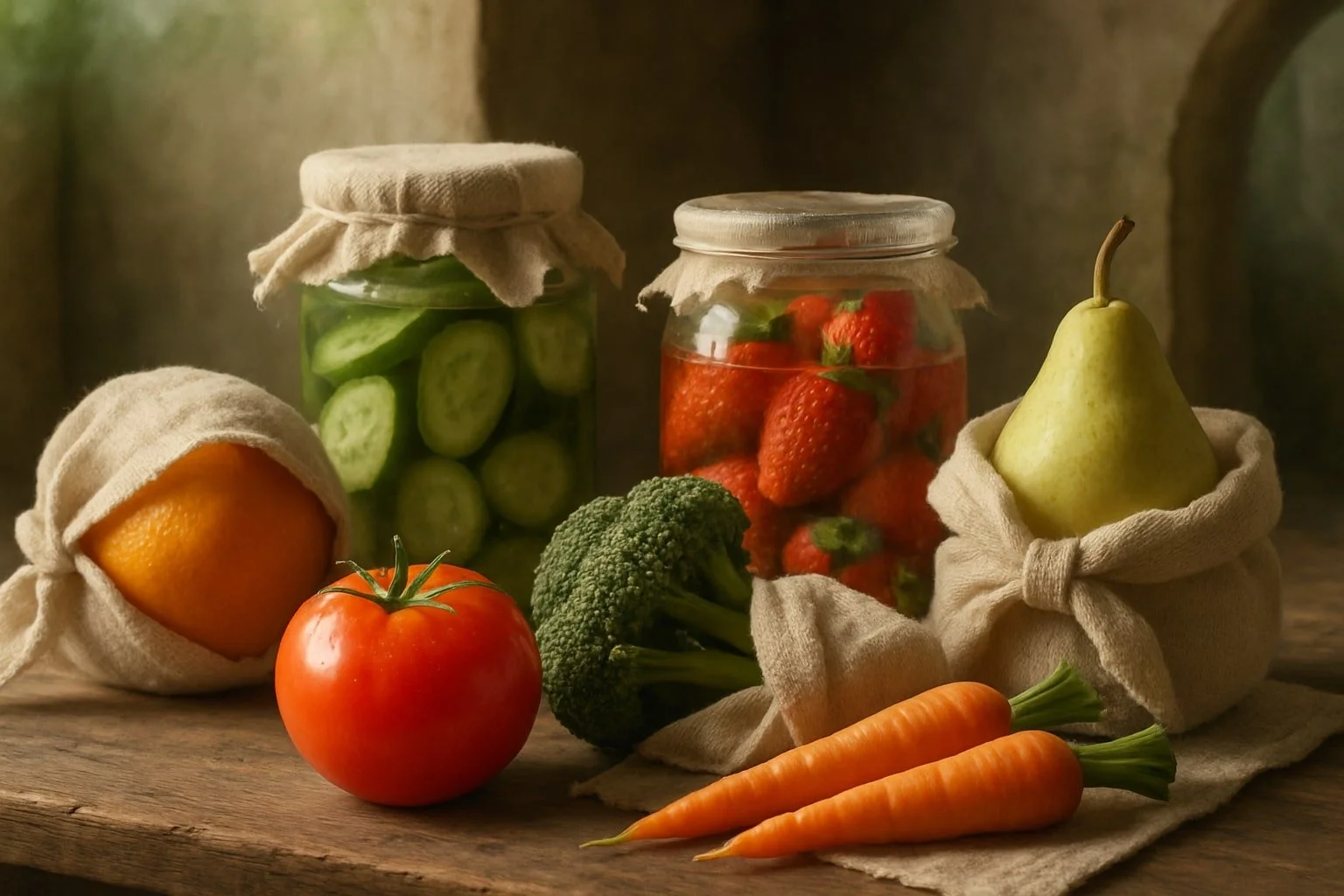
Shelf life can be extended without using chemical additives, as there are alternative methods and natural ingredients that help preserve food safely. Techniques such as controlling pH, optimizing packaging, and reducing moisture can slow spoilage in many food products. The food industry also relies on natural preservatives—like antioxidants, humectants, and emulsifiers—to maintain freshness without affecting taste or nutritional value.
Consumers are increasingly interested in how their food is preserved. Advances in food preservation and shelf life extension now open the possibility for safer, more natural products that appeal to these preferences. Whether for home storage or large-scale production, understanding these methods is crucial for anyone interested in the science and safety of the food they eat.
Understanding Shelf Life and Food Spoilage
Shelf life defines how long a food product retains its expected quality and safety for consumption. Food spoilage occurs due to a combination of biological and chemical processes that lead to changes in taste, texture, and overall edibility.
Factors Affecting Shelf Life
Various elements influence how long a food item remains fresh and safe. Temperature control is one of the most effective methods—cooler environments slow down chemical reactions and microbial growth. Moisture levels also have a significant impact, as foods with higher water content typically spoil faster.
Packaging is another important factor. Airtight and vacuum packaging limit oxygen and moisture contact, delaying spoilage. The type of food, its intrinsic microbiological characteristics, and the environment dictate how quickly changes occur. For example, high-fat foods are prone to rancidity from oxidation, while items with more protein and moisture are more susceptible to bacterial or yeast growth.
Role of Microbial Growth and Oxidation
Bacteria, yeasts, and molds are the primary agents responsible for microbial spoilage in food products. Bacteria can multiply rapidly at room temperature, producing off-odors, slime, or toxins that render foods unsafe. Yeasts, though slower, can spoil products like juices and jams through fermentation, resulting in fizzing or off-flavors.
Oxidation is a major chemical process affecting shelf life. When fats and oils are exposed to air, they may undergo oxidative rancidity, leading to undesirable flavors. Oxidation can also degrade vitamins and pigments, altering the food's color and nutritional value. To combat these processes, methods like refrigeration, freezing, and reduced-oxygen packaging are widely used.
Impact of Expiration Dates
Expiration dates represent the manufacturer’s estimate of when food will begin to lose quality or safety. These dates account for shelf-life testing under standard storage conditions.
While many products are safe after their “best before” dates, perishables such as dairy and ready-to-eat meals pose a higher risk due to rapid bacterial or yeast growth. Misunderstanding expiration dates can cause unnecessary food waste if edible products are discarded prematurely.
Consumers should use sensory checks—such as smelling, looking, and tasting small amounts—to help determine if an item is still suitable for consumption, especially if shelf life has been extended through proper storage.
Conventional Use of Additives and Preservatives
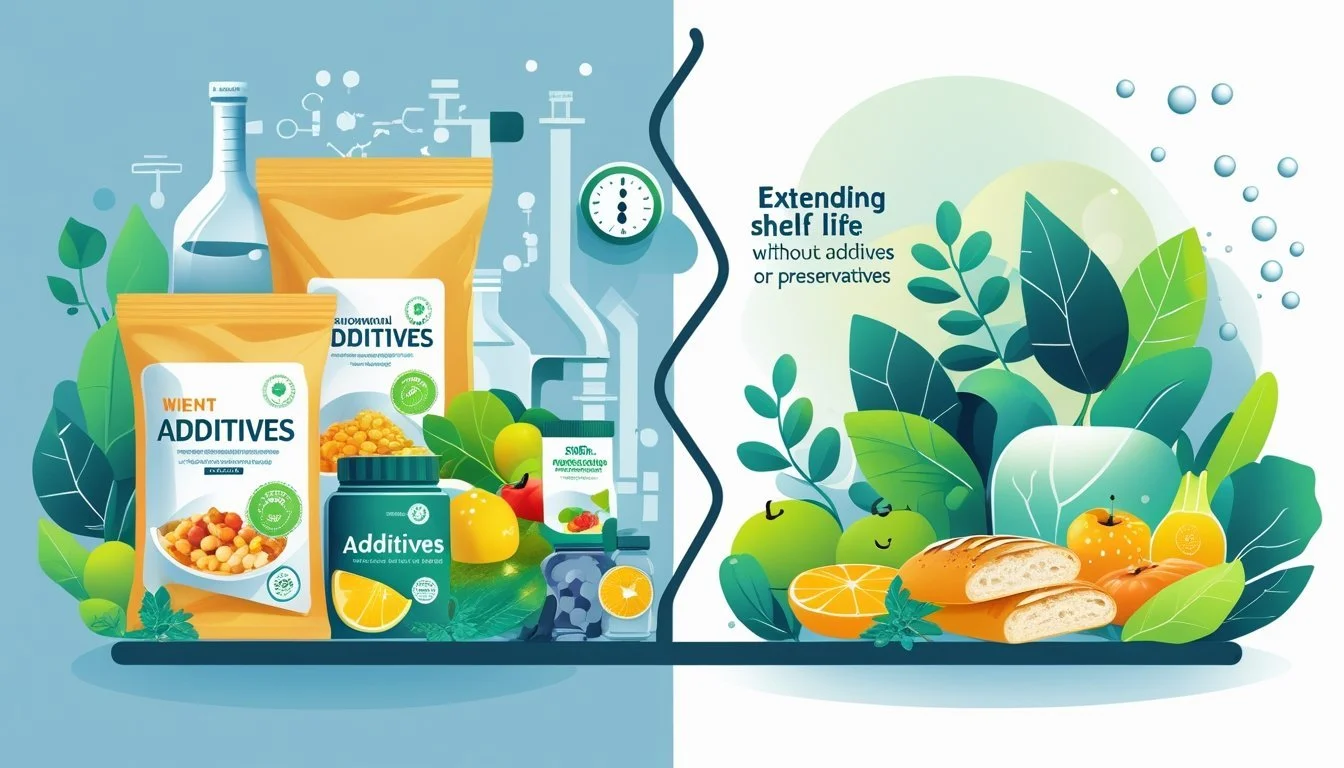
Additives and preservatives are key in modern food processing, protecting products from spoilage and extending edible quality. These compounds can be found in nearly all processed items, influencing food safety, shelf stability, and even taste.
Types of Preservatives in the Food Industry
Preservatives are divided into several main categories: antimicrobials, antioxidants, and enzyme inhibitors.
Antimicrobials target bacteria, molds, and yeast, reducing risks of foodborne illness and spoilage.
Antioxidants limit oxidation, which can cause fats and oils to become rancid.
Enzyme blockers help halt enzymatic reactions that degrade food texture or color.
Common preservatives used in the industry include:
Preservative Type Examples Major Use Salt & Sugar Sodium chloride, sucrose Inhibiting microbial growth Acids Citric acid, ascorbic acid pH adjustment, preservation Chemical Additives Sodium benzoate, nitrates Spoilage prevention, color fixing
Preservatives are chosen depending on the food type and the microbial threats involved.
Chemical Versus Natural Preservatives
Preservatives can be either chemical (synthetic) or natural in origin.
Natural preservatives include salt, sugar, vinegar, and certain spices. These have traditionally been used in foods like pickles, jams, and cured meats to extend shelf life.
Chemical preservatives are synthetically derived compounds such as sodium benzoate, potassium sorbate, and nitrites.
These allow for longer shelf stability and are often used in highly processed foods where natural options may be less effective.
Both categories are regulated for safety, but natural preservatives are often preferred by consumers seeking "clean label" products. Chemical options remain common due to their reliable efficacy in mass food production.
Role of Artificial and Synthetic Additives
Artificial and synthetic food additives go beyond traditional preservation, affecting texture, color, and flavor.
Preservatives such as BHA, BHT, and sodium nitrite are synthesized for consistent quality and performance in large-scale food manufacturing.
Artificial additives also include flavor enhancers, emulsifiers, and thickeners, intended to improve appeal and maintain uniformity.
Manufacturers rely on these additives to preserve shelf stability, especially for packaged snacks, beverages, and ready-to-eat meals.
Safety assessments regulate the use of synthetic additives, but concerns remain for certain compounds, driving some producers to search for alternatives. Demand for minimally processed foods influences industry trends towards reducing synthetic additives where possible.
Rationale for Shelf Life Extension Without Additives
Extending food shelf life without additives is driven by a combination of changing consumer preferences and key market demands. Issues of ingredient transparency, health safety, and brand perception play a central role in shaping approaches to preservation.
Consumer Demand for Transparency and Natural Ingredients
There is a clear trend among consumers seeking foods with fewer synthetic ingredients. Clean labels, which detail the limited use of artificial additives, are now a significant marketing advantage. Consumers often read labels carefully, looking for recognizable, natural components they trust.
Transparent labeling helps consumers make quick and informed decisions. Research indicates many buyers are willing to pay more for products using natural methods for shelf life extension. Brands responding to this demand often see stronger market performance.
Key factors for this demand include:
Desire for minimally processed foods
Growing preference for ingredients that are easy to understand
Association of "natural" with higher overall quality
Health and Safety Considerations
Avoiding chemical additives is linked to rising health concerns and efforts to reduce exposure to potential allergens or sensitivities. Many consumers are wary of certain preservatives that have been associated with negative health effects.
Natural preservation strategies may utilize methods like cold storage, pasteurization, or high-pressure processing. These methods support food safety by reducing spoilage and bacterial growth. Importantly, these alternatives can maintain nutritional and sensory qualities better than some chemical additives.
Food safety remains a top priority. Regulatory scrutiny and routine testing are used to ensure that shelf-life extension methods are both safe and effective.
Impact on Consumer Trust and Expectations
A company’s use of additive-free preservation can improve consumer trust and reinforce positive brand perceptions. Trust is built when manufacturers are transparent about ingredients and preservation techniques.
Consumers often expect both convenience and high quality from their food products. Meeting these expectations without using artificial preservatives can strengthen a brand’s reputation and encourage repeated purchases. When brands align shelf life extension practices with consumer expectations, they foster long-term loyalty.
Transparency in ingredient sourcing and process disclosure is frequently linked to increased consumer confidence. This effect can reduce skepticism and help secure a loyal customer base.
Natural Methods for Extending Shelf Life
Food spoilage can be slowed by using natural substances and methods that inhibit microbial growth, limit oxidation, and help retain freshness. Several traditional and modern techniques have shown practical effectiveness without relying on artificial additives.
Utilization of Vinegar, Lemon Juice, and Garlic
Vinegar and lemon juice work as natural preservatives mainly due to their organic acids, such as acetic and citric acid. These acids can lower pH levels, making it harder for bacteria and molds to survive.
Garlic contains allicin, which possesses antimicrobial properties. When used in products like sauces, pickled vegetables, or marinades, garlic can help delay spoilage and enhance flavor.
Common applications include using lemon juice to preserve fruit color, vinegar in pickling, and garlic in fermented foods or dressings. These methods do not introduce synthetic chemicals and are recognized for boosting both safety and taste.
Benefits of Plant Extracts and Antioxidants
Plant-based extracts, such as those from rosemary, thyme, green tea, and grape seed, contain bioactive compounds with strong antioxidant properties. These antioxidants help reduce oxidation, which can cause fats to go rancid and food to lose quality.
Natural plant extracts are sometimes incorporated into oils, snacks, or dairy to delay spoilage. For example, oregano oil can be added to ready-to-eat foods to limit bacterial growth and extend shelf life.
These extracts are generally considered safe and may also contribute additional health benefits. Their inclusion supports a clean-label approach sought by consumers who wish to avoid synthetic preservatives.
Role of Fermentation
Fermentation relies on microorganisms like lactic acid bacteria and yeasts to preserve foods. During the process, beneficial microbes produce organic acids and other metabolites that create an environment unfavorable to spoilage organisms.
Fermented foods like kimchi, sauerkraut, yogurt, and pickles benefit from longer shelf life and improved nutrient profiles. The presence of acid and lowered pH helps suppress the growth of pathogens.
Fermentation is a traditional preservation technique that also adds distinctive textures and flavors, increasing the variety and appeal of preserved foods without needing artificial additives.
Edible Coatings for Fresh Produce
Edible coatings are thin layers applied to fruits and vegetables to act as barriers to moisture and oxygen. Common coating materials include natural waxes, chitosan, and polysaccharides like alginate and cellulose.
These coatings can help reduce water loss, slow respiration, and prevent microbial contamination. Some coatings may include natural preservatives or antioxidants to further enhance effect.
Edible coatings are especially useful for extending the shelf life of products like apples, cucumbers, and berries. They maintain the product’s appearance and texture while reducing dependence on synthetic packaging or chemical preservatives.
Physical Food Preservation Techniques
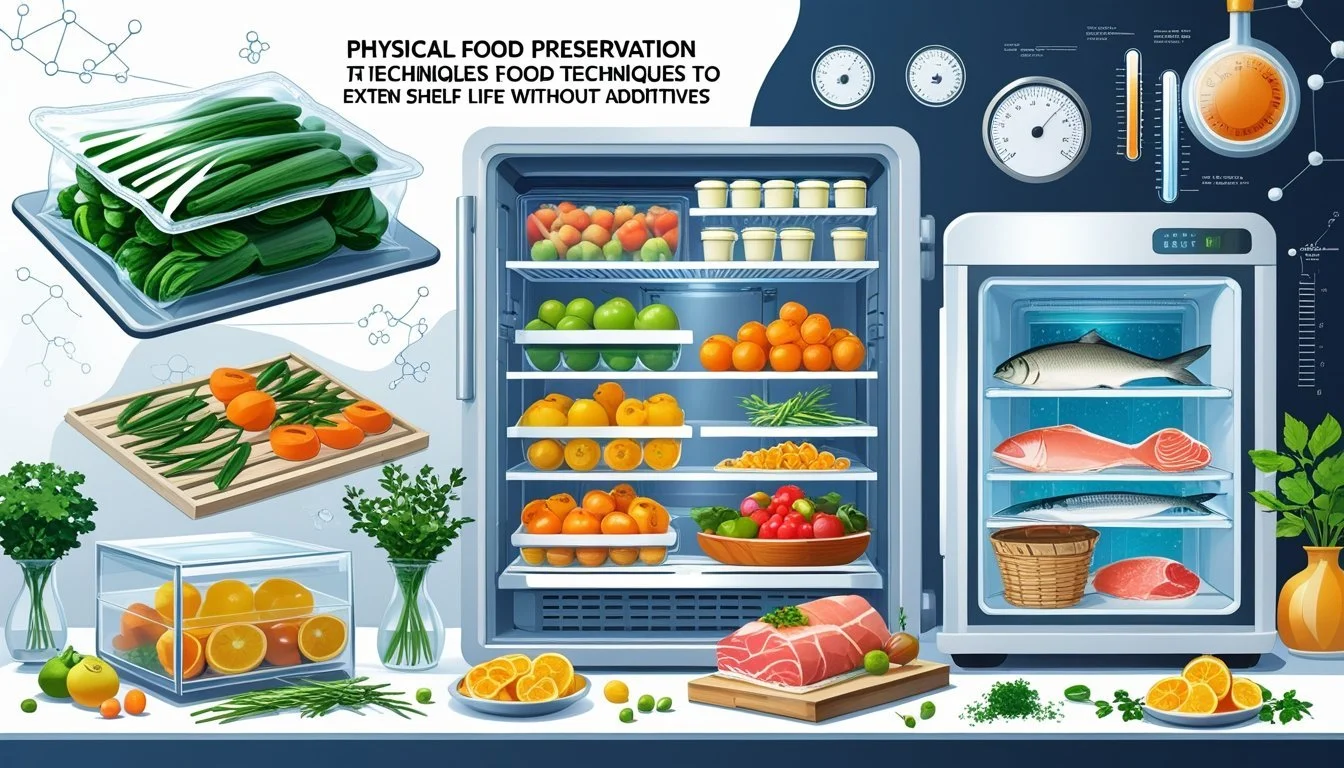
Physical methods for food preservation can significantly increase shelf life without using additives. These approaches use changes in temperature and pressure to maintain food quality and safety.
Freezing and Temperature Control
Freezing preserves food by slowing down the activity of microbes and enzymes that cause spoilage. It is one of the most effective ways to extend shelf life for fruits, vegetables, meats, and prepared dishes. Proper temperature control, such as maintaining storage below -18°C (0°F), ensures minimal loss of texture, flavor, and nutrients.
Key advantages:
Minimizes the need for chemical additives
Maintains nutritional quality with proper storage
Adaptable for both commercial and home settings
Cold storage, such as refrigeration, also helps slow spoilage for fresh foods like dairy, produce, and eggs. However, temperature consistency is critical; even brief warming can encourage bacterial growth. Advances like rapid or flash freezing reduce ice crystal formation, which leads to better food texture upon thawing.
High-Pressure Processing Innovations
High-pressure processing (HPP) is an innovative solution that destroys harmful bacteria and extends shelf life without heat or additives. In HPP, packaged foods are subjected to pressures up to 600 MPa, which inactivates microbes while preserving flavor, color, and nutrients.
Primary features include:
Suitable for juices, meats, ready-to-eat meals, and some dairy products
Less effect on product taste and appearance compared to thermal methods
No chemical preservatives required
HPP is especially useful for foods sensitive to heat. The equipment can be costly, but the process provides an added layer of food safety and quality. Many commercial producers now use HPP to meet demand for clean-label, minimally processed foods.
Shelf Life Extension Through Packaging Solutions
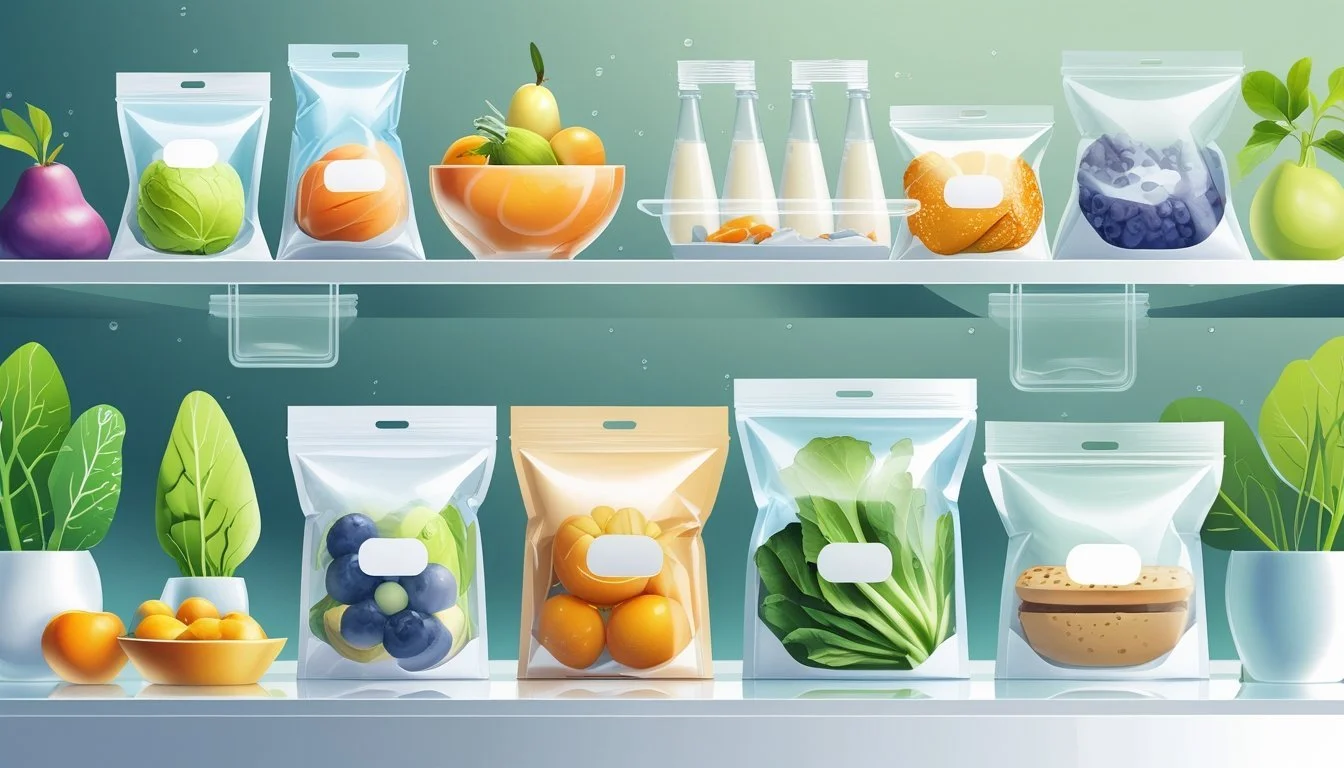
Extending shelf life without additives is possible by using specialized packaging methods and technologies. These approaches maintain food quality, safety, and freshness by directly controlling environmental factors around the product.
Modified Atmosphere Packaging (MAP)
Modified atmosphere packaging works by altering the gas composition inside the packaging to slow spoilage. Commonly, oxygen is reduced and carbon dioxide or nitrogen is introduced. This inhibits microbial growth and delays oxidation, extending freshness and shelf life.
MAP is used across various food categories including fresh produce, meat, and baked goods. For example, fresh-cut vegetables may have a precise mix of gases to minimize wilting and discoloration. This technology allows products to stay fresher for longer without the need for preservatives or additives.
The main benefits include:
Maintains original flavor and texture
Reduces food waste by providing longer sell-by dates
No added salt, sugar, or chemicals required
Smart Packaging Technology
Smart packaging integrates sensors or indicators into food packaging to monitor and communicate product conditions. This includes time-temperature indicators, freshness sensors, and gas detectors. If the packaging detects changes such as a rise in temperature or gas indicative of spoilage, the color or appearance of the indicator changes.
These systems help consumers and retailers identify whether food has been stored correctly or if quality is compromised. By providing real-time data, smart packaging reduces the risk of consuming spoiled products and supports extended shelf life by ensuring optimal handling conditions.
Key features of smart packaging:
Visual cues for product freshness and quality
Enhanced traceability and safety
No direct food additives needed for shelf life extension
Application in Various Food Categories
Shelf life extension methods without additives vary widely depending on the type of food. Physical and environmental interventions help slow food spoilage and preserve quality across product categories.
Baked Goods and Shelf Life Challenges
Baked goods, including bread, cakes, and pastries, are prone to staling, moisture loss, and microbial spoilage. Without chemical additives, manufacturers use several approaches to address these issues.
Modified atmosphere packaging (MAP) is commonly employed to reduce oxygen and slow mold growth. Bakery products also benefit from controlled storage temperatures and humidity, which limit both staling and spoilage.
Some bakeries implement high-pressure processing (HPP) to inactivate microbes on product surfaces without altering texture. Using sourdough or natural fermentation can improve shelf life by reducing pH and creating unfavorable conditions for spoilage organisms. Short supply chains and prompt distribution are also effective ways to maintain freshness without additives.
Preservation of Fresh Produce
Fresh produce such as fruits and vegetables face rapid spoilage due to moisture loss, enzymatic reactions, and microbial contamination. Techniques like cold storage and atmosphere modification are critical for slowing these processes.
Edible coatings made from natural substances like chitosan or plant extracts are sometimes applied to create a barrier against moisture and microbes. UV-C light treatments and proper washing can decrease the microbial load on product surfaces, extending freshness without chemical preservatives.
Storage conditions—including low temperature and high relative humidity—are tailored for different types of produce to minimize spoilage. Using controlled atmosphere storage, which optimizes levels of oxygen, carbon dioxide, and ethylene, helps retain flavor and texture while delaying deterioration.
Assessing Effectiveness and Limitations
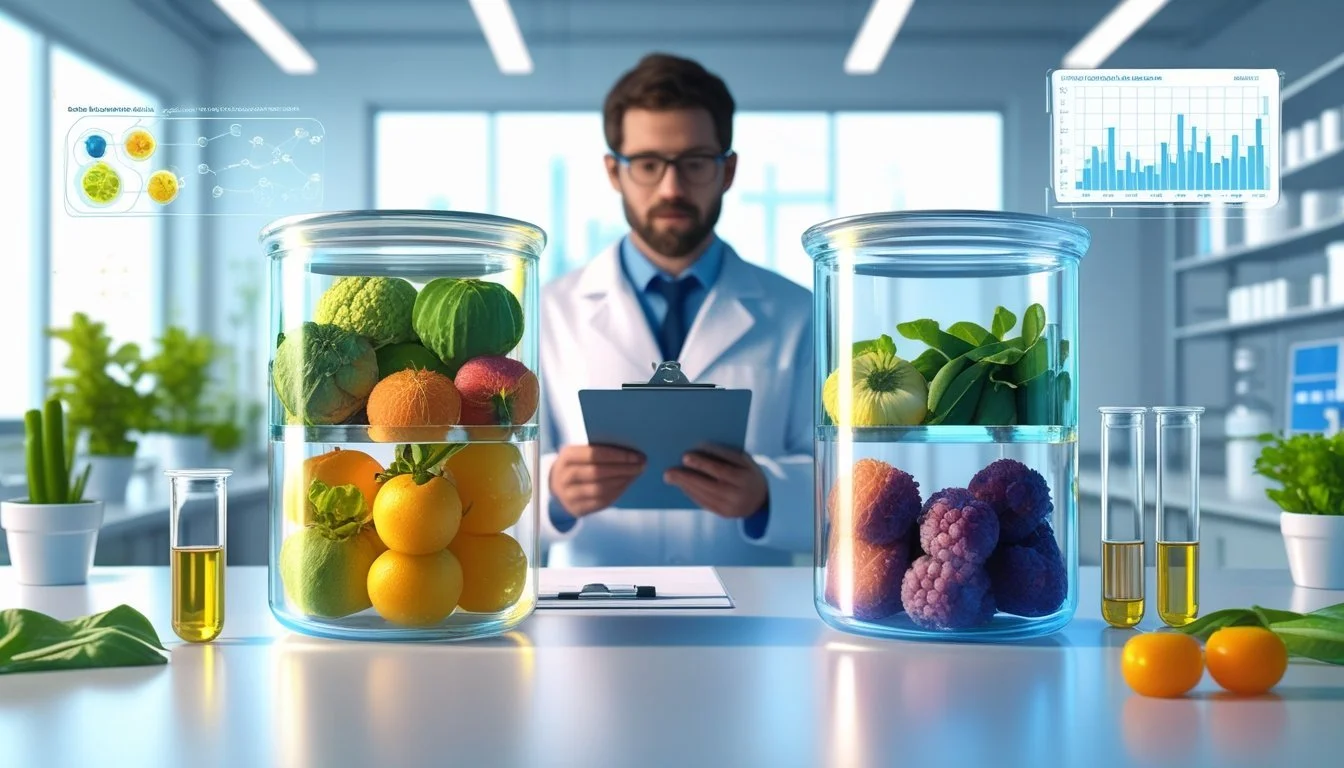
Shelf life extension methods that avoid additives rely heavily on accurate testing and close evaluation of food quality indicators. Scientific assessment is needed to verify safety, maintain nutritional value, and determine optimal storage practices.
Challenge Testing Versus Real-Time Shelf Life
Challenge testing involves introducing specific spoilage organisms or pathogens into food under controlled conditions. This simulates what could happen during real storage, but in an accelerated or more severe way. Challenge tests are useful for predicting potential risks and making rapid shelf life assessments.
Real-time shelf life studies, by contrast, involve storing the food under normal conditions and monitoring it over its actual intended shelf life. This approach often gives the most accurate results because it reflects true product behavior. However, it can be time-consuming—sometimes taking months or years, depending on the product.
A common limitation of challenge testing is that it might not replicate every environmental factor or consumer handling method that affects shelf life. Real-time studies, while precise, may delay product launches. A combination of both methods provides the best information but increases costs and study complexity.
Measuring Food Quality and Nutritional Content
Assessing food quality for shelf life extension focuses on sensory attributes (taste, texture, smell), visual appearance, and chemical markers such as pH or moisture content. Physical methods, like modified atmosphere packaging, may slow spoilage without additives, but must be monitored for unintended changes in quality.
Nutritional content needs to be tracked during storage, as key nutrients (like vitamins A, C, and E) are prone to degradation. Some shelf life extension strategies can help retain nutritional value, but others may cause decline if not carefully optimized. Maintaining nutritional integrity requires frequent laboratory analysis and standardized measurement methods.
Data from shelf life testing should include outcomes for both quality and nutritional value in tabular format for clear comparison.
Shelf Life Factor How It’s Measured Risk of Decline Without Additives Taste & Texture Sensory panels, texture analysis Medium Nutritional Content Laboratory tests (vitamins, etc) High Visual Appearance Colorimetry, consumer scoring Low to Medium
Monitoring these aspects helps ensure shelf life extension methods not only prolong safety but also preserve food nutritional quality.
Implications for Food Safety and Regulatory Compliance
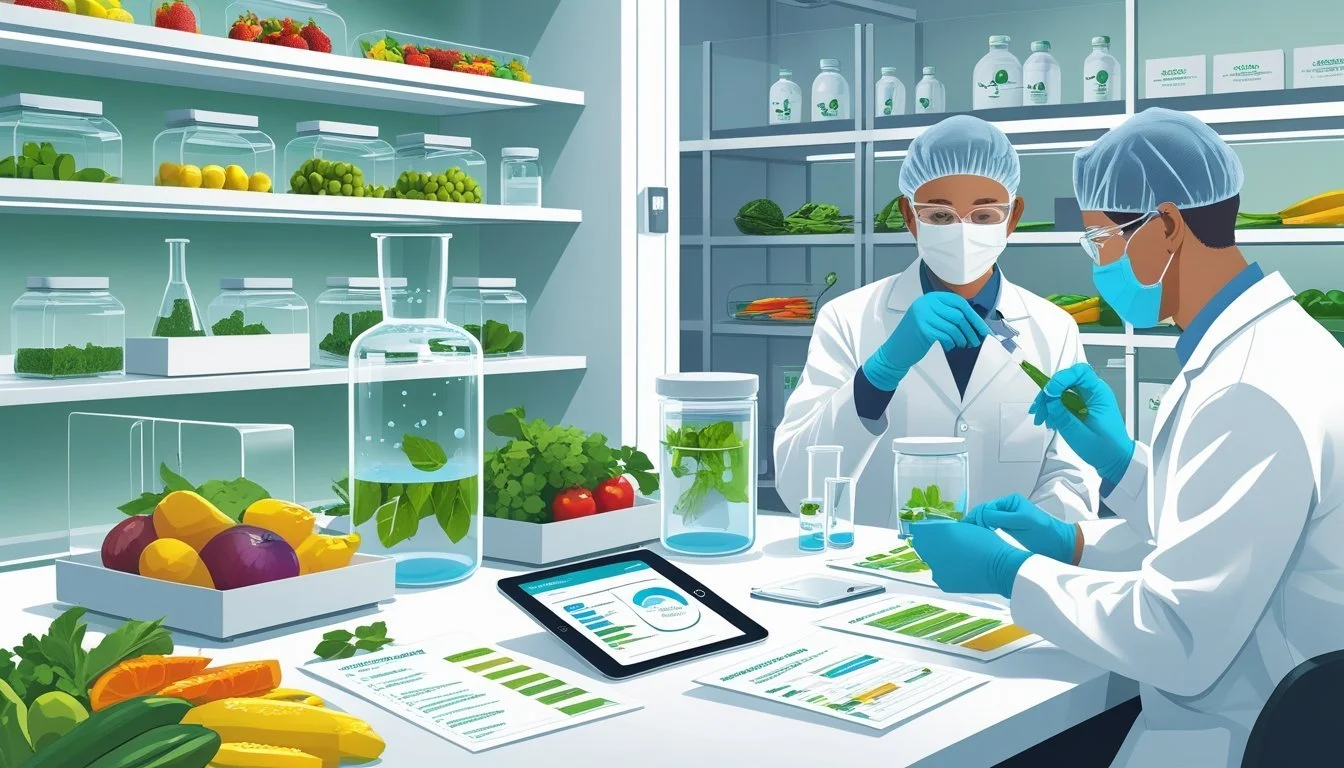
Extending shelf life without additives presents distinct challenges for maintaining food safety and ensuring compliance with established regulations. Microbial control and labeling accuracy must be addressed to limit risks linked to extended shelf-stable periods.
Preventing Foodborne Illnesses
Without artificial additives, food manufacturers rely on measures such as pasteurization, refrigeration, and vacuum packaging to extend shelf life. These methods must be carefully managed to control the growth of spoilage microorganisms and pathogenic bacteria.
Routine microbial testing is essential. For example, Table 1 lists common pathogens that can proliferate in improperly stored foods:
Pathogen Associated Foods Main Risks Listeria RTE meats, dairy Severe illness Salmonella Poultry, eggs Gastroenteritis E. coli O157 Beef, produce Hemolytic syndrome
Proper storage conditions and hygiene throughout the supply chain are critical. Shelf-life extension methods that do not use additives must also monitor for new risks, such as post-packaging contamination.
Meeting Regulatory Standards
In the United States, the Food and Drug Administration (FDA) oversees shelf life and food safety standards for most food products. Companies must validate their shelf-life determination procedures, ensuring products remain safe and meet quality expectations for the duration of their advertised shelf life.
Labeling must be accurate, reflecting the true shelf life established through scientific testing. Mislabeling or failure to ensure product safety throughout the declared period can lead to regulatory action and product recalls.
To comply, manufacturers should document shelf-life studies, implement hazard analysis, and maintain traceability records. Regulatory authorities may require evidence that microbial safety and quality do not decline during the stated shelf life, regardless of whether additives are used.
Environmental and Industry Impact
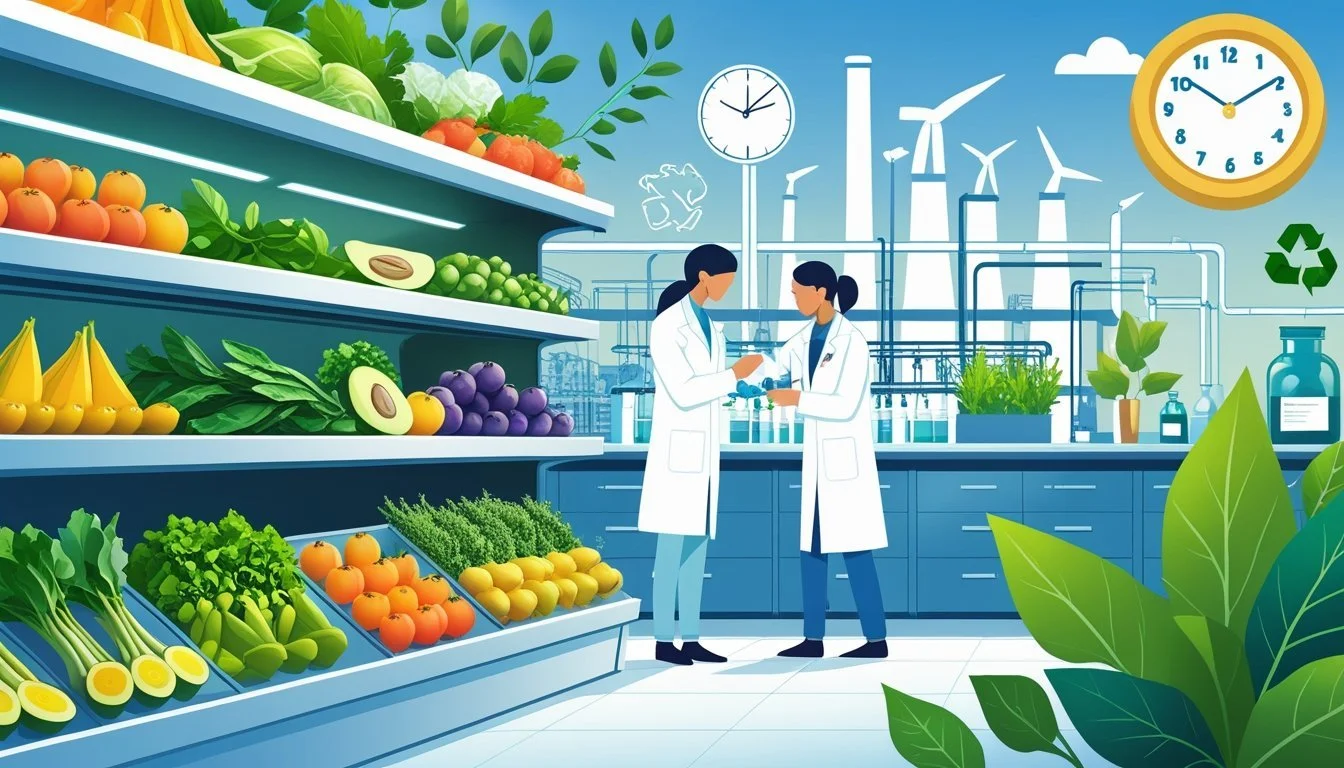
Extending shelf life without additives can address urgent economic, sustainability, and consumer demands. Solutions must not only minimize waste but also respect preferences for clean labels and product freshness.
Sustainability and Reduction of Food Waste
Innovative shelf life extension processes, such as advanced packaging and modified atmospheres, reduce spoilage and slow microbial growth. This helps keep products fresh longer, even without preservatives.
A direct result is less food waste at both retail and household levels. By shrinking the volume of food discarded, companies and consumers both save money and natural resources.
Key impacts of reduced waste:
Lower landfill contributions
Decreased greenhouse gas emissions
Reduced water and energy use throughout the supply chain
The food industry reports that effective shelf life extension can cut waste, translating to fewer disposal costs and improved resource efficiency. As a result, this supports environmental targets and helps meet sustainability commitments.
Balancing Environmental Impact and Consumer Satisfaction
Many consumers want minimally processed foods with clean labels, yet they still expect products to last longer and stay safe. Modern methods like high-pressure processing and vacuum-sealed packaging respond to these needs without introducing additional chemicals.
Environmental benefits depend on the type of solution chosen. For example, advanced packaging may use more materials, but if it significantly extends shelf life, the net environmental gain can outweigh the initial resource use.
According to recent industry surveys, a majority of consumers are willing to adjust habits for more sustainable outcomes, provided product quality is maintained. This makes it crucial for brands to balance ecological improvements with the sensory and safety expectations of their customers.

