
Natural vs Synthetic Preservatives: What Lasts Longer and Why It Matters
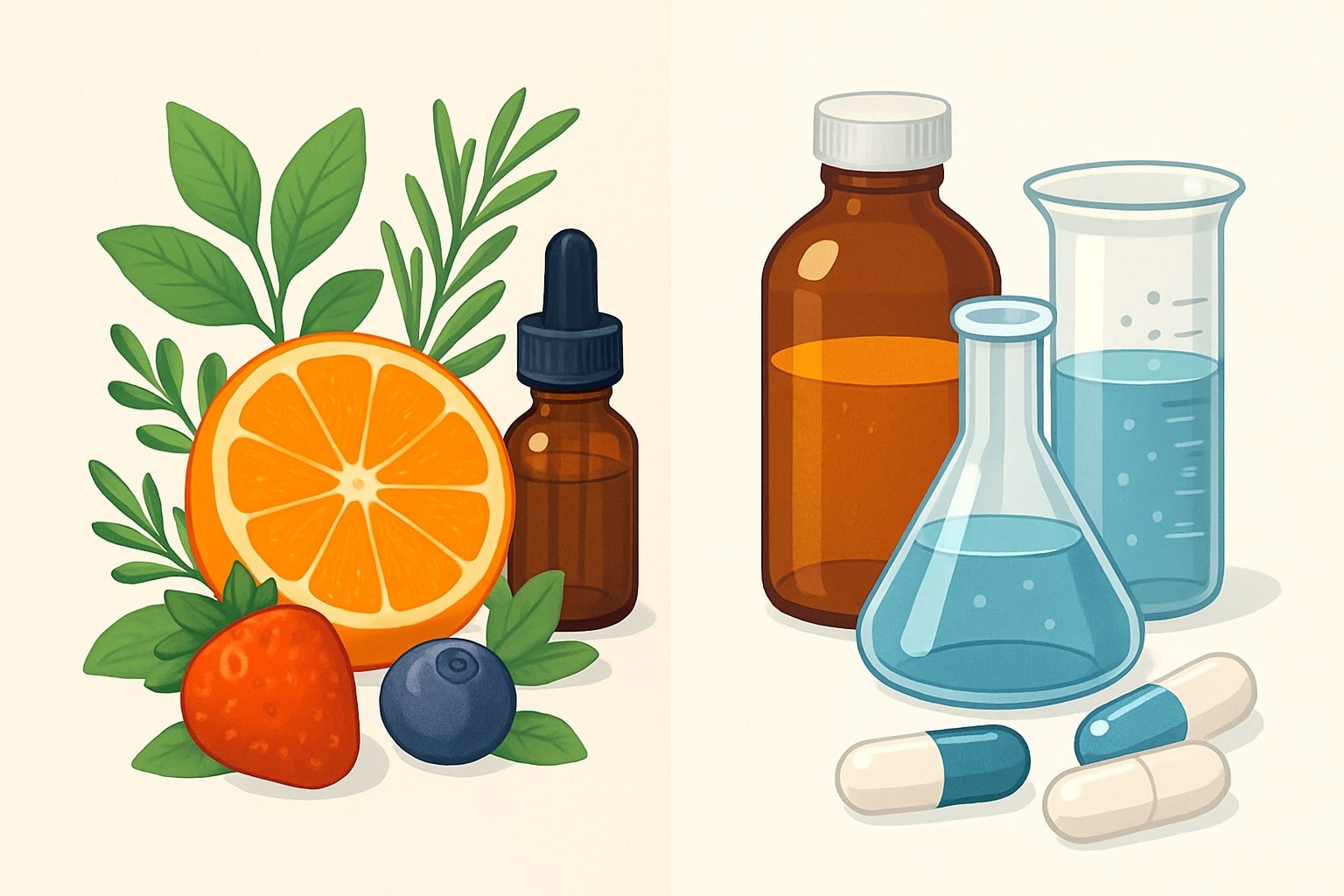
Natural preservatives, like salt, vinegar, and certain plant extracts, are widely used but may not be as effective at preserving food for extended periods. Natural options sometimes need to be added in higher amounts, which can affect taste and texture. Despite these differences, both types of preservatives play an important role in food safety by helping prevent spoilage and foodborne illnesses.
Understanding the distinction between natural and synthetic preservatives can help people make informed choices about the foods and products they use every day. This article explores how these preservatives work, their pros and cons, and what to consider when reading ingredient labels.
Understanding Preservatives
Preservatives play a central role in extending the shelf life of food and other products. By slowing or preventing spoilage, these substances help keep items safe for consumption and reduce waste.
Definition and Purpose
Preservatives are substances added to products—mostly foods—to slow or prevent the growth of microorganisms like bacteria, molds, and yeasts. Some also help maintain the product’s color, flavor, and texture over time.
The main goal is to keep food safe and appealing for a longer period. Without them, foods would spoil quickly due to microbial activity and exposure to air and moisture. Preservatives also help limit foodborne illnesses by reducing the risk of contamination.
Key functions of preservatives:
Inhibit microbial growth
Prevent oxidation and rancidity
Help retain original flavor and color
Today, preservatives are found in a wide variety of packaged and processed foods, including breads, cheeses, sauces, and cured meats.
Types of Preservatives
Preservatives fall into two broad categories: natural and synthetic (artificial). Natural preservatives may come from plant extracts (like rosemary), salts, vinegar, or certain naturally occurring acids. Synthetic preservatives are laboratory-made chemicals such as sodium benzoate, BHA, and nitrates.
Each type has its own advantages and limitations. Natural preservatives are often sought for clean-label or organic foods but can be costlier and have shorter efficacy. Synthetic preservatives typically last longer, are more potent, and are widely used due to their effectiveness and regulatory approvals from food safety authorities.
Common examples:
Natural Preservatives Synthetic Preservatives Salt, vinegar, lemon juice, rosemary Sodium benzoate, BHA, nitrates
Both types are used across food, cosmetics, and pharmaceuticals depending on needs.
Role in Food Preservation
Preservatives are essential for modern food preservation. They delay spoilage by targeting specific chemical and biological processes that degrade food quality, such as oxidation or microbial contamination.
Most packaged foods rely on additives—including preservatives—to remain safe and palatable during transport and storage. Preservatives are chosen based on the food’s properties, storage conditions, and expected shelf life.
Some preservatives, like sorbates and sulfites, are highly effective at keeping foods stable even in warm or humid environments. By controlling spoilage, preservatives not only extend product availability but also support the reduction of food waste, making them central to global food systems.
What Are Natural Preservatives?
Natural preservatives are substances derived from plants, animals, or minerals that help slow spoilage, prevent foodborne illness, and extend shelf life. They are widely used in organic food and natural products as alternatives to synthetic chemicals, favored by consumers seeking minimal ingredient processing.
Common Natural Preservatives
Natural preservatives include compounds like vinegar (acetic acid), citric acid (from citrus fruits), and rosemary extract, which contains carnosic acid and flavonoids. Other examples are green tea extract, essential oils (such as thyme or oregano oil), and salt.
Each of these works differently. For example, citric acid and vinegar create acidic environments that limit bacterial growth. Essential oils and plant extracts often contain antioxidant and antimicrobial properties. Many natural preservatives allow food manufacturers to label products as “natural” or “organic.”
Natural Preservative Main Components Typical Use Vinegar Acetic acid Pickles, condiments Citric Acid Citric acid Beverages, candies Rosemary Extract Carnosic acid, flavonoids Meats, oils Green Tea Extract Polyphenols, catechins Snacks, teas Essential Oils Varied (e.g., thymol) Baked goods, dressings
Mechanisms of Action
Natural preservatives act mostly by creating environments where bacteria, yeast, and molds do not thrive. Acids, like acetic and citric acid, lower the pH of foods, making it harder for spoilage organisms to survive.
Plant extracts (such as rosemary and green tea) provide antioxidants that slow oxidation and rancidity, especially in fatty foods. Some components, like carnosic acid, specifically inhibit microbial growth and delay the deterioration of color, texture, and flavor.
Essential oils contain compounds that disrupt cell membranes of microbes, reducing contamination. The diverse actions of natural preservatives mean different combinations may be needed to protect various food types.
Examples in Food Products
Vinegar is commonly used to preserve pickles, sauces, and condiments. Citric acid helps maintain color and freshness in soft drinks, candy, and canned fruits.
Rosemary extract is favored in preserving processed meats and cooking oils, especially in organic or “clean label” products. Green tea extract serves as an antioxidant in some baked snacks and beverages. Essential oils from thyme, oregano, and cloves appear in salad dressings, breads, and some packaged organic foods.
Most natural preservatives are used in foods where short-to-medium shelf life is acceptable and flavor changes are not an issue. Their application supports consumer demand for recognizable ingredients and products perceived as more natural.
What Are Synthetic Preservatives?
Synthetic preservatives are artificial chemicals designed to extend the shelf life of foods and prevent spoilage. They work by inhibiting the growth of bacteria, molds, and yeasts, making them key components in many processed foods. These substances are regulated for safe use and have specific functions depending on the type of food.
Popular Synthetic Preservatives
Many common synthetic preservatives are widely used in the food industry. Sodium benzoate and potassium sorbate are typical in soft drinks, fruit juices, and condiments. BHA (butylated hydroxyanisole) and BHT (butylated hydroxytoluene) are antioxidants found in cereals, snack foods, and gum. These compounds help slow down oxidation, which keeps fats and oils from going rancid.
Sodium nitrite and sodium nitrate are essential for curing meats, like bacon and hot dogs. TBHQ (tertiary butylhydroquinone) helps preserve vegetable oils and processed snacks. Calcium propionate is common in baked goods, preventing mold growth in bread and pastries.
Preservative Common Uses Sodium Benzoate Beverages, sauces Potassium Sorbate Dairy, baked goods BHA/BHT Oils, snacks, cereals Sodium Nitrite/Nitrate Cured meats TBHQ Chips, cooking oils Calcium Propionate Breads, pastries
How Synthetic Preservatives Work
Synthetic preservatives work by targeting the processes that enable microbes to grow. Many, such as sodium benzoate and potassium sorbate, disrupt the cell membranes of bacteria and yeasts. This interference limits microbial activity and prevents spoilage.
Oxidation is another threat to food quality, especially in products containing fats. Antioxidants like BHA, BHT, and TBHQ prevent fats from reacting with oxygen, which stops unpleasant flavors and odors from developing. In cured meats, sodium nitrite inhibits the growth of bacteria such as Clostridium botulinum, which causes botulism.
Each chemical is designed to be effective under certain conditions. For example, sodium benzoate works best in acidic foods, while calcium propionate prevents mold in neutral pH baked goods.
Usage in Processed Foods
Synthetic preservatives are critical in large-scale food production. They help processed foods remain safe and palatable during transport and storage. Without these additives, items like sliced bread, luncheon meat, and packaged snacks would spoil much faster.
Manufacturers choose synthetic preservatives because they are effective in small amounts and can target specific spoilage issues. For example, nitrates and nitrites provide not only microbial protection but also the pink color associated with cured meats. Calcium propionate is used to keep bread molds at bay in bakery products that may sit on shelves for days or weeks.
The use of these preservatives is regulated to ensure levels remain within safe limits for consumers. Food labels must list artificial preservatives so that buyers know what is in their food.
Comparing Shelf Life: Natural vs Synthetic
When choosing preservatives, one of the main considerations is how long products remain safe and usable. Differences in effectiveness, resistance to spoilage, and data from various food items all play a role.
Factors Influencing Shelf Life
Shelf life depends on multiple factors, not just the type of preservative used. Temperature and storage conditions are crucial—products kept at room temperature may spoil faster, regardless of preservative type.
Natural preservatives like rosemary extract or citrus oils often provide antioxidant properties but may lack strong antimicrobial protection against bacteria or molds. Synthetic preservatives, such as sodium benzoate or nitrates, usually combine antioxidant and antimicrobial activities, leading to longer-lasting effects.
The product type also impacts shelf life. For instance, baked goods like muffins with high moisture content may be more prone to rapid spoilage compared to deli meats or hot dogs, which typically receive heavier synthetic preservation.
Effectiveness Against Spoilage
Synthetic preservatives are generally more effective at inhibiting bacterial and fungal growth. Sodium nitrate, sodium benzoate, and potassium sorbate are commonly added to processed meats and packaged foods. These compounds disrupt microbial growth, extending shelf life well beyond that of similar products using only natural alternatives.
In contrast, natural preservatives tend to be less broad in their antimicrobial range. Ingredients such as vinegar, salt, and essential oils can slow spoilage but may require higher concentrations, which can alter a food's taste or texture. They are often used in small batches and need careful storage management to reduce microbial contamination.
In foods like muffins, natural preservatives may only extend freshness by a few days, while their synthetic counterparts could add weeks. This makes synthetic options popular in commercial food production, where consistent, long-term stability is necessary.
Case Studies and Industry Data
Industry tests show synthetic preservatives offer longer shelf life compared to natural options. For example, deli meats treated with sodium nitrate or similar agents often remain safe for several weeks, while meats preserved with only natural spices or extracts tend to spoil within days.
A comparative study found muffins with artificial preservatives lasted up to ten days before noticeable mold growth, while those using natural antioxidants like tocopherol or rosemary extract showed spoilage after just four to five days under the same storage conditions.
In controlled settings, hot dogs treated with both antioxidants and antimicrobials retained freshness and safety for longer periods. This pattern is consistent across many processed foods, highlighting that synthetic preservatives play a key role in controlling bacterial growth and extending overall shelf life.
Health and Safety Considerations
Both natural and synthetic preservatives impact health and food safety in different ways. Careful evaluation of ingredients and their effects determines their approval and use by food manufacturers and food scientists.
Potential Health Risks
Synthetic preservatives like butylated hydroxyanisole (BHA) and butylated hydroxytoluene (BHT) have undergone extensive review for safety. While most are considered safe within regulated limits, some studies have linked high levels of certain synthetic compounds to potential health concerns, such as cancer or endocrine disruption in laboratory settings.
Natural preservatives, including enzymes and plant extracts, are often viewed as safer. However, they can also present health risks if not properly processed or dosed. Some natural antimicrobials could alter food’s nutritional content or cause unwanted byproducts if mishandled.
Table: Examples of Possible Risks
Preservative Type Examples Main Health Concerns Synthetic BHA, BHT Allergies, possible carcinogenicity Natural Nisin, rosemary Variable potency, possible toxicity in excess
Food safety depends on handling and proper formulation for both types.
Allergens and Sensitivities
Allergic reactions to preservatives are a known issue, especially in sensitive individuals. Sulfites and benzoates, both synthetic and natural, are common triggers of asthma symptoms or skin reactions. Some natural preservatives, such as specific plant extracts, may also provoke allergies in certain people.
Clear labeling and identification of preservatives enable consumers to avoid problem ingredients. Food manufacturers must remain vigilant, as even small quantities of allergens can impact public health.
Food scientists also monitor for cross-reactivity. If a natural preservative is derived from a known allergen, risk assessments must account for potential sensitivities.
Regulatory Approvals
Both natural and synthetic preservatives undergo regulatory scrutiny. Agencies such as the U.S. Food and Drug Administration (FDA) and the European Food Safety Authority (EFSA) set maximum permitted levels to mitigate health risks.
Approval involves toxicological studies, assessments of long-term impact, and evaluation of handling practices. Preservatives must not compromise food safety or nutrition. For enzymes and new natural agents, food scientists often submit extensive safety data before commercial use is allowed.
Regulatory processes aim for a balance between preservation efficacy and consumer safety. The approval status for both types may change as new research emerges.
Impact on Food Quality
Preservatives—natural or synthetic—directly influence how food tastes, looks, and is perceived by consumers. The choice between these types can affect shelf appeal, nutritional value, and ingredient transparency for those seeking "clean label" products.
Taste and Texture
Natural preservatives such as salt, sugar, and vinegar often bring their own distinct flavors and can alter the texture of foods. For example, salt-curing meats creates a firmer texture and enhances savory notes, while sugar helps preserve fruit but can make jams and jellies thicker and sweeter.
Synthetic preservatives like sodium benzoate or potassium sorbate tend to be more neutral in taste. They help retain original flavors better and are less likely to change texture, making them popular in foods where taste profile consistency is essential.
However, sensitivity to preservatives can vary. Some consumers may notice off-notes—especially with synthetic additives—while others prefer the familiar flavors that come from natural preservation methods. Texture can also be affected by how preservatives interact with proteins, fats, or carbohydrates in the product.
Nutrition and Appearance
Natural preservatives, including vitamin E (tocopherol), can offer additional nutritional benefits as antioxidants. They help slow oxidation, thus protecting both the color and nutrient content of oils, nuts, and snacks. Synthetic preservatives are generally chosen for their efficiency and stability but bring few or no nutritional gains.
Appearance is strongly shaped by the choice of preservative. Natural agents like lemon juice or vinegar help slow browning in fruits and vegetables, keeping them visually appealing. Synthetic agents, on the other hand, are more effective at maintaining color uniformity in processed foods, minimizing changes that can occur from oxidation or microbial growth.
A key consideration is that overuse of either type may lead to changes in appearance, such as dulling of natural colors or unwanted cloudiness. Minimal effective concentrations are usually favored to keep food looking fresh and appetizing.
Clean Label Trends
Consumer interest in "clean label" products has influenced the demand for recognizable, simple ingredients. Many shoppers look for foods with natural preservatives and without chemical names, associating these choices with higher quality and safety.
Manufacturers now commonly swap synthetic preservatives for natural ones to meet clean label standards, even in products like lotions or snacks. This shift may influence shelf life and quality, as some natural alternatives are less potent, requiring formula adjustments.
Ingredient lists matter. Foods with fewer additives and recognizable components are favored in marketing, but consistent taste and appearance can be harder to maintain. Clean label reformulation often requires balancing effectiveness, safety, and consumer perception without sacrificing key quality attributes.
Choosing the Right Preservative
Selecting a preservative involves careful consideration of safety, effectiveness, and alignment with both industry and consumer requirements. The right choice depends on the specific product, regulatory standards, and the end use in food, cosmetics, or pharmaceuticals.
Industry Preferences
Food manufacturers and producers of processed foods often prioritize preservatives that ensure maximum product shelf life and reliability across a range of pH levels. Synthetic preservatives are favored in many contexts for their strong antimicrobial properties at low concentrations, reducing the risk of spoilage without sensory changes to taste or texture.
For organic food and natural products, the industry leans toward natural preservatives, such as vinegar, salt, rosemary extract, and citric acid. These options are generally effective but might offer a shorter shelf life compared to synthetic alternatives. Manufacturers evaluate attributes like flavor impact, cost, compliance with regulations (such as FDA or EU rules), and compatibility with packaging technologies.
A comparative table can highlight core industry priorities:
Consideration Synthetic Preservatives Natural Preservatives Shelf Life Longer Shorter Regulatory Approval Variable Often Stricter Consumer Perception Mixed Favorable Cost Often Lower Sometimes Higher
Consumer Demands
Consumers increasingly seek natural products and organic food with recognizable ingredients. Many prefer labels free of artificial additives, associating natural preservatives with health and transparency, even though natural does not always mean safer.
On ingredient lists, terms like "salt" or "lemon juice" are generally more accepted than chemical names such as "sodium benzoate." Consumer trust plays a major role in purchasing decisions, with growing demand for products that use simple, natural solutions for preservation.
However, expectations must be managed: processed foods with natural preservatives may have reduced shelf life and require refrigeration or smaller package sizes. The trend is driving innovation, but meeting both shelf life and consumer expectations remains a balancing act in product development.
Future of Food Preservation
Technological advancements and increasing consumer awareness are shifting food preservation methods toward safer and more effective solutions. Food manufacturers and researchers are addressing both product longevity and environmental impact.
Emerging Trends and Innovations
Recent food preservation methods leverage a combination of natural and synthetic technologies for better results. Advances in antimicrobial packaging materials, such as films infused with essential oils or silver nanoparticles, aim to reduce spoilage and extend shelf life.
Biopreservation is gaining traction; it utilizes beneficial bacteria or other natural agents to inhibit harmful microorganisms. Techniques like high-pressure processing (HPP) and pulsed electric fields disrupt microbe growth without compromising food quality.
Table: Key Innovations
Innovation Function Antimicrobial packaging Inhibits spoilage microbes High-pressure processing Non-thermal preservation Biopreservation Uses natural cultures
Many new preservatives combine antioxidant properties from plant extracts with traditional synthetic additives, resulting in enhanced safety profiles. Ongoing research focuses on optimizing these methods to maintain nutritional value while extending shelf life.
Sustainability Concerns
Sustainability is central in developing next-generation food preservatives. Plant-based preservatives and reusable or biodegradable packaging are gaining popularity due to lower environmental impact compared to conventional synthetic chemicals.
Production methods for both natural and synthetic preservatives are being re-evaluated to minimize resource use and waste. Companies are investing in green chemistry approaches that use fewer solvents and less energy.
List: Sustainability-Focused Approaches
Replacing petroleum-based packaging with compostable materials
Sourcing preservatives from renewable resources, such as herb and spice extracts
Reducing carbon footprint through local ingredient sourcing
These efforts reflect increasing pressure from both regulators and consumers to balance effective food preservation with responsible environmental practices.

