
The Myths and Truths of Vacuum Sealing
What Really Works and What Doesn’t
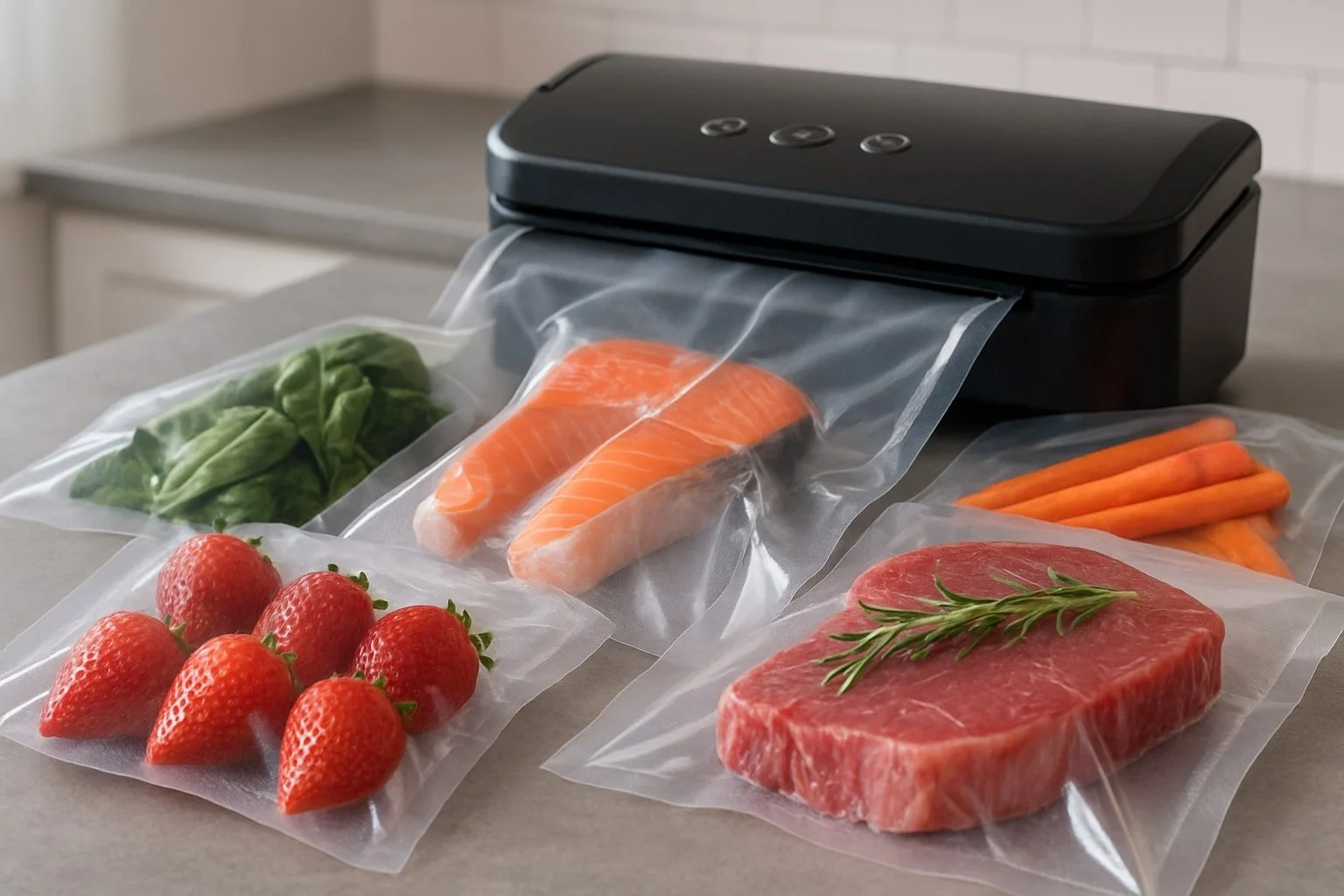
Vacuum sealing has become a popular choice for preserving food, but there is plenty of confusion about what it can and cannot do. Vacuum sealing significantly reduces air and helps extend the shelf life of food, but it does not remove all air or kill bacteria entirely. This simple distinction is important, as it shapes how people use and trust their vacuum sealing systems.
Many misunderstandings continue to circulate, such as the idea that all vacuum sealers are the same or that vacuum sealing is only useful for long-term storage. Separating fact from fiction can help users make smarter decisions, keep their food safer, and get the most out of their investment.
By understanding the real capabilities and limits of vacuum sealing, readers can avoid common mistakes and confidently use this technology to maximize freshness.
Understanding Vacuum Sealing
Vacuum sealing uses specialized machines and bags to protect items by removing air. This technique preserves food, documents, or valuables by reducing air exposure, which slows spoilage and oxidation.
How Vacuum Sealing Works
Vacuum sealing removes air from packaging, typically bags or containers, to create a low-oxygen environment. The key benefit is to extend the shelf life of stored products, especially food. Removing air reduces the growth of bacteria, mold, and yeast that need oxygen to multiply.
By limiting air, vacuum sealing helps prevent freezer burn, dehydration, and flavor loss in food. It also keeps non-food items, such as clothing or important papers, safe from moisture and dust.
Key process steps:
Placing items in a compatible vacuum bag or container
Using the machine to extract internal air
Sealing the package tightly to prevent air from re-entering
Food lasts up to several times longer when vacuum sealed versus traditional storage.
Vacuum Sealer Machines and Types
Vacuum sealer machines come in several forms: handheld, external (edge) sealers, and chamber sealers. Most home users choose external sealers for basic food storage. These work by clamping the bag opening and sucking air out before sealing.
Chamber sealers are larger and more expensive, intended for frequent or commercial use. They remove air from both the chamber and bag at once, allowing airtight seals even with liquids.
Handheld sealers are portable and work well for small bags and containers, though their suction is usually weaker. Each type supports certain bag materials and thicknesses. Not all plastic bags can handle the stress, so using bags meant for vacuum sealing improves results and prevents leaks.
Air Extraction and Airtight Seal
Air extraction is the step where oxygen and air are removed from around the product. The effectiveness of this process depends on the power of the vacuum pump and the condition of the bag.
Immediately after air removal, the machine applies heat to seal the bag’s open end. This airtight seal stops external air from re-entering.
A true vacuum sealer reduces oxygen to very low levels but may not remove every trace. For most foods, this is enough to significantly slow spoilage and preserve texture and flavor. Proper sealing is necessary for the process to work. If a bag leaks, air and contaminants can quickly enter and compromise the contents.
Myths About Vacuum Sealing
Vacuum sealing is often misunderstood, leading to confusion about its effect on food safety and storage. Many widely circulated beliefs about how vacuum sealing works do not match up with tested facts.
Misconceptions About Food Safety
A common myth is that vacuum sealing "kills" all bacteria or makes food completely safe from spoilage. Vacuum sealing removes air, especially oxygen, which helps slow the growth of many aerobic bacteria and molds. However, it does not make food sterile.
Pathogens like Clostridium botulinum (the bacteria that cause botulism) can still grow in the absence of oxygen if food is not kept cold. Foods prone to botulism risk—such as cooked meats, garlic in oil, and some vegetables—require strict refrigeration (below 40°F/4°C) even after sealing.
Vacuum sealing retards spoilage but doesn’t eliminate all food safety risks.
Proper food handling, cooking, and storage temperatures remain essential.
Vacuum sealing is only one part of a safe food preservation routine, not a safety guarantee by itself.
False Beliefs Around Shelf Life
Many people believe vacuum sealing will preserve foods "almost forever" or for years without spoilage. While vacuum sealing does extend shelf life by limiting air exposure and slowing down bacterial growth, the amount of extra time depends on the food type and storage conditions.
Frozen meat may last 2-3 years when vacuum-sealed, versus 6-12 months otherwise.
Dry goods like rice, grains, and coffee also stay fresh longer when vacuum-sealed and kept cool.
However, moist items, dairy, and cut produce will still spoil, especially at room temperature. Vacuum sealing cannot delay spoilage indefinitely. Foods must still be monitored for signs of spoilage, such as off smells or textures. Storage temperature continues to be a critical factor.
Myth: Vacuum Sealing Replaces Refrigeration
There is a persistent notion that vacuum-sealed foods do not need refrigeration. This is inaccurate for most perishable foods. Removing oxygen reduces growth of some organisms, but not all, especially those that thrive in low-oxygen (anaerobic) environments.
Many dangerous bacteria, including ones that produce deadly toxins, can multiply in vacuum-sealed bags kept at room temperature. Meat, seafood, dairy, and cooked leftovers still need refrigeration or freezing after vacuum sealing.
Only shelf-stable items (such as dehydrated or freeze-dried foods) may be stored safely in vacuum-sealed bags without refrigeration.
For all other foods, cold storage remains necessary to prevent foodborne illnesses.
Vacuum sealing should be viewed as an addition to, not a replacement for, refrigeration and freezing when storing perishable foods.
Truths and Proven Benefits of Vacuum Sealing
Vacuum sealing offers significant practical advantages, particularly for food storage and preservation. This method works by removing air from the packaging, creating an environment that limits spoilage, helps protect texture, and can lower overall waste.
Extending Food Shelf Life
Vacuum sealing extends the shelf life of a wide range of foods by limiting exposure to oxygen, which is a primary driver of spoilage. For example, meats stored with vacuum sealing can last up to 2-3 years in the freezer, while normally they might spoil in less than six months.
Oxygen encourages the growth of bacteria and mold in food, leading to quicker spoilage. Sealing out air interrupts this process and reduces the rate of oxidation that causes food to lose flavor and quality.
With this technique, both raw and cooked foods can stay fresher for longer periods. Vacuum sealing is especially helpful for bulk purchasing and meal prep, as it preserves freshness and nutrient content better than traditional methods.
Preventing Freezer Burn
A notable benefit of vacuum sealing is its protection against freezer burn. Freezer burn occurs when air contacts the surface of food, resulting in dry, discolored patches that affect texture and taste. By removing air, vacuum sealing forms a tight barrier around food, maintaining moisture inside.
This process keeps food quality high, even during long storage in the freezer. Items such as meat, fish, fruits, and vegetables retain their original appearance and texture more effectively.
No method can prevent all quality loss over time, but vacuum sealing is among the most reliable ways to safeguard against the specific damage caused by freezer burn.
Reducing Food Waste
Vacuum sealing helps reduce food waste by extending the period during which food remains edible and safe. This is especially important for families and businesses looking to manage costs and minimize unnecessary disposal of food.
By keeping food fresher for longer, consumers are less likely to throw away items that have spoiled prematurely. It also allows for more efficient portioning and storage, as leftovers and bulk purchases can be kept usable far beyond the typical expiration dates seen with standard packaging.
Adopting vacuum sealing can lead to cost savings and less environmental impact, making it a practical choice for reducing daily waste.
Types of Foods Suitable for Vacuum Sealing
Vacuum sealing is best for certain categories of food where it can significantly extend shelf life, protect quality, and reduce waste. It excels with staple dry goods, cooked meats, and foods where maintaining freshness and flavor is important.
Dry Goods and Pantry Staples
Dry pantry items like rice, pasta, beans, flour, and cereal benefit greatly from vacuum sealing. Removing air helps prevent pests such as insects from contaminating these foods. It also reduces exposure to moisture, which can cause clumping and spoilage.
Sealed dry goods retain their original texture and aroma for longer compared to storing in traditional containers or bags. Spices, nuts, coffee, and dehydrated fruits or vegetables remain fresher and more potent when vacuum sealed. Below is a table showing recommended items:
Food Item Shelf Life When Sealed White Rice Up to 2 years Coffee Beans Up to 18 months Pasta 1-2 years Nuts 6 months to 1 year
Cooked Meats and Prepared Foods
Cooked meats such as roast chicken, steak, and ham, as well as leftovers, can be vacuum sealed to prolong freshness and reduce food waste. Sealing after cooling minimizes bacteria growth and preserves moisture without freezer burn.
Prepared foods like casseroles, stews, and sauces should be cooled before sealing. This method helps maintain both taste and texture when reheated. For best results with liquids or moist foods, it's recommended to use a vacuum container or to freeze before sealing to prevent spills and ensure a tight seal.
Vacuum sealing helps organize meals, making batch cooking and meal prep more efficient.
Food Freshness and Flavor Preservation
Vacuum sealing creates an environment with reduced oxygen, which slows the growth of mold and bacteria in many foods. This process locks in natural flavors and aromas, which are often lost in traditional storage.
Cheese, deli meats, fresh fruits (blanched or frozen), and herbs are especially well-suited for vacuum sealing. The technique keeps cheese from molding, preserves deli meats' quality, and prevents freezer burn on blanched vegetables and fruit.
By isolating food from external air and humidity, vacuum sealing maintains original taste and appearance, supporting both short-term freshness and long-term storage.
Vacuum Sealing for Storage Solutions
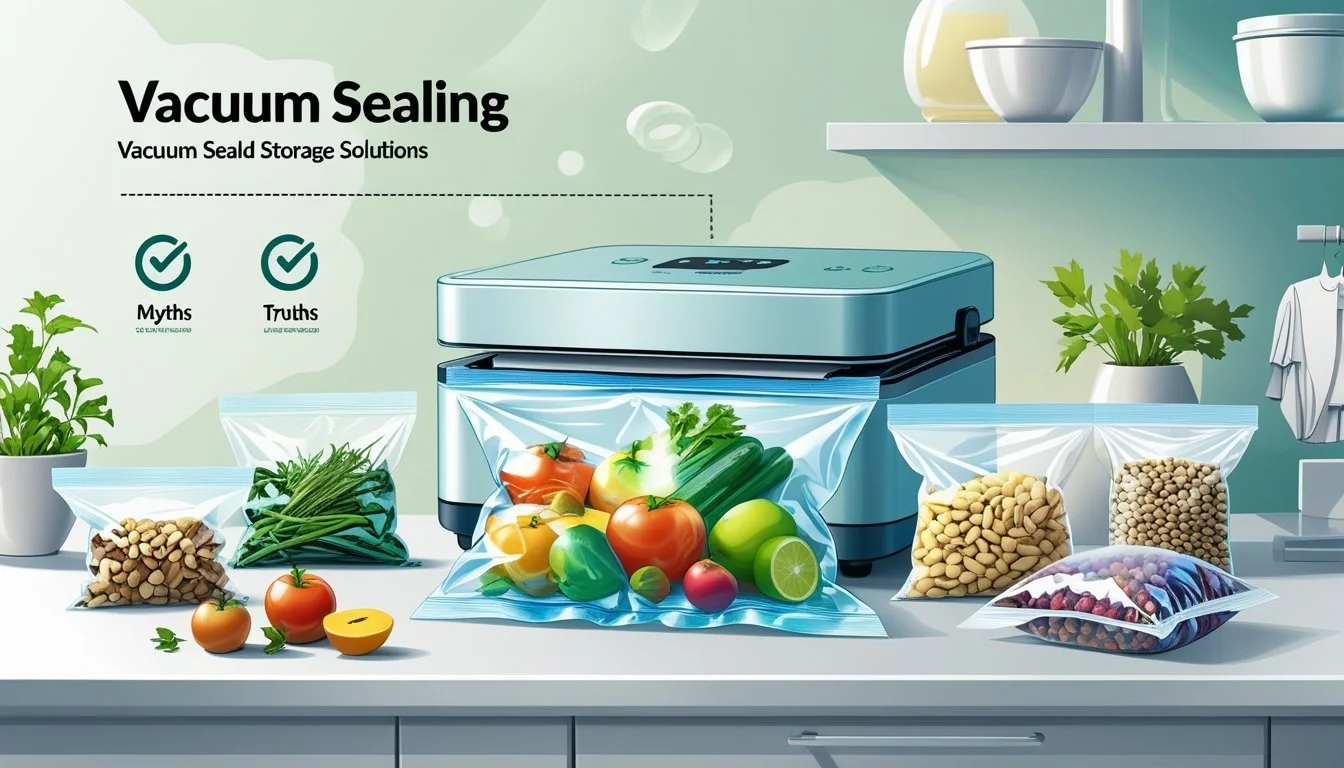
Vacuum sealing helps maintain freshness, optimize storage space, and simplify food organization. This method can be adapted for storing items for both immediate and future use, controlling portions, and making the most of bulk purchases.
Long-Term Storage
Vacuum sealing is frequently used to extend the shelf life of foods such as meats, vegetables, and grains. By removing air from packaging, it slows the oxidation process and reduces exposure to moisture, both of which can cause spoilage.
However, it is important to note that vacuum sealing does not make food shelf stable like canning. Items should still be kept refrigerated or frozen as required to prevent bacterial growth and ensure food safety. Commonly stored items include raw meats, shredded cheeses, nuts, coffee beans, and prepared meals.
Table:
Food Type Suggested Storage Meats Freezer Grains Pantry (cool, dry place) Cheeses Refrigerator/Freezer Vegetables Freezer (blanched, then sealed)
This approach is practical for families who want to reduce food waste or for those who hunt, fish, or garden and need safe long-term storage methods.
Short-Term Storage and Convenience
Vacuum sealing is not only for long-term needs. It can be highly effective for short-term storage, especially for perishable items that are used frequently during the week. Sealed containers keep food such as sliced fruit, deli meats, and leftovers fresh for longer compared to standard bags or containers.
This method also allows for easy organization in the refrigerator since packages lay flat and stack well. Pre-portioning snacks or meals for the week streamlines meal prep, making it quicker to grab exactly what is needed.
Foods should still be consumed within a reasonable time frame. Vacuum sealing is not a substitute for refrigeration when it comes to safety.
Space Saving for Bulk Purchases
Buying in bulk is a popular way to save money, but storing large quantities can be a challenge. Vacuum sealing reduces the volume of food packages by removing excess air, allowing items to fit neatly into a freezer or pantry.
Bulk foods such as rice, beans, pasta, and various cuts of meat can be divided into manageable portions, vacuum sealed, and stored efficiently. This keeps the pantry clutter-free and cuts down on spoiled or wasted food.
List of Bulk Items Ideal for Vacuum Sealing:
Large packs of chicken or beef
Bags of rice, cereal, or beans
Family-size cheese blocks
Seasonal produce
Proper labeling with dates helps track inventory and avoid forgotten items at the back of shelves.
Emergency Preparedness and Portion Control
Vacuum sealing offers clear advantages for emergency preparedness. Dry goods, dehydrated meals, and important documents can be vacuum sealed to keep out moisture and contaminants, making them last longer during storage for emergencies.
This storage method also supports portion control for individuals or families managing calorie intake or planning meals. Items can be divided into single-serving sizes, eliminating guesswork and promoting consistency in meals.
Advantages:
Protects items from moisture and pests
Simplifies rationing for disaster kits
Preserves nutritional quality of stored foods
Sealed portions are easy to distribute when needed and reduce unnecessary food exposure, especially during power outages or other disruptions.
Choosing the Right Tools and Materials
Selecting effective tools and materials for vacuum sealing ensures long-term preservation, minimizes food waste, and protects item quality during storage. It is important to choose equipment and supplies specifically designed for vacuum use, with careful attention to compatibility and safety.
Vacuum Sealing Bags and Vacuum-Sealable Bags
Vacuum sealing bags are engineered for use with vacuum sealers and are typically made from multi-layer plastic films, often polyethylene and nylon. These materials prevent moisture and air from penetrating, which helps maintain freshness for both food and non-food items.
Bags come in various sizes and thicknesses. Thicker bags offer better puncture resistance and are suitable for items with sharp edges or bones. Some bags are pre-cut, while rolls can be cut to a custom length for irregular objects. It is important to verify that the bags are labeled "vacuum-sealable," as standard plastic bags cannot withstand the suction pressure and heat used during sealing, often leading to leaks or seal failures.
Look for BPA-free, food-safe certifications if using bags for edible products. Some vacuum sealing bags are also suitable for sous vide cooking, since they withstand higher temperatures. For storage of delicate fabrics or documents, select bags designed specifically for non-food use to avoid chemical contamination.
Key considerations:
Feature Benefit Thickness Enhanced durability BPA-Free Safer for food contact Textured/Embossed Improved air extraction Temperature Range Compatibility with sous vide
Chamber Vacuum Sealers
Chamber vacuum sealers differ from standard external suction types by removing air from the entire chamber rather than just the bag. This technology enables the vacuum sealing of liquids, moist foods, and powders, and generally achieves stronger, more consistent seals.
Chamber sealers can handle large volumes and are often favored in restaurants and food preparation businesses. While the price point is higher compared to basic countertop models, chamber sealers extend the versatility of vacuum sealing for users who need to seal soups, sauces, or marinated proteins.
Using a chamber vacuum sealer also allows for precise control over vacuum strength and seal time. Units vary in chamber size and pump type, affecting both capacity and the speed of sealing cycles. Maintenance and filtration may be required, especially when sealing liquids, to prevent pump damage.
Chamber vacuum sealers are generally compatible with flat, smooth vacuum sealing bags, without the need for textured surfaces.
Using Mason Jars and Containers
Mason jars and vacuum-sealable containers provide a reusable and rigid option for vacuum storage. These are ideal for liquids, powders, dry goods, and items sensitive to crushing, as the structure of the container prevents deformation.
Special vacuum jar lid attachments connect to most vacuum sealers to remove air from mason jars. Regular and wide-mouth jars accommodate a wide range of foods, including preserves, dried fruits, and pantry staples. Jar sealing is favored for products that may be accessed frequently but still require extended freshness.
Vacuum-sealable containers are available in various sizes and materials (glass or BPA-free plastic). They can be used for meal prep, leftovers, or non-food storage. It is important to ensure compatibility between the sealer and the container’s lid or valve.
Proper cleaning and inspection of lids and rubber gaskets are necessary to maintain an airtight seal. Most mason jars are dishwasher-safe, which supports ease of maintenance and repeated use.
Best Practices and Safety Considerations
Vacuum sealing is a reliable method for extending food shelf life, but attention to food type, storage environment, and common safety risks is crucial. Understanding proper handling helps preserve food quality and minimize health hazards.
Storing Different Food Types Safely
Not all foods are suited for vacuum sealing. Most dry goods, meats, and cheeses store well, but raw onions, garlic, and fresh mushrooms can create unsafe conditions due to the risk of botulinum toxin in anaerobic environments.
Blanching certain vegetables before sealing is recommended to preserve color, flavor, and nutrients. When sealing cooked or prepared foods, always allow them to cool completely to prevent condensation inside the bag, which can encourage bacteria growth.
Safe food storage recommendations:
Do seal: nuts, grains, cured meats, hard cheeses, coffee.
Never seal raw: onions, garlic, mushrooms.
Pre-treat: blanch vegetables, freeze soft fruits before sealing.
Label vacuum-sealed items clearly with the date and contents for easy rotation and monitoring.
Environmental Factors That Affect Storage
Vacuum-sealed foods require correct temperature control to prevent spoilage. Most perishable items should be kept refrigerated at or below 4°C (40°F), or frozen for longer storage. Room temperature is suitable only for shelf-stable, dry products.
Humidity is another critical factor. Store sealed foods in dry areas to reduce the risk of bag condensation and mold growth. Avoid exposing vacuum-sealed items to direct sunlight, as ultraviolet light can degrade food quality and packaging material.
If possible, use airtight containers or bins to offer an added layer of protection against fluctuating temperatures and pests.
Preventing Bugs and Pests
Vacuum sealing removes oxygen, reducing the chance of insect infestation, but some bugs—like pantry moths or weevils—can survive in low-oxygen environments if their eggs are already present.
To minimize pest risk:
Inspect food for insect activity before sealing.
Freeze flour, grains, or nuts for 48 hours before packaging to kill eggs or larvae.
Use thick, puncture-resistant vacuum sealer bags to deter entry.
Store vacuum-sealed foods off the floor and away from walls, which are common pest pathways.
General Safety Concerns
Vacuum sealing does not make food invulnerable to bacteria or spoilage. Botulism risk is the most serious concern with anaerobic storage of certain vegetables and low-acid foods. Always refrigerate or freeze vacuum-sealed perishables, and never store vacuum-sealed fresh produce at room temperature.
If a vacuum seal breaks or the bag puffs up, discard the food immediately. Do not taste suspect foods, as some toxins have no smell or taste.
Regularly clean and maintain your vacuum sealer to prevent cross-contamination. Follow the manufacturer’s guidelines for both bag types and appliance care.
Vacuum Sealing for Sous Vide Cooking
Vacuum sealing food is a key step in sous vide cooking for helping ingredients heat evenly and retain flavor. Using the proper bag and technique ensures better results and reduces potential risks, such as water entering the bag or food floating in the water bath.
Why Vacuum Sealing Enhances Sous Vide Results
Vacuum sealing removes air from the bag and creates a tight, uniform seal around the food. This allows the water to contact every surface of the food item, leading to precise, even temperature control throughout the cooking process. Foods that are not properly vacuum sealed may float or cook unevenly, which can compromise texture and doneness.
A properly sealed bag also prevents water from diluting marinades or seasoning. This keeps flavor concentrated and reduces the risk of contamination by keeping the food isolated from the surrounding water.
Vacuum sealing helps preserve the natural juices and texture of proteins such as chicken, steak, and fish. The food stays submerged, promoting safety and consistency throughout the sous vide bath.
Selecting Bags for Sous Vide
Choosing a bag that is both food-safe and heat-resistant is critical. Standard vacuum sealer bags, typically made from BPA-free materials like polyethylene or nylon, are well suited for sous vide cooking. These bags should be labeled as suitable for temperatures up to at least 195°F (90°C).
Some cooks use heavy-duty zipper bags as an alternative, especially for shorter or lower-temperature sous vide sessions. However, these bags should be rated for cooking and free of any harmful additives.
A quick comparison:
Feature Vacuum Seal Bags Zipper Bags Heat Tolerance High Moderate Air Removal Excellent Good (with water displacement) Reseal Capability No Yes
Vacuum seal bags offer a more secure, professional-grade result and are less likely to leak. The right choice depends on the cook’s preferences and the specifics of the recipe, but safety and heat resistance must always be prioritized.
Cost-Effectiveness and Money Savings
Vacuum sealing is a cost-effective method that helps individuals save money in the kitchen. By changing the way food is stored, it impacts both how much is spent upfront and how much is lost to spoilage.
Lowering Food Costs through Bulk Purchasing
Vacuum sealing allows consumers to safely buy food items in bulk without risking fast spoilage. Bulk purchases often come with a lower price per unit but require longer-term storage solutions. Using airtight vacuum-sealed bags, they can divide these large packages into manageable portions and store them for weeks to months.
Many items—such as meats, cheeses, and dry goods—retain freshness and quality longer when insulated from air exposure. This helps families avoid frequent trips to the grocery store and reduces the impact of fluctuating prices. While there is an investment in a vacuum sealer and bags, the difference in unit prices and fewer replacement purchases often leads to net savings.
Typical savings can be observed through a simple comparison:
Item Bulk Price (per lb) Standard Price (per lb) Difference Chicken Breast $1.99 $3.49 $1.50 Rice $0.80 $1.20 $0.40
Over a year, these differences add up, making vacuum sealing cost-effective for bulk shoppers.
Minimizing Food Spoilage and Waste
Vacuum sealing substantially limits food exposure to air and moisture, both leading causes of spoilage. By removing most of the air from packaging, oxidation and freezer burn risks decrease, which helps preservation.
Households frequently discard partially used goods due to mold, staleness, or dry-out. Vacuum-sealed packages address these common problems by maintaining texture and taste for weeks or months past typical open-storage limits. For fresh items, such as fruit, vegetables, or leftovers, this longer shelf life means more meals are actually eaten instead of thrown away.
Reducing food waste translates into direct savings. A family discarding less food can stretch their grocery budget further without sacrificing the variety or quality of meals. This makes vacuum sealing a practical solution for minimizing daily and weekly food loss.

