
Can You Safely Re-age Food?
Expert Insights on Risks and Methods
Re-aging food, or attempting to make expired or old food seem fresh again, is generally not considered safe for consumption. Most foods lose their quality, texture, and nutritional value as they age, and harmful bacteria can develop, even if the food looks, smells, or tastes normal.
Strict food safety guidelines, such as those found in GMP, HACCP, and FSSC 22000-certified facilities, are designed to ensure that only fresh, uncontaminated ingredients make it to consumers. Once food reaches its expiration or has been improperly stored, these standards discourage any attempt to "re-age" or refresh the product for resale or reuse.
Consumers interested in reducing waste should focus on safe preservation methods, like proper freezing or canning, rather than misleading practices. Understanding food safety risks and industry standards is essential for protecting both health and trust in what people eat.
What Does 'Re-aging' Food Mean?
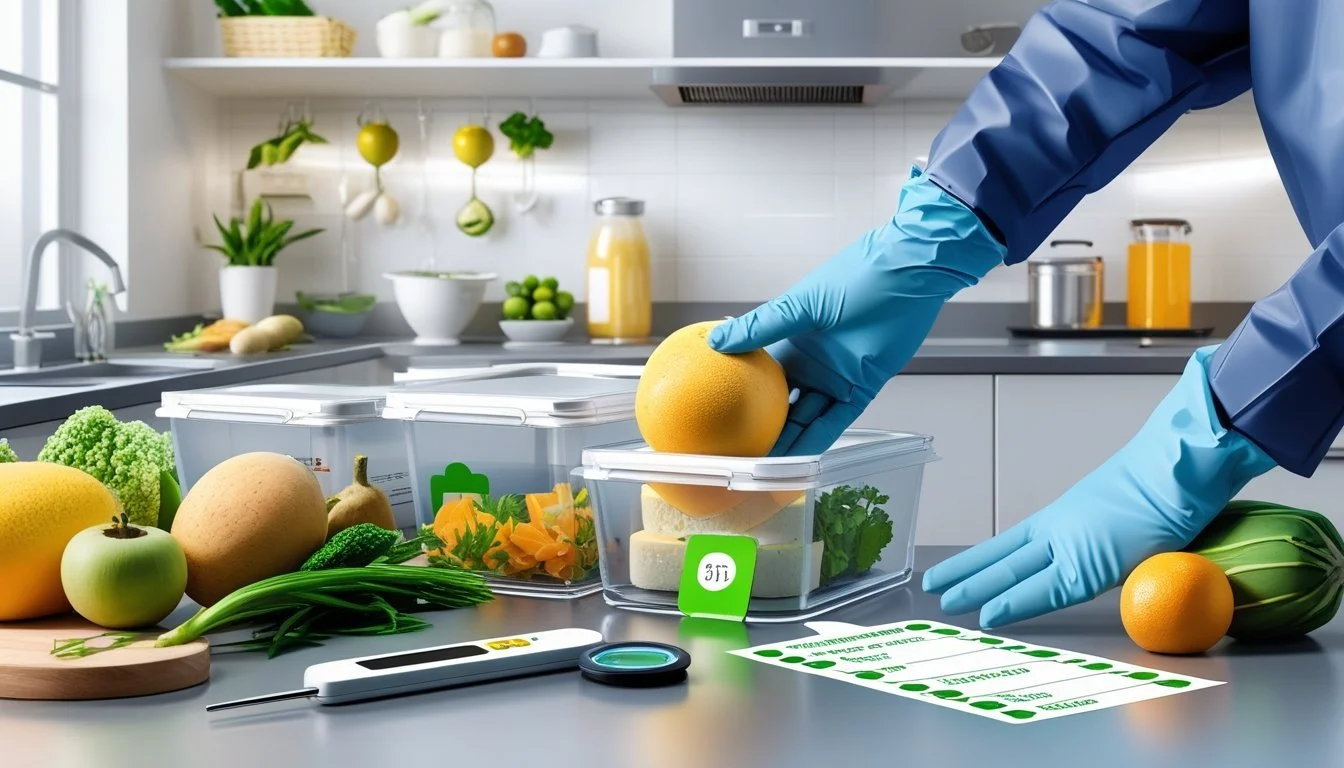
'Re-aging' food involves specific techniques to extend usability, restore or simulate freshness, or alter properties of foods for culinary or commercial reasons. It can include safe aging processes, but also risks if handled incorrectly.
Definition and Origin of Food Re-aging
'Food re-aging' refers to applying processes to foods that have aged or are past peak freshness, aiming to either restore their qualities or enhance flavors. Originally, this concept was most prevalent in the context of meats, cheeses, and fermented foods.
In professional kitchens, re-aging can sometimes mean deliberately extending the aging process of ingredients, such as dry-aging beef for tenderness and flavor. However, the term may also describe efforts to "refresh" foods that are starting to decline in quality by various means. While traditional aging focuses on controlled environments and safety, re-aging is distinct because it can involve attempts at reversing the effects of time, not just controlling them.
Common Methods Associated with Re-aging
Re-aging methods include both traditional food preservation and more modern restorative techniques. For meats and cheeses, controlled environments—specific temperatures and humidity—are used to safely age or re-age the product while minimizing spoilage or harmful bacteria. Vacuum sealing, rehydration, and marinating are sometimes used to recondition foods that have lost moisture or flavor.
In some cases, food processors may use additives, such as food acids or preservatives, to rejuvenate appearance and texture. It's important to distinguish between safe, approved methods—such as returning moisture to stale bread for immediate use—and risky practices, like trying to make old, spoiled meat seem fresh. The table below gives a quick overview:
Method Typical Use Case Safety Considerations Dry-aging Beef, cheese Requires strict control Rehydration Bread, dried foods Use only if spoilage-free Additive use Processed meats, cheeses Regulated ingredients
Food Categories Affected by Re-aging
Re-aging is most often seen with meats, cheeses, and bread. Dry-aged beef and cured meats are classic examples where controlled aging or re-aging is a standard practice.
Aged cheeses can also be “refreshed” or aged further under strict conditions to alter textures or flavors. Bread that is beginning to stale may be repurposed by adding moisture and heat for short-term consumption.
Other categories include processed foods like deli meats or fermented products, where re-aging, outdated at-home practices, or improper storage can pose safety risks. Fresh produce and seafood, on the other hand, should not be "re-aged" due to high spoilage risk and food safety concerns.
Safety Considerations of Re-aging Food
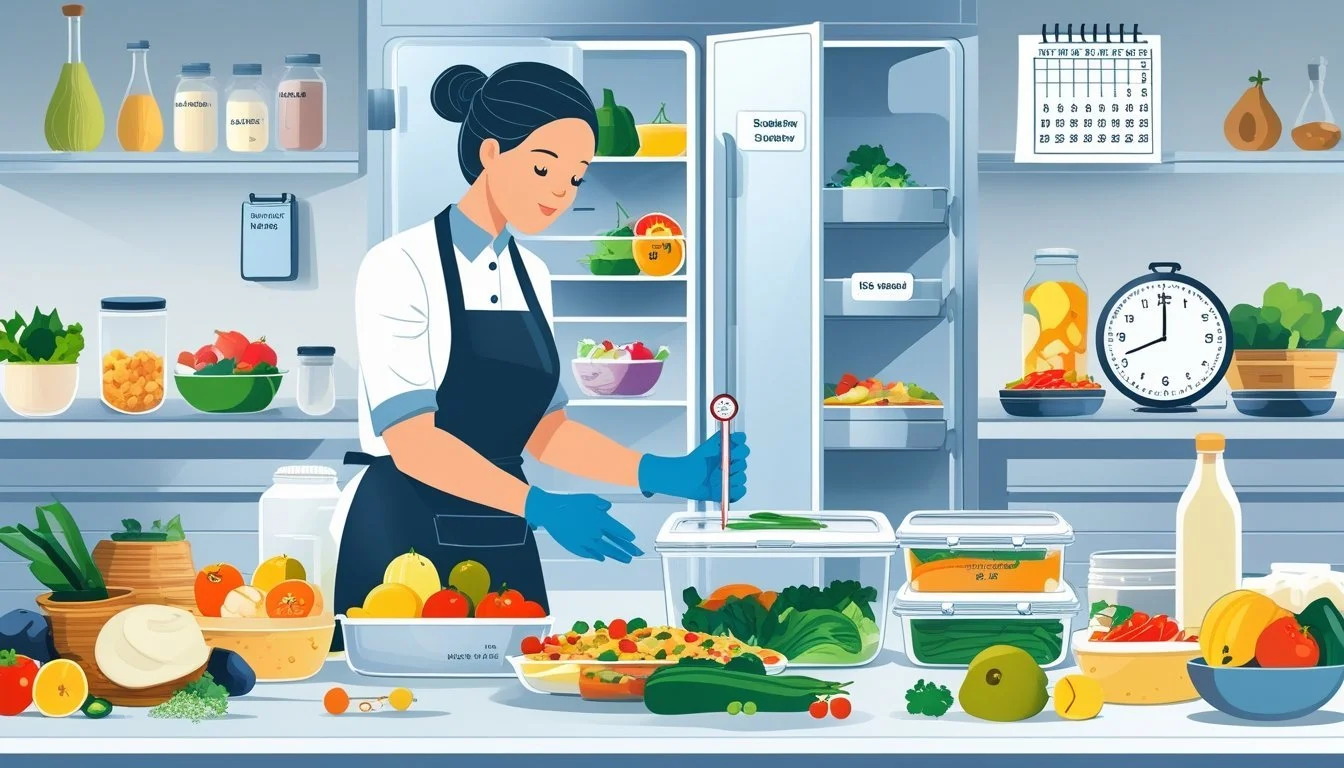
Proper safety is crucial when attempting to “re-age” food, as altering or extending the usable life of food comes with potential hazards. Factors such as microbial growth, storage conditions, and nutrient stability must be considered to prevent health risks.
Foodborne Illnesses and Risks
Re-aging may increase the risk of foodborne pathogens like Salmonella, Listeria, or E. coli multiplying to unsafe levels.
These microbes can grow rapidly in foods that have been previously cooked or partially spoiled and then stored or processed again. Refrigeration slows but does not eliminate the risk; reheating does not always kill all pathogens, especially if the food has been repeatedly handled.
Symptoms of food poisoning—such as nausea, vomiting, and diarrhea—typically appear within hours to days. Individuals with weakened immune systems, pregnant people, young children, and older adults are at higher risk of severe consequences.
Proper hygiene, safe handling practices, and careful assessment of any signs of spoilage, such as off-odors, unusual texture, or mold, are essential when considering re-aging processes.
Time and Temperature Controls
Control of time and temperature is a critical safety aspect when re-aging food.
Most bacteria grow between 40°F (4°C) and 140°F (60°C), known as the "danger zone." Foods left in this temperature range for more than two hours may become unsafe. Rapid cooling after cooking and maintaining a constant temperature during storage can help prevent harmful microbial growth.
When planning to “re-age” foods, it’s essential to monitor these factors closely. Use of calibrated thermometers and timers ensures food remains outside the danger zone. Freezing can further slow spoilage but doesn’t destroy all bacteria that may reactivate upon thawing.
A simple table for reference:
Storage Method Safe Duration Notes Refrigerator (≤40°F) 3-4 days Prevents rapid growth Freezer (≤0°F) 2-6 months Quality, not safety, decreases over time Room Temp <2 hours High risk after 2 hours
Impact on Nutritional Value
Re-aging processes—such as reheating, storing, or further processing—can lead to a decline in nutrients like vitamin C, B vitamins, and some antioxidants.
Some minerals and proteins are more stable, but repeated heating and cooling cycles may degrade sensitive compounds, reducing a food’s nutritional benefit. Additionally, changes in texture and flavor can indicate not just spoilage but also loss of nutrient content.
Careful attention to storage methods can help minimize losses. Airtight containers, minimal light exposure, and temperature control all play a role in preserving nutrients.
When considering whether to “re-age” food, it’s important to weigh any such losses, especially for foods intended to supply significant vitamins or other beneficial compounds.
Scientific Insights Into Food Preservation
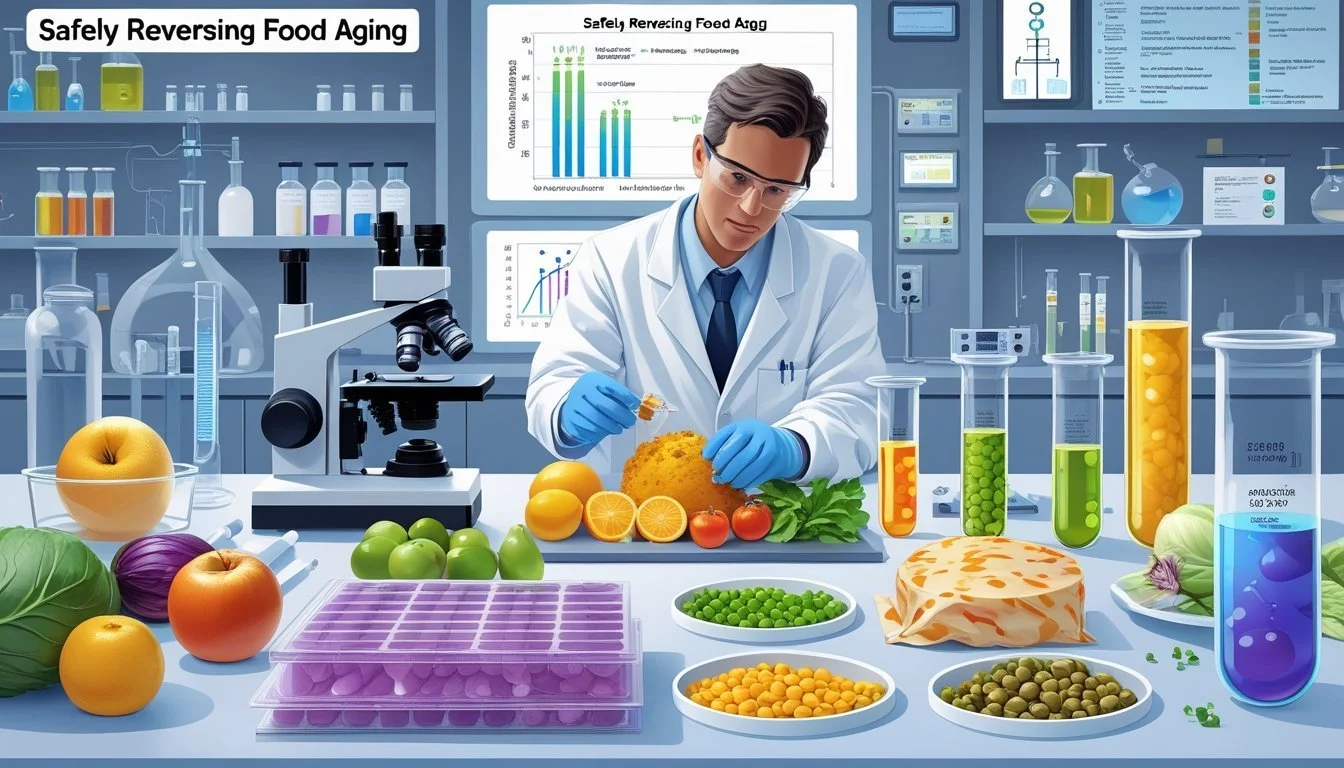
Various physical, chemical, and biological factors play a role in how long food stays safe to eat. The way food changes over time is influenced by its ingredients, storage conditions, and the methods used to slow spoilage.
Chemical and Microbial Changes
Food undergoes chemical reactions, such as oxidation and enzymatic browning, as it ages. These changes can alter flavor, texture, and nutritional value. For example, fats may become rancid due to oxidation, while fruits turn brown when enzymes react with oxygen.
Microbial activity is also a critical factor. Bacteria, molds, and yeasts multiply in food if temperatures and humidity are suitable. Once packaging is opened or the food is cut, exposure to air and surfaces greatly increases the risk of contamination. Microbial growth is not always visible; foods may appear fine but still harbor pathogens that pose health risks.
These changes make it difficult to reverse or "re-age" most foods safely. Refrigeration, freezing, or vacuum sealing can delay—but not eliminate—chemical or microbial spoilage. The safety and quality of re-aged foods depend largely on the initial microbial load and how the food was handled.
Role of Preservatives and Additives
Preservatives and additives are used to slow spoilage and extend shelf life. Common preservatives include:
Preservative Function Example Foods Sodium benzoate Inhibits bacteria/fungi Soft drinks, juices Nitrites/Nitrates Prevents botulism Cured meats Sorbic acid Inhibits molds/yeasts Cheese, baked goods
These substances work in different ways, such as lowering pH, disrupting microbial cell membranes, or binding to moisture. However, their effectiveness is limited once food is exposed to air, moisture, or cross-contamination.
Additives also support preservation by stabilizing color, texture, and flavor. While additives can delay spoilage, they cannot make unsafe or spoiled food safe to eat after deterioration has started. Regulations limit the amounts and types of preservatives, prioritizing consumer safety.
Regulatory Guidelines and Legal Aspects

Food regulators set strict rules for how food must be handled, stored, and labeled. Legal requirements are put in place to protect consumers from potential health risks and to ensure that the information provided is accurate.
Food Safety Standards
Food safety agencies such as the U.S. Food and Drug Administration (FDA) and the U.S. Department of Agriculture (USDA) outline mandatory standards for food storage and shelf-life. Re-aging food, which refers to extending or resetting the shelf life of products, is tightly controlled and generally not permitted unless verified safety procedures are followed.
Authorities require that food be discarded or destroyed if it is past established expiration or use-by dates, especially for perishable categories like dairy, meat, and ready-to-eat items. Non-compliance with these standards can lead to recalls, fines, or business closures. The regulations aim to minimize risks related to the consumption of spoiled or unsafe foods.
Inspections, recordkeeping, and supply chain documentation also play a critical role in verifying compliance. Restaurants, grocery stores, and manufacturers are expected to maintain traceability and ensure customers are not exposed to re-aged or inadequately stored food items.
Labeling and Expiration Date Laws
Labeling laws in many countries require that packaged foods display clear expiration, "best by," or "use by" dates. It is illegal in most jurisdictions to alter or remove these dates to make old food appear freshly packaged—a practice closely monitored by regulatory agencies.
For products subject to date labeling, authorities such as the FDA mandate that the original dates remain unchanged, even if the product is repackaged or relocated. Forging or obscuring expiration dates can lead to severe legal consequences, including prosecution for misrepresentation or fraud.
Consumers rely on date labels for safety decisions, so tampering undermines public trust and contravenes both civil and criminal statutes. Enforcement activities include routine audits, consumer complaints, and targeted investigations when suspicious labeling practices are suspected.
Popular Myths Versus Scientific Reality

Many foods spark confusion when it comes to their safety after expiration dates or visible spoilage. Understanding how food actually ages helps consumers make better decisions and avoid unnecessary risks.
Misconceptions About Shelf Life
A common myth is that expired food is always unsafe, but these dates are often about quality, not safety. Terms like "best by" and "sell by" usually refer to freshness or taste rather than spoilage.
Some believe that reheating or "re-aging" food reverses the effects of spoilage. This is not scientifically accurate. Once harmful bacteria or toxins develop, heat may not fully eliminate all risks.
Myth vs. Fact Table
Myth Reality Expired foods are unsafe to eat Dates often indicate quality, not safety Reheating expired food makes it safe Some bacteria/toxins are heat-resistant Mold can be cut away from all foods Mold roots often extend deeper than visible surface
Consumers may also think that canned or packaged foods last indefinitely. In reality, even these items can break down chemically or develop dangerous microorganisms over time.
Expert Consensus on Re-aging
Food safety experts agree that the concept of "re-aging" food—making old or expired food safe again—has no scientific basis. Food can only be preserved, not returned to a previous state.
Once perishable food has spoiled or become contaminated, safety cannot be restored by typical household methods. According to specialists, certain bacteria like Clostridium botulinum or Staphylococcus can produce toxins that remain dangerous even after reheating.
Experts recommend following strict storage guidelines and proper food handling to prevent spoilage. They caution against practices like scraping off mold or relying on smell alone to judge safety, emphasizing that invisible pathogens can still pose risks.
Food safety authorities widely advise discarding foods past their prime, especially dairy, meats, and leftovers, rather than attempting risky "re-aging" methods.
Practical Examples and Real-World Practices
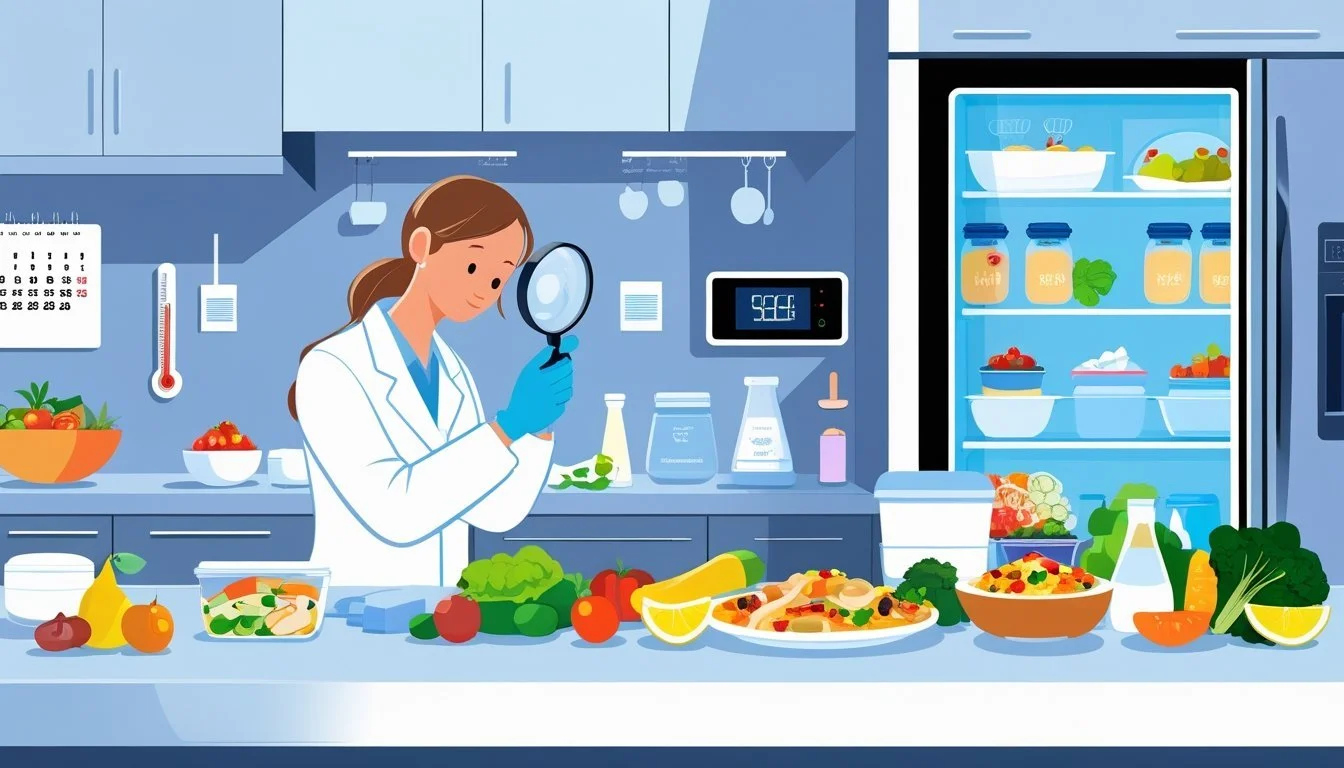
Re-aging food takes place in both commercial and home settings, but the process, risks, and controls differ. Approaches vary depending on food type, storage conditions, and intended use.
Re-aging in Restaurants and Food Service
Professional kitchens sometimes "re-age" ingredients to extend usability or enhance flavors, especially with products like dry-aged beef or fermented items. Chefs closely monitor conditions such as temperature and humidity. They use strict protocols to ensure food safety, including tracking expiration dates and using sensory checks for spoilage.
Dry-aging beef remains a controlled process. Only specific cuts, kept at precise temperatures and humidity, can safely improve in texture and flavor over time. In contrast, re-aging already cooked or prepared foods is rare, due to the risk of bacterial growth. Some foods, like certain cheeses and fermented products, may benefit from further controlled aging, but only with specialized expertise.
Staff training and health regulations set clear boundaries for what qualifies as safe re-aging. Health inspections and food safety certifications help enforce these practices. Key factors include:
Control Details Temperature 32-40°F for meats Humidity 75-85% for dry aging Storage Time Strict limits (e.g., 7-30 days) Visual & Odor Checks Daily
Household Practices
Home cooks sometimes attempt to "re-age" foods by repurposing leftovers, fermenting vegetables, or extending storage. Proper technique is necessary to avoid foodborne illnesses. Critical steps include keeping leftovers refrigerated below 40°F and consuming them within 3-4 days.
Household re-aging is most common with fermented foods such as kimchi, sauerkraut, or yogurt. These foods rely on controlled microbial activity and specific salt concentrations to remain safe for longer periods. Improper storage, cross-contamination, or failing to recognize spoilage signs can turn re-aging into a health hazard.
Cured proteins like salami or cheese also see safe re-aging at home when handled properly. However, home methods rarely match commercial standards for environmental control. For safety, it is important that home cooks regularly check for changes in texture, odor, or appearance and discard anything suspicious.
Alternative Approaches to Extending Shelf Life
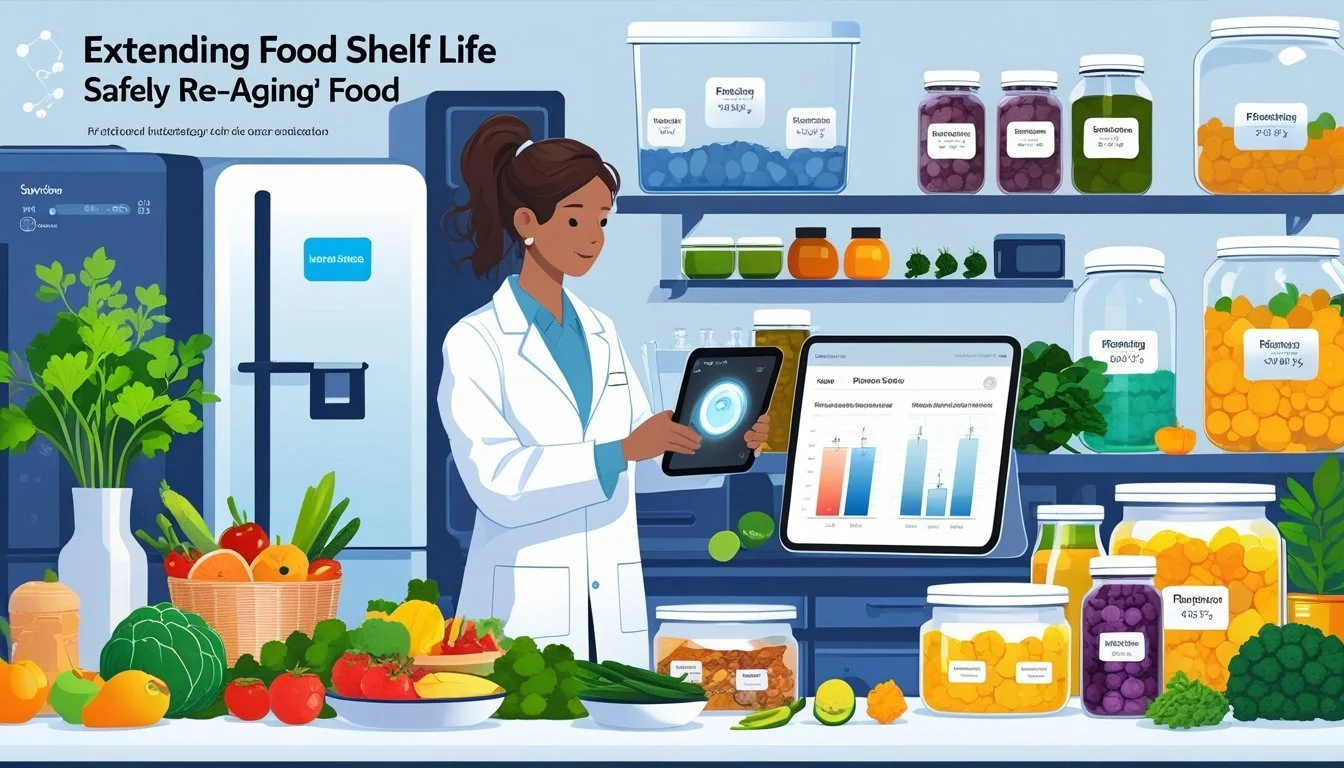
Extending the shelf life of food can significantly reduce waste and improve food safety at home. Several proven methods use temperature control, air removal, or moisture reduction to keep food fresher for longer periods.
Refrigeration and Freezing
Refrigeration slows down the activity of bacteria, yeasts, and molds. Most perishable foods such as dairy, meats, and produce should be stored at or below 4°C (39°F) to maximize freshness. For best results, keep raw foods in sealed containers and avoid overcrowding shelves to allow proper cold air circulation.
Freezing preserves food by halting microbial growth. It is effective for meats, fruits, vegetables, and prepared meals. For best quality, food should be frozen quickly at −18°C (0°F) or lower. Ice crystals can damage texture, so packaging food in airtight wraps or containers minimizes freezer burn and maintains taste and color.
Some items benefit from blanching (brief boiling) before freezing, as it inactivates enzymes that degrade flavor or texture over time. Freezing does not kill bacteria but keeps them dormant, so proper thawing and cooking are important for safety.
Vacuum Sealing and Dehydration
Vacuum sealing removes most of the air from around stored food. This slows the oxidative processes and limits the growth of aerobic bacteria and fungi. Vacuum-sealed foods last longer in the fridge and freezer, and packaging can also protect against freezer burn.
Dehydration eliminates moisture that bacteria and molds need to grow. Common methods include air drying, using a food dehydrator, or oven drying at a low temperature. Dehydrated fruits, vegetables, and meats (like jerky) can be stored for months if kept in airtight containers.
Key benefits of both techniques:
Extended storage time
Reduction in spoilage
Preservation of flavor and nutrients
Proper sanitary handling and storage in clean, sealed containers are essential for the safety of vacuum-sealed and dried foods. Always check for spoilage before use.
Conclusion
Re-aging food is a topic that continues to generate interest, especially as people seek to reduce waste and save money. The process commonly refers to attempts to restore or extend the shelf life of perishable goods.
However, food safety guidelines emphasize caution. While certain products, such as cheeses or cured meats, are sometimes intentionally aged or refreshed under controlled conditions, this is not the same as trying to "re-age" food that may have already begun to spoil.
Key considerations include:
Safety: Spoiled food cannot be made safe again. Once harmful microbes develop, no process can guarantee elimination without altering the food entirely.
Quality: Methods that try to mask off-flavors or textures rarely restore food to its original state.
Regulation: Many foods are covered by strict safety laws that prohibit the sale or consumption of expired or visibly degraded products.
It is recommended to check expiration dates, proper storage methods, and visible signs of spoilage. In most cases, it's safer to avoid consuming food that is past its best-by date if any spoilage is suspected.
A table of common signs of spoilage:
Sign Possible Food Types Recommendation Mold Bread, cheese Discard completely Off color or smell Meat, dairy Do not consume Slimy texture Produce, meats Discard
Adhering to food safety practices ensures the best outcomes when handling or consuming older food items.

