
Is Zero Waste Compatible With Shelf Life Limits?
Examining Practical Solutions and Challenges
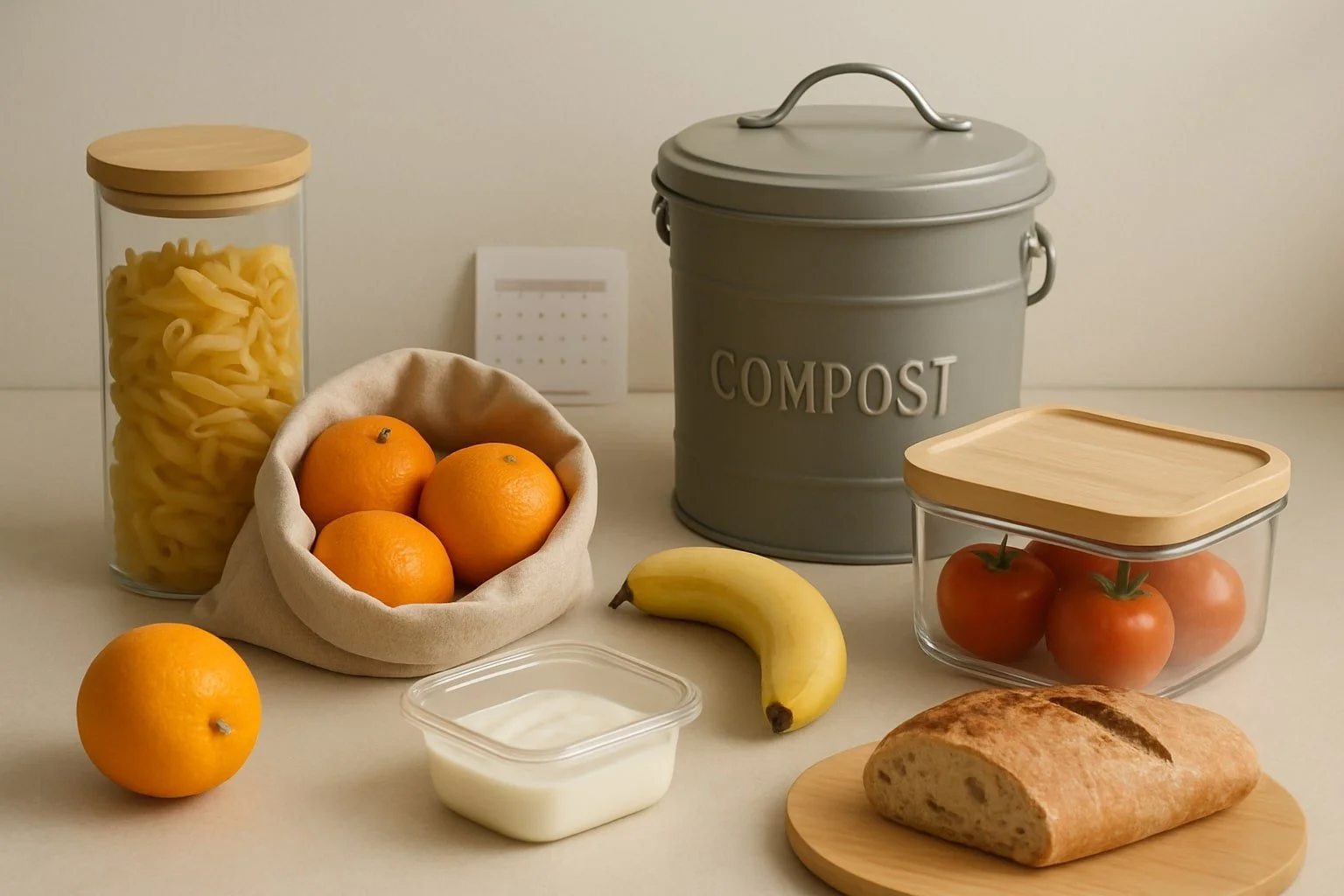
Zero waste practices can be compatible with shelf life limits when products are stored properly and suitable materials are used. Many zero waste stores encourage customers to use airtight containers, which can help preserve bulk foods and other items, even without conventional packaging. Businesses are also adopting reusable or biodegradable packaging options that protect products and reduce waste.
Some challenges do exist, such as concerns about moisture, temperature sensitivity, and product freshness, especially for items like fruits or perishable goods. However, solutions like edible coatings and improved storage techniques are helping to extend shelf life without increasing waste. As zero waste approaches continue to evolve, more innovations are emerging to balance sustainability and product quality.
Defining Zero Waste and Shelf Life Limits
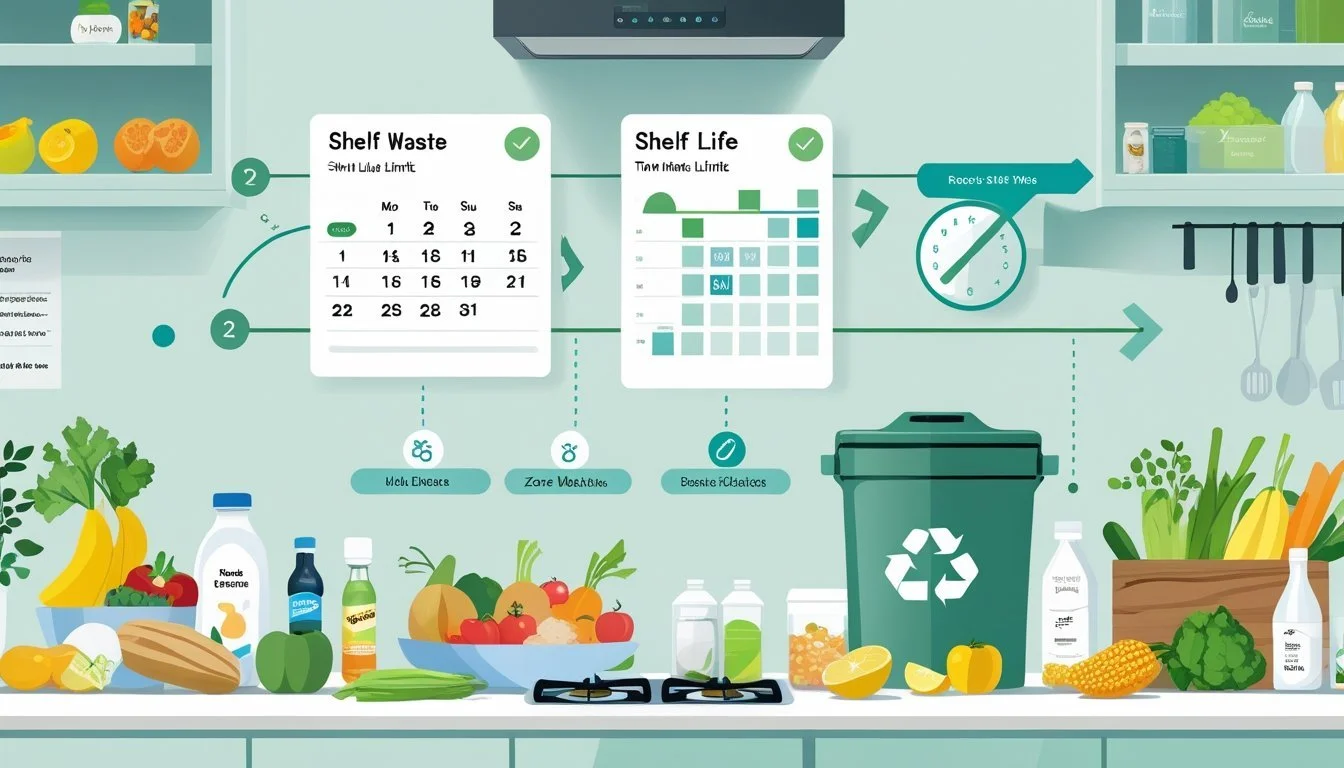
Zero waste principles and shelf life limits guide how individuals and organizations make decisions about resource use and food safety. These concepts each aim to minimize waste, but approach the issue from different perspectives.
Understanding Zero Waste Principles
Zero waste is a philosophy and strategy focused on changing consumption patterns and designing systems to eliminate waste as much as possible. It promotes waste minimization by rethinking product design, encouraging reuse, recycling, and composting, and considering the entire life cycle of materials.
Communities and businesses aiming for a zero-waste lifestyle adopt practices to keep resources circulating and avoid sending items to landfills or incinerators. Zero waste is not about achieving literal zero discarded material, but about striving to reduce discards and return resources to productive use.
Key elements of zero waste include:
Reducing single-use products and packaging
Encouraging repair and remanufacturing
Supporting local recycling and composting infrastructures
Designing materials so they are easier to recover and reuse
What Are Shelf Life Limits?
Shelf life limits refer to the period during which a product can be safely used or consumed while maintaining its intended quality. These timeframes are based on scientific assessments of product stability and safety, especially for food, medicine, and some household items.
Manufacturers test for changes in texture, flavor, potency, and safety to establish these dates. Shelf life can be affected by storage conditions like temperature, light, and humidity. Once the shelf life has passed, the item might not be unsafe but may experience a decline in quality.
For consumers trying to practice waste minimization or a zero-waste lifestyle, understanding shelf life helps in making informed decisions about buying, storing, and consuming goods to reduce unnecessary discards.
The Relevance of Expiration Dates
Expiration dates provide guidance on when a product should be used to ensure safety and performance. In the context of food and medicine, these dates are critical due to the risk of spoilage or potency loss. However, not every labeled date signals a definitive safety concern—some labels, such as "best by" or "sell by," relate more to peak quality than safety.
Outdated expiration dates can lead to unnecessary waste, as items are often discarded while still usable. For those who aim to minimize waste or live a zero-waste lifestyle, learning the difference between various date labels is important. Using products efficiently before these dates helps avoid waste while maintaining safety.
Understanding how expiration and shelf life limits intersect with waste minimization is essential for making practical decisions in day-to-day life. The responsible use of expiration dates can significantly impact the effectiveness of zero waste efforts.
Critical Intersections: Zero Waste Versus Shelf Life Practices
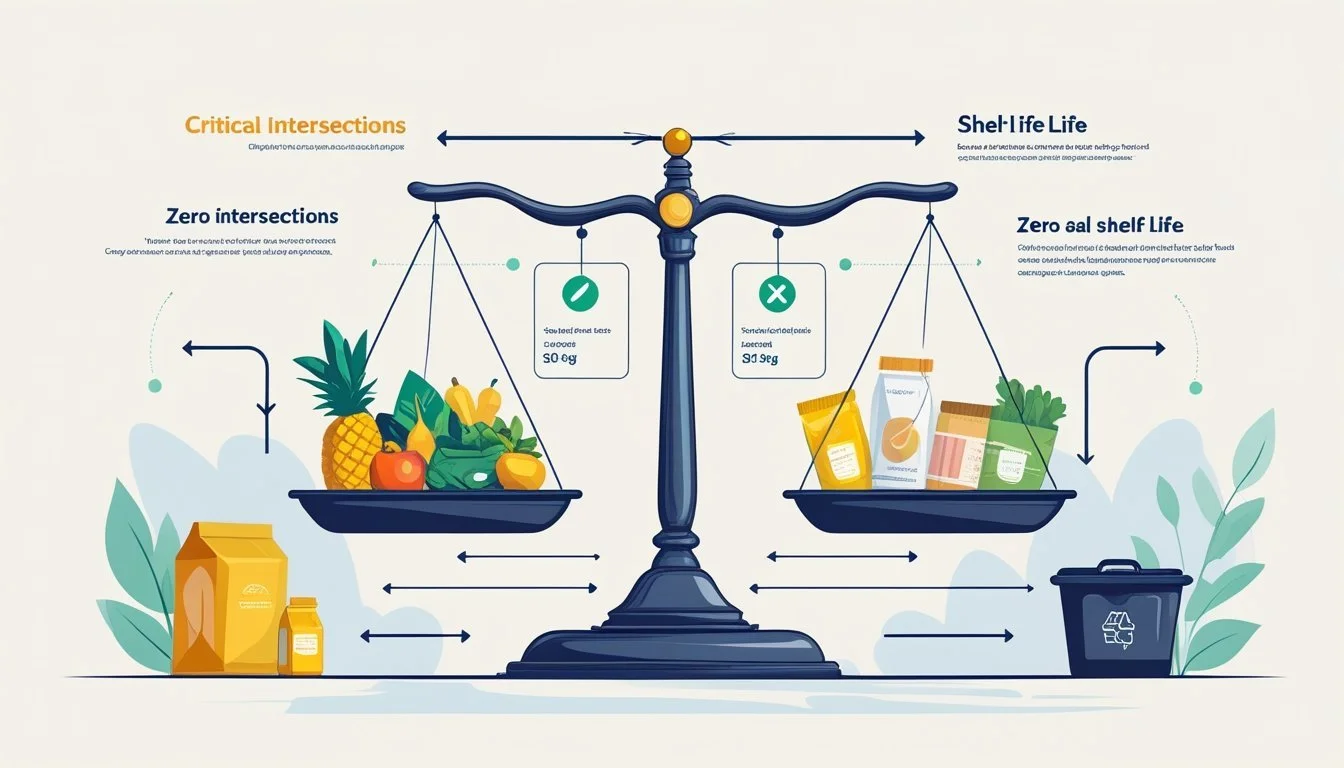
Zero waste strategies often intersect with established shelf life practices in both complementary and conflicting ways. These intersections can significantly influence food waste, packaging decisions, and the logistics of distribution.
Food Waste and Expiration Policies
The way food is labeled with expiration or "use-by" dates has a direct impact on food waste levels. Many consumers treat these dates as strict cutoffs, leading to the disposal of edible products.
Supermarkets and households often throw away food that is still safe due to conservative date labeling. This practice makes it harder to reach zero waste targets despite edible food being available. Policies around "best before" and "use by" dates, if made clearer and more science-based, can help reduce unnecessary food waste.
Education about identifying spoilage and understanding labels helps consumers make better decisions. Key food items impacted by expiration policies include dairy, bread, and produce, which are often discarded before actually spoiling. Addressing expiration policies remains essential for both reducing food waste and supporting zero waste initiatives.
Packaging Waste and Shelf Life Extension
Packaging is frequently used to extend the shelf life of perishable goods. Techniques such as vacuum sealing, modified atmosphere packaging, and multilayer plastics have enabled foods to last longer during transport and storage.
However, these packaging solutions, especially single-use plastics, generate significant waste. This runs contrary to the aims of zero waste, which seek to minimize material consumption and landfill. Alternatives like compostable packaging or reusable containers can reduce packaging waste but may offer less shelf life protection compared to conventional methods.
A trade-off often exists between extending shelf life and achieving packaging waste reduction. Industries and policymakers must balance food preservation needs with sustainable packaging innovations. The goal is to find solutions that support both food longevity and environmental objectives.
Distribution Challenges
Distribution logistics strongly influence both food waste and packing needs. Long supply chains increase the risk that food will spoil before reaching consumers, particularly with fresh fruits, vegetables, and dairy. This prompts greater reliance on packaging to maintain shelf quality and minimize spoilage.
Shorter, more localized distribution networks typically result in less spoilage and can allow for minimal packaging. However, achieving widespread adoption of local distribution is complex in large-scale food systems.
Transport methods, inventory management, and temperature control also play critical roles. Efficient cold chains, just-in-time delivery, and data-driven inventory can reduce expired inventory and food scraps. Addressing distribution challenges alongside zero waste aims requires careful coordination between logistics, packaging technology, and waste reduction goals.
Storage, Preservation, and Waste Minimization Strategies
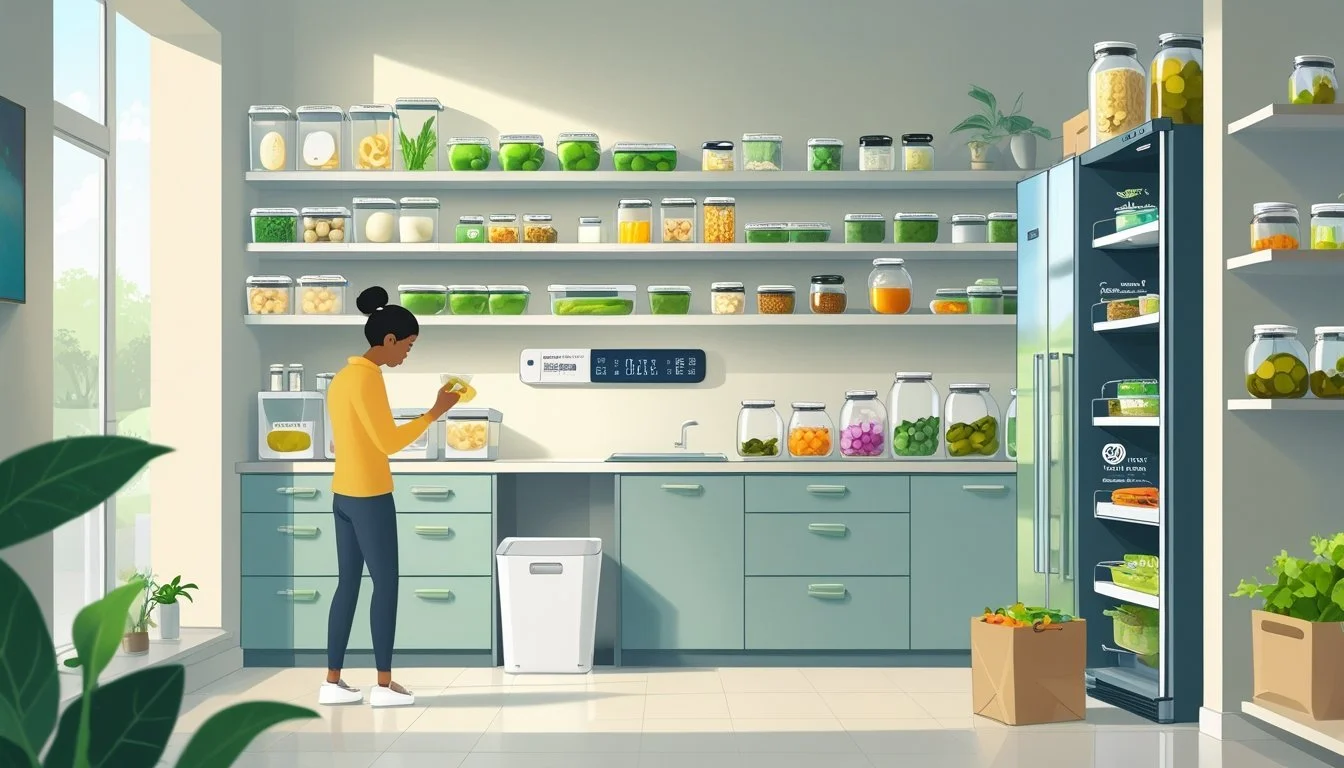
Reducing food waste and managing packaging begins with thoughtful storage, effective use of preservation methods, and adopting conscious consumer habits. Each aspect supports longer shelf life, less spoilage, and lower environmental impact.
Proper Storage Techniques
Storing food at appropriate temperatures and humidity levels slows spoilage and keeps products fresher longer. For example, perishables like dairy, meat, and produce should be kept in the refrigerator at or below 4°C (40°F). Use airtight containers to reduce exposure to air and moisture.
A simple table can help identify key storage locations:
Food Storage Location Potatoes, onions Cool, dark pantry Apples, carrots Refrigerator drawer Bread Sealed container Cooked meals Refrigerator/freezer
First-In, First-Out (FIFO) inventory methods reduce the risk of older items going to waste.
Composting Expired Goods
When shelf life is reached, composting organic waste diverts it from landfills and returns nutrients to the soil. Food scraps, peels, coffee grounds, and even expired bread can be composted if not heavily processed or contaminated.
Composting options include:
Home backyard compost bins
Community drop-off sites
Municipal organics collection, where available
Maintaining a proper balance of “greens” (food scraps, fresh plant material) and “browns” (dry leaves, cardboard) is essential for effective decomposition. Avoid composting dairy, meats, and oily foods unless using an industrial system designed for such waste.
Buying in Bulk and Reducing Packaging
Purchasing in bulk can limit excess packaging and support zero-waste efforts. Shoppers can bring reusable containers to refill grains, spices, nuts, and other dry goods at bulk stores. This cuts down on single-use plastics and cardboard.
Bulk buying requires careful planning to prevent spoilage. Only purchase quantities that can be consumed before expiration and store them correctly to maintain freshness.
Some stores also offer incentivized return programs for reusable containers, encouraging waste reduction and better recycling practices. Combining bulk buying with proper storage creates a sustainable cycle that decreases both food and packaging waste.
Packaging, Materials, and Eco-Friendly Alternatives
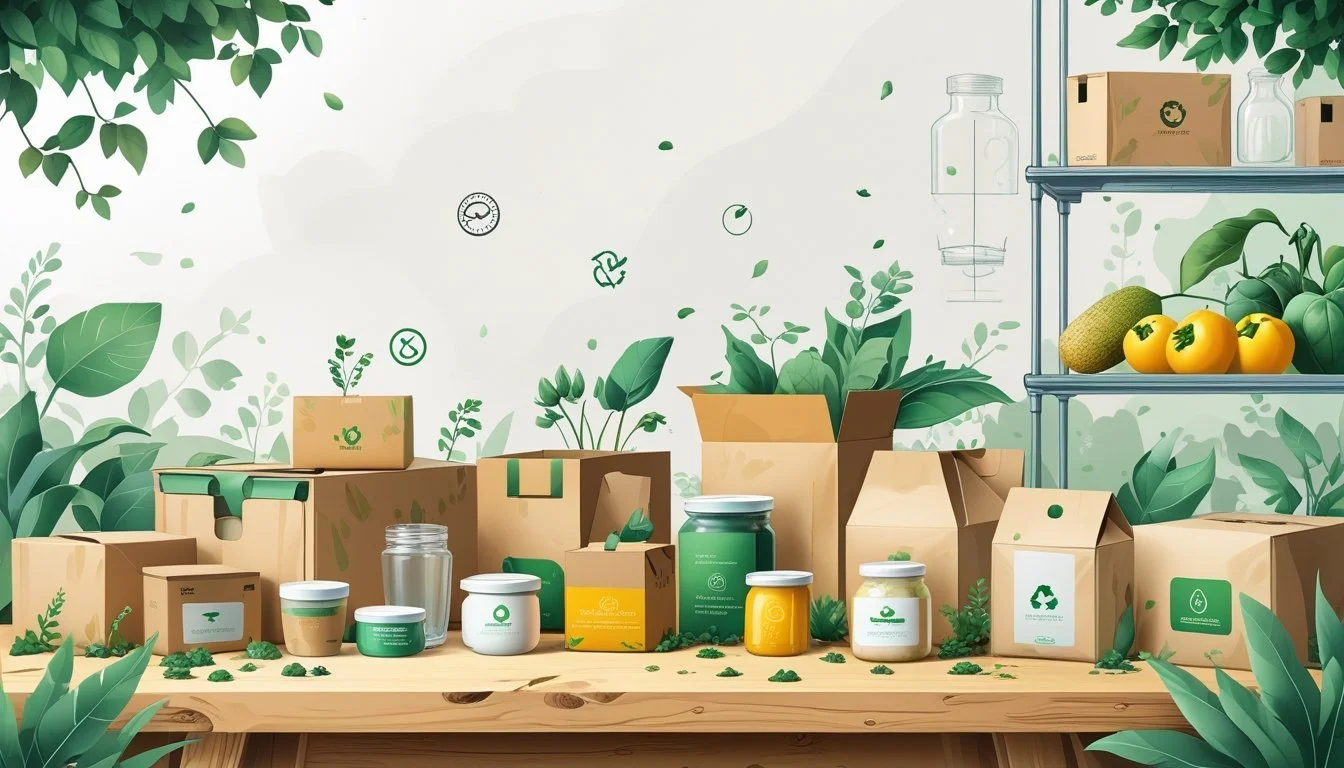
Zero waste packaging strategies must balance environmental impact with the necessity of protecting and preserving products. Materials and systems that reduce plastic pollution, support reuse, and fit well into local recycling or composting infrastructure are crucial.
Transitioning to Eco-Friendly Packaging
Switching to sustainable materials is central to zero waste efforts. Plant-based packaging options—such as bamboo, hemp, or palm leaves—are gaining popularity because they are compostable and require fewer resources to produce compared to traditional plastics.
Biodegradable food coatings and edible films help lower reliance on plastic wraps and trays. Active packaging that includes natural preservatives can also extend shelf life without adding chemical waste. Many companies favor minimalist or mono-material designs, making it easier for consumers to properly recycle or compost used packaging.
Businesses can also make an impact by supporting local economies. For example, sourcing materials like seaweed directly benefits small-scale farmers while reducing emissions from long-distance shipping.
Combating Single-Use Plastics
Single-use plastics remain a significant challenge for both zero waste advocates and those managing shelf life limits. These materials are often convenient and effective at protecting products but contribute heavily to plastic pollution.
Alternatives include switching to reusable, refillable, or returnable packages. For cushioning and filling, used office paper or shredded supplier corrugate provides a recyclable and cost-free replacement for traditional plastic fillers.
Packaging designs with clear instructions encouraging reuse or return can extend the life cycle of materials. Here is a comparison of common options:
Packaging Type Reusable Compostable Typical Use Plastic film No No Snacks, produce Plant fiber trays Sometimes Yes Takeaway, fresh food Edible coatings n/a Yes Fruits, pharmaceuticals
Role of Recycling Facilities
The success of eco-friendly packaging often depends on local recycling and composting infrastructure. Materials must be designed so that most consumers can easily process them, rather than sending them to a landfill.
Widespread adoption of mono-material packaging, such as all-paper or all-aluminum containers, aids efficient recycling. However, not all compostable or biodegradable materials break down in standard recycling centers, sometimes requiring industrial composting.
Improving communication on how to handle each packaging type is key. Labels should specify whether packaging is home-compostable, curbside-recyclable, or intended for specialized facilities. This clarity helps reduce contamination and increases recycling rates.
Waste Management Systems and Policy Frameworks
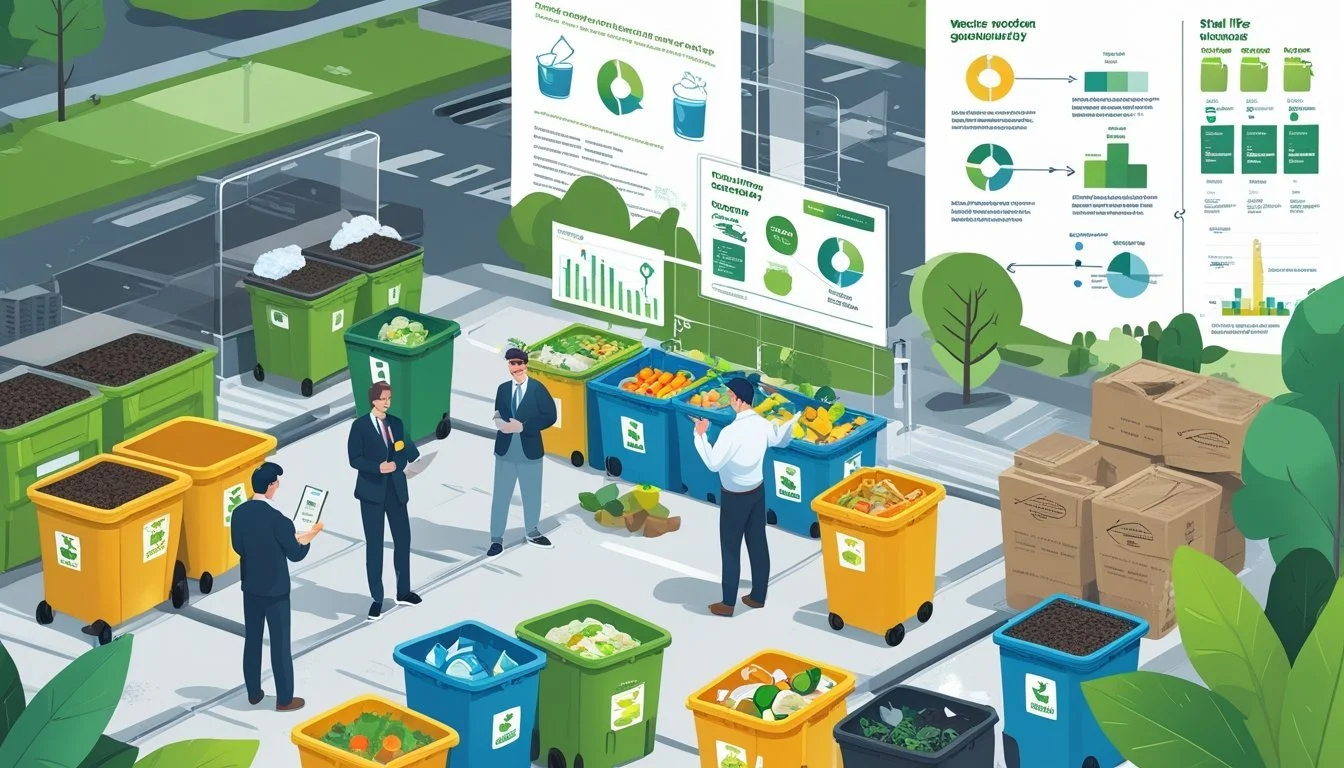
Effective waste management relies on structured systems and policy frameworks that guide how waste is reduced, processed, and repurposed. Approaches such as landfill diversion, valuing waste as a resource, and assigning responsibility to producers are central to minimizing the environmental impact of waste.
Municipal Solid Waste and Landfill Diversion
Municipal solid waste (MSW) typically includes everyday items like packaging, food scraps, and discarded consumer goods. Most cities face the challenge of limiting landfill use to reduce environmental harm and conserve space.
Landfill diversion focuses on routing waste away from final disposal sites by promoting recycling, composting, and energy recovery. Many jurisdictions set explicit targets for "zero waste to landfill" as part of long-term sustainability goals.
Key methods for increasing landfill diversion include curbside recycling collection, organics composting, and material recovery facilities. Public participation, alongside efficient infrastructure, is critical for success.
Waste Hierarchy and Waste as a Resource
The waste hierarchy ranks waste management practices by their environmental benefit. The model prioritizes, in order: prevention, reuse, recycling, recovery, and disposal. Policies often formalize this hierarchy to guide municipal programs and funding priorities.
Zero waste strategies center on the idea that materials should remain in use for as long as possible. Treating waste as a resource encourages design for durability, repair, and recyclability. This circular mindset helps reduce dependence on raw materials and simplifies compliance with shelf life limits.
Table: Simplified Waste Hierarchy
Level Description Prevention Avoiding waste generation Reuse Reusing products as-is Recycling Processing waste into new items Recovery Extracting energy/material Disposal Landfill/incineration
Extended Producer Responsibility and Zero Waste Policies
Extended Producer Responsibility (EPR) is a policy framework that places the burden of post-consumer waste management on product manufacturers. By requiring producers to fund collection, recycling, and disposal, EPR encourages companies to design products that generate less waste and have a longer shelf life.
Zero waste policies incorporate EPR by mandating reductions in landfill waste and setting recovery targets for different materials. For example, regulations may require producers to ensure a certain percentage of packaging is recyclable or compostable.
Clear standards and enforcement mechanisms are essential for EPR to function effectively. Public reporting, incentives for design improvements, and collaboration across industry sectors all help increase material recovery and reduce landfill dependence.
Environmental Impact and Long-Term Sustainability
Zero waste initiatives and shelf life restrictions both influence the way resources are used and managed. These dynamics impact choices around resource efficiency, the strain on natural ecosystems, and the long-term structure of sustainable production systems.
Resource Efficiency and Sustainable Choices
Resource efficiency is at the core of zero waste strategies. By minimizing waste generation through preventive measures, such as source reduction and reuse, organizations and consumers can reduce the need for raw materials and energy.
Shelf life limits, however, can create challenges—especially for products prone to spoilage. Food expiration dates, for example, lead to unnecessary disposal of edible goods, increasing waste volumes. Adopting improved date labeling and storage solutions helps control avoidable waste and promotes sustainable consumption.
Key sustainable choices include:
Prioritizing reusable packaging
Investing in preservation technologies
Purchasing only what is needed
Reducing waste at each step in the supply chain drives greater material efficiency and aligns with zero waste principles.
Impact on Natural Resources and Ecosystems
Limiting waste through smarter shelf life management contributes to preserving natural resources. Wasted products represent lost water, land, and energy used during production. When goods expire and are discarded, these input resources are lost as well.
Decreasing waste means fewer materials are extracted from the environment. This reduces environmental impacts such as deforestation, loss of biodiversity, and pollution from both resource extraction and landfill use.
Improved shelf life through innovation can lower waste levels and ease the strain on ecosystems. For instance, better storage or packaging helps food last longer, which in turn reduces agricultural and water demands. This supports ecosystem health by curbing the need for further resource exploitation.
Circular Economy and Sustainable Production
The circular economy model emphasizes resource recovery—keeping materials in use and recycling products back into the supply chain. Shelf life limits occasionally force materials out of circulation prematurely, working against circular goals.
Moving toward a circular system requires designing products and packaging for extended usability and recyclability. Manufacturers are increasingly opting for durable, recyclable materials and modular designs to extend shelf life and facilitate reuse.
Implementing a zero waste mindset, industries can close the loop by collecting expired products for recycling or repurposing. The use of compostable materials, remanufacturing strategies, and better logistics all contribute to sustainable production practices within the constraints of shelf life.
Barriers to Achieving Zero Waste Under Shelf Life Constraints
Shelf life constraints create significant challenges for reducing waste. Consumer habits, methods of disposal, and the prevailing economic framework all contribute to barriers that make zero waste difficult to achieve.
Consumption Patterns and Waste Generation
Many products, especially food and pharmaceuticals, have strict shelf lives. Once these products expire, retailers and consumers are often forced to discard them, resulting in substantial waste. Fluctuating demand and overstocking worsen this issue, as surplus goods are not always sold before expiry.
Supermarkets and manufacturers may use "best by" and "use by" labels conservatively, which means items might be discarded while still usable. Additionally, promotional offers and large package sizes encourage bulk purchases, leading to a higher risk that some products will not be consumed in time.
According to recent research, planning a product’s lifecycle must consider not only the disposal stage but also reintegration into the market when possible. This highlights a gap between current consumption patterns and genuine zero waste goals.
Incineration and Waste Pollution
Expired products are frequently sent to incineration facilities. Although this method reduces landfill use, it still produces emissions and waste pollution, undermining zero waste objectives. Incineration plants release greenhouse gases and other pollutants, contributing to environmental and health issues.
Some products, such as plastics or chemicals, may generate hazardous byproducts when incinerated. Shelf life constraints increase the quantity of materials requiring disposal by these means, particularly for items that are not recyclable or compostable.
Waste-to-energy systems can capture some value but do not eliminate the creation of waste. From a zero waste standpoint, this is a partial solution rather than a substitute for actual waste reduction.
Linear Economy Versus Circular Models
Most supply chains follow a linear economy model: products are made, used, and then discarded. Shelf life limits reinforce this system by emphasizing disposal as the final stage. Once an item is past its expiry, there are few mechanisms for recovery, reuse, or reintegration into new cycles.
Circular economy models aim to extend the useful life of products and materials. However, shelf life constraints make it difficult to recover value before waste occurs. For instance, regulatory, safety, or quality standards may prevent expired goods from being reused, even if they are still intact.
Efforts to design for product reuse or reinsertion into supply chains require systems that can manage expiration risk. Without robust reverse logistics or flexible product design, shelf life often tips the balance toward waste rather than resource recovery.
Community Engagement and Systemic Change

Achieving zero waste goals requires active participation from individuals, businesses, and local governments. Community-driven solutions and coordinated actions play a direct role in reducing waste and mitigating environmental harm.
Promoting Community Involvement
Local engagement is central to zero waste efforts. Residents can reduce landfill contributions by supporting initiatives like community recycling centers, tool libraries, and repair cafes. These programs encourage sharing, reuse, and repair instead of disposal.
Businesses also have a role in adapting packaging, designing products for longevity, and supporting collection or refill schemes. Policy incentives such as pay-as-you-throw or mandatory sorting can further encourage participation.
Effective outreach and education ensure people understand the impact of their choices. Collaborative actions make it easier to manage shelf life limits, redistribute products before expiration, and ultimately cut down on waste. Tracking results with local data helps refine programs and increase engagement.
Reducing Biodiversity Loss and Climate Change Impacts
Overproduction, waste, and poor disposal practices accelerate biodiversity loss and contribute to climate change. Food, packaging, and textile waste generate greenhouse gas emissions and displacement of natural habitats.
When communities engage in zero waste strategies, they help decrease landfill use and incineration. This leads to reduced methane emissions and lower demand for resource extraction. Habitat destruction is minimized when less land is used for waste storage or raw material harvesting.
Key actions include:
Composting organic waste to restore soils
Supporting sustainable production systems
Choosing reusable products instead of single-use alternatives
These steps help maintain ecosystem services and provide a buffer against climate-related disruptions.
Conclusion
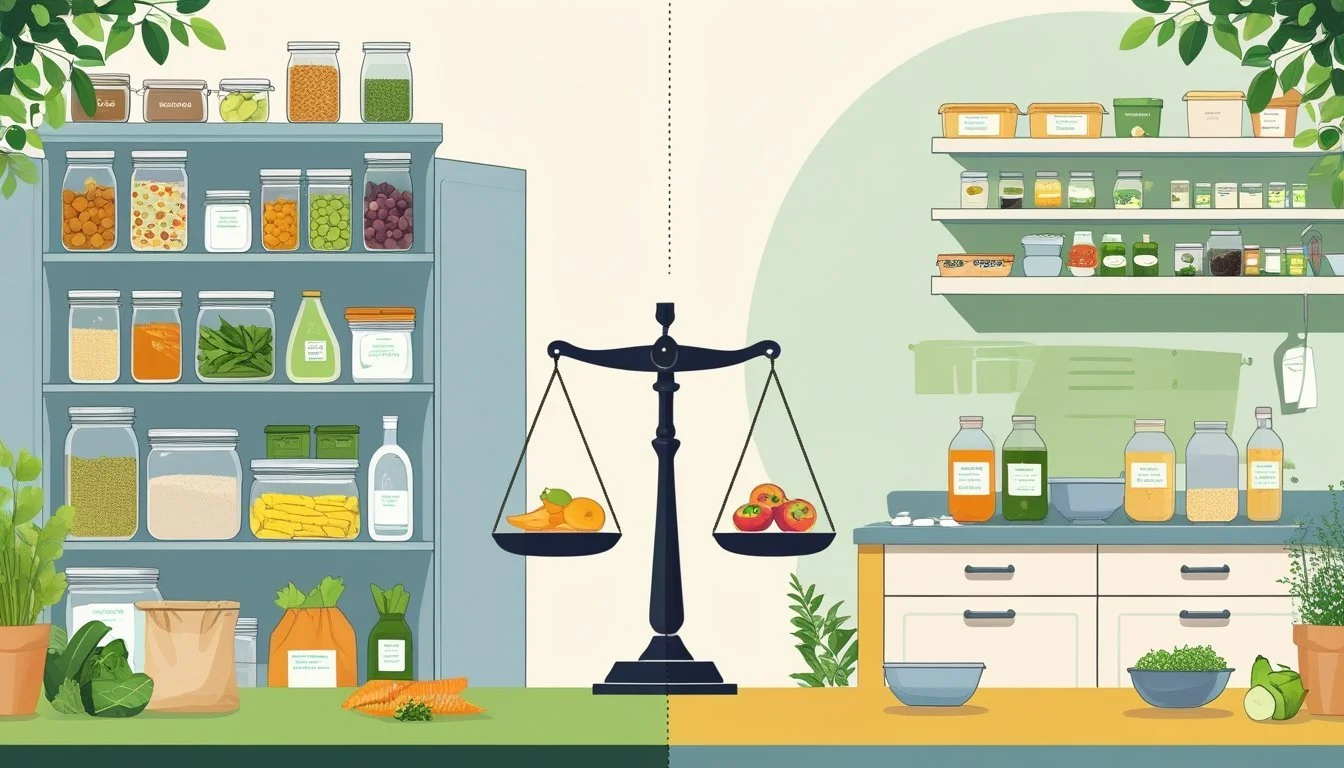
Zero waste practices and managing shelf life limits can coexist, but their compatibility relies on practical strategies and innovation. While zero waste aims to minimize or eliminate landfill waste, products have inherent shelf life constraints that impact storage, distribution, and use.
Key factors influencing compatibility:
Product type (perishable vs. non-perishable)
Packaging technologies
Availability of reuse, recycle, or compost options
Supply chain efficiency
Technologies such as freeze-drying and advances in packaging help extend shelf life and support waste reduction efforts. These solutions maintain product safety and quality while reducing the chance of spoilage.
Zero waste approaches benefit from adapting to different shelf life requirements. Refillable systems, compostable containers, and improved date labeling all help reduce unnecessary waste created by expired products.
Staying mindful of both shelf life and material cycles enables more effective resource management. This approach not only lowers environmental impact but also helps conserve valuable resources and reduce operational costs.
By addressing shelf life limits within a zero waste framework, industries and individuals can find workable solutions that balance sustainability and product usability. Adaptability and ongoing improvements will remain essential for future progress.

