
Oxidation: The Silent Killer of Shelf Life and How It Impacts Food Quality
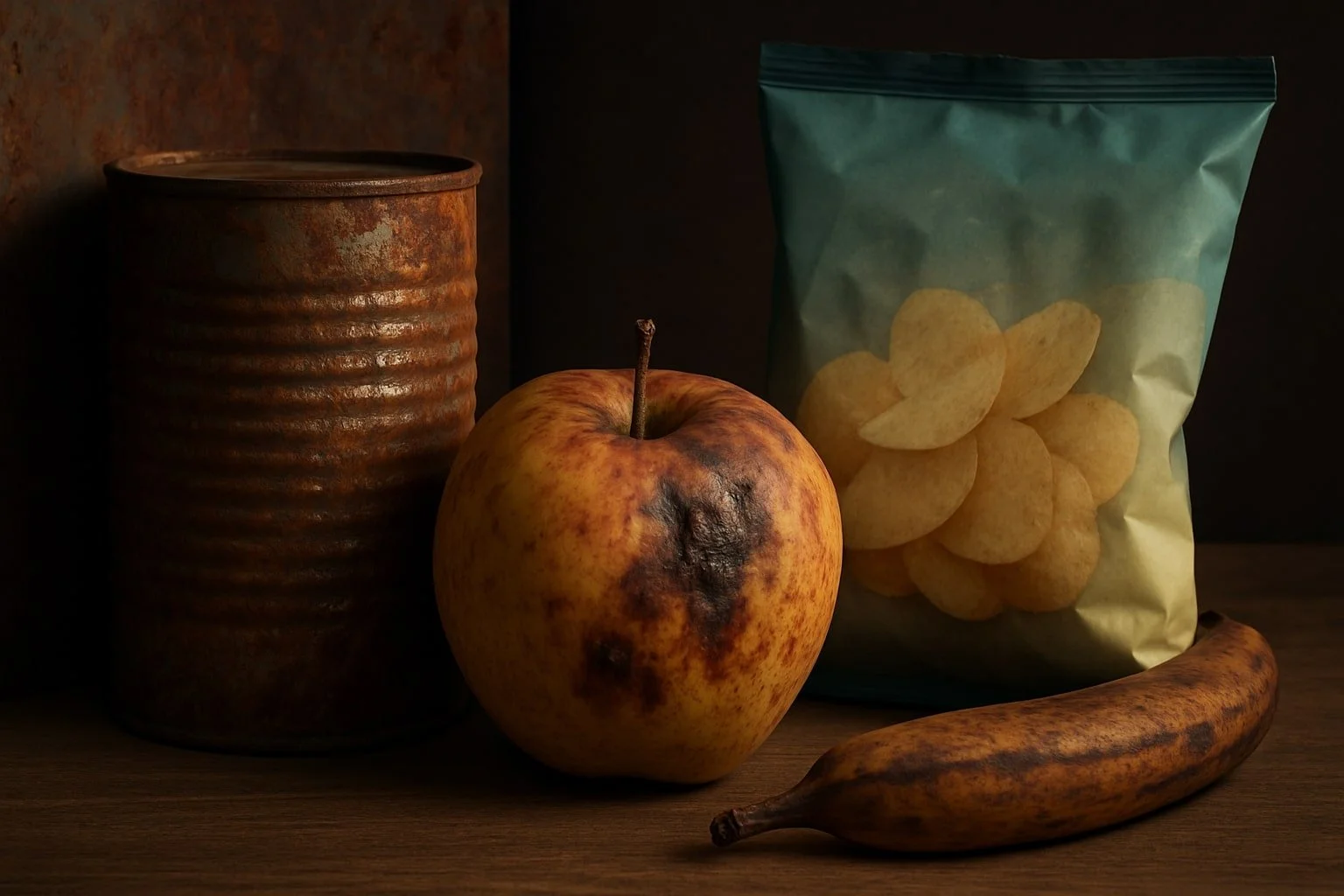
Oxidation is the leading chemical process that quietly shortens the shelf life of many foods, even when they appear fresh and safe. This natural reaction affects oils, fats, and countless packaged products by causing changes in flavor, odor, and nutritional quality. As oxidation progresses, it can impact food safety and consumer health due to the formation of harmful byproducts.
Understanding how oxidation works and why it poses a major challenge in food storage is essential for anyone interested in longer-lasting, high-quality products. The subtle yet persistent nature of oxidation often makes it difficult to detect until it’s too late, leading to waste and increased costs.
By recognizing the signs and effects of oxidation, consumers and food producers alike can take steps to slow this process and extend the usable life of their products.
Understanding Oxidation and Shelf Life
Oxidation is a key factor that limits the shelf life of many foods, directly impacting quality, flavor, and safety. The relationship between chemical reactions and product degradation reveals why understanding oxidation is essential in maintaining food industry standards.
What Is Oxidation?
Oxidation is a chemical reaction where molecules, especially fats and oils, react with oxygen. This process can result in the formation of off-flavors, unpleasant odors, and loss of nutritional value in foods.
Common signs of oxidation in foods include:
Rancid smell or taste in oils and fats
Discoloration of fruits and vegetables
Texture changes in baked products
Several factors influence oxidation rates, such as the presence of light, heat, and metal ions. High temperatures and exposure to air accelerate oxidative reactions, especially in products rich in unsaturated fats.
Defining Shelf Life
Shelf life refers to the time period during which a food product maintains acceptable quality and safety under specific storage conditions. This period is determined by physicochemical, microbiological, and sensory criteria.
Main factors affecting shelf life:
Factor Example Moisture Bread molding pH Juice spoilage Oxygen exposure Oil rancidity Storage temperature Dairy spoilage
Setting shelf-life limits involves monitoring changes that consumers can detect or that affect safety, such as taste, appearance, and nutrient loss. In practice, shelf life is routinely evaluated through laboratory testing and real-time storage studies.
Relationship Between Oxidation and Shelf Life
Oxidation is often the major process limiting the shelf life of food products, particularly those high in fats and oils. As oxidative changes progress, they degrade the sensory and nutritional qualities that define food acceptability.
When assessing shelf life, food manufacturers track oxidative indicators, like peroxide values or sensory changes, to determine when a product becomes unacceptable. Preventing or delaying oxidation, by using antioxidants or modified atmosphere packaging, can significantly prolong the shelf life and protect food quality.
The food industry continuously seeks strategies to control oxidation, recognizing that maintaining oxidative stability helps preserve product value, consumer trust, and safety.
Mechanisms of Oxidation in Foods
Oxidation in foods is a complex process that affects multiple types of molecules, leading to changes in flavor, aroma, texture, and nutritional value. It commonly targets fats, proteins, and carbohydrates through distinct chemical pathways.
Lipid Oxidation
Lipid oxidation mainly affects fats and oils, especially those rich in unsaturated fatty acids. The process starts with the formation of free radicals, often initiated by pro-oxidants such as metal ions, heat, or light. These free radicals attack double bonds in unsaturated fatty acids, creating hydroperoxides.
As oxidation continues, secondary products form, such as aldehydes and ketones, which are responsible for rancid odors and off-flavors. The main steps of lipid oxidation include:
Initiation: Oxygen reacts with fatty acids to form free radicals.
Propagation: These radicals react with other lipids, spreading the chain reaction.
Termination: Stable molecules are formed, but many are undesirable.
Oxidation of lipids reduces shelf life and can deplete fat-soluble vitamins.
Protein and Amino Acid Degradation
Proteins and amino acids are also susceptible to oxidation. Reactive oxygen species can attack amino acid side chains, especially those containing sulfur, such as cysteine and methionine. This leads to the formation of disulfide bonds, fragmentation, or cross-linking between protein molecules.
These molecular changes cause texture alteration, loss of solubility, and can compromise the nutritional quality of the food. In meat, for example, protein oxidation contributes to off-flavors and can affect tenderness and water-holding capacity.
Antioxidants can slow protein oxidation, but exposure to pro-oxidants like iron or copper often accelerates the deterioration.
Oxidation of Carbohydrates
Carbohydrates are generally less susceptible to oxidation than lipids or proteins, but they can undergo oxidative degradation, especially under certain conditions. Oxidation can break down monosaccharides and polysaccharides, sometimes catalyzed by metal ions or enzymes such as glucose oxidase.
This process may lead to changes in color, texture, and the formation of undesirable compounds. For instance, browning in dried fruit and Maillard-type reactions can be linked to carbohydrate oxidation in the presence of amino acids.
While not always the primary cause of shelf life loss, carbohydrate oxidation can contribute to quality decline during storage, especially in high-sugar foods.
Factors Affecting Oxidative Stability
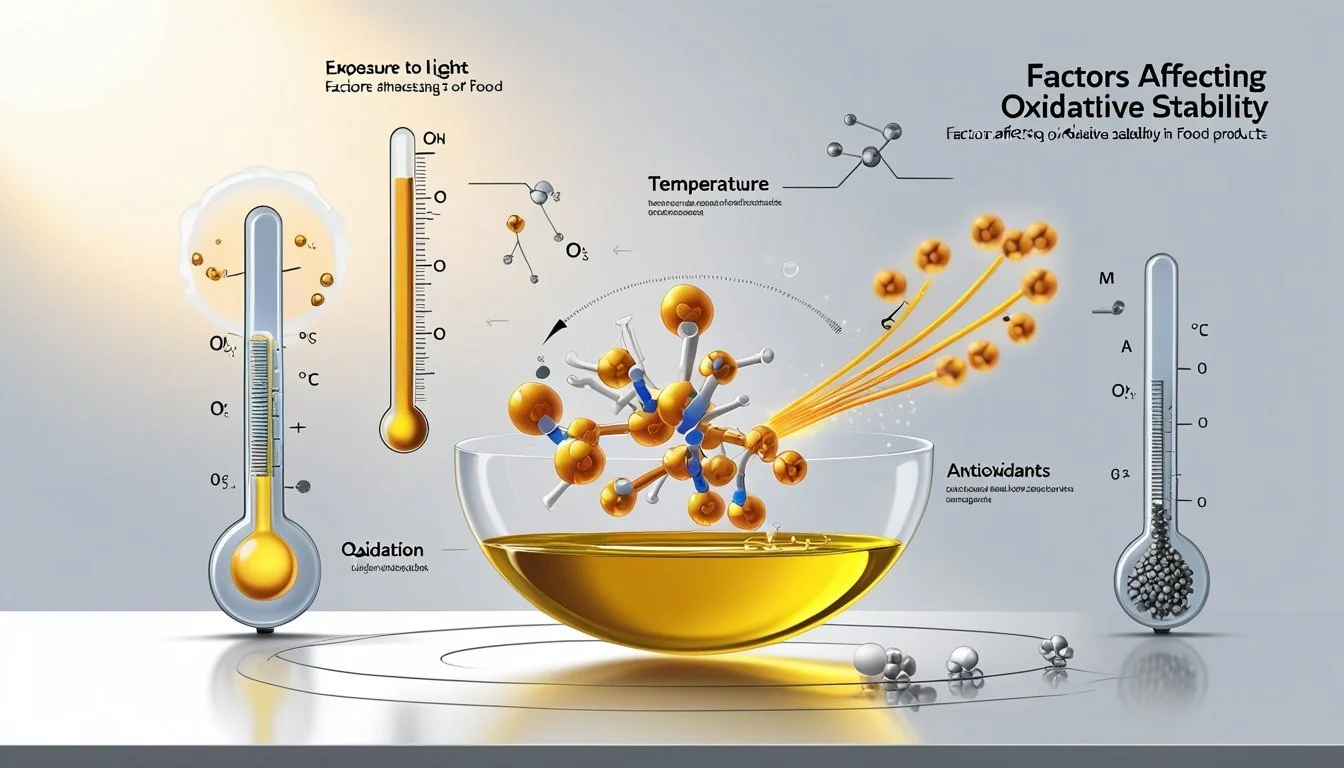
Several variables, including environmental conditions and packaging choices, directly impact oxidative stability in foods. Managing these can slow oxidation and extend shelf life.
Role of Water Activity
Water activity (aw) measures the free moisture available in a product. It significantly influences the rate of oxidation in foods. At low water activity, lipid oxidation can accelerate because less water is available to act as a barrier between reactants.
As aw increases, certain reactions may be inhibited because water can dilute pro-oxidant compounds. However, too much water activity can favor microbial growth, introducing new oxidative processes. Control of humidity is essential in food storage environments to keep water activity within optimal ranges.
A typical water activity target for dry snack foods is below 0.6, while bakery items often range from 0.7–0.9. Keeping within these limits helps minimize both lipid oxidation and microbial spoilage.
Impact of Light and Temperature
Exposure to light, especially UV and visible light, accelerates oxidative reactions. Light acts as a trigger for photo-oxidation, generating free radicals that break down fats, vitamins, and colorants in products like oils and dairy.
Temperature also plays a crucial role. Higher temperatures increase molecular mobility, allowing oxygen to react more easily with food components. Oxidative stability typically decreases sharply as temperature rises above ambient levels.
A comparison:
Factor Effect on Oxidation Rate Light Increases High Temp Increases Cool, Dark Decreases
Proper storage conditions, such as cool and dark environments, help limit these accelerated oxidative processes.
Influence of Packaging Materials
Packaging design strongly affects oxidative stability by controlling oxygen exposure. Materials like metallized films and coated plastics offer high oxygen barriers and help maintain product freshness.
Common packaging types:
Metallized films: Excellent oxygen and light barrier
High-barrier plastics: Moderate oxygen resistance; sometimes combined with scavengers
Paper-based packaging: Poor oxygen barrier; not suitable for sensitive foods
Vacuum and modified-atmosphere packaging remove or replace oxygen in the headspace, further reducing oxidation. Selecting packaging according to the food's sensitivity and expected shelf life is a primary step in ensuring oxidative stability.
Consequences of Oxidation in Food Products
Oxidation in food leads to negative outcomes such as rancidity, loss of nutrients, undesirable appearance, and the formation of harmful substances. These effects reduce product quality, consumer acceptance, and can also introduce safety concerns.
Rancidity and Off-Flavors
One of the most immediate consequences of oxidation is the development of rancidity, especially in foods containing unsaturated fats and oils. Lipid oxidation produces volatile compounds that are responsible for undesirable odors and off-flavors.
For example, oxidized vegetable oils may start to smell soapy or paint-like, while nuts and snacks lose their characteristic freshness. This shift in flavor and aroma makes the product unappetizing even before spoilage is visibly detected.
The risk of rancidity is a prime reason why many food products are packaged in light-resistant or vacuum-sealed containers. Prevention strategies often rely on antioxidants to slow down these processes and help preserve the original flavor profile.
Visual and Nutritional Changes
Oxidation impacts both the color and nutritional value of many foods. Pigments such as chlorophyll (in vegetables) and myoglobin (in meats) are especially sensitive to oxidative damage, leading to faded colors and an unappealing appearance.
The loss of color can signal decreased freshness or spoilage, affecting consumer choice. In addition, essential vitamins like Vitamin C, E, and A degrade when exposed to oxygen, directly reducing the food's nutritional value.
Oxidative changes in texture may also occur, causing some foods to become dry or tough. Table: Examples of Oxidative Visual and Nutritional Changes
Food Type Visual Effect Nutrient Affected Fruits Browning, fading Vitamin C Meats Brownish-gray color Vitamin A, E Vegetables Dull, yellow tones Carotenoids
Generation of Toxic Compounds
Besides taste and appearance, oxidation can result in the formation of toxic compounds that pose safety risks. In lipid-rich foods, aldehydes and ketones are produced during oxidative spoilage, and some of these substances can be harmful when consumed over time.
Additionally, the breakdown of fatty acids sometimes leads to secondary products that are linked to negative health effects. For instance, the formation of certain peroxides and polymers has been associated with cellular damage.
Prolonged exposure to oxidized foods can contribute to inflammation or other health issues, particularly if consumption is regular. This risk underscores the importance of proper storage and prompt consumption of products prone to oxidation.
Susceptible Foods and Products
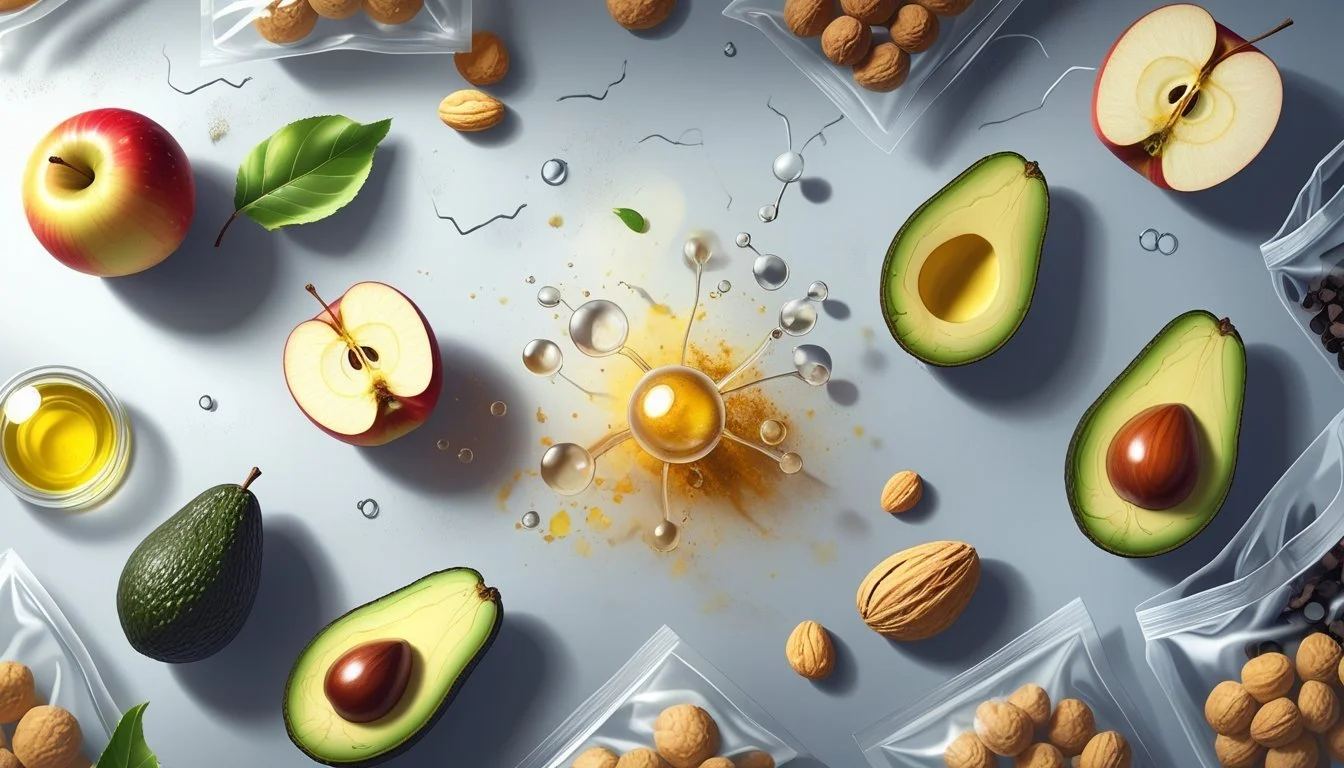
Oxidation alters food quality by affecting flavor, odor, color, and nutritional value. Some foods are more prone to oxidative changes, resulting in a shorter shelf life and increased risk of spoilage.
Meat and Meat Products
Meat and processed meats such as sausages, ham, and bacon are highly vulnerable to oxidative reactions due to their high fat content and the presence of unsaturated fatty acids. Exposure to oxygen, light, and storage above refrigeration temperatures accelerate oxidation.
Key effects include:
Formation of off-flavors and rancid odors
Discoloration of red meats
Loss of essential nutrients, especially fat-soluble vitamins
Myoglobin and hemoglobin in meat react with oxygen, causing browning and quality decline. Packaging meats in vacuum or using oxygen-barrier films helps delay these changes. Nitrite in cured meats also acts as an antioxidant but does not prevent all oxidative effects.
Bakery Items: Cookies, Crackers, and More
Bakery products such as cookies, crackers, and cakes contain significant amounts of fats, often in the form of added oils and shortenings. These fats, especially when unsaturated, are susceptible to oxidation even at low moisture levels.
Low water activity in baked goods does not prevent oxidation. Instead, the surface lipids undergo gradual oxidative deterioration that leads to off-flavors and textural changes.
Packaged bakery items are often protected with antioxidants or oxygen absorbers, but improper storage or prolonged shelves accelerate rancidity. Stale flavors and a loss of crispness are common signs of oxidation in these foods.
Fats and Oils
Pure fats and oils are among the most oxidation-prone food components, especially those rich in polyunsaturated fatty acids like sunflower, soybean, and fish oils. Exposure to air, light, and high temperatures rapidly accelerates their deterioration.
Common symptoms of oxidation in fats and oils:
Rancid taste and smell
Discoloration
Decreased nutritional quality
Refined oils often contain antioxidants, both natural (vitamin E) and synthetic (BHA, BHT), to slow down degradation. Transparent packaging and frequent opening of containers increase exposure, leading to faster oxidation and reduced shelf life.
Low-Moisture Foods
Low-moisture foods such as breakfast cereals, powdered milk, instant noodles, and nuts may appear stable, but oxidation still limits their shelf life. Surface lipids, which are exposed to oxygen, are primarily responsible for staling and loss of freshness.
Table: Examples of Low-Moisture Foods at Risk of Oxidation
Food Type Examples Common Oxidative Changes Breakfast cereals Corn flakes, granola Off-flavors, loss of crunch Powdered dairy Milk powder, infant formula Stale smell, texture change Snack foods Chips, pretzels Rancid taste, dry mouthfeel Nuts & seeds Almonds, sunflower seeds Bitter taste, discoloration
While low water content inhibits microbial spoilage, it does not prevent oxidative rancidity. Proper packaging and storage in cool, dark conditions are important to slow down these changes and maintain food quality.
Prevention and Control of Oxidation
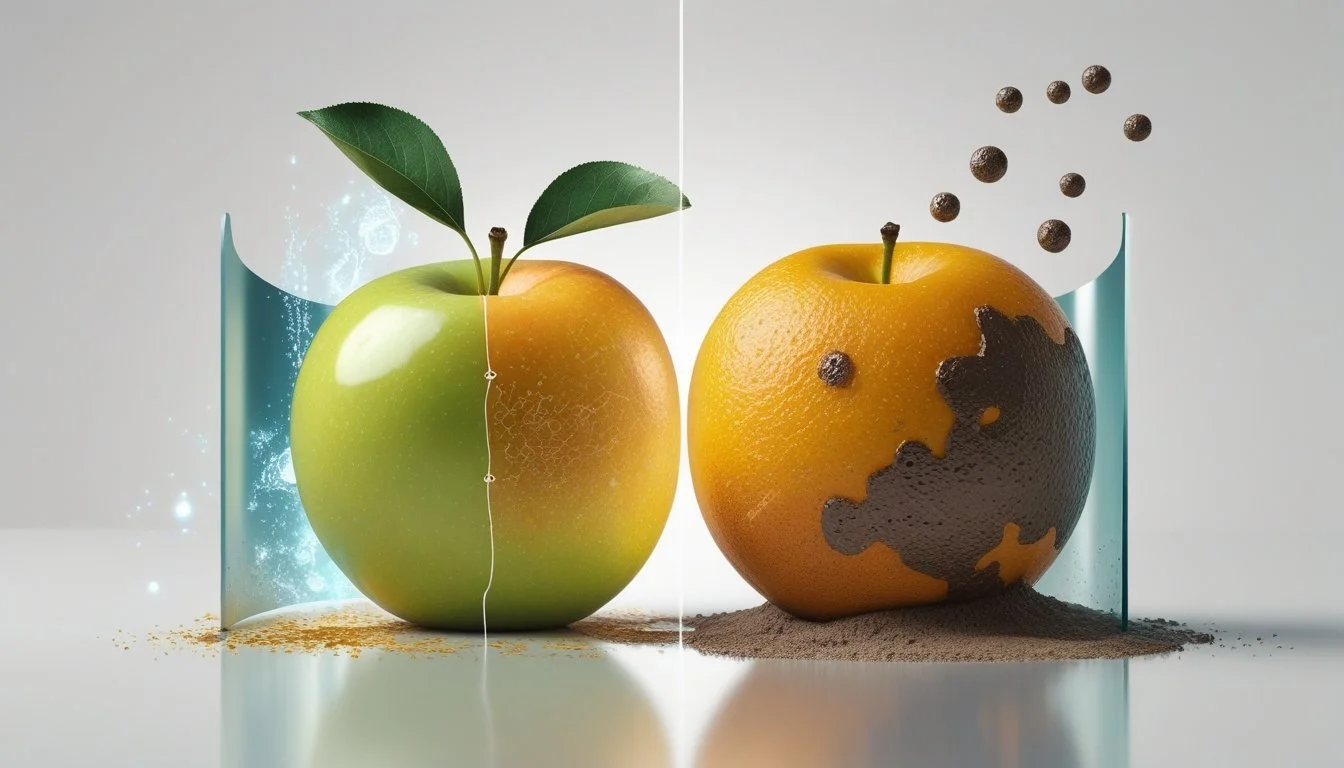
Reducing oxidation in foods and other products requires a combination of chemical, physical, and technological strategies. The most effective approaches target oxygen exposure, interrupt oxidative reactions, and limit the action of damaging free radicals.
Use of Antioxidants
Antioxidants are molecules that slow or inhibit oxidation by neutralizing free radicals. They are added to foods, oils, and other products to help prevent rancidity, off-odors, and nutrient loss. Both natural antioxidants (such as vitamin E, ascorbic acid, and rosemary extract) and synthetic antioxidants (such as BHA and BHT) are commonly used.
Synthetic antioxidants like butylated hydroxyanisole (BHA) and butylated hydroxytoluene (BHT) are effective at low concentrations, but their use is regulated due to consumer health concerns and labeling requirements. Natural antioxidants are often preferred in clean-label products and can be used alone or in combination for a wider spectrum of protection.
The choice and amount of antioxidant depend on product type, fat content, processing method, and intended shelf life. The impact of antioxidants is enhanced when products are protected from heat, light, and air exposure.
Microencapsulation Techniques
Microencapsulation involves coating sensitive ingredients, such as vitamins, fatty acids, or flavors, with a thin protective shell. This technique isolates the core materials from oxygen, moisture, and other pro-oxidant conditions. Encapsulating agents can include proteins, gums, polysaccharides, or lipids.
Microencapsulation can significantly delay oxidation of oils and sensitive nutrients by forming a barrier that only breaks down under specific conditions, such as in the digestive tract. The controlled release of encapsulated substances also helps retain product quality during storage and processing.
Common applications include encapsulated omega-3 oils, powdered flavors, and fat-soluble vitamins in food, beverage, and supplement products. This method is especially useful for extending shelf life without noticeable changes in taste or texture.
Packaging Innovations
Advances in packaging play a key role in minimizing oxidation. Packaging controls oxygen exposure using materials with low oxygen permeability, modified atmosphere packaging (MAP), or vacuum sealing. These techniques reduce the amount of oxygen that contacts the product and slow oxidative reactions.
High-barrier films and foil laminates are widely used to protect oils, nuts, and processed foods. Active packaging systems may include oxygen scavengers or sachets that absorb residual oxygen within the package. Some packages also incorporate light barriers to prevent photo-oxidation.
Proper sealing and the use of inert gases like nitrogen further help slow the oxidation process. The right combination of packaging design and material selection is essential for preserving product freshness and extending marketable shelf life.
Types of Antioxidants in the Food Industry
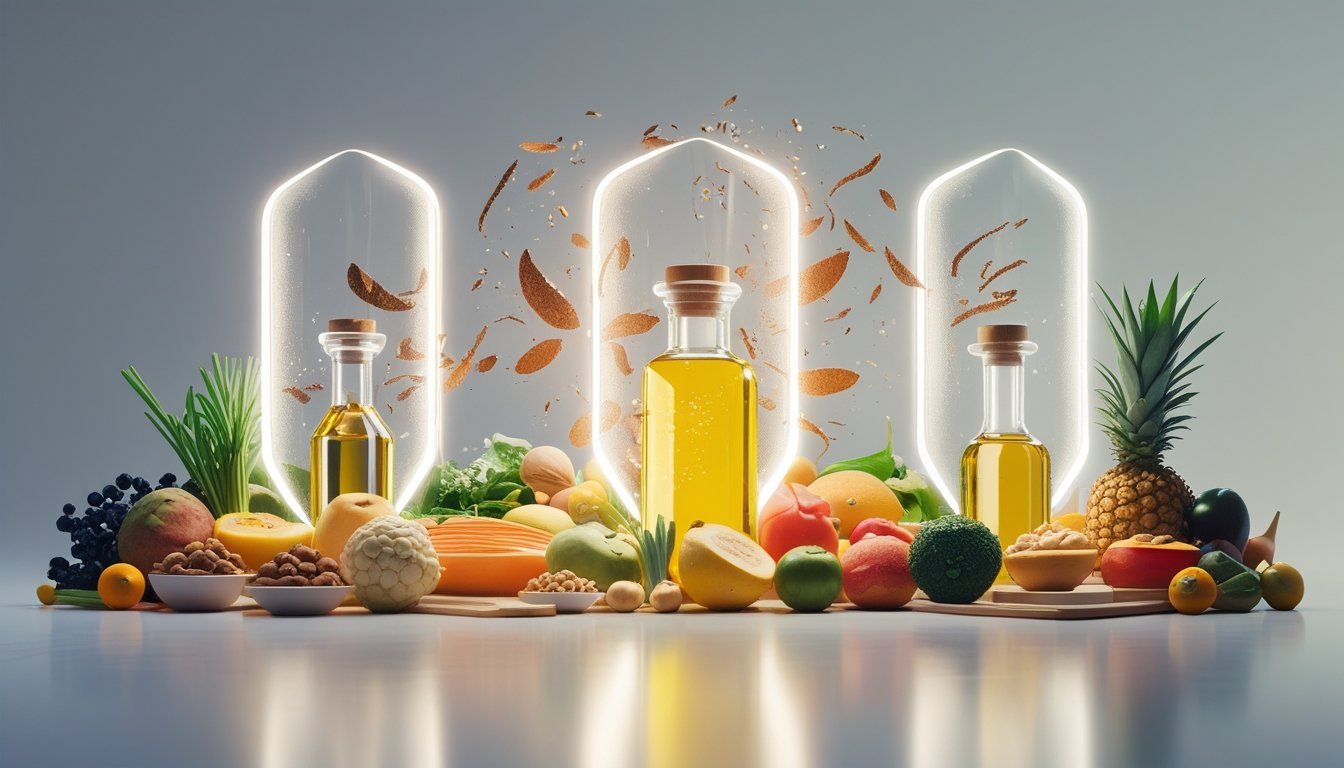
Antioxidants are added to foods to prevent oxidative damage, helping to maintain quality and extend shelf life. In the food industry, both synthetic and natural antioxidants play important roles, each with distinct properties and uses.
Synthetic Antioxidants: BHA and BHT
Synthetic antioxidants are often used in processed foods due to their effective stability and ability to prevent rancidity. Two of the most common are Butylated Hydroxyanisole (BHA) and Butylated Hydroxytoluene (BHT).
BHA and BHT are typically found in products such as cereals, snack foods, and certain fats and oils. They work by interfering with the oxidation process at the molecular level, blocking free radical formation. This action helps minimize the development of off-flavors and maintains texture in packaged foods.
The use of BHA and BHT is regulated, with maximum limits set by food safety authorities. Some consumers express concerns about synthetic antioxidants, prompting efforts to monitor and reassess their safety through scientific studies. Despite debate, they remain standard additives due to their proven effectiveness.
Natural Antioxidants and Vitamins
Natural antioxidants are increasingly popular because of consumer interest in cleaner ingredient labels and perceived health benefits. Key natural antioxidants include tocopherols (vitamin E), ascorbic acid (vitamin C), carotenoids, flavonoids, and plant extracts such as rosemary and green tea.
These compounds are sourced from fruits, vegetables, spices, and herbs. They can serve dual functions in food, helping to delay spoilage while also contributing nutritive value. For example, tocopherols are added to vegetable oils, while ascorbic acid is used in beverages and cured meats.
Many natural antioxidants also act as chelators of metal ions or scavengers of free radicals. They are often labeled as “clean label” ingredients, appealing to manufacturers and consumers seeking alternatives to synthetic additives.
Consumer Perception and Market Demand

Modern consumers expect food products to offer not just convenience and safety, but also maintain quality for a reasonable shelf life. Oxidation, as a cause of food spoilage, has led to changing expectations and solutions in packaging and ingredient choices.
Impact on Food Quality and Acceptance
The presence of oxidation can lead to off-flavors, rancidity, color changes, and a decline in nutritional value. Shoppers typically associate these negative sensory changes with lower product quality, often resulting in reduced acceptance and trust in a brand.
A survey of consumer preferences highlights food safety and freshness as top priorities. Spoilage indicators—such as bad odor or discoloration—have been shown to drive consumers away from products, even if they are still technically safe to consume.
Research also shows that packaging technology plays a key role; improved oxygen barriers and smart packaging approaches are increasingly valued in the marketplace for their ability to limit oxidation.
Brands seen as prioritizing shelf life through effective oxidation control often achieve higher consumer loyalty. As a result, food producers and packagers are increasingly responsive to demands for greater transparency and quality assurance.
Trends Toward Natural Solutions
The demand for foods free from synthetic additives has powered a shift toward natural antioxidants, such as tocopherols, rosemary extract, and vitamin C. Consumers perceive natural solutions as safer and more aligned with health and sustainability goals.
Table: Common Natural Antioxidants and Their Sources
Antioxidant Natural Source Tocopherols Vegetable oils Ascorbic Acid Fruits and vegetables Rosemary Extract Herbs
Natural antioxidants are marketed as clean label ingredients that help extend shelf life without compromising food safety. Innovations in sustainable packaging also align with these trends, using materials that reduce environmental impact while addressing concerns over oxidation.
Edible coatings and bio-based packaging technologies are further examples of approaches developed in response to market demand. These methods aim to slow oxidation naturally, matching both environmental expectations and health-conscious preferences in the food sector.
Health Implications of Food Oxidation
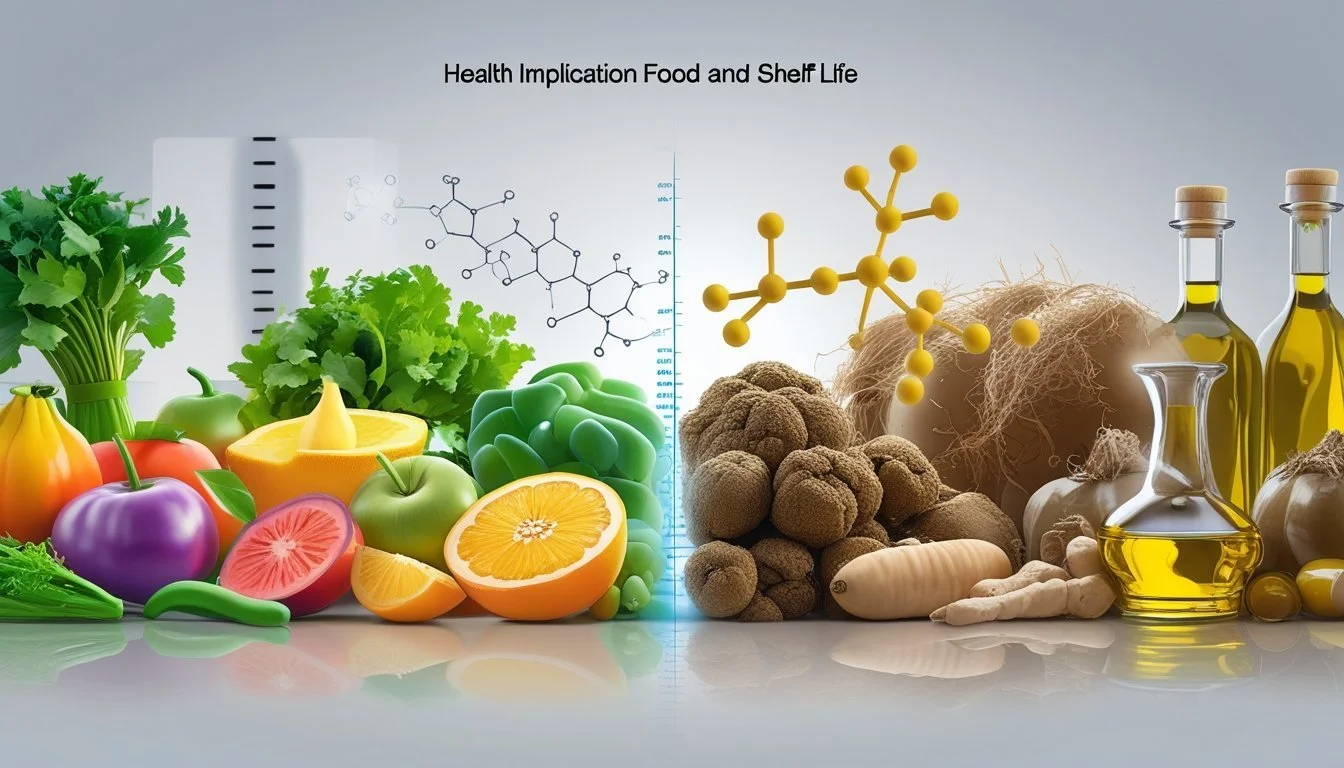
Oxidation in foods leads to chemical changes that can negatively affect both nutritional value and safety. Exposure to oxidized foods is associated with the formation of toxic compounds and has been linked to increased health risks.
Potential for Chronic Diseases
Oxidation of oils and fats in foods can produce harmful byproducts such as aldehydes and free radicals.
These compounds can damage cells and contribute to inflammation in the body.
Research indicates that oxidative stress is a risk factor for chronic diseases, including cardiovascular disease, certain cancers, and neurodegenerative conditions. When LDL cholesterol undergoes oxidation, it is more likely to build up in artery walls, raising the risk of atherosclerosis.
Consuming oxidized foods over time may increase the body’s overall oxidative burden. People who regularly eat foods with oxidized oils—such as old frying oils or rancid snacks—may be at higher risk.
Safety of Oxidation Byproducts
When foods oxidize, they can generate toxic compounds like malondialdehyde, 4-hydroxynonenal, and other reactive molecules. These byproducts may interact with proteins and DNA, potentially leading to cellular damage.
Some oxidation byproducts have been studied for their possible toxic and mutagenic effects. For example:
Byproduct Potential Effect Malondialdehyde DNA damage, toxicity 4-Hydroxynonenal Cellular dysfunction
Regulatory authorities have set limits for some of these byproducts in foods, but monitoring is not always comprehensive. The risks are higher in foods left at room temperature for extended periods or repeatedly heated oils.

