
Are Dehydrated Foods the Future of Shelf Life?
Exploring Longevity and Convenience
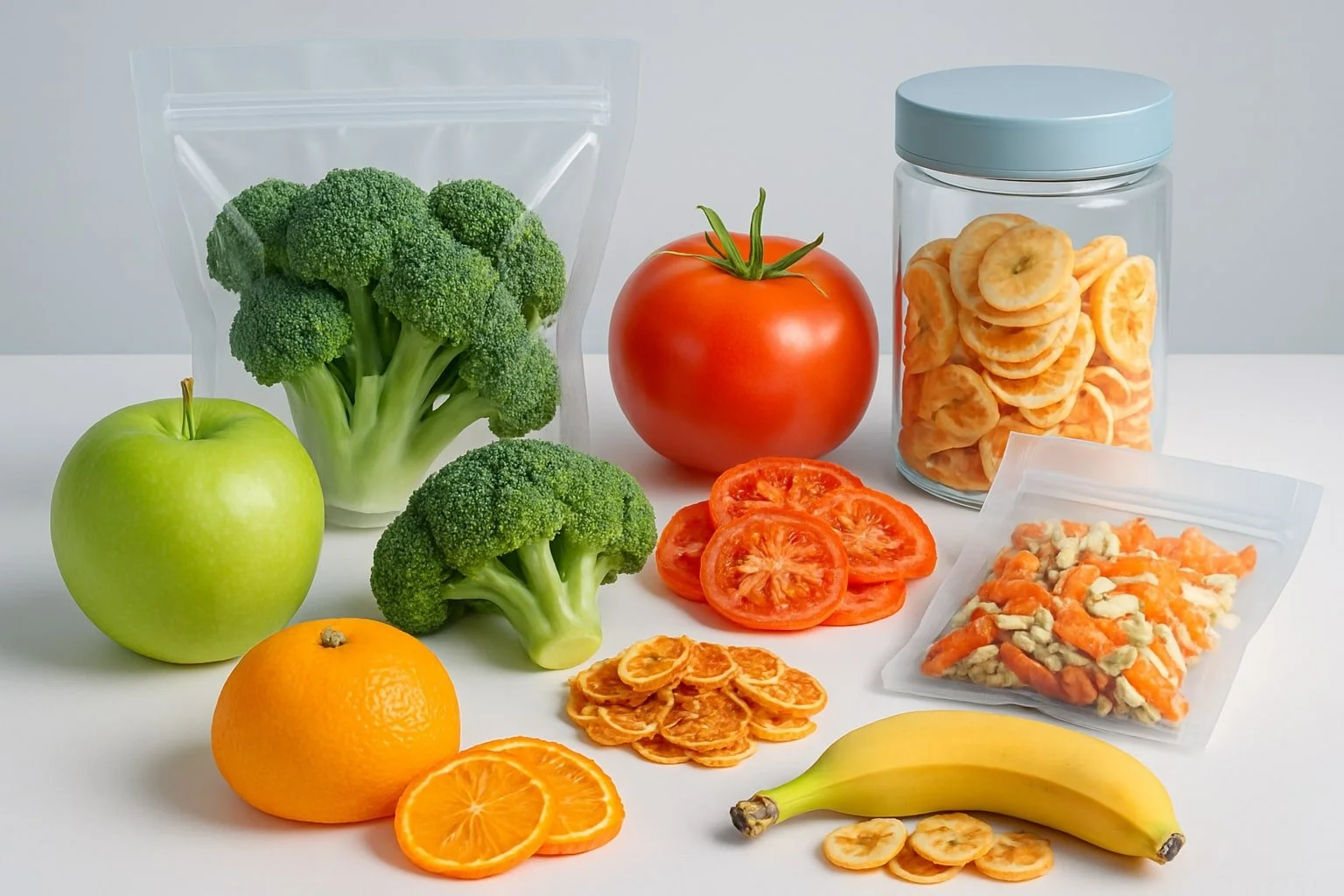
Dehydrated foods have a significantly longer shelf life compared to many other preserved foods, making them an appealing choice for those seeking reliable food storage solutions. As interest in food security and waste reduction grows, more people are turning to dehydration for its ability to keep foods edible for months or even years when stored properly. Dehydrated fruits, vegetables, and even meats offer practical options for households and emergency supplies.
The main reason dehydrated foods stand out is their low moisture content, which slows spoilage and reduces the risk of mold or bacteria growth. The actual shelf life depends on the type of food and how it is packaged, but some dehydrated items can last from several months up to over a decade. This blend of longevity and convenience raises a key question: could dehydrated foods redefine how society thinks about shelf life and food storage?
Understanding Dehydrated Foods
Dehydrated foods are produced by removing most or all of their moisture, making them lightweight and long-lasting. This approach to food preservation supports practical storage, transportation, and stable shelf life for everyday use and emergency situations.
What Are Dehydrated Foods
Dehydrated foods are products—such as fruits, vegetables, meats, or full meals—where water content has been intentionally reduced through drying processes. This removal of moisture limits the growth of bacteria, yeast, and mold, allowing the food to last much longer than fresh or even many processed food options.
Common methods include air drying, sun drying, and blast drying. Each procedure varies in temperature and speed, but all aim to create a product that is easy to store and safe to consume for extended periods.
Dehydrated vegetables, freeze-dried fruits, and ready-to-eat meals are widely produced for both home kitchens and outdoor adventure markets. They retain much of their original nutritional value and flavor, making them attractive for various uses.
History of Food Dehydration
The history of food dehydration dates back thousands of years. Ancient civilizations like the Egyptians and Chinese used the natural heat from the sun to dry fruits and vegetables, making it one of the earliest known methods of food preservation.
Throughout the centuries, dehydration techniques evolved. By the 18th and 19th centuries, new inventions allowed for faster and more consistent results, supporting expanding trade and longer storage of staple foods.
Modern dehydration incorporates technological advancements like freeze-drying, which helps maintain texture and nutrients in foods. This has led to a significant role for dehydrated foods in military rations, space missions, and consumer-ready processed foods today.
Popular Types of Dehydrated Foods
A wide range of foods is available in dehydrated form. Common examples include:
Dehydrated vegetables: carrots, peas, potatoes, onions
Freeze-dried fruits: strawberries, apples, blueberries
Ready-to-eat meals: instant soups, stews, pasta dishes
These foods are packaged for both retail and emergency supply markets. They are favored for their lengthy shelf life, minimal storage requirements, and the convenience they offer in daily cooking or during travel.
Dehydrated foods also support diets with specific shelf life needs, allergy considerations, or ingredient control. Their prevalence in hiking packs, disaster kits, and even gourmet cooking shows their versatility and broad appeal.
Preserving Shelf Life and Nutritional Value
Dehydration is a practical method for increasing how long food lasts while helping maintain its essential nutrients. The process affects not only shelf life but also how well vitamins and minerals are preserved until consumption.
How Dehydration Extends Shelf Life
Dehydrating food significantly reduces its moisture content, which is the main factor in microbial growth and spoilage. Bacteria, molds, and yeasts need water to thrive; removing most of this water limits their ability to multiply.
Foods that normally spoil within days can last months or even years after proper dehydration. The extended shelf life is most effective when foods are stored in airtight containers, such as glass jars or vacuum-sealed bags, and kept in a cool, dark place.
Freeze-dried products can maintain their flavor and smell while remaining shelf-stable. However, actual shelf life can vary based on storage conditions, the type of food, and the drying method used.
Nutrient Retention in Dehydrated Foods
Dehydration preserves much of a food’s nutritional value, especially when lower temperatures are used. Some nutrients, such as carbohydrates, proteins, and minerals, remain largely intact throughout the process.
Vitamin content is more sensitive, but by minimizing exposure to heat and light, significant losses can be avoided. Choosing the right storage method—using lightproof containers and stable, low temperatures—further protects a food’s nutrients.
It is important to note:
Losses may occur in Vitamin C and some B vitamins
Minerals (like calcium and iron) are minimally affected
Protein and carbohydrate content stays stable
Vitamin and Mineral Stability
Vitamins A, C, and B-complex are most susceptible to loss during dehydration, particularly when foods are exposed to high temperatures or prolonged drying times. For example, Vitamin C may decrease by up to 50%, while minerals stay nearly unchanged.
Storing dehydrated foods away from light and heat slows down further vitamin degradation over time. Freeze drying, a form of dehydration using low temperatures and vacuum, typically protects vitamins better than high-heat drying techniques.
Retention rates for essential minerals like potassium, calcium, and magnesium remain high, supporting the long-term nutritional value of dehydrated foods. The stability of these nutrients is a key advantage for those seeking sustainable, long shelf life food options.
Dehydration Methods and Food Technology
Dehydration uses different techniques to remove moisture from food, preventing spoilage and enabling long-term storage. Each method impacts food texture, nutrient content, and practicality for commercial or home use.
Air Drying and Spray Drying
Air drying is one of the oldest and most accessible dehydration methods. It involves exposing foods to warm, circulating air, either naturally in open environments or with mechanical dryers. This process lowers moisture through evaporation, reducing microbial growth and extending shelf life.
Spray drying differs by atomizing liquid food into fine droplets and then drying these in a stream of hot air. It is widely used for milk powder, instant coffee, and flavorings. This method is quick and preserves many nutrients but can cause volatile flavor loss due to high temperatures.
Method Form Used Typical Products Main Advantage Air Drying Solid Fruits, vegetables Simple, low-cost Spray Drying Liquid/suspension Milk, coffee, powders Rapid, scalable
While both techniques depend on heat, spray drying generally offers faster processing and better product uniformity, especially for large-scale manufacturers.
Freeze Drying and Sublimation
Freeze drying, also called lyophilization, removes moisture from food by freezing it and then causing water to sublimate directly from ice to vapor under vacuum. This process preserves the structure, color, and most vitamins of foods. Textures remain more natural compared to traditional drying, making freeze-dried fruits, vegetables, and meals popular for snacking and emergency rations.
Sublimation is the phase transition at the heart of freeze drying, ensuring nearly all water is removed without melting the ice first. This precision keeps cellular structures mostly intact. The downside is higher energy use and equipment costs, which can limit accessibility for small producers.
Freeze drying is valued for shelf life extension, lightweight food products, and retention of original taste and nutrition. It is common in the production of astronaut foods, premium snacks, and pharmaceuticals.
Advancements in Food Processing
Recent developments in food technology have driven dehydration efficiency and product quality. Osmotic dehydration uses concentrated solutions to draw water out of sliced foods, which minimizes heat damage and helps preserve colors and nutrients. This process is often combined with traditional air drying or freeze drying to speed up dehydration.
Food processors now use advanced sensors, automated controls, and microencapsulation techniques to optimize dehydration. These technologies help retain flavors, stabilize nutrients, and ensure consistency. Energy-saving systems and improved airflow design have also reduced operational costs in large-scale drying plants.
Innovation in food drying broadens options for manufacturers and consumers by delivering shelf-stable foods while maintaining as much of their natural qualities as possible.
Consumer Perspectives and Market Trends
Dehydrated foods are seeing increased interest due to their longer shelf life, ease of storage, and evolving retail landscapes. Shifts in consumer expectations and the growth of digital shopping options are impacting how these products are produced, marketed, and consumed.
Consumer Demands for Convenience
Consumers are prioritizing foods that require minimal preparation and can be stored for extended periods. Busy lifestyles and smaller households have made single-serve and instant meal solutions more appealing.
Dehydrated foods fit these needs by delivering products that are lightweight and do not require refrigeration. Options such as soup mixes, ready-to-eat snacks, and meal kits offer reliability for both everyday use and emergencies. The ability to quickly rehydrate products using common appliances, like the Instant Pot, adds further appeal.
Consumers are increasingly aware of nutritional content. Many dehydrated products now advertise preserved nutrients and clean labels, responding to shoppers’ desire for healthier convenience foods.
Global Dehydrated Vegetables Market
The global market for dehydrated vegetables has expanded steadily due to demand from both retail consumers and food manufacturers. According to recent forecasts, the dehydrated food sector will reach significant market value—estimates for 2025 project the industry at over $260 billion, with vegetables representing a key category.
Major growth drivers include the need for year-round availability of seasonal produce and reduction in food waste. Processed and packaged vegetable solutions support both home cooking and foodservice operations. Product innovation, including organic and plant-based dehydrated offerings, is attracting new customer segments.
Markets in North America, Europe, and Asia-Pacific are showing especially strong adoption. As international trade in shelf-stable foods increases, dehydrated vegetables are becoming a standard choice for both developed and emerging markets.
Retail and E-Commerce Channels
Retail and e-commerce are reshaping how dehydrated foods reach consumers. Supermarkets, specialty stores, and online platforms give buyers more access to diverse brands and product formats.
Online sales have surged as shoppers seek both bulk and specialized options from home. Brands now use e-commerce channels to sell directly, highlight product certifications, and launch new innovations rapidly. Subscription boxes and meal kit services often feature dehydrated components for added convenience.
Traditional retailers also adapt by dedicating more shelf space to shelf-stable convenience foods. Partnerships between food manufacturers and retailers support market expansion, ensuring that dehydrated products remain visible and accessible across different sales channels.
Dehydrated Foods and Sustainability
Dehydrated foods offer several advantages related to sustainability and environmental impact. These benefits include minimizing food waste, lowering carbon emissions during transportation, and enabling the use of more environmentally-friendly packaging materials.
Reducing Food Waste
Dehydration extends the shelf life of fruits, vegetables, meats, and prepared meals by removing moisture—one of the main causes of spoilage. By inhibiting microbial growth and slowing enzymatic reactions, dehydration preserves food quality and nutrition for months or even years.
Households and producers frequently use dehydration to save overripe, surplus, or cosmetically imperfect produce that might otherwise be discarded. For example, turning aging apples or wilting spinach into snacks or powders prevents loss and converts potential waste into usable products.
Industrial-scale dehydration further reduces food waste in supply chains by allowing manufacturers and distributors to process large quantities of perishable foods without the immediate risk of spoilage. As a result, more harvested crops reach consumers, reducing the environmental burden of wasted food.
Lower Carbon Footprint
Dehydration significantly reduces the weight and volume of foods by removing water, making transportation and storage more efficient. Lighter, smaller packages consume less fuel during shipping and take up less space in warehouses and stores.
This lower mass leads to reduced greenhouse gas emissions compared to fresh or frozen counterparts, especially for foods shipped over long distances. The energy used in dehydration is often offset by the energy savings during transport, handling, and storage.
Additionally, some producers use renewable energy sources for drying processes, further cutting the carbon footprint associated with dehydrated foods. This step aligns with broader efforts to make food production and distribution less resource-intensive.
Sustainable Packaging Approaches
Because dehydrated foods are less sensitive to temperature changes and remain stable for longer, they do not require specialized packaging like chilled or vacuum-sealed options common with fresh products. This flexibility enables the use of lighter, recyclable, or compostable packaging materials.
Some companies have adopted biodegradable films, recyclable plastic bags, or reusable containers for dehydrated goods, reducing packaging waste compared to other preserved foods. Bulk packaging also becomes more feasible, lowering per-unit material usage.
Furthermore, the extended shelf life offered by dehydration reduces the likelihood that food will spoil before it is eaten, cutting down on both food and packaging waste in retail and home settings. Through these packaging innovations, dehydrated foods contribute to more sustainable consumption patterns.
Applications in Modern Food Industry

Dehydrated foods play a growing role in extending shelf life, conserving resources, and maintaining food quality in diverse industry settings. Their stability, portability, and versatility make them critical throughout supply chains, from emergency stockpiles to highly specialized nutrition products.
Long-Term and Emergency Food Storage
Dehydrated products are widely used for long-term storage because removing moisture significantly reduces the risk of spoilage. Foods such as powdered milk, dried fruits, grains, and soup mixes can last for months or even years when stored in airtight containers. This makes them ideal options for both households and organizations planning for emergencies or fluctuating supply scenarios.
Government agencies, disaster relief groups, and military organizations often rely on dehydrated food supplies. The reduced weight and compact form help with transport and storage in bulk. Many consumers also use them for preparedness kits and for provisioning in remote or high-risk locations.
Preservation of taste, texture, and nutritional value is a key advantage. Modern dehydration techniques ensure that the food retains much of its original character, making it both practical and palatable when rehydrated.
Use in Food Service and Ready-to-Eat Meals
The food service industry benefits significantly from dehydrated ingredients. Instant soups, sauces, and gravies can be quickly prepared to meet fluctuating demand, while reducing waste from spoilage. Dehydrated vegetables and proteins are common in catering, reducing prep time and improving inventory management.
Ready-to-eat meals for retail, such as backpacking foods and convenience pouches, often use dehydrated components for shelf stability and ease of preparation. These meals appeal to time-pressed consumers, travelers, and outdoor enthusiasts. Packaging in airtight containers or vacuum-sealed pouches safeguards against moisture and contamination, ensuring product safety throughout distribution.
Table: Common Dehydrated Ingredients in Food Service
Ingredient Common Use Powdered Eggs Baking, scrambled eggs Dried Onions Soups, stews, sauces Dehydrated Beef Ready meals, noodles Milk Powder Desserts, beverages
Infant Formula and Specialized Products
Infant formula production relies heavily on dehydration techniques to concentrate and stabilize essential nutrients. Powders must dissolve easily in water and remain shelf-stable for extended periods. This makes dehydration critical for both safety and nutrition.
Specialized medical foods for individuals with specific dietary needs—such as low-protein or hypoallergenic formulas—frequently utilize dehydrated bases. The extended shelf life ensures these products are available when and where needed, including in hospitals and home care settings.
Packaging standards for these products are highly regulated. Airtight, moisture-resistant containers protect the sensitive nutrients and prevent contamination, meeting strict quality and safety guidelines.
Safety, Quality, and Limitations
Dehydrated foods offer significant advantages in shelf life and transportation, but there are important safety and quality aspects to consider. Production methods, ingredient selection, and storage conditions play key roles in the final product’s reliability and acceptability.
Protection from Microorganisms
Dehydration removes most of the water from food, limiting the growth of bacteria, yeasts, and molds. Microbial activity is sharply reduced as water activity drops, making it harder for spoilage organisms to survive. Lower moisture also helps stop enzymatic reactions that would otherwise lead to deterioration.
The effectiveness of dehydration depends on achieving a sufficiently low moisture content. High-quality processing can lead to long-term stability without refrigeration, which is a major benefit for emergency storage or travel. However, improper dehydration or exposure to moisture during storage can allow pathogens to re-emerge, especially if packaging is inadequate.
Chemical safety is usually maintained, but care must be taken with foods that have higher fat contents, as oxidation can occur even in low-moisture settings. Proper storage in airtight, moisture-proof containers remains essential. Most commercially dehydrated foods go through rigorous monitoring to ensure compliance with food safety standards.
Potential Challenges and Quality Issues
Despite the benefits, some nutrients—especially heat-sensitive vitamins such as vitamin C and some B vitamins—may degrade during the dehydration process. Texture and color can also change, with certain fruits and vegetables darkening or becoming tougher. Loss of volatile compounds may impact aroma and overall flavor.
Rehydration does not always restore the original texture or appearance of the food. In some cases, foods may absorb water unevenly or retain a chewy, dry quality. Processed foods with higher fat contents may also develop off-flavors due to fat oxidation if not properly protected.
Another important limitation is the need for clean water to rehydrate most dried foods, which may not be available in every situation. Additionally, not all foods are suitable for dehydration, such as high-fat or very dense foods, limiting the range of products available. These factors need to be weighed against the convenience and longevity that dehydrated foods provide.
The Future of Shelf Life and Dehydrated Foods
Dehydrated foods are becoming more important as demand grows for products with longer shelf life, lower storage costs, and minimal waste. Ongoing developments in technology, shifting consumer preferences, and changes in food manufacturing practices are shaping this trend.
Innovations and Next-Generation Technologies
Recent advances in dehydration technology focus on improving quality, efficiency, and safety. Vacuum and freeze-drying methods are being refined, allowing for better nutrient retention and textures closer to fresh foods. These technologies are making it possible to preserve a wider range of foods, including those previously difficult to dehydrate.
Sensors and automation are helping food manufacturers monitor and control factors such as temperature and humidity more precisely. This reduces spoilage and increases consistency. Packaging innovations, such as improved oxygen barriers and moisture-proof materials, further protect dehydrated foods from external threats.
New methods also target energy savings, reducing operational costs and environmental impact. As a result, producers can create high-quality dehydrated foods that meet stricter safety standards while lowering waste.
Increasing Consumer Awareness
Consumers are seeking foods that are both convenient and have a long shelf life. Growing interest in emergency preparedness, outdoor activities, and reducing food waste has led more people to explore dehydrated options. Nutrition and ingredient transparency have also risen in importance.
Many shoppers value clear labeling on shelf life and want to know how dehydration impacts nutrients and taste. Brands using factual, easy-to-read information about storage and safety are building trust. Interest in plant-based, minimally processed foods has further boosted demand for dehydrated fruits, vegetables, and snacks.
Social media and online communities are making information about storage techniques and quality preservation more accessible. This is increasing awareness of the benefits and limitations of dehydrated foods in everyday diets.
Outlook for Food Manufacturers
Food manufacturers are adapting their processes to meet the rising demand for longer shelf life and greater convenience. Integrating advanced dehydration equipment enables more efficient production and consistent quality.
Manufacturers are investing in research to extend storage times while maintaining nutrient content and taste. Some companies are offering tailored solutions for specific markets, such as ready-to-use meal kits or lightweight products for travel.
Cost control is a priority. By reducing spoilage and transportation expenses, dehydrated foods help companies remain competitive. Table 1 shows key benefits for manufacturers:
Benefit Impact Long shelf life Reduced waste, increased distribution Lightweight Lower shipping costs Versatility Expands product range
Regulations and consumer safety standards also drive ongoing improvements. Manufacturers that stay ahead of these trends position themselves well for future market changes.

