
Consumer Behavior and the Fear of Old Food
Understanding Causes and Impacts on Purchasing Decisions
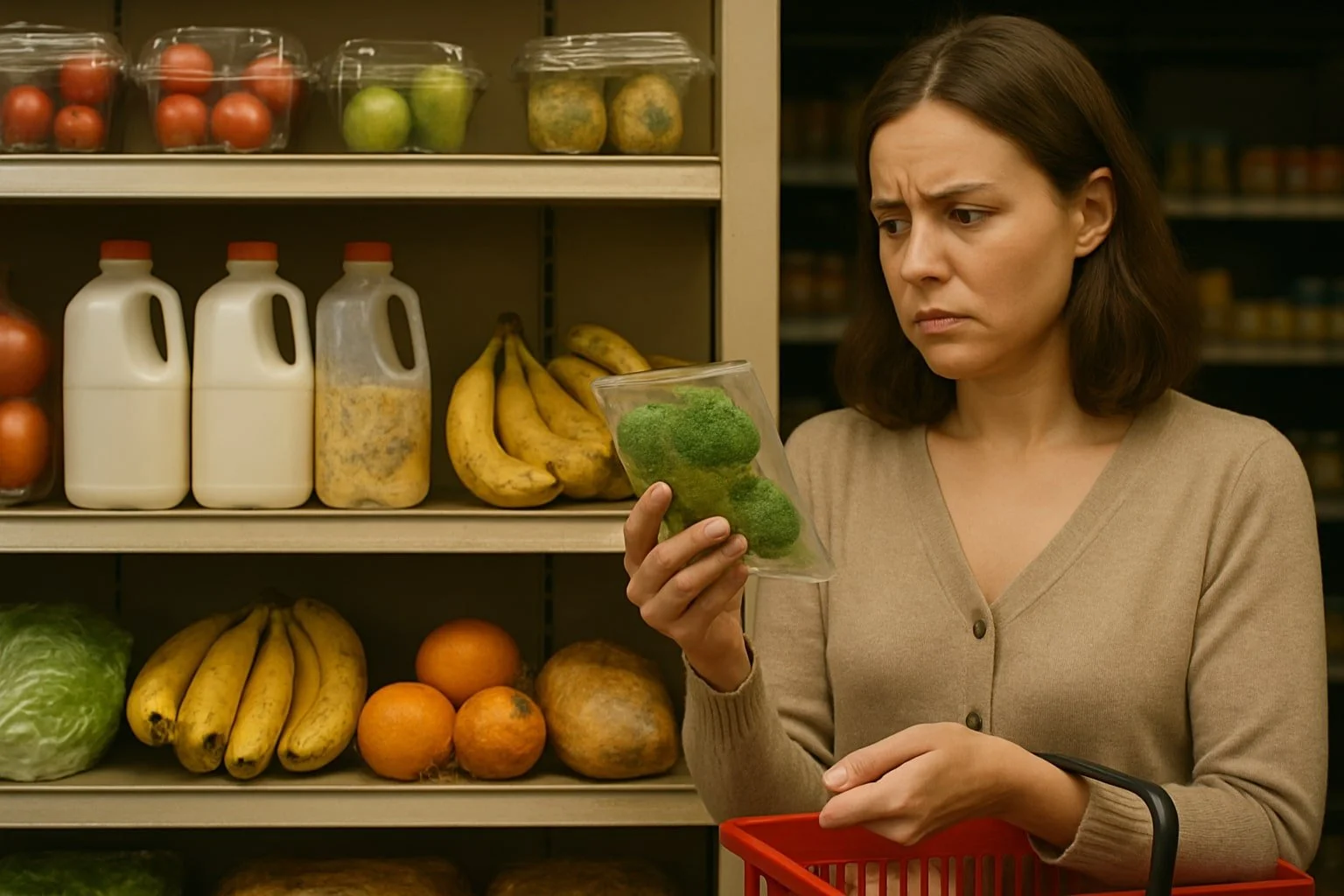
Many consumers experience a strong reluctance to purchase or consume food that is perceived as “old,” even when it remains safe and edible. This reaction has roots in both psychology and learned habits, as people tend to rely on cues like expiration dates and appearance to gauge freshness. These tendencies influence not only individual purchasing decisions but also contribute to large-scale food waste in households and retail environments.
Studies show that concerns about the safety and quality of older food can overshadow practical information, such as the real meaning of "best by" or "sell by" dates. The fear of consuming “old” food leads many to throw away perfectly good items, impacting both personal finances and the environment.
Understanding why people are wary of food past a certain point can shed light on broader consumer behavior patterns and highlight opportunities for education and change. This topic remains important as more retailers and organizations seek to reduce food waste through responsible practices and increased awareness.
Understanding Consumer Behavior With Food
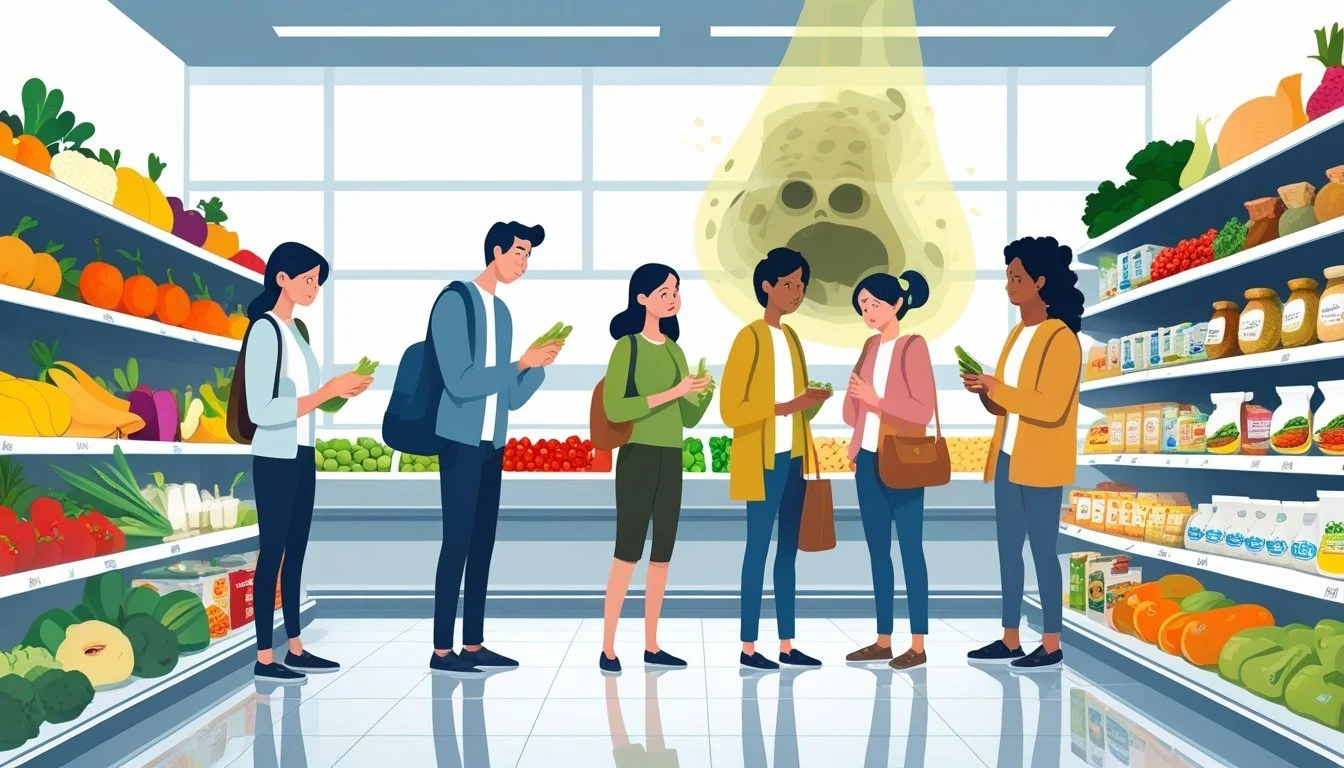
Consumers make decisions about food based on habits, perceived risks, and the desire for convenience. Fear of “old” food drives food waste and shapes preferences for freshness and safety.
Fundamentals of Consumer Behavior
Consumer behavior with food revolves around decision-making processes before, during, and after food purchases. This includes recognizing needs, searching for information, and evaluating alternatives. Factors like perceived risk, past experiences, and convenience have a strong influence.
A key aspect is risk aversion. Many consumers show caution regarding food that appears aged or close to expiration, leading to avoidance and even discarding still-edible items. This pattern is shaped by food safety concerns, cultural cues, and exposure to news about foodborne illnesses.
Consumers often rely on “use by” and “best before” dates to guide choices, even when these may be conservative or arbitrary. This reliance affects how people judge food safety and make disposal decisions, creating cycles of unnecessary waste.
Influences on Food Preferences
Food preferences are shaped by several factors including culture, health beliefs, family traditions, and marketing. Sensory characteristics such as taste, smell, and texture play significant roles in shaping what consumers choose.
Packaging and branding contribute to perceptions of quality and freshness. If food appears “old,” many consumers associate it with spoilage, regardless of actual safety or taste. This psychological link can outweigh objective assessments, making consumers hesitant to try leftovers or items close to their expiration dates.
Fear of social judgment may also contribute. Studies indicate that avoiding negative emotional experiences—such as disgust or embarrassment—can be a strong motivator to discard food that is still edible but perceived as less fresh.
Role of Purchase Intent in Food Choices
Purchase intent is directly influenced by perceived freshness, value, and need. When consumers doubt a product’s freshness, they are less likely to buy or consume it, even if the risk is minimal.
Price promotions and in-store displays often sway purchase intent but cannot always overcome aversions tied to “old” food. For example, discounts on products near expiration sometimes fail to attract buyers who equate “older” food with danger or diminished quality.
Convenience is also a major factor. If reusing leftover food requires extra time or effort, consumers may avoid such options entirely, citing difficulty or concern for safety. This reflects a strong link between intent, action, and underlying perceptions of quality.
The Psychology Behind the Fear of 'Old' Food
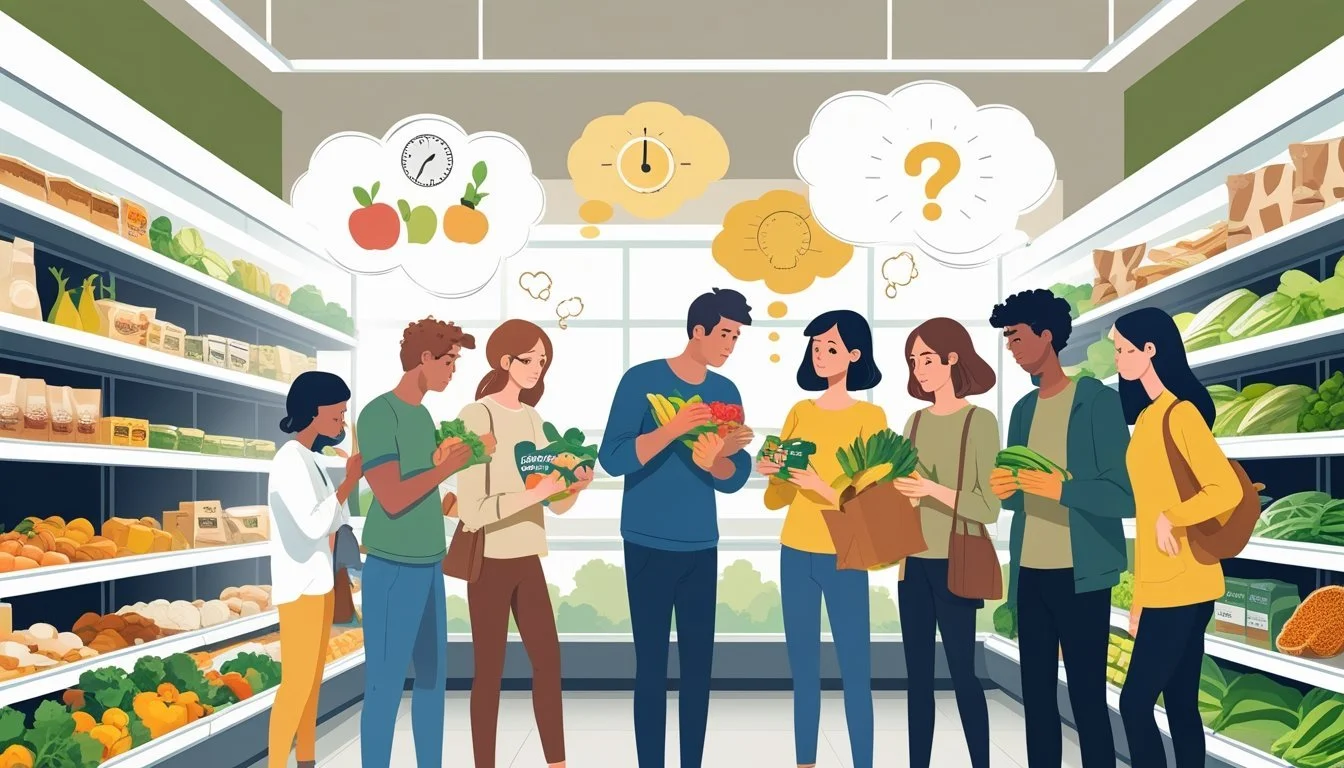
Consumers’ attitudes toward food are shaped by psychological factors. Emotional stress, decision fatigue, and unconscious mental habits influence how people approach unfamiliar or “old” foods, often favoring what feels safest and most familiar.
Comfort Food and Familiarity
People often associate comfort foods with security and positive memories. Familiar meals serve as psychological anchors, especially during periods of stress or uncertainty.
When faced with “old” or unfamiliar foods, many consumers default to dishes they have eaten throughout their lives. This reaction is generally driven by the belief that these foods will provide both satisfaction and emotional relief.
Familiar foods reduce the perceived risk of negative outcomes, such as illness or disappointment. Individuals may use comfort foods as a mechanism to maintain stability when environments or routines change.
Emotional Load and Decision-Making
Food choices become harder when emotional or cognitive load is high. Decision fatigue encourages simpler, automatic selections rather than careful evaluation.
In stressful situations, people often rely on habitual food choices rather than experimenting. Making “safe” food decisions can feel less taxing, giving individuals more cognitive resources for other tasks.
High emotional load can cause people to perceive unfamiliar or “old” foods as more risky. They may overestimate the potential for disappointment or danger, leading to avoidance.
The Comfort Food Fallacy
Research shows that, contrary to common intuition, consumers may not actually benefit emotionally from choosing familiar "comfort foods" during stressful times. This phenomenon is known as the “comfort food fallacy.”
The lay theory predicts that eating familiar foods reduces stress or emotional discomfort. However, studies suggest that comfort foods do not necessarily provide greater emotional relief than other foods.
Consumers tend to overvalue the emotional benefits of comfort foods, mistakenly believing they will feel better. This can narrow the range of foods considered during times of stress, including avoidance of "old" or less familiar items.
Impact of Automatic Mind-Set Influences
Automatic mind-set influences guide food decisions without conscious awareness. Unconscious associations about “old” or unfamiliar foods can influence behavior even when people believe they are making rational choices.
These automatic responses may develop from past experiences, cultural norms, or repeated exposure. For example, a person might instinctively reject leftovers or foods that seem outside their norm, even when such foods are still safe and nutritious.
(See Table 1) for typical automatic triggers:
Trigger Response Unfamiliar appearance/smell Avoidance Cultural beliefs about freshness Preference for “new” Past negative outcome Increased hesitation
Understanding these underlying factors can help explain why consumers fear “old” food and hesitate to expand their food choices.
Impact of Societal Events on Food Choices
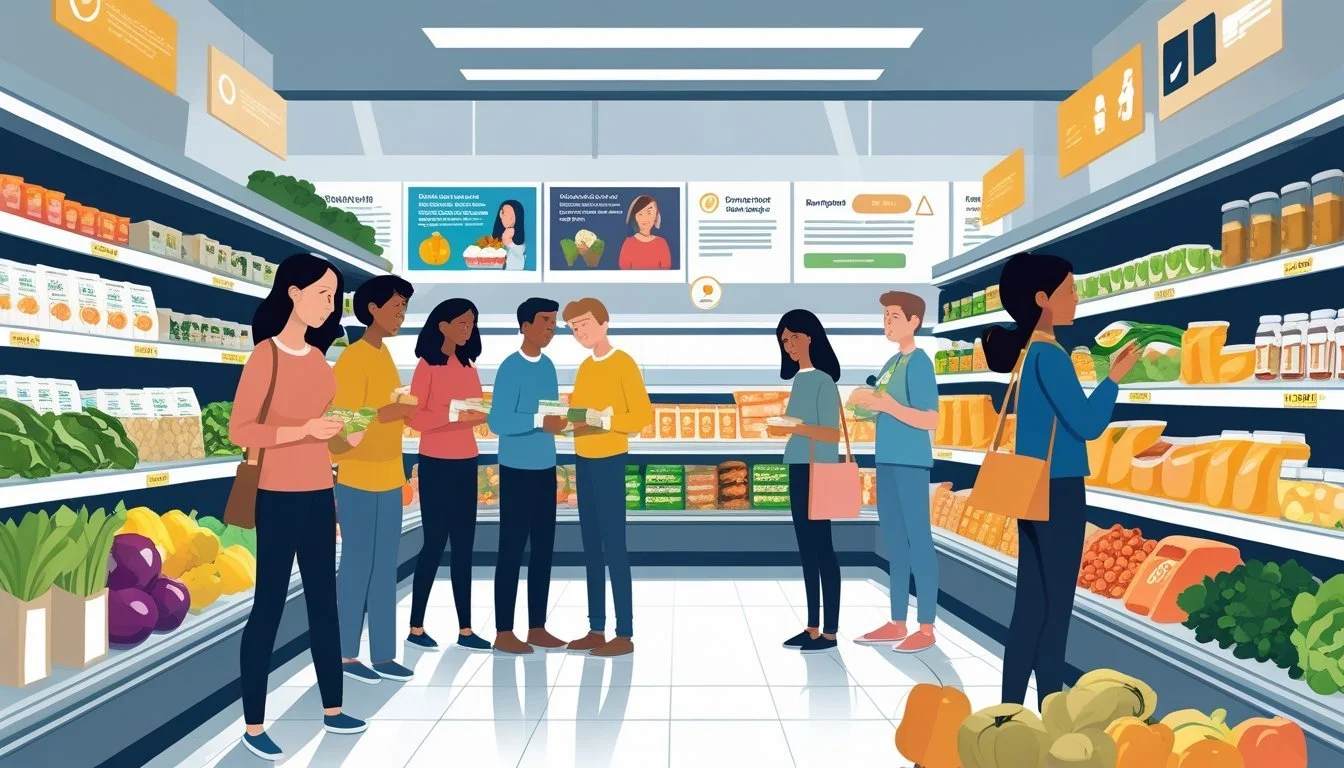
Large-scale societal events can cause significant shifts in the way people choose, buy, and consume food. Factors such as public health crises and periods of upheaval can alter routines, preferences, and attitudes toward familiar and unfamiliar foods.
Consumer Behavior During the covid Pandemic
During the covid pandemic, consumers faced new challenges and disruptions in daily life, shopping patterns, and food accessibility. Lockdowns, social distancing, and concerns about health safety led to changes in shopping frequency and methods, such as a shift to online grocery purchasing.
Many consumers began to improvise with available ingredients due to supply uncertainties. Some adopted new cooking habits at home, while others reached for products with longer shelf lives. There was also an increased awareness of food hygiene, with shoppers preferring packaged over bulk or loose items.
Survey data revealed that these changes were not strictly temporary. Some new habits, like meal planning or reduced shopping trips, persisted even after immediate restrictions eased. This period highlighted how external stressors can disrupt and reshape eating and shopping behaviors.
Shifts in Times of Upheaval
Times of upheaval, such as natural disasters or economic downturns, can affect food choices through both psychological and practical mechanisms. Stress and uncertainty may lead people to seek foods perceived as comforting, but research shows this is not always the case.
For example, increased awareness of life changes often causes consumers to avoid old favorites and instead try new options. The so-called "comfort food fallacy" suggests that, despite expectations, individuals experiencing upheaval are less likely to choose familiar foods.
Additionally, economic pressures and disruptions in supply can limit food availability, prompting substitutions and adjustments. These shifts can persist beyond the immediate period of stress, embedding new preferences and routines into regular consumer behavior.
Preference for Novel Versus Familiar Goods
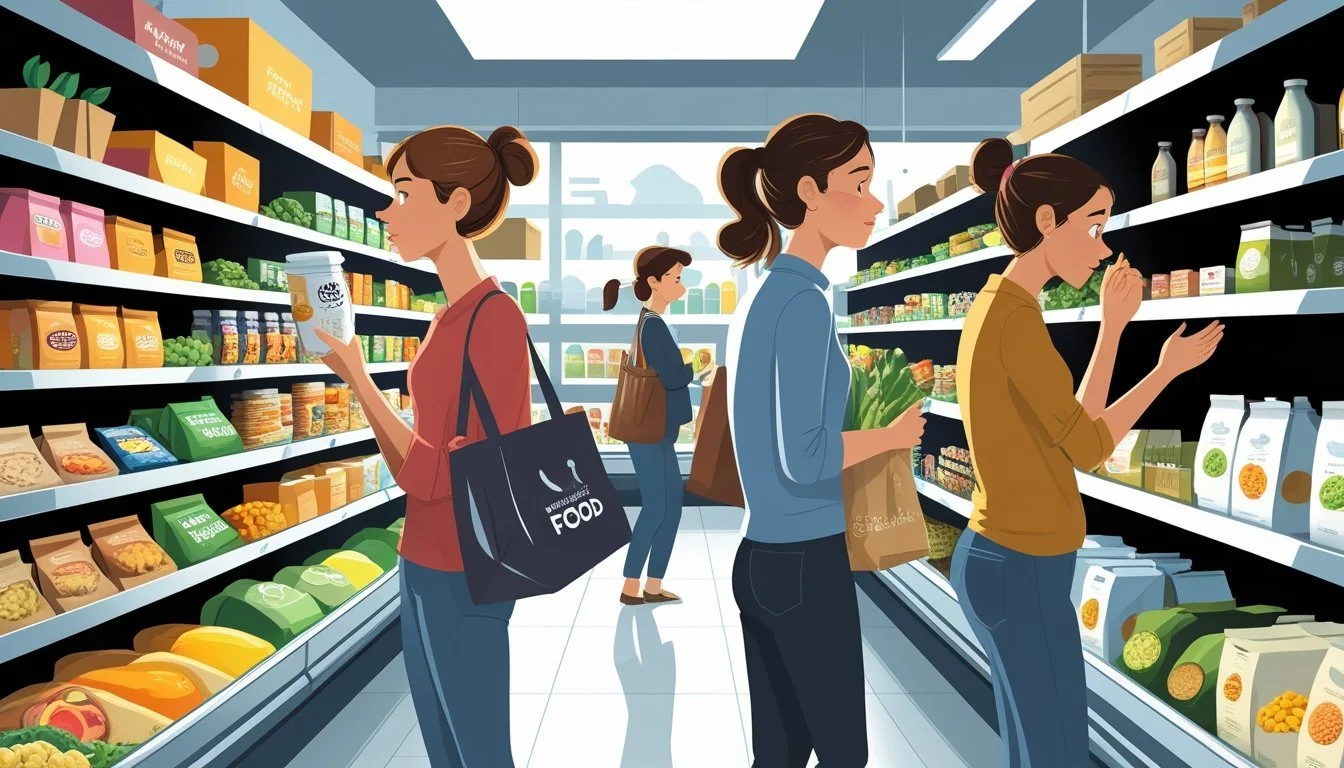
Consumers often face the choice between purchasing familiar goods and exploring novel options. Their final preferences can be shaped by psychological factors including comfort, risk perception, and motivations for variety.
Variety-Seeking Behavior in Food Selection
Variety-seeking behavior is commonly observed when consumers select foods. While familiarity often brings comfort and a sense of safety, research shows that people—including children—sometimes deliberately seek new items for stimulation or to avoid boredom.
Factors influencing this tendency include previous positive experiences with unfamiliar foods, a desire for sensory novelty, and environmental cues such as social influences. However, high levels of food neophobia, or fear of new foods, can limit openness to novel products, especially in children aged 3 to 11. This behavior differs across age, with younger children preferring what they know, while adults may show more willingness to try new alternatives depending on context.
Key considerations influencing variety-seeking include:
Habit versus curiosity
Cultural and family preferences
Availability of alternative options
Influence of Novel Options
Novel options in the marketplace, such as new flavors or unique product formats, can both attract and discourage consumers. Acceptance of new products often relies on whether these items meet or challenge existing expectations shaped by previous experiences and marketing efforts.
Consumers are more likely to try novel foods if they believe the changes are beneficial, such as perceived health benefits or improved taste. Clear communication, familiar branding, or connecting new items to established preferences can facilitate acceptance. However, in times of uncertainty or stress, research indicates that many return to familiar choices as a coping response, seeking stability over novelty.
Barriers to adopting new goods can include skepticism about safety, lack of information, or negative perceptions formed from past experiences. Innovative marketing strategies and gradual product introductions can help overcome resistance to unfamiliar options.
Food Waste and Consumer Reluctance Toward 'Old' Food
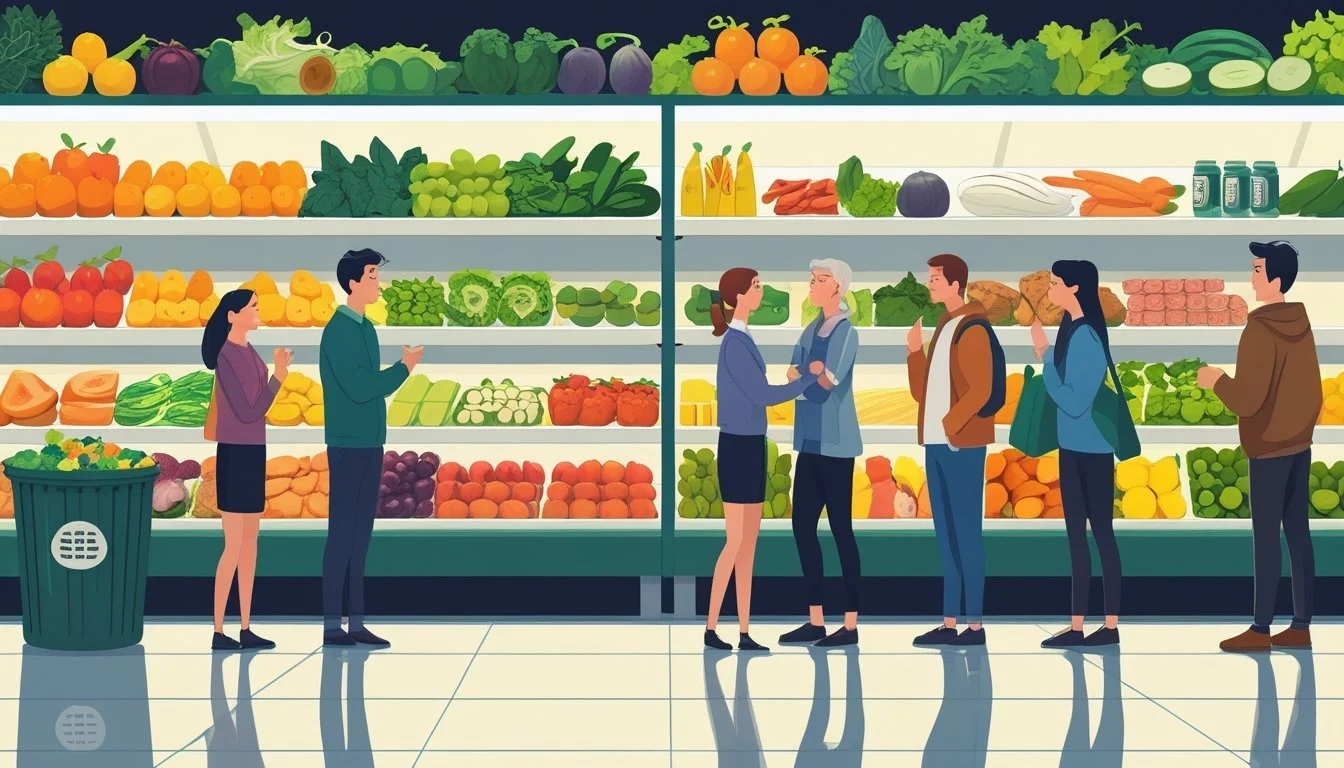
A significant portion of global food waste comes from households discarding edible items due to concerns about freshness. Consumer habits, driven by perceptions of old or imperfect food, result in avoidable waste and lost resources.
The Relationship Between Fear and Food Waste
Fear of consuming "old" food often leads individuals to throw away items that are still safe and nutritious. Many people react with disgust toward food past its peak appearance or arbitrary "best by" dates, even when the product remains edible.
According to research, consumer demand for unblemished and perfectly fresh produce further increases waste, as slightly aged or less attractive items are often rejected. This behavior is influenced by strong beliefs about food safety and quality, even when those beliefs are not supported by actual spoilage.
Consumers' strategic lay theories—personal beliefs about when food becomes unsafe—influence these decisions. The combination of emotional reactions and ingrained habits exacerbates the food waste problem.
Strategies to Reduce Food Waste
Several approaches can help reduce food waste caused by reluctance to consume "old" food. Educational campaigns and clearer labeling on packaging can inform consumers about true food safety timelines rather than relying only on appearance or standard date labels.
Another effective strategy is promoting acceptance of imperfect fruits and vegetables. Marketing that humanizes or positively frames older produce can shift perceptions and encourage consumers to purchase items that might otherwise be discarded.
Household planning, such as making shopping lists and managing leftovers, also plays a role. Small changes in daily routines and shopping habits can collectively reduce waste, benefiting both households and the environment.
Health, Wellbeing, and the Avoidance of 'Old' Food
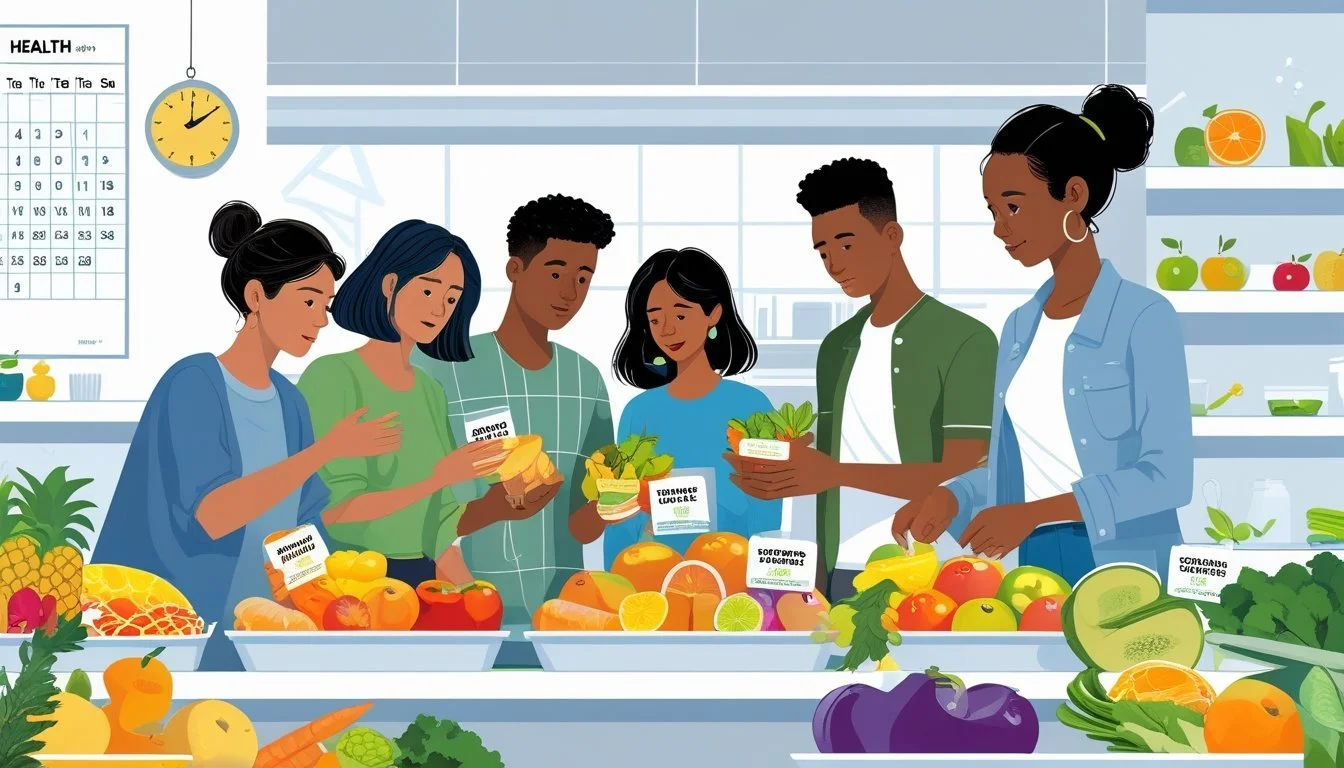
Concerns about food age and consumption habits affect both physical health and emotional wellbeing. Consumer preferences for freshness influence choices around organic foods, comfort eating, and dietary behaviors, especially for older adults.
Organic Food and Perceived Freshness
Consumers often associate organic food with superior freshness compared to conventionally produced products. This perception, whether accurate or not, influences buying decisions, especially among those prioritizing health and wellbeing.
Many shoppers avoid items close to expiration dates or that appear “old,” even if safe to eat. Retailers respond by labeling organic produce with prominent freshness indicators and shorter shelf lives. This reinforces the idea that freshness signals quality.
Perceived freshness impacts trust and satisfaction. People may pay a premium for organic food, believing it better preserves nutrients and flavor, and is less likely to contain harmful residues. The avoidance of “old” organic products reflects a broader desire for foods that promise both safety and enhanced wellbeing.
Obesity and Comfort Consumption
The tendency to seek comfort food during stress or life changes is well-documented. Familiar foods, often high in calories and low in nutrients, can offer temporary emotional relief but may contribute to unhealthy patterns over time.
Recent research challenges the belief that returning to “old favorites” reliably improves mood. Instead, excessive comfort consumption can increase calorie intake, raising the risk of obesity, especially when individuals repeatedly avoid fresher, healthier options.
Obesity is linked to long-term health problems such as diabetes, hypertension, and heart disease. Prioritizing fresher foods and monitoring portion sizes can help reduce reliance on high-calorie comfort foods, supporting better overall wellbeing.
Dietary Implications for Older Adults
Older adults face unique challenges in diet and nutrition due to changes in taste, appetite, and health status. A preference for fresh, easily digestible foods often leads to avoiding leftovers or items perceived as “old,” even if they are still wholesome.
This avoidance behavior can increase food waste and sometimes result in limited dietary variety. For those with restricted mobility or income, obtaining consistently fresh foods can be difficult, impacting nutrient intake and wellbeing.
Healthcare providers encourage older adults to balance food safety concerns with practical nutrition strategies. Proper storage, informed use-by date interpretation, and safe reheating can help maintain a healthy diet without needing to discard foods prematurely.
Table: Factors Influencing Food Choices Among Older Adults
Factor Impact on Choice Perceived Freshness Increases selectivity Mobility and Access Limits frequency Food Safety Concerns Increases avoidance Income Constraints Reduces flexibility
Retail Strategies and Customer Experience
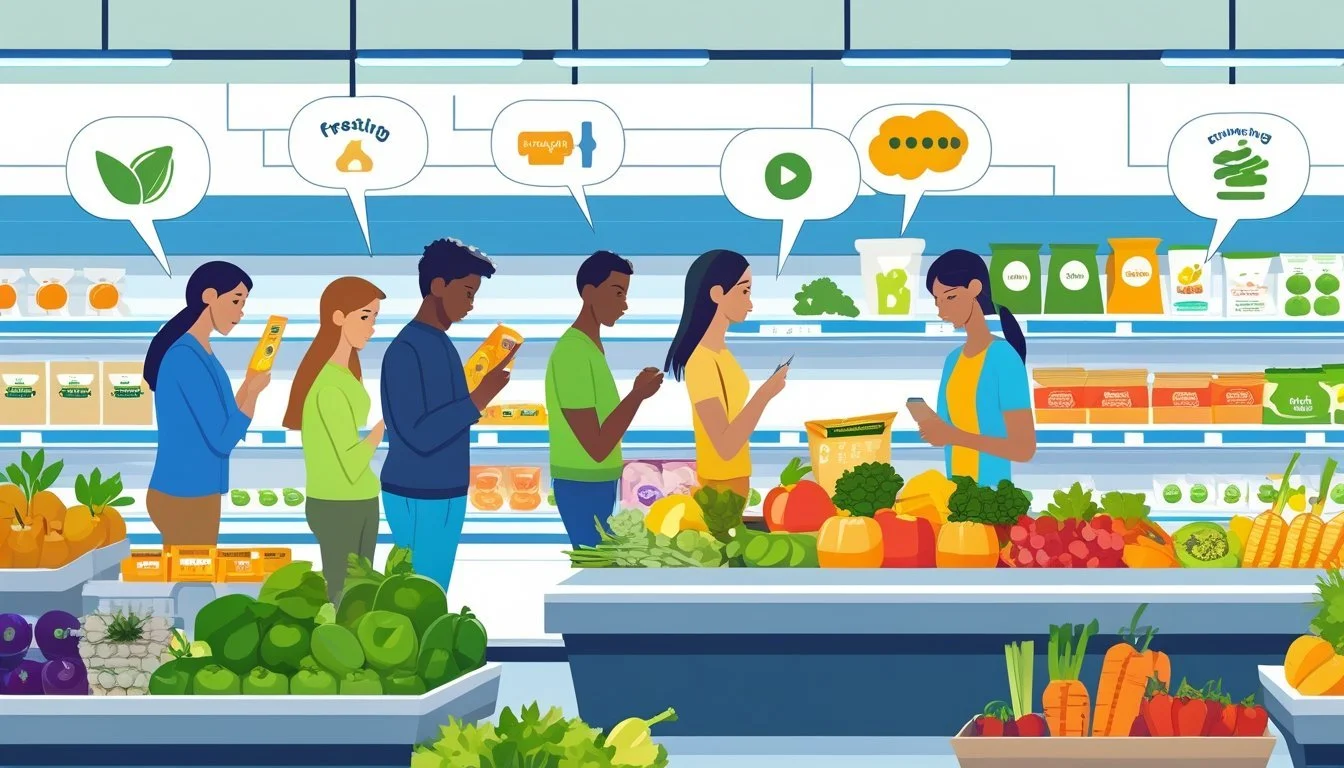
Retailers in the food sector use several strategies to address consumer concerns about “old” food. Adopting innovations, encouraging customer engagement, and leveraging store loyalty programs are all central to how shoppers perceive and purchase fresh products.
Innovation Adoption in Food Retail
Food retailers increasingly adopt new technologies to maintain food freshness and combat perceptions of “old” food. Innovations may include digital shelf-life tracking, AI-based inventory management, or transparent “packed on” and “best by” labels.
Many stores now use smart sensors and real-time data to monitor temperature and humidity, ensuring perishables are stored optimally. These tools enable quick removal of expired items, reducing consumer encounters with old or less-fresh products.
Retailers also use apps and mobile notifications to alert shoppers about recently stocked, high-turnover items. By integrating these systems, they improve perceived product quality and increase shopper confidence.
Key Features Table:
Innovation Purpose Impact on Customer AI Inventory Reduces expired stock Trust, satisfaction Smart Sensors Monitors storage conditions Perceived freshness Digital Labels Ensures transparency Informed choices
High Involvement in Food Purchasing
Consumers often exercise high involvement when purchasing perishable food items. This means they spend more time evaluating factors like expiration dates, packaging, and store reputation.
As concerns around “old” food increase, shoppers look for detailed information about product sourcing and storage conditions. Retailers meet these expectations by providing staff training, clear labeling, and visible rotation of fresh stock.
Some stores hold tasting events or let customers sample products before purchase. These practices build trust and reduce the perceived risks associated with buying items that could be less fresh.
Key factors influencing involvement include:
Expiration date visibility
Easy access to staff for questions
In-store demonstrations
Store Loyalty and Repeated Purchase Behavior
Store loyalty is often linked to consistent positive experiences, especially regarding food freshness. Retailers aim to build loyalty by guaranteeing always-fresh products and clear policies for returns or exchanges if freshness fails expectations.
Loyalty programs often reward repeated purchases of fresh foods or offer exclusive deals for new produce. This approach not only encourages repeat visits but also signals retailer commitment to quality.
Clear communication and responsive customer service increase trust and encourage shoppers to make the store their preferred venue for fresh food. Shoppers who feel a retailer prioritizes freshness are more likely to ignore competitors and repurchase regularly.
Loyalty program features:
Fresh product guarantees
Personalized promotions
Hassle-free returns

