
Expiry Labels in a Zero-Waste Future
Enhancing Sustainability and Reducing Food Waste

Expiry labels are changing as technology advances, making it possible to reduce food waste while improving food safety and traceability. Today, static expiration dates often cause confusion and unnecessary disposal of products that are still good to consume. The traditional system fails to consider actual product freshness or real-time storage conditions, leading many households and retailers to throw away food prematurely.
New smart expiry labels, equipped with sensors and digital interfaces, are being developed to address these issues. These intelligent labels provide accurate information about product quality and shelf life, helping consumers and businesses make better decisions about when food should be sold or eaten. As these innovations become more widespread, they play a key role in supporting a zero-waste future.
The Role of Expiry Labels in Modern Food Systems
Expiry labels are a central component of how food safety is managed and how waste is generated throughout global food supply chains. Their design and use affect daily consumer choices, industry practices, and environmental outcomes.
Purpose and Importance of Expiry Labels
Expiry labels serve multiple functions within modern food systems. First, they inform consumers and businesses about the recommended timeframe for optimal quality or safety. The most common labels include "use by," "best before," and "sell by," each with distinct meanings.
For manufacturers and retailers, these labels play a key role in inventory management and product rotation. Clear date labeling helps to minimize the risk of selling or consuming spoiled products.
Standardized date labeling can also help reduce unnecessary food waste. According to research, confusion over expiry labels leads people to discard food that is still safe to eat. In the U.S., this confusion is a significant driver of household food waste.
A ReFED analysis estimates that improved education and standardization around date labeling could prevent hundreds of thousands of tons of food waste each year.
How Expiry Labels Influence Food Safety
Proper expiry labeling is a cornerstone of food safety systems. Labels typically signal the period during which the product remains safe to eat under proper storage conditions.
"Use by" dates are critical for perishable items such as dairy and meat products. Consuming these foods after the indicated date can pose health risks due to bacterial growth.
"Best before" labels, by contrast, reference quality rather than safety. While products may lose flavor or texture past this date, many remain safe to eat for some time after.
Confusion between safety-based and quality-based dates is common. This misunderstanding contributes not only to unnecessary waste but also to potential health risks if spoiled items are consumed.
Clear and accurate expiry labels help consumers make informed decisions, protecting both health and resources.
Zero-Waste Principles and Environmental Impact
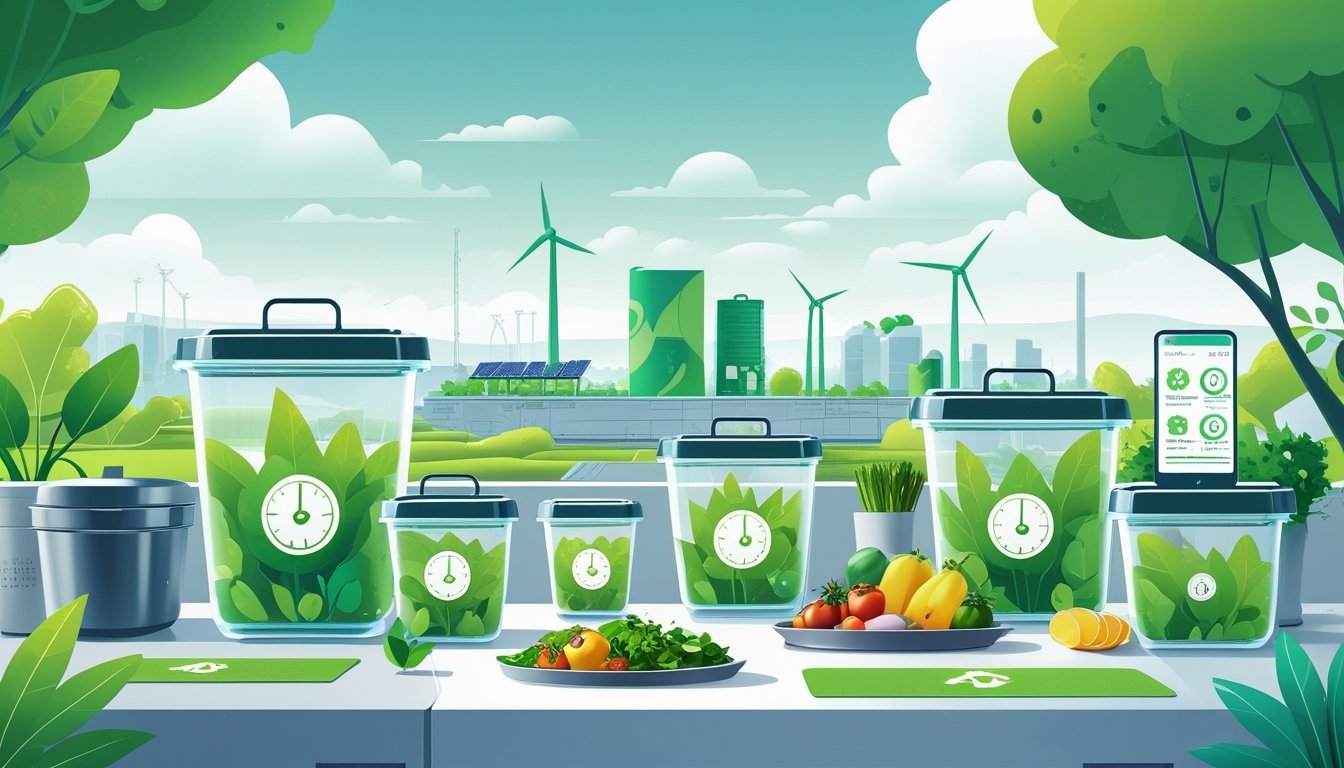
Zero-waste approaches emphasize minimizing waste and maximizing the life cycle of products. Reducing food waste directly influences key environmental indicators, including emissions and landfill usage.
Understanding Zero-Waste Goals
Zero-waste is rooted in a hierarchy of actions: refuse, reduce, reuse, recycle, and rot (compost). The aim is to divert as much material as possible from landfills by rethinking product use and disposal.
Food waste reduction stands out as a priority because improperly managed organic waste contributes to climate change when dumped in landfills. Zero-waste practices encourage businesses and consumers to design systems that limit surplus, extend shelf life, and redirect excess food to productive uses.
By closely tracking expiration dates and using smarter expiry labels, organizations can prevent edible food from becoming waste. Adhering to zero-waste goals often requires collaboration among producers, retailers, and consumers to ensure whole supply chains reduce unnecessary discards at every step.
The Connection Between Food Waste and Environmental Consequences
Food waste that ends up in landfills decomposes without oxygen, producing methane—a greenhouse gas over 25 times more potent than carbon dioxide. As a result, food waste is a significant source of emissions that drive climate change.
Diverting organic waste from landfills through prevention, redistribution, and composting reduces methane release. Less food in landfills also means lower leachate production and a decrease in the associated environmental footprint.
Efforts to prevent food waste, such as improved expiry labels, not only conserve resources involved in growing, transporting, and storing food but also help cut down on emissions at every point in the supply chain. This creates a measurable positive impact, aligning waste reduction strategies with meaningful environmental outcomes.
Challenges of Traditional Expiry Labels
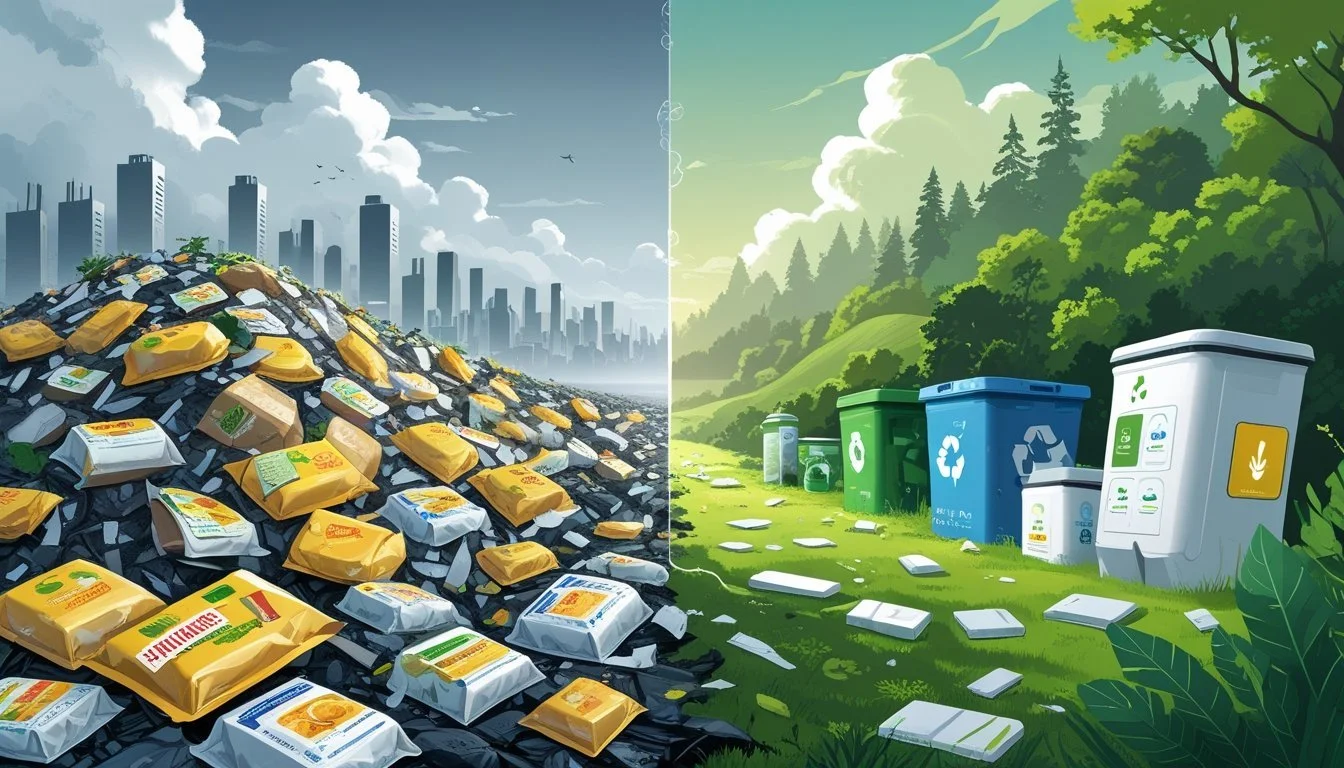
Traditional expiry labels present notable issues for both consumers and grocery stores. These challenges can contribute to unnecessary food waste and inefficiency throughout the food supply chain.
Date Labelling Confusion Among Consumers
Many shoppers struggle to interpret the array of date labels on food packaging. Labels such as "sell by," "use by," and "best before" are not standardized and often appear in inconsistent locations or formats. This lack of uniformity leads to widespread misunderstanding of what each label signifies.
Research indicates that consumers frequently discard food that is still safe and high quality because they misread date labels. For example, items past a "sell by" date may be perfectly fine to eat, but are often thrown out due to caution or lack of information.
Other factors such as poor legibility, small font, and ambiguous wording can further complicate the issue. Inconsistent practices among manufacturers mean that even experienced shoppers can be confused.
Common misunderstandings include:
Treating "sell by" as an expiration date
Assuming food is unsafe after the printed date, regardless of storage conditions or food type
Impact on Grocers and the Food Supply Chain
Grocery stores use date labelling to guide inventory management and stock rotation. However, inconsistent and unclear labelling complicates these processes, increasing the risk of both food waste and missed sales.
Stores often pull products from shelves based solely on the labelled date, even when the items are still safe. This practice not only reduces available inventory but also contributes to higher disposal costs and logistical challenges.
The entire food supply chain feels the impact. Distributors and suppliers must account for short lifespans driven by conservative date labelling, which can lead to:
Increased transportation frequency
Higher storage costs
Unused surpluses at various stages of distribution
Standardized and clear expiration labelling would help optimize stock management, reduce waste, and allow food products to reach consumers safely and efficiently.
Innovations in Smart Expiry Labels
Smart expiry labels are reshaping how products are monitored and managed for shelf life and safety. Advances in technology are enabling real-time tracking and improved accuracy, helping to reduce waste and support supply chain transparency.
Overview of Smart Label Technology
Smart label technology incorporates sensors, microchips, and e-paper to capture and display up-to-date information on product condition and freshness. Unlike traditional expiry dates, these labels rely on actual data rather than conservative estimations.
Modern smart labels come in various forms, including touch-sensitive strips, digital e-paper displays, and QR-coded tags. Some, such as e-paper-based smart labels, are thin and flexible, allowing seamless integration into packaging without adding significant weight or bulk.
Common features may include temperature monitoring, humidity sensors, and tamper indication. When combined, these technologies allow greater accuracy in determining shelf life and ensuring product quality remains intact from production to consumption.
Dynamic Shelf Life Tracking
Dynamic shelf life tracking uses collected sensor data to adjust displayed expiry information based on real conditions rather than static timelines. This includes monitoring environmental factors such as temperature or humidity throughout the supply chain.
For example, intelligent labels like those by Mimica or Innoscentia can indicate product freshness in real time. As conditions change, the label updates—alerting suppliers and consumers when a product is nearing the end of its actual shelf life.
Key benefits include reduced food and product waste, improved consumer safety, and enhanced traceability. By providing real-time updates, smart technology helps businesses optimize inventory and empowers consumers to make informed purchasing decisions.
Expiry Labels as Tools for Waste Reduction
Expiry labels play a direct role in minimizing food waste when they are designed and used effectively. Accurate and clear labels help consumers and organizations make better decisions about food usage, which can also impact issues such as meal planning and food insecurity.
Supporting Meal Planning and Food Waste Reduction
Clear expiry labels provide essential information about food freshness and safety. This allows households and commercial kitchens to organize meals around ingredients approaching their recommended use dates.
When products are labeled with consistent terms like "Best by," "Use by," or "Good if used by," families can create meal plans that include items at risk of expiring soon. As a result, less food is overlooked or thrown out prematurely.
Confusing or ambiguous date labels often lead people to discard food that is still safe, contributing to unnecessary waste. Studies show that up to 88% of people have discarded food near the package labeling date at least occasionally due to this confusion.
Integrating smart expiry labels, including e-paper labels with sensors, allows for real-time tracking of actual food conditions. This technology provides updated information and helps further cut waste by helping people make well-informed decisions.
Reducing Food Insecurity Through Better Labelling
Improved labeling practices can help organizations redistribute surplus food to individuals facing food insecurity. When expiry dates are accurate and easy to understand, food banks and charities can more confidently accept, store, and distribute food nearing its expiration.
Standardized, reliable labels reduce uncertainty about food safety, which increases the variety and quantity of food donations that can be shared safely. This also allows networks supporting those in need to act quickly before products spoil.
Clear expiry labels support targeted redistribution efforts, directing food that might otherwise become waste to individuals and families experiencing shortages. This contributes to both waste reduction and improved food security across communities.
Security and Integrity of Smart Expiry Labels
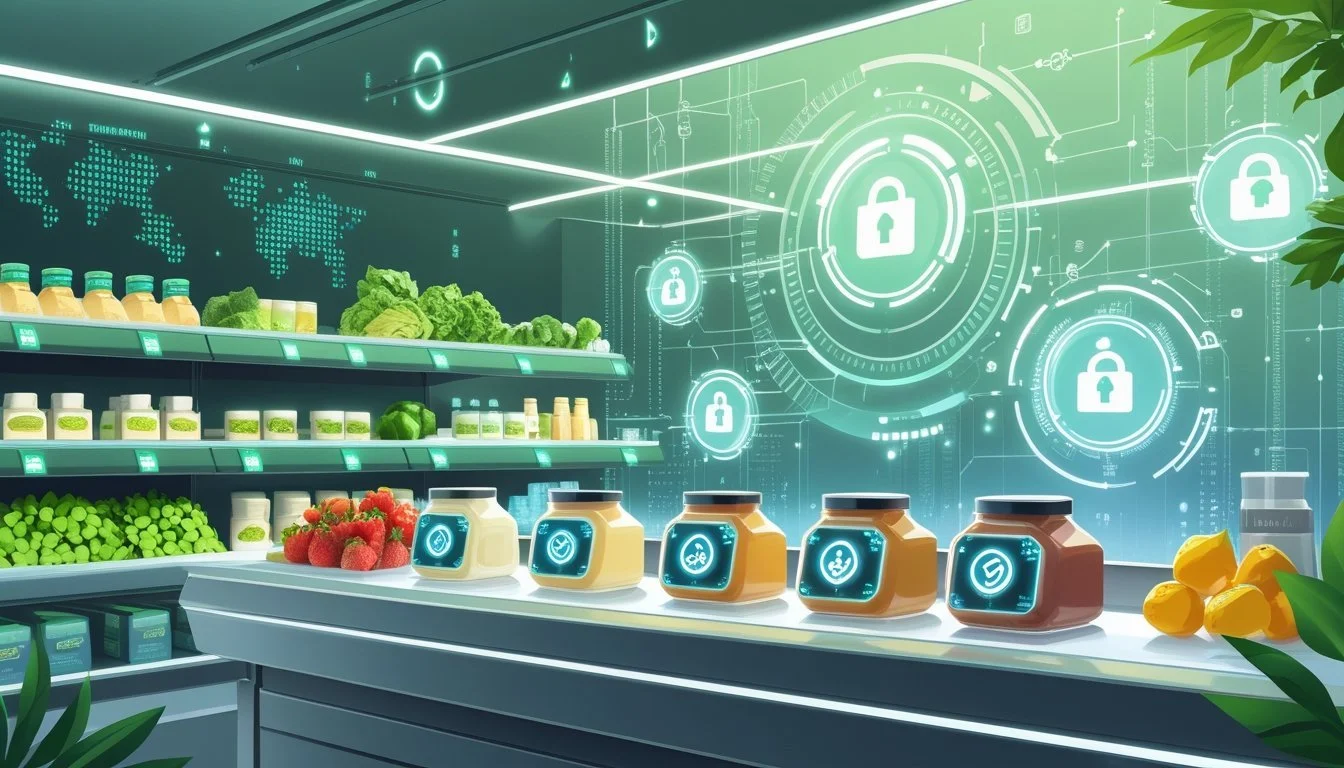
Smart expiry labels offer enhanced traceability and safety for products. Protecting the accuracy and digital security of these labels is key to ensuring both consumer trust and regulatory compliance.
Ensuring Accurate and Tamper-Proof Labelling
Ensuring the reliability of expiry data requires robust sensor integration and tamper-resistant features. E-paper and other smart labels often use secure embedded chips and encrypted communications. These technologies help confirm authenticity and prevent manual alterations.
Tamper-evident seals, unique serial identifiers, and secure QR codes can make unauthorized changes detectable. As supply chains become more complex, such protections are essential to prevent fraud or accidental mislabeling. Devices should periodically undergo a security check to verify labeling integrity and ensure no unauthorized access occurs.
Organizations may conduct audits using digital records connected to each label. This approach streamlines monitoring, offers clear traceability, and strengthens food safety measures at every stage of distribution.
Food Safety and Malware Protection in Digital Systems
Digital expiry labels increasingly connect to cloud and mobile platforms, creating new vulnerabilities. Protecting these systems against malware is vital to prevent corrupted data and maintain consumer safety.
Implementing regular malware scans using solutions from cybersecurity companies such as Imperva can block threats before they impact label systems. Secure authentication and data encryption protect information as it moves between sensors, labels, and management platforms.
Detailed access controls ensure only authorized users can update or read expiry data. Addressing both digital and physical risks keeps smart expiry systems resilient, accurate, and safe for all users.
Key Players and Innovations in Expiry Labelling

Expiry labelling technology is advancing with the development of digital sensors, touch-sensitive materials, and machine-readable codes. Both established manufacturers and startups are directly influencing how efficiently products are tracked, monitored, and consumed.
Leading Companies Shaping the Future
Mimica has introduced touch-sensitive expiry labels, which respond to physical interaction and offer a tactile indicator of food freshness. This addresses the challenge of conservative expiry dates and targets food waste at the consumer level.
Innoscentia uses biosensor-based labels that monitor real-time freshness. These smart expiry solutions help extend shelf life by offering more precise information than static date codes.
Ynvisible is working on thin e-paper expiry labels. These can update in real time and combine digital display with embedded sensors to optimize supply chain tracking.
Leading packaging firms are also integrating blockchain traceability and laser coding to ensure data integrity across global food logistics.
A summary table of key innovators:
Company Technology Main Benefit Mimica Touch-sensitive Reduces unnecessary waste Innoscentia Biosensor labels Real-time freshness data Ynvisible E-paper displays Dynamic expiry monitoring

