
How Fermented Foods Resist Spoilage
Scientific Mechanisms and Preservation Benefits
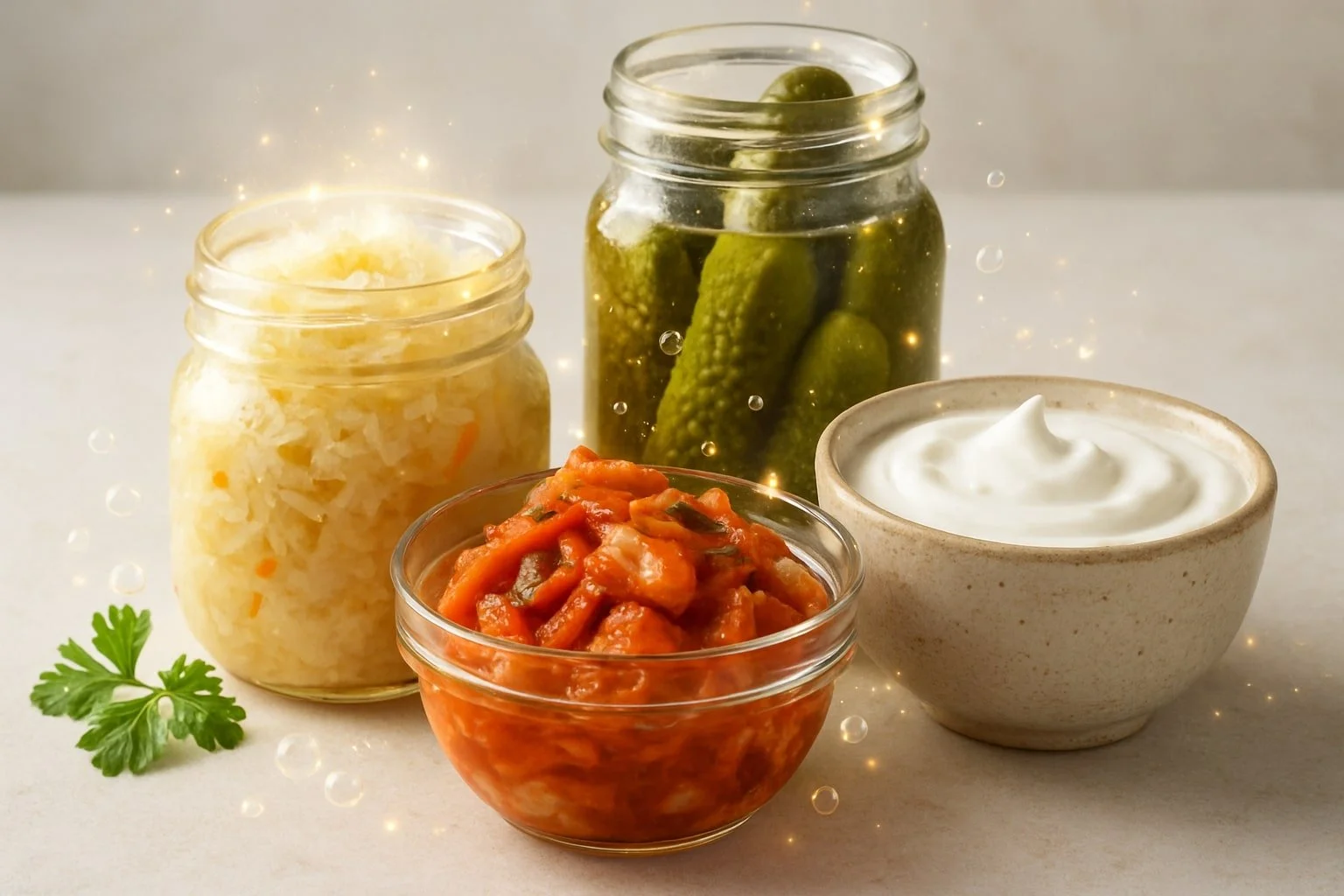
Fermented foods resist spoilage primarily because the fermentation process produces acids and other byproducts that create an environment hostile to harmful bacteria and molds. Lactic acid bacteria or yeasts dominate the process, lowering the pH and making it difficult for most pathogens to survive. As a result, these foods can last much longer than their fresh counterparts, even without refrigeration.
Shoppers and home cooks often worry about food safety, but fermentation has been used for centuries precisely because it prevents spoilage by natural means. Recognizing how these foods naturally protect themselves can help people feel more confident about making, storing, and enjoying them. Understanding these mechanisms is key to safely incorporating fermented foods into any diet.
Understanding Fermentation and Food Spoilage
Microbial activity can either cause food to spoil or help preserve it, depending on which organisms are involved. Fermentation transforms perishable foods and can reduce food waste by making them last longer through specific biochemical changes.
What Is Fermentation?
Fermentation is a metabolic process carried out by certain bacteria, yeasts, and molds that convert carbohydrates such as sugars and starches into alcohol or acids.
These byproducts, such as lactic acid and ethanol, dramatically change the chemical environment of food. This shift in pH and the presence of inhibitory compounds slow or prevent spoilage caused by unwanted microbes.
Common fermented foods include yogurt, sauerkraut, kimchi, pickles, and kombucha. The fermentation process is controlled and relies on beneficial microorganisms, which use the food’s natural resources and create conditions unfavorable for spoilage organisms.
Mechanisms of Food Spoilage
Food spoilage occurs when unwanted microbes—such as bacteria, molds, or yeasts—break down food components, producing off-flavors, odors, or textures.
Spoilage is especially rapid in moist, perishable foods and is often triggered by microbial growth, oxidation, or enzymatic activity.
Some common signs of food spoilage include:
Off-odors
Slimy texture
Discoloration
Gas production
Spoilage reduces the safety and shelf life of food, leading to significant food waste and loss of valuable food resources.
Role of Microbes in Food Preservation
Beneficial microbes are key in extending the shelf life of fermented foods. When they ferment foods, they produce acids (like lactic acid), alcohols, and other antimicrobial compounds.
These substances create an environment that suppresses the growth of spoilage-causing and pathogenic organisms. Lower pH, depletion of oxygen, and increased salt or sugar concentration are examples of barriers formed during fermentation.
The selective growth of specific microbes is essential; by dominating the microbial community in the food, they outcompete potential spoilage agents. This process underpins the effectiveness of fermentation as a food preservation method for many perishable food items.
How Fermented Foods Inhibit Spoilage
Fermentation protects food from spoilage through several microbial and chemical mechanisms. Key processes include changes in acidity, release of antibacterial substances, and the action of beneficial microbes occupying available surfaces.
Acidity and pH Reduction
A primary method by which fermented foods stay fresh is their increased acidity. Lactic acid bacteria—such as Lactobacillus, Leuconostoc, and Pediococcus—convert sugars into lactic acid during fermentation. This process lowers the pH of the food environment, making it inhospitable for many spoilage and pathogenic bacteria.
The table below shows typical pH changes in commonly fermented foods:
Food Initial pH Post-Fermentation pH Sauerkraut 6.0 3.5–4.0 Yogurt 6.7 4.0–4.6 Kimchi 6.0 4.2–4.5
Most spoilage bacteria cannot thrive in low-pH conditions. The decrease in pH slows their growth, prolonging the shelf life and safety of the food.
Production of Antimicrobial Compounds
Fermenting microbes do more than produce acid; they also generate various antimicrobial substances. Common compounds include bacteriocins (protein-based toxins), hydrogen peroxide, and volatile substances like ethanol and carbon dioxide.
Bacteriocins: Produced mainly by lactic acid bacteria, these peptides inhibit related or unrelated bacteria, targeting pathogens such as Listeria and Staphylococcus.
Hydrogen peroxide: This compound damages bacterial membranes and DNA, further limiting spoilage and pathogen growth.
Volatile substances: Ethanol and carbon dioxide change the storage environment, making it less favorable for spoilage organisms.
These substances work together to create multiple barriers to contamination by spoilage and pathogenic bacteria.
Competitive Exclusion and Biofilm Formation
Beneficial fermenting bacteria colonize food surfaces quickly, using up available nutrients and attachment sites. This process, known as competitive exclusion, leaves little opportunity for undesirable microbes to multiply.
Certain lactic acid bacteria form biofilms—thin layers of bacteria embedded in a protective matrix. Biofilm formation makes it harder for spoilage organisms to gain a foothold, as the protective structure shields the beneficial community and limits the spread of invasive microbes.
These effects, combined with continuous microbial activity, create a stable environment where spoilage bacteria and pathogens are outcompeted and suppressed.
Key Microorganisms in Fermented Foods
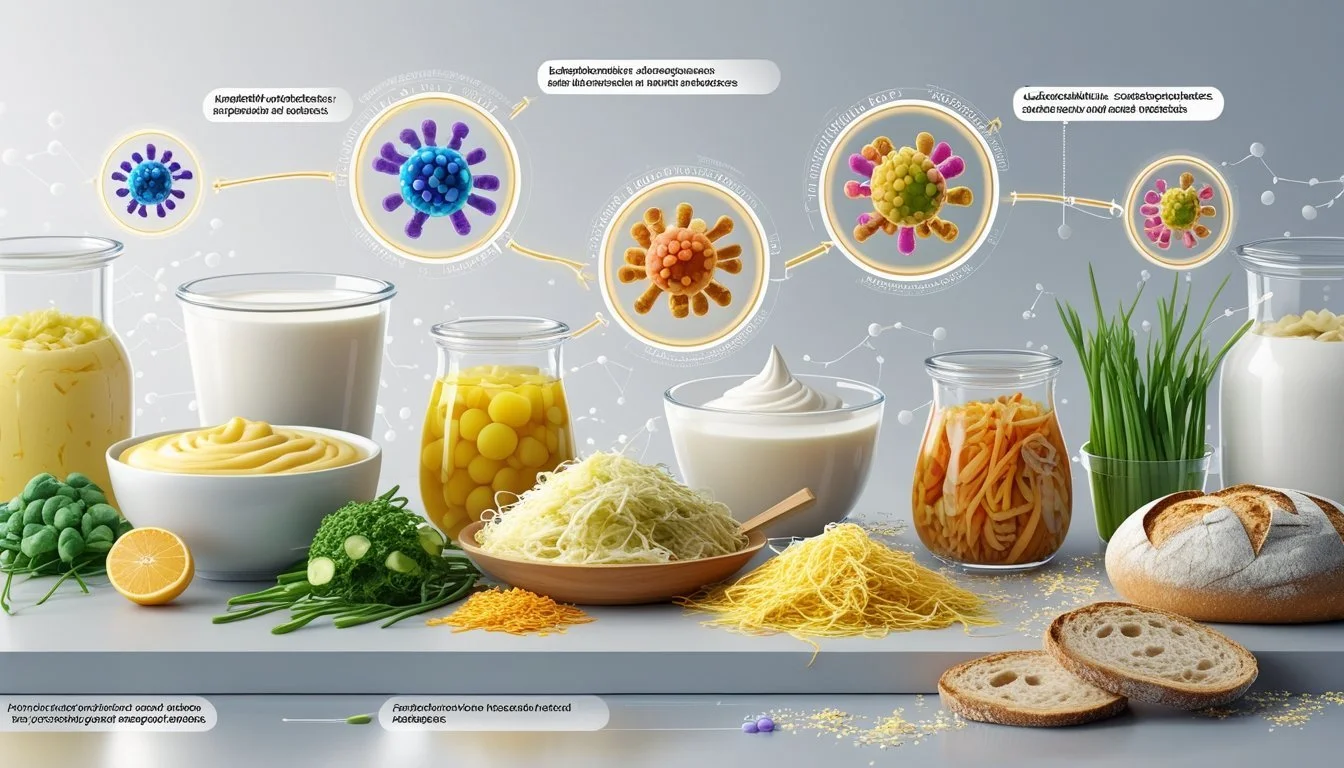
Microorganisms play crucial roles in producing the flavors, textures, and natural preservation characteristics of fermented foods. Certain bacteria, yeasts, and molds are consistently involved in these processes and directly influence both food safety and quality.
Lactic Acid Bacteria
Lactic acid bacteria (LAB) are central to the fermentation of many foods, especially dairy, vegetables, and some grains. They are well known for converting sugars into lactic acid, significantly reducing pH and creating an environment that inhibits the growth of spoilage and pathogenic organisms.
Common LAB include Lactobacillus, Leuconostoc, Pediococcus, and Lactococcus. Each genus prefers specific substrates and conditions, contributing to distinctive flavors and textures. For example, Lactobacillus strains are integral to yogurt, kimchi, and sourdough, while Leuconostoc is important for sauerkraut and certain pickles.
LAB also produce bacteriocins—small antimicrobial peptides that further protect the food from harmful bacteria. Their natural ability to lower pH and create unfavorable conditions for spoilage agents is a key reason fermented foods have a longer shelf life.
Yeast and Mold Fermentation
Yeasts, especially Saccharomyces cerevisiae, are the primary microorganisms responsible for alcoholic fermentation in products like bread, beer, and wine. These organisms convert carbohydrates into alcohol and carbon dioxide, influencing both taste and preservation.
Certain molds, such as those from the Aspergillus and Penicillium genera, play vital roles in traditional foods like miso, soy sauce, and blue cheese. They help break down complex carbohydrates and proteins, resulting in new flavors and textures.
In many cases, yeast and mold fermentation works alongside lactic acid bacteria, producing a combination of acids, alcohols, and antimicrobials. This collaboration makes food environments less hospitable to spoilage bacteria and extends the safe life of fermented products.
Other Beneficial Microbes
Beyond lactic acid bacteria, yeasts, and molds, a range of additional beneficial microbes can contribute to fermentation. Some species of acetic acid bacteria, for example, are involved in the production of vinegar by converting alcohol into acetic acid.
Other minor bacterial genera or strains may play supportive roles, enhancing flavors, nutrient profiles, or safety. Microbial diversity ensures a balance of metabolites, which further stabilizes the food and helps prevent invasion by undesirable microorganisms. Their combined metabolic activities increase the safety and storability of a wide variety of traditional and modern fermented foods.
Examples of Spoilage-Resistant Fermented Foods
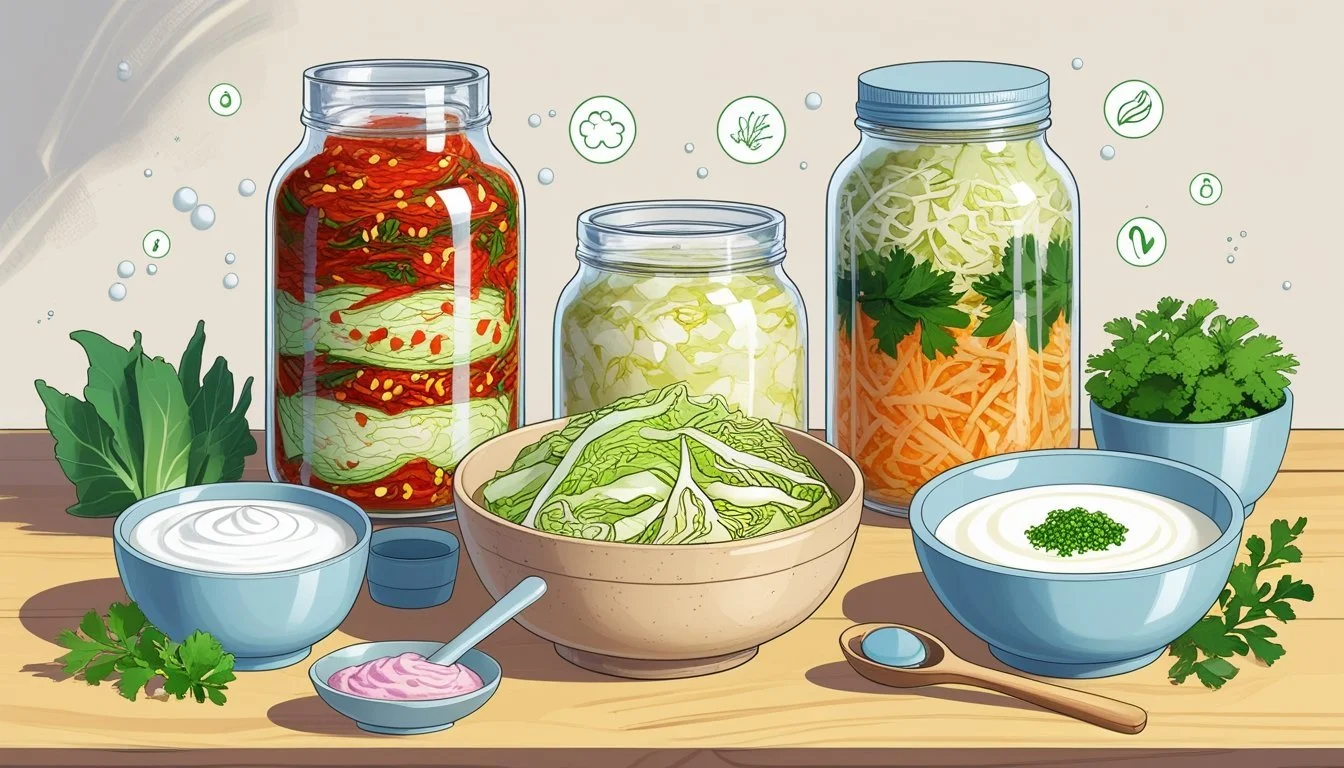
Spoilage resistance in fermented foods results from the activity of beneficial microbes, acid production, and unique processing methods. These actions limit the growth of spoilage organisms and pathogens, leading to longer shelf lives and safe consumption.
Yogurt and Dairy Products
Yogurt is made by fermenting milk with Lactobacillus bulgaricus and Streptococcus thermophilus. As these bacteria consume lactose, they produce lactic acid, lowering the pH, which directly inhibits the growth of spoilage microbes.
Other fermented dairy foods such as kefir and certain cultured buttermilks rely on similar processes. In kefir, a mixture of bacteria and yeasts create an environment that is hostile to unwanted microorganisms, contributing to improved food safety.
These products are typically stored refrigerated. Because of the acid and sometimes other antimicrobial metabolites, they can remain safe to eat for days or even weeks longer than fresh milk. This spoilage resistance has practical benefits for both producers and consumers.
Kimchi and Sauerkraut
Kimchi and sauerkraut are examples of vegetable ferments that demonstrate significant resistance to spoilage. Both rely on lactic acid bacteria to quickly reduce the pH, preserving vegetables and producing a tangy flavor.
Salt plays an essential role in these ferments. It controls the water content and prevents the growth of spoilage bacteria while allowing the right microbes to thrive. This combination of acid, salt, and beneficial microbes creates an inhospitable environment for pathogens.
Properly prepared kimchi and sauerkraut stored at cool temperatures can be consumed for weeks or months. Color, texture, and flavor changes over time are typical and usually indicate further fermentation, not spoilage.
Cheese and Cheese Flavor Development
Cheese is transformed from milk through the action of bacteria, molds, and sometimes yeasts. Acid production, salt addition, and sometimes dehydration all increase its resistance to spoilage.
In hard cheeses like Parmesan or Cheddar, low moisture and high salt are crucial defenses. These cheeses can last for months if stored correctly. Softer cheeses rely more on the activity of starter cultures and a lower pH.
Cheese flavor develops as a result of microbial enzymes breaking down proteins and fats. This controlled breakdown not only creates flavor but limits the growth of undesirable molds and bacteria, providing an additional layer of spoilage resistance.
Other Fermented Foods Around the World
A wide range of global fermented foods demonstrates effective spoilage resistance. Miso and tempeh, made from soybeans, utilize molds and bacteria to produce salty, acidified products with extended shelf life.
Cured meats such as pepperoni, salami, and summer sausage are preserved by microbial fermentation, salt, and drying. These methods prevent spoilage and keep processed meat products safe for long periods. See table below for examples:
Food Key Preservation Factors Idli & Dosa Acidic batter, fermentation Kombucha Acids, antimicrobial compounds Tempeh Dense fungal growth, acidity
Each of these foods combines specific microbial communities, processing steps, and sometimes added salt or acid to prevent spoilage and preserve their unique characteristics.
Preservation Techniques in Fermentation
Fermentation protects food from spoilage through a combination of targeted techniques and metabolic byproducts. The creation of acidic, alcoholic, or salty environments discourages harmful microbes and extends shelf life.
Salt, Dehydration, and Curing
Salt plays a critical role in traditional fermentation and preservation. By drawing moisture out of food and microbial cells through osmosis, salt reduces the water available for spoilage organisms. This process, known as dehydration, makes it more difficult for unwanted bacteria and molds to grow.
Common fermented foods like kimchi, sauerkraut, and pickles rely on salt to select for beneficial lactic acid bacteria. These bacteria produce organic acids, contributing to the sour taste and lowering pH. Lower moisture and pH together create an inhospitable environment for spoilage microbes.
Curing often includes both salting and controlled drying. In cured meats and fish, salt and reduced moisture not only inhibit spoilage but also foster the right conditions for desirable fermentation by microbes. This extends the product’s shelf life and ensures safety.
Role of Canning and Drying
Canning is used with some fermented foods to prevent spoilage after fermentation. The process involves heating the food in sealed containers, which destroys any remaining spoilage microbes. This keeps the food shelf-stable for months without refrigeration.
Drying is another preservation method that complements fermentation. After fermenting, foods like miso and some fermented sausages are dehydrated to reduce water activity further. Low moisture slows chemical changes and prevents bacteria and mold from multiplying.
These methods—canning and drying—often follow the fermentation stage, providing an extra barrier against spoilage. By combining organic acids and low moisture levels, fermented foods can maintain safety and quality for extended periods.
Impact of Fermentation on Food Safety and Shelf Life
Fermentation makes food safer and keeps it from spoiling quickly. This process uses beneficial microbes to control the environment, limiting the growth of harmful and spoilage organisms.
Prevention of Pathogenic and Spoilage Bacteria
Fermented foods become inhospitable to many pathogens and spoilage bacteria due to the production of organic acids, such as lactic and acetic acid. These acids lower the pH and create conditions that inhibit bacteria like Clostridium botulinum, Salmonella, and E. coli.
Salt is commonly added during fermentation, which further slows or halts the growth of unwanted microbes. The reduced water activity and limited oxygen also favor beneficial fermentation microbes over spoilage organisms.
Proper fermentation combined with good hygiene practices reduces the risks of foodborne illness. This approach is especially important in areas where refrigeration is unreliable or unavailable. The result is a safer product with fewer chemical preservatives required.
Extended Shelf Life and Reduction of Food Waste
Fermentation effectively increases food shelf life by making it less likely for spoilage bacteria to thrive. Foods such as kimchi, sauerkraut, and yogurt can last for weeks or months under proper storage due to acidic environments and protective microbial communities.
Longer shelf lives help reduce food waste at both household and commercial levels. Fermented items are less likely to decay quickly, so they can be stored and transported over longer periods. This is valuable for areas with limited access to fresh food or reliable cold storage.
Fermented foods are often shelf stable, requiring less refrigeration or processing compared to their fresh counterparts. This efficiency supports both food safety and sustainability by reducing spoilage losses and extending the usability of seasonal harvests.
Health Benefits of Consuming Fermented Foods
Fermented foods provide beneficial microorganisms and bioactive compounds that support digestive health and nutritional well-being. They can also play a role in enhancing nutrient absorption and supporting a balanced immune response.
Probiotics and Gut Health
Many fermented foods, such as yogurt, kimchi, sauerkraut, and kefir, are rich in live probiotic cultures. These microorganisms, including strains of Lactobacillus and Bifidobacterium, colonize the gut and contribute to a balanced intestinal microbiome.
A healthy gut microbiome is linked to improved digestion, better absorption of nutrients, and support for the intestinal barrier. Probiotics from fermented foods compete against harmful bacteria, helping to prevent digestive disturbances such as diarrhea and bloating.
Some studies have shown that regular consumption may reduce the risk of certain gut infections and mild gastrointestinal disorders. Probiotics also interact with other gut bacteria, increasing the diversity and resilience of the body's microbial ecosystem.
Nutritional Value and Immune System Support
Fermentation can increase the nutritional profile of foods by breaking down anti-nutrients and increasing the bioavailability of important compounds like vitamins and minerals. For example, fermented dairy products often contain higher levels of B vitamins and beneficial peptides compared to unfermented versions.
Additionally, certain fermented foods include bioactive substances—such as peptides and organic acids—that can modulate immune function. These substances may help to regulate immune cell activity and influence inflammatory responses in the body.
The presence of probiotics in fermented foods also supports the immune system by maintaining a strong gut barrier and promoting balanced immune signaling. Consuming a variety of fermented products may help individuals maximize these health benefits as part of a diverse diet.

