
Do Expiration Dates Create More Waste Than They Prevent?
Understanding Their True Impact on Food Waste

Expiration dates often create more food waste than they actually prevent, mainly because most people see them as strict cutoffs for safety, not just guidelines for quality. In reality, different types of expiration dates—like "best by" or "sell by"—signal when food is at its best, not always when it becomes unsafe to eat. This misunderstanding leads to large volumes of perfectly good food being thrown away.
Research shows that consumer confusion about these dates is a major driver of waste, especially in the United States, where 30-40% of the food supply is discarded each year. People are especially likely to throw away food they consider healthy as it nears its date, even if it’s still fresh. This article explores how expiration labels can lead to more waste, and what consumers can do to make smarter decisions.
Understanding Expiration Dates
Food date labels help consumers judge if a product is still good to eat, but terms like “expiration date” or “best before” can be confusing. Accurate interpretation is important for food safety and for reducing unnecessary food waste.
Types of Food Date Labels
There are several types of food date labels used by food retailers and manufacturers. The most common are:
Expiration Date/Expiry Date: The last day a product is guaranteed to be safe to eat, often used on infant formula and certain medical foods.
Use By/Best If Used By/Best By/Best Before Dates: Indicates the time frame when food is at peak quality or flavor, not necessarily safety.
Sell By: Used by stores to manage shelf life and determine when products should be taken off shelves; it is mostly for inventory management.
Freeze By: Suggests when an item should be frozen to preserve quality.
Most packaged foods, canned goods, and deli meats display these labels. However, food may still be safe and tasty beyond these dates if stored properly.
Regulatory Standards and Guidelines
In the United States, there is no federal law requiring uniform food date labeling for all foods except infant formula, which is regulated by the FDA. Other date labels are determined voluntarily by manufacturers, leading to inconsistencies.
The USDA provides guidance on labeling, suggesting unified language like “Best if Used By” for quality rather than safety. The Food Date Labeling Act has been proposed to standardize these terms, aiming to reduce waste and improve clarity for consumers. Retailers should educate customers about the limitations of these dates and encourage the evaluation of food appearance, odor, and texture before discarding items.
Globally, standards vary. Some countries enforce strict rules while others leave more discretion to manufacturers.
Interpreting Shelf Life and Safety
Shelf life refers to how long a food stays safe and maintains quality under proper storage. While an expiration date signals the period when safety could decline, most date labels—such as “best before” or “sell by”—are not linked directly to food safety.
Foods like canned goods can last years past their best before dates if stored in a cool, dry place. Deli meats, on the other hand, should be closely monitored due to risks from bacteria like listeria after their use by date.
It’s essential for consumers to use their senses to judge food safety: look, smell, and feel. When in doubt, consult government resources or the manufacturer’s advice rather than relying solely on printed dates. This approach can prevent food waste while upholding safety.
The Impact of Expiration Dates on Food Waste
Expiration dates influence when food is thrown away, but the meanings behind these dates often cause confusion. Understanding how date labels and consumer behaviors drive food waste can help shape approaches to waste reduction.
Linking Date Labels to Food Disposal
Many products display a variety of date labels, such as "sell by," "use by," or "best if used by." These labels are rarely standardized in the United States, leading to differences in interpretation at the grocery store and at home.
Some states allow products like milk to be sold far past dates seen elsewhere, showing that these dates often aren't strictly tied to food safety. Regulations typically focus on retail practices rather than on when food is actually unsafe to eat.
Mislabeled or misunderstood expiry dates can result in edible items being discarded unnecessarily. According to the National Resources Defense Council, misleading expiration date systems cause significant food waste in American homes.
Disposal driven by expiry labels contributes both to environmental impact and lost resources. Households often discard not only groceries but also leftovers out of an abundance of caution related to unclear labeling.
Consumer Behavior and Confusion
Consumer education about expiration dates is inconsistent. Most people believe food is unsafe after the date printed on the package, even if quality and safety are not affected.
86% of Americans report throwing away food once it passes a labeled date, often due to uncertainty rather than actual spoilage risk. The lack of standardization increases this confusion, influencing decisions at home.
Many shoppers do not plan meals around the foods they already have, leading them to overlook aging products. This behavior adds to food waste, as items are removed from the fridge based solely on dates rather than sensory or quality checks.
Reducing food waste depends on clear expiration labeling and better public understanding. Waste reduction efforts can benefit from teaching consumers how to judge food freshness properly and encouraging smarter meal planning practices.
Environmental and Economic Consequences
Discarding food based on expiration dates affects both the environment and the economy in measurable ways. Avoidable waste strains landfill capacity and generates unnecessary costs throughout the food supply chain.
Landfills and Greenhouse Gas Emissions
A significant portion of food discarded by consumers, retailers, and grocery stores due to expiration dates ends up in landfills. Once deposited, organic waste decomposes without sufficient oxygen, producing methane, a potent greenhouse gas.
Methane from landfills has over 25 times the global warming potential of carbon dioxide over a 100-year period. According to the EPA, food waste is the largest component in American landfills.
Reducing unnecessary disposal of edible food can help decrease methane emissions from landfill sites. This prevents the acceleration of climate change linked to decomposing organic material.
Economic Losses in the Food Industry
Expiration date confusion leads to financial loss for stakeholders throughout the food supply. Retailers, for example, often remove and discard products reaching their labeled dates, resulting in both revenue loss and additional disposal costs.
Manufacturers also face increased costs due to shorter shelf life projections, which can disrupt inventory and transportation planning. Consumers absorb hidden costs, as wasted food contributes to higher prices to offset product loss downstream.
The cumulative effect is felt across the economy, with estimates that billions are lost annually in the United States alone due to premature disposal of still-safe foods. This has sparked efforts by industry leaders to clarify food labeling and improve food handling practices.
Strategies to Minimize Waste from Expiration Dates
Clear food labeling and smarter consumer practices play a significant role in reducing unnecessary food waste. Effective changes can help both retailers and households use more of what they buy and waste less.
Improving Date Label Clarity
Confusing or inconsistent date labels often lead to safe food being discarded. Many products use vague terms like “best before,” “use by,” or “sell by,” which can be misunderstood by consumers. For example, a “best before” date usually relates to quality, not safety, but many assume it means the item is unsafe after that date.
Standardizing date labeling, as proposed by efforts like the Food Date Labeling Act, would reduce confusion. Clear guidance could include two distinct labels: one for safety (“use by”) and one for quality (“best if used by”). Retailers should also educate consumers about what these labels mean through signage, packaging information, or digital resources.
Table: Common Label Terms and Their Meanings
Label Type What It Means Best Before Best quality until this date Use By Safe to consume until date Sell By For store inventory tracking
Improved clarity helps people make informed decisions and reduces edible food being thrown away.
Innovative Approaches for Waste Reduction
Innovative strategies go beyond labeling alone. Meal planning is a practical and effective approach. By planning meals in advance, consumers can buy only what they need and use their food before it spoils.
Retailers and manufacturers have also begun adopting dynamic pricing, where food nearing its use by date is sold at lower prices. This makes it attractive for consumers to purchase products that are still safe but might otherwise be wasted.
Some organizations offer digital apps that track purchase dates, expiration dates, and send notifications when food is nearing its label date. These reminders support consumers to prioritize consuming items that are at higher risk of spoilage.
Consumer education—whether through in-store displays, workshops, or media campaigns—empowers individuals with skills to better interpret labels and store food properly. These combined approaches offer tangible steps toward reducing food waste linked to misunderstanding expiration dates.
Balancing Food Safety and Waste Reduction
Expiration dates are intended to keep food safe for consumers, but inconsistent labeling and public confusion have led to significant amounts of edible food being discarded. Both food safety and efforts to reduce waste depend on clear communication, sound science, and appropriate industry policies.
Ensuring Safe Food Consumption
Keeping food safe to eat relies on clear guidance and scientific standards. The USDA regulates certain food products, but many items, especially shelf-stable and packaged goods, use voluntary or manufacturer-issued date labels.
Foodborne illnesses like listeria can occur if perishable products are poorly stored or consumed too late. However, not all date labels mean a product is unsafe after the stated date. "Sell by," "best before," and "use by" labels have different meanings and are not consistent indicators of food safety.
Confusion leads consumers to throw away food prematurely. A recent survey cited in national data found 88% of people discard food near package dates, often regardless of actual freshness. Education about what dates really mean can help prevent unnecessary waste while still protecting health.
Policy and Industry Solutions
Policy efforts like the proposed Food Date Labeling Act aim to simplify and standardize date labels. By creating two categories—one for food quality (“best if used by”) and one for safety (“use by”)—it becomes clearer which products are safe to eat after the label has passed.
Retailers and food supply chains play a major role. Some states allow milk to be sold for different periods after pasteurization, highlighting inconsistent approaches. Coordination between government agencies, such as the USDA, and food retailers could help create simpler standards.
Stakeholders can also encourage practices like redistributing near-date foods or providing clearer storage advice for safe food consumption. Policy updates and industry collaboration are essential to reduce avoidable food waste without compromising safety.
Future Trends in Food Date Labeling
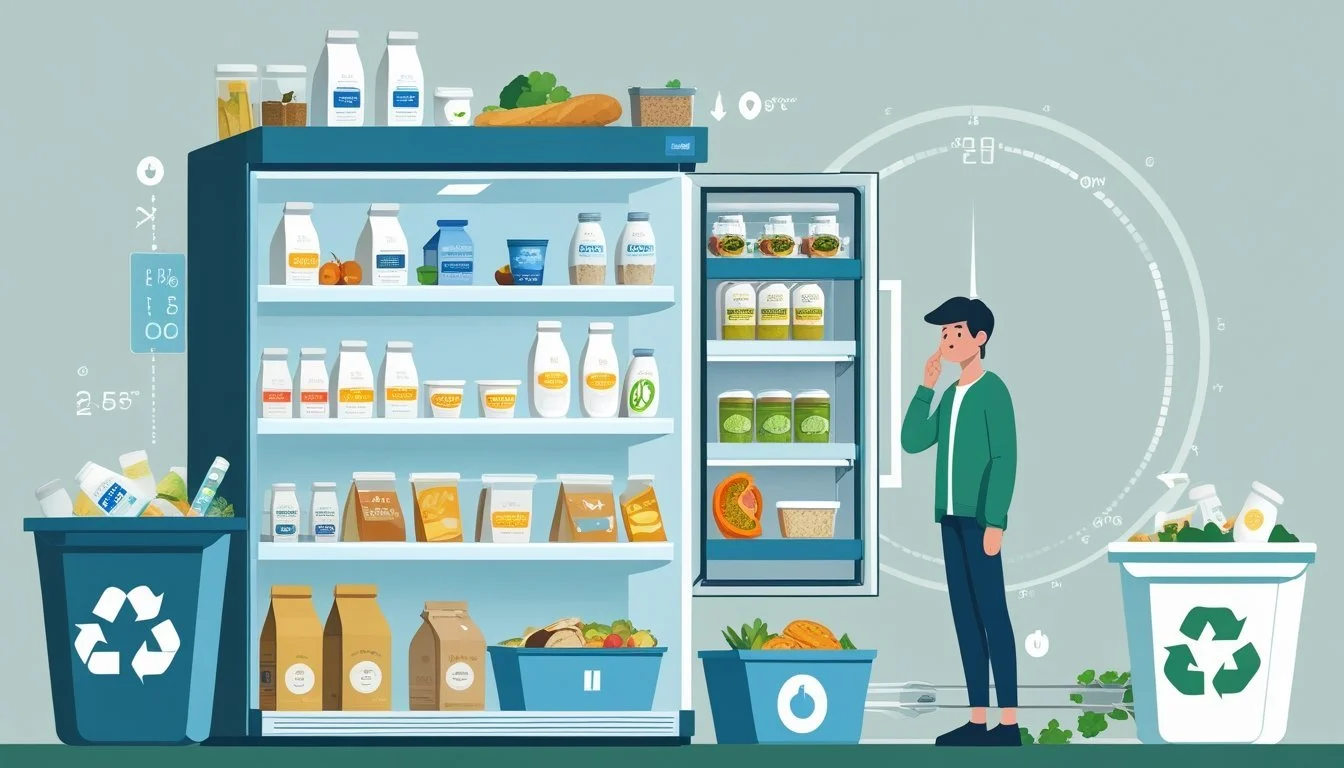
Food date labeling is evolving rapidly as new technology, regulatory efforts, and global initiatives focus on reducing unnecessary food waste. Clearer standards and digital solutions are influencing how consumers, food retailers, and regulatory bodies address this challenge.
Technological Innovations
Emerging technologies are changing how expiration information reaches consumers. Smart labels—using QR codes and sensors—are now able to track temperature and monitor actual freshness of packaged foods rather than relying solely on a static printed date. This can give more accurate safety and quality guidance.
Several food retailers have begun testing digital labeling that updates in real time. Mobile apps now allow consumers to scan items and receive personalized information about safety and optimal use. The USDA is also supporting digital traceability to monitor products through the supply chain, which can help address confusion over spoilage versus quality.
For example, some companies have piloted time-temperature indicators that shift color based on storage conditions. These innovations help food labeling reflect real shelf life, aiming to reduce unnecessary discards.
Global Perspectives and Upcoming Regulations
Governments and international organizations are calling for standardized date labeling to minimize waste and confusion. In the United States, both the FDA and USDA are evaluating options for unified labeling, looking to differentiate “Best if Used By” (quality) from “Use By” (safety) dates more clearly.
The European Union and the UK have introduced similar reforms, pushing food retailers to clarify labels and educate consumers. Countries such as Japan have adopted dynamic and asset-tracking systems for packaged foods, which allow for adaptive shelf-life management.
New regulations are also encouraging the use of clear, simple terminology, backed by public campaigns. Global organizations, like the FAO, recommend harmonized policies that make labels actionable, bridging the gap between regulatory guidance and everyday consumer habits.
Conclusion

Expiration dates influence consumer behavior and contribute to significant food waste. Many people view these dates as strict cutoffs, leading to the disposal of food that may still be safe and healthy to consume.
Studies indicate that 30-40% of the food supply in the U.S. is wasted, with confusion over expiration dates being a major factor. This misconception affects both perishable and non-perishable items.
Key facts about expiration dates:
"Expiration date" does not always mean "unsafe to eat."
Many foods can remain edible past printed dates if stored properly.
Misreading date labels increases household and retail waste.
Food waste from misunderstood expiration dates has environmental and financial costs. Wasted food contributes to greenhouse gas emissions and costs consumers about $1,300 per year.
Greater public understanding of label meanings, such as "best by" or "use by," may reduce waste. Improved labeling and consumer education could help people make safer, more informed choices about when to discard food.

