
Why Some Foods Go Rancid, Not Moldy
Understanding Spoilage Mechanisms
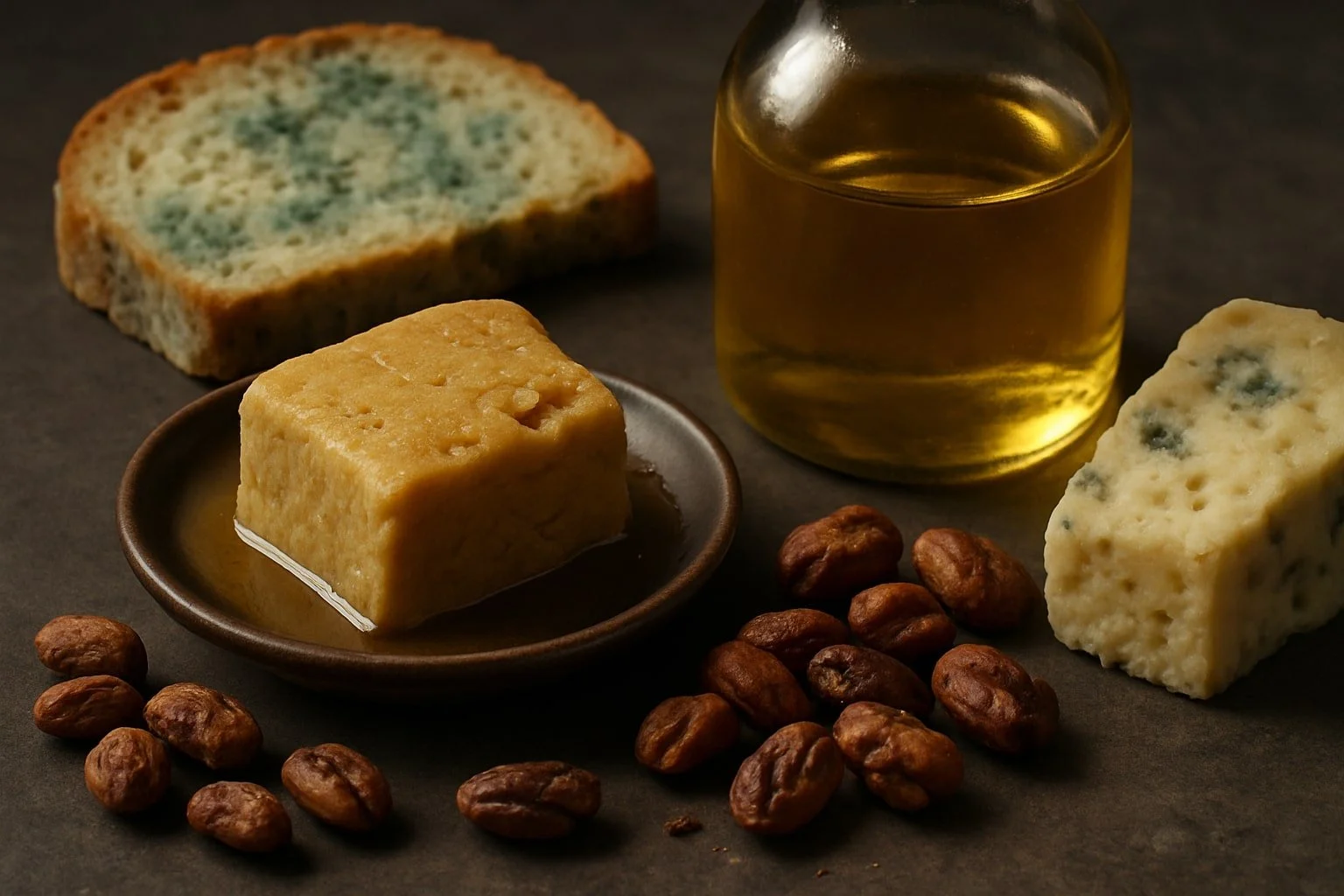
Foods high in fats or oils tend to go rancid instead of growing mold because the primary spoilage process is chemical oxidation, not microbial activity. Rancidity develops when fats react with oxygen, leading to unpleasant flavors and odors without the visible growth often seen with moldy foods. This is why items like nuts, oils, and certain snacks can become inedible due to rancid smells long before any sign of mold.
Mold usually appears on foods rich in carbohydrates or proteins, where moisture and nutrients support fungal growth. By contrast, many fatty foods spoil through the slow breakdown of their oils, making them taste bad even if they still look normal. Understanding these differences helps explain why pantry staples can expire in such different ways.
The Science Behind Rancidity
Rancidity is a chemical process that changes the smell, taste, and safety of foods high in fats and oils. Understanding what causes rancidity helps explain why some foods spoil without growing mold.
Chemical Reactions Involved in Rancidity
Rancidity occurs when fats and oils in food undergo specific chemical reactions. The two major types are oxidative rancidity and hydrolytic rancidity. These processes often break down fat molecules, resulting in unwanted flavors and odors.
Oxidative rancidity involves the reaction of oxygen with unsaturated fatty acids. This generates free radicals—unstable molecules that further attack fat molecules, leading to off-flavors.
Hydrolytic rancidity happens when water splits fat molecules (triglycerides) into free fatty acids and glycerol. This can give food a soapy or bitter taste, especially in products like butter or cream.
Oxidation and Hydrolysis Processes
Oxidation is typically triggered by exposure to air, heat, or light. Unsaturated fats are especially prone to this process. As oxygen interacts with the double bonds in these fats, a chain reaction leads to the formation of peroxides and other volatile compounds.
Hydrolysis primarily requires water and enzymes (lipases). In hydrolytic rancidity, triglycerides are broken down into smaller components. This change occurs faster in moist conditions or when certain bacteria are present.
Type Trigger Resulting Compounds Oxidative Oxygen, light Free radicals, peroxides Hydrolytic Water, enzymes Free fatty acids, glycerol
Both oxidation and hydrolysis reduce food shelf life and quality, but the pathways and byproducts differ.
Differences Between Rancidity and Mold
Rancidity is a chemical change mainly affecting foods rich in fats or oils, while mold growth is a biological process caused by fungi. Foods like nuts, oils, and chips usually become rancid before mold appears because they contain limited moisture and high fat.
Mold requires water and organic material to thrive. Dry, fatty foods don’t provide enough water for mold growth but are susceptible to fat oxidation and hydrolysis. The spoilage pathways involve different agents: chemical reactions in rancidity and microbial activity in molding.
In summary:
Rancidity: Driven by oxidation and hydrolysis of fat.
Mold: Driven by fungal growth needing moisture.
Appearance: Rancid foods smell/taste bad, moldy foods may have visible colonies.
Fats and Oils: Susceptibility to Rancidity
Fats and oils are chemical compounds that can deteriorate in quality due to reactions with oxygen. Rancidity is a common issue with certain types of fats, influenced by their chemical structure and degree of saturation.
Types of Fats and Their Stability
There are several types of fats, including saturated fats, unsaturated fats, and trans fats. Each type displays different resistance to oxidation and rancidity. Saturated fats, like those found in lard and coconut oil, are generally solid at room temperature and less likely to oxidize.
Unsaturated fats, including polyunsaturated and monounsaturated fats, are more prone to rancidity. They are usually liquid at room temperature and are commonly found in plant oils, which can break down over time. Trans fats, though chemically altered, can also develop off-flavors if exposed to air for extended periods.
The structure of fats matters. The more double bonds a fatty acid contains, the more susceptible it typically is to oxidation and subsequent rancidification.
Saturated vs Unsaturated Fats
Saturated fats have no double bonds between carbon atoms in their fatty acid chains. This structure makes them less reactive with oxygen, providing greater shelf stability and resistance against rancidity.
Unsaturated fats, by contrast, have one or more double bonds (monounsaturated has one, polyunsaturated has multiple). These double bonds create vulnerable sites where oxygen can attack, accelerating the process of rancidity.
Below is a comparison of their key differences:
Fat Type Double Bonds Stability Examples Saturated None Highly stable Butter, lard, coconut oil Monounsaturated One Moderately stable Olive oil, canola oil Polyunsaturated Many Least stable Sunflower oil, fish oil
Role of Polyunsaturated and Monounsaturated Fats
Polyunsaturated fats, such as those found in flaxseed oil or fish oil, contain multiple double bonds, making them especially sensitive to oxidation. These fats can deteriorate quickly, even when stored properly, and often develop unpleasant odors or flavors as they go rancid.
Monounsaturated fats, like those in olive oil and avocados, have a single double bond and are more stable than polyunsaturated fats but can still oxidize over time, particularly if exposed to heat, light, or air.
Using opaque containers, refrigeration, and minimizing exposure to air are common methods people use to slow deterioration in these fats.
Fatty Acids and Rancid Food
The specific fatty acids present in fats and oils influence their tendency to become rancid. Short-chain fatty acids, such as butyric acid in butter, can produce strong odors when they oxidize, leading to an easily detectable rancid smell.
Triglycerides—molecules made of three fatty acids bound to a glycerol molecule—compose most edible fats. When the fatty acid chains in these molecules, especially unsaturated ones, oxidize, triglycerides are broken down into smaller compounds. These breakdown products, including aldehydes and ketones, are often responsible for the sharp, stale odors and flavors that indicate rancidity.
Foods high in polyunsaturated fatty acids, such as walnuts, sunflower oil, and certain fish products, are particularly prone to producing noticeable rancid flavors if not stored carefully.
Why Certain Foods Go Rancid Instead of Moldy
Foods spoil in different ways depending on their composition, storage conditions, and the presence or absence of water and fats. Rancidity mainly affects foods high in fats and oils, while mold thrives in products with moisture.
Water Activity and Spoilage
Water activity (aw) is a measure of how much free water is available in food for microbial growth. Most molds need a minimum aw of 0.70 to grow, whereas bacteria often require even more. Foods that are dry, such as crackers, rice, or oats, have low water activity and are less likely to get moldy.
In these dry foods, spoilage usually happens through chemical changes rather than microbial action. Oxidation of fats, especially in products like walnuts, nuts, and whole flours, leads to rancid flavors and odors. This process happens even in the absence of mold because oxygen reacts with fats, ruining their quality over time.
Storing foods in airtight containers and away from heat and light slows rancidity. However, for most dry foods, rancidity remains the primary spoilage risk due to their minimal moisture.
Foods Prone to Rancidity
Foods high in unsaturated fats are especially prone to rancidity. Olive oil, walnuts, almonds, sunflower seeds, grains with germ like whole flours, and oats can all develop rancid odors and off-flavors if stored improperly. These foods do not necessarily support mold growth because their moisture content is too low.
The main cause of rancidity is oxidation. When oxygen comes into contact with fats, it causes breakdown of fatty acids, resulting in spoilage. The table below lists examples:
Food Main Spoilage Type Why Walnuts Rancidity High in unsaturated fat, low water Olive Oil Rancidity Pure oil, no available water Crackers Rancidity Contain fat, very dry
Natural or added antioxidants may help slow oxidation, but if fats are exposed to air, light, or heat, rancidity will eventually develop.
Foods More Susceptible to Mold
Foods with higher moisture, such as fresh fruits, soft cheeses, or cooked grains, spoil mainly from mold or bacterial growth. Mold thrives in moist environments, so items like bread, some grains, and cooked rice provide ideal conditions for its development.
Low-fat but moist foods spoil from microbial growth rather than rancidity. Mold colonies appear as fuzzy spots, commonly seen on bread or moist whole grains. These foods have enough water to support the growth of many types of mold, making mold the primary spoilage challenge for them.
Proper storage—such as refrigeration or drying—can delay mold growth. However, as soon as the water activity increases, susceptibility to mold returns, especially in foods containing carbohydrates but little fat.
How to Prevent Rancidity in Foods
Fats and oils are sensitive to their environment and can break down over time. Smart storage, careful packaging, and the use of antioxidants are critical tools for keeping foods tasting fresh and safe.
Proper Storage and Refrigeration Techniques
Many rancid flavors develop when fats react with air, heat, or light. Storing foods in cool, dark spaces—such as a refrigerator or freezer—slows down these reactions significantly. For homes, the refrigerator is recommended for nut oils, seeds, and products with a high fat content.
Food should not be left out at room temperature for extended periods, especially in warm conditions. The freezer is particularly effective for long-term preservation, especially for unsaturated oils and whole grains. Regularly check expiration dates, as older products are more prone to spoilage.
Shelving placement also matters; items kept near appliances or sunlight are at higher risk. Separate strong-smelling foods from oils and fats to avoid flavor transfer.
Packaging and Airtight Containers
Airtight containers help block exposure to oxygen, which is a main cause of rancidity. Glass jars with tight-fitting lids, vacuum-sealed bags, and resealable plastic containers limit the entry of air and moisture. Food products already packaged in pouches or cans should remain unopened until use.
The choice of packaging material also influences shelf life. Opaque containers are better than transparent ones, as they block damaging light. Not all plastics provide equal protection—food-grade, BPA-free plastics are considered safest for both oils and snacks.
After every use, ensure containers are resealed tightly. For bulk items, repackage into smaller containers to reduce how often the main supply is exposed to air.
Role of Antioxidants
Antioxidants are compounds that slow or prevent the oxidation of fats and oils. They can be naturally present in foods or added during processing. Natural antioxidants like vitamin E (often listed as tocopherols) are commonly found in nuts and seeds.
Processed foods often include synthetic antioxidants such as butylated hydroxytoluene (BHT) and butylated hydroxyanisole (BHA). These additives help maintain freshness during storage and distribution. Mixing antioxidants—natural and synthetic—offers broader protection for different types of fats.
Checking product labels can help consumers identify foods with added antioxidants. Using antioxidant-rich ingredients directly in recipes—like certain herbs or spices—may also provide a minor protective effect.
Impact of Rancidification on Food
Rancidification causes notable changes in food quality, including shifts in taste, smell, and texture. It raises safety concerns and reduces shelf life, directly impacting both the sensory appeal and healthfulness of affected foods.
Flavor and Odor Changes
Rancidification primarily alters the flavor and odor of foods, producing what are commonly known as off-flavors and unpleasant smells. Lipid oxidation leads to the formation of compounds such as aldehydes, ketones, and fatty acids. These compounds are responsible for the distinctly stale, bitter, or soapy notes found in rancid products.
Foods like nuts, oils, and chips become especially prone to these sensory defects. Consumers can often detect rancidity by its strong, sharp smell or bitter aftertaste, as these characteristics tend to be pronounced. Such changes discourage consumption, even before health risks are considered.
Loss of original flavor reduces enjoyment and can mask subtle intended tastes from herbs and seasonings. This sensory decline is a primary reason why rancid foods are typically discarded.
Texture Alterations
Texture changes depend on the food's composition but often result in a less appealing mouthfeel. For instance, rancid oils may become sticky or thick, while nuts and snacks might lose their characteristic crunch and develop a softer, mealy, or even waxy texture.
These changes are related to the breakdown of fats and oils, which increases the formation of breakdown products. Such texture shifts further signal the loss of freshness and reduce the perceived quality of the food.
Texture modification also affects how foods integrate into recipes. When the texture is compromised, the performance of ingredients in baking, frying, or mixing can suffer, leading to inconsistent results.
Health and Safety Risks
Rancidification primarily affects food quality, but some breakdown products from lipid oxidation can pose mild health risks when consumed over time. For example, certain aldehydes and peroxides produced during this process may cause digestive discomfort or, in rare cases, contribute to long-term health concerns if consumed regularly.
Eating rancid food is not equivalent to consuming food contaminated by bacteria or mold, which tends to result in acute food poisoning. Instead, the main risk is cumulative, especially in diets high in rancid fats over prolonged periods.
The reduced shelf life of rancid foods increases the risk that these low-quality products may accidentally be consumed, highlighting the importance of safe storage and regular inspection of high-fat items.
Detecting and Measuring Rancidity
Rancidity is identified through both sensory cues and analytical methods. Its presence can change the safety, flavor, and shelf life of foods containing fats and oils.
Sensory Evaluation
Consumers often notice rancidity first by changes in taste, smell, or appearance. Off-odors, described as “painty,” “soapy,” or “fishy,” commonly signal oxidative rancidity in oils or fatty foods.
Texture can also be affected, especially in products such as nuts or chips. A bitter or metallic aftertaste may develop as fats degrade. Visual markers, such as color changes or loss of shine, sometimes accompany rancidity, although these signs are less consistent.
Sensory evaluation is fast and inexpensive but subjective. Trained panels may be used in food labs to standardize results and reduce variability due to individual sensitivity.
Laboratory Assessment and Peroxide Value
Laboratory methods provide objective measurement of rancidity. A principal test is the Peroxide Value (PV) test, which measures the concentration of peroxides formed when fats oxidize.
High PV signals initial stages of rancidity, as lipid peroxides are among the first byproducts of oxidation. As oxidative rancidity advances, peroxides may break down into secondary products such as aldehydes and ketones that cause more intense flavors and odors.
Labs may also use other tests (e.g., anisidine value) to measure later-stage breakdown products. Quantitative data from PV and related tests are used to monitor product freshness and evaluate shelf life claims.
Test What It Measures Usefulness Peroxide Value Initial oxidation (peroxides) Early rancidity detection Anisidine Value Aldehydes (secondary products) Stale/off-flavor detection
Understanding Free Fatty Acids
Another important indicator is the free fatty acid (FFA) content. FFAs result mainly from the breakdown (hydrolysis) of triglycerides, a process that differs from but can promote oxidative rancidity.
Elevated FFA levels indicate hydrolytic rancidity and can degrade both the flavor and the stability of oils and fats. Foods with high water content—like dairy products—are more prone to hydrolytic rancidity.
Labs assess FFAs using titration or chromatographic methods. High FFA readings signal the need for stricter storage, refining, or replacement procedures for fats and oils to prevent further degradation.
Special Cases: Cooking and Rancidity
Cooking processes influence how and when vegetable oils go rancid. Heat, exposure to air, and repeated use of oils can accelerate chemical changes that differ from typical food spoilage, such as molding.
The Effects of Heat on Oils
High temperatures cause oils to break down more quickly. When heated, unsaturated fats in vegetable oils react with oxygen, leading to oxidative rancidity. This process produces off-flavors, bad odors, and sometimes potentially harmful compounds like peroxides and aldehydes.
Repeated heating, such as deep-frying, speeds up deterioration. Oils with higher unsaturated fat content (like sunflower or soybean oil) are more susceptible to rancidity when exposed to heat. Saturated fats, such as those in coconut oil, tend to be more stable and resist rancid changes during cooking.
Heat not only causes faster breakdown but also leads to loss of natural antioxidants in oils. Once these protective substances are depleted, oils oxidize even faster.
Handling Vegetable Oils During Cooking
To reduce rancidity, it is recommended to store vegetable oils away from light, heat, and air before use. During cooking, avoid overheating oils and do not reuse oil multiple times, especially after deep frying.
Choosing an oil suitable for the intended cooking temperature helps improve food safety and taste. For example, refined oils with higher smoke points, like refined canola or peanut oil, tolerate heat better and go rancid more slowly. Unrefined oils with lower smoke points are best reserved for dressings or low-heat applications.
Discard oils that develop odd smells, flavors, or a sticky, gummy texture, as these are signs of advanced rancidity. Always close oil containers tightly after use and avoid contaminating the oil with food particles or moisture, which can speed up breakdown.

