
Natural Products and the Shelf Life Tradeoff
Balancing Purity with Preservation

Many shoppers choose natural products for their ingredients and the avoidance of synthetic chemicals, but often overlook an important aspect: how long those products actually last. Natural products generally have a shorter shelf life because they lack strong synthetic preservatives used in conventional alternatives. This means cosmetics, lotions, and skin care items made with natural or organic ingredients can expire more quickly, sometimes within just a few months.
The tradeoff is clear—choosing fewer chemicals can mean more frequent replacement and careful storage to prevent spoilage or contamination. Understanding how expiration works and what it means for product safety helps consumers make better decisions when buying and using natural products.
Understanding Shelf Life in Natural Products
Shelf life varies greatly between natural and conventional products, influencing both product performance and safety. Natural products often involve unique challenges regarding how long they remain safe and effective, especially compared to those with synthetic preservatives.
Defining Shelf Life and Product Stability
Shelf life refers to the period during which a product maintains its intended quality and is considered safe to use. In natural goods, this is often shorter since they rely on fewer or milder preservatives.
Product stability measures how well a product resists changes in properties such as appearance, texture, and efficacy. Factors that affect product stability include exposure to air, moisture, light, and temperature fluctuations. Natural products can be more sensitive to these factors.
Manufacturers typically assess shelf life through stability testing. This process helps determine how ingredients interact over time and when degradation, spoilage, or microbial contamination might occur. Understanding these concepts is essential for evaluating product safety and quality.
Perishable Goods vs. Extended Shelf Life Products
Perishable natural products, such as fresh produce or minimally processed foods, have very short shelf lives—sometimes only days or weeks. They are prone to spoilage due to bacterial growth, oxidation, and enzymatic breakdown.
Products with extended shelf life include those using techniques like dehydration, refrigeration, or natural preservatives such as vitamin E or rosemary extract. Although these methods can slow deterioration, the shelf life is usually shorter than for conventional products containing synthetic additives.
The absence of powerful synthetic preservatives means consumers must handle and store natural products carefully to minimize waste and avoid using products past their safe date. Paying attention to expiration dates, storage instructions, and visible changes like odor or texture helps reduce risks.
Common Types of Natural Products
Common categories of natural products with limited shelf life include skincare and cosmetics, juices, nut butters, fresh herbs, and plant-based soaps. These products typically contain plant oils, essential oils, or botanicals that are susceptible to rancidity, microbial growth, or separation.
Table: Shelf Life Examples
Product Type Typical Shelf Life Fresh produce 2-14 days Natural lotions 3-12 months Cold-pressed juice 2-5 days (refrigerated) Plant-based soap 1-2 years
These shelf life ranges depend heavily on storage and ingredient freshness. Natural products that contain water are especially fragile, while oil-based items may last longer if kept away from heat and light.
The Shelf Life Tradeoff: Quality Versus Longevity
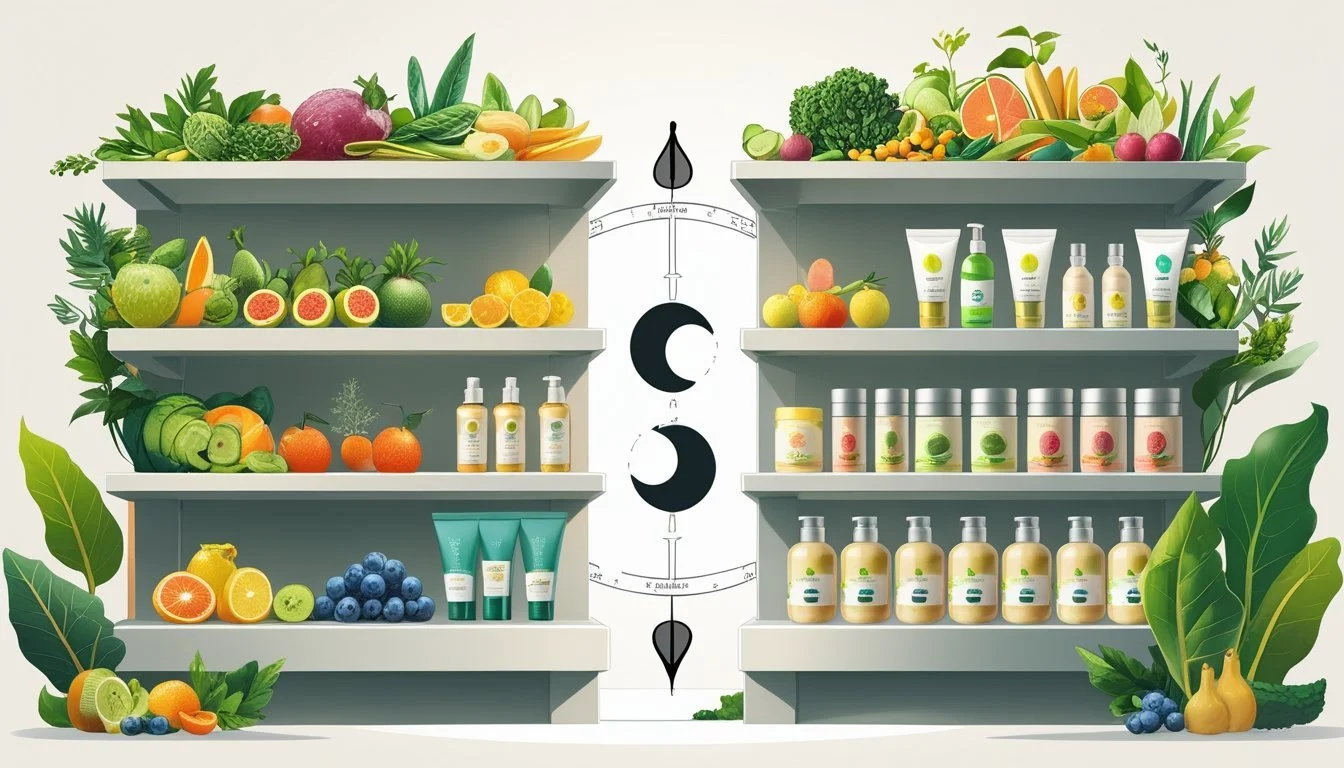
Natural products face a tension between maintaining desirable sensory qualities and achieving a practical shelf life. This balance is further complicated by shifting consumer expectations and the logistical realities of expiration dates.
Impact on Flavor and Sensory Attributes
The shelf life of natural products is closely linked to how long they retain their original flavor, aroma, color, and texture. Without synthetic preservatives, these attributes often degrade more rapidly due to oxidation, microbial activity, and natural enzymatic reactions.
For example, natural oils, fruit-based ingredients, and whole grains tend to lose their freshness faster. Companies may use natural preservatives such as rosemary extract or ascorbic acid, but these are generally less potent than synthetic alternatives and can impart their own tastes.
Consumers often notice subtle shifts in flavor and mouthfeel as products approach their expiration date. This can result in reduced enjoyment and affect repeat purchasing decisions, especially in foods, beverages, and cosmetics that emphasize their natural qualities.
Balancing Consumer Preferences and Expectations
Many shoppers prefer products with simple, recognizable ingredients and minimal processing. Consumer surveys consistently report higher trust in “natural” labels and increased interest in clean-label formulations.
However, these preferences come with an expectation for products to remain fresh and appealing for a reasonable period after purchase. If shelf life is too short, it can lead to higher levels of waste, more frequent shopping trips, and increased costs for both retailers and consumers.
Manufacturers must carefully weigh how ingredient choices and preservation methods will affect both shelf stability and consumer satisfaction. Communication about storage, best-by dates, and natural variations is essential to managing expectations.
Managing Expiration Dates
Managing expiration dates is a key operational challenge. Natural products often have expiration periods as short as several months to a year, especially when they contain perishable oils or are minimally processed.
Producers set expiration dates based on laboratory tests for microbiological safety and sensory quality. In some cases, an ingredient can be used right up to its expiration date, and the final product is then given its own shelf life calculation.
Efficient supply chain management and accurate forecasting help reduce the risk of spoilage and unsold inventory. Clear labeling and storage instructions also help retailers and consumers use products safely and at their best quality.
Key Factors Influencing Shelf Life of Natural Products
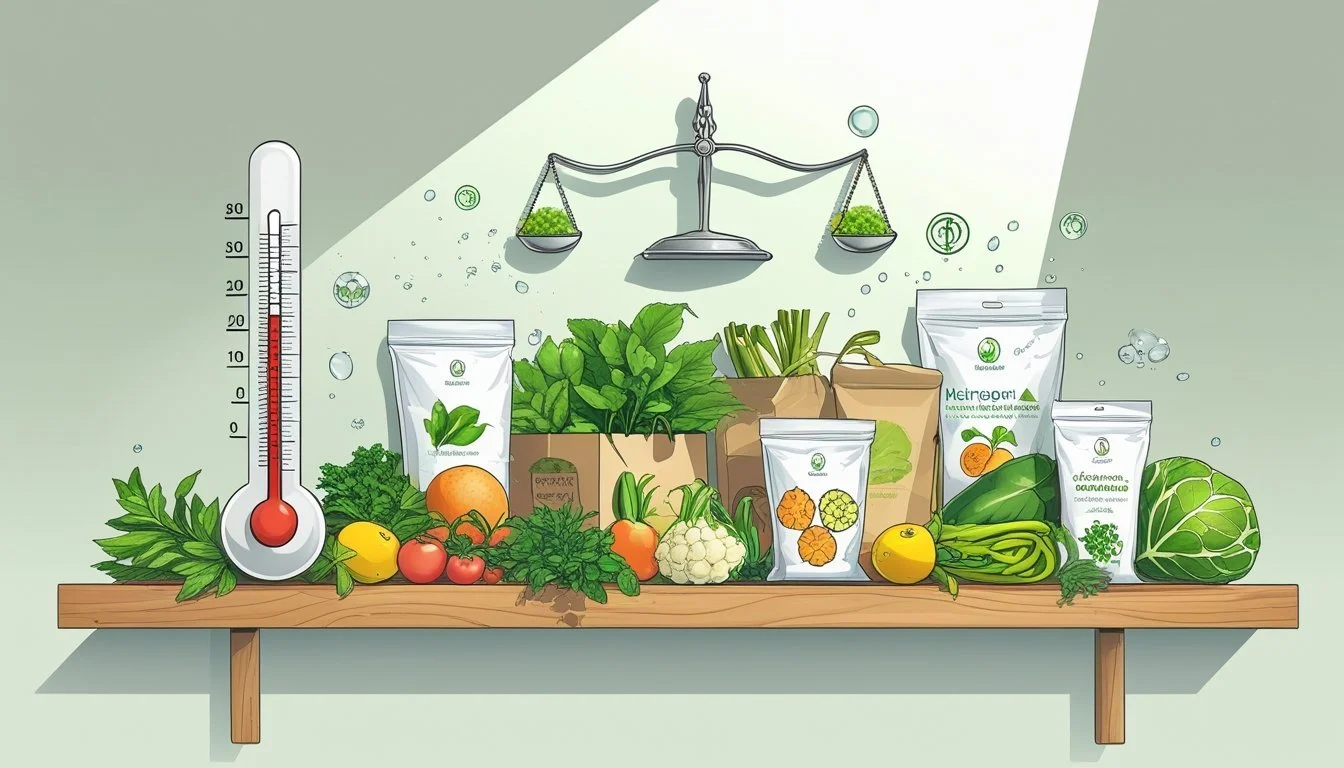
Shelf life for natural products depends largely on how quickly spoilage and degradation processes occur. Ingredients like plant extracts and oils are particularly vulnerable to specific threats, including microbial contamination, oxidation, and light exposure.
Microbial and Bacterial Growth
Natural products are especially prone to spoilage because they often lack synthetic preservatives. Bacteria, yeast, and mold can multiply rapidly in these environments, leading to changes in texture, color, odor, and safety.
The risk of microbial growth increases with moisture content, warmth, and improper storage. For example, minimally processed skincare or food products may begin to spoil within weeks if stored at room temperature.
Key methods to limit microbial growth include refrigeration, airtight packaging, and using natural preservatives such as essential oils or plant extracts with antimicrobial properties. Still, these methods typically extend shelf life for months, not years. The ingredient with the shortest shelf life usually determines the overall expiration date.
Oxygen and Oxidation
Oxygen in the air plays a critical role in degrading natural products. Oxidation leads to rancidity, discoloration, and nutrient loss, especially in products containing unsaturated fats, vitamins, or natural colorants.
Natural antioxidants like vitamin E can slow this process, but rarely stop it entirely. Exposure to air through frequent opening or improper sealing accelerates oxidative spoilage.
Products packaged in opaque, airtight containers reduce oxygen exposure. Some manufacturers use vacuum sealing or nitrogen flushing to further limit contact, but these measures add cost and may not be practical for all product types.
Light Exposure and Direct Sunlight
Direct sunlight and artificial light can degrade natural products by breaking down sensitive compounds. Ultraviolet (UV) rays especially accelerate oxidation and can cause fading of natural colors and reduction in potency.
Most natural oils, herbal extracts, and certain vitamins are photosensitive. Storing products in dark-colored bottles or opaque packaging offers protection. Light damage occurs even through clear glass, making amber, blue, or green bottles preferable for shelf-life extension.
Consumers are advised to keep natural products away from windows or bright lights to prevent quality loss. This applies to both food items and topical products like creams and serums.
Packaging Solutions for Natural Products
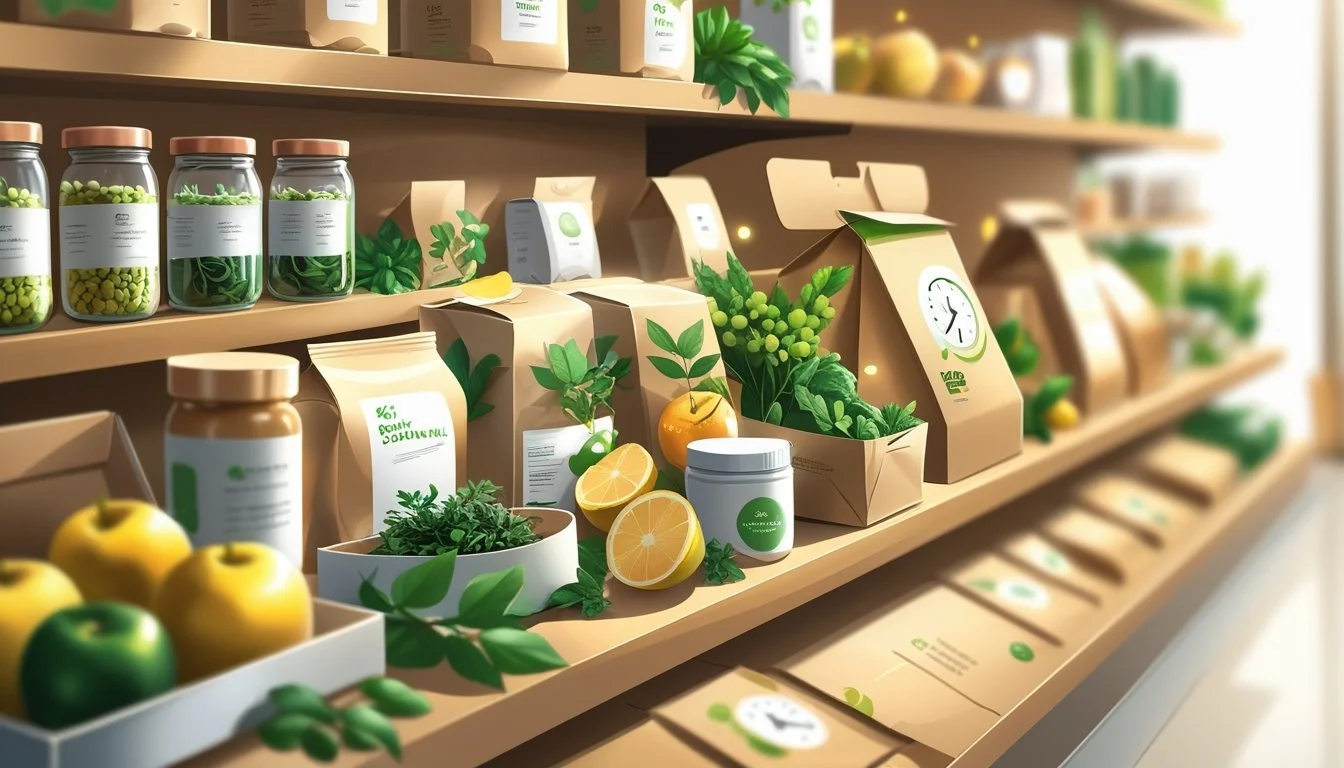
Extending the shelf life of natural products demands a balance between preserving product quality and meeting clean-label expectations. Methods include technological innovations, smart atmosphere control, and the use of natural additives.
Active Packaging and Nanotechnology
Active packaging incorporates materials that interact directly with contents to delay spoilage. This approach can use oxygen scavengers, antimicrobial agents, or moisture absorbers to reduce microbial growth and slow chemical degradation.
Nanotechnology enables these systems to work more efficiently. Nanoparticles and nano-coatings can provide targeted releases of active compounds, which helps maintain food safety without relying on synthetic chemicals.
Examples include packaging films infused with natural plant extracts or embedded silver nanoparticles for antimicrobial effects. This technology offers targeted, minimal-intervention preservation while keeping materials as natural as possible.
Role of Carbon Dioxide and Ethylene Control
Controlling atmospheric gases is a crucial strategy for slowing spoilage. High carbon dioxide levels can suppress microbial activity, especially in baked goods and pre-prepared foods.
Ethylene management is vital for fruits and vegetables. Ethylene absorbers or scavengers built into packaging slow the ripening process, reducing waste.
Packaging may use specialized sachets, pads, or films to capture or regulate these gases. This keeps produce fresher for longer and preserves nutritional and sensory quality.
Natural Preservatives and Alternatives
Natural preservatives such as vinegar, rosemary extract, and fermented ingredients are increasingly used in packaging for shelf life extension. These compounds help inhibit spoilage organisms while maintaining a clean label.
Companies also explore blends of organic acids and essential oils for microbial protection. Key natural alternatives include:
Ascorbic acid (Vitamin C)
Tocopherols (Vitamin E)
Natamycin (a natural antifungal protein)
These solutions are often incorporated directly into packaging films or applied as coatings, offering passive yet effective protection without synthetic chemicals. This approach aligns with sustainability and consumer safety preferences.
Storage Conditions: Ensuring Food Safety and Freshness
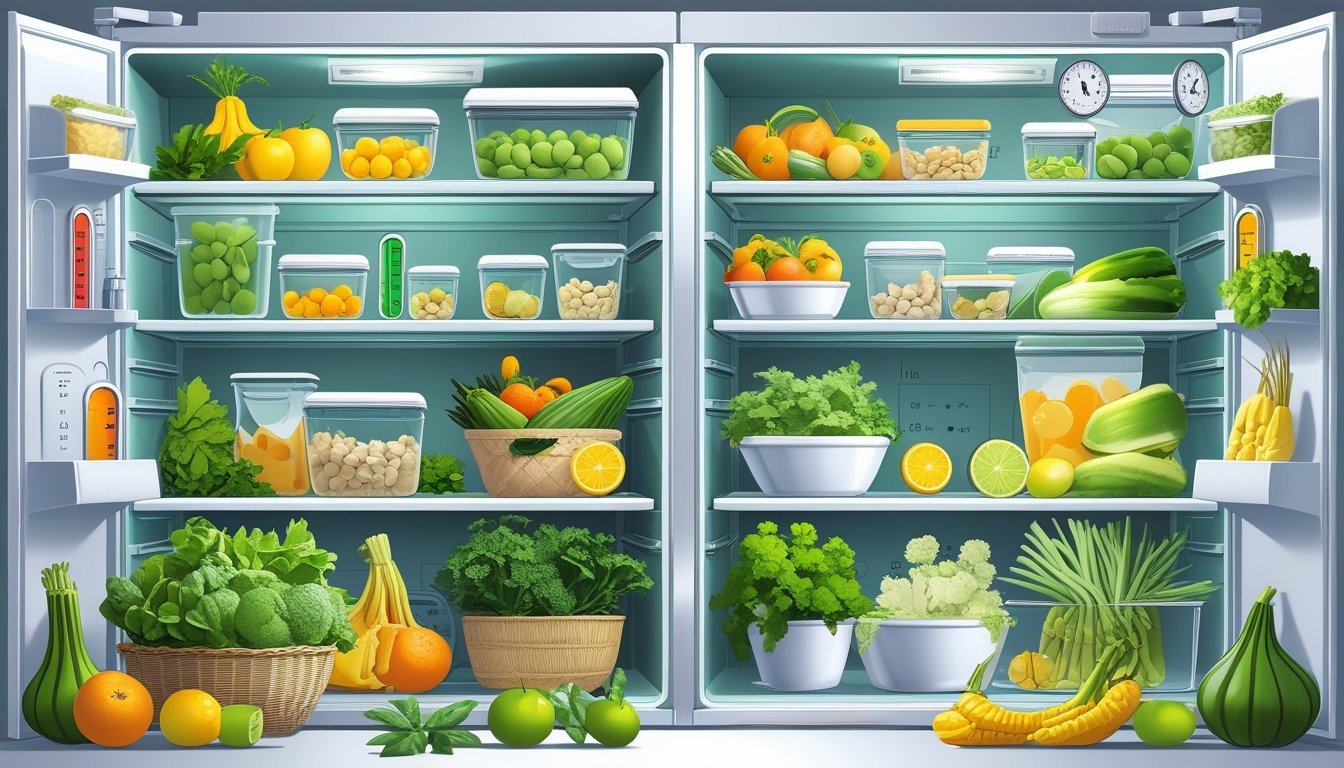
Proper storage is essential for maintaining food safety and extending freshness, especially with natural products. Managing factors like temperature and storage methods helps reduce spoilage and minimize the risk of foodborne illness.
Temperature Control and Refrigeration
Temperature control slows the growth of bacteria, yeast, and mold that can spoil food or cause illness. Most perishable foods, such as fresh produce and meat, should be stored at or below 4°C (40°F).
Using refrigerators helps retain quality and slows enzymatic reactions. For example, leafy greens and berries keep their texture and nutrients best when promptly refrigerated after purchase.
Some foods, like tomatoes and certain fruits, may suffer from poor flavor or texture if stored too cold, so placement and temperature zones within a refrigerator matter. Consistent monitoring with a thermometer ensures safe storage, and regular cleaning prevents cross-contamination.
Optimizing Storage for Dairy and Other Perishable Foods
Dairy products—including milk, yogurt, and soft cheeses—require especially strict storage at low temperatures. Store these items between 1°C and 4°C (34°F and 40°F) and keep tightly sealed to prevent spoilage and contamination from other foods.
Other perishable foods like eggs and deli meats also benefit from dedicated storage in the coldest part of the refrigerator. Use labeled containers for leftovers and adhere to first-in, first-out rotation to maximize shelf life.
Foods stored at unsafe temperatures can develop off-flavors, curdling, or bacterial growth quickly. By following best practices for refrigeration and organization, consumers can preserve both the safety and quality of natural products.
Environmental and Financial Implications
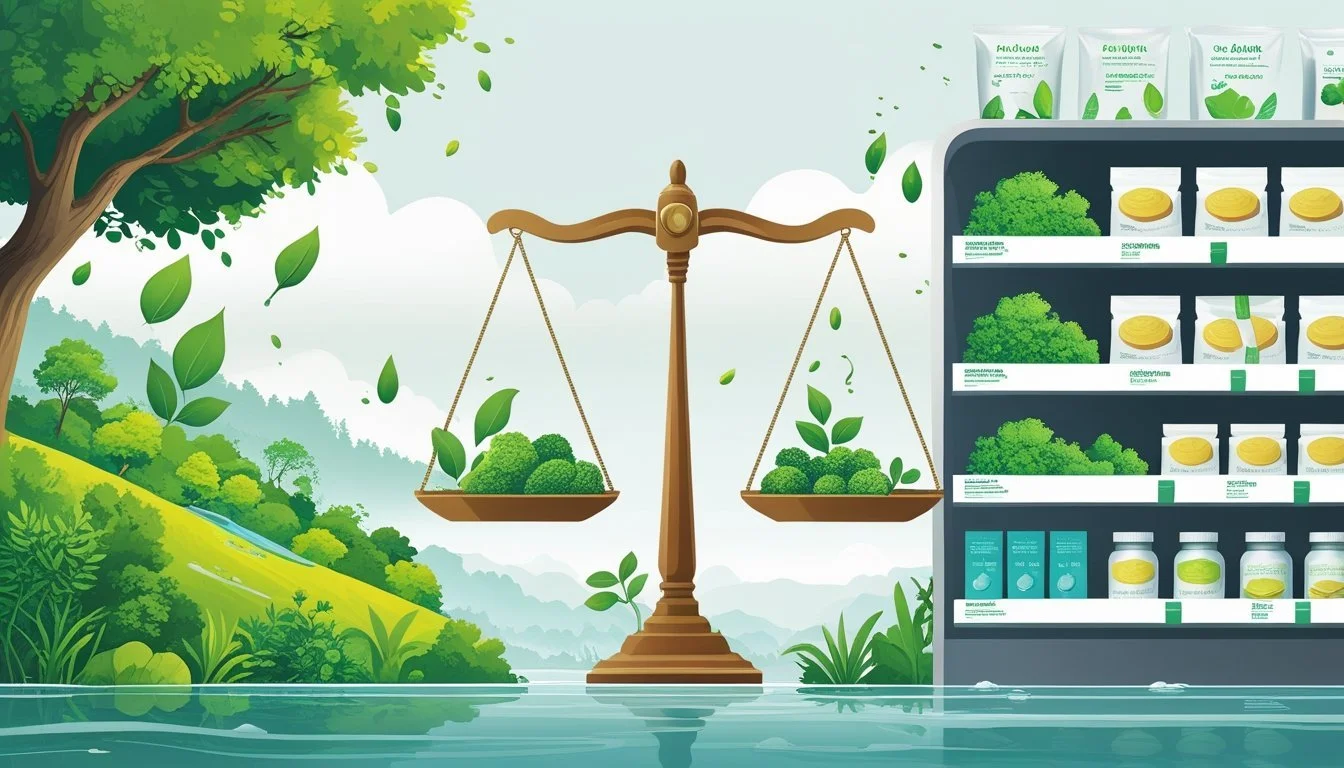
Natural products present unique challenges for supply chains and business performance, especially when it comes to balancing sustainability, waste reduction, and profitability. Decisions around preservatives, shelf life, and biotechnology can have measurable effects on the environment and on a company’s bottom line.
Reducing Food Waste Responsibly
Shorter shelf lives increase the risk of spoilage both in transit and retail environments. This creates added pressure on logistics, often leading to product loss before consumers can purchase or use the items. According to recent trends, the push for clean labels and minimal synthetic preservatives demands better supply chain coordination.
Food waste has direct environmental impacts, such as increased greenhouse gas emissions from decomposing organic matter. Efforts to address this may involve optimizing inventory, improving packaging, or making use of natural antioxidants or biopolymers. Companies choosing natural ingredients must monitor and actively manage wastage to ensure environmental responsibility.
Key strategies include:
Using rapid distribution channels
Implementing accurate demand forecasting
Developing compostable packaging
Impact on Profit and Financial Performance
Using natural ingredients can alter cost structures due to more frequent spoilage and higher transportation demands. Shorter shelf lives shrink the selling window, increasing the likelihood of unsold inventory and higher retail waste rates. These realities can directly reduce profit margins and place pressure on pricing models.
Companies may face additional costs for cold storage, expedited shipping, or premium packaging to prolong freshness. Retailers might compensate with higher markups, but this could affect product accessibility and demand. Effective management thus requires a careful balance between brand values, consumer expectations, and operational costs.
A summary table of typical cost factors:
Factor Impact on Cost Spoilage/Waste Increased Transportation Speed Increased Storage Requirements Increased Packaging Solutions Often Increased Price Flexibility Often Decreased
Role of GMO in Sustainability
Genetically modified organisms (GMOs) offer potential advantages by extending the shelf life of natural products or reducing the need for synthetic preservatives. Crops engineered for longer shelf life can help decrease spoilage during shipping and storage, making distribution more efficient.
From an environmental standpoint, GMOs may allow for reduced food waste and more consistent product quality. However, consumer acceptance of GMOs in "natural" products remains mixed, which can complicate marketing strategies for brands targeting clean-label buyers.
Regulatory policies and labeling requirements further influence the adoption of GMOs. Businesses must weigh the environmental benefits against public perception and compliance demands when considering genetic modification as a means to sustainability.
Consumer Trends and Market Research
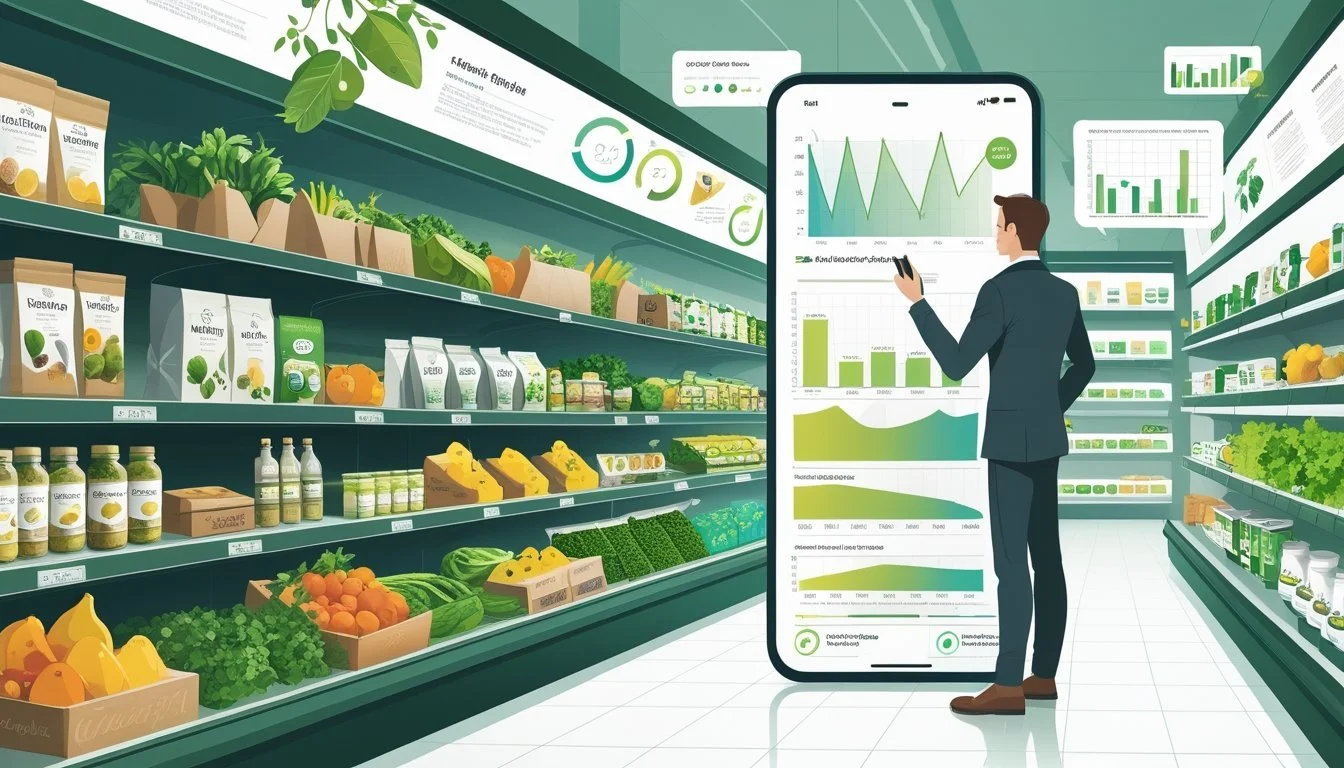
Many consumers are increasing their demand for foods and household items labeled as “natural,” but expectations around shelf life and convenience still weigh heavily in their purchase decisions. Market research reveals a range of perceptions—with some consumers prepared to accept shorter shelf lives, while others seek both natural content and longer-lasting products.
Shifting Attitudes Towards Natural Product Shelf Life
Recent global surveys point to a growing preference for ingredients seen as natural and recognizable, especially if they are free from artificial additives and preservatives.
Consumers often associate natural products with health, fewer processing steps, and low environmental impact. However, this preference brings a compromise: natural products generally lack the synthetic preservatives that extend shelf life, which can reduce convenience for some buyers. According to research, while many individuals appreciate the perceived safety of natural formulations, a significant portion express concerns about potential product spoilage or food waste, especially with fresh and perishable goods. Companies face the challenge of aligning their shelf life strategies with these evolving consumer demands.
The Crucial Role of Consumer Education
An informed public is key to bridging the gap between the qualities of natural products and realistic expectations for shelf life. Consumer education efforts—such as clear labeling, transparent ingredient lists, and factual marketing—can directly influence perceptions and purchasing choices.
Effective education includes:
Explaining the tradeoffs inherent in natural versus synthetic preservation
Highlighting correct storage practices to minimize spoilage
Providing straightforward information on expiration dates and safety
When consumers understand why natural products may spoil sooner or require special handling, they are more likely to accept these characteristics and make purchasing decisions that align with their preferences. This also reduces the risk of dissatisfaction and product returns.

