
The Trade-Off Between Nutrition and Shelf Life in Modern Food Products
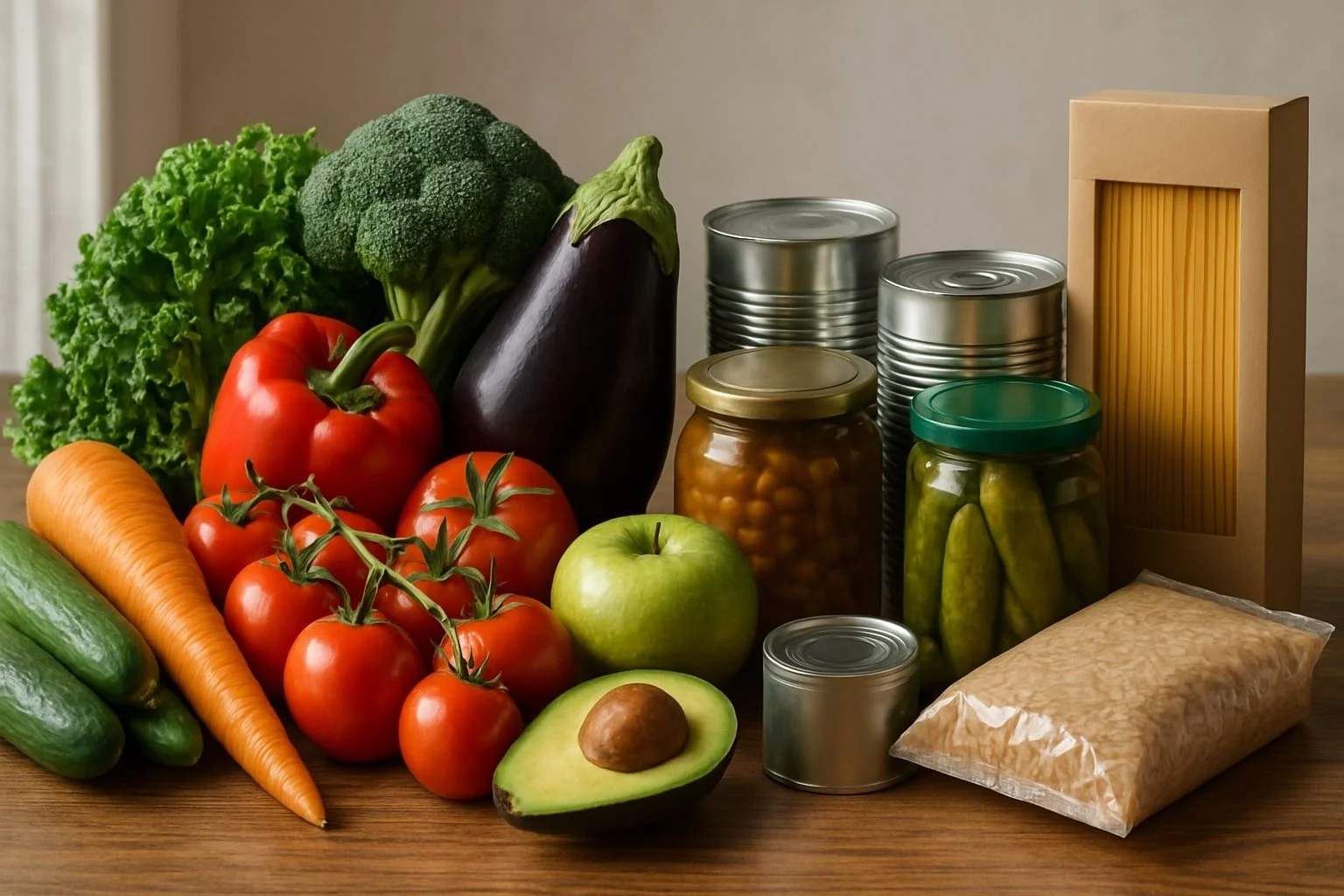
There is a clear trade-off between nutrition and shelf life in many foods, as efforts to extend shelf life can sometimes reduce nutritional value. Food processing techniques such as heat treatment, pasteurization, and addition of preservatives help keep products safe for longer, but they may also lower levels of certain vitamins and beneficial compounds. This means that while foods last longer and reduce waste, some nutrients may be lost in the process.
Consumers increasingly look for both convenience and health in their food choices, making the balance between shelf life and nutrition a key issue for manufacturers and shoppers alike. Understanding how shelf life affects nutritional content can help individuals make more informed decisions about what they eat and why.
Understanding Nutrition in Food
Nutrition in food involves understanding both the substances that the body needs and how different foods meet those needs. Key elements include the balance of macronutrients, the presence of essential vitamins and minerals, and how these relate to health recommendations.
Nutritional Value and Requirements
Nutritional value describes the composition of food in terms of calories, macronutrients, and micronutrients. It reflects how well a food source meets the body's daily needs.
Nutritional requirements vary by age, sex, activity level, and health status. Some nutrients, like dietary fiber and vitamin D, are often under-consumed, while others, such as sodium and added sugars, may be overconsumed. Proper nutrition avoids deficiencies and supports normal growth, development, and overall health.
Reading nutrition labels helps consumers compare foods and choose those that align with their dietary requirements. For example:
Whole grains provide fiber and B vitamins.
Lean meats and beans supply proteins and iron.
Fruits and vegetables are rich in vitamins and antioxidants.
Macronutrients and Micronutrients
Macronutrients are nutrients the body needs in large amounts—proteins, fats, and carbohydrates. Proteins support tissue repair and immune function. Carbohydrates are a main energy source, while fats offer energy and assist in nutrient absorption.
Micronutrients, such as vitamins and minerals, are needed in smaller amounts. They are vital for processes like metabolism, bone health, and nerve function. Examples include:
Calcium for bones
Iron for blood production
Vitamin C for immune defense
Folate for cell growth
Balanced intake of both macronutrients and micronutrients prevents malnutrition and chronic disease risk. Deficiencies in essential micronutrients—such as iron or vitamin B-12—can lead to health problems, especially in vulnerable groups.
Dietary Guidelines and Healthy Diets
Dietary guidelines provide science-based advice on food choices to promote health and prevent disease. Core principles include eating a variety of foods, focusing on nutrient-dense items, and limiting saturated fat, added sugars, and sodium.
A healthy diet emphasizes fruits, vegetables, whole grains, lean proteins, and low-fat dairy. Portion control and balanced meals help meet nutritional requirements without excess calories or unhealthy ingredients.
Examples of dietary patterns that follow these guidelines are the Mediterranean Diet and the DASH diet. Both highlight plant-based foods, healthy fats, and limited processed foods. Adhering to dietary guidelines supports energy needs, optimal nutrient intake, and long-term health.
Defining Shelf Life and Its Implications
Shelf life refers to the period during which a food product maintains its desired safety and quality under specified storage conditions. Understanding what influences this time frame and how it relates to spoilage and food safety is essential for anyone involved in food production, distribution, or consumption.
Factors Affecting Shelf Life
Several factors determine how long a food product remains safe and maintains acceptable quality. Temperature, humidity, and light exposure are major contributors. For example, higher storage temperatures often speed up chemical reactions that degrade nutrients and promote microbial growth.
Handling practices, including hygiene during processing and packaging, directly affect shelf life. Foods processed or packaged in unsanitary conditions have a higher risk of contamination, reducing storage time.
Packaging materials, such as airtight or vacuum-sealed containers, help prevent oxygen, moisture, and microorganisms from degrading food. The use of preservatives and additives can also extend shelf life, but may impact nutritional value.
Table: Common Factors Impacting Shelf Life
Factor Effect on Shelf Life Temperature High temp = shorter; low temp = longer Humidity High = promotes spoilage; low = inhibits Packaging Airtight = protects from contamination Additives/Preserv. Often extend shelf life, may reduce nutrients Light exposure Can degrade sensitive nutrients, spoil food
Spoilage and Food Safety Risks
Spoilage is the process by which food deteriorates, losing taste, appearance, and nutritional quality. Spoiled foods are often detected by changes in odor, texture, or color.
Bacteria, yeasts, and molds are the primary culprits of spoilage. When present in significant amounts, these microorganisms can lead to foodborne illnesses. Handling foods improperly, such as leaving items unrefrigerated, allows bacteria to multiply quickly and increases safety risks.
Improper storage and extended storage time can cause chemical changes that create toxins or promote the growth of harmful organisms. Listeria, Salmonella, and E. coli are common pathogens linked to inadequately controlled shelf life.
Strict attention to storage temperature and proper handling are crucial to protect against foodborne diseases and minimize spoilage. Labels with precise storage guidelines and expiration dates help consumers make informed choices about safety and quality.
The Fundamental Trade-Off: Nutrition Versus Shelf Life
Extending shelf life helps keep food safe and available but often requires changes to the way foods are processed and preserved. These modifications can affect the nutritional content, aroma, and overall quality of foods.
How Preservation Impacts Nutrition
Food processing techniques such as canning, drying, freezing, and the use of preservatives are designed to prevent spoilage. Each method can reduce spoilage but may also lower key nutrients like vitamins C and B, which are sensitive to heat and oxygen.
Chemical preservatives and additives slow down microbial activity, but some can alter the natural composition of food. For instance, blanching vegetables before freezing preserves color but results in some nutrient loss. Certain aromas and flavors can diminish through repeated heating or dehydration, affecting sensory quality.
The following table outlines common preservation methods and their impact:
Method Key Additives/Steps Potential Nutrient Loss Aroma/Flavor Changes Canning Heat, salt, acid Vitamin C, B vitamins Milder aroma, soft texture Freezing Blanching, cold Minimal with proper storage Preserved aroma Dehydration Heat, airflow Water-soluble vitamins Intensified or muted
Processing helps foods last longer but usually comes with some level of nutritional and sensory compromise.
Balancing Quality and Longevity
Producers make calculated trade-offs between shelf life, food quality, and nutrition to meet safety and economic demands. Choosing preservatives and additives allows foods to remain safe longer but may lead to nutrient degradation or altered flavors.
Consumers seeking both nutrition and shelf life should look for minimally processed options and check ingredient labels for unnecessary additives. Shorter ingredient lists and words like "fresh frozen" may indicate higher nutritional quality.
Manufacturers invest in improved preservation technologies, such as high-pressure processing, to maintain more nutrients and aroma without heavy processing. However, these advances can raise costs, making nutrient-rich, long-lasting products more expensive.
Shoppers must weigh the benefits of convenience and safety from extended shelf life against possible losses in nutrition and changes in taste or aroma.
Food Processing and Its Effects
Food processing alters the physical and chemical properties of foods, affecting both their nutritional content and shelf life. Different methods can either preserve, degrade, or enhance certain nutrients, with impacts varying widely by food type and process used.
Processing Methods and Nutritional Changes
Food processing involves techniques such as canning, freezing, pasteurization, drying, and packaging. Each method interacts differently with nutrients. For example, water-soluble vitamins like vitamin C and B-vitamins are particularly sensitive to heat and water exposure, often decreasing during boiling or blanching.
Other nutrients, like minerals and fat-soluble vitamins, generally remain more stable during processing. In some cases, nutrients are added back through fortification and enrichment, especially in products like breakfast cereals and dairy items.
Table: Impact of Processing Methods on Nutrients
Method Main Nutritional Impact Canning Vitamin loss (esp. vitamin C), longer shelf life Freezing Minimal nutrient loss, preserves texture Pasteurization Destroys pathogens, slight vitamin loss Drying Loss of vitamin C, concentration of minerals
Careful storage also helps retain nutrients. However, prolonged storage or reheating can further reduce nutritional value, particularly in highly processed foods.
Processed Foods in the Modern Diet
Processed foods play a large role in the American diet, offering convenience and year-round access to a diverse range of options. Examples include ready-to-eat meals, sliced bread, pasteurized dairy products, and canned vegetables. These items have an extended shelf life compared to fresh food.
Many processed products are formulated to be safe, palatable, and ready to eat, but often contain added salt, sugar, or fats. This can affect the overall quality of nutrition provided by the diet, especially if these foods replace fresh fruits and vegetables.
Some processed dairy products, such as yogurt and cheese, undergo fermentation, which can improve digestibility and nutrient absorption. However, highly processed foods may be lower in fiber and certain essential nutrients compared to their fresh counterparts, impacting long-term nutrition for those relying heavily on them.
Packaging Solutions and Technological Innovations
Packaging plays a critical role in balancing the need for extended shelf life with the preservation of food nutrients and quality. Advances in food packaging and preservation technologies have introduced innovative methods that address both safety and nutrition concerns.
Role of Packaging in Shelf Life Extension
Modern food packaging is designed to reduce spoilage by controlling the product’s exposure to air, moisture, and light. Common solutions include vacuum packing, modified atmosphere packaging (MAP), and resealable containers. These methods limit oxygen and moisture, which slow down degradation and retard the growth of spoilage microorganisms.
Active packaging uses absorbers for oxygen, moisture, or ethylene, and can also include systems that release carbon dioxide or antimicrobial agents. These features help stabilize food ingredients and extend freshness. For example, iron-based oxygen absorbers are commonly used to prevent oxidation in packaged foods.
In addition, intelligent packaging uses sensors and indicators to monitor freshness, temperature, or package integrity. This technology communicates safety or quality information to producers and consumers, supporting informed decisions about food consumption.
Emerging Preservation Technologies
Innovative chemical and physical preservation methods are being integrated into packaging to preserve food quality and nutrition. Antimicrobial packaging incorporates food-safe chemicals or natural agents that inhibit bacteria or mold growth, extending shelf life without adding preservatives to the food itself.
Edible coatings, another advancement, use safe food ingredients to form barriers on the surface of products like fruits or cheeses. These coatings control moisture loss and gas exchange while being consumable with the product.
Smart packaging is evolving with digital indicators for freshness and spoilage, offering real-time data throughout the supply chain. This allows for targeted interventions and reduces food waste, providing both economic and health benefits by keeping food fresher for longer without significant nutrient loss.
Consumer Perception and Food Choices
Consumer perceptions of nutrition and shelf life are shaped by external cues like packaging, marketing, and labels, as well as internal factors such as household priorities and budget. These influences can lead to compromises between health and convenience at the point of food purchase.
Labeling and Marketing Strategies
Labeling plays a significant role in shaping consumer perception. Health and nutrition claims, such as “low fat” or “high in fiber”, are used to attract buyers seeking healthier options. However, these claims can create a halo effect, where consumers may view processed foods as healthier than they actually are, even if they contain additives or have extended shelf lives.
Marketing strategies often highlight convenience and longevity by emphasizing shelf life and ease of preparation. Phrases like “ready-to-eat” or “long-lasting” appeal to busy shoppers. The following table shows typical keywords used and their perceived benefits:
Keyword Perceived Benefit Fresh Health, nutrition Long shelf life Convenience, value Natural Purity, safety Ready-to-eat Time-saving, simplicity
These strategies can sometimes overshadow the actual nutritional content of a product and influence food choices beyond what is supported by the ingredients alone.
Household Decision-Making
Within households, decisions about what foods to buy often involve balancing nutrition, cost, taste preferences, and shelf life. Price-sensitive families may opt for products with longer shelf lives to reduce waste and save money, particularly in areas where fresh foods are less accessible.
Preferences within a household may differ, especially between adults and children. Parents may prefer healthier options, while children could be influenced by taste or marketing. Busy schedules lead to a greater reliance on foods that require minimal preparation and can be stored longer.
Socioeconomic factors shape these choices. For example, low-socioeconomic-status households may prioritize affordability and convenience due to limited access to fresh, nutritious foods. This can reinforce a cycle where shelf life outweighs nutrition in decision-making, further influencing overall family food preferences.
Environmental and Economic Impacts

Shelf life directly affects both the environmental consequences of food choices and the economic realities of production, distribution, and access. Decisions about extending or shortening shelf life often result in measurable changes to sustainability and prices throughout the food system.
Sustainability and Environmental Challenges
Extending shelf life can reduce food waste, which lowers the overall environmental footprint of the food supply chain. Longer-lasting products reduce the frequency of spoilage, helping to minimize greenhouse gas emissions from decomposing food in landfills.
However, increasing shelf life sometimes requires higher amounts of packaging, preservatives, or energy in processing and storage. These methods can increase the environmental impact through more plastic use, chemical waste, or elevated energy consumption.
For perishable products like dairy, there is a balance between shelf life and environmental sustainability. A longer shelf life can help with transportation and distribution, but may involve trade-offs such as increased land or water use for additional processing steps.
The choice of shelf life also influences how far food products can be transported, which can impact global warming potential, freshwater usage, and other sustainability factors. Studies show that optimizing diets for nutrition and affordability often introduces trade-offs with environmental objectives, particularly when shelf life is altered.
Economic Factors and Food Prices
Economic development relies on efficient food supply chains that keep products available to consumers at stable prices. Shelf life is central to reducing losses during transportation and storage, supporting economic sustainability throughout agriculture and distribution.
Products with longer shelf lives typically see reduced spoilage-related costs. This often allows retailers to maintain lower prices, while producers benefit from fewer returns and waste-related expenses.
Conversely, the need for preservatives, special packaging, or refrigeration to extend shelf life can raise costs. These costs are often passed on to consumers, especially with fresh products like fruits, vegetables, and dairy.
Variations in shelf life also affect food prices in different markets. Products with shorter shelf lives may be less accessible or more expensive in remote or lower-income regions due to higher waste rates and logistical difficulties, which can worsen price disparities.
Food producers and policymakers must consider these economic impacts as they seek to balance shelf life, affordability, and sustainability.
Health and Public Policy Considerations
The extension of shelf life in foods often influences nutrient content and public health outcomes. Policies addressing these trade-offs must consider rising rates of malnutrition, noncommunicable diseases, and obesity.
Public Health Outcomes
Shelf-stable foods such as packaged snacks, processed meats, and ready-to-eat meals are widely available due to longer shelf life. These products frequently contain added preservatives, sugars, sodium, and fats to maintain palatability and safety.
While convenient and affordable, these foods are often lower in essential nutrients, including vitamins, minerals, and dietary fiber, compared to fresh options. As a result, populations with limited access to fresh foods—due to cost or location—face higher risks of micronutrient deficiencies and poor dietary diversity.
Policymakers may implement nutrition labeling, taxes on high-sugar or high-sodium products, and subsidies for healthier alternatives as possible interventions. Such measures aim to encourage healthier purchasing habits and reduce chronic disease incidence.
Noncommunicable Diseases and Obesity
There is a clear association between consumption of processed, shelf-stable foods and increased risk of noncommunicable diseases (NCDs) such as type 2 diabetes, cardiovascular diseases, and certain cancers. Processed foods high in salt, sugar, and unhealthy fats contribute substantially to these health issues.
Obesity rates are also linked to the easy availability and marketing of energy-dense, nutrient-poor foods. For example:
Food Category Shelf Life Typical Nutritional Impact Fresh Produce Low High in vitamins, minerals Canned Goods High Variable; often lower in fiber Snack Foods Very High High sugar, fat, low micronutrient
Interventions in public health policy frequently include restrictions on advertising unhealthy foods to children and creating guidelines for food reformulation. Addressing these factors can decrease both rates of obesity and long-term NCD prevalence.
Global Food System and Food Security
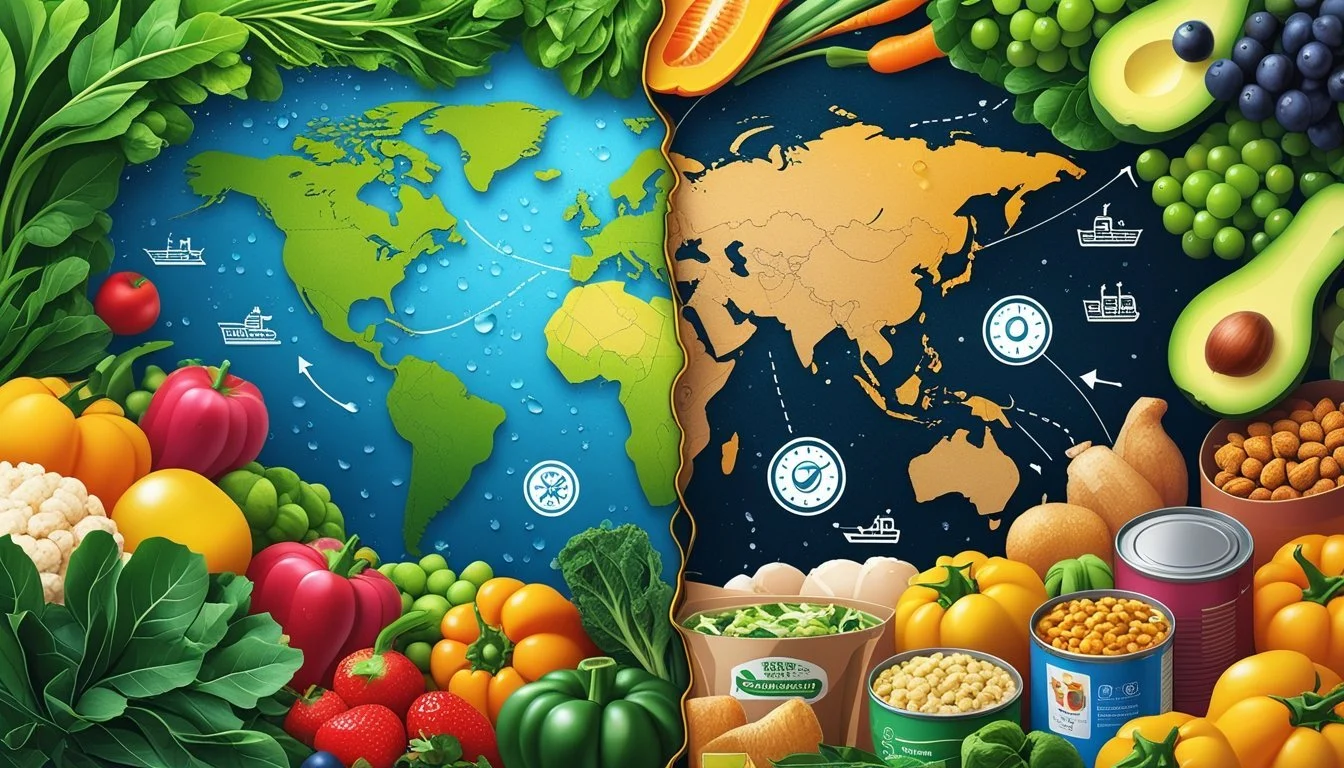
The global food system is shaped by the balance between nutritional value, shelf life, and issues of access and sustainability. Key challenges include minimizing food losses, addressing hunger, and ensuring resilient supply chains to maintain food security.
Food Losses and Waste
Food losses occur throughout the supply chain, from harvest to storage, processing, and distribution. These losses reduce the quantity of available food and directly threaten food security, especially in countries where infrastructure is weak.
Food waste, distinct from losses, often happens at the retail and consumer levels. In developed nations, over-purchasing and rejecting imperfect produce contribute significantly. In developing regions, lack of proper storage and preservation methods result in spoilage and waste before reaching consumers.
According to recent estimates, about one-third of all food produced globally is lost or wasted each year. This not only wastes resources but also limits overall access to safe and nutritious food for millions. Reducing food losses and waste is essential for achieving the Sustainable Development Goals related to hunger eradication and food security.
Hunger, Food Security, and Sustainable Development
Food security means that people have reliable access to enough safe and nutritious food for a healthy life. Yet, according to the latest reports, hundreds of millions worldwide remain undernourished.
Hunger persists due to a complex mix of economic, environmental, and social factors. The four pillars of food security are: availability, access, utilization, and stability. If any are compromised, communities face higher risks of malnutrition and hunger.
Strengthening food systems is critical to achieving the eradication of hunger by 2030, as outlined in the United Nations Sustainable Development Goals (SDGs). Efforts such as improving distribution networks, supporting local agriculture, and addressing inequalities can improve both short-term and long-term food security.
Supply Chains and the Global Food System
Modern supply chains link food producers, processors, distributors, and consumers across the globe. They are essential in ensuring that food is transported safely, stored properly, and delivered where it is needed most.
However, long and complex supply chains can often result in increased food losses, nutrient degradation, and greater environmental impacts. Delays or disruptions—caused by conflicts, trade barriers, or climate events—directly affect availability and affordability of food, threatening food security in vulnerable populations.
Innovation in supply chain management, such as the use of cold storage technology, improved transportation, and better packaging, can help maintain food quality and reduce losses. Prioritizing efficient and resilient supply chains ensures that nutritional value is preserved, waste is minimized, and the global food system supports sustainable development.
Advancements Toward Sustainability in Food Preservation
Food preservation is undergoing significant changes to address environmental concerns, maintain nutritional quality, and improve overall sustainability. New strategies include minimizing waste, evaluating the entire lifecycle of food products, and adopting circular production systems with measurable reductions in environmental impact.
Circular Economy and Circular Food Production
Circular economy principles are increasingly applied to food preservation processes. These principles emphasize keeping resources in use for as long as possible and regenerating natural systems wherever feasible.
Circular food production implements closed-loop methods, where waste and by-products from one process become resources for another. For example, fruit peels or whey from dairy processing can be repurposed into animal feed, bioenergy, or high-value ingredients.
Adoption of circular practices helps reduce dependency on raw resources and lowers waste generation. Companies are also redesigning packaging and logistics systems to maximize recovery, reuse, and recycling rates. This restructuring contributes to both lower production costs and improved environmental performance.
By-Products and Reducing Environmental Footprint
The use of by-products in food preservation helps minimize the industry’s ecological footprint by diverting materials from landfills and cutting resource depletion. Common by-products, such as oat hulls or potato skins, are being processed into dietary fibers, bio-based packaging, or fermentation substrates.
Key benefits include:
Reduction of food loss throughout the supply chain
Lower greenhouse gas emissions due to decreased landfill use
Enhanced material utilization through upcycling
By transforming waste streams into useful inputs, companies can achieve measurable sustainability gains. This approach also supports regulatory compliance and meeting consumer demand for eco-friendly products.
Life Cycle Assessment in the Dairy Industry
Life cycle assessment (LCA) is an important tool in evaluating and guiding sustainability efforts in the dairy sector. LCA examines a product's entire journey, from raw material extraction and production to distribution and disposal, highlighting critical points where improvements are possible.
In practice, LCA has helped dairy manufacturers identify which preservation methods offer the lowest environmental impact. For example, switching to more energy-efficient pasteurization or packaging options can significantly reduce greenhouse gas emissions and resource consumption.
Comparative studies using LCA have also guided industry-wide best practices, including reducing water use and improving waste processing. These data-driven decisions enable dairy producers to balance nutrition, shelf life, and sustainability with transparent and quantifiable results.
Special Considerations in Nutrition and Shelf Life
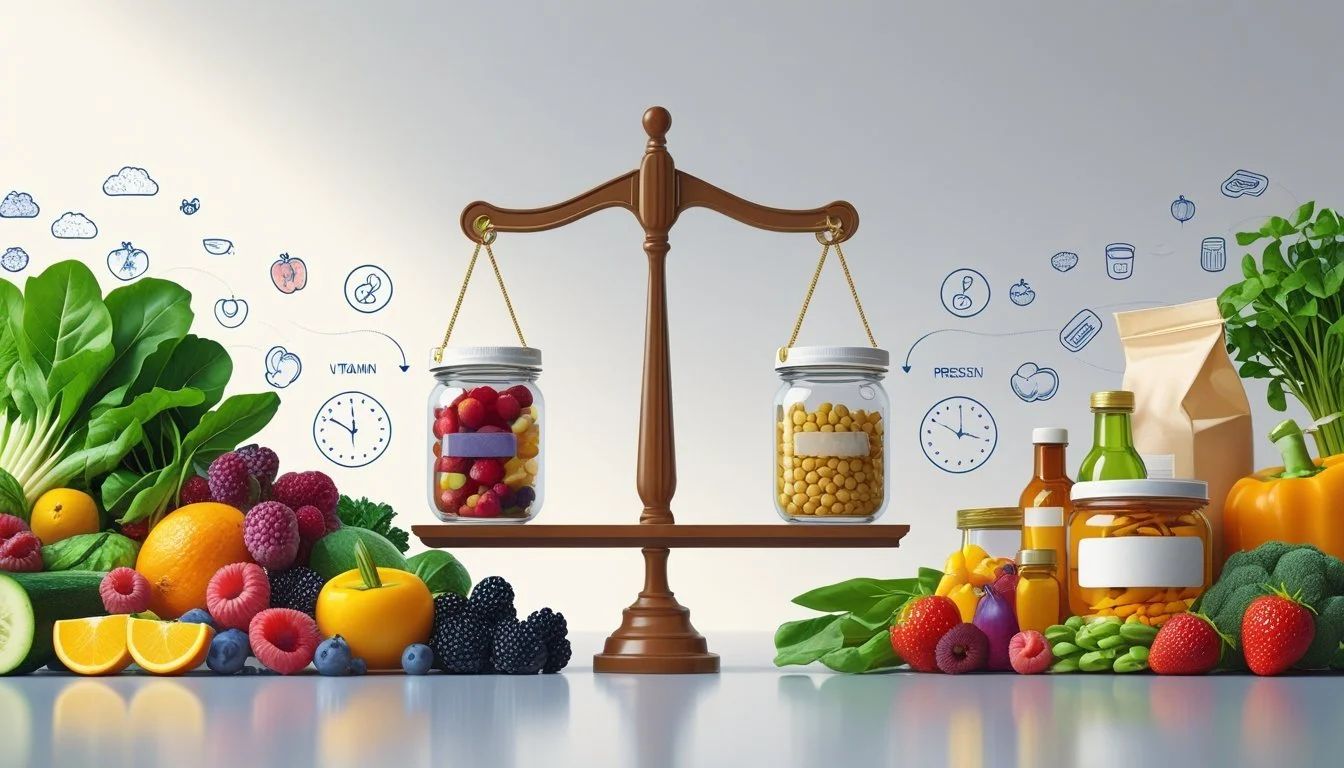
Trade-offs in food processing and preservation affect both nutrition and product longevity. Several factors, such as ingredient type and risks from mislabeling or contamination, must be carefully evaluated in the context of shelf life and nutritional quality.
Plant-Based and Animal Protein Foods
Plant-based foods generally have a longer shelf life than most animal protein products due to lower moisture and fat content. Processed plant foods, such as grains, seeds, and legumes, can be stored for months or even years without significant loss of quality when kept in dry, cool conditions. In contrast, fresh animal proteins like meat, fish, and dairy are more perishable and often require refrigeration or preservation treatments.
Nutrient loss during storage varies. Plant-based items may lose certain vitamins, particularly vitamin C and B vitamins, when exposed to heat or extended time on the shelf. Animal proteins can suffer from protein degradation and fat oxidation, reducing both nutritional value and safety. Preservatives, vacuum-sealing, or freezing can slow these changes but may also affect sensory qualities, such as flavor or texture.
Many plant-based alternatives are fortified to match the nutrients of animal products, but differences remain. For instance, plant milks often need vitamin B12 and calcium added to approach the profile of dairy milk. Consumers should check ingredient lists and nutrition labels for fortification and expiration dates to maintain both nutrition and safety.
Food Fraud and Food Safety
Food fraud involves deliberate misrepresentation of food products, such as substituting or diluting high-value animal protein with cheaper alternatives or mislabeling plant-based foods. This practice can pose significant food safety risks and cause consumers to unintentionally ingest allergens, harmful additives, or lower-quality ingredients.
Shelf life can be misleading in fraudulent products. Items may appear fresher due to chemicals or improper labeling, masking potential spoilage or contamination. Animal protein products are especially vulnerable, as spoiled meat or fish can cause foodborne illness if mishandled or sold past a safe date.
Quality control measures are essential for both industry and consumers. Simple precautions include purchasing from reputable sources, reading labels for country of origin and ingredient lists, and paying attention to packaging integrity. Enhancing traceability and regular inspection help ensure that both plant-based and animal protein foods remain safe from fraud and address risks associated with extended shelf life.

