
How Climate Change Is Forcing Shelf Life Reassessment in Food and Pharmaceutical Industries
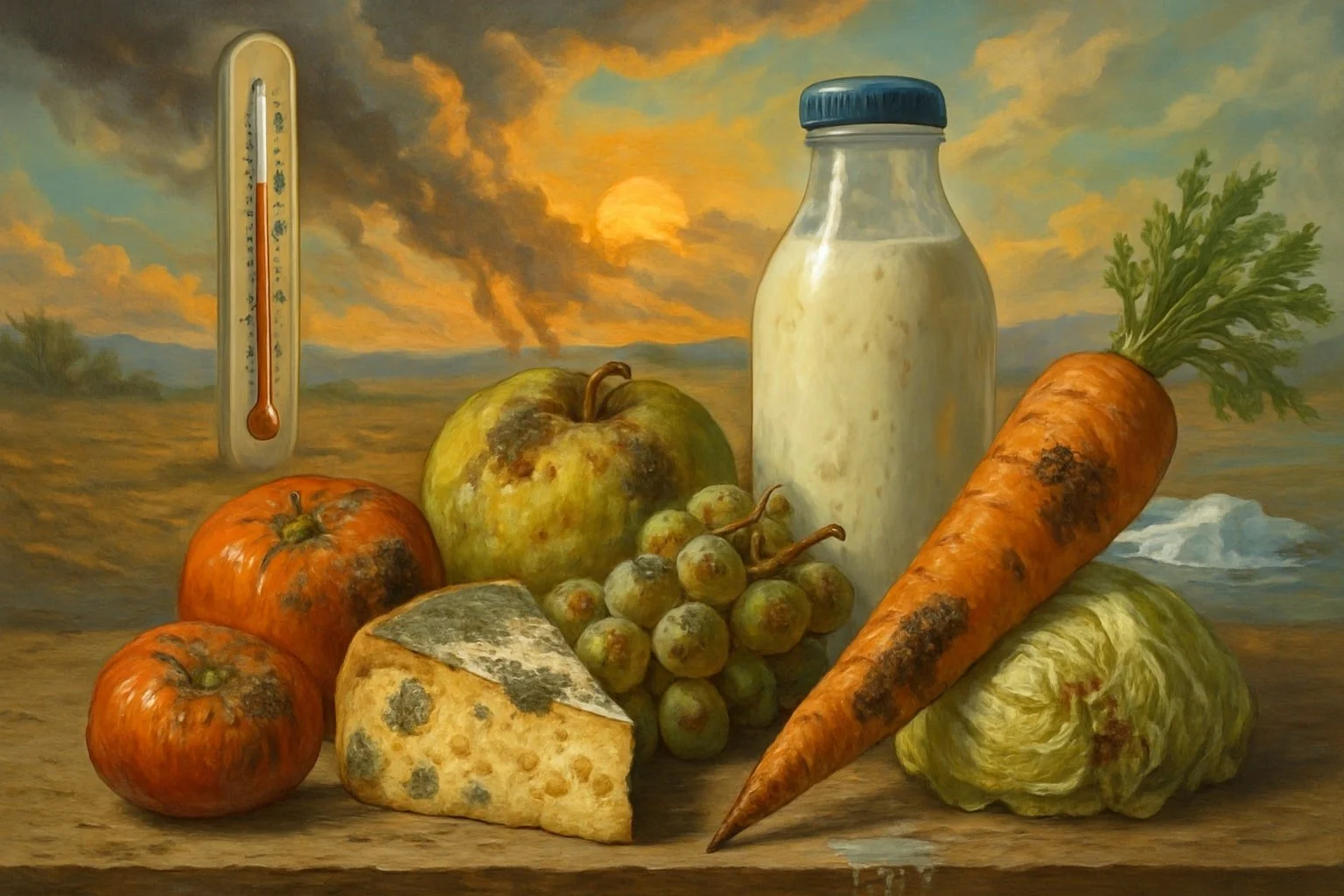
Climate change is prompting food producers, retailers, and regulators to rethink how shelf life is determined and managed across the supply chain. Rising global temperatures and shifting weather patterns are directly impacting the conditions in which food is grown, transported, and stored. These changes can accelerate food spoilage and increase the risks of contamination, forcing a reassessment of existing shelf life standards.
As environments grow less predictable, maintaining the safety and quality of perishable foods becomes more complex. Even with advances in packaging and cold chain technology, the effectiveness of shelf life management is now being tested by new threats posed by climate change. Readers looking to understand how these realities shape their food and the broader system will find crucial insights in exploring this issue further.
How Climate Change Is Disrupting Shelf Life
Climate change is driving significant shifts in food preservation and shelf life, with rising temperatures and fluctuating environmental conditions affecting food safety and spoilage. As global warming accelerates, these impacts are becoming more pronounced, forcing food science to adapt existing standards.
Impact of Rising Temperatures on Food Preservation
Higher average temperatures and frequent heatwaves are challenging traditional storage and distribution systems. Refrigeration demands are increasing to keep perishable items safe, and there are rising risks of cold-chain failures during transport.
Foods such as dairy, meat, and fresh produce are especially sensitive. Even minor increases in temperature can reduce safe storage times and cause quality loss through texture or nutrient degradation. Supply chains now require better cooling technology and robust monitoring.
A table of temperature sensitivity for select foods:
Food Type Optimal Storage Temp Typical Shelf Life at Optimal Temp Risk under Higher Temp Fresh meat 0–4°C 3–5 days Spoilage accelerates, pathogens grow Dairy 1–4°C 7–14 days Faster souring, mold growth Leafy greens 1–4°C 5–7 days Wilting, decay, loss of vitamins
Effects on Food Spoilage and Safety
Climate change is increasing the frequency of conditions favorable to pathogens and spoilage organisms. Mold, bacteria, and yeast can thrive with elevated humidity and fluctuating temperatures.
A growing concern is the emergence and spread of toxigenic fungi and foodborne bacteria such as Salmonella and Listeria, especially as these organisms adapt to warmer environments. Increased spoilage rates undermine food safety, raising incidences of foodborne illness.
Food science is being pressed to reassess expiration dates and use more sensitive detection methods. Tools like smart packaging and rapid microbial testing are becoming standard to help maintain food safety in uncertain climates.
Droughts, Floods, and Environmental Stressors
Extreme weather events—droughts, floods, and storms—affect crop quality and harvest stability. Drought-stressed plants often exhibit altered chemical composition, making them more vulnerable to microbial invasion and rapid spoilage.
Floods can bring contamination from pathogens and pollutants, further reducing the storage potential of grains, fruits, and vegetables. Environmental stress can also degrade natural protective coatings, such as fruit skins, that help slow decay.
Producers must now consider post-harvest treatments, better packaging, and rapid distribution strategies to counter these shelf life challenges. These adaptations are essential to limit food waste as climate volatility increases.
Changes in Food Production and Supply Chains
Rising temperatures, unpredictable rainfall, and extreme weather events have caused disruptions throughout the food supply chain. Key points of impact include changing crop yields, resource shortages in livestock and fisheries, and new risks to the stability and shelf life of food products.
Agricultural Shifts and Crop Variability
Agriculture faces significant pressures from climate change, particularly in relation to the production of vegetables, fruits, and staple crops. Fluctuating temperatures and irregular precipitation patterns can shorten or disrupt growing seasons. Some regions may experience drought, while others see increased flooding.
This variability directly affects crop yields, quality, and post-harvest conditions. For example:
Heatwaves can accelerate ripening and spoilage.
Floods raise the risk of fungal contamination.
Drought can reduce yields and impact nutrient content.
Table: Example impacts of climate change on agricultural outputs
Factor Effect on Crops Shelf Life Impact Heatwaves Early ripening, spoilage Shortened Floods Mold, contaminants Unsafe/storage issues Drought Lower yields, weak crops Lower storage quality
Livestock, Fishery, and Resource Availability
Livestock production contributes roughly 15% of global greenhouse gas emissions, and it also suffers from climate-related resource constraints. Warmer climates stress animals, decreasing productivity and increasing susceptibility to disease.
Feed and water availability can fall short during droughts or heatwaves, forcing producers to alter herd sizes or switch breeds. Fisheries are not immune; shifting ocean temperatures and acidification disrupt marine ecosystems. Some fish species migrate or decline in number, posing risks to the stability and diversity of aquatic food systems.
These challenges strain the continuity of supply and can accelerate spoilage due to reduced animal health and because fish products generally have a shorter shelf life.
Supply Chain Adaptations to Shelf Life Risks
Food processing, transportation, and storage are increasingly vulnerable to climate-driven disruptions. For instance, extreme heat can impair refrigeration and prolong transit times, raising spoilage risks, especially for perishables like dairy and seafood.
To address these risks, supply chains are adopting:
Improved tracking and temperature monitoring.
More robust packaging to guard against contamination.
Strategic relocation of warehouses to more stable environments.
Retailers and distributors may adjust stock turnover rates to manage products with reduced shelf life, while increasing the use of preservation methods such as freezing or modified atmosphere packaging. These adaptations add complexity and cost but are necessary to maintain food quality and safety as climate variability persists.
Food Quality, Nutrition, and Shelf Life
Climate change is causing higher temperatures and increased humidity, which can speed up food spoilage and alter nutrient content. These changes threaten food quality, reduce product shelf life, and impact both modern and traditional diets.
Nutrient Losses and Product Degradation
With rising temperatures and unpredictable weather, crops and food products often lose nutrients more quickly during storage and transportation. Vitamin C and certain B-vitamins degrade faster in heat and humidity. For example, leafy greens and fresh fruits may lose a significant percentage of their antioxidants and vitamins even before reaching consumers.
Microbial spoilage is also more common as warmer conditions accelerate mold and bacteria growth. This impacts not just the nutritional profile but also the safety and shelf life of foods such as dairy, grains, and ready-to-eat products. Losses in nutrition can lead to higher risks of undernutrition and malnutrition, especially in regions where food security is already fragile.
Impact on Food Categories and Traditional Diets
Perishables—including fresh produce, fish, and meats—are particularly sensitive to shifts in temperature and moisture. Traditional storage methods and preservation techniques may no longer be effective, forcing communities to reassess how they maintain staple foods.
Some traditional diets, especially those dependent on root crops, dairy, and fermented goods, are now at risk. These foods can spoil faster, narrowing dietary options and threatening nutrition security. People who rely on these diets may need to adapt to new food safety standards or alternative food sources as shelf life decreases.
Food Waste and Shelf-Life Extension Strategies
Shelf-life extension is an important tool in addressing global food waste and reducing environmental impacts. Both advances in food packaging and improved communication around date labels play key roles in decreasing unnecessary food loss throughout the supply chain.
Reducing Food Waste through Packaging Solutions
Intelligent and better-designed packaging systems, such as modified atmosphere packaging (MAP), help maintain freshness and slow spoilage of perishable items. These solutions can extend shelf-life by adjusting oxygen and carbon dioxide levels inside the package, reducing microbial growth.
By prolonging usability, packaging innovations reduce the likelihood of food being discarded due to early spoilage. Incorporating recyclable materials in packaging design also promotes sustainability by lowering the environmental footprint associated with single-use plastics.
Smart labels and sensors embedded in packaging give real-time quality information, helping retailers manage stock and reduce wastage more effectively. Food businesses that invest in modern packaging strategies often see a measurable drop in product loss while supporting recycling goals.
Role of Date Labels and Consumer Education
Date labels such as "use by," "best before," and "sell by" contribute to confusion and food wastage when misunderstood. Many consumers misinterpret these dates as indicators of food safety rather than quality, leading to the disposal of edible products.
Clearer labeling policies paired with consumer education campaigns have shown to reduce food loss by informing shoppers on when food is genuinely unsafe versus simply less fresh. Teaching people the difference between label types helps them make informed decisions and minimize unnecessary discards at home.
Tools like digital reminders and mobile apps also guide households in better managing their groceries, tracking expiry dates, and planning meals. Accurate label information, combined with improved awareness, directly reduces food wastage and supports broader efforts to limit global food loss.
Technological Innovations and Digitalization
Food companies are adopting digital solutions to respond to supply chain and shelf life challenges accelerated by climate change. Data-driven methods and technologies are changing how shelf life is monitored, predicted, and managed.
Food Traceability and Digital Technologies
Modern food traceability uses digital systems like QR codes, blockchain, and Internet of Things (IoT) sensors to monitor products from origin to consumer. These tools provide real-time data on temperature, humidity, and transit conditions. The increased transparency enables rapid response to spoilage risks and ensures quality is maintained.
For example, IoT sensors track perishable food storage conditions, updating cold chain records automatically. Blockchain creates a secure log of each step, reducing fraud and boosting consumer trust in expiration dates.
Digital records also make it easier to comply with evolving regulatory standards related to shelf life. Companies can analyze historical data to optimize logistical planning, reducing unnecessary food waste.
Artificial Intelligence in Shelf Life Assessment
Artificial intelligence (AI) algorithms are now used to refine shelf life assessments by analyzing large volumes of data from supply chains and storage environments. Machine learning models can predict spoilage rates with greater precision than traditional static methods.
AI systems factor in environmental fluctuations—such as unexpected heatwaves or humidity spikes—that impact food preservation. This adaptive approach improves both safety and efficiency, adjusting recommended shelf life in near real-time based on current conditions.
Some producers are integrating AI-powered quality control checks using image analysis of foods for early detection of spoilage. In this way, digitalization and AI provide dynamic and responsive support for shelf life management, minimizing losses and protecting consumers.
Broader Environmental and Socioeconomic Impacts

Climate change is altering the landscape for food production, affecting environmental health, economic stability, and the availability of safe, nutritious food. These changes require sector-wide responses from industry and policy makers.
Economic Growth and Food Industry Responses
Rising temperatures and increased frequency of extreme weather events disrupt agricultural output, leading to supply volatility. As a result, food manufacturers must adapt by reassessing shelf life, reformulating products, and revising logistics.
Economic growth in food-producing regions can slow when climate hazards increase spoilage rates. For example, regions dependent on single crops face high risks when harvests become unpredictable.
Many companies are investing in cold-chain logistics, improved packaging, and accelerated product testing to address climate-induced uncertainties. Table 1 below summarizes typical responses:
Challenge Industry Response Temperature fluctuations Improved refrigeration, real-time monitoring Increased spoilage Enhanced packaging, shelf life modeling Supply chain disruption Diversified sourcing, inventory buffers
Such measures have significant cost implications, but are vital to maintain product quality and consumer trust.
Global Food Security and Hunger Challenges
The impact of climate change is most severe in regions already facing high rates of hunger. Reduced crop yields and post-harvest losses threaten food security for millions, especially in low-income countries.
Changing temperature and humidity patterns make traditional storage methods less reliable, which raises spoilage rates of staples like grains and vegetables. Shorter shelf lives strain food aid operations and make it harder for food systems to reach vulnerable populations.
Efforts to build sustainable food systems now often include investments in climate-resilient crops, community-level storage solutions, and technology-driven monitoring of inventory conditions. These adaptations are central to preventing further increases in world hunger.
Biodiversity and Ecosystem Health
Climate change directly influences biodiversity by altering habitats and migratory patterns, affecting the availability and stability of natural food sources. This disruption has downstream effects on both wild and cultivated crops.
The health of ecosystems is critical for planetary health. Increased use of chemical preservatives and packaging can help extend shelf life, but may also contribute to land and water pollution if not properly managed.
Maintaining biodiversity supports resilient and sustainable food production systems. Protecting key species and promoting agroecological approaches can reduce dependence on artificial shelf life extension, fostering more adaptive supply chains.
Sustainability and the Path Forward
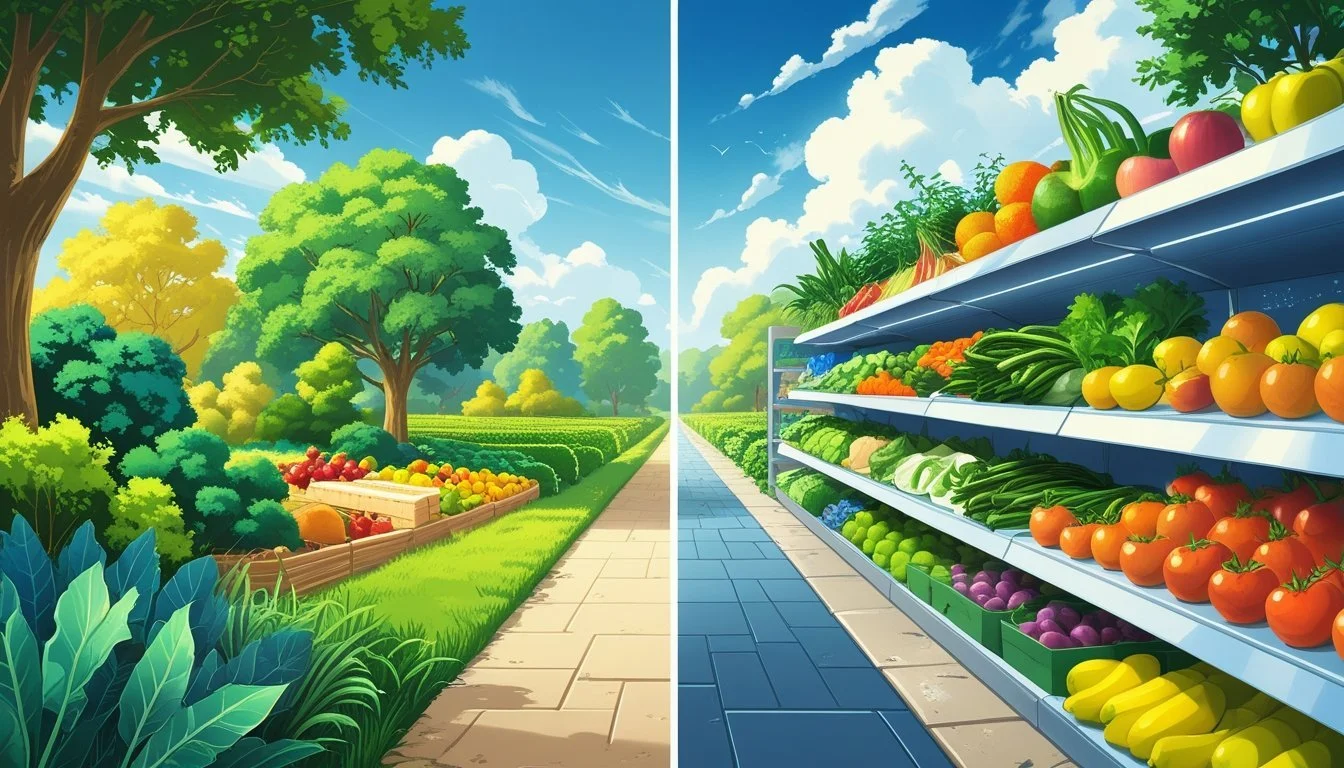
Efforts to reassess shelf life due to climate change are closely linked to the search for more sustainable practices across the food industry. These strategies are evaluated not just for their environmental impact, but also for their alignment with global priorities on climate and resource use.
Sustainable Agriculture and Food System Transformation
Sustainable agriculture is at the center of reducing greenhouse gas emissions and preserving natural resources. Practices such as crop rotation, precision irrigation, and integrating agroecological methods help minimize negative environmental effects. Improved land management can also lower water usage, protect soil health, and promote biodiversity.
In the context of shelf life, adapting harvesting, processing, and storage techniques can reduce food spoilage. Technologies like cold chains powered by renewable energy extend freshness with minimal carbon footprint. These changes enhance the resilience of global food systems to climate variability.
Producers and processors are being encouraged to adopt certifications related to sustainability benchmarks. Such measures not only protect the planet but also respond to consumer demand for environmentally responsible food choices.
Life Cycle Assessment and Environmental Impact
Life cycle assessment (LCA) provides a scientific way to evaluate the environmental footprint of food products from production through disposal. This includes measuring greenhouse gas emissions, water usage, waste generation, and resource intensity at each stage.
Using LCA, companies can identify hotspots where shelf life improvements or packaging changes could have the most significant sustainability benefits. For example, switching to recyclable or compostable packaging can reduce environmental impact, especially if calculated over the full product life.
LCA results often serve as the foundation for environmental labeling and can influence corporate decisions. They guide producers to modify practices that might reduce overall emissions and waste, supporting stronger environmental sustainability claims.
Aligning with Sustainable Development Goals
The United Nations’ Sustainable Development Goals (SDGs) offer a comprehensive framework for guiding changes in global food systems. Several goals connect directly to shelf life, including responsible consumption and production, zero hunger, and climate action.
By rethinking shelf life assessments, companies can contribute to multiple SDGs at once. Extending shelf life can help reduce food loss (SDG 12), lessen environmental burdens through efficient resource use, and mitigate greenhouse gas emissions along supply chains.
Policymakers, industry leaders, and researchers increasingly use the SDGs as benchmarks. Transparent reporting and measurable targets are helping stakeholders demonstrate progress toward a food system that meets both environmental sustainability and long-term societal needs.
Changing Consumer Behavior and Purchasing Patterns
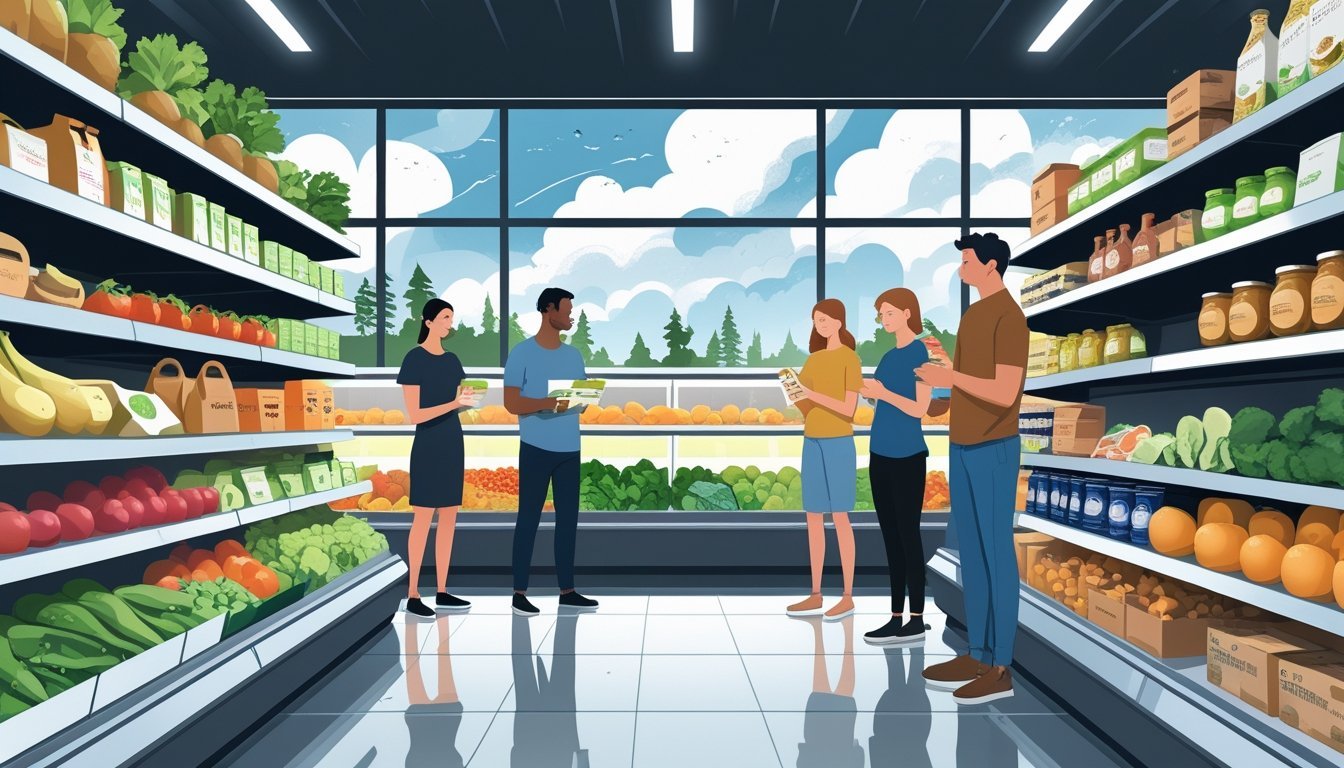
Consumers are changing what they buy, how often they shop, and how they store food due to both climate impacts and social trends. Shelf life is increasingly influenced by urban lifestyles and health priorities as people reevaluate food storage habits.
Food Consumption and Urbanization
Urbanization is leading to a rise in smaller, more frequent shopping trips. More people live in compact spaces with limited refrigeration, which affects the types of products purchased.
Table: Urbanization Effects on Food Purchasing
Trend Impact on Shelf Life Smaller households More single-serve portions Less storage space Preference for fresh items Higher density living Reliance on local convenience
As cities grow, consumption of ready-to-eat and packaged items with varying shelf lives also increases. At the same time, concerns over climate change are encouraging consumers to consider sustainability in their purchasing patterns, sometimes at the expense of traditional long-shelf-life products.
Healthy Diets and Food Storage Practices
A shift toward healthy diets is prompting many consumers to buy more fresh produce and minimally processed foods. These items typically have shorter shelf lives, which increases the need for frequent purchases and better storage solutions.
Consumers are also adopting new storage practices to extend the freshness of their food. Techniques such as vacuum sealing, use of smart refrigerators, and planning meals to reduce waste are becoming more common.
Changes in dietary priorities are leading people to avoid additives and preservatives, further reducing how long some items last. This trend, combined with updated storage technologies, is reshaping how households manage their food supplies.
Emerging Challenges and Future Risks
Climate change is introducing new uncertainties in shelf life assessment by altering microbial behavior, supply chain reliability, and contamination risks. These pressures are amplified by global disruptions that expose weaknesses in food safety systems.
Food Safety Hazards and Global Crises
Rising temperatures, humidity, and extreme weather can create conditions that accelerate food spoilage and increase food safety hazards, such as the growth of pathogenic bacteria and molds. This complicates efforts to maintain consistent food quality and safe shelf life, especially in perishable items like dairy, meat, and fresh produce.
International supply chains face disruptions due to climate events, leading to longer transport times and weaker cold-chain management. Examples: heatwaves can delay shipments, or increased flooding can force reroutes. Such changes may lead to food arriving in poorer condition or with increased contamination risks.
Table: Key Climate-Driven Food Safety Hazards
Hazard Impact on Shelf Life Higher temperatures Faster spoilage, pathogen growth Humidity shifts Mold increase, packaging failures Extreme weather Delayed transit, cold chain breaks
Combined, these factors demand a reevaluation of shelf life standards based on emerging risk patterns.
Lessons from the COVID-19 Pandemic
The COVID-19 pandemic revealed vulnerabilities in global food safety systems, highlighting gaps in crisis management, supply chain continuity, and rapid response protocols. Disruptions in logistics and labor shortages led to extended storage times for many foods, forcing organizations to assess shelf life under unplanned conditions.
This experience demonstrated the need for adaptable shelf life assessments that can account for sudden market and operational shifts. It also underscored the importance of digital traceability, monitoring systems, and transparent communication to ensure food remains safe despite disruptions.
Key lesson: Preparedness for pandemics or other global crises should now include revising shelf life models, taking into account not just biological factors but also logistical and systemic risks driven by events on a global scale.

