
Temperature Zoning in Grocery Stores
Optimizing Food Safety and Energy Efficiency
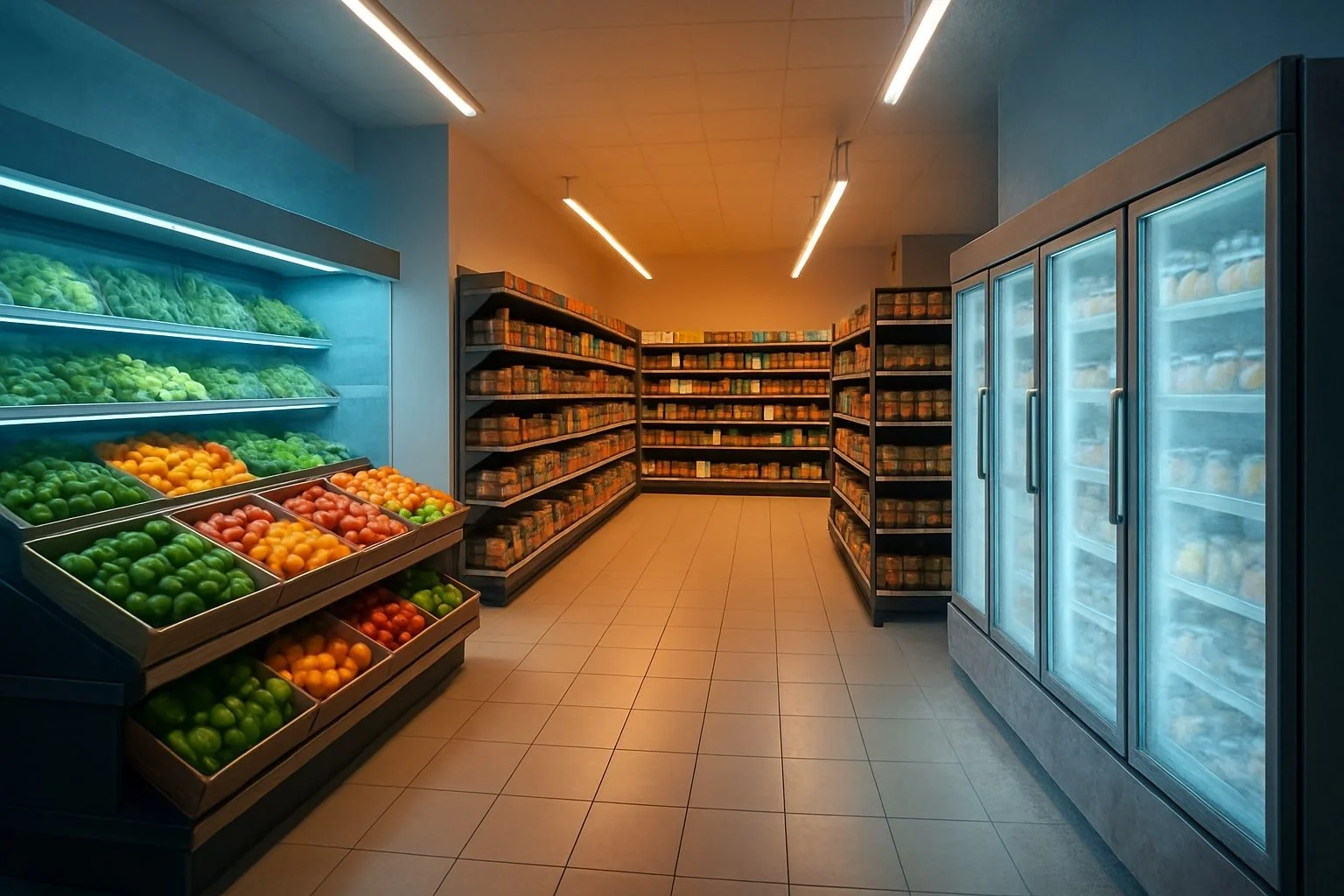
Temperature zoning in grocery stores is essential for food safety and quality, as different types of products must be kept at specific temperatures to prevent spoilage and the growth of harmful bacteria. Cold foods are kept at or below 40°F (4°C), and hot foods must stay at or above 135°F (57°C) to stay out of the so-called "danger zone," where bacteria multiply quickly.
Grocery stores depend on careful zoning and monitoring to separate frozen, refrigerated, and ambient products and maintain these standards throughout the day. This protects not only the freshness of food but also the health of customers. Temperature zoning is a crucial part of the operations in every grocery store, directly influencing both food safety and shelf life.
Shoppers often don't realize the strict policies and efforts behind maintaining correct temperatures for every food type. Understanding how and why stores use temperature zones can help consumers make safer choices and appreciate the importance of temperature control in everyday food shopping.
Understanding Temperature Zoning in Grocery Stores
Grocery stores rely on precise temperature control to ensure food safety, reduce waste, and maintain comfort for both staff and shoppers. Effective temperature zoning helps manage different product needs and operational requirements within a single retail environment.
What Is Temperature Zoning?
Temperature zoning refers to the division of a grocery store or supermarket into distinct areas, each with a set climate or temperature range designed for specific purposes. These zones can include refrigerated sections for perishable goods, ambient zones for dry products, and comfort zones for shoppers.
Each temperature zone is controlled independently, allowing for targeted climate management. For example, a produce section may need slightly higher humidity and lower temperatures than a bakery area.
This system usually involves the use of advanced HVAC controls and refrigerated display units. The goal is to optimize product preservation, energy efficiency, and customer comfort by matching temperature conditions to the needs of each area.
Importance for Grocery Stores
Proper zoning in grocery stores directly affects food safety and shelf life. Items like dairy, meat, and produce must be stored below certain temperatures to avoid entering the "danger zone" (41°F to 135°F), where bacteria multiply quickly.
Maintaining correct climate control reduces spoilage and supports compliance with health regulations. It also allows stores to display goods appealingly, supporting sales without compromising safety.
In addition, zoning systems can help retail environments manage operational costs. By heating, cooling, or refrigerating only the spaces that require it, supermarkets can lower energy usage and extend the lifespan of refrigeration equipment.
Key Principles of Zoning Systems
Successful temperature zoning systems are built on several key principles:
1. Segmentation: Clearly define areas for different product categories—such as fresh produce, frozen foods, dairy, and ambient groceries—to apply suitable temperature controls.
2. Monitoring and Control: Use automated sensors and real-time monitoring to consistently track each zone’s temperature. Wireless and digital systems offer faster response to fluctuations and help prevent unsafe conditions.
3. Flexibility: Zoning systems should adapt to changing merchandise layouts, seasonal needs, and customer traffic. This requires modular HVAC and refrigeration units that respond to updated store plans.
4. Efficiency: Integrate energy-efficient technologies, such as variable-speed fans or air curtains, to reduce energy waste and maintain separation between distinct temperature zones.
By applying these principles, grocery stores maintain consistent product quality and regulatory compliance while managing costs.
Core Systems and Technologies
Effective temperature zoning in grocery stores is made possible by integrating precise HVAC controls, real-time temperature monitoring, and advanced thermostat technologies. Each plays a critical role in keeping products at safe temperatures and ensuring customer comfort throughout diverse store areas.
Role of HVAC Systems in Zoning
Modern grocery stores depend on robust HVAC systems with advanced zoning capabilities. These systems use separate ductwork, dampers, and variable refrigerant flow (VRF) units to maintain different temperatures in distinct sections. For example, produce aisles, deli counters, and frozen goods each require unique environmental controls.
Zoned HVAC setups can be managed through centralized or distributed controls, letting store managers adjust conditions for specific zones independent of others. This flexibility reduces energy waste and addresses challenges like frequent door openings, high foot traffic, and the thermal load from refrigeration cases.
Ventilation systems are also integrated, ensuring air quality and preventing temperature stratification. Together, zoning and ventilation protect perishable goods and improve the shopping experience for customers.
Temperature Sensors and Monitoring
Temperature zoning relies heavily on accurate, real-time monitoring. Temperature sensors are installed in critical store zones, such as coolers, freezers, and high-traffic areas. These sensors constantly measure air and product temperatures, and the data is sent to central monitoring systems.
Detailed temperature monitoring systems help ensure every product remains within its ideal safety range. When readings drift outside set parameters, automatic alerts are triggered. This immediate feedback allows for prompt action, reducing the risk of spoilage.
Frequent reporting and historical tracking also help managers identify trouble spots or equipment failures early. Many stores use digital dashboards for easy access to all current and historical temperature data.
Programmable and Smart Thermostats
Programmable thermostats enable precise scheduling and control over temperature setpoints throughout the day or week. Store operators can automate adjustments for energy efficiency, adapting to business hours, deliveries, or overnight periods without manual intervention.
Smart thermostats advance this approach by using occupancy sensors, learning algorithms, and remote access. These devices connect to HVAC controls, permitting adjustments from anywhere via smartphone or computer. They also allow real-time optimization in response to actual store usage.
Integration between thermostats, HVAC, and monitoring platforms gives grocery stores a high degree of operational control. This combination helps maintain consistent temperatures and improves both energy efficiency and food safety compliance.
Temperature Zoning Applications in Grocery Stores
Proper temperature zoning is essential for maintaining food safety, extending shelf life, and minimizing energy costs. Each section of a grocery store requires strict controls and monitoring to meet regulatory standards and preserve product quality.
Refrigerated and Cold Storage Areas
Refrigerated storage in grocery stores is designed to keep products at or below 40°F (4°C), as required by regulatory guidelines. These areas hold dairy, meat, and delicatessen items, which are highly sensitive to temperature fluctuations.
Temperature zoning in these sections often involves installing precise thermostats and automatic sensors. Consistent monitoring helps prevent spoilage and ensures that products remain safe for consumption.
Humidity management is also crucial to avoid condensation and mold growth. Staff members are trained to check and log temperatures several times daily, providing a system of checks and accountability.
Freezers and Walk-in Coolers
Freezers and walk-in coolers store items that require colder conditions, usually below 0°F (-18°C), such as frozen foods, ice cream, and bulk meats. Robust insulation and air-sealed doors help reduce heat exchange, maintaining a uniformly low temperature within these zones.
Automated temperature monitoring systems frequently alert staff to deviations from preset ranges. Quick responses to these alerts prevent thawing, which can compromise food safety and quality.
Floor layouts are planned to allow easy access while keeping doors closed as much as possible. This minimizes temperature drift and energy loss.
Temperature Settings for Freezers and Coolers
Zone Recommended Temperature Freezers 0°F / -18°C or lower Walk-in Coolers 32–40°F / 0–4°C
Fresh Produce and Perishable Products
Fresh produce areas require careful zoning to balance cool air and appropriate humidity. These sections are usually kept slightly warmer than refrigerated meat areas, with temperatures ranging from 40–50°F (4–10°C) depending on the product.
Some fruits and vegetables suffer chilling injuries if kept too cold, so multiple microclimates may exist within a single produce department. Mist systems and air curtains are common tools to maintain humidity and temperature settings.
Night curtains and display case covers can be used outside of business hours to help preserve consistent conditions. Staff frequently rotate and inspect perishable products in these zones to maintain freshness and safety.
Optimizing Energy Efficiency and Operational Costs
Temperature zoning in grocery stores allows for targeted management of heating and cooling demands. These methods directly affect energy efficiency, operational costs, and the performance of HVAC systems.
Reducing Energy Consumption
Implementing well-designed zoning strategies can significantly lower the overall energy consumption in a grocery store. By dividing the store into separate thermal zones—such as produce, frozen goods, and checkout areas—energy is directed precisely where it is needed.
This targeted approach reduces the unnecessary conditioning of large spaces that don’t have high sensitivity to temperature changes. For example, refrigerated zones require consistent cooling, while storage and staff areas can tolerate broader temperature swings.
Lowering excess heating or cooling in different zones not only cuts energy use but also decreases wear on system components. The result is improved equipment longevity and measurable drops in utility bills.
Zoning Techniques for Cost Savings
Cost savings stem from using specific zoning methods tailored for grocery store layouts. Some stores employ automated dampers and separate ductwork, which allow precise control of air distribution within each section.
A zoning system table can look like this:
Zone Type Typical Setting Control Equipment Refrigerated Cases 0–4°C (32–39°F) Dedicated cooling, sensors Produce 7–10°C (45–50°F) Separate duct/zone control Checkout/Staff 20–22°C (68–72°F) Standard HVAC, thermostats
By investing in variable refrigerant flow (VRF) systems and programmable thermostats, stores can optimize operation in each zone based on usage and occupancy. This minimizes energy waste during off-peak hours and improves overall cost control.
Energy-Efficient HVAC Controls
Modern HVAC controls are central to effective zoning and energy management. Advanced systems use sensors and programmable thermostats to maintain precise temperatures in specific areas, responding to real-time occupancy and external weather changes.
Variable refrigerant flow (VRF) technology offers flexible control by adjusting the flow of refrigerant to match each zone’s demand. This reduces both energy consumption and operating costs compared to traditional single-zone systems.
Features such as remote monitoring, scheduled setbacks, and automated alerts help managers identify issues early and fine-tune system performance. Enhanced controls ensure optimal conditions for both products and customers while maintaining strong energy efficiency.
Impact on Product Quality and Food Safety
Temperature zoning in grocery stores plays a critical role in preserving product quality and protecting public health. Using precisely controlled zones limits the risk of food spoilage, reduces the likelihood of foodborne illnesses, and ensures compliance with industry regulations designed to maintain safety standards.
Preventing Food Spoilage
Products stored at improper temperatures degrade quickly, leading to early spoilage. Temperature zoning allows grocery stores to keep perishable goods like dairy, produce, and meats within strict temperature ranges that slow bacterial growth and enzymatic reactions.
This extends shelf life, reduces food waste, and lowers loss for the store. Display cases, chilled storage, and ambient zones are separated and regularly monitored to maintain optimal conditions.
Below is a basic table showing common grocery store temperature zones:
Zone Typical Temperature Range Products Stored Frozen -18°C to -23°C Ice cream, frozen meals Refrigerated 0°C to 4°C Dairy, meats, produce Ambient 18°C to 22°C Canned goods, dry food
Proper zoning is essential for maintaining consistent temperature and product quality.
Mitigating Foodborne Illnesses
Foodborne illnesses often arise from improper food handling and temperature abuse. Maintaining correct temperatures in designated zones ensures that harmful pathogens, such as Salmonella and Listeria, do not multiply to dangerous levels in perishable items.
Monitoring and controlling temperatures, especially for high-risk foods like poultry and seafood, directly reduce the risk of illness transmission to consumers. Refrigerated and frozen zones act as barriers against pathogen growth.
Grocery stores often use real-time temperature sensors and data logging to detect any deviations and act swiftly, minimizing risk. Immediate corrective actions, such as removing affected stock or adjusting equipment, help protect food safety.
Compliance and Public Health Standards
Regulatory agencies mandate specific temperature ranges for different food categories to prevent spoilage and outbreaks. Temperature zoning helps stores fulfill these public health requirements, supporting their food safety management systems and protecting consumers.
Store operators must comply with standards from organizations like the FDA and local health departments. Frequent internal checks and third-party audits assess whether food is held at safe temperatures.
Non-compliance can result in penalties, product recalls, or the temporary closure of a store. Accurate zoning and clear labeling of temperature-critical areas streamline the ability to demonstrate compliance during inspections and audits.
Avoiding Cross-Contamination
Cross-contamination can lead to serious food safety incidents, especially if raw foods come into contact with ready-to-eat products. Distinct zoning reduces these risks by separating raw, allergen-containing, and finished items both in storage and on the sales floor.
Stores implement physical barriers, dedicated refrigeration units, and color-coded containers to reinforce zoning protocols. For example, raw meat is stored in separate refrigerated cases from produce and dairy, lowering the likelihood of bacteria transfer.
Employee training is regularly conducted to ensure adherence to cross-contamination controls, including task-specific tools and strict cleaning practices. Temperature zoning supports these efforts by minimizing opportunities for bacteria or allergens to spread.
Enhancing Customer Comfort and Experience
Effective temperature zoning in grocery stores directly impacts how shoppers feel and behave in the store. It addresses comfort, air quality, and temperature consistency, which collectively influence the quality of the shopping environment.
Maintaining Comfortable Shopping Environments
Temperature zoning allows for specific climate control in different areas, such as produce, refrigerated, and ambient sections. Customers moving from cold aisles to warmer ones experience fewer abrupt temperature changes, leading to a more pleasant shopping trip.
Operators can tailor each zone’s setpoint to suit the function of the products and customer expectations. For example, dairy and frozen sections are kept cooler, while entryways and checkout zones are maintained at a milder temperature.
Store associates have more flexibility to adjust settings based on season or time of day, improving both energy efficiency and comfort. Consistent attention to comfort reduces customer complaints related to feeling too warm or too cold.
Improving Air Quality and Ventilation
Temperature control systems often work in conjunction with ventilation systems to keep air fresh and healthy. Zoning can assist in directing airflow, reducing the buildup of odors from certain areas like seafood or deli sections.
Ventilation also helps manage indoor air quality by removing excess humidity and controlling allergens or airborne particles. Maintaining proper humidity control prevents issues like condensation or mold near refrigerated zones.
To maintain air quality, air exchange rates may be adjusted between zones. Regular maintenance of HVAC systems ensures continued removal of particulates and optimal airflow, supporting customer comfort and safety during shopping.
Consistency in Temperature Across Zones
Shoppers are more likely to have a positive experience if temperatures are consistent from aisle to aisle. Large differences—such as moving from a cold freezer aisle to a warm bakery section—can be distracting or uncomfortable.
Zoning technology reduces these temperature fluctuations by balancing setpoints across all areas. This approach can limit the creation of “hot spots” or “cold spots” within the store, which may otherwise discourage prolonged browsing.
When temperatures are kept steady, product quality is also preserved, and customer satisfaction rises. Maintaining consistent climate across zones demonstrates a commitment to both customer comfort and overall in-store experience.
Smart Technology and Real-Time Data Integration
Modern grocery stores use smart technology to monitor and manage temperature zoning for critical food safety and regulatory compliance. Automated systems streamline the detection of temperature deviations and support prompt corrective actions.
Integration of Smart Systems
Smart systems connect temperature sensors, monitoring devices, and data platforms across all temperature zones. They enable automated tracking and reduce the need for manual checks by staff.
RFID tags, wireless temperature monitoring, and networked control panels are standard components for ensuring accurate readings in coolers, freezers, and display cases. These tools can directly integrate with inventory and reporting systems, allowing centralized data access.
Grocery stores also deploy cloud-based software to consolidate real-time data from multiple devices. This integration ensures that monitoring protocols cover all departments, including prepared foods, produce, and dairy.
Real-Time Data Monitoring and Alerts
Real-time monitoring systems continuously collect and analyze temperature data from all zones within the store. When temperature deviations occur—such as rising above safe limits—alerts are immediately sent to managers via SMS, email, or in-app notifications.
Automated alerts minimize the risk of spoilage by enabling a fast response from staff. Data dashboards provide visibility for historical trends and compliance reporting, supporting both food safety efforts and operational efficiency.
Consistent, automated monitoring protocols ensure that all areas are covered throughout daily operations. This reduces the reliance on paper-based record keeping and helps maintain regulatory standards with less manual intervention.
Maintenance and Long-Term Management
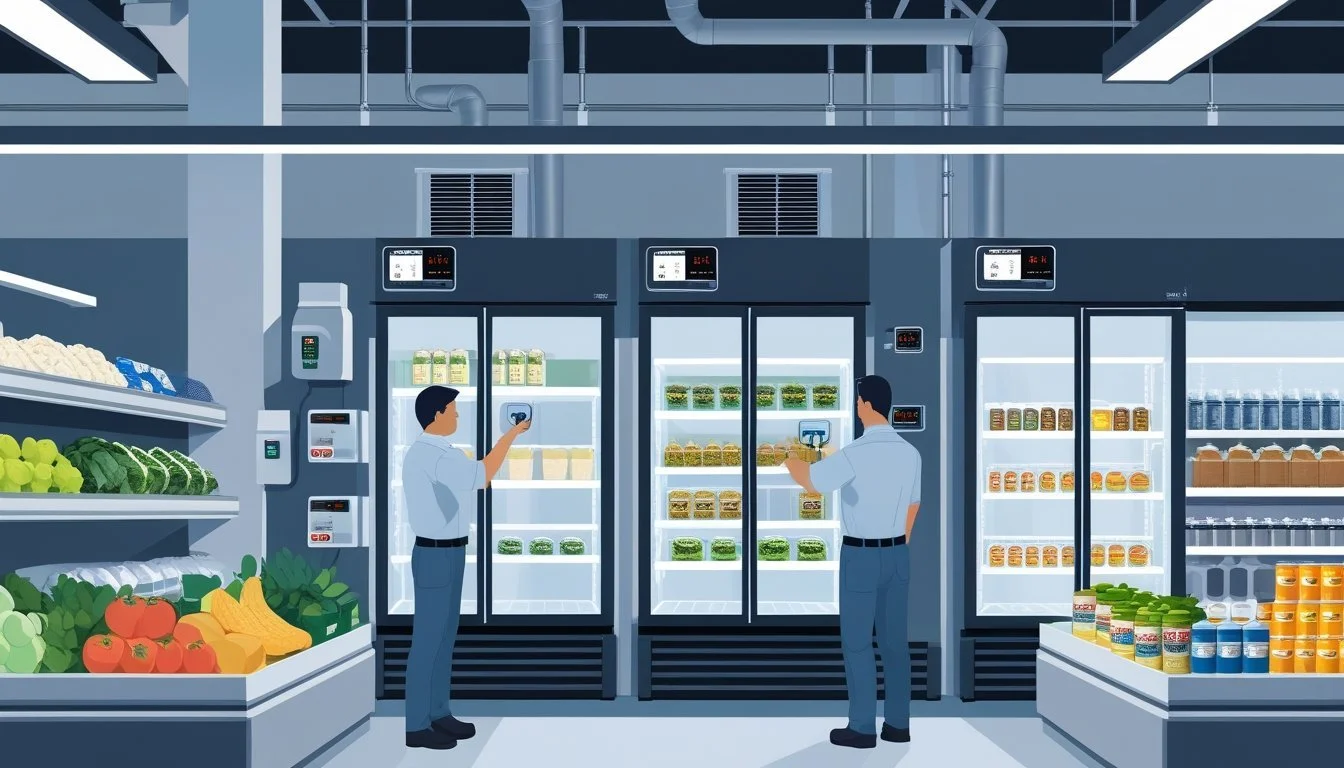
Routine maintenance is essential to keep temperature zones functioning efficiently and minimize unexpected breakdowns. Proper management ensures operational efficiency, keeps food safe, and maintains compliance with regulations.
Regular Maintenance Schedules
Setting and following a regular maintenance schedule helps prevent equipment failures and extends the life of crucial systems. Grocery stores typically use maintenance logs to track completed tasks and upcoming inspections. Key activities involve:
Refrigeration system checks: Inspect and clean condenser coils and check refrigerant levels.
Calibrating temperature controls: Ensure thermostats and sensors are accurate.
Visual inspections: Look for worn seals, leaks, or frost buildup.
Filter replacements: Replace or clean filters in HVAC units as recommended.
Preventative maintenance also minimizes downtime and protects inventory by catching minor issues before they become serious.
Troubleshooting Temperature Inconsistencies
Temperature inconsistencies may lead to unsafe storage conditions and reduced product shelf life. Common causes include sensor malfunctions, poor door seals, or blocked air vents.
Staff should regularly review temperature logs and set alarms for deviations. A simple diagnostic checklist can help pinpoint issues:
Problem Possible Cause Action Temperature spikes Door left open Inspect door operation Fluctuating temps Faulty sensors Calibrate or replace Uneven cooling Blocked vents Clear obstructions
Quick identification and correction of issues safeguard product quality and reduce waste.
Staff Training and Protocols
Effective temperature management depends on well-trained staff. Employees should be taught to monitor temperature zones, read sensors, and report anomalies promptly.
Regular training covers:
Recognizing warning signs of equipment failure
Logging and communicating temperature readings
Emergency response steps if temperatures fall outside required ranges
Clear standard operating procedures (SOPs) ensure consistency in monitoring protocols. Ongoing education refreshes skills and keeps staff informed about new equipment or changes in processes.

