
Why Shelf Life Is a Moving Target
Understanding the Factors That Cause Change

Shelf life is not a fixed number—it shifts based on ingredients, packaging, storage conditions, and even evolving food safety standards. Manufacturers and retailers face ongoing challenges as factors like supply chain delays, consumer expectations, and regulatory requirements change over time. What was considered an acceptable shelf life a few years ago might be shortened today due to new preservation techniques or heightened safety protocols.
Consumers may notice that expiration dates vary across similar products or even change from year to year. This fluidity helps ensure quality and safety, but it can also lead to confusion and frustration when products seem to expire sooner than expected. Understanding why shelf life is a moving target helps both businesses and consumers make informed decisions about food quality and waste.
What Is Shelf Life?
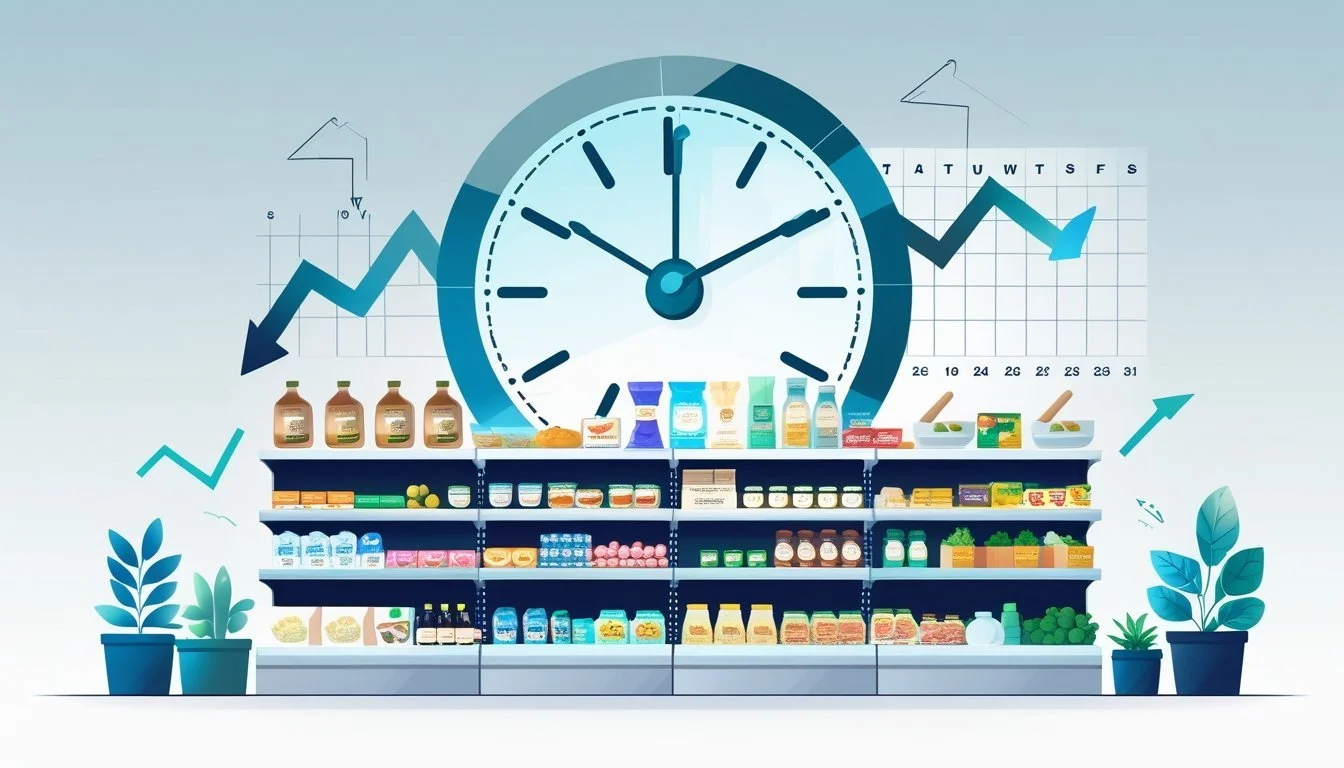
Shelf life refers to the period during which products like perishable items and canned goods can be stored while remaining safe and acceptable for use or consumption. Understanding how manufacturers determine shelf life—and why it can vary—helps clarify the meaning of best-before, use-by, and expiration dates.
Defining Shelf Life
Shelf life is the time span that a product remains suitable for use, retaining its desired quality, safety, and functionality. For food items, this means the product should not pose any health risk or significant decline in taste, texture, or appearance during that period.
Manufacturers use best-before dates to indicate when food is at its peak quality. Use-by dates and expiration dates are used for products where safety is a concern, often applied to perishable items like dairy or meat.
This concept also applies to non-food products, such as medicines, which can become less effective or unsafe over time. Shelf life is usually determined through a combination of laboratory tests, real-world storage trials, and regulatory requirements.
Several factors impact shelf life, including packaging, storage conditions, and product formulation. Canned goods generally have a longer shelf life than fresh produce due to airtight sealing and preservation techniques.
Maximum Shelf Life Versus Real-World Scenarios
The maximum shelf life provided by manufacturers assumes ideal storage conditions such as recommended temperature, humidity, and packaging integrity. These conditions are rarely replicated by consumers, retailers, or during transport.
In real-world scenarios, shelf life can be shortened if products are exposed to heat, light, or fluctuating conditions. For example, dairy left out of refrigeration may become unsafe before its use-by date.
A product’s usability may also extend beyond its labeled best-before date. Canned goods often remain edible past their stated shelf life if the can is intact and stored properly, but this does not apply to all perishable items.
Proper rotation and inventory management are essential for minimizing waste and ensuring consumer safety, as shelf life labels are only reliable when previous storage has been appropriate throughout distribution. This highlights why shelf life is not a fixed value but varies with many real-world factors.
Factors Influencing Shelf Life
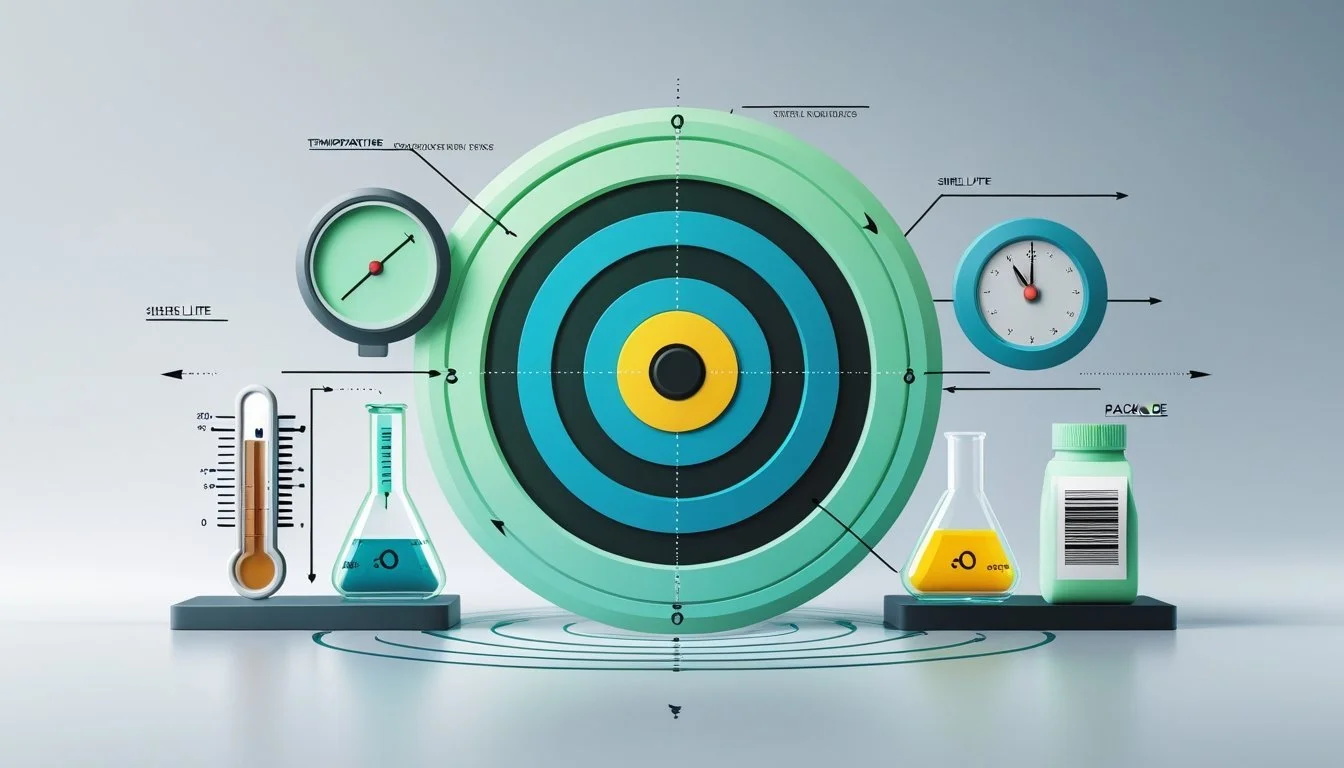
Shelf life is shaped by a combination of environmental and technological factors. Variables like temperature, humidity, packaging, and preservation methods can drastically alter how long a product remains safe and effective.
Storage Conditions
Temperature and humidity are key contributors to product stability and longevity. High temperatures can accelerate chemical breakdowns and microbial growth, especially in foods and pharmaceuticals. Proper refrigeration or freezing slows these processes, extending shelf life considerably.
Humidity control is equally important. Excess moisture can encourage mold and spoilage, while very low humidity can dry out certain products or degrade packaging. Storage environments must be tailored to specific product needs.
Many items require storage in conditions outside normal room temperature. For example, dairy products and meats need refrigeration, while some canned goods can be stored at ambient temperatures. Monitoring equipment and controlled environments help maintain these safe conditions.
Packaging and Preservation Techniques
Packaging serves not only as a protection barrier but also as a tool to manage exposure to air, light, and contaminants. Oxygen-permeable packaging can reduce the shelf life of products sensitive to oxidation. Vacuum-sealing and inert gas flushing are used to limit oxygen exposure for many foods.
Preservation techniques like canning, freezing, and the addition of food-safe preservatives directly affect how long a product remains usable. Canning uses heat to kill microbes and seal food in sterile containers, creating products with long shelf lives. Freezing suspends microbial activity and slows enzymatic changes.
Additives and preservatives, such as sodium benzoate or citric acid, are chosen based on the product type and target shelf life. Packaging technology continues to evolve, with innovations like modified atmosphere packaging enhancing stability for fresh fruits and vegetables. Proper alignment of packaging choices with product requirements ensures maximum shelf life and safety.
The Role of Microbial Growth and Spoilage
Microbial growth drives food spoilage and significantly affects shelf life. The growth rate of these microorganisms depends on specific physical and environmental conditions.
Spoilage Mechanisms
Spoilage begins when bacteria, yeasts, or molds colonize food and begin to multiply. These microorganisms break down food components—such as proteins, fats, and carbohydrates—through metabolic activity. This process leads to visible and sensory changes like off-odors, discoloration, slime formation, and texture changes.
Key spoilage mechanisms include:
Proteolysis: Breakdown of proteins, creating foul odors.
Lipolysis: Breakdown of fats, leading to rancidity.
Fermentation: Production of gases and acids, altering taste and smell.
External factors such as temperature, moisture, and storage atmosphere determine how quickly spoilage can progress. For example, higher temperatures or increased humidity enable faster growth of spoilage microbes. Dry, cold, or anaerobic conditions usually slow these processes.
Impact on Food Safety
Not all spoilage is directly dangerous, but microbial growth can sometimes involve pathogens that present real health risks. Some bacteria responsible for spoilage do not cause illness, while others, like certain strains of Salmonella or Listeria, can multiply and contaminate food even under refrigeration.
The presence of spoilage organisms may also indicate conditions that allow pathogens to thrive. For example, high moisture and nutrient content provide a suitable environment for both spoilage and harmful bacteria. Regular monitoring and proper preservation methods like refrigeration, drying, or chemical treatments help control both spoilage and foodborne illness.
The balance between keeping food fresh and inhibiting microbial growth is central to managing shelf life and safety. Shelf life ends not only when food is unpalatable, but also when safety can no longer be guaranteed.
Shelf Life in Commercial and Industrial Contexts

Shelf life varies significantly by industry, driven by factors like product type, storage practices, and safety regulations. Both the food industry and pharmaceutical sector implement specific controls and evaluation methods to maintain product integrity, reduce waste, and protect consumers.
Food Industry
In the food industry, shelf life determines how long products remain safe, palatable, and effective for consumption. It is influenced by variables such as moisture content, packaging, temperature, and exposure to light or oxygen.
Manufacturers and retailers monitor key quality indicators, like changes in taste, texture, and appearance. Perishable goods, including dairy, meat, and fresh produce, have shorter shelf lives and often require cold chain logistics.
Shelf Life Factors Table:
Factor Impact on Shelf Life Temperature Accelerates spoilage Packaging Delays oxidation Humidity Promotes mold growth Light Exposure Reduces freshness
Managing shelf life helps reduce food waste and ensures compliance with safety standards. Shelf life assessment often uses scientific models and routine testing under controlled conditions.
Pharmaceuticals
Pharmaceutical shelf life is primarily determined by the stability and effectiveness of active ingredients. Regulatory bodies require evidence-based data to establish expiration dates, with a focus on safety and therapeutic value.
Storage conditions play a critical role, as temperature fluctuations, humidity, and exposure to air can degrade drug efficacy. Manufacturers conduct accelerated stability tests and real-time evaluations to predict how products respond to various conditions.
Proper shelf life management in this sector protects patients from ineffective or harmful products. Strict inventory controls and monitoring systems are employed to track batches, remove expired stock, and maintain compliance with government regulations.
The Challenge of Shelf Life Management
Managing product shelf life requires close coordination between inventory and supply chain operations. Companies must address both perishable risks and variable demand to avoid costly waste and shortages.
Inventory Management Essentials
Effective shelf life management depends on precise inventory control. Techniques such as First-In, First-Out (FIFO) help ensure older stock is used or shipped before newer items, directly reducing spoilage and expiration-related losses.
Routine stock audits and automated tracking systems are essential for monitoring expiration dates and current inventory levels. This constant oversight allows for the identification and removal of aging products before they become unsellable.
Waste reduction efforts often include real-time data analytics, which help identify which products move slowly, enabling timely adjustments to purchasing or promotional strategies. Businesses can also set dynamic reorder points that factor in shelf life, not just sales velocity.
Key Practices in Inventory Management:
Use batch and lot tracking to monitor expiry dates
Apply FIFO for stock rotation
Schedule regular inventory reviews
Consistency in these practices results in higher product quality and fewer unsellable goods.
Supply Chain Planning
Supply chain planning plays a critical role in extending and managing shelf life. Lead times, transportation conditions, and storage environments all impact how long products remain viable.
Planners must balance the risks of overstocking, which increases waste, against understocking, which leads to missed sales and customer dissatisfaction. They employ forecasts and demand planning tools that consider shelf life constraints to optimize order quantities and delivery schedules.
Coordinating closely with suppliers allows companies to receive fresher goods and adjust to changes in product demand. Packaging decisions and cold chain logistics also help preserve freshness and extend usable life.
Crucial Supply Chain Strategies:
Schedule deliveries to minimize storage time
Collaborate with suppliers for consistent product quality
Implement packaging solutions to slow spoilage
By integrating these strategies, organizations build more resilient supply chains and maintain product availability without excessive inventory.
Technologies and Tools for Managing Shelf Life

Managing shelf life relies on efficient tracking, traceability, and the ability to act quickly on inventory data. Modern technologies streamline these tasks and reduce the risk of human error during inventory management.
Barcodes and QR Codes
Barcodes and QR codes allow products to be scanned quickly at each stage of the supply chain. This method enables immediate updates to the inventory database, improving the accuracy of shelf life records.
QR codes differ from traditional barcodes because they can store more data, such as batch numbers, expiration dates, and handling instructions. Using smartphones or dedicated scanners, staff can access critical details on demand.
Companies also benefit from real-time traceability, making it easier to identify products nearing expiry and remove or discount them promptly. Automated scanning reduces the reliance on manual data entry, minimizing the risk of errors and outdated records.
Applications in APS, MRP, and Excel
Advanced Planning and Scheduling (APS) systems integrate with barcode and QR code data to optimize production and distribution, prioritizing items based on freshness and expiration dates. APS tools help schedule inventory usage so that older products are sold first.
Material Requirements Planning (MRP) tools track inventory lots, helping managers anticipate material needs and avoid using expired stock. MRP software can issue alerts for products approaching their shelf life limit, supporting better purchasing decisions.
While spreadsheets like Excel are widely used for tracking purposes, they require manual updates and are more prone to errors. Software can augment or replace Excel by offering live inventory insights, automated record keeping, and expiry date notifications. This shift reduces paperwork and uses real-time data for more accurate shelf life management.
Dynamic Nature of Shelf Life in the Supply Chain
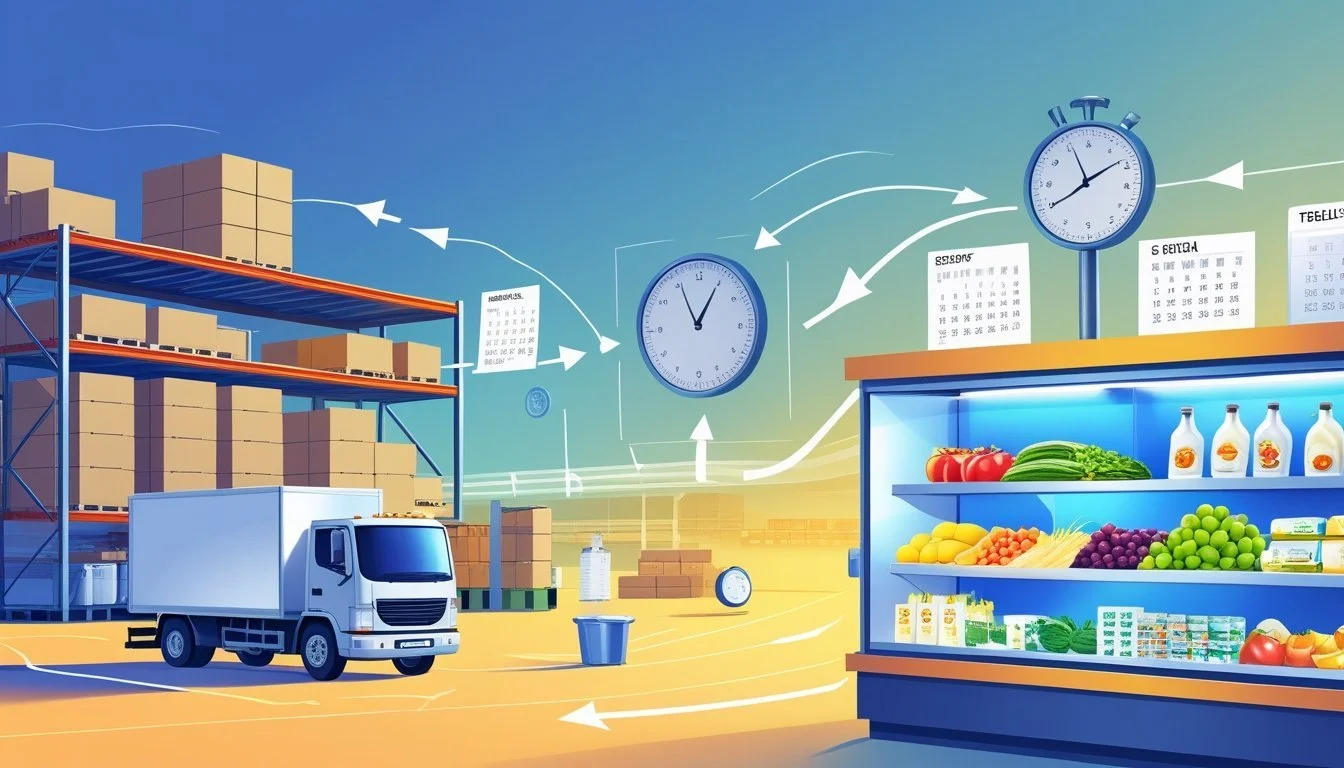
Shelf life is influenced by specific factors throughout the supply chain, from handling conditions to how products are managed at the retail level. These factors challenge companies to maintain quality and reduce waste using various tools and strategies.
How Transportation and Handling Affect Shelf Life
Temperature fluctuations during transport significantly impact product quality. Perishable goods often experience varying environmental conditions, which can shorten shelf life by accelerating spoilage and microbial growth.
Mishandling or improper storage, such as exposure to higher temperatures or physical damage, can further decrease the effective shelf life. Logistics companies increasingly use real-time monitoring to track temperature and humidity, allowing for swift adjustments to preserve products.
A failure in the cold chain can cause entire batches to spoil before reaching store shelves, driving up waste and costs. Understanding these risks is essential for optimizing shipping methods and warehouse practices in the supply chain.
Demand Forecasting and Sales Forecast
Accurate demand forecasting helps businesses align production and inventory with actual market needs, minimizing excess stock and potential spoilage. Integrating dynamic shelf-life data into forecasting models allows for smarter order planning.
Sales forecasts can account for promotional periods, seasonal trends, and shifts in consumer behavior. When sales are overestimated, excess inventory may lead to expired products, requiring higher safety stock levels and increasing waste.
Effective inventory management uses these forecasts to maintain appropriate safety stock, reducing both shortages and overstock. This balance is key to maximizing profit and ensuring food safety throughout the supply chain.
Impacts of Shelf Life Variation

Variations in shelf life affect how food is handled, sold, and consumed. These changes have direct consequences on food waste and on how consumers interpret dates like "best before."
Food Waste Reduction Strategies
Short or unpredictable shelf lives can lead to higher waste levels as foods spoil before they can be sold or eaten. Retailers often discard products with middle-range shelf lives if inventory turns are slow. Extending shelf life—through improved packaging, preservation techniques, or better storage—helps decrease this waste.
Key methods for waste reduction include:
Modified atmosphere packaging to slow spoilage
Inventory management systems that prioritize older stock
Donating products that are still safe but near the end of shelf life
Companies monitor shelf life closely because unnecessary waste affects both environmental impact and profitability. Efficient shelf life management aligns economic goals with waste reduction targets.
Consumer Education and Labeling
Many consumers confuse "best before" dates with strict safety deadlines. This often results in safe food being discarded prematurely. Accurate, clear labeling and public campaigns can correct these misunderstandings.
Educational efforts help people distinguish between "use by," which relates to safety, and "best before," which concerns quality. Simple language on packaging, along with visual cues, supports consumers in making informed decisions.
When consumers understand shelf life labels, less food is thrown away. Retailers and manufacturers share responsibility for transparent, accessible information.

