
How Emergency Rations Are Shelf Life Engineered for Long-Term Storage and Safety
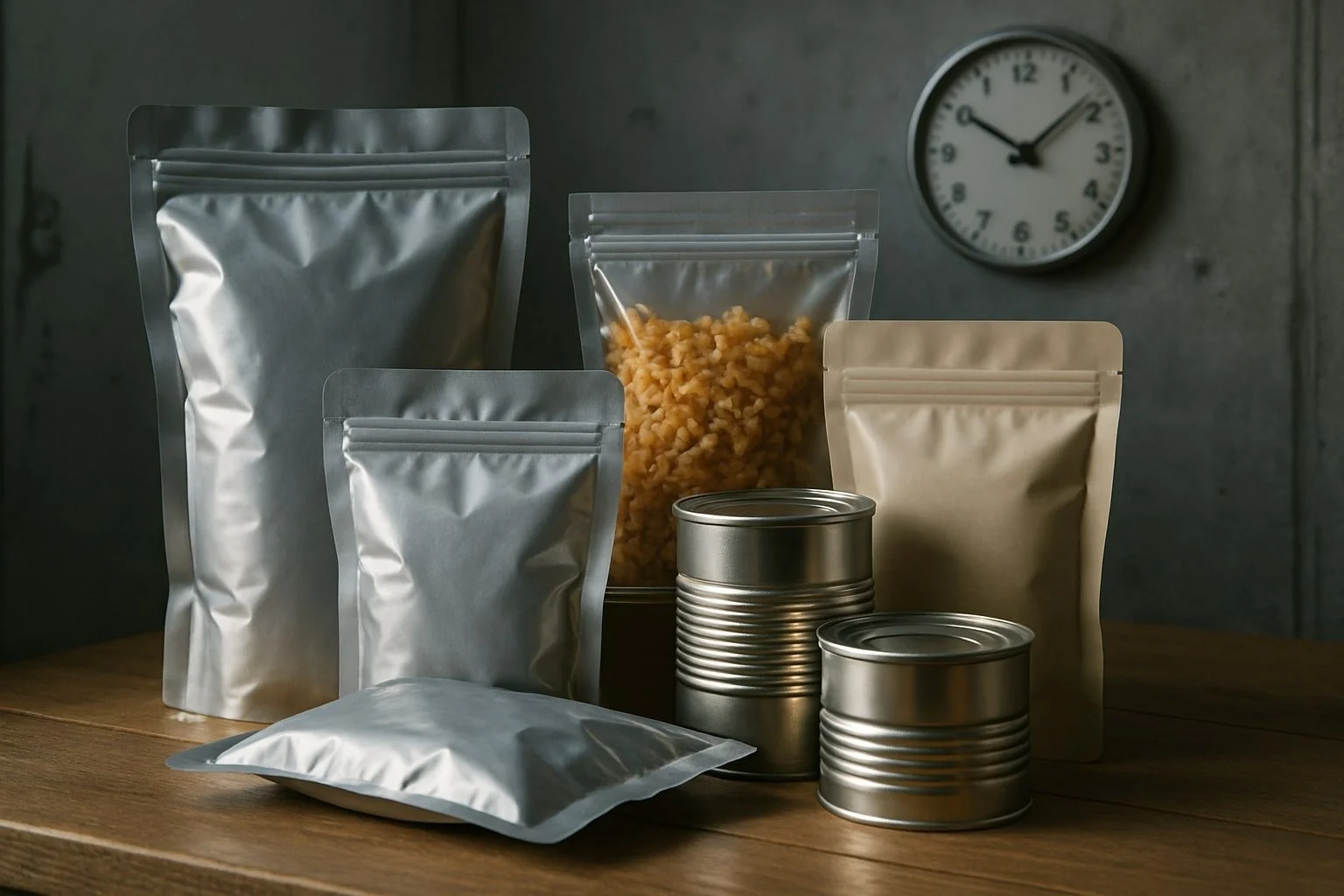
Emergency rations are engineered for maximum shelf life by using specialized preservation methods, airtight packaging, and strict quality controls. These rations can last anywhere from 1 year to over 25 years, depending on the type—such as freeze-dried foods, MREs, or canned items—and the conditions in which they’re stored. The goal is to create food that remains safe, edible, and nutritious for as long as possible, even in challenging environments.
Shelf life engineering involves removing moisture, sterilizing ingredients, and preventing exposure to light, air, and contaminants. Manufacturers use advanced techniques and robust packaging to keep bacteria and spoilage at bay, ensuring that the contents remain stable year after year. This process is critical for emergency preparedness, military use, and anyone who needs to rely on food reserves during unforeseen events.
Understanding Shelf Life Engineering
Manufacturers deliberately design emergency rations to maximize storage life and safety in demanding conditions through careful material selection and scientific testing. Understanding this process helps consumers choose products that match storage needs and avoid unexpected loss in nutrition or safety.
What Is Shelf Life And Why It Matters
Shelf life is the period during which emergency food remains safe, nutritious, and palatable when stored under recommended conditions. For emergency rations, shelf life determines availability during critical situations and when replacements are needed.
A clear printed expiration date gives users certainty on when food should be consumed or rotated. Emergency food supply shelf life varies greatly, with some products lasting a few months while others, such as canned foods, can last up to five years under proper storage.
A controlled shelf life reduces waste, minimizes health risks, and ensures that emergency rations provide needed calories and nutrients during disasters. It supports effective inventory management for households, emergency services, and organizations.
Key Factors Affecting Emergency Ration Longevity
Several factors directly impact the longevity of emergency rations:
Packaging: Airtight, moisture-resistant materials such as Mylar and vacuum sealing protect against oxidation and spoilage.
Processing: Freeze-drying and dehydration remove moisture, which slows microbial growth and chemical degradation.
Temperature: Higher storage temperatures accelerate spoilage. Storing rations below 80°F extends shelf life, while exposing them to temperatures like 37ºC (98.6°F) may reduce shelf life to six months or less.
Humidity, light, and even the initial quality of ingredients also play critical roles. Managing these factors is essential for maximizing the usable life of an emergency food supply.
Science Behind Expiration Dates
Expiration dates on emergency rations are established using accelerated aging tests and real-time monitoring. Manufacturers expose food products to elevated temperatures, humidity, and light to simulate extended storage, then analyze changes in taste, texture, and nutrient content.
Microbial testing ensures foods remain safe to eat, while chemical assays check for nutrient stability and the formation of any unsafe byproducts. The resulting data provides a scientifically backed timeline for product safety and quality.
Expiration dates printed on packages serve as guidance for best use. Properly engineered shelf lives reflect extensive research and allow users to plan emergency food supply rotations without compromising nutrition or safety.
Formulation And Ingredients Used

Emergency rations are designed through careful selection of ingredients and manufacturing methods to ensure long shelf life and meet strict dietary needs. Balanced nutrition, preservation strategies, and reliable calorie sources are essential to their formulation.
Nutritional Needs For Emergency Situations
Emergency situations often require food to supply steady energy, sustain mental focus, and support physical health when access to fresh supplies is limited. Ration formulation considers the need for carbohydrates, proteins, fats, and essential vitamins and minerals.
Foods are chosen for their caloric density and balanced macronutrient profile. In most cases, they include grains, legumes, dehydrated vegetables, and fortified mixes to increase the nutritional value.
Emergency rations typically target a daily calorie output of 2,000 to 2,500 kcal per person, although this may vary based on activity level and environmental conditions. Inclusion of vitamin C, B vitamins, iron, and electrolytes helps prevent deficiencies during prolonged use.
Role Of Preservatives And Additives
Preservatives and additives extend the edible life of emergency rations by inhibiting the growth of microbes and reducing spoilage. Oxygen absorbers, desiccants, and vacuum-sealed packaging are standard methods to maintain food integrity.
Table: Common Preservatives In Rations
Preservative Purpose Sodium benzoate Inhibits bacteria/yeast Potassium sorbate Prevents mold Ascorbic acid Delays oxidation
These agents are paired with antioxidants and stabilizers to preserve taste and nutritional value. Color and flavor additives may also be used, though formulations prioritize safety and regulatory compliance.
Consistent moisture control is fundamental. Low water activity inhibits bacterial and fungal growth, making dehydrated and freeze-dried foods highly prevalent in long-shelf-life products.
High-Calorie Food Bars And Protein Sources
High-calorie food bars are a primary component due to their energy density, portability, and stability. Granola bars, energy bars, and compact bakery products like hardtack are frequent choices for emergency rations.
Ingredients often include oats, rice, soy, whey protein, nuts, and seeds. These provide protein, complex carbohydrates, and healthy fats, supporting extended physical exertion and muscle maintenance.
Legumes and grains offer vegetarian protein sources, while vitamin and mineral fortification ensures adequacy. Shelf-stable protein sources such as peanut butter, meat jerky, or soy isolates are also used, with formulation adapted to climate and storage duration.
Types Of Emergency Rations
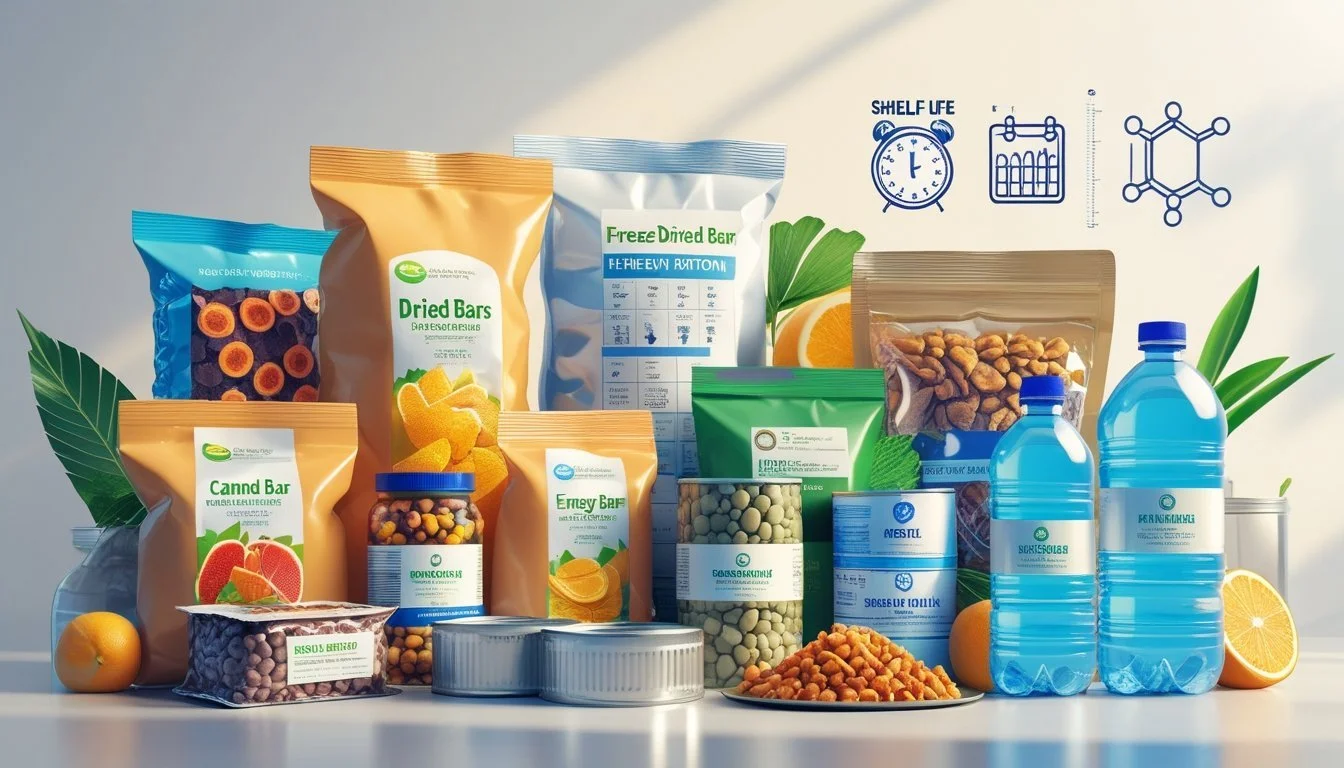
Emergency food rations are developed to maximize shelf life, nutritional value, and practicality under varied conditions. Choices often depend on storage limitations, dietary needs, and expected emergency scenarios.
Canned Foods And Their Shelf Life
Canned foods are a staple for emergency storage, offering a balance between cost, accessibility, and shelf life. Common options include canned meats, soups, beans, vegetables, fruits, and canned goods like fish or poultry. These items are favored because they remain safe for years when stored properly.
Most canned foods have a shelf life of 2 to 5 years, though some may last longer. Variables affecting longevity include storage temperature and the integrity of the can. Maintaining a cool, dry environment is crucial. Home-canned goods usually have a shorter shelf life than commercially canned products due to differences in processing.
Key points:
Shelf Life: 2–5 years (often longer under optimal storage)
Storage Needs: Room temperature, avoid dents or rust
Variety: Wide range from proteins to fruits
Tip: Rotate canned items using a first-in, first-out system to maintain freshness.
Freeze-Dried And Dehydrated Foods
Freeze-dried foods and dehydrated foods are engineered for extremely long shelf lives, often exceeding 20 years when stored in sealed packaging. These rations cover items such as fruits, vegetables, full meals, and survival food kits, as well as special options like survival food bars and meals ready-to-eat (MREs).
Freeze-drying removes nearly all water content, significantly reducing spoilage and weight. The rehydration process preserves both flavor and most nutritional value. Dehydrated foods offer similar benefits but may have a slightly shorter shelf life, usually 5–15 years depending on packaging and storage.
Comparison Table:
Food Type Typical Shelf Life Preparation Examples Freeze-Dried 20–30 years Add water Full meals, fruits Dehydrated 5–15 years Add water/heat Vegetables, grains MREs 3–8 years Ready-to-eat Complete meals
Proper storage in low humidity and away from heat is essential. Many emergency kits also include water pouches for rehydration. Freeze-dried and dehydrated foods are lightweight, compact, and simple to prepare, suiting both home storage and portable survival needs.
Storage Conditions And Shelf Life Extension
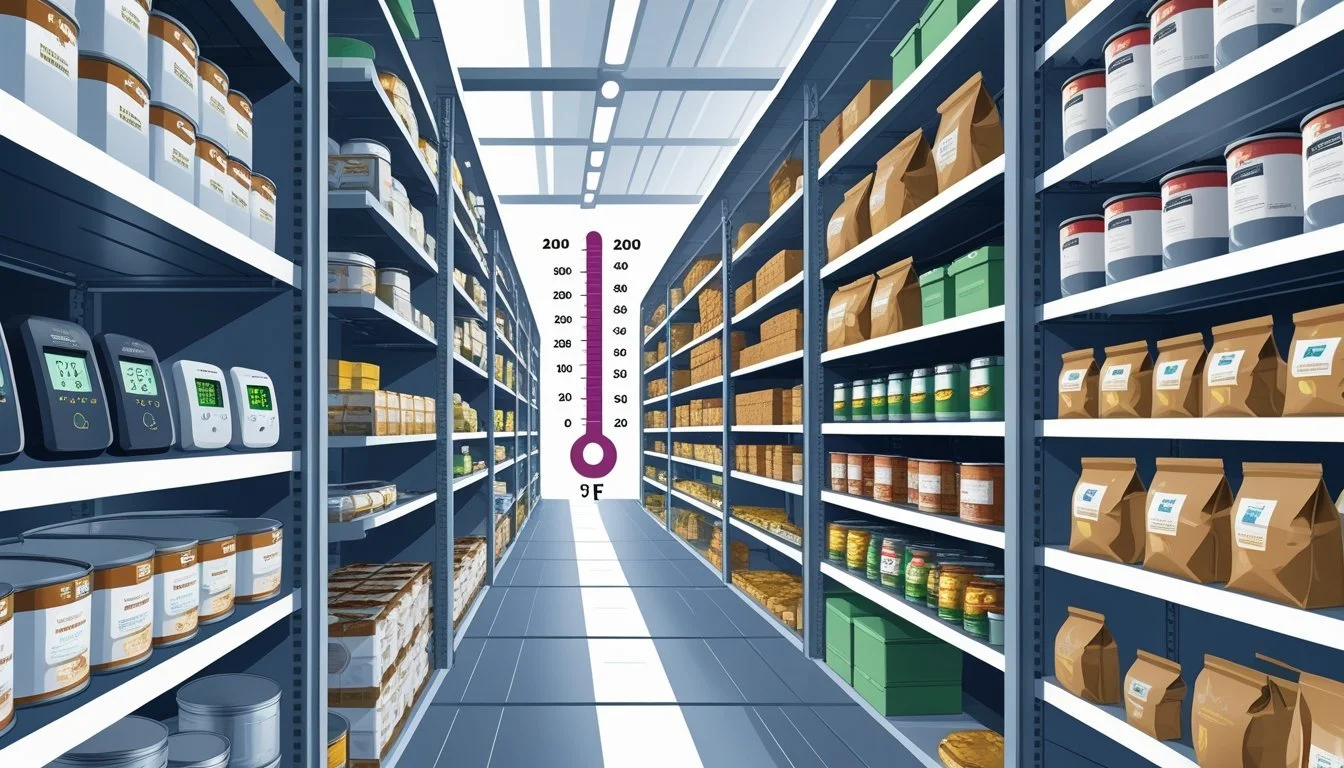
Proper storage conditions are essential for preserving the quality and safety of emergency food rations. Factors such as temperature and moisture have the greatest impact on extending shelf life and preventing spoilage.
Temperature And Temperature Control
Temperature is a primary factor in shelf life engineering for emergency rations. Food degrades faster at high temperatures due to accelerated chemical reactions and microbial growth. Ideally, emergency rations should be stored below 70°F (21°C) to slow down degradation rates.
Control of temperature fluctuations is important—consistent temperatures help maintain food stability. Avoid storing rations in places exposed to direct sunlight, as UV rays and heat accelerate nutritional and taste loss.
Some food rations use packaging designed to reduce heat transfer, further protecting contents. Commercial storage often relies on climate-controlled facilities with temperature monitoring systems for accuracy. Home storage benefits from choosing cool, shaded locations such as basements or interior closets.
Moisture And Humidity Management
Moisture is another critical factor that affects food shelf life. Humidity can introduce water into packaging, causing spoilage, texture changes, and microbial contamination.
Rations are commonly sealed in moisture-proof containers or vacuum-sealed pouches to block humidity. Storing food in airtight containers or bins provides extra security against moisture infiltration.
Foods meant for long-term storage often include desiccants or oxygen absorbers to control internal humidity. Best practices recommend keeping emergency food in areas with relative humidity below 60%. Avoid storing rations in damp environments, such as near plumbing or exterior walls, to minimize risk.
Routine inspection for signs of condensation or leaks should be conducted to ensure ongoing dry storage. This prevents mold, bacterial growth, and early expiration of ration supplies.
Packaging Innovations In Emergency Rations

Advancements in packaging technology directly affect how long emergency rations and related supplies remain safe and effective. The choice of materials and preservation methods determines the storage life and reliability of emergency food and kits.
Oxygen Absorbers And Barrier Materials
Oxygen is a primary cause of spoilage in emergency food supplies. To counter this, many emergency kits now include oxygen absorbers inside packaging. These small packets remove residual oxygen and help create an environment where bacteria and mold cannot thrive.
Barrier materials, such as multilayer films and foils, provide an additional line of defense. Modern pouches often use layers of polyester, aluminum, and polyethylene to stop moisture, oxygen, and light from degrading the contents. Vacuum sealing and heat sealing are also critical techniques that reduce the chances of air or contaminants entering after packing.
A summary table of common barrier materials:
Material Barrier To Typical Use Aluminum Foil Oxygen, Light MRE pouches, freeze-dried food Polyethylene Moisture Inner lining of ration packs Polyester Light, Odor Outer layers, labels
Impact Of Packaging On Shelf Life
The durability of packaging is essential for extending the shelf life of emergency rations. Properly engineered materials can keep foods stable for years or even decades. Shelf life is maximized by maintaining a sterile, sealed environment where outside contaminants cannot enter during storage or transport.
Packaging innovations now allow for extended periods of usability—MREs (Meals Ready-to-Eat), for instance, can remain edible for up to five years at standard room temperature, and freeze-dried emergency food can last 20–25 years when unopened and stored in suitable conditions. Packaging must withstand not only time but also rough handling, temperature swings, and potential puncture risks common during emergencies or in survival kits. This reliability gives individuals and organizations confidence in their emergency preparedness plans.
Proper Rotation And Maintenance
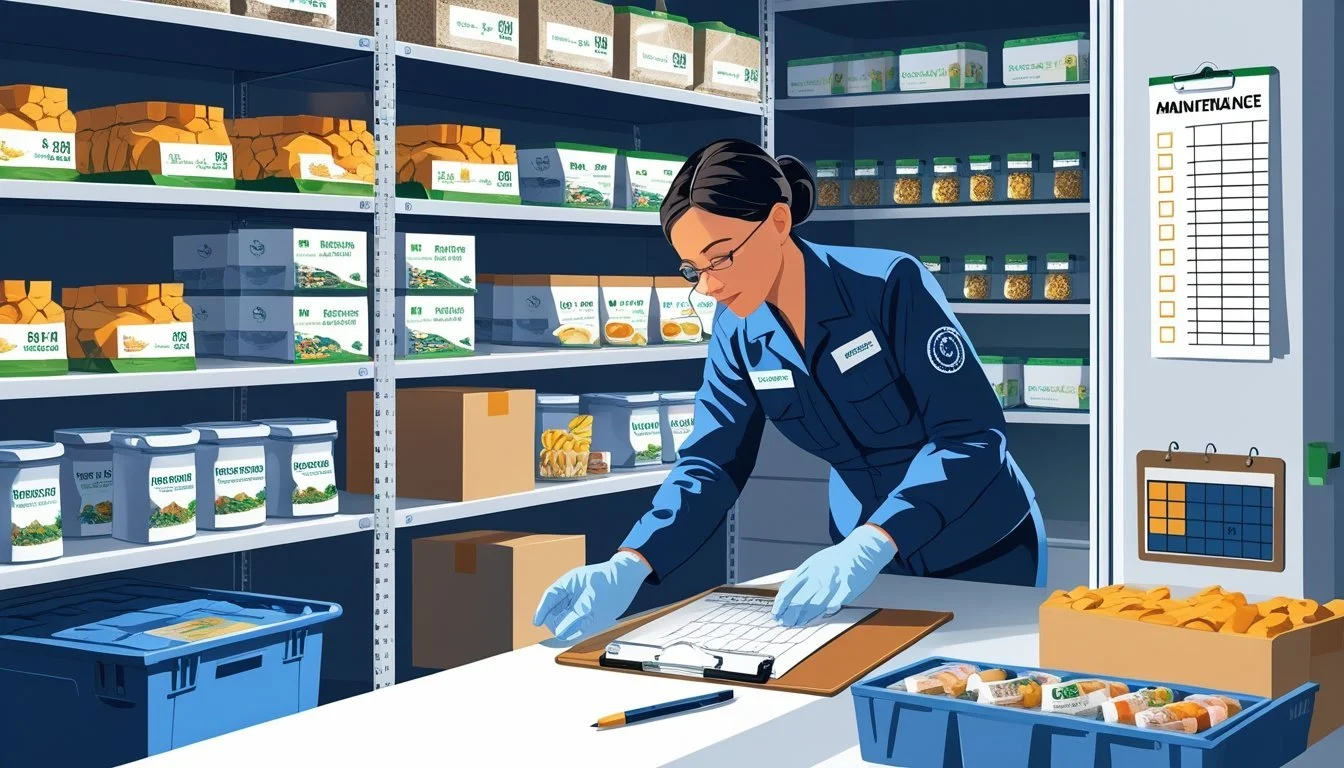
Maintaining a reliable emergency food supply requires monitoring shelf life and ensuring that all items stay within their prime consumption period. A mix of regular inventory checks and systematic rotation preserves food quality and reduces the risk of unusable stock in critical moments.
Regular Checks And Expiration Monitoring
Preppers and emergency planners should establish a routine schedule for inspecting emergency kits. Regular checks help identify products that are approaching their expiration date or may have been damaged. Using a simple tracking system—such as a spreadsheet, written list, or dedicated app—makes it easier to stay organized.
Items nearing their expiration should be noted and prioritized for use. For efficiency, label each package clearly with its expiration date in a visible spot, not just relying on the manufacturer's print, which can be hard to read. Some opt for color-coded stickers:
Green: Over 2 years left
Yellow: 1 year left
Red: Less than 6 months
This visual system allows quick assessment at a glance. Monitoring for damaged packaging or compromised seals during routine checks is also essential, as these can shorten shelf life. Keeping emergency food supplies in cool, dark, and dry storage areas further maintains their safety and longevity.
Rotate Stock To Ensure Freshness
Rotating stock means replacing older items with new purchases and using the soonest expiring food first—a method often called "first in, first out" (FIFO). Every time new rations are added, place them behind or beneath earlier stock, ensuring that the oldest gets used first.
This rotation process is especially important for supplies with shorter shelf lives, such as canned food or MREs, which typically last 1–5 years. Some preppers find it effective to set reminders biannually or quarterly to review and rotate emergency storage.
Regular rotation not only prevents waste but keeps all items fresh and ready for use. Families and groups should practice using stored items in everyday meals before they expire, which also familiarizes users with the taste and preparation of emergency rations. This cyclic approach keeps the supply updated and ensures reliability during an actual emergency.
Identifying Signs Of Spoilage
Emergency rations are engineered for long shelf life, but they can still spoil if conditions are not ideal. Recognizing spoilage quickly helps prevent consumption of unsafe food.
Changes In Texture, Color, And Odor
Spoilage is often first detected through physical changes. If emergency foods become unexpectedly soft, sticky, slimy, or gritty, this can signal microbial growth.
Color changes like fading, dark spots, or unexpected tints are also indicators. For example, canned vegetables turning pale or developing dark streaks should be inspected closely.
Odor is a critical warning sign. Any sour, rancid, musty, or off smells—especially from canned or packaged goods—mean the food should not be eaten. Even faint or unusual odors can warn of underlying spoilage or contamination.
Consider monitoring products like meal bars, rice, and freeze-dried packs for any shifts in their usual aroma, look, or texture. Keeping a comparison sample of the same item is helpful when checking for subtle changes.
Food Safety In Emergency Provisions
Proper inspection is key. Mold, bug activity, or swollen cans indicate spoilage and should be taken seriously.
Always check for:
Leaking or bulging packaging
Broken seals on jars or vacuum packs
Cloudy or foamy liquids inside canned goods
Food safety guidelines recommend discarding any item if its packaging integrity is compromised or if unexpected changes are noticed. Never taste or try food you suspect is spoiled.
Reviewing expiration dates is important, but these signs of deterioration may appear even before the shelf life is reached if storage conditions are poor. Store rations in a cool, dry place to reduce spoilage risks.
Special Considerations And Dietary Restrictions
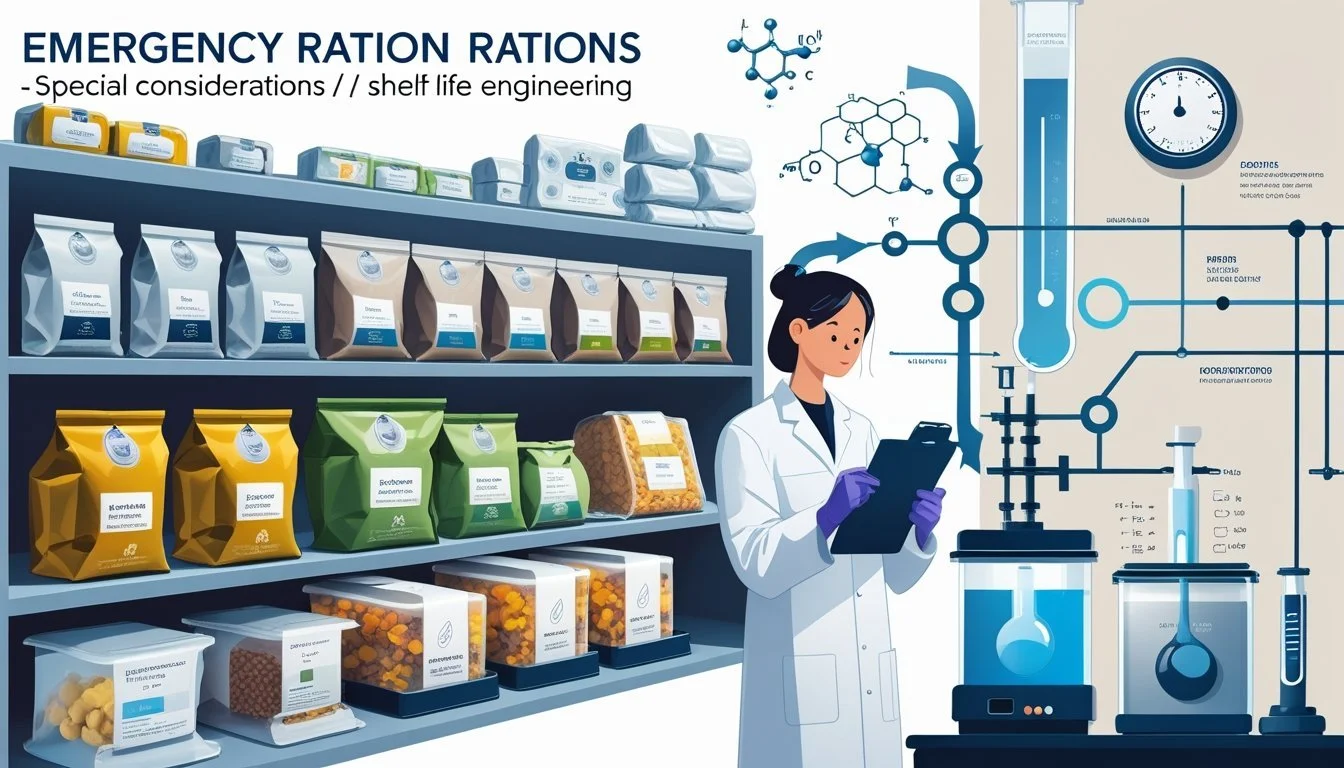
Emergency rations must be planned to meet a wide range of dietary needs and restrictions. Attention to individual requirements can help prevent nutritional deficiencies and adverse reactions during emergencies.
Accommodating Dietary Needs In Emergency Rations
Emergency rations are often available in standard, vegetarian, vegan, kosher, and halal varieties. This allows individuals to adhere to their usual eating patterns even when normal access to food is disrupted.
Manufacturers use ingredient substitutions and careful labeling to ensure compliance with dietary laws and preferences. For example, plant-based protein sources may replace animal products in vegan meals, while kosher certification requires supervised production processes.
Energy, protein, fat, and micronutrient levels are adjusted to meet established requirements. Special formulas may be necessary for infants, older adults, or people with chronic health conditions.
The table below summarizes options commonly found in shelf-stable emergency ration kits:
Dietary Category Typical Options Notes Vegetarian Lentil stews, rice dishes No animal flesh or fish Vegan Bean curries, fruit bars No animal products; check dairy/eggs Kosher/Halal Certified meals and snacks Look for certification labels
Storage, taste, and nutritional content may vary according to the chosen alternatives.
Managing Allergies And Food Sensitivities
Allergen management is essential in emergency food kits, especially for people with severe food allergies. Major allergens such as peanuts, tree nuts, wheat, soy, dairy, eggs, fish, and shellfish are identified on packaging due to regulatory requirements in many countries.
Rations for individuals with celiac disease are formulated using gluten-free grains like rice, quinoa, or corn. Gluten-free labels are important to check before storage.
Manufacturers may produce allergen-free or low-risk kits, but cross-contamination can still occur. People with multiple allergies may need to assemble custom kits from single-ingredient or specialty products.
Meticulous record-keeping and periodic review of kit contents ensure outdated or compromised items are replaced with safe, current alternatives. Clear instructions and ingredient lists help users make informed decisions and minimize health risks.
Practical Applications And Real World Scenarios
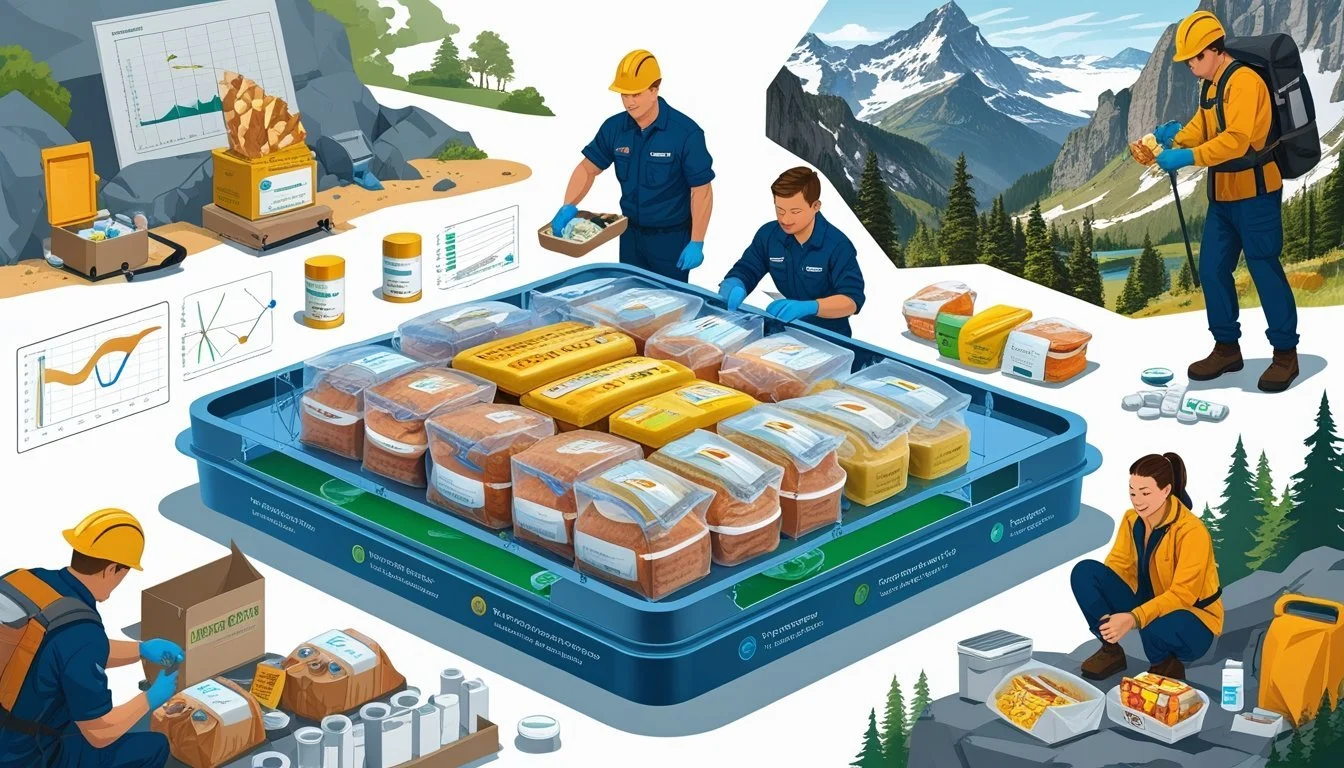
Shelf life engineering of emergency rations allows families, organizations, and individuals to rely on stable food supplies during unexpected events. Key use cases include maintaining nutrition in times where food access is disrupted or storage space is limited.
Emergency Rations In Natural Disasters
Natural disasters—such as hurricanes, earthquakes, floods, and wildfires—can cut off access to fresh food and safe water for days or weeks. Emergency rations are designed to withstand temperature fluctuations, moisture, and rough handling, making them suitable for storage in diverse environments such as basements, shelters, and vehicles.
Food bars, freeze-dried meals, and MREs offer long shelf lives—often exceeding 5 to 25 years—reducing the need for frequent rotation. These foods typically require little or no preparation and can be consumed with minimal resources, which is vital when cooking fuel or clean water is scarce.
A table comparing shelf stability:
Food Type Typical Shelf Life Prep Needed MREs 3-8 years None Freeze-dried 15-25 years Water Food Bars 5+ years None Canned Goods 1-5 years Minimal
How rations are packaged and preserved directly impacts their utility in real-world emergency settings.
Power Outages And Adventure Preparedness
Power outages disrupt refrigeration and cooking, making shelf-stable emergency foods a practical backup. Since these foods often remain edible for many years and do not require electricity to store, they’re ideal for home kits and safe rooms.
For adventure and outdoor activities—like hiking, camping, or remote travel—weight and convenience are critical. Lightweight, calorie-dense foods such as energy bars or compact dehydrated meals are favored for their portability. Vacuum-sealed packaging and oxygen absorbers keep food fresh during transport and in variable weather.
Key features suited for these scenarios:
No refrigeration required
Minimal water or preparation
Compact, portable packaging
Balanced nutrition under stress
Engineered shelf life supports consistent food quality in unpredictable conditions, from urban blackouts to remote expeditions.

