
The Invisible Shelf Life Threat of Cross-Contamination in Modern Food Supply Chains
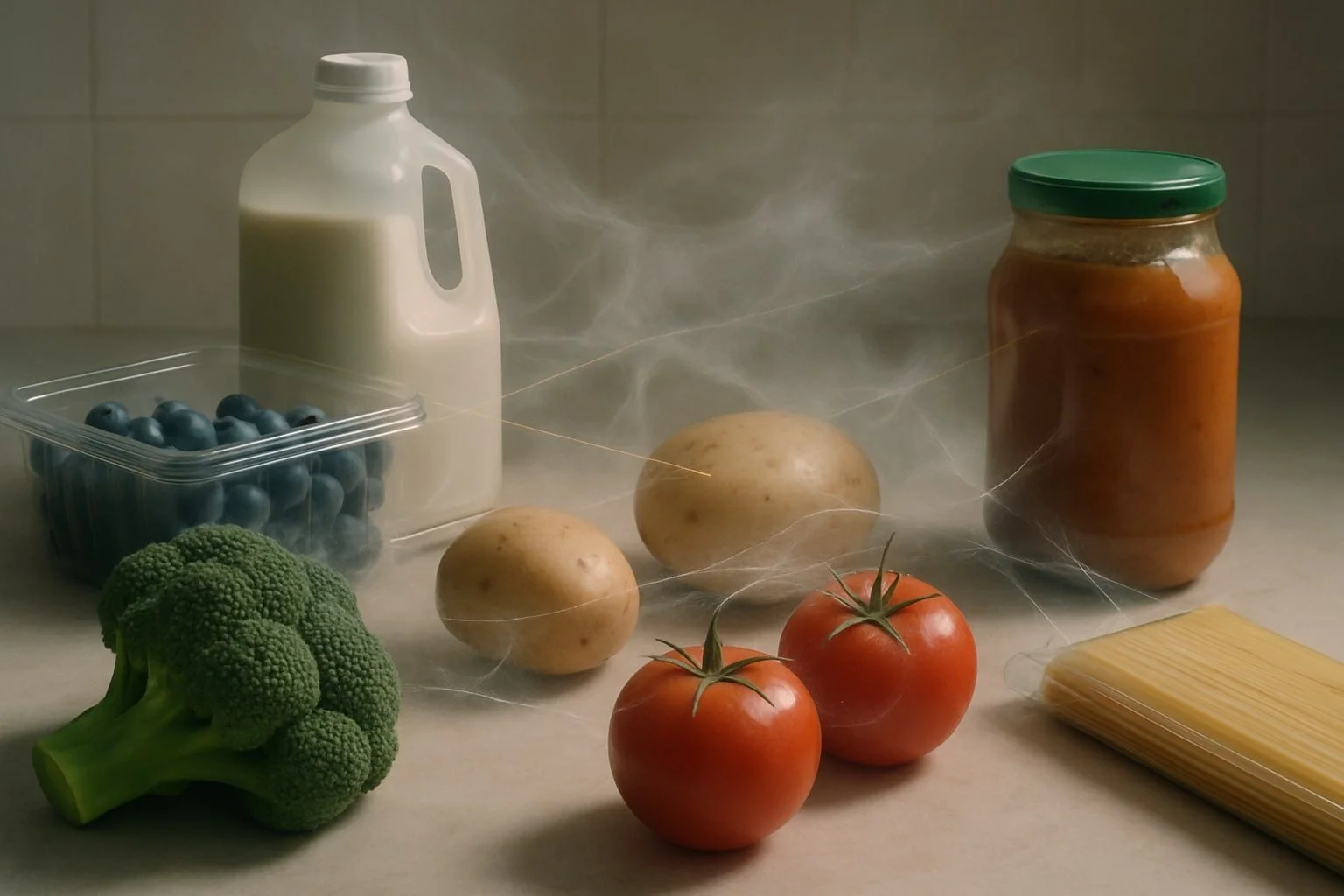
Cross-contamination is an invisible threat that can shorten the shelf life of food and pose significant health risks, often without any visible warning. This silent transfer of bacteria, allergens, or other contaminants between foods, surfaces, or utensils can compromise safety and quality, sometimes with just a tiny amount that goes unnoticed. Unlike obvious spoilage, this danger often slips by during everyday food storage and preparation.
Consumers and food handlers may not realize that storing raw items above ready-to-eat foods in a refrigerator can let harmful drips contaminate meals, even after they appear safely cooked. Improper storage or handling can not only introduce new hazards but can also accelerate spoilage, undermining any measures taken during cooking or packaging.
Understanding and preventing cross-contamination is crucial in both home and commercial kitchens to ensure that food remains safe and maintains its intended shelf life. Simple steps in organization and hygiene can make a powerful difference in keeping food both fresh and safe.
Understanding Cross-Contamination and Its Impact
Cross-contamination enables bacteria, viruses, and allergens to spread quickly in food settings, often going unnoticed until it causes foodborne illness. Accidental transfer during handling, storage, or processing can turn a safe product into a health threat.
Defining Cross-Contamination
Cross-contamination is the unintentional transfer of harmful microorganisms or substances from one item or surface to another. This process can involve pathogens like Salmonella or E. coli, as well as allergens such as nuts or dairy.
In food environments, it typically occurs when raw foods, equipment, utensils, or hands touch ready-to-eat foods without proper cleaning in between. Even small initial contamination on one item can eventually lead to multiple batches of food products becoming unsafe.
Key points include:
Transfer of pathogens or allergens via contact
Occurring both at home and in commercial food processing
Often invisible and undetected without testing
Cross-contamination is a leading factor behind many outbreaks of foodborne illness, especially in fresh produce and ready-to-eat foods.
The Mechanisms Behind Cross-Contamination
The main routes are direct contact, indirect contact through surfaces or utensils, and human handling. Direct contact happens when contaminated food touches uncontaminated food, while indirect contact involves surfaces like cutting boards or counters.
Staff may transfer microorganisms between foods by using the same gloves or failing to wash hands. Temperature abuse and longer shelf life further increase the risk since bacteria can multiply if foods are not stored properly.
Chemical residues from cleaning agents or processing equipment can also become part of cross-contamination if not properly managed. Temperature and time abuse in the supply chain allow minor contamination to multiply to unsafe levels, especially in vegetables and fruits with prolonged shelf life.
Why Cross-Contamination Shortens Shelf Life
Cross-contamination introduces unwanted microorganisms and substances to food, speeding up the spoilage process and raising food safety concerns. This risk applies to both fresh and packaged products, impacting product longevity and consumer health.
Hidden Spoilage Accelerators
Cross-contamination often introduces bacteria, molds, or yeasts from one food to another, especially if raw and cooked items are stored improperly. Even tiny amounts of raw meat juices can contaminate ready-to-eat foods like salads, promoting bacterial growth.
Invisible transfer through utensils, cutting boards, or hands can spread spoilage agents to foods that would otherwise stay fresh longer. Storing foods too close together or not separating raw and ready-to-eat products increases this risk.
The result is faster deterioration, off-odors, and changes in color or texture. Cross-contamination acts as a hidden accelerator, undermining standard shelf life expectations and creating food safety hazards before obvious spoilage occurs.
Microbial Growth and Transfer
Microbial growth is driven by the introduction of bacteria, molds, and other organisms during harvesting, processing, or storage. Cross-contamination makes it easy for harmful microbes to move from surfaces and equipment to food, multiplying quickly in favorable environments.
These microbes produce enzymes that break down food structure, causing visible spoilage signs and making foods unsafe. Once transferred, microbes can thrive on most foods, including those that are processed or packaged.
Direct contact with contaminated tools or surfaces can transfer bacteria like Salmonella or Listeria. Effective cleaning and separation are essential to reduce the risk, as even short contact can significantly shorten shelf life and endanger food safety.
Cross-Contamination Risks in Frozen Foods
Frozen foods offer extended shelf life, but cross-contamination can occur at any point from production to storage. Contaminated frozen foods may spread pathogens in kitchens if not managed properly.
Dispelling Myths About Frozen Food Safety
Many believe frozen foods are free from contamination risks due to low temperatures. While freezing slows or stops most bacteria from growing, it does not kill all pathogens. Some bacteria and viruses can survive freezing and become active again when food is thawed.
Consumers may assume that frozen food is always safe to eat directly after thawing. In reality, any contamination that occurred before or during freezing will remain. Safe handling practices must be followed, such as proper thawing in the refrigerator and avoiding direct contact with ready-to-eat foods.
Prepared and prepackaged frozen items are not immune. If manufacturing lines or packaging materials are contaminated, these pathogens may remain viable once the item is cooked or handled.
Common Sources of Contamination in Freezers
Freezers can become a hub for cross-contamination if items are stored improperly. For example, if raw meat packages leak juices onto other foods, especially ready-to-eat items, harmful bacteria can transfer and survive the freezing environment.
Shared surfaces, such as freezer shelves and bins, are a frequent source of contamination. Placing unwrapped or poorly sealed foods next to each other increases the risk. Using separate, sealed containers for raw and cooked products reduces this problem.
Personnel hygiene is another risk factor. Handling raw foods and then touching frozen products without washing hands or changing gloves can transfer pathogens, leading to a contamination chain within the freezer. Regular cleaning of freezer interiors and storage containers is necessary for maintaining food safety.
Primary Vectors and Points of Failure

Cross-contamination in food environments can occur quickly and often without obvious warning signs. Key risk areas often involve direct surface contact, improper storage procedures, and lapses in handling protocols that compromise food safety.
Direct and Indirect Contact Risks
Direct contact between raw and cooked foods, especially through shared cutting boards or utensils, remains a common source of contamination. When workers handle raw meat and then touch other ingredients or equipment without proper handwashing, bacteria and viruses can transfer quickly.
Indirect contact can happen via surfaces like countertops, conveyor belts, and packaging equipment. Even clean-looking surfaces can harbor microorganisms. Cross-traffic in processing areas, when tools or workers move between different work zones, adds to the risk.
A simple checklist to prevent these risks may include:
Assigning color-coded utensils for raw and cooked foods
Regularly sanitizing all food-contact surfaces
Enforcing strict hand hygiene protocols
Improper Storage Techniques
Store foods at unsafe temperatures or in unsealed containers, and the risk of microbial growth rises sharply. Placing ready-to-eat items near raw proteins exposes them to drippings and airborne pathogens, which are frequent causes of spoilage and illness.
Storage areas can also become breeding grounds if not regularly cleaned. Overcrowding shelves and ignoring the "first in, first out" method lead to forgotten products, further increasing contamination risk. Proper separation and labeling are essential to avoid accidental mixing.
Regular temperature checks, clear organization, and dedicated shelving for high-risk items, such as raw meats and fresh produce, bolster food safety and reduce error. Standard operating procedures should be monitored and updated in line with evolving best practices.
Industry Best Practices for Prevention
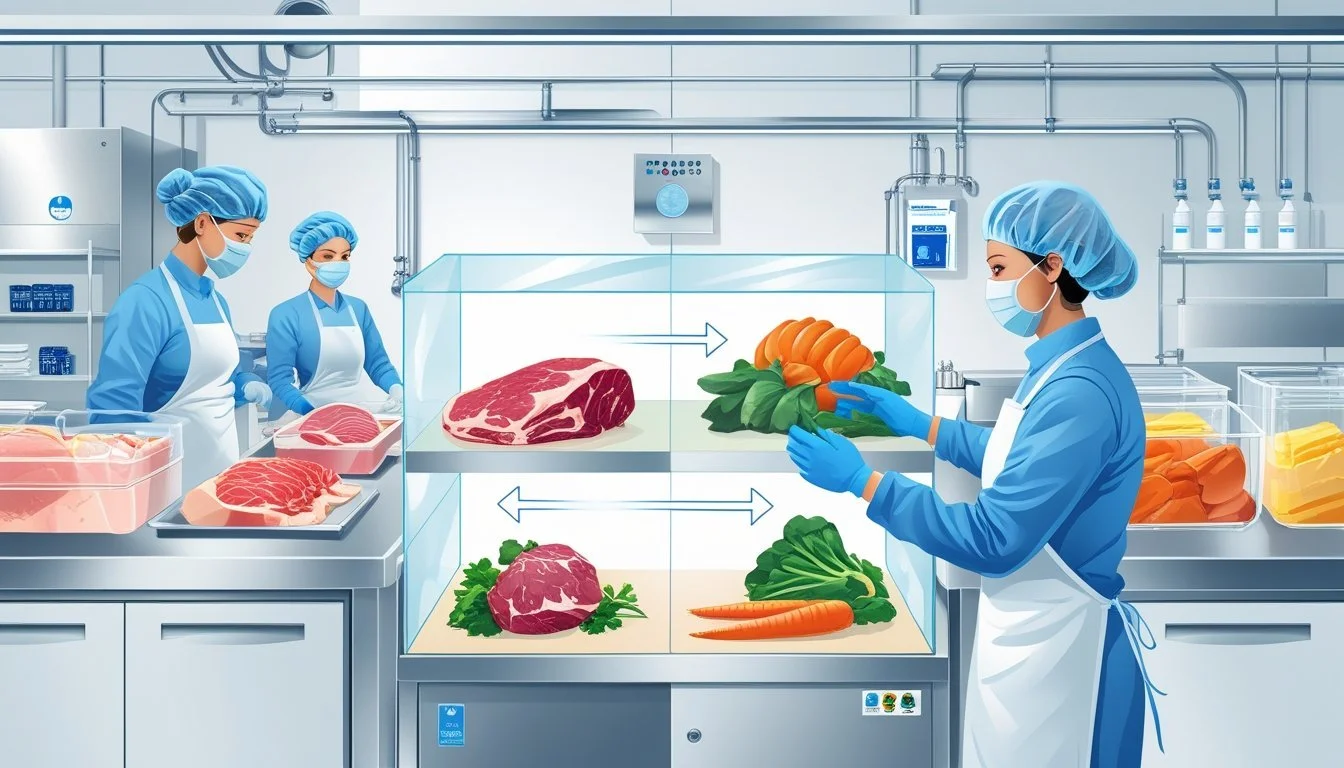
Food safety in the industry relies on targeted strategies that address both human behavior and environmental controls. These practices help reduce the risk of cross-contamination and protect the shelf life and safety of products.
Proper Handling and Hygiene Protocols
Hand hygiene remains one of the most effective defenses against cross-contamination. Employees must wash hands after handling raw foods, touching garbage, or using the restroom, and before working with ready-to-eat items. Providing training and reminders can improve compliance.
Utensils, cutting boards, and work surfaces should be washed and sanitized between each use, especially when switching from raw meats to other foods. Color-coded tools can help staff avoid mix-ups and accidental transfer of pathogens.
PPE such as disposable gloves and aprons should be used correctly and changed frequently when tasks switch. Clear policies around jewelry, nail care, and illness reporting help maintain a sanitary environment.
Safe Storage and Packaging Solutions
Cross-contamination often occurs due to improper storage. Store raw meats, poultry, and seafood on the lowest shelves of refrigerators to prevent juices from dripping onto ready-to-eat foods. Use clear labeling and dedicated containers to separate allergenic, raw, and cooked products.
Shelving units should be easy to clean and resistant to rust or corrosion. Implement a system where ingredients and prepared foods are immediately covered and sealed after use. Regular audits of storage areas ensure standards are consistently met.
Investing in packaging that is both durable and tamper-evident reduces the risk of accidental contact during transport or storage. Maintaining proper storage temperatures further inhibits pathogen growth, adding another layer of food safety protection.
Consequences of Overlooking Shelf Life Threats
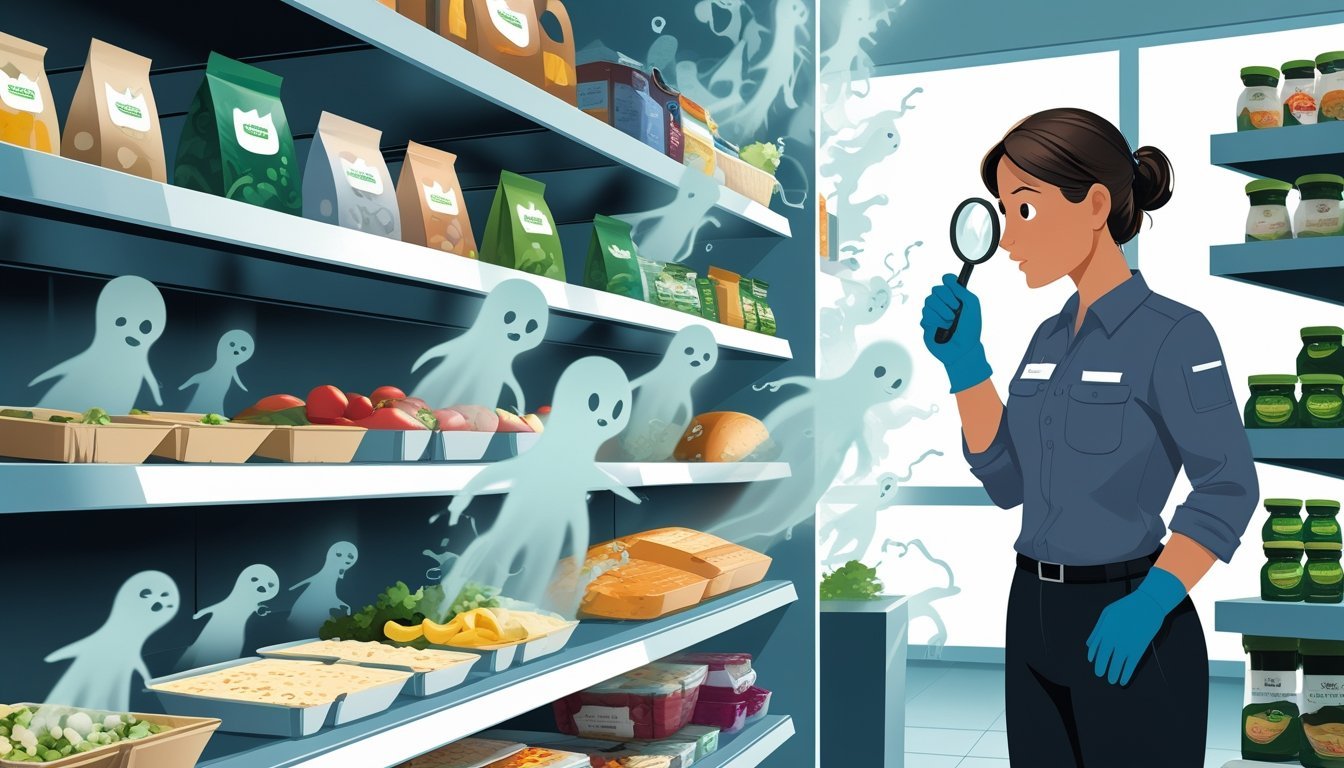
Ignoring the risks associated with cross-contamination and shelf life can have direct impacts on both public health and the food industry. The consequences range from increased cases of foodborne illnesses to notable economic losses and reputation damage.
Foodborne Illnesses and Recalls
When shelf life threats are overlooked, microbial contamination can reach unsafe levels before detection. This can lead to outbreaks of foodborne illnesses caused by bacteria such as Salmonella, E. coli, and Listeria. Vulnerable populations, including children and the elderly, are at a higher risk of severe disease.
Common outcomes include:
Increased hospitalizations and medical costs
Public health alerts and food recalls
Damage to consumer trust in food safety
Recalls are often widespread, affecting both small and large food producers. Regulatory authorities may issue mandatory recalls when unsafe products reach the market, leading to a sharp increase in scrutiny and potential legal actions.
Economic and Reputational Damages
Businesses that neglect shelf life management face considerable financial risk. Losses stem from product spoilage, recall costs, fines, and loss of market share. Insurers may also increase premiums for repeat offenders or refuse certain coverage.
Table: Potential Economic Impacts
Impact Area Example Costs Recall logistics Shipping, disposal Lost product value Inventory write-offs Legal and regulatory Fines, settlements Brand damage Declining sales
A damaged reputation can persist for years, affecting customer loyalty and business relationships. Food brands often need extensive efforts to rebuild consumer confidence following a high-profile incident linked to cross-contamination.
Strategies for Mitigating Cross-Contamination Risks
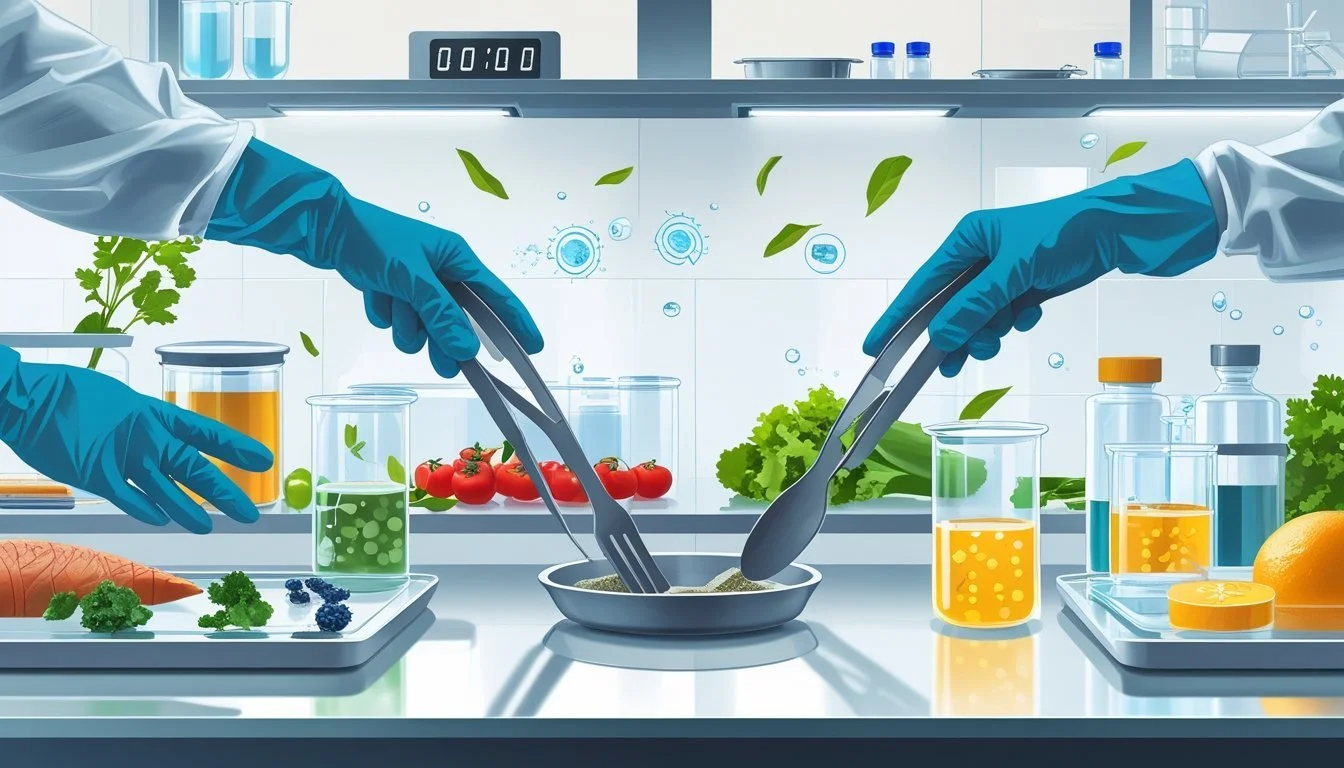
Preventing cross-contamination in food safety requires systematic practices tailored to specific risks. Effective strategies depend on consistent evaluation, record-keeping, and immediate action to address identified issues.
Routine Monitoring and Auditing
Routine monitoring is central to identifying and reducing cross-contamination risks. Regular inspection of equipment such as mixers, conveyors, and storage containers helps ensure that cleaning protocols are being followed. Microbial testing on surfaces identifies potential contamination points before they lead to larger problems.
Auditing processes should be scheduled and documented. Audits can cover sanitation procedures, product handling, and employee hygiene compliance. When auditors notice deviations or trends, corrective actions are enacted.
Checklist for Monitoring and Auditing:
Verify cleaning schedules and records
Inspect high-contact surfaces
Review training logs for staff
Document corrective actions taken after issues are found
Effective monitoring and auditing quickly catch lapses that might otherwise go unnoticed, supporting both short- and long-term food safety measures.
Future Trends in Food Safety and Shelf Life Management

Food safety challenges have become more complex as new risks and sources of contamination have emerged. Preventing cross-contamination and extending shelf life depend increasingly on advanced solutions and careful management practices.
Technological Innovations
The rise of blockchain, IoT sensors, and artificial intelligence (AI) is reshaping how food safety is monitored and managed. Blockchain can track food items across the supply chain, making it easier to identify and stop contamination sources.
IoT sensors provide real-time data on temperature, humidity, and other storage conditions. This helps reduce spoilage and ensures products remain safe during transport and storage.
Automated systems now use AI-driven analysis to detect potential hazards much earlier. Together, these innovations help lower the risks of cross-contamination and ensure food stays within safe shelf life limits.
Technology Function Impact Blockchain Traceability Source control IoT Sensors Condition monitoring Spoilage alerts Artificial Intelligence (AI) Hazard prediction Early intervention

