
Cold Chain Breakdown: How It Impacts Shelf Life and Product Quality
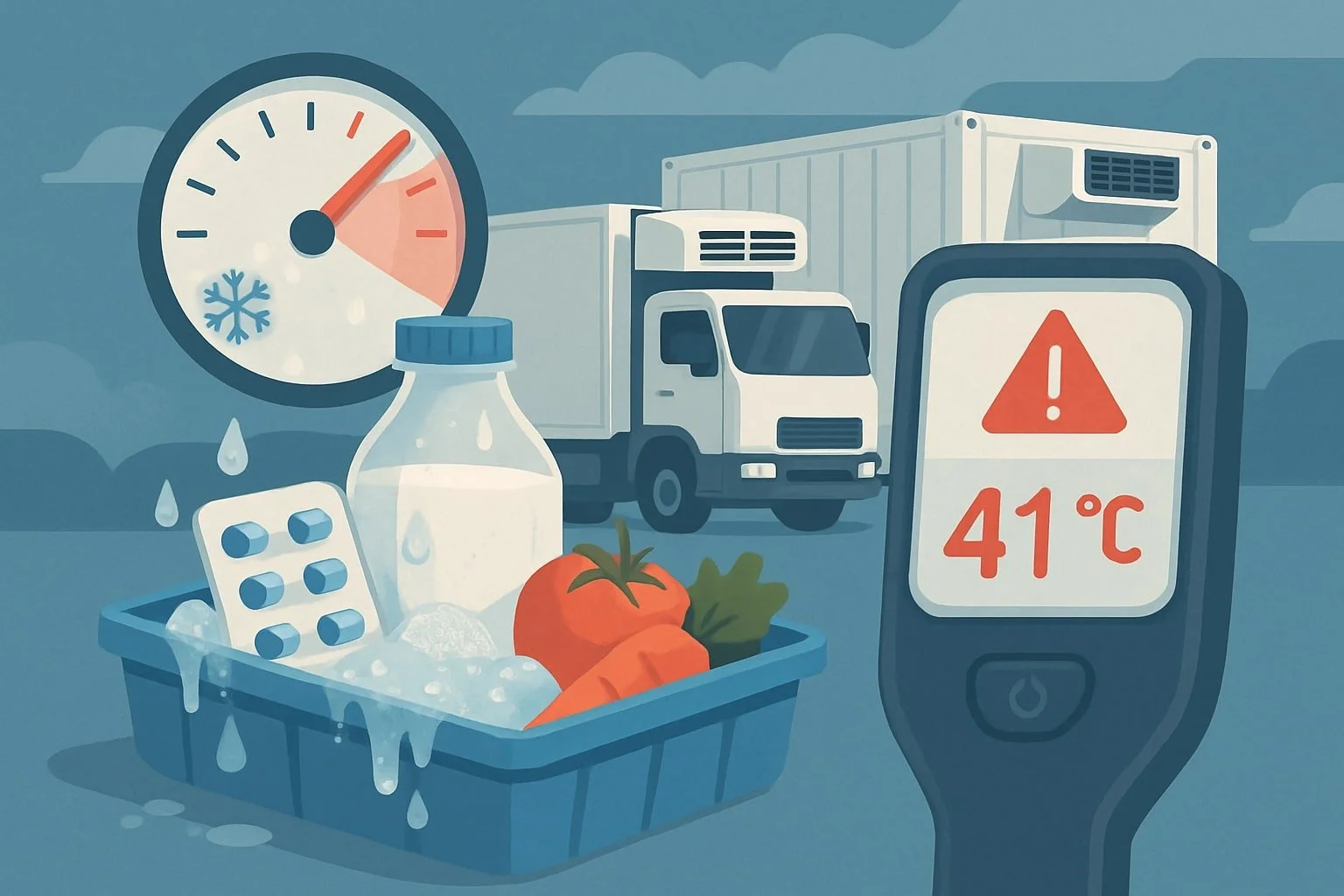
When the cold chain breaks, shelf life drops immediately and food spoilage risks rise. This is a direct result of temperature fluctuations that can occur during transit, storage, or handling. Even short periods of improper cooling allow bacteria to grow faster, damaging product quality and leading to waste.
Maintaining consistent temperature control is essential for protecting the integrity of perishable goods from harvest to consumer. Every stage introduces a chance for error, making close monitoring and management critical. Cold chain failures not only cause economic losses but also impact food safety, making the problem relevant for anyone involved in the food supply chain.
Understanding the Cold Chain
A cold chain is critical for transporting and storing temperature-sensitive goods, directly affecting shelf life and product quality. These systems use technology, monitoring, and logistics strategies to maintain safe temperature conditions from origin to destination.
Definition and Key Components
A cold chain is a temperature-controlled supply chain that keeps products such as food, pharmaceuticals, and chemicals within specific temperature ranges throughout storage and transportation. Failure to maintain these conditions leads to spoilage or reduced shelf life.
Key components include refrigerated storage facilities, temperature-monitored vehicles, and insulated packaging. Data loggers and real-time sensors track temperature changes at every stage. The process covers every handoff, from manufacturing to last-mile delivery, minimizing risks of temperature abuse and product loss.
Maintaining integrity during each stage is crucial. Even brief temperature fluctuations can cause immediate impacts on shelf life and safety. The complexity of managing multiple points of risk underscores the importance of robust monitoring systems in cold chain logistics.
Role in Modern Supply Chain Management
In global supply chain management, the cold chain ensures the quality and safety of perishable goods as they move through complex distribution networks. It supports industries such as pharmaceuticals, biotech, fresh produce, dairy, meat, and seafood.
Supply chain managers rely on cold chain systems to reduce food waste, comply with safety regulations, and protect brand reputation. As markets become more globalized, the demand for reliable cold chain logistics grows, especially in emerging markets and urban centers.
Advanced IoT devices and automated monitoring now play a vital role, offering real-time data and predictive alerts. This technology helps logistics providers react quickly to temperature excursions, minimizing spoilage and financial losses.
Types of Cold Chain Systems
Cold chains vary depending on product needs and distribution scale. The main types include refrigerated and frozen supply chains, each tailored for specific temperature requirements.
Refrigerated chains (2°C–8°C) serve products like dairy, fresh fruits, and processed foods.
Frozen chains (below -18°C) handle meats, seafood, ice cream, and some vaccines.
Ultra-low temperature chains (below -70°C) are needed for certain biologics and pharmaceuticals.
Different transport methods—such as refrigerated trucks, cold storage warehouses, and ocean or air freight—offer flexibility based on product sensitivity and transit times. Insulated containers and phase change materials further stabilize temperatures, supporting diverse needs within the global cold chain market.
Shelf Life and Product Quality
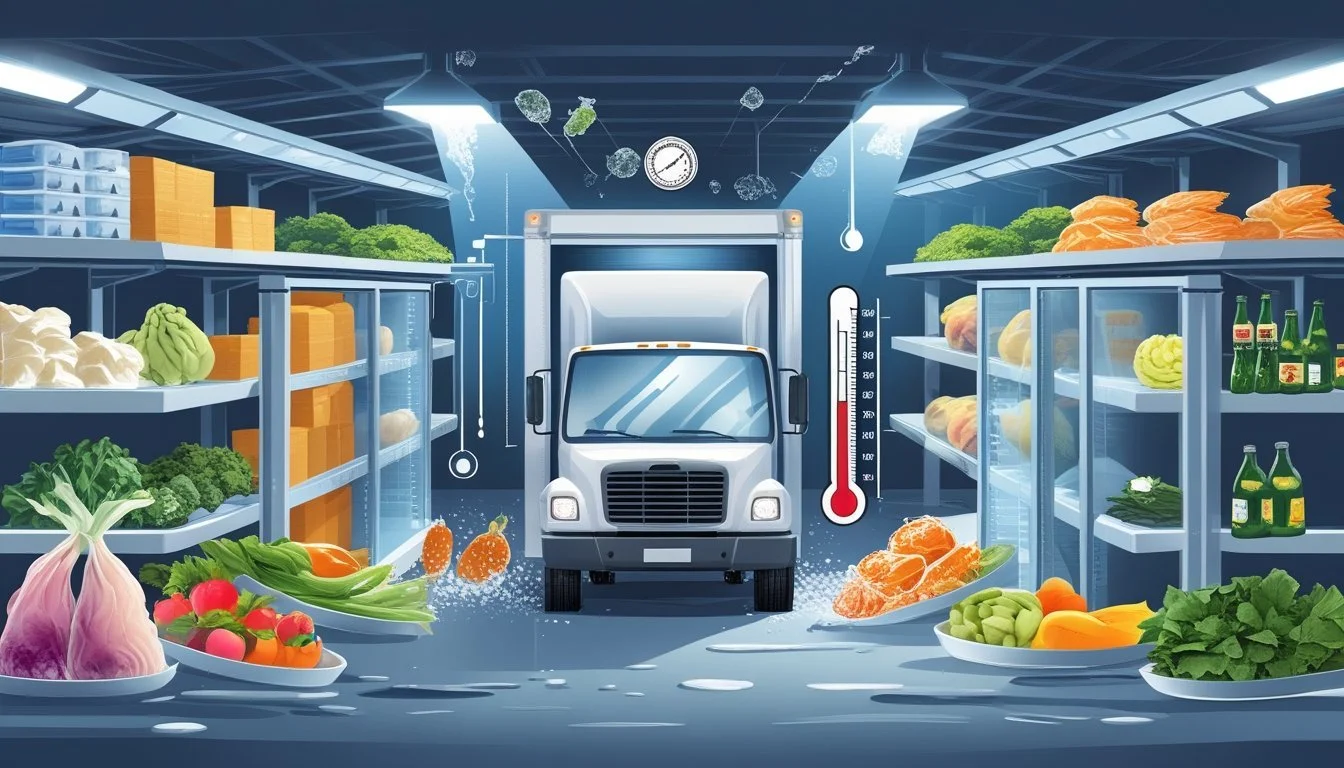
Shelf life and product quality depend on strict temperature management and careful handling, especially for perishable products. Even minor lapses in cold chain control can significantly reduce shelf life, compromise product integrity, and increase spoilage risks.
Factors Affecting Shelf Life
Shelf life is influenced by several factors, including the intrinsic properties of the product (such as water activity, pH, and nutrient content) and extrinsic conditions like temperature, humidity, and packaging. Perishable products are particularly sensitive to these variables.
Product-process-package (PPP) principles play a crucial role. The way a product is processed and packaged can either extend or shorten its quality retention. For instance:
Intrinsic Factors Extrinsic Factors Water activity Storage temperature pH Relative humidity Nutrient composition Packaging integrity
Handling and storage practices must align with a product’s time-temperature tolerance to avoid accelerated spoilage.
Relationship Between Temperature Control and Quality
Precise temperature control is essential for maintaining both shelf life and quality in the cold chain. If temperatures deviate above recommended levels for even short periods, microbial growth, enzymatic activity, and degradation processes may accelerate.
Chilled and frozen foods are particularly vulnerable. Quality attributes like texture, flavor, nutrient retention, and appearance can quickly decline after exposure to temperature abuse.
Continuous monitoring using sensors and real-time tracking can help identify and prevent potential breakdowns in the chain. Properly managed temperature regimes significantly reduce the risks of spoilage and maintain optimal product integrity.
Risks of Compromised Shelf Life
Breakdowns in the cold chain can quickly shorten shelf life by increasing the rate of spoilage and loss of product quality. When temperature-sensitive products are exposed to fluctuating or elevated temperatures, the risk of microbial contamination and chemical changes rises.
Compromised shelf life leads to more frequent product recalls, higher rejection rates, and potential health risks for consumers. Reduced shelf life also means products may become unsellable before reaching retailers or customers, contributing to food waste and financial losses.
Maintaining strong temperature control measures is essential for safeguarding product safety, mitigating spoilage, and protecting overall quality.
Causes of Cold Chain Breakdown
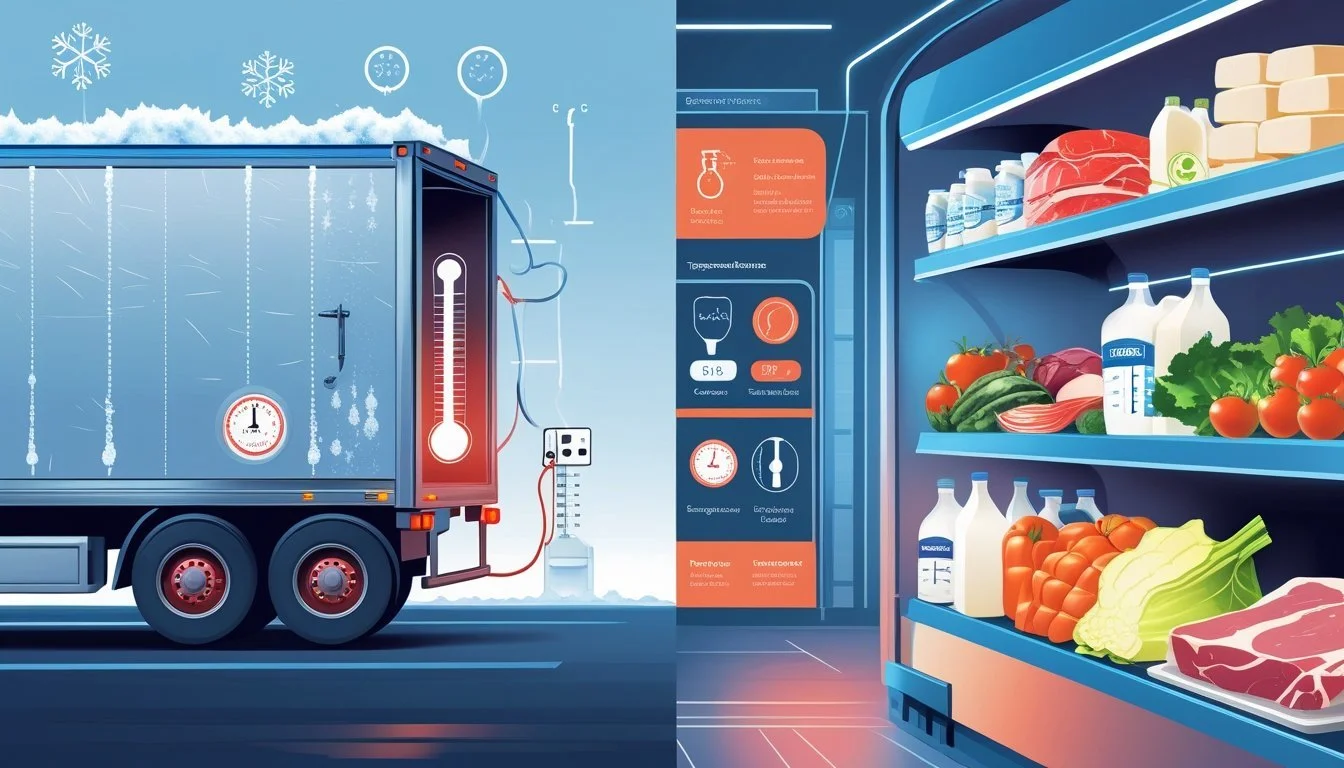
Several factors can interrupt the cold chain, each contributing to risks such as product spoilage, loss of quality, or reduced shelf life. Identifying key vulnerabilities helps organizations protect temperature-sensitive goods more effectively through targeted controls and monitoring.
Temperature Excursions
Temperature excursions occur when products are exposed to temperatures outside prescribed limits, even briefly. These fluctuations can degrade sensitive products, particularly perishable foods or pharmaceuticals, by shortening shelf life or compromising safety.
Common triggers include delays during transport, prolonged loading or unloading times, or malfunctioning temperature controls in trucks or storage facilities. According to cold chain logistic studies, small deviations—even for a short duration—can render goods unsafe or unsellable.
Maintaining strict temperature monitoring is crucial. Digital trackers and real-time alerts can help identify excursions early, allowing for corrective measures before products are ruined. Clear documentation and automated logging also support compliance and traceability requirements.
Equipment Failures
Cold chain integrity heavily depends on the performance of refrigeration units, insulated containers, and temperature sensors. Equipment breakdown, whether due to age, lack of maintenance, or unexpected power outages, remains one of the most significant risk factors.
Refrigeration system failure can lead to rapid temperature rise, especially in loaded transport vehicles. Some equipment malfunctions may go unnoticed, particularly during long shipping routes or overnight storage. Backup generators and routine maintenance schedules are essential to minimize such incidents.
A summary table of common equipment risks is below:
Cause Example Prevention Compressor malfunction Unit stops cooling Regular checks Sensor drift Inaccurate temperature logging Calibration checks Power loss Outage at warehouse Backup generators
Human Error in Handling Protocols
Improper handling by staff can break the cold chain, often due to deviations from established protocols or insufficient training. Common mistakes include leaving product doors open too long, incorrect product placement in storage, or failing to verify set temperatures before transfer.
Staff may also overlook crucial documentation or neglect to monitor temperature logs, leading to undetected risks. Clear procedures for loading, unloading, and transporting temperature-sensitive goods must be consistently followed to prevent lapses.
Ongoing training, visible checklists, and accountability procedures help minimize these errors. Companies often implement periodic audits and scenario drills to reinforce best practices and maintain vigilance throughout the supply chain.
Impacts of Cold Chain Breakdown on Shelf Life
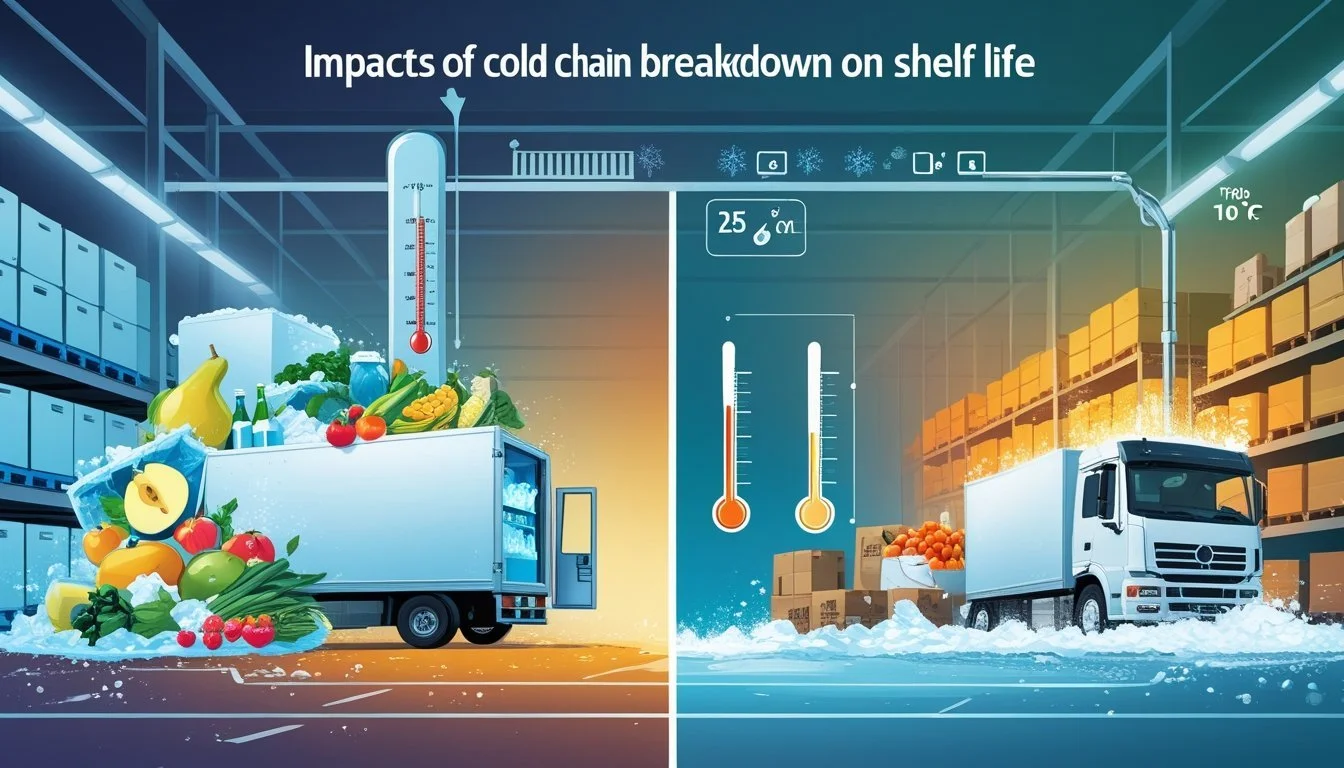
Breakdowns in the cold chain expose products to temperature variations that directly impact their longevity, safety, and marketability. This can result in measurable economic loss, reduced quality, and diminished consumer trust.
Increased Spoilage and Product Loss
When the cold chain fails, temperature-sensitive goods such as dairy, fresh produce, meat, and vaccines are vulnerable to rapid microbial growth. As a result, spoilage rates increase significantly, often rendering products unsellable before reaching consumers.
Common outcomes include:
Growth of bacteria, molds, and yeasts
Visible signs like discoloration or off-odors
Complete loss of inventory due to safety concerns
The economic impact from food waste and product loss can be substantial, affecting suppliers and retailers alike.
Deterioration in Product Quality
Even brief interruptions in temperature control can alter the physical, chemical, or sensory properties of perishable items. Milk may sour, fruits and vegetables can lose firmness or develop undesirable textures, while meat may experience flavor changes or color loss.
Quality parameters affected include:
Attribute Impacted by Breakdown Texture Softening, mushiness Flavor Off-flavors, sour notes Nutritional Value Loss of vitamins, proteins Appearance Browning, wilting, discoloration
A decline in these factors leads to a noticeable drop in shelf life and product appeal.
Reduced Customer Satisfaction
Consumers expect products to be fresh, safe, and as described. Cold chain breakdowns often result in subpar goods on store shelves or upon delivery. This can lead to complaints, returns, and loss of confidence in brands or retailers.
Direct effects on customer satisfaction include:
Purchasing items with reduced freshness
Negative experiences due to early spoilage
Reluctance to buy perishable goods in future
Over time, unresolved issues can damage business reputations and decrease brand loyalty.
Key Cold Chain Stages and Vulnerabilities
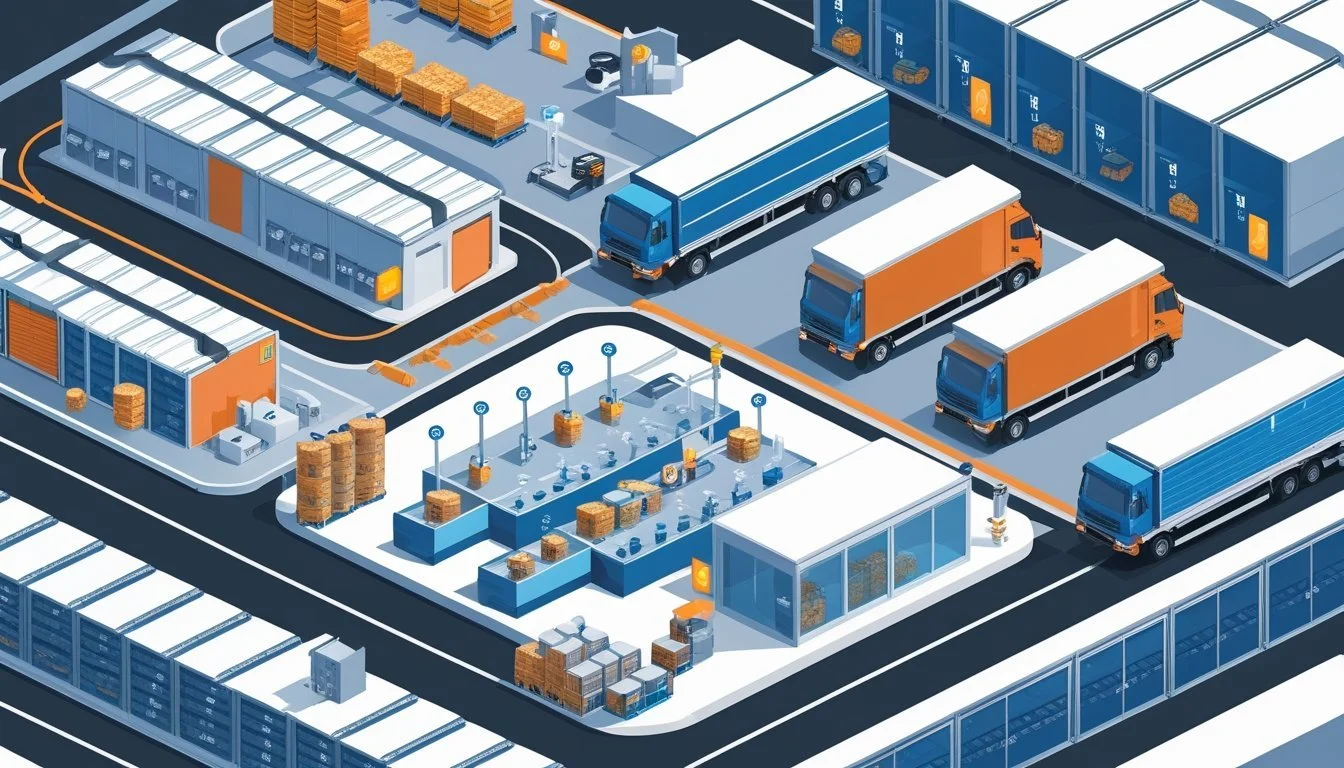
Maintaining product integrity and shelf life depends on uninterrupted control throughout the cold chain. Each link—from storage to transport and finally delivery—introduces different risks that can compromise temperature-sensitive goods.
Cold Storage and Warehousing
Cold storage facilities and temperature-controlled warehouses are the foundational stage of the cold chain. They rely on precise temperature management, often using automated monitoring systems and alarms to prevent deviations.
Key vulnerabilities include equipment malfunctions, such as compressor failure or power outages. If a warehouse loses temperature control, even briefly, biological processes may accelerate, reducing shelf life or causing spoilage.
Common safeguards involve redundant systems, strict access controls, and regular maintenance checks. Products are commonly stored on racks for optimized airflow, but inadequate air circulation can create localized hot spots.
Stringent cleaning protocols and calibration of monitoring instruments help ensure sustained quality. However, gaps in staff training or monitoring lapses can allow unnoticed temperature excursions.
Refrigerated Transport and Logistics
Refrigerated transport, including trucks, containers, airplanes, and ships, is crucial for moving goods between cold storage sites and distribution points. These vehicles depend on well-maintained refrigeration units, proper insulation, and validated loading procedures.
Risks include vehicle breakdowns, such as a truck’s refrigeration failure or prolonged customs delays that leave goods exposed. Loss of temperature control during transit can degrade sensitive products within hours, especially in hot climates.
A summary of common vulnerabilities in refrigerated logistics:
Vulnerability Impact Mechanical breakdown Rapid temperature rise; spoilage Route delays Longer exposure; increased risk Poor loading Blocked airflow; uneven cooling Insufficient monitoring Undetected failures; quality loss
Real-time temperature tracking, regular equipment checks, and well-trained staff minimize disruption risks.
Last-Mile Delivery Challenges
The last-mile segment refers to the final movement from distribution centers to the end customer, which may be retail stores or households. This stage often uses smaller insulated vehicles or even manual delivery, which may lack advanced climate-control systems found in larger trucks or warehouses.
Major vulnerabilities here include short delivery windows, frequent door openings, and unpredictable outdoor temperatures. Inadequate insulation or extended unloading time can result in temperature excursions that jeopardize product safety.
Effective practices include thermal packaging, use of portable coolers, and strict scheduling to minimize exposure. Delivery personnel need clear protocols for temperature checks upon handover, as even brief lapses can reduce shelf life.
In regions with limited cold chain infrastructure, the risk of last-mile failures increases, making robust procedures critical for food and pharmaceutical safety.
Temperature and Humidity Monitoring Solutions
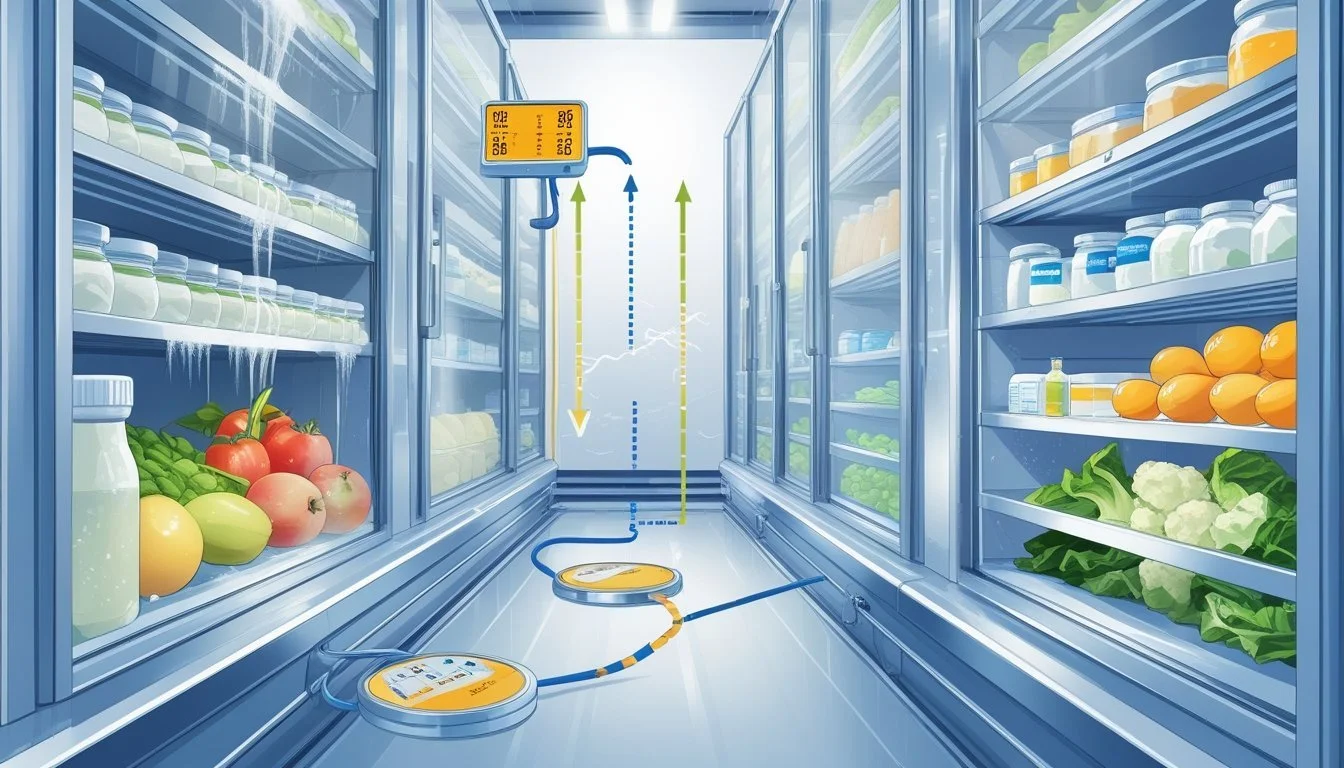
Effective cold chain management depends on constant temperature and humidity tracking. Early detection of temperature or moisture violations safeguards product quality, reduces spoilage, and supports regulatory compliance.
Role of Temperature Sensors and Data Loggers
Temperature sensors and data loggers play a central role in cold chain monitoring. Devices like the LL309 temperature and humidity monitoring tracker provide accurate, continuous tracking of product conditions. These instruments measure both ambient and internal temperatures, storing data at preset intervals.
Businesses use this information to identify exposure to temperature abuse, which can shorten shelf life or compromise safety. Data loggers produce digital records for audits and compliance, helping companies demonstrate adherence to safety standards. Many solutions now integrate humidity monitoring, crucial for sensitive items such as pharmaceuticals and fresh produce.
Modern loggers are designed to be portable and user-friendly. They can be retrieved after a shipment, or function as wireless units transmitting data for immediate review.
Real-Time Visibility and GPS Tracking
Real-time visibility is achieved through connected monitoring systems featuring live data transmission. These solutions send temperature and humidity readings directly to centralized platforms, triggering alerts if readings approach unsafe thresholds.
GPS tracking integrates with these systems to pinpoint the location of shipments, enabling proactive responses to temperature excursions during transit. If a refrigerated truck encounters mechanical issues, logistics teams are notified immediately, allowing for rapid intervention.
This data-driven approach minimizes delays in detecting and addressing problems. Real-time dashboards and mobile applications give users direct access to updates, improving traceability and reducing risk of loss.
IoT Innovations and Smart Packaging
Internet of Things (IoT) technology now connects environmental sensors with cloud-based analytics, allowing for remote, automated decision-making. Smart packaging and embedded IoT devices can monitor product-level conditions continuously.
These innovative solutions often combine temperature and humidity monitoring with QR codes or RFID tags, supporting traceability from production to point-of-sale. Some systems use predictive analytics to forecast shelf life based on accumulated exposure.
IoT platforms facilitate data sharing between suppliers, carriers, and retailers, improving accountability and transparency. Smart packaging can even alert handlers if a parcel has been mishandled or subjected to heat, adding another layer of protection for sensitive goods.
Temperature-Sensitive Products at Risk
Temperature-sensitive products require precisely controlled environments to preserve quality and safety. A breakdown in the cold chain can damage shelf life, increase spoilage, and undermine public health by making foods or pharmaceuticals unsafe for use.
Fresh Produce and Fruits and Vegetables
Fresh produce is especially vulnerable to small temperature fluctuations. Exposure to heat speeds up enzymatic activity and respiration, which may cause fruits and vegetables to ripen and decay much faster than intended.
Leafy greens, berries, and tomatoes experience significant texture and nutritional losses if the cold chain is disrupted. Ethylene-producing fruits such as apples and bananas can ripen surrounding produce more quickly under suboptimal conditions.
Loss of moisture is also a common issue. Without proper refrigeration, produce can wilt, develop off-putting odors, or become susceptible to mold and bacterial growth. As a result, the commercial value of these products often declines sharply, and waste increases.
Key risks:
Accelerated spoilage rates
Nutritional degradation
Microbial contamination
Meats, Dairy, and Seafood
Meats, dairy products, and seafood represent some of the most temperature-sensitive perishable goods in the food and beverage industry. Even brief cold chain interruptions allow pathogens like Salmonella or Listeria to multiply rapidly, raising the risk of foodborne illnesses.
Dairy products, including milk, cheese, and yogurt, are prone to rapid spoilage if not kept within 2–8°C. Inconsistent temperatures can also cause separation, souring, or changes in texture that make these items unmarketable.
Seafood is particularly sensitive due to high water content and natural enzymes that promote spoilage. Tuna and shellfish, for example, can develop toxins dangerous to human health at elevated temperatures. Maintaining strict temperature control is critical from harvest to point of sale.
Key risks:
Growth of harmful bacteria
Irreversible texture and flavor changes
Loss of product safety and quality
Frozen Foods and Pharmaceuticals
Frozen foods rely on persistent freezing temperatures to remain safe and shelf-stable. Any thawing event, even for a short period, can result in ice crystal formation, moisture migration, and changes in food texture.
Repeated freeze-thaw cycles not only compromise quality but also encourage the growth of microorganisms if the temperature stays above freezing for too long. Packaging integrity may also be affected by temperature abuse.
Certain pharmaceuticals, including biologics and injectable medications, require frozen storage to protect their potency. Exposure to higher temperatures or repeated temperature excursions can render these medicines ineffective or even unsafe.
Key risks:
Loss of nutritional and sensory quality
Increased danger of microbial growth
Compromised medication efficacy
Vaccines and Life Sciences
Vaccines are among the most temperature-sensitive goods in any supply chain. Many require storage between 2°C and 8°C and experience rapid potency loss outside this range. Some, like mRNA vaccines, demand even colder environments below –20°C or –70°C.
Life sciences products such as blood, tissue samples, and reagents also depend on reliable temperature control. Cold chain failure during shipping or at distribution points may invalidate research materials or compromise patient treatments.
Real-time temperature monitoring and robust packaging solutions are essential for vaccine safety and efficacy. Any lapse not only jeopardizes individual health outcomes but undermines immunization efforts on a larger scale.
Key risks:
Reduced vaccine effectiveness
Potential loss of critical research materials
Missed or compromised patient treatments
Cold Chain Compliance and Quality Control
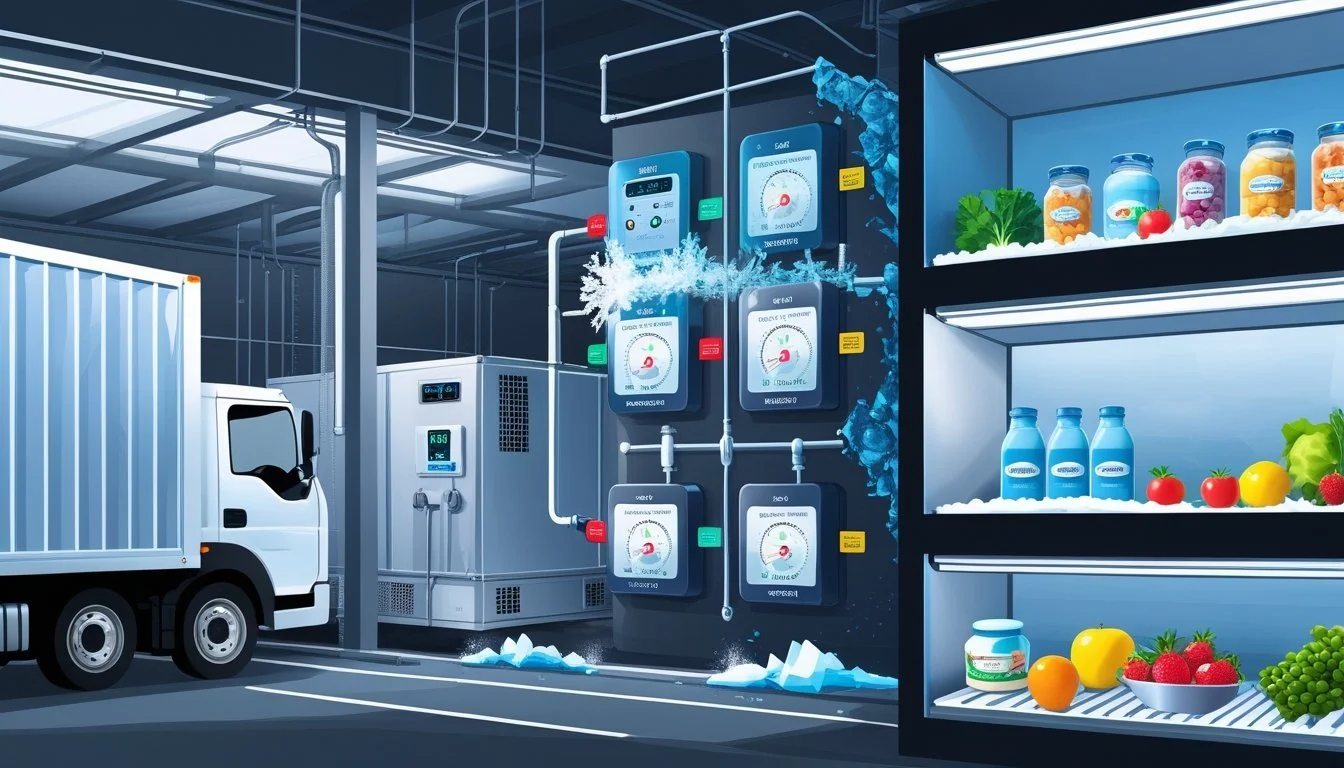
Maintaining strict compliance and effective quality control is crucial for preventing spoilage and ensuring the safety of temperature-sensitive goods. Both regulatory requirements and regular inspections help uphold standards throughout the cold chain.
Regulatory Standards and Requirements
Cold chain operations are subject to a range of international, national, and industry-specific regulations. Agencies such as the FDA (U.S.), EFSA (EU), and local food safety authorities set the benchmark for temperature ranges, handling procedures, and packaging specifications.
Companies must adhere to mandates like the Food Safety Modernization Act (FSMA), Hazard Analysis and Critical Control Points (HACCP), and Good Distribution Practices (GDP). Compliance involves:
Accurate temperature monitoring
Proper calibration of equipment
Documented recordkeeping
Non-compliance can lead to product recalls, fines, and lasting reputational damage. The importance of regulatory compliance lies in ensuring product integrity, consumer safety, and extended shelf life.
Auditing and Inspections
Routine audits and inspections are central to verifying cold chain integrity. Internal audits often focus on reviewing process documentation, equipment maintenance records, and product traceability.
External audits, performed by regulatory bodies or third-party organizations, assess whether facilities and processes meet required standards. Inspections may include:
Physical checks of cold storage and transport units
Examination of data logs from temperature monitoring systems
Interviews with staff to confirm protocol adherence
Effective quality control depends on identifying deviations early. Consistent auditing and inspection practices help spot weak points, implement corrective measures, and support continuous improvement within cold chain logistics.
Best Practices to Prevent Cold Chain Breakdown
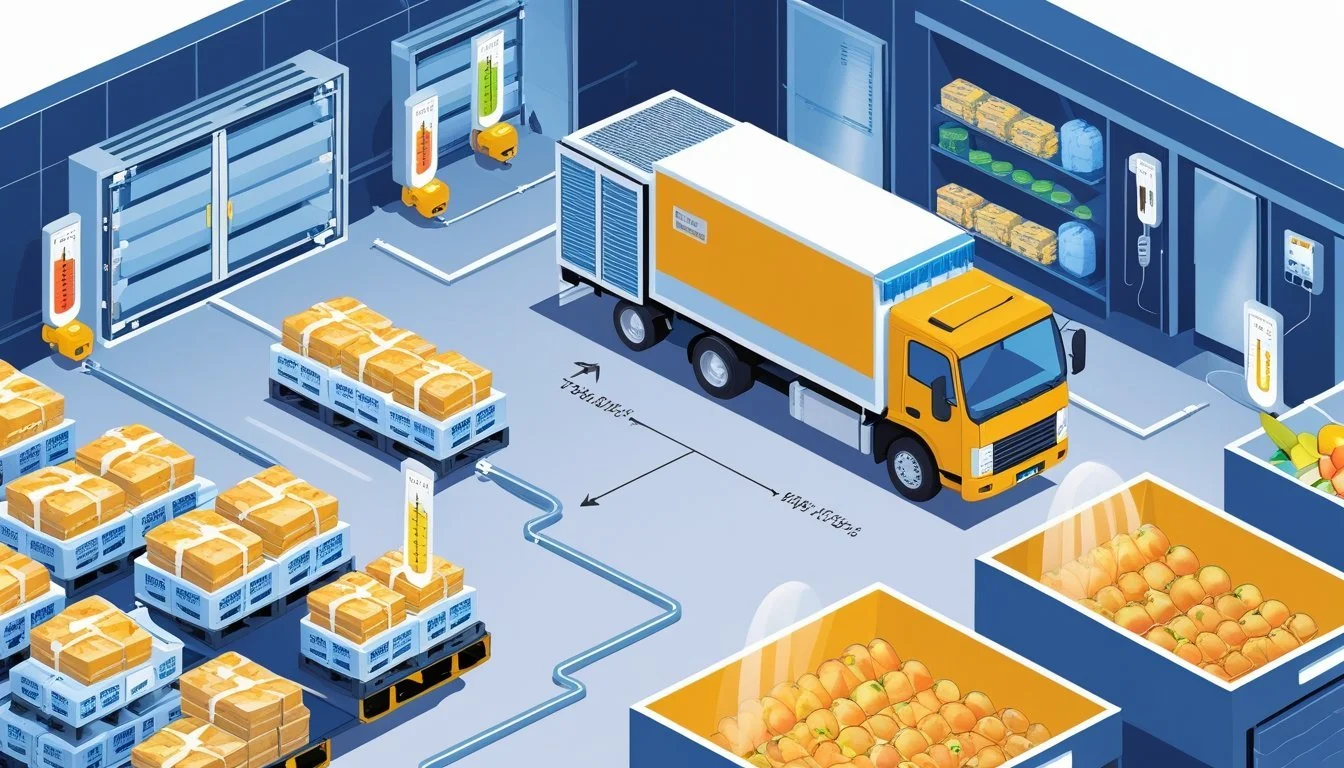
Strict temperature control, asset oversight, and well-trained staff play a critical role in reducing risks to product quality during cold chain logistics. Addressing these key areas helps protect shelf life by limiting temperature excursions, equipment failures, and handling errors.
Effective Temperature Management
Maintaining the correct temperature at every stage is essential for preserving product integrity. Real-time monitoring systems using IoT sensors enable continuous tracking and allow immediate action if temperatures deviate from set points. Data loggers should be placed with shipments to provide historical temperature records for compliance and quality audits.
Temperature alarms, automated reporting, and centralized dashboards offer clear benefits. Setting specific temperature ranges for each product type and ensuring vehicles, storage units, and packaging have consistent cooling capacity minimizes fluctuations. Monitoring humidity is also important for goods vulnerable to moisture.
Quick Checklist:
Use calibrated, reliable sensors
Set product-specific temperature thresholds
Regularly audit monitoring data
Failure in temperature management—not just during transport, but also while loading and unloading—can dramatically shorten shelf life.
Asset Management and Pre-Cooling
Asset management in the cold chain involves more than just having vehicles or storage. Every container, refrigerator, and transport box must be well-maintained and appropriately equipped for each shipment. Preventative maintenance schedules reduce the risk of unexpected breakdowns during critical transit periods.
Pre-cooling assets before loading is a vital but sometimes overlooked step. When transport vehicles and storage areas are cooled to the same temperature as the product, thermal shock and condensation are avoided. This helps stabilize product conditions until final delivery.
Best Practices Table:
Asset Type Maintenance Task Pre-Cooling Requirement Refrigerated Truck Compressor check 2 hours at set temperature Storage Unit Door seal inspection 1 hour before loading Shipping Container Insulation integrity test Cool overnight if possible
Proactive asset management and pre-cooling protect cargo from avoidable exposure and maintain the cold chain’s effectiveness.
Staff Training and Operational Protocols
Ultimately, well-trained staff are essential to follow cold chain procedures correctly. Regular, targeted training programs ensure employees understand temperature management tools, product-specific handling protocols, and emergency procedures in case of equipment malfunctions.
Standard operating procedures (SOPs) for each stage of handling help prevent mistakes like leaving doors open or improper stacking. Clear communication protocols make it easier to respond promptly to temperature alarms or unexpected delays.
Key Areas of Training:
Handling sensitive products
Proper use of temperature logs
Steps for addressing breakdowns
With regular audits, management can verify compliance and identify areas for further instruction, safeguarding both product quality and shelf life.
Food Safety, Security, and Environmental Impact
Breakdowns in the cold chain have immediate and far-reaching effects on food quality, public health, and the environment. Failures in maintaining controlled temperatures can lead to increased foodborne illnesses, reduced shelf life, and large-scale food losses, all of which impact global supply and sustainability.
Foodborne Illnesses and Contamination Risks
Lapses in cold chain management significantly raise the risk of foodborne illnesses by allowing bacteria such as Salmonella, Listeria, and E. coli to multiply. Perishable items like meat, dairy, and seafood are particularly vulnerable if exposed to unsafe temperatures for even short periods.
Consequences of Contamination:
Increased rates of hospitalization and illness outbreaks
Higher recall costs for companies and damaged brand reputation
Greater difficulty in tracing sources of contamination
Proper use of systems like HACCP (Hazard Analysis Critical Control Point) reduces these risks by identifying and managing critical control points during storage and transport. Monitoring and rapid response are essential for preventing contaminated products from reaching consumers.
Food Security and Global Impact
Cold chain failures contribute to significant food loss, directly impacting food security, particularly in regions with insufficient infrastructure. Spoilage not only reduces available food but also places pressure on already limited resources in developing countries.
Impacts Include:
Greater food price volatility due to unpredictable supply
Lower nutritional availability in vulnerable populations
Increased reliance on imports where local food cannot be preserved
Unequal access to reliable cold storage means that emerging economies are most affected. Even in developed regions, last-mile delivery problems can undermine food safety and supply stability.
Environmental Effects of Cold Chain Inefficiencies
Food wasted due to cold chain breakdowns generates considerable environmental impact. Spoilage leads to unnecessary resource use—energy, water, and land—that went into producing, processing, and transporting the lost food.
Key Environmental Issues:
Higher greenhouse gas emissions from decomposing organic waste in landfills
Wasted energy from refrigeration systems running inefficiently or needlessly
Additional transportation emissions when lost goods must be replaced
Implementing more sustainable and efficient cold chain practices can help minimize these negative outcomes, lower overall waste, and support environmental goals. Reducing spoilage not only saves food but also conserves vital resources and lessens the sector's ecological footprint.

