
Is Food Waste Mostly a Shelf Life Problem?
Understanding Causes and Solutions
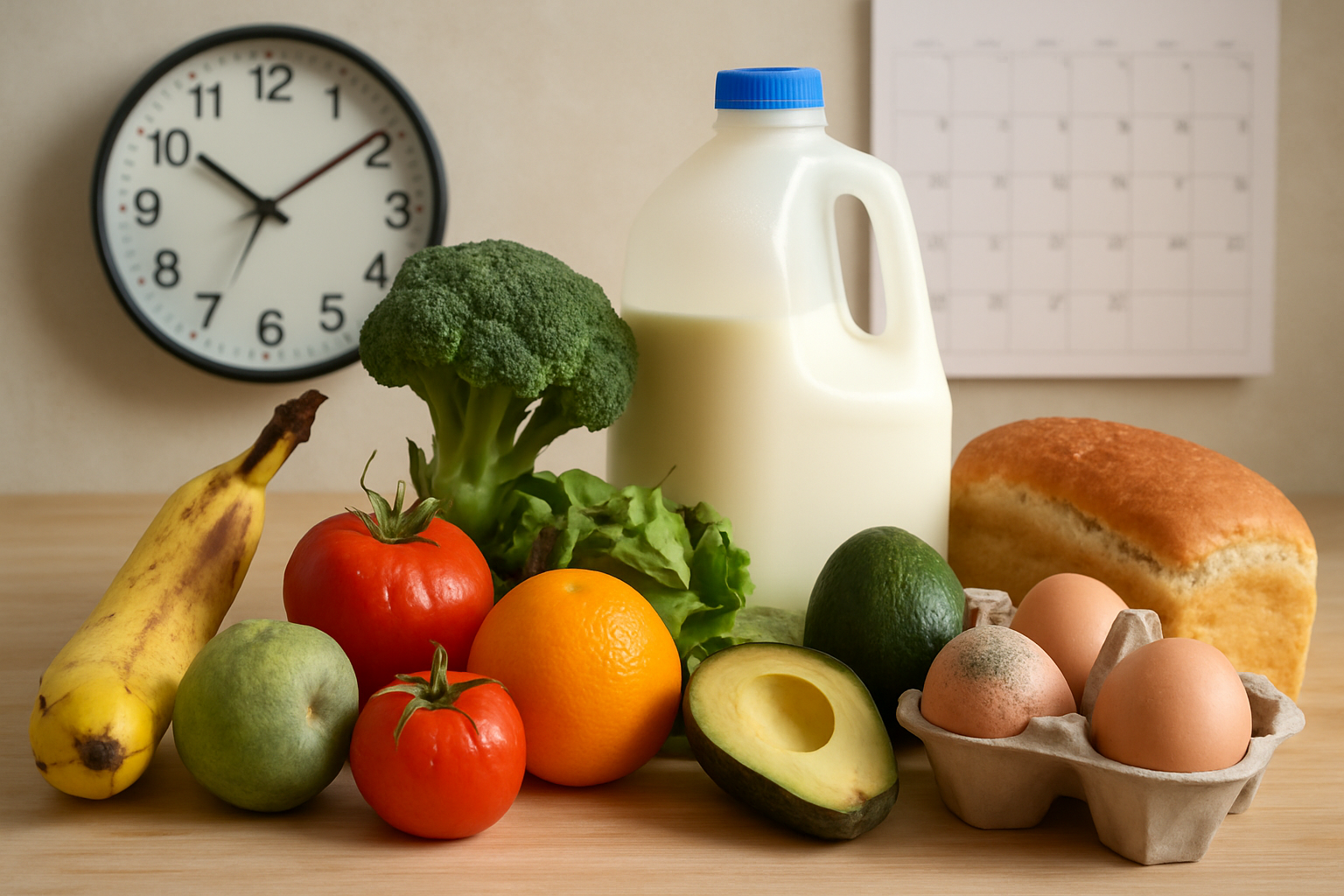
Shelf life is a major factor in food waste, but it is not the only cause. Many foods are discarded when they pass their expiration date or lose their freshness, whether or not they are actually unsafe to eat. Confusion over food dating, along with short shelf lives for some products, encourages both retailers and consumers to throw away food that might still be usable.
Other issues, such as over-purchasing, poor storage practices, and changing demand, also contribute to food waste at home and in stores. There are methods and technologies that can extend shelf life, but tackling food waste requires understanding all the reasons food gets thrown out, not just what’s printed on a package. This article explores how shelf life fits into the bigger picture of food waste and what solutions are available.
Understanding Food Waste
Food waste and food loss affect every stage of the food supply chain, from production to consumer behavior. Their causes and scale differ, impacting not only environmental resources but also global food security.
Defining Food Waste and Food Loss
Food waste generally refers to food suitable for consumption that is discarded at the retail or consumer stage. Food loss, in contrast, occurs earlier, such as during post-harvest handling, processing, or distribution.
Key differences:
Food loss: Often caused by issues like poor harvesting techniques, inadequate storage, or spoilage during transport.
Food waste: Usually results from over-purchasing, poor planning, or misunderstanding of expiration dates among retailers and consumers.
Understanding these terms is essential for addressing specific points in the food supply where interventions are most effective.
The Scale of Food Waste Globally
Globally, an estimated 30–40% of all food produced is lost or wasted each year. In the U.S. alone, the figure reaches about 40% annually, amounting to 125–160 billion pounds of wasted food.
Much of this food remains safe and edible. Factors include overproduction, strict grading standards, and consumer habits such as overbuying and discarding food before it spoils. Food waste has significant environmental impacts, contributing to greenhouse gas emissions and inefficient use of resources such as water, land, and energy.
Food Supply Chain Contributors
Food losses occur at multiple points in the supply chain. Key contributors include:
Production: Damage from pests, disease, and weather can cause large losses before harvest.
Post-harvest handling: Poor storage infrastructure and inadequate transportation often lead to spoilage before products reach retailers.
Processing and packaging: Inefficiencies or technical failures can result in food being discarded before sale.
Retail and consumer behavior: Foods with a short shelf life, poor inventory management, and misinterpretation of "best by" dates result in significant waste.
Table: Primary Food Loss Points in the Supply Chain
Stage Example Causes Production Crop disease, bad weather Handling/Storage Spoilage, pests Processing Off-spec products, malfunction Distribution/Retail Over-ordering, perishability Consumer Overbuying, confusion on dates
Each link in the chain presents specific challenges and opportunities for reducing both food loss and waste.
Shelf Life and Its Role in Food Waste
Shelf life significantly affects how much food is discarded at every stage from producers to consumers. The presence of expiry dates, how perishability is judged, and supermarket handling all impact whether food is used or wasted.
Expiry Dates and Expired Food
Expiry dates are one of the main reasons food is wasted, especially at the retail and household levels. Many consumers and retailers treat these dates as exact cut-offs, discarding products once the date passes—even if the food is still safe to consume.
There are several types of dates, such as "best before," "sell by," and "use by." Each carries different meanings about safety and quality, but this is not always clear to shoppers. Confusion leads to the unnecessary disposal of edible food in stores and homes.
Research shows waste can be reduced by adjusting or better communicating shelf life dates. For example, extending a product's shelf life by just one day can cut waste by up to 5% for certain foods.
Perishability Versus Edibility
Perishability refers to how quickly food deteriorates in appearance, texture, or flavor. However, decline in quality does not always mean the product is inedible or unsafe. In many cases, foods are discarded based on perceived freshness rather than actual risk.
The difference between what is still edible and what appears less fresh is a key source of food waste. Consumers often judge by visual cues or dates, instead of understanding the true edibility of a product.
Educating both staff and consumers about safe edibility can help reduce discards. For example, some dairy products, bread, and canned goods may be safe well after formal expiry dates if stored properly.
Supermarkets and Shelf Life Management
Supermarkets play an active role in the management and outcome of shelf life. Retailers often remove products from shelves as soon as expiry dates approach, even if the items remain safe or usable. This is done to avoid selling products that customers might reject or for liability concerns.
Supermarkets also influence shelf life through storage conditions, stock rotation, and promotional tactics. When products are delivered or stored incorrectly, their effective shelf life shortens, increasing waste.
Some stores have started using technology like improved packaging or infrared sensors to monitor freshness more accurately. Proper shelf life management can help both reduce waste and improve profit margins by selling more of what is purchased.
Other Major Causes of Food Waste
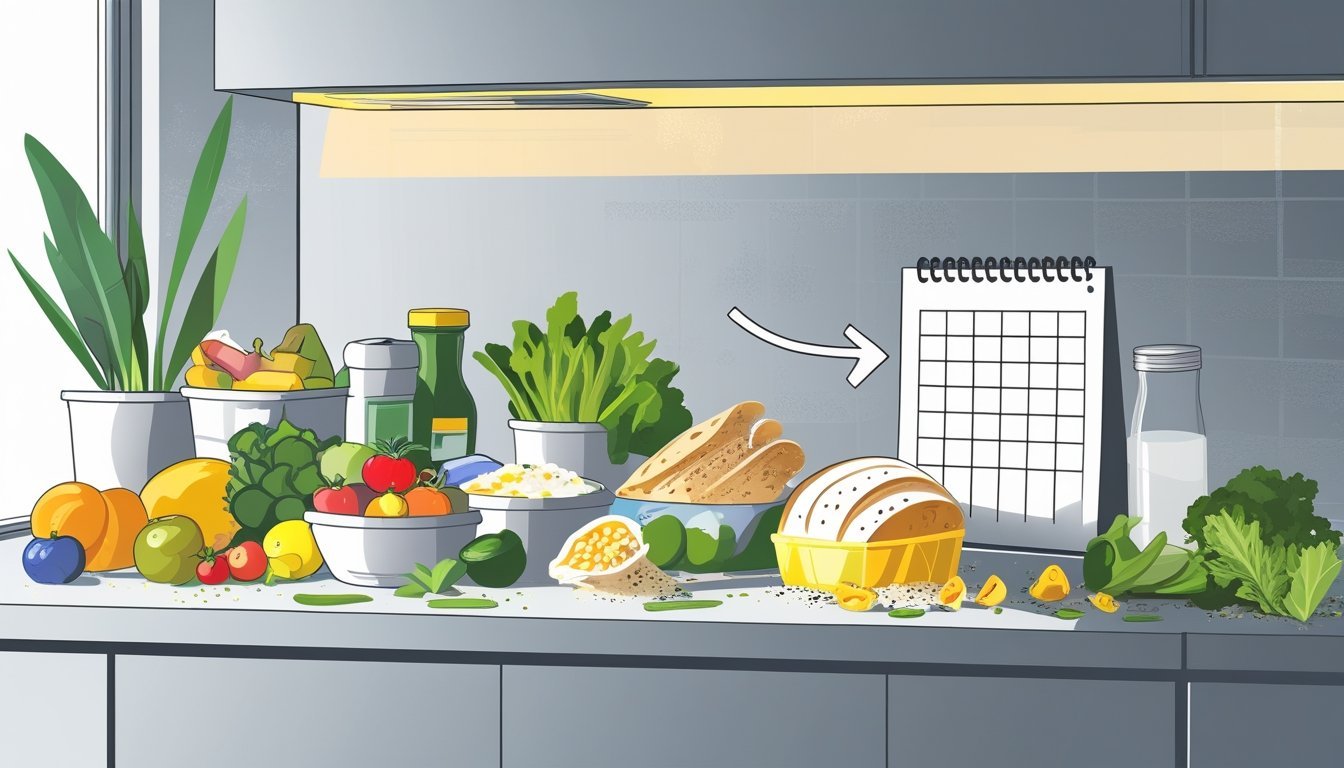
Food waste does not stem solely from shelf life limitations. Significant portions of waste occur due to overproduction, inefficiency in storage, and behaviors at both commercial and household levels.
Surplus Food Generation
Surplus food frequently results from inaccuracies in demand forecasting and commercial pressure to always have shelves fully stocked. Producers and retailers often produce and display more food than is actually bought, especially with perishable items like fruits and baked goods. Excess inventory, particularly after promotional events such as “buy one, get one free,” tends to go unsold and eventually discarded.
Overproduction is also tied to market fluctuations and unpredictable consumer preferences. Inconsistent demand makes it difficult for food providers to match supply efficiently with actual need. This cycle creates avoidable waste, especially for items with short marketing windows.
Regular surplus affects storage capabilities, leading to quality loss even before a product’s best-by date. Food donations or secondary uses are not always possible, meaning surplus food often ends up as waste, rather than being used to meet community needs.
Meal Planning and Consumer Behavior
Consumer habits have a large impact on food waste generation. Overbuying—often influenced by discounts or lack of pre-shopping planning—leads to households purchasing more food than they can consume before it spoils. Improper or incomplete meal planning makes it challenging for individuals to use all their food purchases efficiently.
A significant portion of household waste comes from food scraps and leftovers that are not repurposed or stored correctly. Consumers tend to discard edible parts of food, such as bread crusts or vegetable peels, due to personal preferences or lack of awareness about potential uses.
Poor understanding of date labeling (“sell by,” “use by,” etc.) leads people to throw away safe, edible products prematurely. This confusion, combined with inadequate planning, significantly contributes to unnecessary waste at the consumer level.
Storage and Handling Practices
Improper storage conditions accelerate food spoilage at all levels, from farm to home. Lack of temperature control, humidity issues, and insufficient storage infrastructure lead to both quality loss and early discarding of products. In retail settings, damaged packaging and mishandling can render perfectly edible food unsellable.
Inadequate storage also affects leftovers and meal components prepared at home. Without correct containers or refrigeration, cooked and ready-to-eat food can spoil fast, resulting in more food scraps and wasted meals.
Proper training and knowledge about storage techniques are limited, especially in small retail businesses or households. This gap in practice leads to preventable losses, affecting the food’s usability and safety even when shelf life is technically still valid.
Environmental Impact of Food Waste
Food waste directly contributes to environmental problems through increased greenhouse gas emissions, inefficient use of natural resources, and an over-reliance on landfills. Specific disposal practices influence the types and amounts of emissions released, particularly methane.
Greenhouse Gas Emissions and Methane
When food decomposes, it emits greenhouse gases, including carbon dioxide (CO₂) and methane (CH₄). Methane is especially concerning because it has a much higher global warming potential than carbon dioxide over a 20-year period.
In the United States, food is the single largest category of material sent to municipal landfills. The anaerobic conditions found in landfills encourage methane generation. According to the U.S. Environmental Protection Agency (EPA), food waste in landfills was responsible for over 50 million metric tons of CO₂-equivalent methane emissions in 2019.
Methane, which is released as organic matter breaks down without oxygen, traps heat in the atmosphere about 28 times more efficiently than CO₂ over 100 years. This makes food waste disposal an important target for emissions reduction.
Climate Change Linkages
Food waste is linked to climate change through direct and indirect mechanisms. Besides emissions from decomposition, the production, transportation, and storage of food require significant energy and resources. When food is wasted, all the emissions embedded in these activities are essentially produced in vain.
Estimates suggest that roughly 8–10% of global greenhouse gas emissions are associated with food that is never consumed. This highlights the waste of water, energy, fertilizer, and other resources along the supply chain. Reducing food waste can lower both direct landfill emissions and broader, supply-chain-related emissions.
A broad approach, including better shelf life management and improved distribution, can help address carbon impacts across the food system.
Landfill and Anaerobic Digestion
Most food waste still ends up in landfills, where the absence of oxygen accelerates methane generation through anaerobic decomposition. Landfilling is the least environmentally friendly option for food disposal due to these significant methane emissions.
Some regions have introduced alternatives such as anaerobic digestion. This process breaks down organic waste in controlled, oxygen-free environments to produce biogas—a renewable energy source.
The key differences between landfill and anaerobic digestion are summarized below:
Disposal Method Methane Control Energy Recovery Environmental Impact Landfill Low None High Anaerobic Digestion Managed Yes Lower
Wider adoption of anaerobic digestion can reduce methane leaks and turn food waste into resources, but infrastructure and policy support are essential for large-scale implementation.
Strategies for Reducing Food Waste
Practical methods for reducing food waste focus on managing unavoidable scraps, redirecting surplus to those in need, and improving the sustainability of the system as a whole. Each approach addresses a specific aspect of the food waste problem and offers actionable steps.
Composting and Food Scraps Management
Composting is a direct way to handle inevitable food scraps from kitchens and businesses. Instead of sending peels, cores, and spoiled produce to landfills, individuals and organizations can use composting bins or municipal compost programs to turn these scraps into nutrient-rich soil. This process decreases landfill waste and greenhouse gas emissions by keeping organic material out of the trash stream.
Organized curbside compost collection is increasingly being adopted in cities. For those without municipal programs, backyard composting is a feasible alternative. Items such as fruit and vegetable scraps, coffee grounds, and eggshells can break down to enrich gardens and farms. Composting also complements other waste reduction strategies by dealing with residual, unavoidable waste.
Donating Surplus to Food Banks
Surplus, safe-to-eat food from retailers, restaurants, and manufacturers can be redistributed through food banks rather than discarded. Food banks accept items that are still safe and nutritious but cannot be sold due to cosmetic blemishes, labeling errors, or overproduction. This not only diverts food from waste but also supports food security for communities in need.
Coordinating with local food banks ensures that food stays within the supply chain and provides a safety net for vulnerable populations. Legal protections, such as Good Samaritan laws, encourage more organizations to donate by reducing liability concerns. Consistent donation partnerships can make food rescue efforts more efficient and impactful.
Building a Sustainable Food System
A sustainable food system reduces waste upstream by improving production, storage, and distribution methods. This may involve investing in better preservation technologies, such as refrigeration and controlled atmosphere storage. Packaging innovations can extend shelf life, while adjusted "use by" and "best before" dates can help reduce premature disposal by consumers and retailers.
Collaboration across the food supply chain—from farmers to retailers—ensures that resources are used efficiently. Supply chain transparency and education about proper food storage can further limit avoidable losses. These combined efforts build resilience and help ensure long-term reductions in food waste.
Education, Awareness, and Partnerships
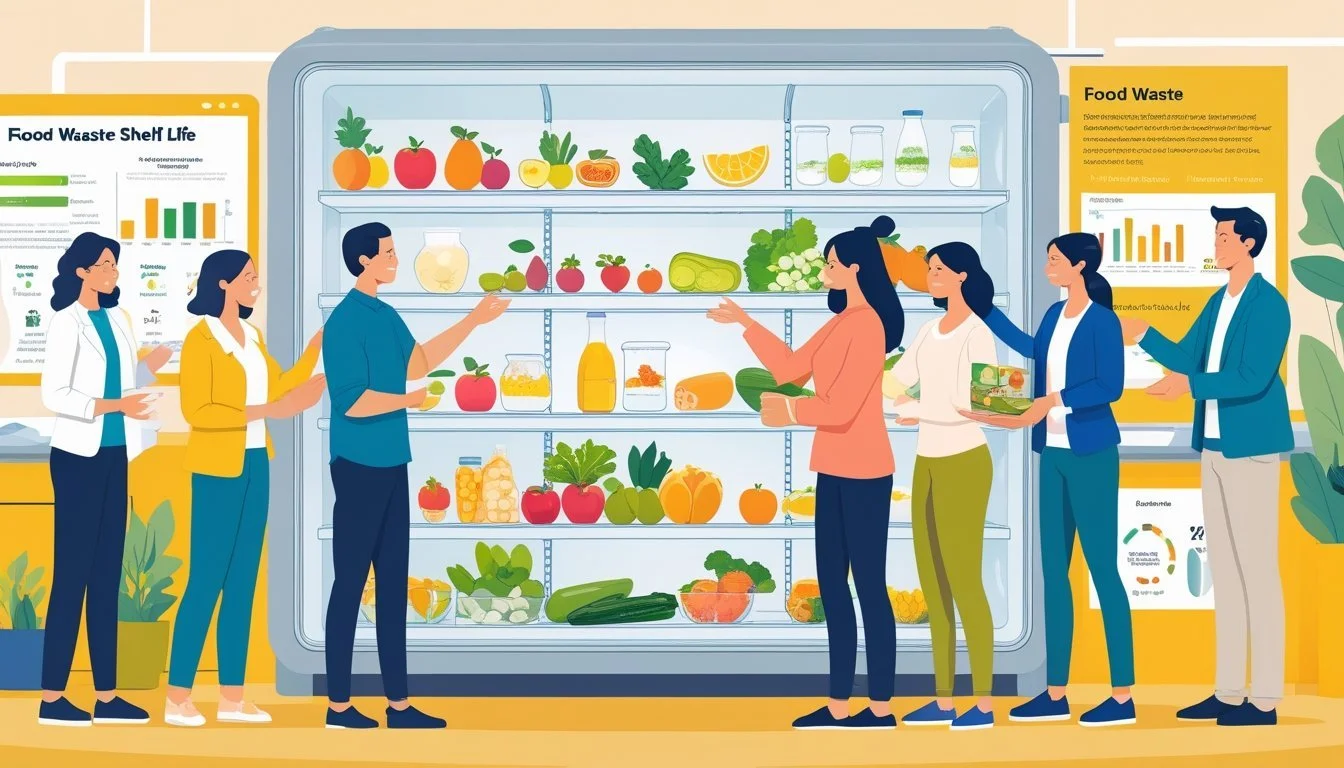
Effective reduction of food waste requires a combination of informed consumers, data-driven management, and strong partnerships across the food supply chain. Each of these elements plays a distinct role in limiting unnecessary waste related to shelf life and other factors.
Consumer Education Initiatives
Consumer habits contribute significantly to food waste. Many people are unaware of the true meaning of date labels, such as “best by” and “use by,” which often leads to discarding food that is still safe.
Education campaigns in schools, communities, and through media outlets teach proper food storage, optimal use of leftovers, and how to interpret labeling. These initiatives can include:
Workshops on planning meals and shopping lists
Guides on extending food freshness at home
Clear explanations about food safety versus quality
Teaching young people about food waste in schools is especially effective. When children learn how their choices impact waste, they tend to influence their families as well.
Role of Analytics in Waste Reduction
Data analysis helps organizations identify critical points where food waste occurs, from supply chain inefficiencies to inaccurate demand forecasting. Applying analytics allows producers, retailers, and even households to optimize purchasing, inventory, and storage decisions.
Smart sensors and tracking software collect real-time data on temperature, humidity, and product turnover. These tools provide alerts for food approaching its shelf life and help staff prioritize items for sale or donation before expiration.
Retailers and supermarkets, for example, can use predictive analytics to better match stock with consumer demand, reducing overstocking and subsequent spoilage. This targeted approach minimizes waste generated by poor planning or lack of visibility.
Collaborations Across the Food Sector
Reducing food waste demands partnerships between producers, distributors, retailers, non-profits, and government agencies. Shared goals and information can lead to coordinated interventions.
Examples of collaborative efforts include:
Partner Group Key Activities Retail & Nonprofits Donation programs; food rescue Producers & NGOs Educating farmers; surplus redistribution Local Governments Setting guidelines; supporting campaigns
Successful partnerships leverage each actor’s strengths, such as a retailer’s distribution capabilities and a non-profit’s community reach. These combined efforts boost the impact of education and analytics, creating a more effective and cohesive response to food waste challenges.
Societal Impacts and Food Insecurity
Food waste not only overwhelms landfills and strains resources but also contributes to persistent food insecurity, even in high-income countries. While some food discarded due to limited shelf life remains safe to eat, logistics and policy gaps often prevent redistribution.
Redistribution of Edible Food
Many grocery stores and restaurants discard food as soon as it approaches its "sell by" or "use by" date, despite it still being safe for consumption. Redistribution programs, such as food banks and surplus food delivery partnerships, work to recover this edible food and provide it to those in need.
Challenges include transportation costs, liability concerns, and lack of infrastructure to quickly move food before it truly spoils. Many perishable items are lost simply due to limited cold storage or short available time windows. A greater focus on practical logistics and policy incentives can increase the volume of edible food that reaches food-insecure populations.
Barriers to effective redistribution:
Inadequate refrigeration and storage
Legal uncertainties over donated food
Insufficient coordination between donors and recipients
Food Waste and Hunger
Food insecurity affects millions, with organizations like the FAO reporting rising rates worldwide. At the same time, huge quantities of food are discarded, even as 1 in 6 Americans face hunger or uncertain access to meals. Much of this waste involves foods that could help close nutrition gaps if rescued in time.
A large part of discarded food has only marginal quality issues or has shelf lives misaligned with retail expectations. Mismanagement of shelf life contributes to both the total volume wasted and the challenge of reducing hunger. Addressing food waste at the retail and consumer levels can directly enhance food availability for those with the greatest need, making food systems more efficient and equitable.

