
Best Practices in Home Food Preservation
Essential Tips for Safe and Effective Storage
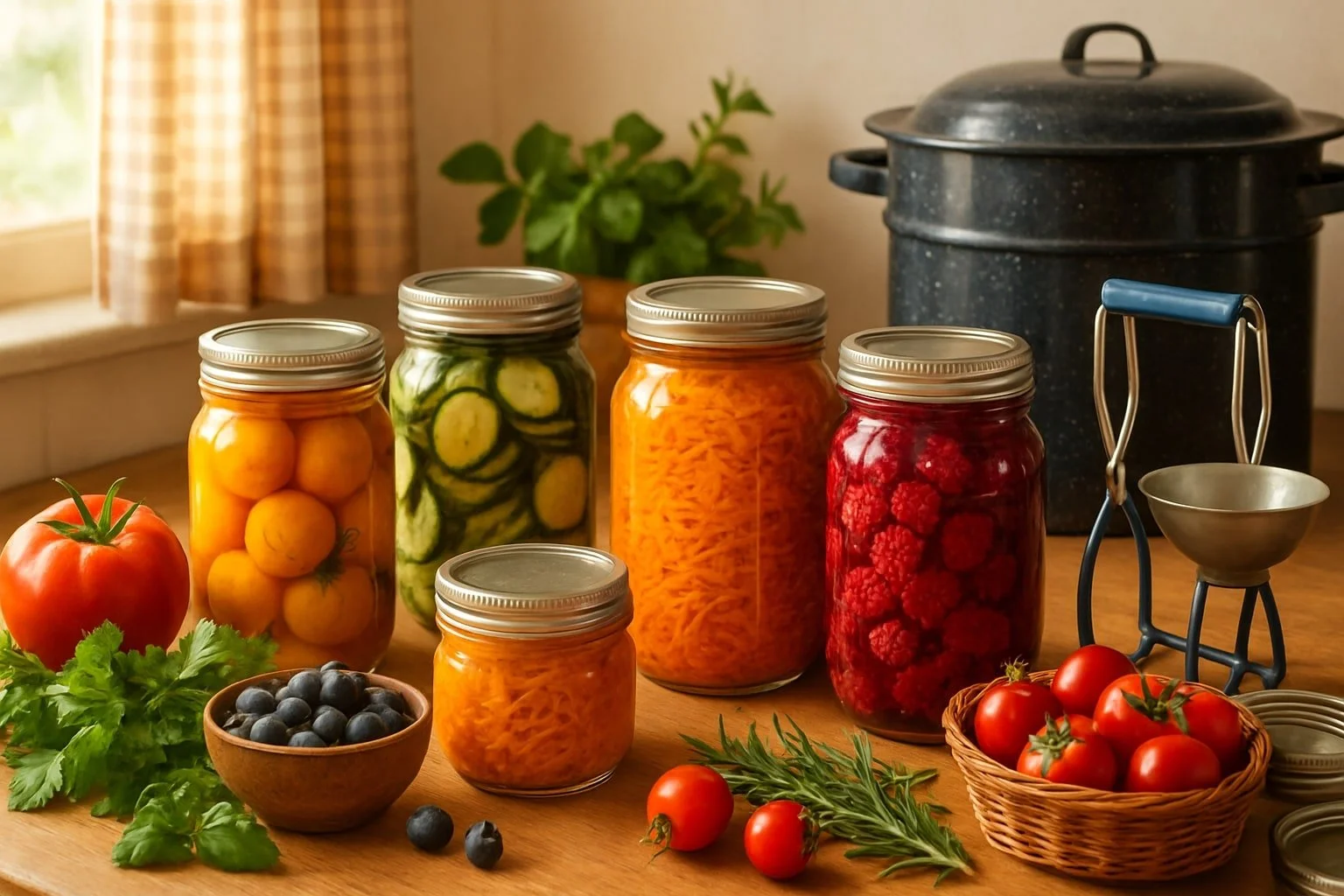
As more people turn to home food preservation to reduce waste and save money, understanding the safest and most effective techniques has never been more important. Following best practices helps ensure that preserved foods stay safe, nutritious, and delicious throughout storage. Mistakes in canning, freezing, or drying can reduce food quality or even create health risks if not done correctly.
Modern research and university extensions offer up-to-date guidance on canning, freezing, and drying, making it easier to preserve a wide range of fruits, vegetables, and meats at home. When home preservers follow tested guidelines and use the recommended equipment, the results are both safer and more reliable.
Whether motivated by tradition, dietary needs, or the satisfaction of DIY projects, anyone can learn to store foods with confidence. With careful attention to method and cleanliness, home-preserved foods can maintain their appeal and safety for months to come.
Fundamentals of Home Food Preservation
Safe and effective home food preservation relies on understanding both the science and the methods that help prevent food spoilage. By managing factors such as microorganisms and acidity, individuals can preserve food safely, reduce waste, and improve food security.
Key Principles of Food Preservation
Food preservation methods aim to slow or stop spoilage by creating conditions unsuitable for microbial growth. Heat, cold, acidity, and moisture control are the main strategies used.
Canning, freezing, drying, and fermenting are among the most common techniques for preserving food at home. Each method requires following specific guidelines on temperature, processing time, and packaging to ensure safety.
Using clean hands, sanitized equipment, and following research-based procedures lowers the risk of contamination. Only tested recipes and preservation guidelines should be used, as improper practices may lead to illness.
Understanding Microorganisms and Food Spoilage
Microorganisms such as bacteria, yeasts, and molds are responsible for most food spoilage and can lead to foodborne illness. Not all microorganisms are harmful, but identifying which can cause spoilage or health problems is vital.
Spoilage occurs when microorganisms break down food, causing changes in taste, texture, and appearance. The most dangerous among these are Clostridium botulinum (botulism), Salmonella, and E. coli.
To prevent spoilage, it's essential to control factors that influence microbial growth, such as temperature, oxygen availability, and water activity. Home preservers must be cautious at every step to ensure food safety.
The Role of Acidity in Preserving Food
Acidity plays a major role in food preservation, especially in canning. Foods with higher acid content (like most fruits and pickles) hinder the growth of dangerous bacteria such as Clostridium botulinum.
Low-acid foods (meats, vegetables, soups) require pressure canning to reach temperatures high enough to kill harmful microorganisms. High-acid foods can be safely processed using a boiling water bath.
The chart below highlights common foods and their needed preservation method:
Food Type Acidity Level Recommended Method Fruits/Pickles High-acid Boiling Water Bath Vegetables Low-acid Pressure Canning Meats Very low-acid Pressure Canning
Accurately following tested recipes maintains the proper acidity balance and prevents food safety risks.
Benefits of Preserving Food at Home
Preserving food at home allows families to store seasonal produce and enjoy it throughout the year. This practice supports reducing food waste by allowing surplus fruits and vegetables to be saved.
By following safe preservation methods, individuals can curate their diet and manage ingredients based on dietary needs. Home food preservation also encourages a more sustainable lifestyle by lowering dependence on store-bought, highly processed foods.
Benefits include:
Extended food shelf life
Less food waste
Control over food quality and ingredients
Cost savings
Support for local agriculture
Safe home food preservation directly contributes to better health outcomes and environmental stewardship.
Food Safety Guidelines in Home Food Preservation
Home food preservation requires careful attention to food safety to prevent harmful microbial growth, especially botulism. Proper techniques from reputable resources, such as the National Center for Home Food Preservation, are essential to keep preserved foods safe for consumption.
Preventing Botulism and Foodborne Illness
Botulism is a rare but serious foodborne illness caused by toxins from Clostridium botulinum bacteria. These bacteria thrive in low-oxygen environments, such as improperly canned foods. Improper processing, such as using boiling water for low-acid foods, increases risk.
Pressure canning is required for low-acid foods like meats and most vegetables because it reaches high enough temperatures to destroy harmful spores. Jars and lids should be sterilized, and recommended processing times must be followed exactly. Never taste food from a jar with bulging lids or unusual smells.
Key tips:
Use only tested, research-based recipes.
Discard any canned foods with signs of spoilage.
Store preserved foods in a cool, dry place.
Safe Handling and Preparation Practices
Effective food safety starts with cleanliness. Wash hands, utensils, cutting boards, and all surfaces before and during food preparation. Rinse fruits and vegetables thoroughly under running water, and remove any damaged or bruised areas.
Follow specific recipes from sources like the National Center for Home Food Preservation, which use correct salt, sugar, and acidity measurements for food safety. Avoid changing ingredient amounts, jar sizes, or processing methods, as this impacts heat transfer and can make food unsafe.
Label jars with contents and dates, and regularly check for signs of spoilage during storage. A table of safe canning temperatures and times for common foods can help ensure proper processing:
Food Type Acid Level Required Method Minimum Temp (°F) Pickles/Jam High-Acid Water Bath 212 Meat/Vegetables Low-Acid Pressure Can 240
Understanding High Acid and Low Acid Foods
High-acid foods (pH 4.6 or lower) include most fruits, pickled products, and jams. These foods inhibit the growth of Clostridium botulinum and can be safely processed in a boiling water bath canner.
Low-acid foods (pH above 4.6), such as green beans, corn, meats, and some tomatoes, must always be pressure canned. Water bath canning does not reach temperatures sufficient to destroy botulism spores in these foods.
Maintain accurate recipes and use a pH meter or reliable source to confirm acidity levels when preserving foods on the borderline, such as tomatoes. Adding lemon juice or vinegar may be necessary for certain recipes to ensure food safety and prevent microbial growth.
Choosing the Right Food Preservation Methods
Different foods require specific preservation methods for best results. Safety, quality, and storage needs dictate the most suitable technique, and each method offers distinct advantages and limitations.
Selecting Appropriate Techniques for Different Foods
Certain preservation methods work better for specific food types. For example, canning is ideal for high-acidity foods like tomatoes and fruits, while low-acidity vegetables usually require pressure canning to ensure safety.
Freezing preserves most fruits and vegetables well, maintaining texture and nutrition with minimal flavor change. Proteins such as meat and fish also freeze effectively.
Drying and dehydration are best for herbs, fruits, and meats (like jerky). They reduce water activity to inhibit spoilage.
Fermentation is effective for vegetables such as cabbage (sauerkraut), cucumbers (pickles), and some fruits, enhancing flavor and sometimes increasing nutritional value.
Food Type Best Preservation Methods Fruits Canning, Freezing, Drying, Fermenting Vegetables Freezing, Fermenting, Canning, Drying Meats/Fish Freezing, Drying, Curing Herbs Drying, Freezing
Comparing Traditional and Modern Methods
Traditional preservation techniques include drying, fermenting, and root cellaring. These methods often require minimal equipment and rely on air, sun, or basic containers. While traditional approaches like fermentation can enhance flavor and shelf life, they require careful handling to avoid spoilage.
Modern methods such as refrigeration, freezing, and pressure canning allow precise control over temperature and safety. They make it easier to store a wider range of foods, especially perishables, for longer periods.
Electric dehydrators, vacuum sealers, and automated canning devices improve efficiency and consistency. However, they may require initial investment and access to electricity.
Both traditional and modern techniques remain relevant. Many home preservers use a mix, depending on food type and desired results.
Factors Influencing Method Selection
Several factors influence which preservation technique to choose. Food safety is paramount; low-acid foods like green beans require pressure canning, while jams and jellies can be water bath canned because of their high sugar and acidity.
Storage space and equipment are practical concerns. Freezers need ongoing power, while dried foods and canned goods store well at room temperature.
Personal preference also matters. Some people prefer the taste and texture of fermented or dried products, while others focus on convenience and longevity. Cost, time investment, and available ingredients further guide the decision.
Understanding these factors ensures the chosen method maintains quality, safety, and taste. Choosing the correct approach is essential for preserving fruits, vegetables, meats, and other foods at home.
Best Practices for Canning
Proper canning techniques help prevent food spoilage and foodborne illness. Using the right method for the acidity level of the food is necessary for safety and shelf life.
Water Bath Canning for High-Acid Foods
Water bath canning is recommended for high-acid foods such as fruits, pickles, tomatoes (with added acid), jams, and jellies. These foods naturally inhibit the growth of harmful bacteria due to their acidity.
To use the water bath method:
Fill clean, sterilized jars with prepared food, leaving the recommended headspace.
Wipe the jar rims and apply lids and bands until fingertip tight.
Submerge jars in boiling water, ensuring at least 1–2 inches of water cover the tops.
Process for the time specified in tested recipes, adjusting for altitude if necessary.
After processing, jars should be cooled undisturbed on towels or racks. Seals should be checked after 24 hours, and any unsealed jars must be refrigerated and used promptly.
Pressure Canning for Low-Acid Foods
Pressure canning is required for low-acid foods, including most vegetables, meats, poultry, and seafood. These foods are at risk of botulism unless heated to temperatures above boiling, which only a pressure canner can achieve.
Key steps for safe pressure canning include:
Using only tested recipes and proper jar sizes.
Filling jars with prepared food and recommended liquid, leaving the correct headspace.
Ensuring the pressure canner is properly assembled and vented before processing.
Processing at the specified pressure (usually 10–15 PSI), depending on altitude and the food being canned.
When finished, let the canner cool and depressurize fully before opening. Test jar seals after cooling and follow guidelines for storing canned foods in a cool, dark place.
Jams, Jellies, and Preserves
Jams, jellies, and preserves use sugar and acid to create a gel, which also supports shelf stability. While these products are high-acid, following modern, research-based recipes is vital to produce a safe product.
For best results:
Measure ingredients precisely; improper ratios can affect safety and texture.
Use commercial pectin when required for reliable gelling.
Process filled jars in a boiling water bath for the recommended time to ensure a proper seal and prevent spoilage.
Label jars with the date and store them in a cool, dark space.
Avoid making large batches, as overcooking can break down fruit structure and alter consistency. Always inspect seals and discard any jars with signs of spoilage.
Effective Freezing Techniques
Proper freezing helps retain nutrients, preserves texture, and extends shelf life without relying on additives. Attention to initial preparation steps, correct freezing methods, and storage routines can prevent spoilage and loss of food quality.
Preparation and Blanching Before Freezing
Before freezing vegetables, blanching is recommended to stop enzyme actions that could lead to color and flavor loss. Blanching involves briefly boiling vegetables, then rapidly cooling them in ice water.
This process slows nutrient breakdown and helps maintain texture.
Peeling, slicing, or dicing foods into appropriate sizes aids faster and more even freezing. Small portions freeze quicker, reducing the formation of large ice crystals. Large crystals can damage cell walls and worsen texture after thawing.
Remove as much air as possible from containers or freezer bags to minimize the risk of freezer burn. Label each package with the contents and date for efficient inventory management.
Best Practices for Freezing Food
Rapid and uniform cooling is crucial for high-quality freezing. Place foods in the freezer as soon as possible after preparation. Using shallow containers or laying bags flat helps chill items faster.
Freeze foods at or below 0°F (-18°C) to keep them safe and slow deterioration. Avoid overloading the freezer, as crowded conditions make it difficult for air to circulate and slow down the freezing process.
For cooked foods, allow them to cool to room temperature—ideally within two hours—before freezing. Leaving hot food in the freezer increases surrounding temperature and can affect other stored items.
Maintaining Quality and Shelf Life
To maintain the texture and safety of frozen foods, store packages in airtight containers to block moisture and odors. Use a first-in, first-out system to avoid forgotten or expired items.
Check the recommended shelf life for specific foods. While most vegetables and meats retain good quality for 8–12 months, bread and dairy generally have shorter shelf spans.
Watch for signs of freezer burn, such as dry, gray patches, which indicate air exposure. Food with freezer burn remains safe to eat but may experience changes in texture or taste.
Regularly defrost and clean the freezer to keep the environment optimal for long-term storage.
Drying and Dehydration Methods
Low moisture content in food slows microbial growth and enzyme activity, making drying a reliable preservation method. Different techniques and equipment are best suited for specific foods and household situations.
Dehydrating Fruits, Vegetables, and Herbs
Dehydrators use controlled heat, airflow, and low humidity to remove 80–95% of water from foods. This process helps preserve nutrients and extends shelf life.
Vegetables should usually be blanched before dehydration to help retain color and texture. Fruit often benefits from pretreating, such as dipping in ascorbic acid or lemon juice, to prevent browning.
Herbs require lower temperatures than fruits or vegetables to retain their flavors and aromas. Place foods in a single layer and ensure good air circulation for even drying. Store dried products in airtight containers away from light and moisture.
Oven Drying and Sun Drying
Oven drying works best when the oven can be reliably set to a low temperature, usually between 140°F (60°C) and 150°F (65°C). The oven door should be left slightly open, around 2 to 3 inches, to ensure moisture can escape.
Oven trays should be lined with parchment or mesh for best airflow. Sun drying is only effective in climates with consistently high temperatures, low humidity, and little rain. Place foods on raised screens in the sun, covering with mesh to deter pests.
Sun drying is suited to specific fruits like grapes, figs, or tomatoes but is not recommended for high-moisture or highly perishable foods. Both methods require close monitoring to prevent uneven drying or spoilage.
Freeze-Drying at Home
Freeze-drying freezes food and then reduces surrounding pressure to allow frozen water to sublimate directly from solid to vapor. This preserves texture and nutrients better than traditional dehydration, and rehydrated foods closely resemble their original state.
Home freeze-dryers are now available but are expensive and require significant space and power. The process is not fast; it may take 24–48 hours per batch.
Foods suitable for freeze-drying include fruits, vegetables, meats, and even full meals. Once finished, foods must be immediately packaged in airtight, moisture-proof containers with oxygen absorbers to maintain quality.
Fermenting and Lacto-Fermentation
Fermentation is a time-tested way to preserve foods, enhance flavor, and add nutritional benefits. Lacto-fermentation uses beneficial bacteria to produce tangy, safe foods, while products like kombucha and kefir offer unique tastes and probiotic potential.
Lacto-Fermentation Fundamentals
Lacto-fermentation involves the conversion of sugars and starches in food into lactic acid by lactic acid bacteria (LAB). This acidification naturally preserves the food by lowering its pH, making an environment that inhibits spoilage organisms.
Key elements include salt, which both pulls moisture from produce and creates a brine that supports LAB growth. Fermentation containers should be clean, nonreactive materials—glass jars or ceramic crocks are common.
Vegetables like sauerkraut, kimchi, and pickles are typical lacto-fermented foods. The process usually takes several days to weeks, depending on temperature, salt concentration, and taste preferences. Cooler temperatures generally slow fermentation, while warmth speeds it up.
Fermented Foods: Kombucha and Kefir
Kombucha and kefir are both products of fermentation but differ from traditional vegetable ferments. Kombucha is made by fermenting sweetened tea using a SCOBY (symbiotic culture of bacteria and yeast), resulting in a lightly tart, effervescent beverage.
Kefir, on the other hand, is made by inoculating dairy or water with kefir grains, a mixture of bacteria and yeast. The grains ferment the sugars, producing a tangy, sometimes fizzy drink richer in microbes than many other ferments.
Both kombucha and kefir can vary in flavor and texture depending on ingredients and fermentation time. Maintaining proper cleanliness and following tested recipes are key for yeast and bacterial balance.
Safety in Fermentation
Proper fermentation practices reduce the risk of unsafe bacterial growth and spoilage. Use clean containers, follow recommended salt ratios, and keep produce submerged in brine to prevent mold.
Lacto-fermented foods should have a pleasant, tangy odor and no signs of fuzzy mold. If food smells rotten or shows strange colors, it should be discarded.
For beverages like kombucha and kefir, use only reliable starter cultures and store finished products in the refrigerator to slow further fermentation. Monitoring temperature and cleanliness are critical for ensuring a safe and enjoyable outcome.
Pickling for Extended Shelf Life
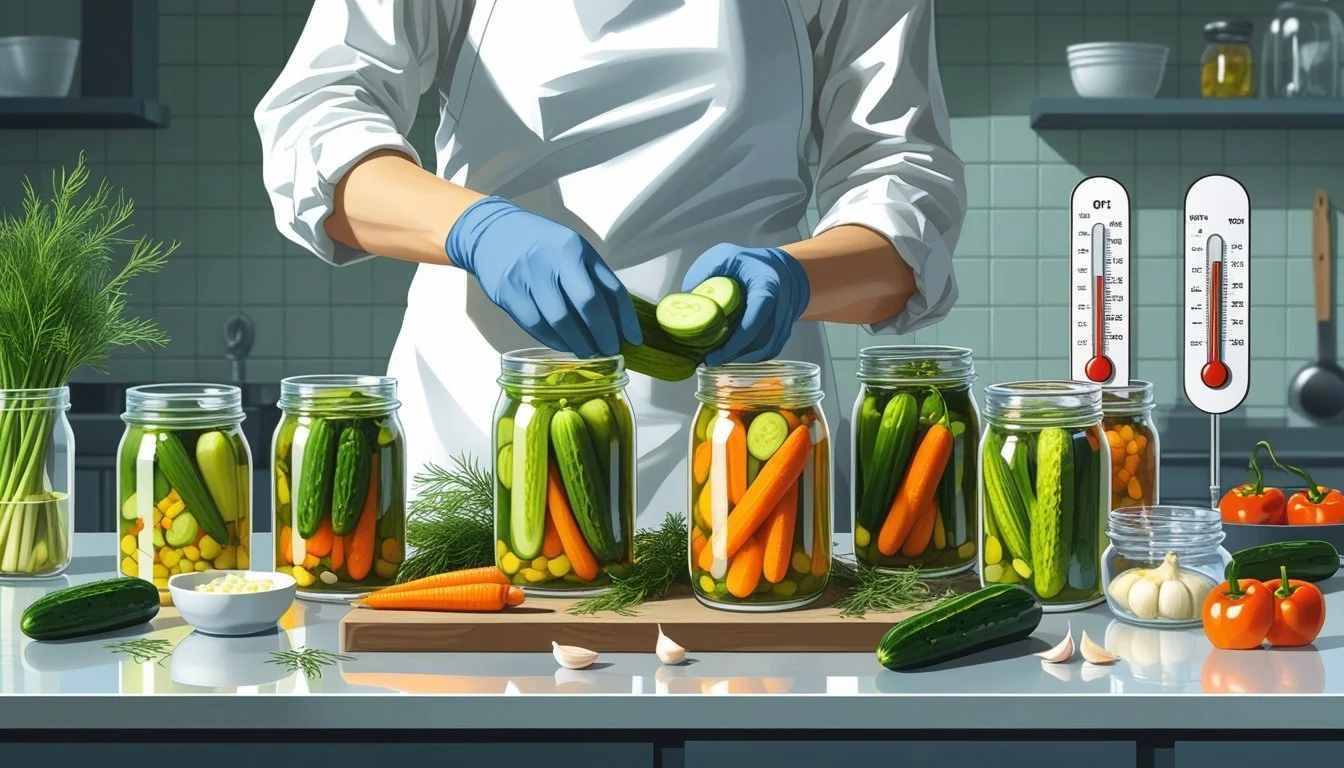
Pickling inhibits the growth of spoilage organisms and can keep vegetables edible for months. Method and storage conditions both influence results, with options suitable for both short- and long-term food storage needs.
Traditional Pickling Techniques
Traditional pickling uses a saltwater brine or vinegar solution to preserve food. Common recipes include a mix of white vinegar (at least 5% acidity), water, and pickling salt, sometimes enhanced with spices. To improve crunch, calcium chloride can be added. These processes create an acidic or salty environment that prevents most bacteria, extending shelf life.
For long-term storage, pickled foods are sealed in sterilized glass jars. Proper canning techniques, such as water bath processing, are essential to prevent spoilage. Recommended sources for instructions include the USDA and National Center for Home Food Preservation. When done correctly, jars of pickles can last up to a year in a cool, dark place.
Quick Pickles and Refrigerator Pickles
Quick or refrigerator pickles are made by pouring hot brine over vegetables and storing them in the fridge. No fermentation or canning is required, making this method fast and simple. The best results come from keeping pickles submerged in their brine and sealing jars tightly to avoid air exposure.
Shelf life is shorter than with fully processed pickles—typically 1 to 3 months in the refrigerator, depending on acidity and freshness at preparation. Oils, like olive oil, are rarely used in standard pickling, as they can increase the risk of spoilage. Store pickles on refrigerator shelves, not in drawers, for more consistent temperatures.
Curing, Smoking, and Salting Methods
Curing, smoking, and salting are traditional techniques that provide safe, long-lasting preservation and add distinct flavors and textures to a wide range of foods. Safe handling, accurate measurements, and maintaining cleanliness are critical when using these methods to prevent spoilage and illness.
Curing Meats and Fish
Curing is a careful method that uses salt, sugar, and sometimes nitrates to draw moisture from meat or fish, making it difficult for bacteria to grow. Common types of curing include dry curing, wet brining, and combination cures.
Dry curing involves rubbing a mixture of salt and seasonings onto the food's surface and storing it in a cool, controlled environment. In wet curing, food is submerged in a saltwater brine, which may also include spices and sugar for additional flavor and preservation.
A table summarizing common curing ingredients:
Ingredient Function Example Use Salt Dehydration All cured meats Sugar Flavor, texture Bacon, ham Nitrates Color, safety Sausages, hams
Monitor temperature and moisture levels closely to ensure food safety while curing at home.
Smoking Foods at Home
Smoking exposes foods to controlled wood smoke, which preserves and flavors meats, fish, and cheeses. Two prominent techniques are cold smoking (below 90°F) and hot smoking (above 140°F).
Cold smoking imparts flavor but does not cook food, requiring a prior curing step for safety. Hot smoking simultaneously cooks and preserves by reaching internal temperatures that kill bacteria.
Recommended practices include using only approved hardwoods (such as hickory, maple, or apple) and keeping smoke exposure consistent for even flavor. Smoking chambers or dedicated smokers help maintain the appropriate temperature and airflow.
Safety tip: Always check internal food temperatures with a calibrated thermometer to reduce risk of foodborne illness.
Salting as a Preservation Method
Salting is the most straightforward preservation method, relying entirely on salt to inhibit bacterial growth by removing water from the food. It is commonly used for meats, fish, and some vegetables.
There are two main approaches: dry salting, which involves layering foods with dry salt, and brining, which uses a saltwater solution. The correct salt-to-food ratio is crucial; insufficient salt can allow spoilage organisms to survive.
Best practice involves:
Using only food-grade salt.
Ensuring full salt contact around the product.
Storing salted foods in cool, dry locations.
Foods preserved by salting require soaking or rinsing before eating or cooking to remove excess salt.
Proper Food Storage and Long-Term Preservation
Effective food storage extends shelf life, preserves quality, and reduces waste. Selecting the right preservation method is key to maintaining both safety and nutrition, from short-term refrigeration to advanced sealing techniques and traditional root cellaring.
Refrigeration and Short-Term Storage
Refrigeration is essential for keeping perishable foods safe and fresh. It slows bacterial growth, making it effective for storing meat, dairy, fruits, and vegetables for days to weeks. Consistent temperatures below 40°F (4°C) are critical to reduce the risk of spoilage or foodborne illness.
Best practices include:
Storing raw meats on lower shelves to prevent cross-contamination.
Using airtight containers or wraps to limit moisture loss and prevent odors from spreading.
Keeping a thermometer in the fridge to monitor temperature.
Refrigerators are not suitable for long-term storage, but they provide an important first step in preserving food after purchase or harvest.
Vacuum Sealing and Airtight Containers
Vacuum sealing and airtight containers help maintain food quality and prolong shelf life. Removing air with a vacuum sealer slows oxidation and inhibits the growth of aerobic bacteria. This method works well for a wide range of foods, from dried goods to fresh meats.
Key benefits:
Method Increases Shelf Life Prevents Freezer Burn Maintains Flavor Vacuum Sealing Yes Yes Yes Airtight Containers Moderate Some Yes
Vacuum-sealed foods can be frozen or kept in pantries, reducing waste and protecting against pests. Airtight containers also help with organization and prevent moisture from degrading dry foods like flour or rice.
Root Cellaring and Root Cellars
Root cellaring is a traditional way to store produce without electricity. A root cellar maintains a cool, stable temperature and high humidity, making it ideal for root vegetables, apples, and even some cabbages. Location is important—a partially underground, ventilated space works best.
Common foods stored in root cellars include:
Potatoes
Carrots
Beets
Onions
Proper layering and separation in bins or on shelves prevent spoilage from spreading. Regular checks for signs of decay are important for long-term storage success in root cellars.
Additional Considerations in Home Food Preservation
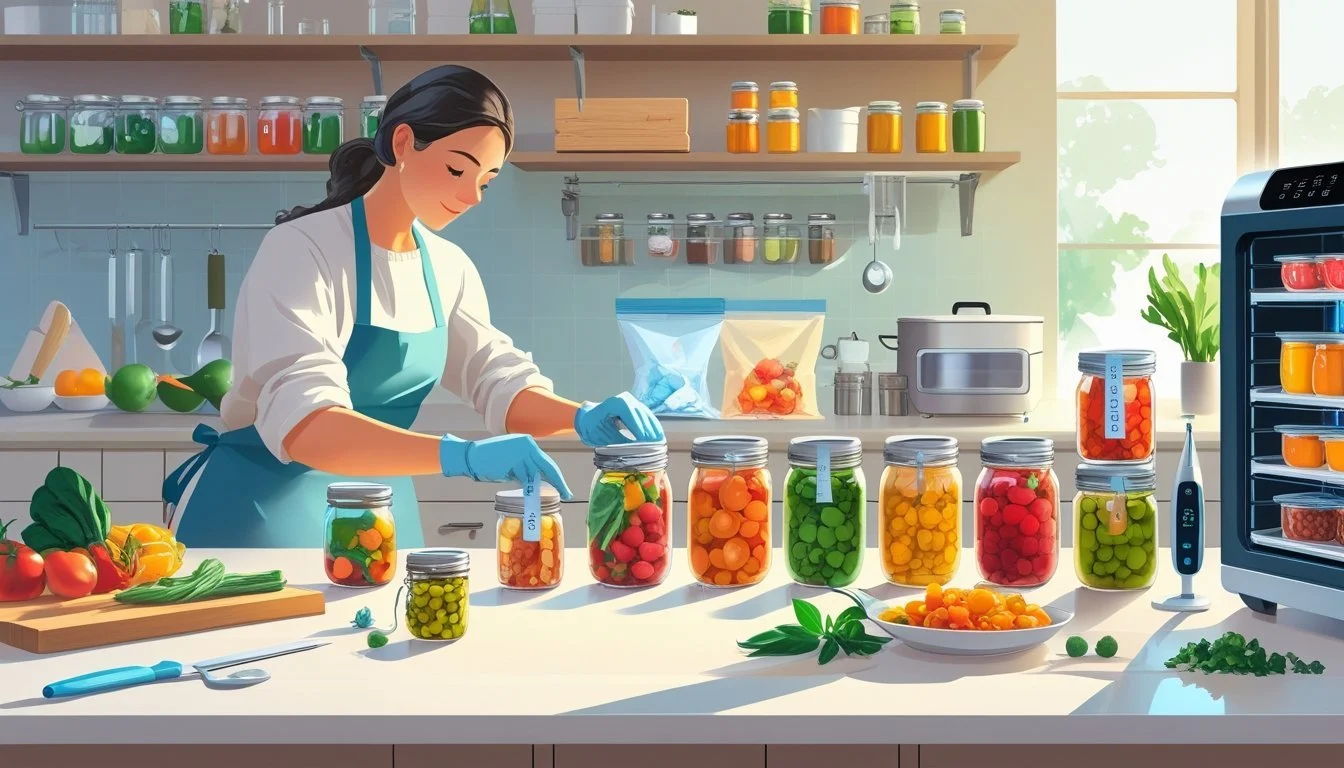
Home food preservation is more effective and safer when specific principles are applied. Proper processing techniques and reducing unnecessary waste are key to consistent results and long-term success.
Pasteurization at Home
Pasteurization is a controlled heating process that destroys harmful microorganisms and extends shelf life. In home settings, it is often used when preparing juices, milk, or acid foods. The process involves heating foods to a specific temperature (usually between 145°F and 185°F) for a set period, then rapidly cooling.
Maintaining precision is crucial. Use a calibrated thermometer to verify temperatures, as overheating can alter taste and nutrients, while underheating may allow bacteria to survive.
When pasteurizing juices, heat to at least 160°F for one minute, then cool quickly. For acid foods, follow researched guidelines from Extension Services or the USDA to ensure safe results. Avoid improvising with temperatures or times, as this can compromise food safety.
Reducing Waste and Maximizing Efficiency
Minimizing waste during preservation not only saves money but also supports sustainability. Select only high-quality, ripe produce, as spoiled or damaged foods can reduce yield and safety of the final product.
Plan batch sizes to match storage and consumption needs. Only preserve amounts that can be safely stored and used within a reasonable time. Use proper techniques to avoid spoilage, such as removing air bubbles from jars and ensuring good jar seals.
Organize supplies before starting, including jars, lids, and utensils. Keep a preservation log to track dates, recipes, and storage locations. Consider reusing suitable containers and composting scraps to further reduce environmental impact. Following these steps improves efficiency and safety in every preservation project.

