
Shelf Life vs Stock Rotation: Strategies for Effective Retail Inventory Management

Retailers constantly face the challenge of keeping shelves stocked with fresh products without causing unnecessary waste or missed sales. Shelf life determines how long products remain safe and high-quality, while stock rotation ensures that older inventory is sold before newer deliveries reach the customer. Together, these practices are essential for protecting profit margins and maintaining customer satisfaction.
Balancing shelf life and stock rotation isn’t just about moving products—it's about making strategic decisions that impact inventory levels, sales, and even brand reputation. In environments with limited shelf space and fluctuating demand, getting this balance right can be the difference between thriving and struggling. Readers interested in practical techniques for effective inventory management will find valuable insights by understanding the connection between shelf life and stock rotation.
Understanding Shelf Life and Stock Rotation

Retailers handling perishable goods must carefully manage both shelf life and stock rotation to minimize waste, preserve product quality, and avoid financial loss. The strategies used to monitor how long products can be sold and how frequently inventory should move differ but are equally critical in optimizing store operations.
Defining Shelf Life
Shelf life is the time period during which a product remains safe, effective, and fit for consumption under recommended storage conditions. It depends heavily on factors like temperature, packaging, and the type of good. For example, fresh produce might have a shelf life of just a few days, while canned goods can last for months or even years.
Perishable goods, including dairy, meat, and produce, have much shorter shelf lives and require more frequent monitoring. Manufacturers typically label products with best before or use by dates, providing guidance for retailers and consumers.
Monitoring shelf life helps retailers reduce spoilage and maintain compliance with food safety standards. Proper documentation and tracking can also protect consumers and uphold a retailer's reputation by ensuring only fresh, high-quality stock is available for purchase.
Explaining Stock Rotation
Stock rotation is the process used to ensure older inventory is sold before newer stock, reducing waste and maintaining product quality. Two common stock rotation methods are First-In, First-Out (FIFO) and Last-In, First-Out (LIFO).
FIFO means products stocked first are sold first. This method is essential for managing perishable goods, as it prioritizes selling items closer to expiry.
LIFO moves the latest arrivals to the front, which is less common in grocery retail and can lead to increased waste for perishables.
Regular stock rotation helps to avoid expired goods, control storage costs, and keep displays organized. Employees often practice stock rotation by moving older items forward on shelves and placing new deliveries in the back. This process is supported by inventory management systems that flag approaching expiry dates and help stores plan timely discounts or removal.
Differences Between Shelf Life and Stock Rotation
Shelf life is a property of a product, describing how long it stays good. Stock rotation is an operational technique applied to manage inventory based on that shelf life and maximize turnover.
While shelf life informs store staff when products must leave the shelf, stock rotation details the method for cycling stock to make sure that happens. For example, in a FIFO system, understanding shelf life ensures stock moves at the right pace to prevent losses.
Here’s a brief comparison table:
Factor Shelf Life Stock Rotation Definition Product longevity Inventory movement method Focus Quality and safety Efficient sales and turnover Typical Use Labelling, compliance Store operations, logistics Perishable relevance High High
Effective management relies on both understanding shelf life and executing proper stock rotation, especially with perishable inventory. Adopting structured approaches supports profitability and customer satisfaction.
Significance of Shelf Life in Retail Operations
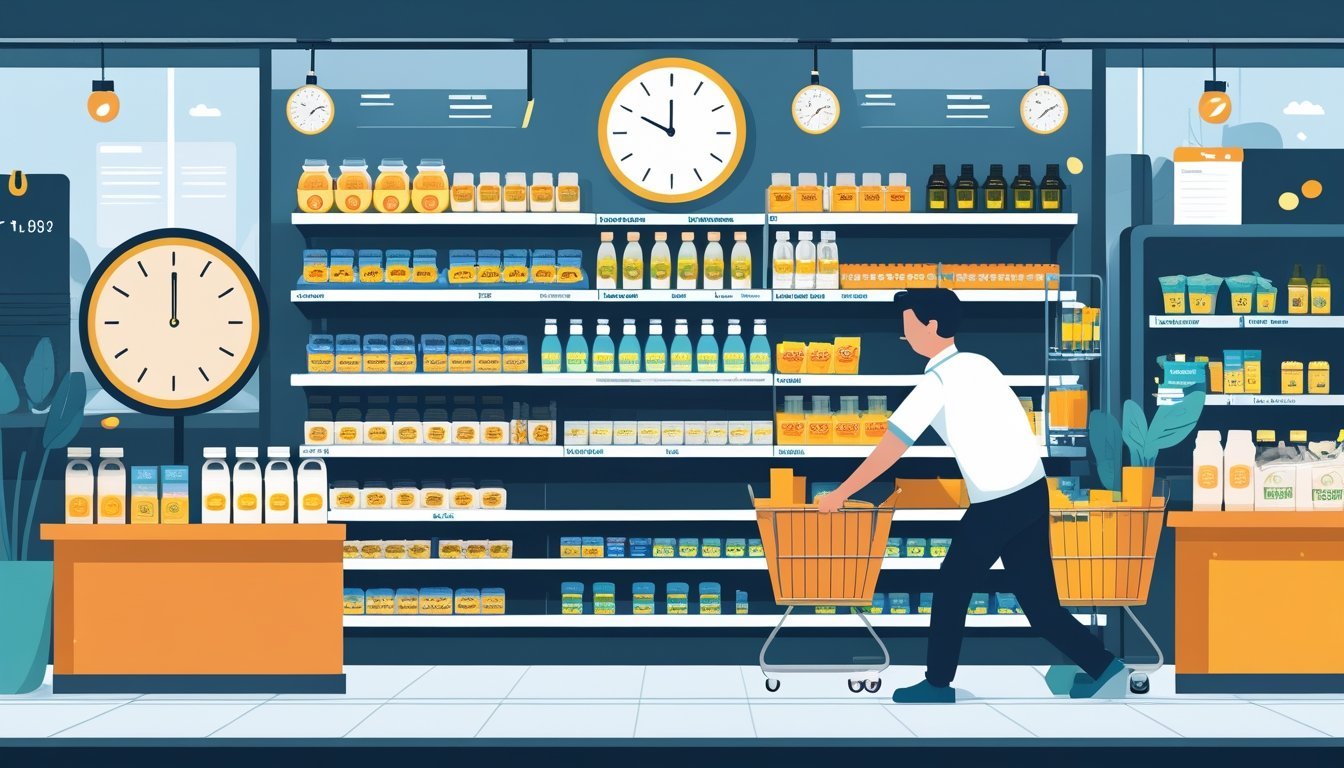
Shelf life directly affects how retailers manage product freshness, inventory efficiency, and cost control. Decisions related to shelf life influence sales strategies, waste reduction, and long-term business sustainability.
Impact on Inventory Turnover
A product’s shelf life sets the pace for inventory turnover. Items with shorter shelf lives, especially food and beverages, must be sold quickly to prevent spoilage and write-offs.
Retailers use inventory management methods like First-Expired-First-Out (FEFO) to ensure older stock moves first. Using FEFO reduces the risk of carrying unsellable goods and helps maintain high inventory turnover rates.
Slower inventory turnover, often the result of neglecting shelf life, ties up capital in non-moving stock and can lead to markdowns. By managing shelf life effectively, retailers free up cash flow and improve operational flexibility.
Shelf Life and Profit Margins
Shelf life impacts profit margins by influencing how much product is sold before expiration and at full price. Goods nearing the end of their shelf life frequently require discounts to clear, eroding profit margins.
Costs associated with wastage, such as disposal and lost revenue, add to the cost of goods sold (COGS). Effective shelf life management keeps COGS in check and helps maximize gross profits.
Automated tracking systems can alert staff when products are approaching their expiration dates. This allows retailers to plan targeted promotions or make timely stock adjustments to protect profitability.
Shelf Life for Perishable Versus Non-Perishable Goods
Perishable goods, such as dairy, produce, and fresh meats, have limited shelf lives and require tight monitoring. Failure to sell these products quickly leads to direct financial losses and increased waste.
Non-perishable goods have longer shelf lives, but they can still be affected by factors such as packaging integrity, storage conditions, and slow demand. These items face risks like obsolescence, especially in fast-moving consumer goods markets.
Retailers tailor their stock rotation strategies depending on the product type. For perishables, daily or even hourly monitoring may be needed, while non-perishables require periodic reviews to ensure inventory stays fresh and valuable.
Effective Stock Rotation Strategies
Stock rotation methods and technology play a crucial role in managing shelf life, preventing waste, and ensuring compliance. Developing clear procedures around inventory movement can have a direct impact on sales, customer satisfaction, and regulatory adherence.
FIFO Versus LIFO Applications
First-In, First-Out (FIFO) is favored in retail, especially for items with expiration dates or shifting demand. In FIFO, products received first are sold first, reducing the chance of dead stock or spoilage. This method is commonly used for perishable goods, pharmaceuticals, and seasonal items.
Last-In, First-Out (LIFO), while less common in retail, can apply to non-perishable or high-turnover items with stable demand. LIFO prioritizes selling newer stock, which may suit products less vulnerable to obsolescence. Choosing between FIFO and LIFO depends on product characteristics, regulatory guidelines, and the risk of products losing value over time.
Comparison Table:
Method Typical Usage Main Benefit FIFO Perishables, pharmaceuticals Reduces waste, compliance LIFO Non-perishables, bulk goods Moves newest stock first
Real-Time Inventory Tracking
Real-time inventory tracking uses software and automated systems to monitor stock levels, shelf life, and movement. This supports stock rotation by flagging products that need to be sold soon and identifying bottlenecks in the supply chain.
Integration of barcode scanners, RFID, and cloud-based systems gives staff up-to-date information. It also supports quick decisions, such as transferring stock between locations or marking down soon-to-expire items. Real-time data reduces manual errors and strengthens accountability within the inventory system.
Benefits include:
Immediate alerts for expiring stock
Streamlined replenishment cycles
Enhanced forecasting of stock movement
Audits and Compliance
Regular audits verify that stock rotation practices align with company policy and regulatory requirements. Audits should check that FIFO or LIFO is being implemented correctly, especially for regulated products such as food or pharmaceuticals.
Audits often include cycle counts, expiry date checks, and spot inspections of displays and storage areas. Documenting compliance is vital for meeting industry standards and passing external inspections. An audit schedule and checklists can make the process more efficient.
Key compliance points:
Ensure stock is rotated per policy
Verify staff training on rotation procedures
Keep documentation for regulatory review
Inventory Management Challenges
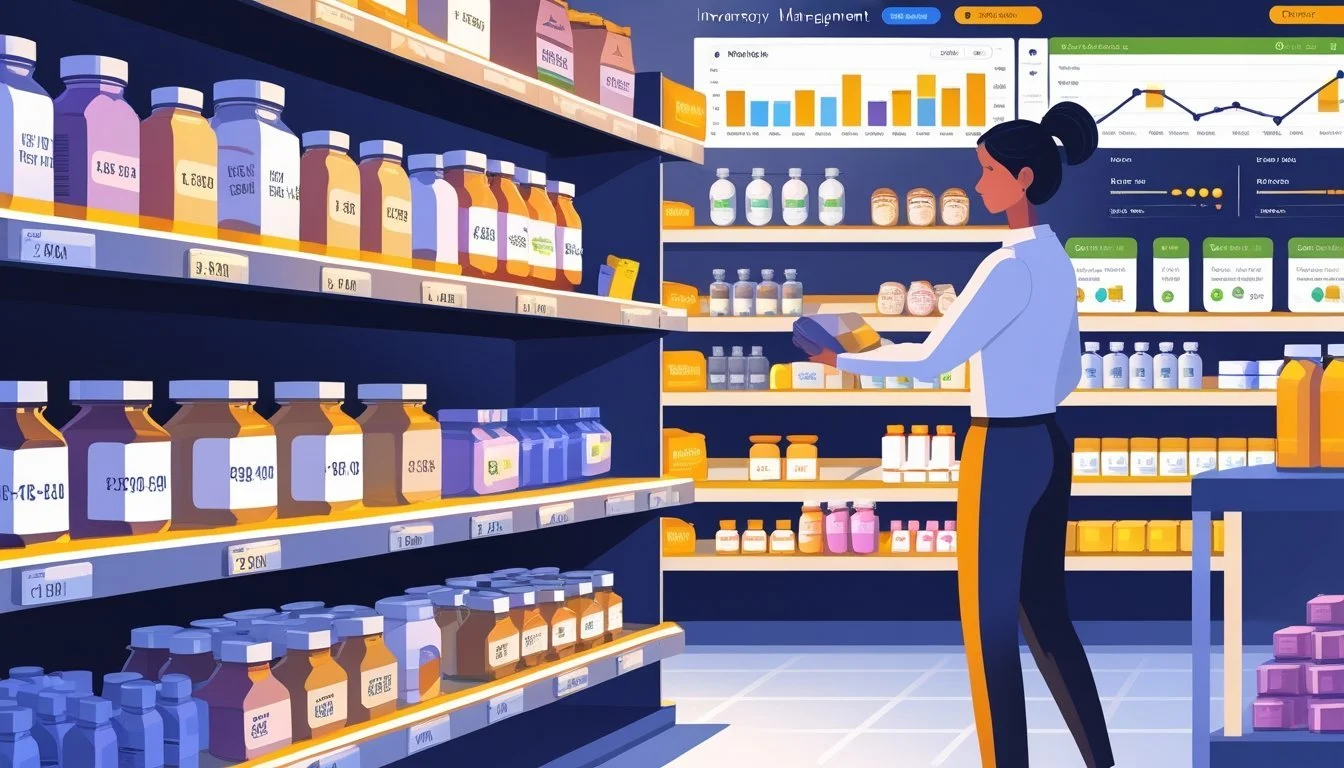
Inventory management in retail presents ongoing hurdles. Challenges range from maintaining just the right amount of stock to navigating shifts in consumer demand and preventing record-keeping errors.
Balancing Overstocking and Stockouts
Retailers must carefully balance inventory to avoid both overstocking and stockouts. Overstocking leads to higher holding costs, ties up capital, and increases the risk of items expiring, especially for products with short shelf life.
On the other hand, stockouts can lead to lost sales, reduced customer satisfaction, and damaged brand reputation. The ideal approach is to optimize the inventory turnover ratio, ensuring goods are sold and replenished at a steady pace.
Key steps include monitoring sales data, forecasting demand accurately, and using automated inventory systems. This helps minimize financial loss while maintaining product availability on shelves.
Managing Seasonal Fluctuations
Seasonal fluctuations introduce significant variability in stock needs throughout the year. During holidays, back-to-school periods, or specific sales events, demand often spikes, requiring a temporary increase in inventory.
Retailers need to anticipate these peaks by analyzing historical sales trends and planning promotions in advance. Conversely, failing to adjust inventory after the peak season results in excess stock that may have to be heavily discounted or written off.
A proactive approach is to coordinate with suppliers for flexible delivery options and to adjust reordering schedules based on real-time sales trends. This tactic helps match stock levels more closely with customer demand.
Maintaining Accurate Records
Accurate inventory records are essential for effective stock rotation and to prevent discrepancies that could cause either overstock or stockout situations. Mistakes in record-keeping can lead to incorrect ordering, with some items overlooked while others accumulate in excess.
Implementing digital inventory tracking systems reduces manual entry errors and offers up-to-date visibility of stock levels. Regular audits—both physical and digital—help identify issues early and ensure that recorded stock matches actual inventory.
Proper record-keeping also enables more reliable forecasting, better supplier coordination, and improved compliance with safety standards for perishable goods. This transparency supports long-term profitability and supply chain stability.
Financial Implications of Shelf Life and Stock Rotation

The financial impact of managing shelf life and stock rotation is seen throughout a retailer’s balance sheet. Strategic decisions in these areas determine both how efficiently inventory is turned and how costs are controlled.
Impact on Cash Flow and Liquidity
Effective stock rotation directly affects cash flow by reducing the amount of money tied up in unsold or expired inventory. When products with shorter shelf lives are prioritized for sale, retailers can avoid waste and recoup capital faster.
Holding outdated stock lowers liquidity since unsold goods cannot be used to fund operations or new purchases. Regular rotation ensures that inventory remains current and retains value, supporting healthier cash flow. Poor management, by contrast, can lead to write-offs, which tie up assets and slow down the release of working capital.
Clear policies like FIFO (First-In, First-Out) or FEFO (First-Expired, First-Out) help align stock movement with shelf life, further protecting liquidity. Timely stock rotation is not just about preventing loss, but maintaining the flexibility to respond to demand shifts.
Cost of Goods Sold and Operating Expenses
Shelf life and rotation strategies influence the cost of goods sold (COGS) by limiting spoilage and markdowns on expired products. When older stock is cleared quicker, loss from obsolescence drops, which lowers COGS and boosts profit margins.
Operating expenses are also affected. More frequent inventory checks or product handling may raise labor costs, but this investment can prevent larger losses through waste. Inventory valuation improves when stock stays fresh and sellable, supporting more accurate financial reporting.
Key factors to track include:
Spoilage rates
Disposal costs
Storage expenses
Optimized stock rotation balances these costs and ensures profitability is protected by minimizing unnecessary expense.
Supplier Relationships and the Supply Chain

Suppliers directly affect the shelf life of products and the stability of inventory in retail settings. Retailers depend on effective supplier relationships and sound supply chain management to keep stock fresh and meet customer demand.
Role of Suppliers in Product Shelf Life
Suppliers set the foundation for product freshness. The time products spend in transit, storage, and distribution all impact the remaining shelf life available when items arrive at the store.
For perishable goods, close monitoring of production and shipping timelines is crucial. Prompt delivery of goods after production helps minimize shelf life loss.
Retailers often work with suppliers to forecast demand and plan shipments. This collaboration allows for quicker turnover and shorter storage periods, directly influencing both product longevity and sales performance.
Managing Supplier Relationships
Healthy supplier relationships help retailers respond to changes in demand and reduce the risk of stockouts or expired stock. Open communication channels make it easier to adjust orders, negotiate lead times, and address quality issues quickly.
Building strong, collaborative supplier partnerships ensures that issues like delays or shortages can be resolved efficiently. Regular performance reviews and feedback loops allow both parties to improve processes and align goals.
Many retailers use Supplier Relationship Management (SRM) systems to track order accuracy, lead times, and issue resolution. These tools foster trust and support better decision-making throughout the supply chain.
Ensuring Supply Chain Stability
Supply chain stability depends on reliable suppliers and efficient logistics. Retailers often diversify their supplier base to reduce dependencies and cushion against disruptions such as transport delays or supply interruptions.
Coordination between suppliers and retailers, especially regarding safety stock levels and regular visit intervals, can help maintain a steady flow of goods. This lowers the likelihood of empty shelves or excessive spoilage.
Effective supply chain management techniques—such as real-time inventory tracking, demand forecasting, and risk assessments—help maintain stability. Retailers who prioritize these practices are better equipped to deliver consistent product quality and availability.
Optimizing Inventory Turnover
Managing inventory turnover is essential for retailers aiming to minimize waste and boost profitability. Understanding key metrics, streamlining operations, and utilizing technology all play crucial roles in this process.
Calculating Inventory Days and DIO
Accurately measuring how long products remain in stock guides effective decision-making. Days Inventory Outstanding (DIO) tracks the average number of days items sit before selling. The standard formula is:
DIO = (Average Inventory ÷ Cost of Goods Sold) × Number of Days
A lower DIO indicates faster stock movement, reducing the risk of obsolescence or spoilage—especially important for perishable goods or fast-fashion items. Tracking DIO alongside metrics like inventory turnover rate allows retailers to pinpoint slow-moving products.
Retailers can use inventory days tables to regularly monitor and compare SKUs, categories, or store locations. Visual analytics help quickly spot where inventory improvements are needed and inform adjustments to purchasing or promotions.
Improving Operational Efficiency
Operational efficiency directly influences inventory turnover. By optimizing stock rotation, retailers reduce excess inventory and avoid unnecessary markdowns. Implementing FIFO (First-In, First-Out) for perishable or time-sensitive items ensures older stock sells first, mitigating spoilage.
Analyzing sales trends and historical data supports more accurate demand forecasting. This, in turn, assists with reordering and maintaining balanced stock levels. Regular staff training on correct stock handling and rotation policies reinforces these best practices.
Inventory audits and weekly reviews help maintain optimal inventory days. Streamlining receiving, storage, and picking processes eliminates bottlenecks and shortens the path from receipt to sale. The aim is to have products flow efficiently through the supply chain with minimal delay.
Leveraging Automated Systems
Modern retailers are increasingly adopting automated systems to fine-tune inventory management. Inventory management software tracks DIO, turnover ratios, and real-time stock levels with higher accuracy than manual methods.
Automated alerts flag items at risk of becoming obsolete or approaching expiration. This supports timely promotions and stock rotation actions. Integration with point-of-sale (POS) systems provides up-to-date sales data, feeding directly into automated reordering and replenishment.
Dashboards and analytics platforms offer clear visualizations of inventory trends, outliers, and inefficiencies. By leveraging these tools, retailers make data-driven decisions that keep inventory days and turnover rates within target ranges, improving both cash flow and product availability.
Influence of Market Trends and Demand Forecasting

Retailers rely on accurate demand forecasting, evolving market trends, and a nuanced understanding of customer preferences to balance shelf life with stock rotation. These elements are essential for making timely decisions that reduce waste and optimize inventory turnover.
Analyzing Customer Preferences
Customer preferences directly drive which products are stocked, how quickly items turn over, and which goods are prioritized for stock rotation. Shoppers increasingly demand fresh products and specific expiration dates, especially for perishable goods.
Retailers assess trends in preferences using point-of-sale data, loyalty programs, and digital engagement analytics. This data helps identify fast-moving items and slow sellers, allowing for adjustments in shelf replenishment and promotions.
Tracking preference shifts helps retailers avoid overstocking products with declining demand. Clear insight into purchasing behavior also enhances product presentation and ensures high-demand items are always available, reducing both spoilage and out-of-stocks.
Adjusting to Economic Indicators
Economic indicators such as consumer confidence, inflation rates, and employment levels have a measurable impact on purchasing behavior and inventory needs. When indicators signal reduced spending power, demand for non-essential or premium goods may drop, requiring changes in order quantities and shelf allocation.
Retailers monitor economic metrics closely to anticipate shifts in demand. For example, during periods of inflation, customers may favor value brands or smaller pack sizes, prompting retailers to adjust both stock rotation schedules and promotional strategies.
Integrating economic data with sales performance dashboards enables proactive decision-making. Retailers can then reallocate shelf space from low-turnover, higher-margin goods to essential staples with steady demand, maintaining appropriate shelf life standards and reducing unsold inventory.
Incorporating Historical Data
Historical sales data forms the backbone of demand forecasting models. By examining past sales patterns and inventory movements, retailers identify seasonal trends, recurring spikes, and products with short or long shelf lives.
Using this data, they can build predictive models to fine-tune order quantities and anticipate potential slowdowns. Historical analysis also supports stock rotation planning, as lessons from prior years reveal which products are most at risk for expiry-related losses.
Retailers often segment historical data by product type, location, and time period to improve forecasting accuracy. This granularity allows for store-level adjustments, targeted markdowns, and improved supplier negotiations, ultimately aligning shelf life management with evolving demand signals.
Maximizing Customer Satisfaction and Financial Performance
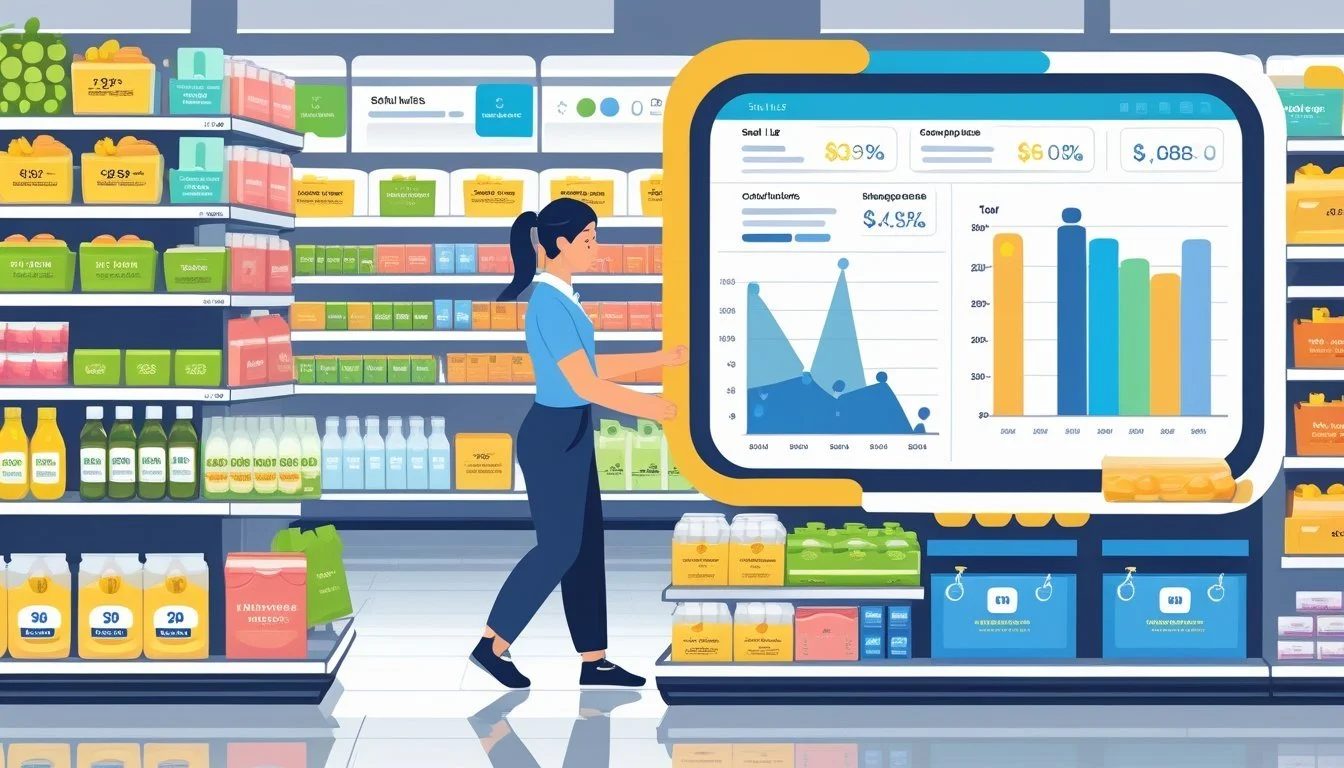
Meeting customer expectations and reducing product losses are directly tied to inventory handling. Efficient practices improve overall business outcomes by optimizing stock flow and reducing operational costs.
Aligning Inventory with Customer Demands
Accurate inventory alignment ensures that shelves remain stocked with products shoppers expect—especially for seasonal and high-turnover items. Stock rotation allows retailers to prioritize items with closer expiration dates, reducing the risk of expired products reaching customers and protecting the store’s reputation.
Retailers can track sales trends and adjust stock levels to better match fluctuations in customer demand. For instance, demand for cold beverages rises during summer, requiring increased inventory to avoid shortages. Digital inventory systems help analyze purchase patterns and quickly identify which products require faster rotation, minimizing overstock or stockouts.
Implementing shelf-life monitoring helps maintain product freshness and quality. List of benefits:
Higher customer trust
Fewer product returns
Improved on-shelf availability
Reduced expired stock losses
Stock transparency and regular checks ensure that customer expectations are consistently met, keeping satisfaction high and financial performance stable.
Role of Sales Teams
Sales teams play a key role in informing inventory decisions. Their daily interactions provide direct feedback about which products are moving quickly and which may be lingering due to low demand or outdated packaging. This insight helps guide proper stock rotation and identify where additional promotions or markdowns might be necessary.
Effective communication between sales and inventory management teams allows for prompt responses to changes in demand for seasonal products. When sales teams notice an uptick in interest, such as during holiday seasons, they can immediately coordinate restocks to prevent missed sales opportunities.
Sales teams also monitor customer satisfaction, reporting complaints or recurring requests. This feedback loop helps retailers respond more efficiently, maintaining both customer loyalty and solid financial returns. Clear roles and responsibilities between the sales floor and backroom staff provide a strong foundation for a responsive and profitable operation.

