
Time as a Variable in Recipe Shelf Life
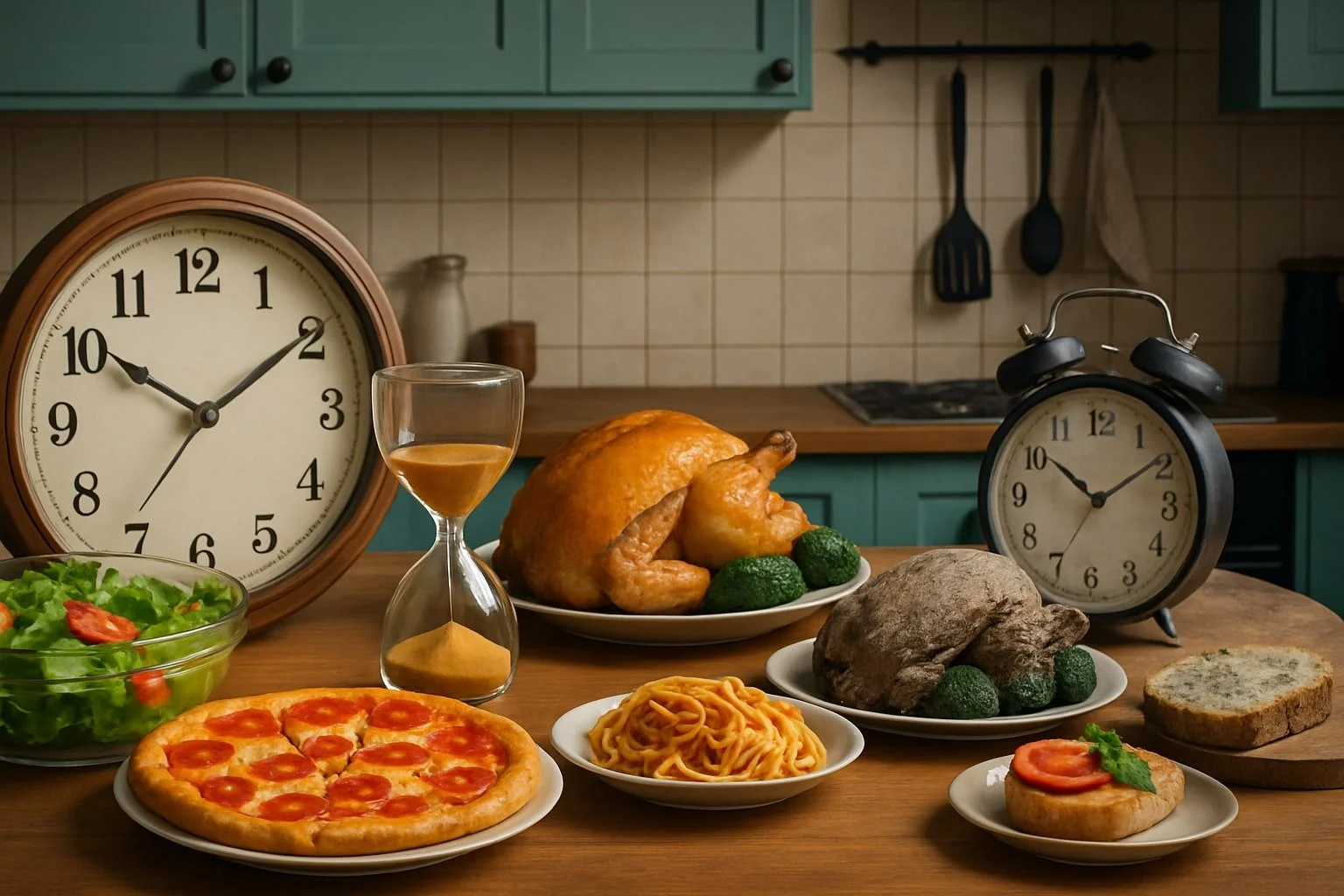
Time directly influences recipe shelf life by determining how long a food remains both safe to eat and maintains its intended quality. Understanding this variable means evaluating how microbial growth, chemical changes, and environmental factors interact with food ingredients over specific timeframes.
Accurately accounting for time helps people better manage inventory, reduce waste, and serve food at its peak. Shelf life prediction models and scientific methods continue to advance, offering more reliable ways to measure how long recipes stay fresh and safe.
Exploring how time affects shelf life enables cooks and food businesses to make informed decisions about storage, labeling, and when to use or discard products. This practical approach can help ensure that meals consistently meet safety and quality standards.
Understanding Time as a Variable in Recipe Shelf Life
Time is a decisive factor in how long food products remain safe and maintain quality. Shelf life is affected by more than just ingredients—it also relies on how a recipe handles the passage of time before and after preparation.
Definition of Shelf Life
Shelf life refers to the length of time a food product maintains its safety, quality, and sensory attributes when stored under specific conditions. It is measured to determine when a product is no longer considered acceptable for consumption.
Factors affecting shelf life include formulation, packaging, storage temperature, and exposure to light or air. Shelf life studies often monitor sensory qualities (taste, texture, color), chemical stability, and microbiological safety.
Producers may classify shelf life using percentiles, such as the time by which 50% of products still meet quality standards. The actual period will vary based on product type, storage environment, and intended use.
Time Dependency in Food Deterioration
Food deterioration is tied directly to time. Over days, weeks, or months, chemical reactions, microbial growth, and physical changes all occur, leading to gradual loss of freshness and increased risk of spoilage.
Several variables affect this rate, such as temperature, humidity, and packaging methods. Perishable foods deteriorate much faster than shelf-stable goods due to their higher moisture content and nutrient levels.
Key processes influenced by time include:
Oxidation of fats and oils
Staling of baked goods
Enzymatic breakdown in fruits and vegetables
Growth of spoilage organisms
Recipes that require long storage must account for these changes by optimizing ingredients or processing methods to slow deterioration.
Role of Time in Food Safety and Quality
Food safety depends on both the time food is stored and the temperature at which it is kept. Pathogenic bacteria can multiply if food sits too long at unsafe temperatures, increasing the risk of foodborne illness.
The USDA recommends holding hot foods above 140°F (60°C) and consuming or refrigerating perishables within a set timeframe. Time controls, such as expiration or "best by" dates, help limit consumption to periods before food safety or quality is compromised.
Maintaining quality—taste, aroma, texture—also hinges on minimizing the effects of storage time. Quality loss can occur before food becomes unsafe, making time management critical for both sensory satisfaction and health.
Key Factors Influencing Recipe Shelf Life Over Time

Shelf life depends on how certain variables change as time passes. Water content, storage temperatures, and both chemical and physical reactions directly shape how long a recipe remains safe and appealing.
Water Activity and Its Impact
Water activity refers to the amount of unbound water in a food product that’s available for microbial growth and chemical reactions. Low water activity slows the growth of spoilage bacteria and molds, extending shelf life. Products like dried foods and baked goods last longer because their water activity is kept low.
Foods containing high water activity, such as cooked meats or fresh fruits, spoil quickly due to rapid microbial activity. The control of water activity is often achieved through drying, adding solutes like salt or sugar, or using special packaging. Monitoring water activity helps predict spoilage rates more accurately than water content alone since even moist foods can be safe if their water activity is sufficiently reduced.
Chemical and Physical Changes
Over time, recipes may undergo various chemical changes such as oxidation, Maillard browning, and enzymatic reactions. Lipid oxidation can cause rancidity in fatty foods, while Maillard reactions alter color and flavor in baked goods. Enzyme-driven changes are responsible for texture loss or color changes in fruits and vegetables.
Physical changes include moisture migration, staling, and phase separation. For instance, bread loses texture due to starch retrogradation, and emulsions may break down as oil and water separate. Packaging plays a direct role in slowing these changes by creating barriers to oxygen, moisture, and light.
Temperature and Storage Conditions
Temperature heavily influences the rate of both microbial growth and chemical reactions. Even small increases can substantially reduce shelf life, especially in perishable products like dairy or cooked foods. Refrigeration slows spoilage organisms and enzymatic activity, while freezing can further preserve quality, though it may cause texture changes upon thawing.
Storage conditions include not just temperature, but also humidity, light exposure, and atmospheric composition. Modified atmosphere packaging and vacuum sealing can delay oxidation and microbial growth. Good storage practices, such as keeping products dry, cool, and in the dark, are essential for maximizing shelf life. Proper control of these factors ensures safety and maintains the intended sensory qualities of the recipe over time.
Microbial and Chemical Spoilage Dynamics
Shelf life is heavily influenced by changes occurring at the microbial and chemical level. Both spoilage organisms and chemical reactions can alter food quality, safety, and edibility over time.
Predictive Microbiology and Its Applications
Predictive microbiology uses mathematical models to estimate microbial growth, inactivation, and survival under various storage conditions. These models can forecast shelf life under specific temperatures or packaging environments.
Commonly, predictive tools incorporate variables like temperature, pH, water activity, and preservative concentration. By adjusting these factors, manufacturers can better control potential spoilage or reduce the risk of pathogen growth.
Dynamic shelf life modeling allows for more accurate tracking of real-time conditions, using indicators such as time-temperature integrators (TTIs). Such data-driven approaches contribute to safer and more consistent products.
Microbial Spoilage: Bacteria, Yeast, and Mould
Microbial spoilage is mainly caused by bacteria, yeast, and mould. Each group contributes differently to food deterioration, depending on the food’s composition and storage.
Bacteria often initiate spoilage by producing off-odors, gas, or slime. Yeast can bring about fermentation, leading to swelling in sealed containers or alcohol development. Mould becomes visible as fuzzy growth and may produce toxins in some cases.
Spoilage progression is affected by storage temperature, humidity, and time. For example, colder temperatures can slow the activity of most spoilage organisms, but mould and some psychrotrophic bacteria may continue growing under refrigeration.
Listeria monocytogenes and Other Pathogens
Pathogenic bacteria such as Listeria monocytogenes pose unique risks because they can grow at refrigeration temperatures and survive in a variety of food matrices. Listeria is notable for its ability to persist in ready-to-eat meats, dairy, and produce.
Other pathogens of concern include Salmonella, E. coli, and Campylobacter. Their growth potential and survival depend on the food matrix, intrinsic factors (like pH), and extrinsic factors (such as temperature control).
Monitoring for these microbes relies on both microbial testing and modeling approaches. Effective management involves verifying cleaning, controlling storage parameters, and implementing risk-based shelf life limits. Early detection and intervention are critical to prevent foodborne illness.
Role of Ingredients and Processing Methods
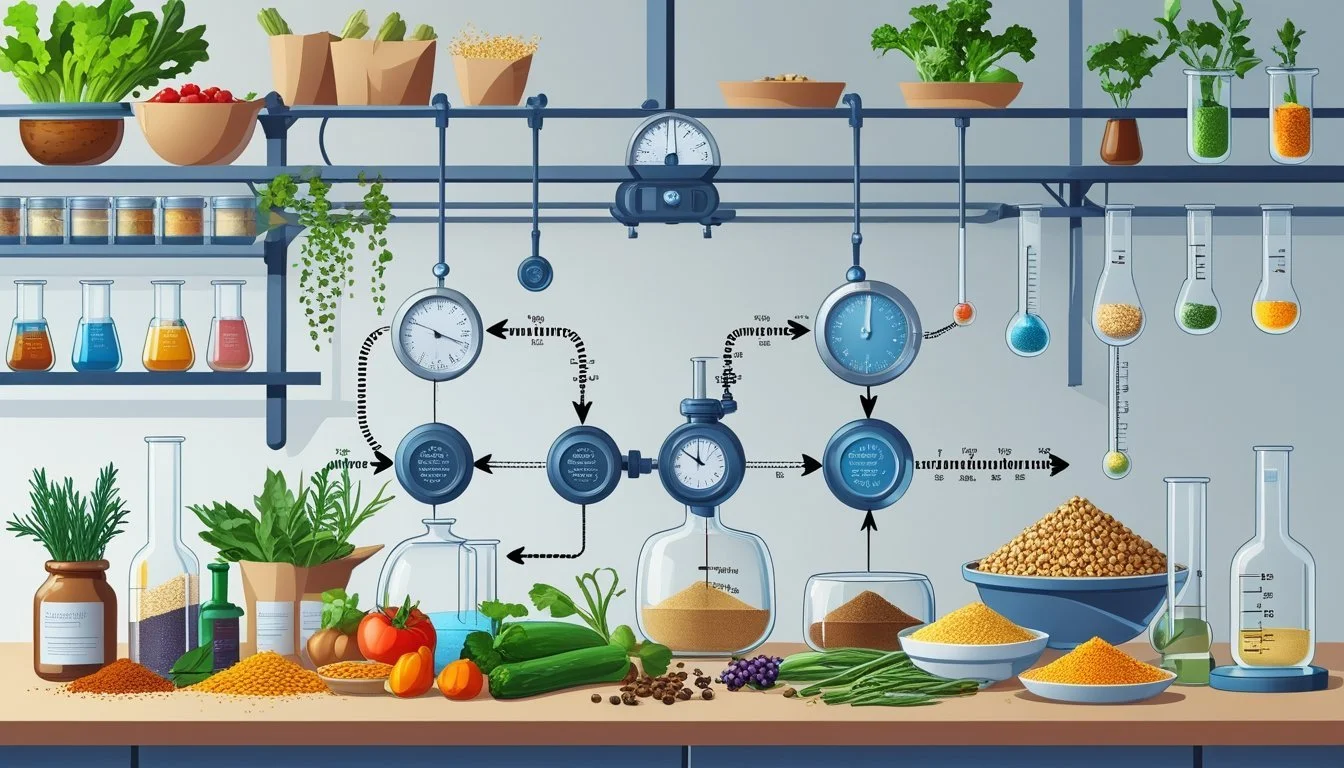
The length of time a food product remains safe and high-quality depends extensively on ingredient selection and the steps used to process it. Key factors include the condition of raw materials, stability of processed foods, and the use of additives like preservatives and antioxidants.
Raw Materials and Their Quality
The initial quality of raw materials strongly affects shelf life. Freshness, maturity, and handling of ingredients such as fruits, vegetables, meats, and grains influence how rapidly spoilage can begin.
Contaminated or damaged raw materials introduce microorganisms and enzymes that can speed up food decay and reduce shelf life. For example, bruised fruits spoil faster due to increased enzymatic activity. Selection of varieties that are naturally more resistant to spoilage, such as hardy apple cultivars or low-moisture grains, can also help extend the storage period.
Proper washing, sorting, and storage before processing can reduce the starting microbial load, directly impacting how long the final product will last.
Processed Foods and Perishable Foods
Processed foods often have a longer shelf life than perishable, fresh foods, due to the use of heating, drying, freezing, or fermentation. These methods slow or eliminate the growth of spoilage organisms and deactivate enzymes.
Perishable foods like milk, leafy greens, and fresh fish require strict temperature and humidity control to prevent rapid deterioration. In contrast, canned vegetables or dried pasta can be stored for months due to the reduction of water activity and the prevention of microbial growth.
Failure to maintain processing and storage conditions—for example, holding cooked food at unsafe temperatures—can undo these benefits and quickly shorten shelf life.
Impact of Preservatives, Antioxidants, and Emulsifiers
Chemical and natural additives are used to further control spoilage, oxidation, and texture breakdown. Preservatives such as sorbates, benzoates, and nitrites inhibit the growth of bacteria, yeast, and molds. Antioxidants like ascorbic acid (vitamin C) and tocopherols (vitamin E) help slow rancidity in fats and oils by preventing oxidation.
Emulsifiers stabilize products that contain both water and oil phases, such as salad dressings and margarine. This helps prevent separation and quality loss over time.
The effectiveness and safety of these substances depend on the amount used, compatibility with the food matrix, and regulatory limits. Selection of suitable additives is tailored to the specific challenges posed by each food product.
Packaging Solutions and Their Effects on Shelf Life
Choosing the appropriate packaging can extend the shelf life of food by controlling its exposure to factors like oxygen, moisture, and microbes. Advances such as modified atmosphere packaging and the use of specific material types play direct roles in preserving freshness and quality.
Modified Atmosphere Packaging
Modified Atmosphere Packaging (MAP) alters the gaseous environment around food, often reducing oxygen and increasing nitrogen or carbon dioxide levels. This slows oxidative reactions and inhibits microbial growth, directly impacting spoilage rates. MAP is commonly used for products like fresh meats, bakery items, and ready-to-eat meals.
For example, meat stored in low-oxygen environments maintains color and texture for longer. Changes in gas composition can be tailored for specific foods to optimize preservation. High-barrier films are typically required to keep the gas mixture stable throughout storage.
However, MAP requires careful control during packaging to avoid unintentional contamination or gas imbalances. Improper application can lead to reduced effectiveness and even safety risks if pathogens are allowed to grow in low-oxygen conditions.
Packaging Material Choices
Packaging materials have a significant impact on shelf life due to differences in barrier properties, durability, and compatibility with foods. Common materials include polyethylene, polypropylene, glass, and multilayer laminates, each offering varying levels of protection against oxygen, moisture, light, and odors.
Barrier properties are crucial; for instance, polypropylene films with antimicrobial additives have shown improvements in slowing microbial growth on raw foods. Transparent vs. opaque materials can affect sensitivity to light, potentially increasing the stability of products sensitive to UV exposure.
Some active packaging solutions incorporate oxygen absorbers or antimicrobial agents directly into the packaging. These approaches further extend shelf life by actively interacting with the internal environment. Material choice should always be matched to the needs of the specific product and storage conditions.
Mathematical and Empirical Models in Shelf Life Prediction

Understanding shelf life prediction relies on quantitative approaches that can estimate how food quality changes over time. Both mathematical and empirical models play critical roles in tracking, predicting, and optimizing shelf life across various storage and handling conditions.
Introduction to Mathematical Models
Mathematical models use equations to describe the relationship between time and changes in food properties, such as nutrient loss, spoilage rate, and texture. These models often incorporate variables like temperature, humidity, and microbial growth to enable accurate forecasts.
Key mathematical model types:
Kinetic models: Analyze reaction rates related to spoilage or degradation.
Predictive microbiology models: Estimate changes in microbial populations over time.
Researchers use these models to simulate scenarios and determine optimal conditions for food storage. The data allows producers to set expiry dates based on scientific evidence rather than arbitrary estimates.
Mathematical modeling can also help visualize data trends. For instance, plotting predicted changes in food firmness or color against time helps stakeholders see the impact of temperature shifts.
Empirical Models and Practical Applications
Empirical models rely on experimental observations and statistical analysis to predict shelf life under real-world conditions. These models are commonly used by food industry managers to estimate quality loss, often focusing on specific attributes like firmness, color, or flavor.
Unlike purely mathematical approaches, empirical models are built on collected data from shelf life tests. They involve fitting curves to observed measurements, such as plotting how fruit firmness decreases over several days at different temperatures.
Such models are valuable for day-to-day decision making. Facilities can adjust storage parameters quickly by referencing empirical predictions, reducing waste and improving product consistency. Empirical models offer practical estimations without the need for complex calculations, making them accessible for quality assurance teams.
Evaluating Shelf Life: Sensory and Consumer Methods
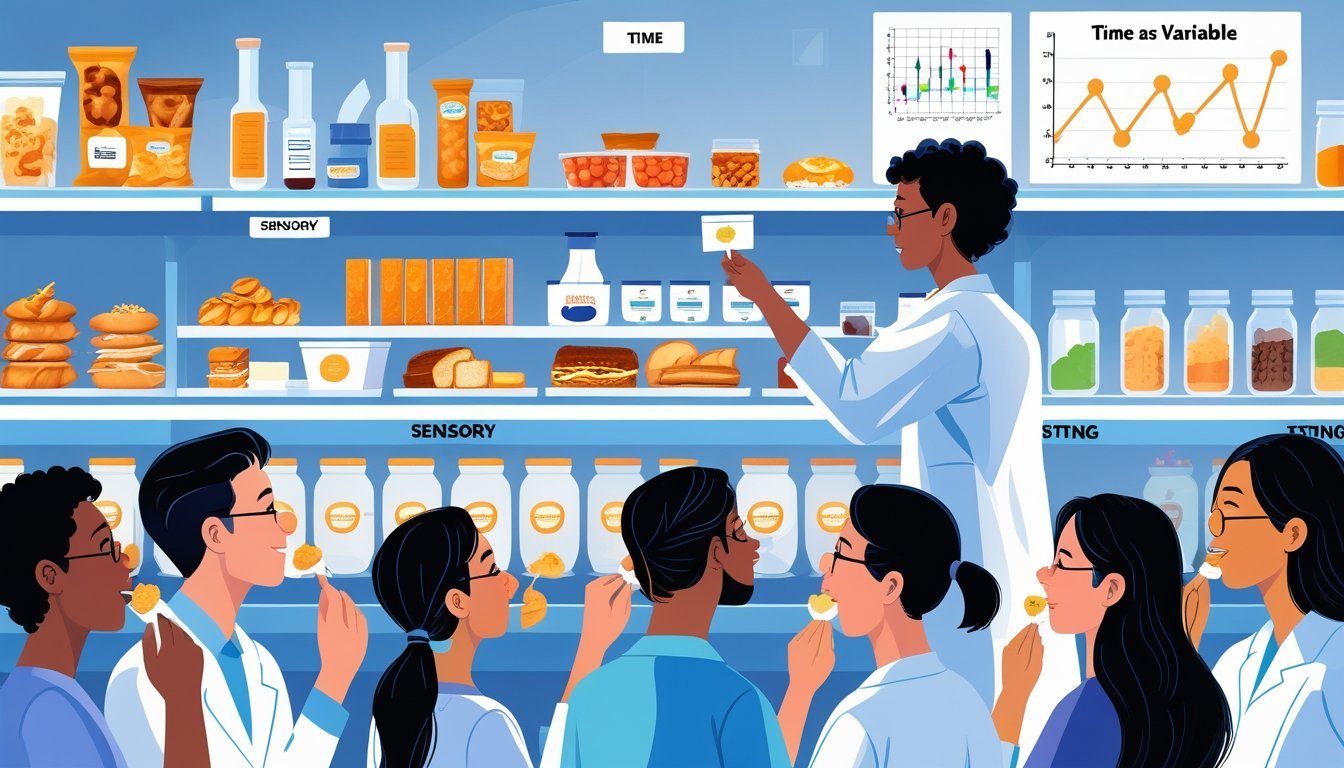
Food shelf life is influenced by both expert sensory analysis and direct consumer acceptance data. Understanding these two approaches provides a more complete picture of how products change over time and when they are no longer considered acceptable.
Sensory Evaluation and Sensory Testing
Sensory evaluation involves trained panelists who use their senses to detect changes in flavor, texture, color, and odor. Panels are typically conducted under controlled conditions to remove bias and ensure consistent results.
Common sensory tests include descriptive analysis, triangle tests, and ranking tests. These tests help identify early signs of quality deterioration that may not be obvious to untrained individuals.
Protocols often rely on standards like the ASTM E2454, which defines sensory shelf life as the period when a product’s sensory properties remain acceptable. Results are usually reported with statistics such as mean scores or rejection rates, providing clear criteria for determining shelf life endpoints.
Consumer Acceptability over Time
Consumer acceptability tests focus on real customers' reactions to products stored for varying lengths of time. Panels often consist of a larger, diverse group representing the target market.
Participants typically rate their willingness to accept, purchase, or consume a product using scales or direct choices (accept/reject). Studies often involve evaluating multiple samples, each representing a different storage time, to track changes in perceived quality.
Consumer data is analyzed to estimate the probability of acceptance as the product ages. This approach highlights the importance of consumer perception in determining a product’s marketable shelf life, complementing expert sensory evaluations.
Implications of Time-Based Shelf Life on Food Waste and Safety
Time-based shelf life plays a direct role in how much food is discarded and the extent to which food products remain safe to eat. These impacts stem from how shelf life is set, monitored, and communicated throughout the food supply chain.
Food Waste Reduction
Assigning precise time-based shelf lives can significantly cut down food waste. Products with accurately predicted shelf life remain on shelves and in storage longer, reducing the number of items thrown out solely due to conservative expiry dates.
Advancements in shelf life modeling, including real-time monitoring and data analysis, allow inventory to be managed more effectively. This helps retailers and consumers make informed decisions about when foods are still viable for use.
Shorter, more accurate time frames mean less confusion over whether a product is still safe or usable. This clarity helps prevent unnecessary disposal of food, especially when "best before" dates are misunderstood.
Techniques such as improved packaging and both thermal and non-thermal preservation methods extend shelf life for fresh produce, as suggested in recent modeling studies. By employing these, the volume of food entering landfills can be measurably reduced.
Influence on Food Safety and Biochemical Reactions
Time-based shelf life plays a critical role in minimizing foodborne illnesses. It enables manufacturers and consumers to judge the safety of foods by tracking the time until microbial populations may reach levels considered unsafe.
Shelf life estimation incorporates the rate of biochemical reactions (such as oxidation, enzymatic spoilage, or microbial growth) that occur over time. These reactions determine when a food product transitions from being safe and acceptable to unsafe or degraded in quality.
Using predictive microbiology and kinetic models, food producers can identify the specific point at which pathogens might reach harmful concentrations. This supports safer consumption practices and reduces the risk of outbreaks tied to expired products.
Accurate time-based labeling, paired with environmental data such as temperature history, increases the reliability of food safety assessments. This allows the food system to consistently meet regulatory standards and protect public health.

