
Edible Coatings: Nature’s Shelf Life Enhancer for Preserving Fresh Produce
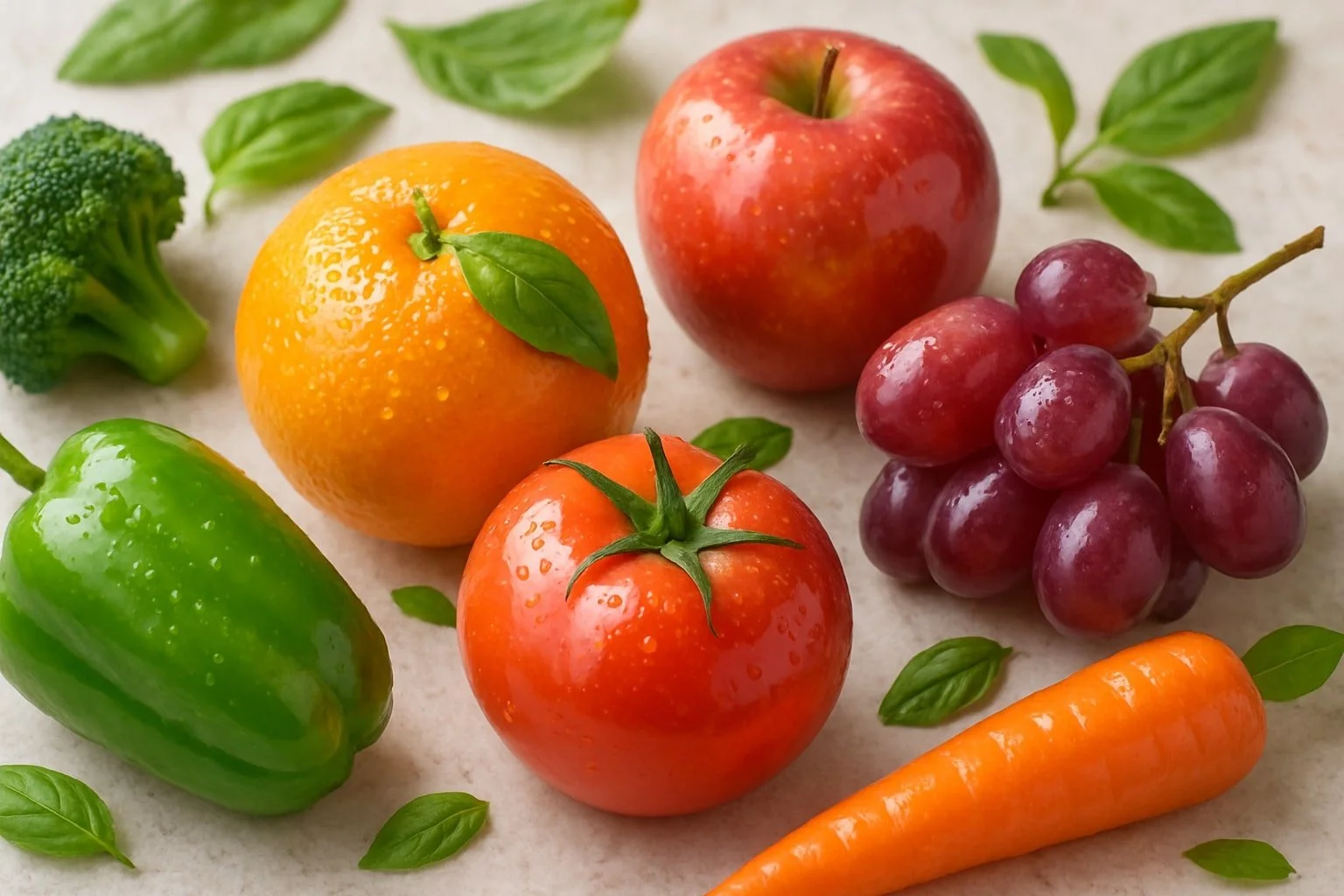
Edible coatings offer a practical way to extend the shelf life of fruits and vegetables by creating a protective, consumable barrier on their surface. These coatings help reduce water loss, decrease spoilage, and slow down the effects of microbial contamination, making them a natural method for preserving freshness.
By modifying the internal gas composition and limiting exposure to oxygen, edible coatings also support quality retention and slow senescence in produce. As interest grows in sustainable food preservation, more producers and consumers are recognizing the value of edible coatings in reducing waste and enhancing shelf life without relying on synthetic packaging.
Understanding Edible Coatings
Edible coatings serve as thin, consumable layers applied directly to food products to improve their preservation and reduce spoilage. Their use offers a biodegradable and eco-friendly technology for extending shelf life while reducing the need for synthetic packaging.
What Are Edible Coatings
Edible coatings are materials that form a consumable barrier on the surface of fruits, vegetables, and other products. This barrier helps retain moisture, control gas exchange, and reduce microbial contamination. The coating is safe for consumption and does not alter the taste or texture of the food in a noticeable way.
These coatings work by slowing down the processes that cause spoilage, such as oxidation and dehydration. Many are designed to be transparent and tasteless, ensuring the natural appearance and flavor of the product remain intact. They are especially useful for perishable foods that require gentle but effective preservation methods.
Key Characteristics of Edible Coatings
Biodegradable: Made from natural sources, these coatings break down naturally and help reduce packaging waste.
Eco-friendly Technology: Edible coatings are applied directly to foods, minimizing reliance on plastics.
Safety: They are formulated to be non-toxic and safe for human consumption.
Functionality: They act as barriers against gases, moisture, and occasionally microorganisms.
Some coatings can also be designed as "smart" coatings, responding to environmental conditions like temperature or humidity to enhance preservation. This allows for real-time monitoring and improved food safety. Thickness, transparency, and flexibility can be tailored to meet specific product needs.
Types of Edible Coating Materials
Common edible coating materials include proteins, polysaccharides, and lipids. Each offers unique benefits:
Material Type Examples Key Properties Proteins Whey, gelatin, soy, zein Strong barrier, antioxidant Polysaccharides Cellulose, chitosan, pectin Good film-forming, biodegradable Lipids Waxes, fatty acids Moisture barrier, glossy finish
Proteins such as whey and gelatin can offer antioxidant and antibacterial benefits. Polysaccharide-based coatings, like those made from cellulose, are known for their film-forming ability and biodegradability. Lipid coatings are often used for products that need strong moisture resistance, such as certain fruits and baked goods. Each type is selected based on the preservation needs of the specific food.
How Edible Coatings Enhance Shelf Life
Edible coatings serve as natural barriers that aid in food preservation by controlling gas exchange and moisture loss. These coatings also deliver antimicrobial benefits, helping prevent spoilage for a variety of fruits and vegetables.
Mechanisms of Preservation
Edible coatings work by forming a thin, uniform layer over the surface of fresh produce. This barrier slows down moisture loss, delaying the dehydration process that often leads to shriveled texture or tough skins.
The coatings also reduce contact between the food surface and external contaminants. By limiting oxygen access, they can suppress enzymatic reactions responsible for browning and nutrient loss.
Some coatings incorporate active substances such as antioxidants or antimicrobials. This further enhances their ability to preserve freshness, flavor, and appearance.
Barrier Properties and Gas Exchange
One of the essential qualities of edible coatings is their selective permeability to gases. These coatings partially restrict the movement of oxygen and carbon dioxide in and out of the coated produce.
The control of gas exchange slows down respiration rates, especially in high-respiring fruits and vegetables. Reduced respiration means delayed ripening and less rapid breakdown of organic materials.
The effectiveness varies with composition. For instance, lipid-based coatings offer superior water vapor barriers, while polysaccharide or protein films can be modified for tailored gas transmission rates.
Coating Type Main Barrier Function Lipid Water vapor Polysaccharide Gas exchange Protein Combined/mixed barrier
Reducing Microbial Growth
An important feature of edible coatings is their ability to curb surface microbial growth. Many coatings use biopolymers sourced from natural materials, which can be enhanced with plant extracts or organic acids.
These additives provide antimicrobial properties, reducing the survival of food-borne pathogens and spoilage organisms. The direct contact of the coating with the food surface increases its effectiveness.
Edible coatings can thus help decrease reliance on synthetic preservatives. As a result, fresh produce remains safer and of higher quality for a longer duration.
Impact on Storage Life
By combining barrier functions and antimicrobial properties, edible coatings extend the shelf life of coated products. Studies show measurable increases in storage life for fruits such as tomatoes, berries, and green chillies when treated with appropriate coatings.
Storage conditions—such as temperature and humidity—work in tandem with edible coatings for best results. When properly applied, these coatings allow produce to retain moisture, color, and texture during longer storage.
Coatings also enable the incorporation of additional nutrients or flavor enhancers. This approach can improve the overall sensory profile of the product, adding value beyond just prolonged shelf life.
Common Edible Coating Materials
Edible coatings are made from a range of food-grade substances that offer protective and functional benefits. The composition of these coatings influences their effectiveness as barriers, their safety, and their potential to improve shelf life and quality.
Natural Polysaccharides
Natural polysaccharides are among the most widely used materials for edible coatings. They can be derived from plant, microbial, or animal sources. Key examples include chitosan, alginate, pectin, starch, cellulose, and various gums.
Polysaccharide coatings are valued for their excellent ability to form thin layers that restrict moisture loss and gas exchange. Chitosan, which is sourced from shellfish shells, also offers mild antimicrobial and antioxidant properties, making it useful for fresh produce.
Alginate, derived from seaweed, creates gels in the presence of calcium ions. It is especially effective at maintaining texture and reducing dehydration in fruits and vegetables. While these coatings are largely tasteless and transparent, they can be tailored for specific food applications by modifying concentration or combining with other ingredients.
Proteins and Lipids
Protein-based coatings use materials such as gelatin, whey protein, soy protein, casein, and egg albumin. These coatings generally form strong, flexible layers that stick well to various food surfaces.
Proteins are efficient at controlling gas transfer and often contribute to improved texture. They can also be combined with antioxidants to further reduce quality deterioration. However, protein coatings typically allow more moisture through compared to polysaccharides.
Lipid-based coatings rely on substances like waxes, fatty acids, and oils. These coatings create effective barriers against water vapor. They help slow dehydration and reduce fat oxidation. Lipid coatings are especially useful for products sensitive to moisture loss, although they can sometimes impact texture or flavor if over-applied.
Composite Coatings
Composite coatings combine two or more types of natural coatings—often polysaccharides, proteins, or lipids—to improve the overall performance. This approach allows manufacturers to optimize the properties of each ingredient.
By blending components, such as adding lipids to polysaccharides or proteins, coatings gain enhanced moisture resistance while maintaining flexibility and strength. This tailored approach also enables the incorporation of antimicrobial or antioxidant substances to target specific spoilage risks.
Composite coatings are often selected for food items that benefit from multiple protective mechanisms. For example, a composite layer with both chitosan and a lipid may offer superior protection for perishable fruits or vegetables, extending shelf life without noticeable impact on taste or appearance.
Bioactive Components and Functional Additives
Edible coatings use a range of naturally-derived components to improve food quality and stability. These additives directly influence factors such as oxidation, microbial growth, and the physical integrity of foods during storage.
Antioxidants and Antimicrobial Agents
Antioxidants in edible coatings help reduce lipid oxidation, delay browning, and maintain sensory quality for longer periods. Commonly used antioxidants include vitamin C, vitamin E, and natural polyphenols. These compounds can slow down the deterioration of fruits, vegetables, and other perishables.
Antimicrobial agents target spoilage and pathogenic microorganisms. Inclusion of chitosan, essential oils, nisin, or plant-derived substances restricts the growth of bacteria, yeasts, and molds. This dual-action—combining antioxidants and antimicrobials—extends shelf life by minimizing both chemical and biological spoilage.
A comparison of additive roles:
Additive Type Main Role Example Antioxidant Prevents oxidation Vitamin C Antimicrobial Inhibits microbes Chitosan, Nisin Dual function Both above Polyphenols
Plant Extracts and Gallic Acid
Plant extracts are valuable for their multifunctional properties, often containing both antioxidant and antimicrobial compounds. Green tea, rosemary, and oregano extracts are rich in polyphenols and flavonoids that boost the protective action of coatings. These extracts not only help maintain freshness but may even enhance the nutritional content of foods.
Gallic acid stands out as a widely studied polyphenol. It exhibits strong antioxidant properties and measurable antibacterial activity when incorporated into edible films. Because gallic acid can scavenge free radicals and limit microbial proliferation, it is frequently used in modern coating formulations for high-moisture foods and fresh produce.
Application of Nano Technology
Nano technology is being used to improve the performance of edible coatings. Nanoparticles, such as nano-silver or nano-zinc oxide, can boost the antimicrobial activity by increasing the surface area that interacts with microbial cells. This leads to more efficient bacterial inhibition at lower concentrations.
Nano-encapsulation of antioxidants and antimicrobials can also provide controlled release, maximizing their effect over time. Additionally, nano-structured coatings offer improved barrier properties against moisture, oxygen, and solutes. Current research is focused on optimizing the safety and functionality of nano-enhanced coatings for practical food applications.
Applications in Fruits and Vegetables
Edible coatings are used across a wide variety of fruits and vegetables to reduce post-harvest losses and maintain quality attributes such as firmness, color, and nutritional content. Their role is crucial in slowing down spoilage and extending storage life, particularly for items susceptible to rapid deterioration.
Strawberries and Tropical Fruit
Strawberries are highly perishable and often lose firmness and moisture shortly after harvest. Research shows that applying edible coatings—such as those based on chitosan or natural gums—can effectively reduce water loss and respiration rate in strawberries, helping retain texture and delaying fungal growth.
Tropical fruits like mangoes, papayas, and bananas also benefit from edible coatings. These coatings form a semi-permeable barrier, which lowers gas exchange, slows down ripening, and minimizes chilling injury during storage. For fruit producers, this means less waste and higher quality fruit reaching consumers.
A summary table of common coatings and their effects:
Fruit Type Common Coating Main Effect Strawberries Chitosan Reduces decay, keeps firmness Mangoes Alginate Reduces water loss, extends shelf life Bananas Pectin Delays ripening, minimizes bruising
Vegetables and Other Produce
Vegetables such as cucumbers, bell peppers, and carrots frequently use edible coatings to extend storage life. These coatings help maintain surface moisture, reduce respiration rates, and can prevent mold growth on the surface. Chitosan and cellulose derivatives are common choices for vegetables due to their natural origin and film-forming abilities.
Leafy greens and other produce, which have delicate tissue and are prone to wilting, also show improved storage quality with the application of coatings. In addition to moisture retention, the coatings serve as carriers for antimicrobial agents, further safeguarding against post-harvest disease.
Producers of vegetables often select a coating based on compatibility with the produce’s surface and the target storage period, balancing cost with effectiveness. This step can notably decrease product rejections and spoilage during transportation and retail.
Role in Food Processing and Storage
Edible coatings are increasingly adopted to address challenges like post-harvest spoilage, food safety, and waste reduction. Their use alongside conventional processing and storage methods has led to more robust preservation strategies for perishable foods.
Use in Food Processing Industries
Food processing industries use edible coatings to prolong the shelf life and maintain the quality of fresh and minimally processed products. By forming a thin, consumable layer on the surface of items such as fruits, vegetables, cheese, and bakery goods, these coatings serve as barriers against moisture loss, oxidation, and microbial contamination.
Industries benefit from edible coatings as a sustainable alternative to traditional plastic packaging, which helps in reducing post-harvest losses. For ready-to-eat and fresh-cut foods, coatings help preserve the texture, flavor, and nutritional content by minimizing exposure to air and pathogens.
Some coatings—such as those made with chitosan or alginate—can also carry antimicrobial agents, providing additional protection during storage and transport. This makes them important in extending distribution windows and stabilizing food stocks throughout the supply chain.
Integration with Cold Storage and Heat Treatments
Edible coatings work synergistically with cold storage to maintain food quality. When fresh produce is coated and stored at low temperatures, the rate of dehydration, respiration, and spoilage is reduced. This dual approach is particularly effective for sensitive fruits and vegetables, which are susceptible to cold-induced damage without added protection.
Integration with heat treatments can improve both safety and preservation. For instance, applying heat to activate antimicrobial compounds within some edible coatings can further reduce microbial loads. This allows food processors to use milder heat treatments, preserving more of the product’s sensory and nutritional quality.
These combined methods help maintain stable food stocks by reducing spoilage and extending safe storage times, making them valuable for food supply chains that rely on both cold and thermal processing.
Quality, Safety, and Sensory Attributes
Edible coatings act as protective barriers that help extend shelf life by maintaining the physical integrity, quality, and consumer acceptability of fresh produce. Their effectiveness depends on factors like their ability to minimize weight loss, preserve texture, and avoid unwanted changes in appearance or flavor.
Maintaining Aesthetic Appeal and Firmness
A product’s visual appeal and firmness are critical for consumer purchase decisions. Edible coatings can reduce moisture loss and delay browning, helping fruits and vegetables retain their color and glossy surface. This minimizes the appearance of shriveling and surface defects.
By controlling gas exchange, coatings slow down respiration rates and senescence. This mechanism helps maintain a fresh look over extended periods. For instance, coatings based on starch or polysaccharides form semi-permeable films that prevent wilting.
Preserving firmness is closely linked to reduced water loss and slowed enzymatic softening. As a result, produce remains crisp and appealing for a longer time during storage and transportation.
Mechanical Strength and Texture
The mechanical properties of edible coatings enhance the structural integrity of food products. Properly formulated coatings add a thin, flexible layer that supports the skin without causing hardness or brittleness.
Strength depends on the type of biopolymer used. For example, incorporating nanoparticles or combining different natural polymers (like chitosan-starch blends) can increase mechanical resistance to damage. This reduces bruising and surface cracking during handling.
A table summarizing key mechanical features:
Attribute Benefit Increased strength Reduces bruising Flexibility Prevents cracking Gas barrier Minimizes spoilage
Texture is preserved as coatings slow down the softening process, maintaining a preferred bite or crunch for the consumer.
Sensory Attributes and Acceptability
Sensory attributes such as taste, aroma, and mouthfeel are vital for consumer satisfaction. Edible coatings must not impart undesirable flavors or odors to the food. Well-designed coatings are typically neutral in taste and aroma, ensuring the product’s natural qualities remain dominant.
Acceptability also depends on transparency and absence of stickiness or residue. Coatings should be nearly invisible and leave no unpleasant film. Consumers expect products to look, feel, and taste fresh.
Testing for consumer acceptance often includes sensory panels. These evaluate parameters like flavor, texture, and appearance, ensuring the coating meets or exceeds industry standards for quality and safety.
Environmental and Economic Benefits
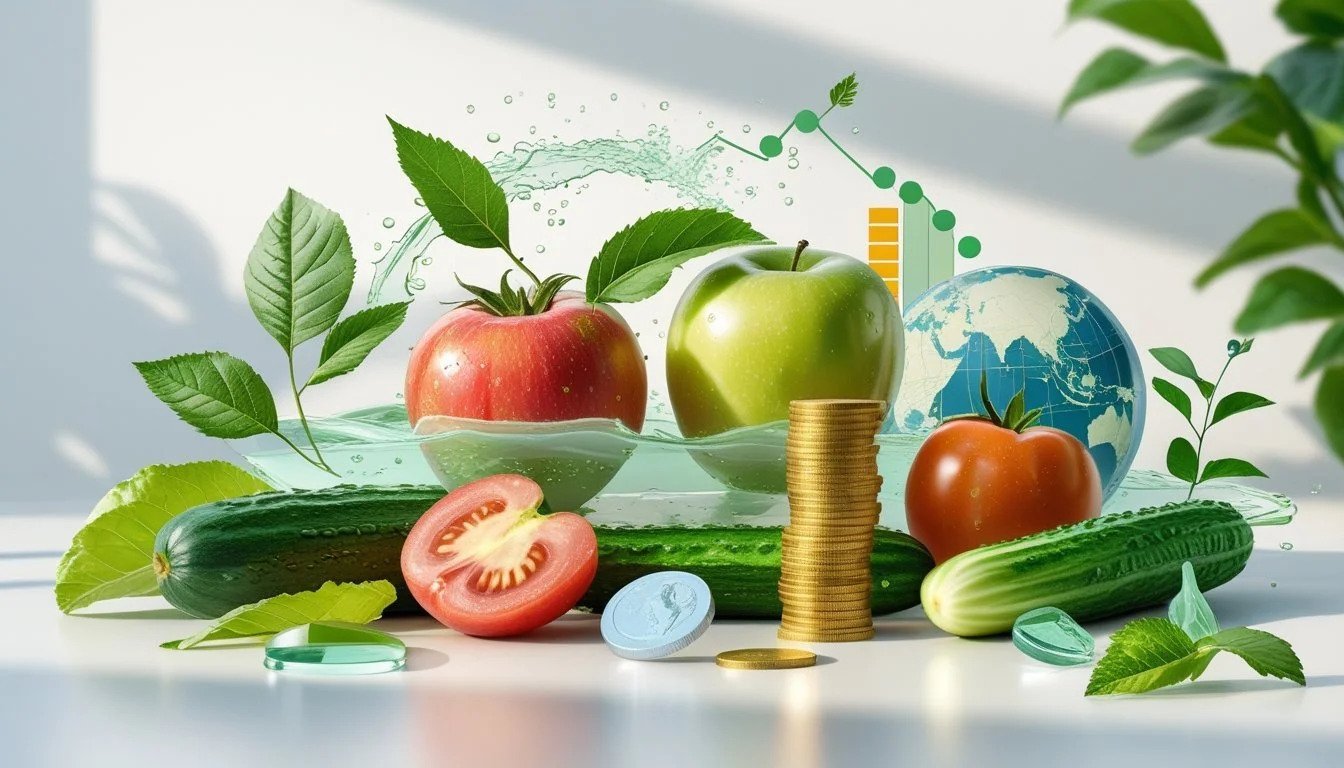
Edible coatings offer clear benefits for food preservation and packaging. Their advantages extend to both reducing waste and offering sustainable alternatives to conventional materials.
Reducing Food Waste
Food waste remains a substantial issue in the global supply chain, especially with fruits and vegetables that spoil quickly due to natural deterioration, decay, and inadequate storage. Edible coatings form a thin, protective layer that controls moisture loss and gas exchange, significantly slowing spoilage rates.
By maintaining the freshness and quality of produce, these coatings decrease the volume of discarded food throughout distribution and retail stages. This reduction in waste means fewer resources—such as water, land, and labor—are used to produce food that would otherwise never reach the consumer.
The cost savings associated with reduced spoilage can benefit both producers and retailers. There is also less pressure on landfills and lower greenhouse gas emissions from decomposing waste, providing economic and environmental advantages.
Biodegradable and Eco-Friendly Advantages
Conventional plastic packaging, though effective at extending shelf life, poses major environmental challenges due to plastic pollution and slow degradation. Edible coatings are often made from natural biopolymers such as polysaccharides, proteins, and lipids, making them fully biodegradable.
Unlike plastics, these eco-friendly technologies break down harmlessly in natural environments, leaving no harmful residues. Their use promotes a circular economy by often utilizing food processing by-products, further minimizing resource waste.
Manufacturing edible coatings typically involves fewer synthetic chemicals and less energy than plastic production. This shift supports cleaner production processes and aligns with growing consumer demand for sustainable food packaging solutions.
Challenges and Future Prospects
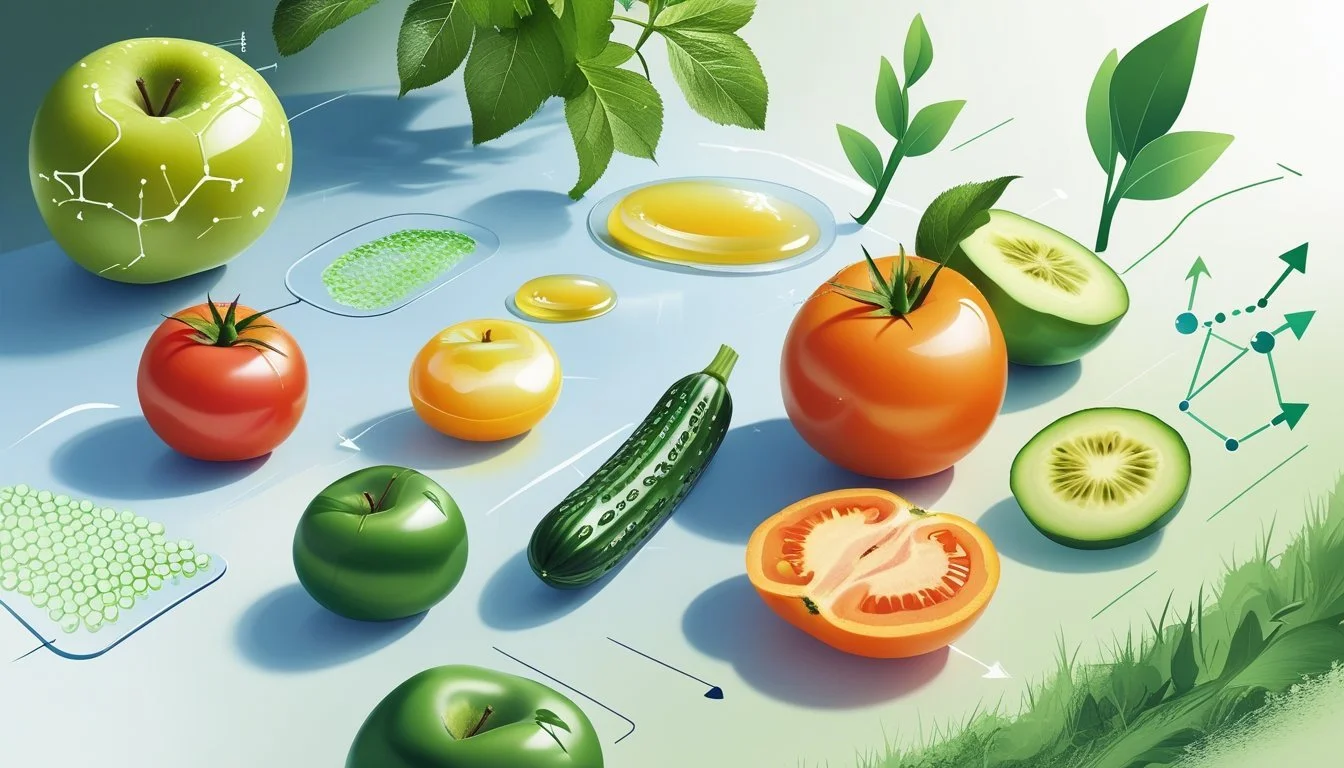
Edible coatings offer practical benefits for preserving food, but they also present technical, regulatory, and research hurdles. Ongoing developments in composite and nano technology coatings make these challenges more complex yet promising.
Regulatory and Safety Considerations
Ensuring the safety of edible coatings remains a primary concern for industry and regulators. Each component, including natural polymers and additives, must be approved by food safety authorities such as the FDA or EFSA.
Regulatory frameworks differ between countries, leading to difficulties in standardizing products for international markets. Companies may need to submit multiple applications or comply with region-specific labeling rules.
There are also questions about allergenicity and the potential transfer of harmful residues. Regular risk assessments and clear guidelines are necessary for consumer trust. Additionally, establishing harmonized standards could ease barriers to global commercial adoption.
Advances in Composite and Nano Coatings
Composite coatings combine multiple bio-based polymers or blend proteins with lipids to enhance barrier properties. This approach not only increases moisture and oxygen resistance but can also embed functional agents like antioxidants or antimicrobials.
Nano technology enables the creation of coatings at the molecular level, improving evenness, transparency, and performance. For example:
Technology Key Benefits Composite Coatings Improved barrier to moisture/oxygen, flexibility in formulation Nano Coatings Enhanced uniformity, controlled release of agents, thin application
Researchers are developing edible coatings that address specific shelf life challenges for various food categories. Challenges include costs, scalability, and ensuring that nano-sized materials are safe and legally acceptable for food use.
Directions for Further Research
Current research priorities include optimizing formulation methods, improving scalability, and minimizing cost. Scientists are also exploring plant protein-based solutions and biodegradable materials that reduce environmental impact.
There is a need for in-depth studies examining the interactions between coatings and different food matrices. A comprehensive list of priorities often appears in recent review articles and PDF reports, highlighting knowledge gaps for specific fruits and vegetables.
Future research may also focus on consumer acceptance, packaging integration, and real-world effectiveness under varied storage and transport conditions. Collaboration across food science, materials engineering, and regulatory fields will support progress in this area.
Enzymatic Activities and Post-Harvest Preservation
In fresh produce, enzymatic activities such as those from polyphenol oxidase and peroxidase contribute to spoilage and discoloration after harvest. Edible coatings are applied as a practical approach to manage these enzyme levels and limit post-harvest losses.
Polyphenol Oxidase and Peroxidase Control
Polyphenol oxidase (PPO) and peroxidase (POD) are key enzymes responsible for browning and quality degradation in fruits and vegetables. PPO catalyzes the oxidation of phenolic compounds, causing unwanted discoloration. POD plays a role in oxidative stress and can exacerbate tissue breakdown.
Edible coatings work by forming a semi-permeable layer around the food’s surface. This barrier regulates oxygen exchange, reducing the oxygen availability needed by PPO and POD. As a result, the activities of both enzymes are slowed, which can delay browning reactions and texture loss.
Studies have also found that some coatings can incorporate natural antioxidants or enzyme inhibitors to further suppress PPO and POD. By controlling these enzymatic activities, edible coatings help to minimize post-harvest losses and maintain the visual and nutritional quality of the product.

