
The Hidden Shelf Life Challenges of Online Grocery
Managing Perishables for Optimal Freshness
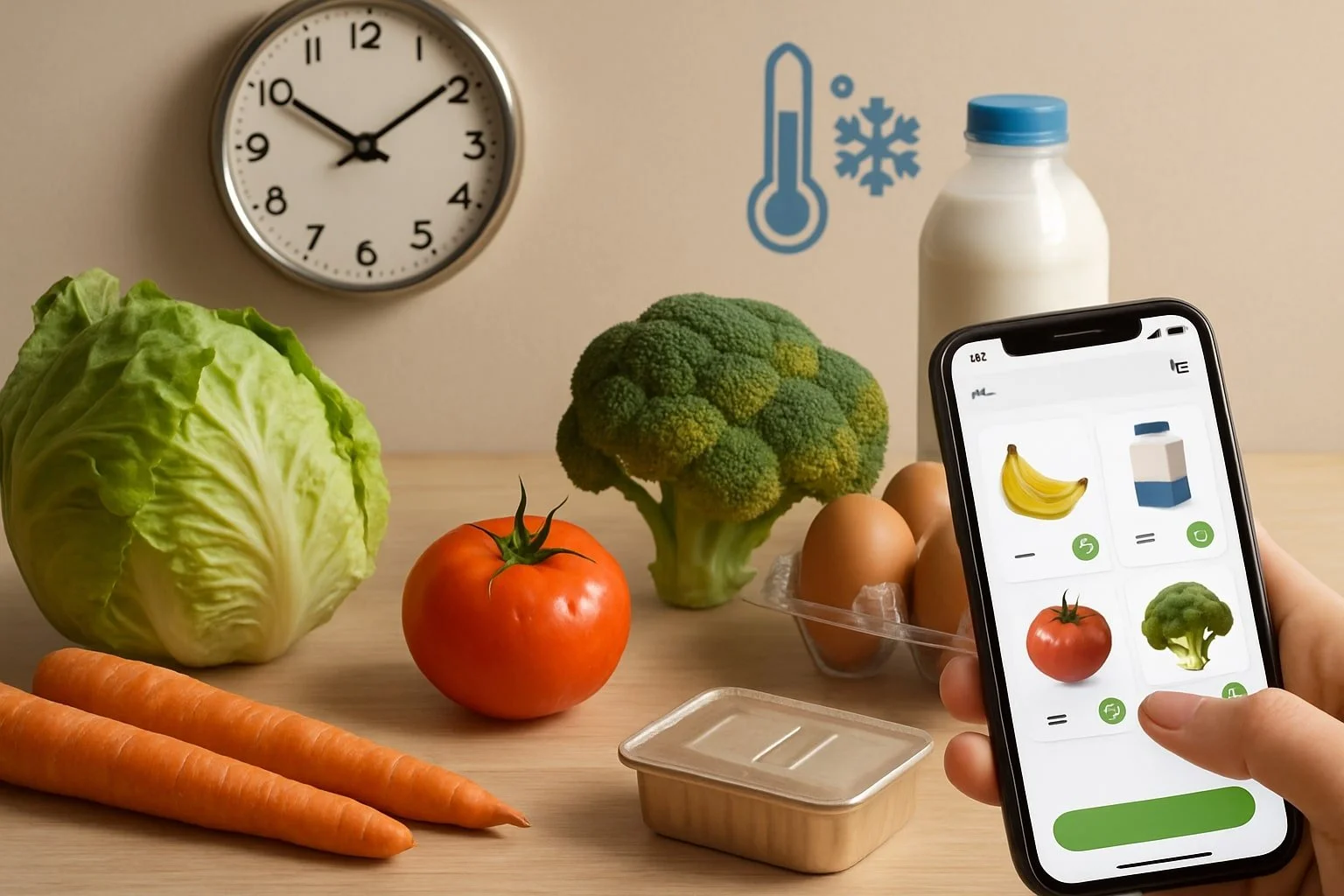
Online grocery services have made it more convenient than ever for customers to buy groceries from home, but they also introduce unique challenges that are easy to overlook. Managing the shelf life of fresh products in a virtual environment is more complex, leading to increased risks of product waste, inconsistent availability, and disappointed customers. These difficulties are compounded by the need for accurate inventory, efficient logistics, and real-time information transfer—all critical for maintaining product freshness.
Many online grocers struggle to track and rotate stock as effectively as traditional stores, resulting in occasional delivery of items with shorter-than-expected shelf lives. The reliance on separate fulfillment centers, staging areas, and third-party delivery services can further complicate this process and affect overall product quality.
Understanding Shelf Life in Online Grocery Shopping
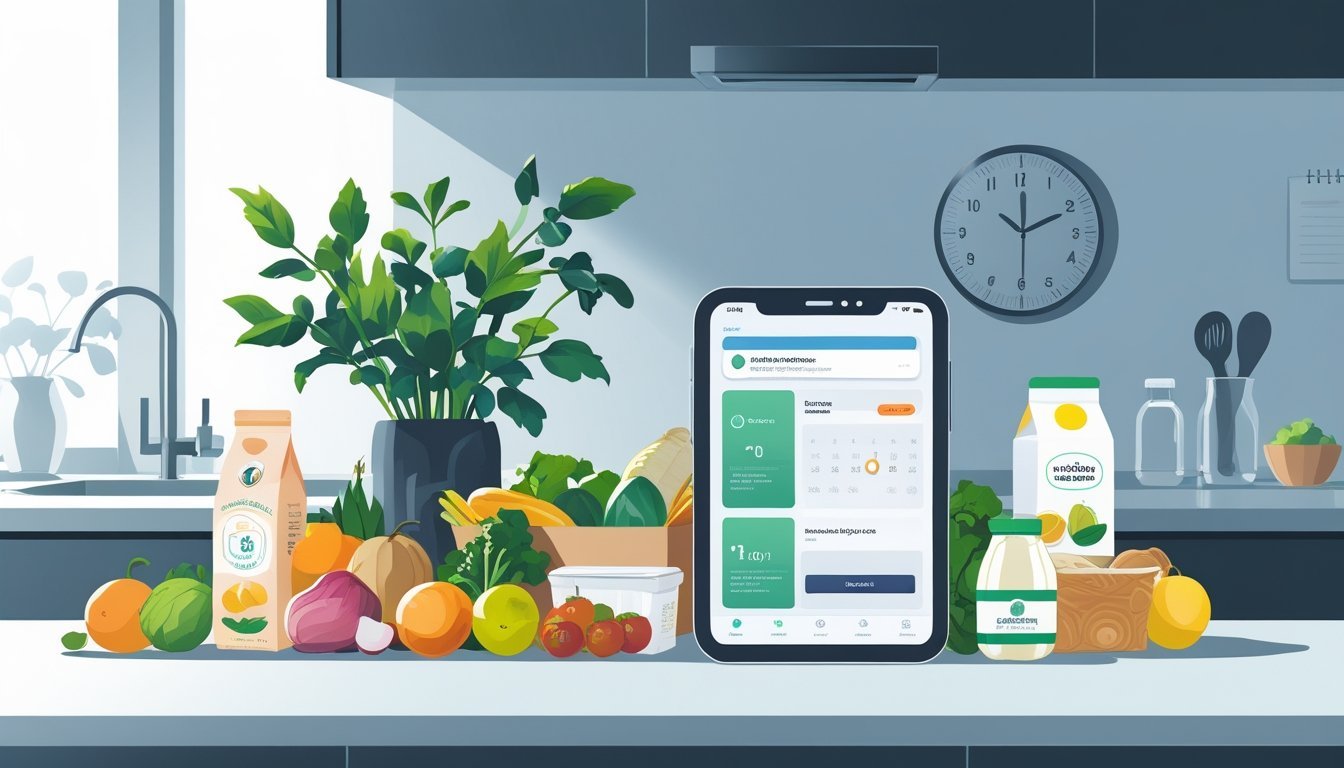
Shelf life directly affects product quality, safety, and customer trust during the online grocery shopping process. Managing it well is critical for supermarkets and online retailers to meet consumer expectations and reduce waste.
Defining Shelf Life for Perishable Goods
Shelf life refers to the duration in which a product remains safe and maintains its intended quality under recommended storage conditions. For perishable goods like dairy, meat, and fresh produce, shelf life is often only a few days.
Many factors influence how long perishable items stay fresh. These include temperature, packaging type, and exposure to air or moisture. Food retailers must label expiration or “best before” dates clearly to minimize the risk of delivering spoiled products to customers.
When shelf life is not managed consistently, it can result in higher rates of food waste, customer complaints, and damage to the retailer’s reputation. Online grocery shopping platforms face unique pressure to verify that perishable items are stored and shipped within suitable timeframes.
Online vs. In-Store Shelf Life Considerations
There are key differences in shelf life management between physical supermarkets and online grocery retailers. In-store shoppers can personally inspect freshness and avoid items near expiration, while online buyers rely on accurate listings and promises from the retailer.
Online orders often involve more handling and longer transit times from supplier to customer. This can shorten the effective remaining shelf life by the time goods arrive at the consumer’s door.
Retailers need systems to quickly rotate inventory and track perishables with short shelf life to avoid delivering items that are close to expiring. Using real-time inventory management and updating product listings with accurate shelf life data can reduce customer dissatisfaction.
Impact of Supply Chain Complexity
Supply chains for online grocery are often more complex, with multiple stages such as storage, order picking, packaging, and last-mile delivery. Each stage presents risks that can reduce shelf life, especially for temperature-sensitive items.
Challenges include:
Maintaining cold chain logistics to prevent spoilage
Identifying and eliminating slow-moving inventory
Minimizing delays at distribution centers and during delivery
Longer transit routes, varying storage facilities, and frequent handling increase the likelihood of products reaching customers with a reduced shelf life. Online retailers and supermarkets must invest in technology and staff training to monitor and manage these risks continuously. Even small lapses can result in more expired or stale goods reaching consumers, affecting both cost and reputation.
The Role of Supply Chain and Logistics
Managing the supply chain for online grocery delivery involves unique challenges. Efficient inventory tracking, strict temperature control, and quick adaptation to rapid market growth are all necessary for maintaining product freshness.
Inventory Management Challenges
Online grocery retailers must monitor thousands of SKUs that can quickly change due to seasonal shifts and customer preferences. Unlike traditional stores, demand forecasting is less predictable due to real-time delivery services and increased promotions.
Many platforms, such as Amazon and Walmart, rely on advanced software and automation to track real-time stock levels. However, difficulties arise from out-of-stock risks, spoilage, and the need to synchronize orders across multiple fulfillment centers.
Perishable goods like dairy and produce require higher turnover rates. Misjudging demand can lead to food waste or stockouts, directly impacting shelf life for customers. Rapid delivery windows also shorten the time available for inventory correction.
Inventory Risks Impact Stockouts Lost sales, poor CX Overstock Waste, financial loss Inaccurate Forecasts Freshness, efficiency
Transit Times and Temperature Control
Maintaining cold-chain integrity is essential for fresh and frozen foods. Each additional hour in transit can reduce the shelf life of sensitive items. Delays in last-mile delivery, especially during extreme weather, increase spoilage risk.
Both Amazon Fresh and Walmart Grocery rely on insulated packaging, refrigerated vehicles, and real-time tracking to safeguard product quality. Food delivery services face extra challenges in urban areas with traffic congestion or rural regions with long delivery routes.
Temperature monitoring is necessary at every step. If cold chain breaks, items like meat or seafood may become unsafe, and subtle quality loss occurs even when items are still edible.
Rapid Expansion and Distribution Networks
Demand for online grocery has led to the rapid growth of distribution networks. This expansion requires investment in new fulfillment centers, electric vehicles, and advanced route planning to handle high order volumes.
Major players such as Walmart and Amazon deploy micro-fulfillment centers closer to urban customers. These improvements can shorten delivery windows but also increase operational complexity during scaling.
The transition to electric vehicles in delivery fleets is gaining traction. While beneficial for sustainability, it requires infrastructure upgrades and can affect delivery speed due to charging needs or limited range.
List of logistics considerations for rapid scaling:
Site selection for new warehouses
Workforce training and retention
Route optimization software
Upgrading cold storage capacity
Impact on Fresh Produce and Perishable Foods
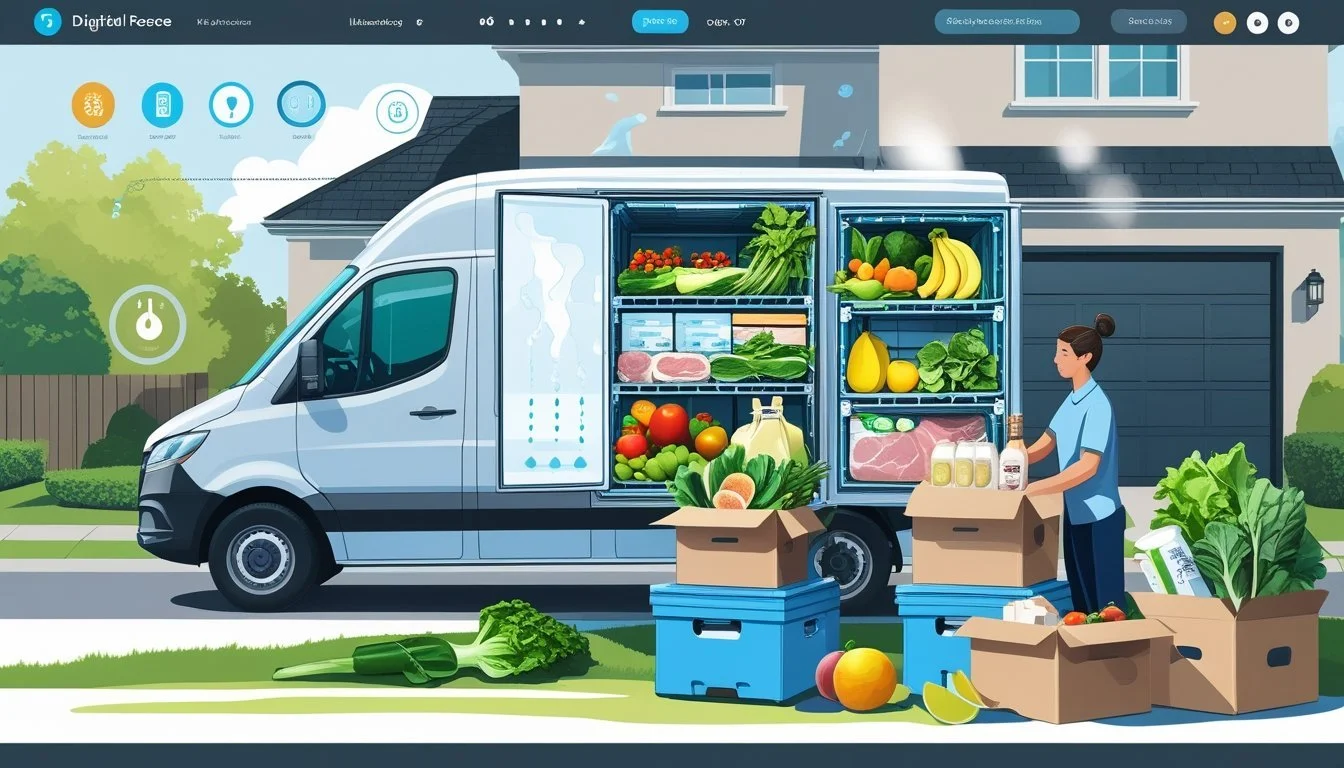
Online grocery services face unique shelf life challenges for items like fresh produce and other perishable foods. The key issues are maintaining product quality, improving packaging technologies, and managing product returns and spoilage.
Quality Assurance for Fruits and Vegetables
Maintaining the freshness of fruits and vegetables is crucial for both customer satisfaction and food safety. Online food retailers must frequently monitor temperature and moisture levels during storage and transit. Inconsistent handling or improper storage conditions can lead to rapid decline in product quality.
According to industry studies, berries, leafy greens, and cut produce are among the most perishable items. Automated sorting systems, quality checks at distribution centers, and digital tracking of expiry dates help reduce risks. Retailers often use first-expired-first-out (FEFO) strategies, but inconsistent turnover in online shopping carts can impact the effectiveness of these practices.
Packaging Innovations for Extended Freshness
Innovation in packaging plays a critical role in extending the shelf life of perishable foods sold online. Modified atmosphere packaging (MAP), breathable films, and smart packaging with freshness indicators are becoming common. These advances help slow spoilage by managing gases and humidity around the product.
Food delivery operations rely on insulated containers and gel packs to maintain cold chain integrity during transit. Table 1 below outlines some common packaging technologies:
Technology Function Modified Atmosphere Packaging Slows ripening and spoilage Insulated Containers Maintains required temperature Freshness Sensors Monitors and signals spoilage
Strategic selection of packaging materials also reduces food waste and ensures freshness reaches the end customer.
Handling Returns and Spoilage
Returns and spoilage present critical challenges for online food retailers. Perishable items returned by customers often cannot be resold due to safety concerns. This increases waste and impacts profitability.
Retailers must establish clear return policies and invest in rapid response teams to assess returned goods. Some use data analytics to identify patterns in spoilage or common causes for returns, enabling process improvements.
Effective communication with customers about storage requirements and best-before dates can also help lower return rates. Addressing spoilage quickly helps prevent further losses in both inventory and customer trust.
Customer Experience and Satisfaction

Shelf life management in online grocery shopping directly affects how shoppers perceive value and reliability. When freshness or product quality does not meet customer expectations, shoppers may reconsider their loyalty or switch to other platforms.
Influence on Customer Loyalty
Customer loyalty in online grocery hinges on consistent, positive shopping experiences. Timely delivery, clearly marked expiration dates, and dependable handling of perishable goods contribute to repeat business.
Lapses in shelf life management, such as sending items close to expiration, can erode trust quickly. Many customers who are disappointed by stale or near-expiry products may discontinue using the same service or shift to competitors.
To retain loyalty, online retailers often use incentives like discounts on short-dated items and proactive communication about product shelf lives. A transparent approach helps reduce switching rates and encourages long-term customer relationships.
Perceived Freshness Versus Actual Shelf Life
Shoppers frequently judge product freshness based on appearance and delivery timing rather than actual shelf life dates. Online grocery services must bridge the gap between consumer perceptions and the reality of a product’s shelf stability.
Challenges appear when the freshness expected does not align with the expiration date visible upon delivery. Packaged foods with longer shelf life may not cause issues, but produce and dairy can disappoint if not monitored closely by fulfillment teams.
Publishing clear shelf life information and setting minimum days-to-expiry standards can help align expectations. This approach gives customers control and supports higher satisfaction rates by minimizing negative surprises.
Feedback and Resolution for Shelf Life Issues
Handling shelf life complaints quickly is essential for maintaining customer satisfaction. Online grocery retailers often receive feedback through apps or customer service channels when products do not meet freshness expectations.
Prompt resolution, such as refunds, replacements, or credits, reduces frustration and rebuilds trust. Retailers benefit by logging these issues to identify recurring supply chain or fulfillment problems.
By actively addressing shelf life concerns, platforms can turn potentially negative experiences into chances to strengthen loyalty. Direct feedback from customers also helps refine stocking, picking, and delivery processes for greater consistency.
Sustainability and Waste Management
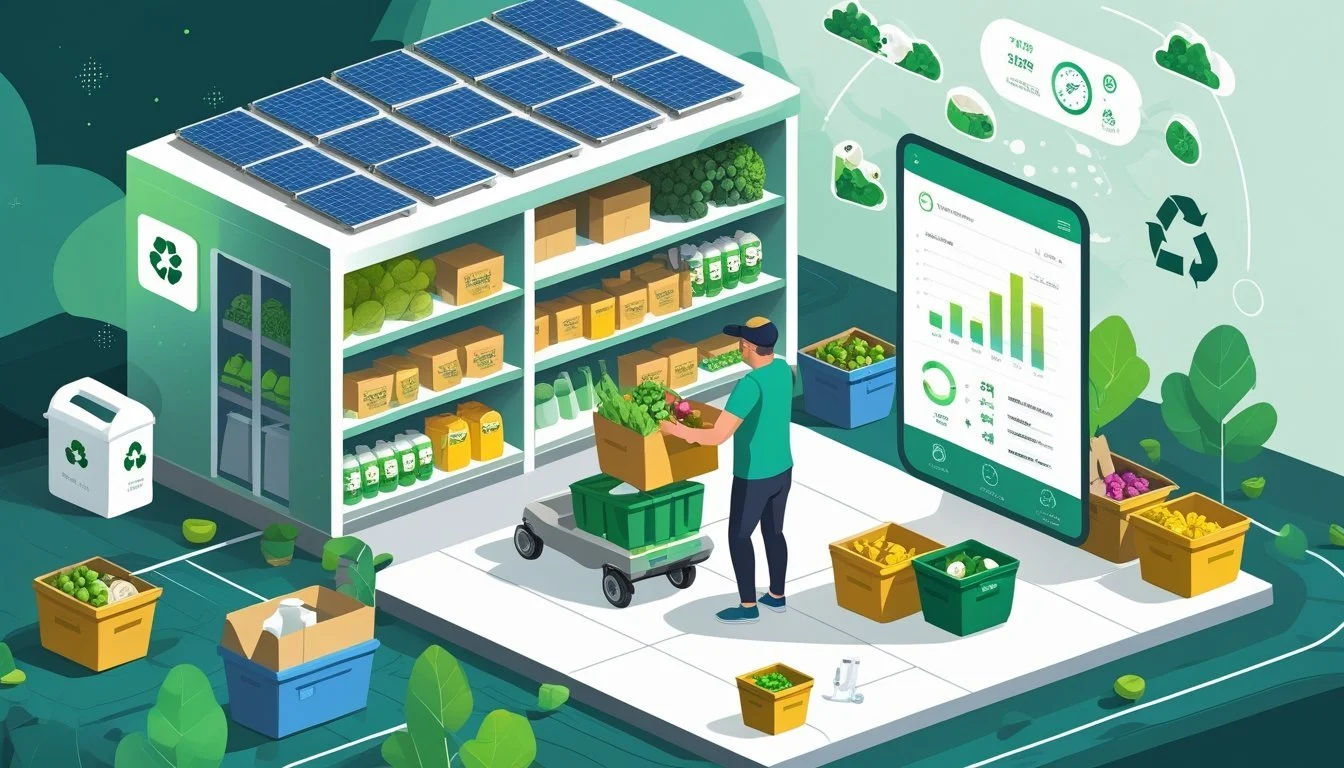
Innovations in grocery retail are reshaping how companies approach sustainability and waste. Reducing food losses, improving package designs, and deploying new technologies are becoming essential strategies for both retailers and delivery services.
Minimizing Food Waste through Technology
Grocery retailers are adopting technology-driven solutions to manage inventory and predict demand more accurately. Artificial intelligence (AI) and advanced analytics can help track product shelf life, automate markdowns, and identify which perishable items are nearing expiration.
For online grocery, this means fewer unsold goods and less food going to landfill. By using real-time data, retailers can proactively adjust stock levels and run timely promotions to move at-risk items. This approach supports both environmental goals and operational efficiency.
Online platforms may also encourage shoppers to buy more suitable quantities, as digital interfaces highlight expiration dates and current stock. This data transparency helps consumers make informed choices, ultimately reducing household food waste. These technological advancements align economic interests with sustainability targets.
Sustainable Packaging Solutions
Packaging is another critical area of innovation in online grocery. Traditional plastic bags and excess materials can increase environmental impact, leading retailers to explore biodegradable, compostable, and recyclable alternatives.
Many online grocers are introducing reusable delivery totes or encouraging customers to return packaging for reuse. Simple changes, such as reducing unnecessary wrapping or transitioning to single-material containers, can make recycling easier for households.
A table of common sustainable packaging materials:
Material Description Key Benefit Compostable Film Plant-based, breaks down Reduces landfill load Recyclable Paper Easily processed Lower energy to recycle Bioplastics Derived from plants Fewer fossil resources
Retailers must balance durability and food safety with environmental concerns, making packaging innovation a continuous challenge and opportunity in the online grocery sector.
The Impact of the COVID-19 Pandemic on Shelf Life Practices
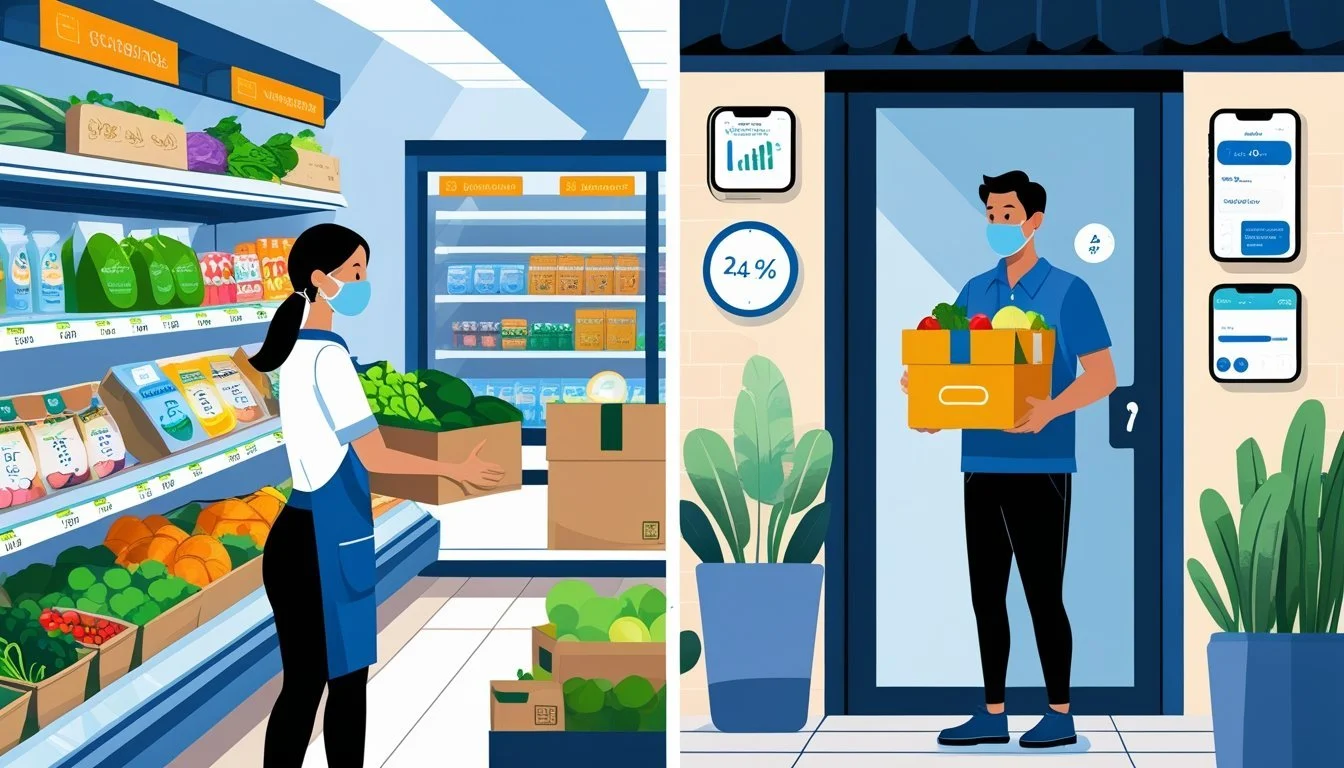
The COVID-19 pandemic exposed weaknesses and forced rapid adjustments in grocery logistics and shelf life management. Retailers and platforms faced increased pressures to balance supply chains, freshness, and consumer safety as shopping habits shifted.
Increased Demand and Its Challenges
Lockdowns and safety measures led to a surge in online grocery orders, with companies like Amazon and Walmart reporting unprecedented volume. This spike strained fulfillment centers and put additional pressure on inventory rotation and shelf life tracking.
Products with short shelf lives, such as fresh produce, dairy, and meat, experienced higher risk of spoilage before reaching consumers. Delays in picking, packing, and last-mile delivery sometimes resulted in customers receiving items closer to their expiration dates.
Retailers were forced to prioritize essential goods, which disrupted usual restocking routines. Inconsistent supply chains—caused by unpredictable demand and transportation delays—sometimes led to substitutions or stockouts, impacting product freshness.
Adapting Operations During Coronavirus
Grocery providers adapted quickly by introducing new policies and modifying operational practices. Both brick-and-mortar stores and online platforms implemented measures to limit in-store crowding and promoted contactless delivery options.
Fulfillment centers accelerated investments in automation to improve order accuracy and reduce delays. Some companies, like Walmart, hired additional staff to handle packing and delivery demands, aiming to minimize the time fresh products spent in transit.
Digital tracking systems were used to monitor inventory and expiration dates more consistently. Retailers encouraged consumers to accept substitutions or shorter shelf life on some items. These adaptations were essential in maintaining safety and efficiency during the pandemic, despite ongoing challenges in shelf life management.
Future Trends in Online Grocery Shelf Life Management
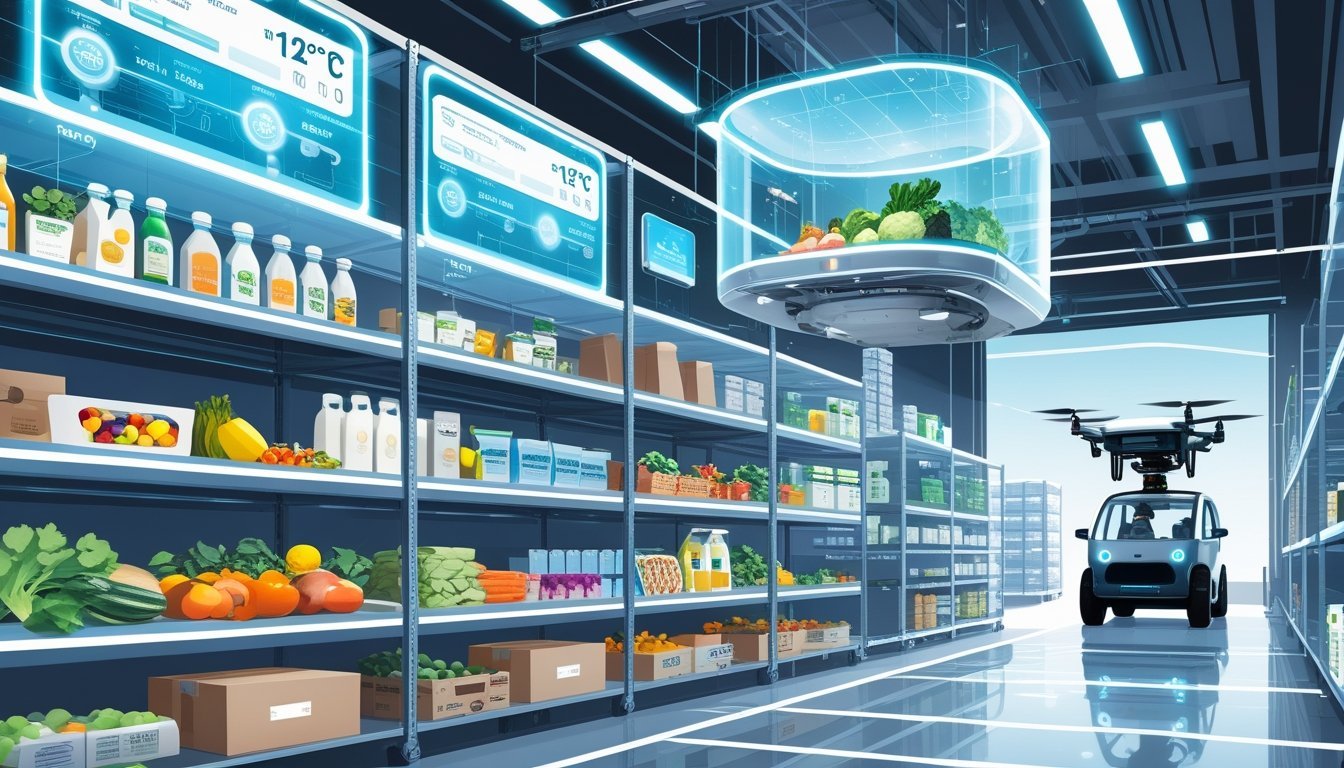
Modern online grocery relies on precise shelf life management to reduce waste and keep costs down. Driven by new technologies and retailer strategies, leading companies are rethinking how to track and handle perishable inventory.
Emerging Technologies
Artificial intelligence (AI) and machine learning are critical for predicting demand and shelf life. These technologies help platforms analyze buying patterns, inventory levels, and real-time shelf life data. Sensors and the Internet of Things (IoT) provide tools to monitor temperature and humidity during storage and delivery, minimizing spoilage risk.
Blockchain is gaining traction for establishing transparent and verifiable product histories. This can assure customers about freshness and handling standards. Digital platforms use dynamic pricing, offering deeper discounts as products near expiration, which effectively reduces food waste and increases inventory turnover.
Ongoing Innovations by Leading Food Retailers
Leading retailers like Amazon and Walmart invest in proprietary systems to optimize product rotation and delivery schedules. Amazon uses advanced data analytics in its fulfillment centers to monitor and prioritize soon-to-expire goods, automating replenishment and markdown processes.
Walmart has implemented real-time tracking solutions and mobile apps for staff to manage shelf life more efficiently. E-commerce grocery services often integrate consumer-facing alerts, so customers can see expiration dates before checkout. These innovations result in an improved customer experience and fewer losses related to expired inventory.
Both companies are exploring partnerships with suppliers to synchronize data, ensuring accurate shelf life information from warehouse to customer delivery. As e-commerce expands, continuous innovation in this area remains critical for sustainable growth and customer trust.

