
Bioplastics and Their Shelf Life Implications
What Manufacturers and Consumers Need to Know
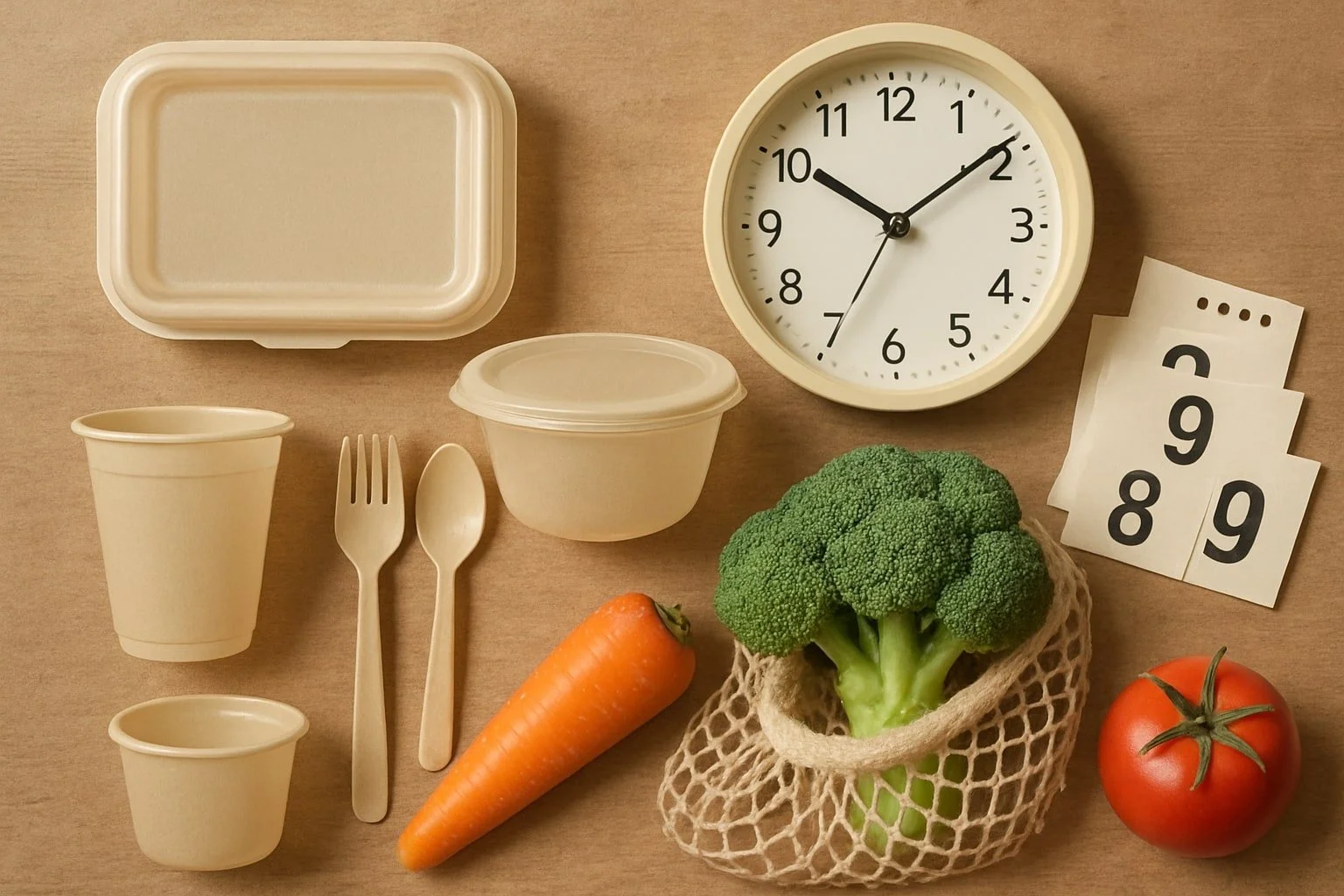
Bioplastics are gaining attention as a more sustainable alternative to traditional plastics, promising a reduced carbon footprint and improved environmental outcomes. As consumers and industries look for greener choices, questions arise about how bioplastics actually perform throughout their intended lifespan. The shelf life of bioplastics can differ significantly from conventional plastics, often presenting challenges with durability and long-term storage, depending on the specific application and composition.
While bioplastics offer advantages like enhanced biodegradability and renewable sourcing, their stability under real-world conditions remains a key consideration. Product developers and end users need to understand how these materials balance functional lifespan with end-of-life management.
The implications of shelf life impact packaging, food safety, and product effectiveness. Knowing these differences can help guide informed decisions about where and how to use bioplastics most effectively.
Understanding Bioplastics
Bioplastics are a class of materials designed to reduce dependency on fossil resources and decrease environmental impacts. These materials offer diverse properties and uses, with differences mainly stemming from their origins and chemical structures.
Definition and Types
Bioplastics are generally defined as plastics that are either bio-based, biodegradable, or both. Bio-based refers to plastics derived partly or entirely from renewable sources such as corn, sugarcane, or cellulose. Biodegradable means that the material can break down through the action of living organisms under specific conditions.
There are two main types:
Bio-based but non-biodegradable plastics (e.g., bio-PE, bio-PET)
Biodegradable plastics (can be bio-based or fossil-based, e.g., polylactic acid (PLA), polybutylene succinate (PBS))
Not all bioplastics are biodegradable, and not all are fully bio-based. The definitions often overlap, but these distinctions are important.
Bio-Based vs Traditional Plastics
Bio-based plastics use renewable feedstocks, like plant sugars or starches, instead of petroleum. This change in raw materials reduces reliance on fossil fuels and can minimize greenhouse gas emissions during production.
Traditional plastics, such as polyethylene (PE) and polypropylene (PP), are made from petrochemicals. Their production and disposal contribute to carbon emissions and long-term waste issues. In contrast, bio-based plastics may offer improved end-of-life options, including compostability or enhanced recyclability, depending on the polymer.
However, manufacturing bio-based plastics can still require energy and resources, and environmental benefits depend on sourcing and management practices. Performance and appearance are often similar to traditional plastics, especially for materials like bio-based PET, which is chemically identical to its fossil-derived counterpart.
Biopolymers and Bio-Based Polymers
Biopolymers are natural or synthetic polymers produced from renewable biological sources. They include polymers like starch, cellulose, and proteins, as well as chemically synthesized materials from bio-based monomers, such as PLA.
Key distinctions:
All biopolymers are bio-based, but not all bio-based polymers are biodegradable.
Some biopolymers, like PLA, are designed for specific end-of-life options such as industrial composting.
Bio-based polymers can match the performance of conventional plastics or offer biodegradability. The choice depends on application, required shelf life, and disposal method. Properties like strength, barrier function, and flexibility can vary depending on the feedstock and polymerization process.
Common Bioplastic Materials
Several bioplastic materials dominate the market due to their balance of performance and sustainability. Polylactic acid (PLA), made from fermented plant sugars, is widely used for packaging and disposable items. It is compostable under industrial conditions but not in home compost.
Starch-based plastics are often blended with other biopolymers or synthetic materials. They are used for bags and food packaging and can be biodegradable.
Cellulose-based plastics rely on wood or cotton as raw material. They offer good transparency and are suitable for films and coatings.
Bio-based PET and PE have identical properties to their petroleum-based equivalents but originate partly from biomaterials. Their recyclability is equivalent to traditional plastics, but their biodegradable potential is limited. This variety allows producers to select a material tailored to specific product requirements and sustainability goals.
Shelf Life of Bioplastics
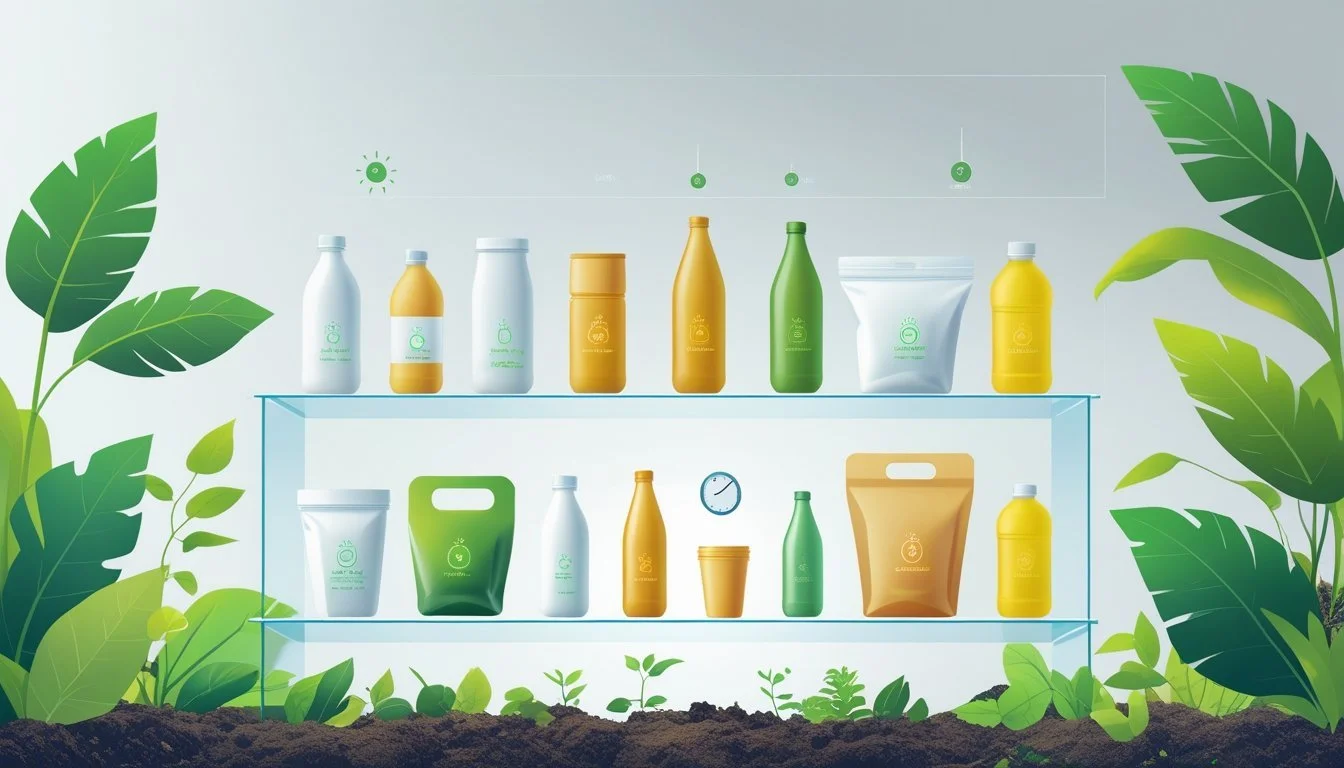
Bioplastics exhibit a shelf life comparable to conventional plastics under proper storage conditions. Factors like material composition, environmental exposure, and packaging design significantly influence their performance, especially for food safety and packaging applications.
Factors Affecting Shelf Life
The shelf life of bioplastics is determined primarily by the type of bioplastic, the presence of additives, and how the product is stored. For example, polylactic acid (PLA) and cellulose-based films each have different stability characteristics.
Exposure to light, oxygen, and moisture can accelerate degradation or compromise the integrity of bioplastic items. Factories commonly specify a shelf life of 10–12 months for bioplastic packaging, but this can vary with environmental conditions and intended use.
Critical shelf life factors include:
Bioplastic type (PLA, PHA, starch blends, etc.)
Presence of reinforcing additives or coatings
Exposure to sunlight and air
Storage and handling procedures
Proper control over these elements helps maintain optimal performance and food safety for packaged goods.
Role of Temperature and Humidity
Temperature and humidity play major roles in preserving or shortening the shelf life of bioplastics. High temperatures can deform or soften certain materials, especially compostable bioplastics, leading to changes in mechanical strength or barrier properties.
Excess moisture may accelerate hydrolytic degradation, particularly in starch-based or cellulose-derived packaging films. For long-term shelf stability, most bioplastics should be stored in cool, dry environments away from fluctuating humidity levels.
Temperature and humidity controls are especially important for food packaging. Uncontrolled conditions can result in early breakdown, risking both food safety and structural integrity of the packaging material.
Packaging Materials and Performance
Selection of packaging materials directly affects how well bioplastics protect products, especially perishables. Advanced bioplastic films have been shown to extend shelf life for items like oranges and tomatoes by up to 9 weeks, mainly by maintaining color and odor.
Performance depends on characteristics such as oxygen and moisture barrier properties. Multi-layer designs and coatings can improve protective functions, making bioplastics suitable for more demanding food safety requirements.
Comparison Table—Key Properties:
Material Type Barrier to Oxygen Moisture Resistance Typical Use PLA Moderate Low Food trays, containers Cellulose films High Moderate Produce packaging Starch blends Low Low Compostable bags
Choosing the appropriate material and design solutions maximizes shelf life and food safety in bioplastic packaging.
Biodegradability and Compostability
Bioplastics can offer distinct end-of-life options such as biodegradability and compostability, depending on their chemical composition. These properties impact how plastics behave in real-world waste management and influence disposal practices.
Compostable Plastics Characteristics
Compostable plastics are engineered to break down in controlled composting settings, typically under industrial conditions. They must meet specific standards, such as the ability to disintegrate within a set timeframe and not leave toxic residues.
Key features include:
Breakdown facilitated by heat, moisture, and microbial activity
Resulting material is mainly water, carbon dioxide, and biomass
Tested by standards like ASTM D6400 or EN 13432 for compostability.
It's important to note that not all biodegradable plastics are compostable. Compostable products are designed to be safe for soil and plant growth. Certification ensures that compostable plastics will not contaminate compost with microplastics or hazardous chemicals.
Biodegradable Plastics in Waste Streams
Biodegradable plastics are designed to decompose naturally by microorganisms but may do so under a wider range of conditions than compostable plastics. They can degrade in soil, water, or landfill, but the rate and completeness of breakdown depend on the environment.
In waste streams, labeling can cause confusion:
"Biodegradable" does not guarantee home compostability
Some biodegradable plastics may persist if composting conditions are insufficient
In mixed recycling or landfill, degradation may be very slow or incomplete.
Standardized labels and certifications help clarify disposal pathways. Ensuring separation of biodegradable plastics from conventional plastics is essential for effective waste management and to prevent contamination of recycling streams.
Environmental Impact and Sustainability
Bioplastics introduce both benefits and challenges in terms of environmental sustainability. Their impact varies with factors like raw material sources, production methods, and end-of-life management.
Plastic Waste and Pollution
Bioplastics are often promoted for their potential to reduce plastic waste, as some are compostable or biodegradable under certain conditions. However, not all bioplastics break down efficiently in natural environments or regular landfills.
Conventional plastic pollution remains a significant concern, while bioplastics can still contribute to waste if not properly managed. Specific types, such as PLA or starch-based bioplastics, may require industrial composting facilities for complete degradation.
A clear waste management strategy and infrastructure are essential to prevent unintended environmental consequences. Table 1 outlines common disposal methods for various bioplastics:
Type Degrades In Nature? Industrial Composting Needed? PLA Rarely Yes Starch Blends Sometimes Often Bio-PE or Bio-PET No No
Greenhouse Gas Emissions
The production of bioplastics usually results in lower greenhouse gas emissions than most conventional plastics. This reduction is mainly due to the use of renewable resources, such as corn or sugarcane, which absorb carbon dioxide during growth.
Despite these advantages, bioplastic manufacturing still emits CO₂ and other greenhouse gases, especially if fossil fuel energy or intensive agriculture is involved. The emissions savings can be offset by land-use changes, chemical inputs, and transportation.
Monitoring emissions across all stages—from crop cultivation to disposal—is vital for measuring the true climate impact. A life cycle perspective helps distinguish between bioplastics that actually mitigate the greenhouse effect and those that do not.
Carbon Footprint Assessment
A complete carbon footprint assessment, often performed through Life Cycle Assessment (LCA), evaluates bioplastics from their raw material source to their end-of-life processing. Studies have generally found that several bioplastics, such as PLA and bio-based PET, have a smaller carbon footprint than petroleum-based plastics.
Differences in energy sources, transportation distances, and agricultural practices cause significant variation in results. For example, bioplastics made from waste feedstocks or cultivated with low-impact methods show greater carbon savings.
Key elements in a carbon footprint assessment include:
Energy used in processing and transportation
Agricultural inputs (fertilizers, pesticides)
End-of-life emissions (composting, landfill, recycling)
Comparing bioplastics and conventional plastics using LCA helps identify hotspots for improving sustainability.
Environmental Viability and Circular Economy
The role of bioplastics in the circular economy is still evolving. While they offer a renewable alternative within the plastics economy, their true sustainability depends on how effectively they fit into existing waste management systems and whether they support models of reuse, recycling, or composting.
Effective integration requires infrastructure for composting, recycling, and product take-back schemes. Without such systems, bioplastics can end up in landfills, losing their sustainability advantage.
Sustainable development strategies emphasize designing bioplastics for compatibility with recycling streams or composting facilities. Building a viable circular economy for bioplastics hinges on collaboration between producers, consumers, and policymakers, with a focus on material recovery and long-term resource efficiency.
End-of-Life Options and Waste Management
Effective end-of-life management of bioplastics involves several key approaches: recycling to recover material value, incineration for energy production, and composting to enable organic waste transformation. Each method affects waste management systems and environmental outcomes differently.
Recycling of Bioplastics
Bioplastics can be separated and recycled, but their compatibility with existing plastic recycling streams varies.
Bio-based PET and PE are chemically similar to their fossil-based counterparts. These materials can enter traditional recycling flows without significant issues.
Biodegradable polymers such as PLA, however, may disrupt standard recycling processes if not sorted properly. Their chemical differences may lead to contamination of recycled products.
Mechanical recycling of bioplastics relies on clean waste streams, limited by low collection rates and material sorting challenges. Chemical recycling is still largely at the pilot stage for many bioplastics, and the infrastructure remains less developed than for conventional plastics.
Clear labeling and robust sorting systems can help improve recycling outcomes. The effectiveness of recycling bioplastics depends strongly on local waste management practices and available technology.
Incineration and Its Implications
Incineration is a common end-of-life route for municipal solid waste and can include bioplastics.
When incinerated, bioplastics with biobased carbon release carbon previously absorbed from the atmosphere, often considered "carbon neutral." However, not all carbon is biobased, and incomplete combustion can lead to emissions of pollutants such as dioxins or particulates.
Energy recovery from incineration is possible, but the benefit is often lower than material recovery through recycling or composting. In regions where landfill space is limited, incineration may be preferred, but high moisture contents in certain bioplastics may reduce energy efficiency.
Proper emission controls and modern incinerator designs are critical for minimizing negative impacts. Regulations differ by country, impacting the role incineration plays in plastic waste management.
Composting and Industrial Facilities
Composting is a major end-of-life option for biodegradable bioplastics, but strict conditions are usually required.
Industrial composting facilities operate at temperatures above 55°C and maintain high humidity and aeration levels. These settings allow bioplastics labeled as "compostable" (such as PLA or PBAT blends) to break down within a few weeks to months.
Home composting conditions are less controlled, often resulting in incomplete degradation. Certification labels (e.g., EN 13432, ASTM D6400) indicate whether a bioplastic is suitable for industrial composting.
Widespread adoption depends on the availability of composting infrastructure and public waste collection systems that recognize compostable plastics. In regions lacking suitable facilities, compostable bioplastics may still end up in landfill or incineration streams, limiting their environmental benefits.
Life Cycle Assessment of Bioplastics
Life cycle assessment (LCA) is a standardized methodology to evaluate environmental impacts from all stages of a product's life, including bioplastics. Key considerations include impacts from material sourcing, production, and how products are handled after use.
LCA Methodologies
LCA of bioplastics involves collecting data on resource inputs, emissions, energy use, and waste generation from raw material acquisition through production, use, and end-of-life.
Researchers rely on tools such as ISO 14040/14044 standards and databases like Ecoinvent to standardize comparisons. Analysis typically follows four phases: goal and scope definition, inventory analysis, impact assessment, and interpretation.
Data quality, system boundaries, and allocation of impacts (especially with co-products like biofuel and bioplastics) significantly affect results. Different functional units—like “per kilogram of plastic” or “per packaging use”—may change findings.
Impact of Feedstock Choices
The environmental impact of bioplastics is strongly influenced by feedstock selection. Common renewable resources include corn, sugarcane, starch, and lignocellulosic biomass.
Feedstocks affect land use, water use, and greenhouse gas emissions. For instance, sugarcane-based plastics typically have lower CO₂ footprints than corn-derived plastics, but they may require more irrigation or impact local biodiversity.
A quick comparison:
Feedstock Type Typical Application GHG Emissions Land Use Water Use Corn PLA bottles, films Moderate High Moderate Sugarcane Bio-PET, films Low Medium High Lignocellulosic biomass PHB, advanced resins Low Low Low/Moderate
Choosing non-food biomass can lower competition with food supply but may raise processing complexity.
Comparisons to Petroleum-Based Plastics
When compared to conventional plastics from fossil resources, many bioplastics demonstrate reduced carbon footprints and lower reliance on non-renewable resources.
For example, replacing 20% of PET bottles with PLA bottles has been shown to significantly cut greenhouse gas emissions, according to LCA research. Bioplastics like PLA and PHB are often biodegradable or compostable, further reducing some end-of-life impacts.
However, the extent of environmental benefits depends on factors like production energy sources and local waste management practices. Some bioplastics can still generate negative impacts if agricultural inputs or processing emissions are high. LCA recognizes both the advantages and challenges, making direct, context-specific comparisons essential.
Bioplastics and Food Security
Bioplastics have gained attention for their role in reducing environmental impact while also addressing practical needs in the food industry. Their use in packaging and preservation directly influences food safety, accessibility, and waste reduction.
Use in Food Packaging
Bioplastics are increasingly used as alternatives to traditional plastics in food packaging. They are derived from renewable resources like starch, cellulose, and proteins, which makes them less dependent on fossil fuels.
Many bioplastics offer good barrier properties against moisture and gases. This helps prevent contamination and spoilage during storage and transportation. Some bioplastic packaging can be combined with antibacterial materials or edible coatings to further reduce foodborne risks.
The adoption of bioplastics can strengthen food security by preserving product quality and reducing plastic waste in landfills and oceans. This contributes both to environmental protection and to a safer, more stable food supply chain.
Shelf Life Implications for Perishables
Shelf life is a critical factor in food security, particularly for perishable goods such as fruits, vegetables, dairy, and meats. Bioplastic packaging is designed to control gas exchange and moisture levels, which helps delay microbial activity and oxidation.
For example, some bioplastics regulate CO₂ and O₂ transfer rates, slowing down spoilage and keeping produce fresher for longer. Edible or biodegradable coatings made from biopolymers like soy protein and starch have been shown to extend shelf life by creating protective barriers.
By prolonging freshness and reducing spoilage, bioplastics can decrease food loss along the supply chain. This efficiency not only supports food safety but also makes more nutritious food available to end consumers, enhancing food security on a broader scale.
Human Health Considerations
Bioplastics, while designed for reduced environmental impact, can involve specific health risks related to microplastic generation and chemical additives. Understanding how these materials interact with the human body is key for proper risk assessment and safety management.
Microplastics and Health
When bioplastics degrade, they may still produce microplastic particles similar to conventional plastics. These small fragments, often less than 5 mm in size, can enter the human body through ingestion or inhalation.
Current evidence indicates that microplastics from all plastic sources, including bioplastics, can pass through the digestive system. It is uncertain how much is absorbed, but concerns exist about potential accumulation or cellular interactions.
A table of possible exposure routes:
Exposure Route Example Ingestion Contaminated food and beverages Inhalation Airborne household dust or fibers
Long-term health effects of microplastics are not fully documented. Some studies raise concerns about inflammation, cellular stress, or transfer of chemical pollutants, but scientific consensus has not yet been reached.
Impact of Additives and Residues
Bioplastics often require additives—such as plasticizers, stabilizers, or colorants—to achieve certain physical properties or increase shelf life. Some of these substances are similar to those used in conventional plastics and may migrate out of the plastic over time.
While many bioplastics are touted as safer, there is ongoing debate about their chemical safety. Residual monomers and degradation byproducts in bioplastics could cause allergic reactions or toxicity, depending on their specific chemical profiles.
Industry claims vary, with some producers arguing that bio-based plastics contain fewer hazardous substances. However, studies indicate that both bioplastics and traditional plastics can leach chemicals of concern, reinforcing a need for rigorous safety testing and clear labeling.
Emerging Trends and Future Outlook
Bioplastics are gaining traction as biotechnology yields new materials, extending shelf life and opening pathways to reduce traditional single-use plastics. Industry projections indicate bioplastic production will rise sharply in coming years, but technical and economic challenges remain significant.
Biotechnology Advancements
Advances in biotechnology have led to the development of bioplastics using a wider range of renewable resources, such as corn starch, sugarcane, and even algae. Researchers are engineering bacteria and yeast strains capable of converting these feedstocks into polymers like polylactic acid (PLA) and polyhydroxyalkanoates (PHA).
Genetic modification allows for optimized polymer properties, improving bioplastic versatility and functionality. This offers the potential for tailored molecular structures matched to specific product requirements.
Recent breakthroughs include the creation of bioplastics with enhanced water resistance, strength, and heat tolerance. This makes them suitable for new applications, from packaging to automotive parts.
Innovations in Shelf Life Extension
Shelf life remains a critical factor in bioplastic adoption. Novel additives and composite materials are helping bioplastics perform more like conventional plastics in terms of barrier properties and stability.
Key shelf life innovations include:
Multilayer films: Combine bioplastics with thin layers of minerals or bio-based coatings to reduce oxygen and moisture permeability.
Antimicrobial additives: Infused materials can slow degradation and protect products from spoilage.
Nanotechnology integration: Nanoscale fillers enhance mechanical properties and further extend shelf life.
These solutions are being applied to food packaging, personal care products, and more, supporting longer storage without sacrificing biodegradability when disposed of correctly.
Potential for Reducing Single-Use Plastics
The shift towards bioplastics is aimed at minimizing reliance on fossil fuel-based, single-use plastics. Industry reports show the global bioplastics market is projected to more than double in volume between 2024 and 2029.
Adoption is driven by increasing regulations against single-use plastics and growing consumer interest in sustainable packaging. However, bioplastics currently face higher production costs, often $2–$6 per kilogram, compared to conventional plastics.
Wider adoption depends on scaling up production, improving infrastructure for composting and recycling, and continued innovation to ensure bioplastics truly replace traditional single-use items without simply shifting the environmental burden.

