
Emergency Preparedness: Calculating Shelf Life for Stockpiles to Ensure Long-Term Safety
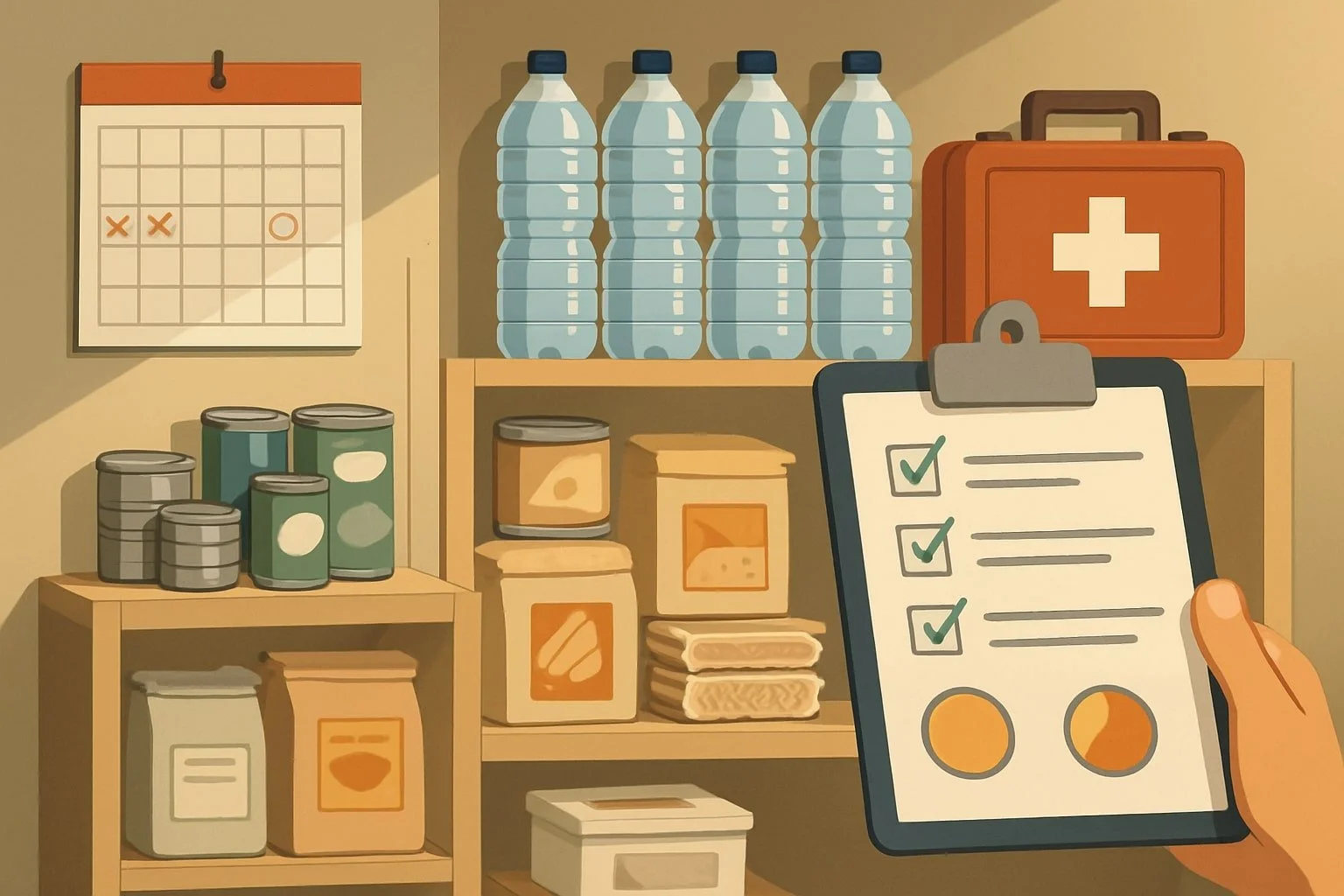
Understanding and accurately calculating the shelf life of foods is essential for anyone focused on emergency preparedness. A food stockpile is only as reliable as the freshness and safety of the items inside it, so knowing exactly how long each product remains usable can prevent waste and health risks.
Emergency food supplies should include a variety of shelf-stable items like canned goods and other non-perishables, each with specific storage times. Low-acid canned foods such as meats and most vegetables typically last two to five years, but regular rotation and clear labeling make it easier to keep track of what’s safe to consume.
Staying organized and routinely checking stockpiles allow individuals to maintain a safe and effective food reserve for any unforeseen event. This approach not only safeguards health but also supports peace of mind during emergencies.
Understanding Shelf Life in Emergency Preparedness
Properly managing shelf life keeps an emergency food supply safe and effective. Knowing the difference between expiry dates and best by dates, and understanding key storage factors, helps maximize the longevity of an emergency pantry.
Definition and Importance
Shelf life refers to how long a product remains safe and suitable for use. In emergency preparedness, shelf life is essential because non-perishable food and other supplies may sit unused for months or years.
Keeping an emergency pantry stocked with items that have a long shelf life reduces the risk of spoiled or unsafe food. Food stockpiling encourages rotating and tracking supplies to avoid waste and maintain readiness.
A clear understanding of shelf life helps prioritize what to store and how often to refresh stock. Common shelf lives for emergency foods include:
Canned goods: 1–5 years (unopened)
Freeze-dried meals: 15–30 years (properly sealed)
Grains and pasta: ~2 years (airtight storage)
Food Expiry Dates vs. Best By Dates
Expiration dates and best by dates often appear similar, but they have different meanings. Expiration dates mean the food should not be consumed after the specified date for safety reasons. Best by dates, on the other hand, indicate when the food is expected to be at its peak quality and freshness, not necessarily when it becomes unsafe.
Many non-perishable foods—such as canned vegetables or dry goods—can remain safe and edible months past their best by date if stored correctly. It is critical to inspect emergency food for signs of spoilage rather than rely solely on packaging dates.
A table comparing the differences:
Label Type Meaning Example Expiry Date Do not eat after this date (safety) Baby formula Best By/Use By Best flavor/quality by this date (quality) Pasta, rice
Factors Affecting Shelf Life
Several key factors affect how long emergency food lasts. Storage conditions play a major role—food stored in cool, dry, and dark environments remains stable for longer. Excessive heat, moisture, and sunlight speed up spoilage.
Proper packaging is also essential. Use airtight containers or food-grade containers to limit exposure to air and moisture. Avoid containers that leach chemicals or allow odors and pests.
Other factors include the type of food and its original packaging. Highly processed, low-moisture foods like dried beans or freeze-dried meals usually have the longest shelf lives when stored under optimal conditions. Regularly check and rotate supplies to keep an emergency pantry reliable.
Types of Foods for Stockpiling
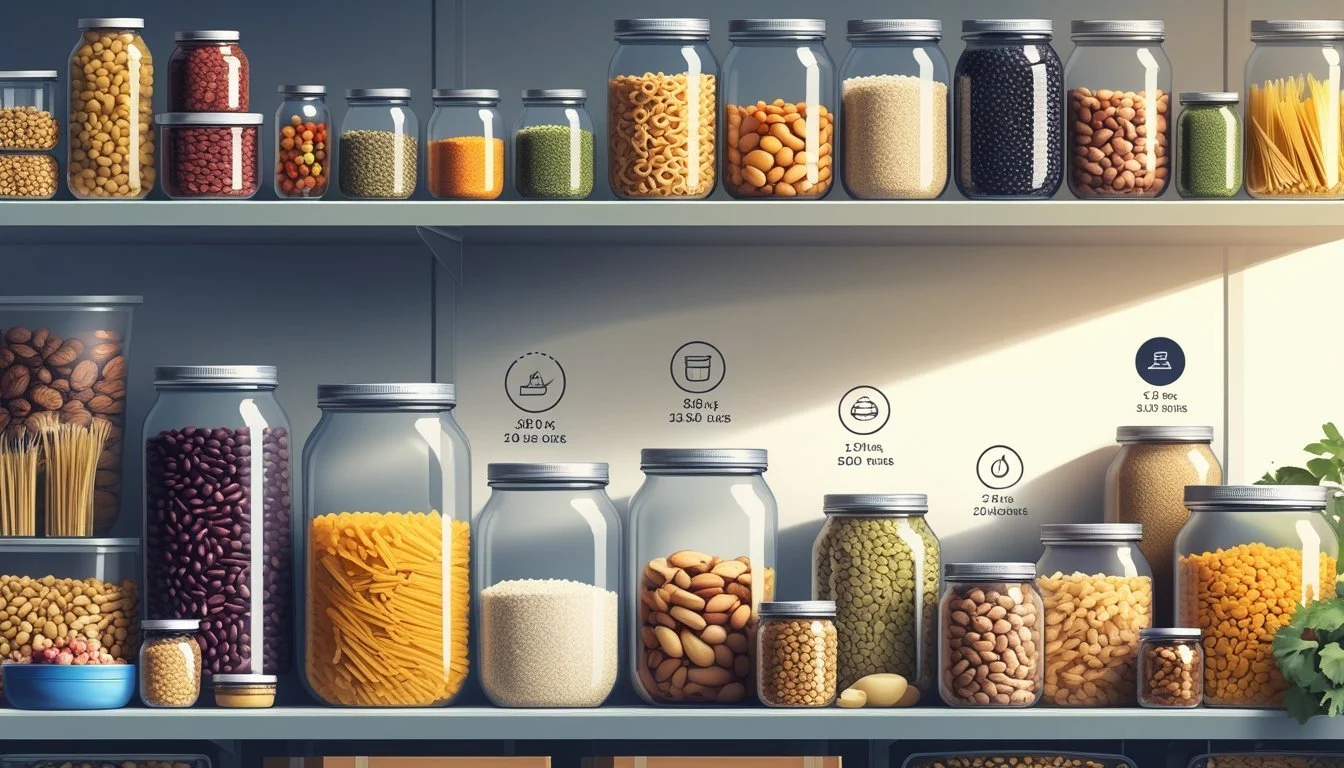
A well-prepared emergency food supply should prioritize shelf stability, nutritional value, and variety. Selecting foods with long shelf lives and minimal storage requirements helps ensure access to essential nutrients during disruptions.
Canned and Jarred Goods
Canned food remains a staple of emergency food storage due to its longevity and convenience. Canned meats such as tuna, salmon, chicken, and turkey provide essential protein, with well-sealed cans lasting two to five years in the pantry.
Canned vegetables, beans, and soups help round out macros and add dietary fiber, vitamins, and minerals. Jarred sauces and fruits also store well, but it's important to check seals and rotate stock for optimal freshness.
Labeling and organizing these goods can reduce waste by ensuring older items are used first. Low-acid canned foods, like meats and most vegetables, generally last longer than high-acid items such as tomatoes and fruits.
Food Type Typical Shelf Life (Years) Canned Meat 2–5 Canned Vegetables 2–5 Canned Beans/Soup 2–5 Jarred Sauces/Fruits 1–2
Grains and Legumes
Whole grains and legumes are cornerstones of long-term food supply planning. Common options include rice, oats, barley, quinoa, corn, pasta, and dried beans such as lentils and black beans.
Stored in airtight containers in cool, dry conditions, many grains and legumes can keep for years. For example, white rice can last up to 4–5 years, while whole wheat has a shorter shelf life due to its higher fat content. Dried beans and lentils typically remain good for up to one year, though they may require longer soaking with age.
Key items to stock:
Rice (white, brown)
Oats
Barley
Quinoa
Dried beans (black, kidney, pinto)
Lentils
Pasta
Cornmeal
Grains and legumes offer not only calories but also essential nutrients and fiber.
Dried and Freeze-Dried Foods
Dried and freeze-dried foods are valuable for emergency food storage because they are lightweight and space-efficient. Freeze-dried meals, fruits, and vegetables retain much of their original texture and nutrition, with a typical shelf life ranging from 10 to 25 years when stored in sealed, moisture-proof packaging.
Dehydrated foods like dried fruits, jerky, and powdered eggs also extend shelf life, though most last around one to two years. Freeze-dried fruits and vegetables can be eaten as snacks or added to cooked dishes. Some households use a home freeze dryer to prepare custom mixes.
When selecting dried items, watch for packaging that protects against moisture and pests.
Item Shelf Life Freeze-Dried Meal 10–25 years Dried Fruit 1–2 years Jerky 1–2 years Powdered Eggs ~1 year
Staple Pantry Items
Certain staple foods are essential for both cooking and nutrition during emergencies. Table salt, sugar, honey, and spices enhance flavor and aid food preservation. Salt and sugar, when kept dry, are nearly indefinite in shelf life. Honey similarly resists spoilage due to its natural properties.
Cooking oils, including olive oil, coconut oil, and vegetable oil, supply necessary fats but should be rotated within a year or two, as they can go rancid. Powdered milk offers calcium and protein without refrigeration needs.
Maintaining extras of these staples ensures versatility in meal preparation even during supply interruptions. Store these items in sealed containers to protect from moisture, heat, and pests.
Assessing and Calculating Shelf Life for Different Foods
Food shelf life varies widely depending on type, packaging, and preservation method. Accurate shelf life calculations are essential for ensuring both safety and nutrition in emergency stockpiles.
Determining Shelf Life for Major Food Categories
Major food categories have different expected shelf lives, with some products naturally lasting longer than others. Below is a simplified table showing typical storage times for common foods when kept in optimal, sealed conditions:
Food Type Typical Shelf Life White Rice 25-30 years Dried Beans 10-30 years Freeze-Dried Foods 20-30 years Canned Meats 2-5 years Peanut/Nut Butters 1-2 years Granola/Energy Bars 6-12 months MREs (Military Meals) 3-5 years (at 75°F/24°C) Dried Fruits/Vegetables 1-2 years
Items like white rice and freeze-dried foods are chosen for their long shelf life. High-oil foods such as nut butters and granola bars will spoil faster due to fat oxidation.
It’s important to check packaging dates and rotate stock regularly to avoid expiration.
Using Mylar Bags, Oxygen Absorbers, and Containers
Mylar bags are highly effective for long-term storage of dry foods like grains, beans, and powdered products. They act as barriers against moisture and light.
Oxygen absorbers eliminate residual oxygen in sealed containers, further reducing spoilage and extending shelf life. When foods such as rice or pasta are placed in Mylar bags with appropriate oxygen absorbers and then stored in airtight containers, their shelf life can extend up to decades.
For foods sensitive to humidity or pests, airtight plastic or metal containers add another layer of protection. Always select food-grade materials and ensure that seals are tight and intact.
Impact of Preservation Methods
Different preservation methods change both shelf life and food quality. Canning allows fruits, vegetables, and meats to be shelf-stable for several years, provided the seal remains unbroken and there is no bulging or rusting. Commercially canned meat can last 2-5 years, while home-canned foods are generally best within 1-2 years.
Freeze-drying is one of the most effective long-term preservation methods. It removes moisture under low temperatures, leaving a product that can last 20-30 years if stored properly. Dehydration is less effective because it removes less moisture, yielding shelf lives of 1-2 years for fruits and vegetables.
Survival foods such as MREs use multiple preservation techniques—cooking, sealing in retort pouches, and oxygen removal—to achieve an intermediate shelf life of 3-5 years. Always check manufacturing and expiration dates, as warmth and light can accelerate spoilage regardless of method.
Calculating Food Needs and Stockpile Quantities
Effective emergency food supply planning depends on accurate calculations of daily caloric needs and a balance of essential nutrients from different food categories. Specific attention to both calorie totals and food variety helps ensure that the food stockpile can support both energy and overall health.
Estimating Caloric Needs Per Person
Emergency stockpile calculations should start with recommended daily calorie intake. Adults typically require about 2,000–2,500 calories per day, but needs vary by age, sex, and activity level. For children, caloric needs are lower, generally between 1,200 and 2,000 daily.
Family size and potential activity during an emergency affect calorie totals. For a two-week supply, a family of four usually needs at least 56,000 to 70,000 total calories. It’s safest to round up, accounting for stress, extra exertion, or possible guests.
Use a table to quickly assess needs:
Person Type Calories/Day 14 Days Adult 2,000–2,500 28,000–35,000 Child 1,200–2,000 16,800–28,000
Adjust quantities for dietary needs, health conditions, and physical demands specific to the household.
Balancing Nutrition Across Food Types
A balanced emergency food supply includes more than just calories. It should provide nutrients from a variety of sources: grains and legumes, beans, fruits, vegetables, and sources of protein and fat.
Canned or dried fruits and vegetables contribute vitamins and minerals. Whole grains, brown rice, beans, and legumes are essential for carbohydrates and protein. Include shelf-stable dairy, nuts, or seeds for additional nutrition.
Aim for the following distribution:
Grains & Legumes: 50–60%
Fruits & Vegetables: 20–25%
Protein (beans, canned meat, dairy, nuts): 15–20%
Fats & Oils: small but critical portion for calorie density
Rotating and varying foods in the stockpile helps prevent menu fatigue. It also supports long-term health if emergencies extend beyond planned periods.
Best Practices for Storage and Rotation
Organizing a food stockpile for emergencies requires more than just accumulation. Maintaining accurate records and rotating supplies helps maximize shelf life and minimize waste.
Proper Labeling and Inventory Management
Effective food stockpiling relies on detailed labeling and inventory tracking. Items in an emergency pantry should be clearly marked with purchase date, expiration date, and product name. Using a waterproof marker for labeling helps keep the information intact over time.
Keeping an updated inventory list—either digitally or on paper—assists in monitoring what is available and what needs to be replaced. This list should include quantity, category (such as grains, canned goods, or freeze-dried foods), and expiry dates, making it easy to spot expiring items at a glance.
Regularly verifying labels and cross-checking inventory ensures that nothing is overlooked during restocking. For long-term food storage, airtight and pest-resistant containers reduce spoilage and maintain food quality.
Stockpile Rotation Strategies
Implementing a first-in, first-out (FIFO) system is critical for managing an emergency pantry. This method ensures that the oldest items are used first and newer stock is placed at the back or bottom of the storage space.
A simple table or log sheet can support this process, listing each item's purchase and expiration date. Foods nearing their expiration date should be prioritized for daily use or donated if not needed.
Consistently rotating foods—at least once every six months—helps maintain a fresh and safe stockpile. For long-term food storage like dried beans or grains, checking for signs of spoilage or packaging damage during each rotation is also important to prevent loss and maintain readiness for emergencies.
Water Storage and Additional Emergency Supplies
Emergency preparedness for natural disasters relies on safe water storage and the inclusion of essential non-food items. Effective planning reduces risk and maintains health during disruptions.
Safe Water Storage Techniques
A basic guideline is to store at least one gallon (about 3.8 liters) of water per person per day for drinking and sanitation. For a two-week emergency supply, this means a family of four needs at least 56 gallons. Children, nursing mothers, and people in hot environments may require more.
Use food-grade water containers made of plastic, glass, or stainless steel. Clean containers with bleach and rinse thoroughly before filling. Label each container with the date and replace stored water every six months for optimal freshness. Store containers in a cool, dark location away from chemicals. Avoid using containers that held milk or juice, as sugars and proteins can promote bacterial growth.
Consider water purification options as a backup, such as iodine tablets, unscented household bleach (8 drops per gallon), or portable water filters. Minimize water needs by staying cool, resting, and avoiding salty foods if supplies run low.
Supplementary Non-Food Items
Beyond water and food, several non-food items are crucial for emergency kits. These include flashlights, extra batteries, first-aid kits, manual can openers, and multipurpose tools. Sanitation items, such as moist towelettes, garbage bags, and plastic ties, help maintain hygiene.
Personal documents—such as identification, insurance papers, and medical records—should be stored in waterproof bags. Include at least one complete change of clothing and sturdy shoes for each person.
Blankets, local maps, and a battery-powered or hand-crank radio ensure safety and communication during extended outages. For homes with pets, extra water, food, and leash or carrier supplies are essential.
Each item should be checked and updated regularly to ensure usability and readiness during any emergency.
Troubleshooting and Extending Shelf Life

Ensuring the long shelf life of emergency food storage depends on both recognizing early signs of spoilage and applying effective storage techniques. Regular checks and proper packaging are essential in preventing waste and keeping supplies safe for longer periods.
Identifying Spoilage and Food Safety Risks
Spoiled food may appear safe but can carry significant health risks. Key indicators to watch for include off smells, discoloration, bulging cans, leaking packages, and mold growth. Any swelling or rusting in canned goods is a strong sign that the food inside is no longer safe.
Storing food in temperatures above 70°F, exposure to direct sunlight, or high humidity can speed up spoilage—even in foods with a long shelf life. Rotating supplies at least once a year and checking expiration dates helps reduce risk.
It is also important to review federal guidelines and shelf-life information, as some foods—like low-acid canned goods—should last two to five years if undamaged and stored correctly. When in doubt, don’t taste food to check its safety.
Techniques to Maximize Shelf Life
Proper packaging and controlled storage conditions are critical for food preservation. Airtight containers keep out moisture and pests. Freeze-drying extends shelf life by removing most of the water content, which slows microbial growth.
Cool, dark, and dry areas further help preserve emergency food storage. Use shelves off the floor and away from outside walls to prevent temperature swings. Foods such as grains and beans last longer when vacuum-sealed in mylar bags with oxygen absorbers.
Regularly update your food stockpile by practicing first-in, first-out (FIFO) rotation. Replace items nearing their expiration date and monitor product integrity to ensure a reliable emergency supply.

