
Smart Fridges and Real-Time Shelf Life Monitoring
Enhancing Food Safety and Reducing Waste
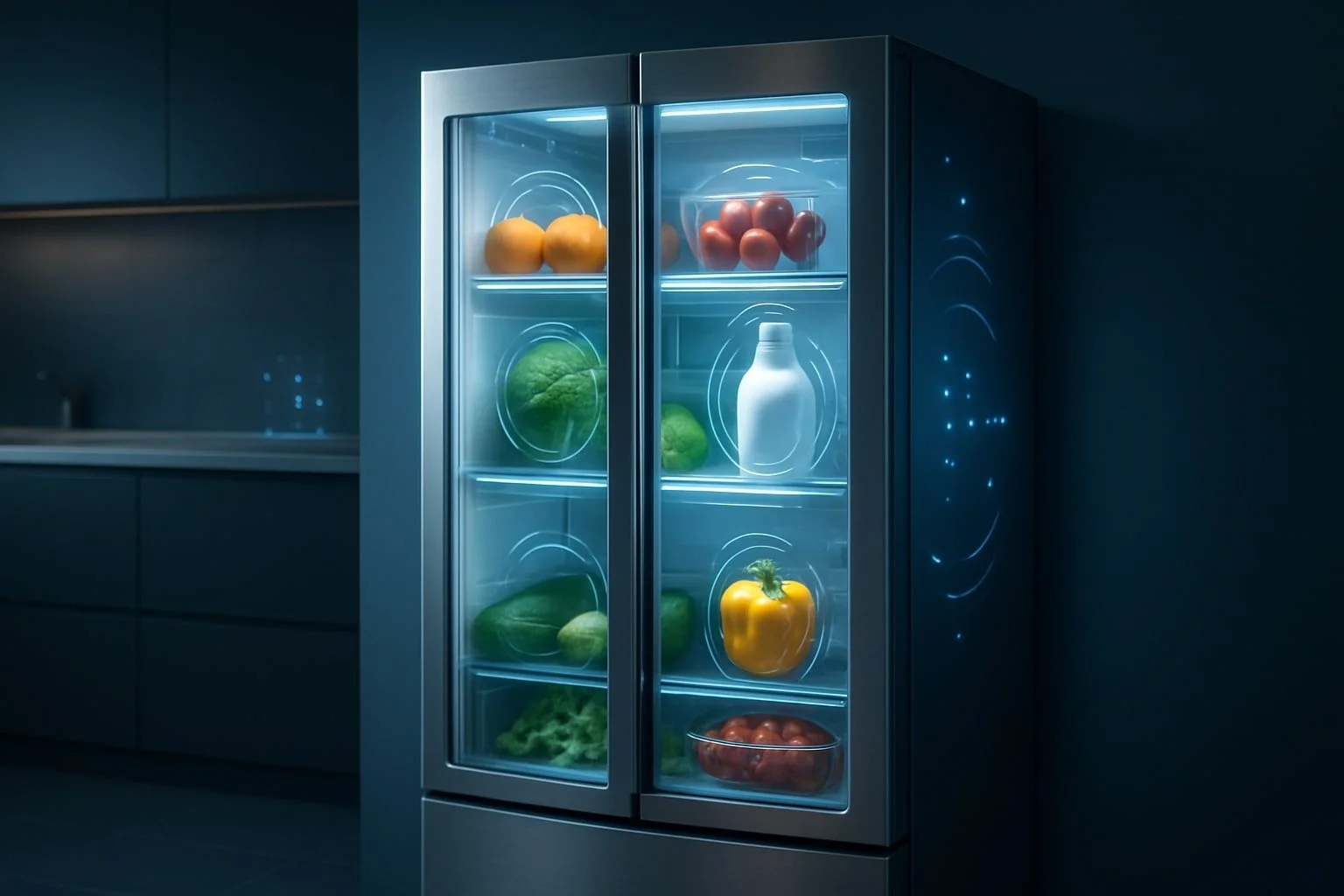
Smart fridges with real-time shelf life monitoring give users up-to-date information about their food inventory, detect when items are nearing expiration, and help reduce unnecessary waste. These appliances use sensors, internet connectivity, and smart software to track what’s inside, so users no longer have to guess what's hidden in the back or how long it’s been there.
Modern smart refrigerators often let users check the contents remotely and receive alerts about expiration dates, making it easier to plan meals and grocery shopping. By providing accurate tracking and timely reminders, these fridges help households save money and minimize the loss of fresh food.
Understanding Smart Fridges
Smart fridges are reshaping the way kitchen appliances interact with users, food, and other home devices. These connected refrigerators incorporate advanced technology to deliver benefits beyond regular cooling and storage.
What Makes a Fridge Smart?
A smart fridge is defined by its integration of sensors, internet connectivity, and intelligent software. These elements work together to automate tasks such as monitoring food freshness and tracking inventory levels.
Unlike conventional fridges, a smart refrigerator can detect when products are running low or reaching expiration. Many models feature internal cameras or shelf sensors to identify items and their quantities. This data forms the foundation for features like inventory management and automated shopping list creation.
Interaction typically occurs through a digital touchscreen or a linked smartphone app. This allows users to receive notifications, update shopping lists, and adjust settings remotely.
Key Smart Features
Smart refrigerators offer several innovative functions that support food management and kitchen efficiency. Real-time shelf life tracking is a core feature—users receive alerts when items approach their expiration date, helping reduce food waste.
Other important capabilities include auto-generated shopping lists based on current inventory, smart shelf management, and recipe suggestions using available ingredients. This enables optimized grocery shopping and meal planning.
Some fridges support voice commands and integrate with other smart home devices, such as speakers or digital assistants. Remote monitoring, remote diagnostics, and firmware updates are also available for many smart appliances, increasing convenience and extending the appliance’s useful life.
Connectivity and Integration
Wi-Fi connectivity is central to every smart fridge. Through a strong Wi-Fi connection, smart refrigerators join the home network, enabling real-time data transfer, software updates, and integration with other IoT devices.
With this connectivity, users can connect their fridge to smart home systems, allowing seamless interactions with other smart home devices. For example, a smart fridge can sync shopping lists with a smartphone or receive voice commands via a virtual assistant.
Multiple user accounts and remote access options add flexibility. As part of a smart home, the smart refrigerator becomes not just a kitchen appliance but a key node in an interconnected, responsive environment.
Real-Time Shelf Life Monitoring Explained
Accurate shelf life monitoring helps reduce food waste, supports efficient inventory management, and enhances food safety. Advances in sensors, cameras, and digital tracking have made it possible to monitor perishable foods in real time.
How Shelf Life Monitoring Works
Modern shelf life monitoring involves integrating sensors and software to track storage conditions and food status around the clock. Smart fridges use real-time data on temperature, humidity, and sometimes even gas levels to predict spoilage risks.
Machine learning algorithms analyze this data, helping to assess shelf life by factoring in the specific requirements of each food item. IoT connectivity enables these devices to alert users when action is needed, such as consuming or discarding an expiring product. This closes the loop between food inventory and actual quality, making food management far more responsive.
Seamless integration with mobile apps and home networks allows users to receive timely notifications. This improves food inventory tracking and helps families make informed decisions without manual checks.
Sensors and Cameras
Smart fridges are equipped with a variety of sensors, including:
Temperature sensors: Track internal conditions to prevent spoilage.
Humidity sensors: Help maintain optimal storage for fruits, vegetables, and other perishables.
Gas sensors: Detect ethylene or other spoilage markers, which can trigger further predictive analysis.
Internal cameras automatically scan the food inventory, recognizing items and associating them with purchase or input dates. Some systems use image recognition and AI to distinguish between different foods and update inventory records accordingly.
Smart sensors provide a continuous data stream, allowing the fridge to adapt storage conditions dynamically. This detailed monitoring helps prevent food waste, ensures optimal freshness, and supports consistent food safety within the home.
Expiration Date Tracking
Expiration date tracking automates the management of food inventory. Users can input expiration dates manually or rely on barcode scanning and image recognition for automatic data entry.
The fridge then creates a digital inventory list with associated expiration dates for all recognized items. This list updates frequently as products are added or removed, providing a clear overview of which foods require attention soon.
Notifications alert users about approaching expiration dates. Some smart fridges can even suggest recipes to help use up products before they spoil. This targeted approach minimizes waste, supports proactive food management, and streamlines grocery planning using up-to-date inventory data.
AI and Automation in Food Management
Smart refrigerators are transforming kitchen routines by using advanced AI and automation. These systems focus on food freshness and timely interventions to reduce food waste, preserve food quality, and streamline food management.
AI Technology in Smart Refrigerators
Modern smart fridges use AI to detect, analyze, and manage the status of stored food. Integrated cameras and sensors monitor inventory levels, recognize product labels, and track weight changes. Machine learning algorithms interpret this data to identify which items are nearing expiration or depletion.
These features enable the fridge to generate real-time inventory lists. Smart shelf management systems can also suggest recipes based on available ingredients, promoting healthier eating habits. In addition, AI can track consumption patterns to forecast future grocery needs accurately.
By providing accurate data, smart fridges help users organize food better and minimize spoilage. Efficient inventory control and automated shopping lists contribute directly to reduced food waste.
Automatic Alerts and Notifications
A key function of modern smart fridges is issuing timely alerts. Users receive automatic notifications on their phones or through the fridge’s display when food is close to expiring. The system may even send reminders to restock essentials or highlight items low in quantity.
These notifications are often customizable. Users can set preferences for alert timing and choose which foods matter most for monitoring. Some systems also provide remote monitoring features, so food management is possible even when away from home.
Automatic alerts support better food preservation by encouraging prompt consumption of perishable items. By addressing soon-to-expire foods, households can plan meals effectively and reduce instances of unnecessary food waste.
Enhancing Convenience and Organization
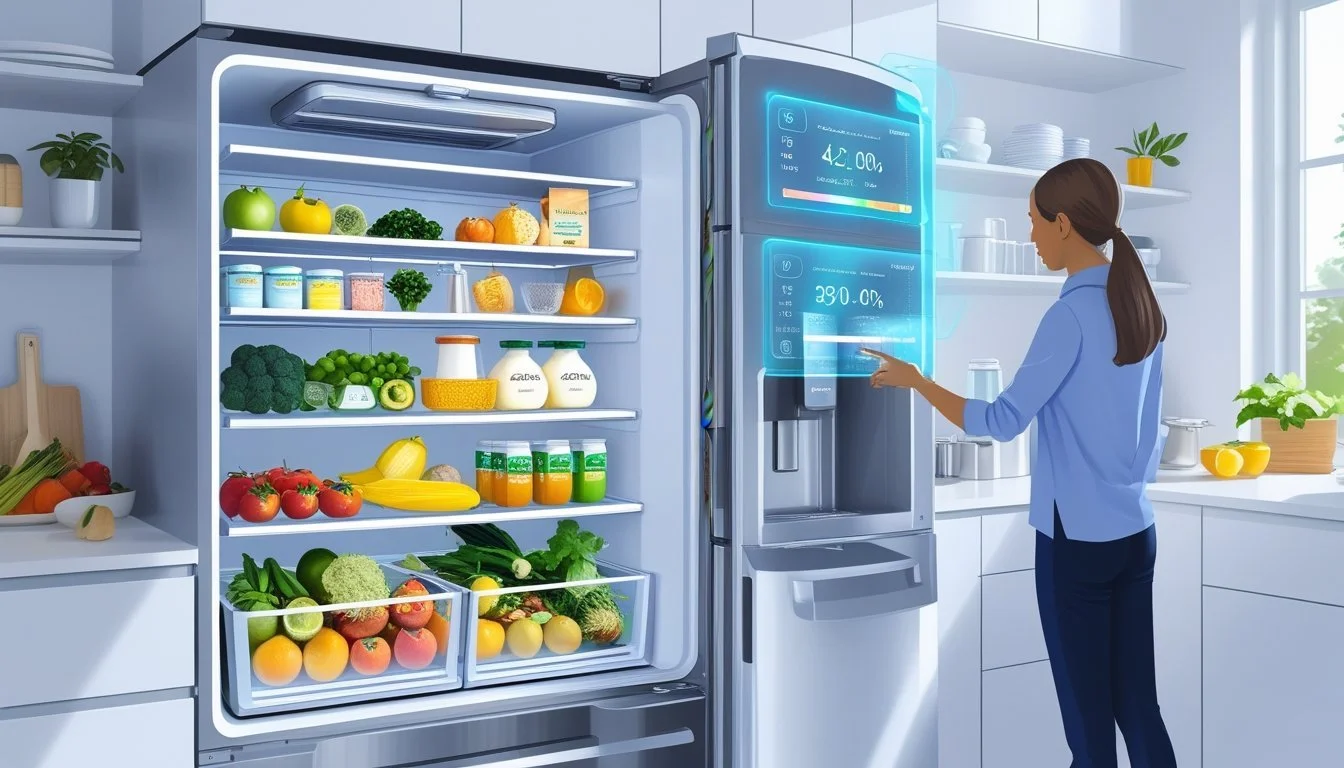
Smart fridges are designed to increase efficiency in the kitchen by offering real-time inventory tracking and interactive food management tools. Integrating these functions helps users minimize waste, organize groceries, and make food storage routines more effective.
Shopping Lists and Grocery Management
Modern smart fridges use built-in cameras, weight sensors, and barcode scanners to keep a precise record of what is inside. This allows the fridge to automatically update shopping lists as items run low or expire.
Users can access these lists via a smartphone app, making it easier to check inventory while at the store. Some models even use AI to predict when items will need restocking based on typical usage patterns.
Key benefits include:
Reduced duplicate purchases
Notifications for low-stock or expiring items
Real-time syncing with family members
Tables or charts within the app show what is available, so users can plan purchases with accuracy. Some fridges also integrate with online grocery services for direct ordering.
Meal Planning and Cooking Guidance
With real-time ingredient tracking, smart fridges suggest recipes based on what is already available inside. This means users can minimize unnecessary shopping trips and reduce food spoilage.
Meal planning features include:
Automated meal suggestions tailored to dietary preferences
Step-by-step cooking instructions displayed on the fridge screen
Integration with voice assistants for hands-free navigation
Fridges can also schedule meal prep reminders and update users on upcoming expiration dates, ensuring ingredients are used on time. By linking recipes to current inventory, the fridge helps users organize their meals for the week and make the most of what they have.
User Interfaces and Control Options
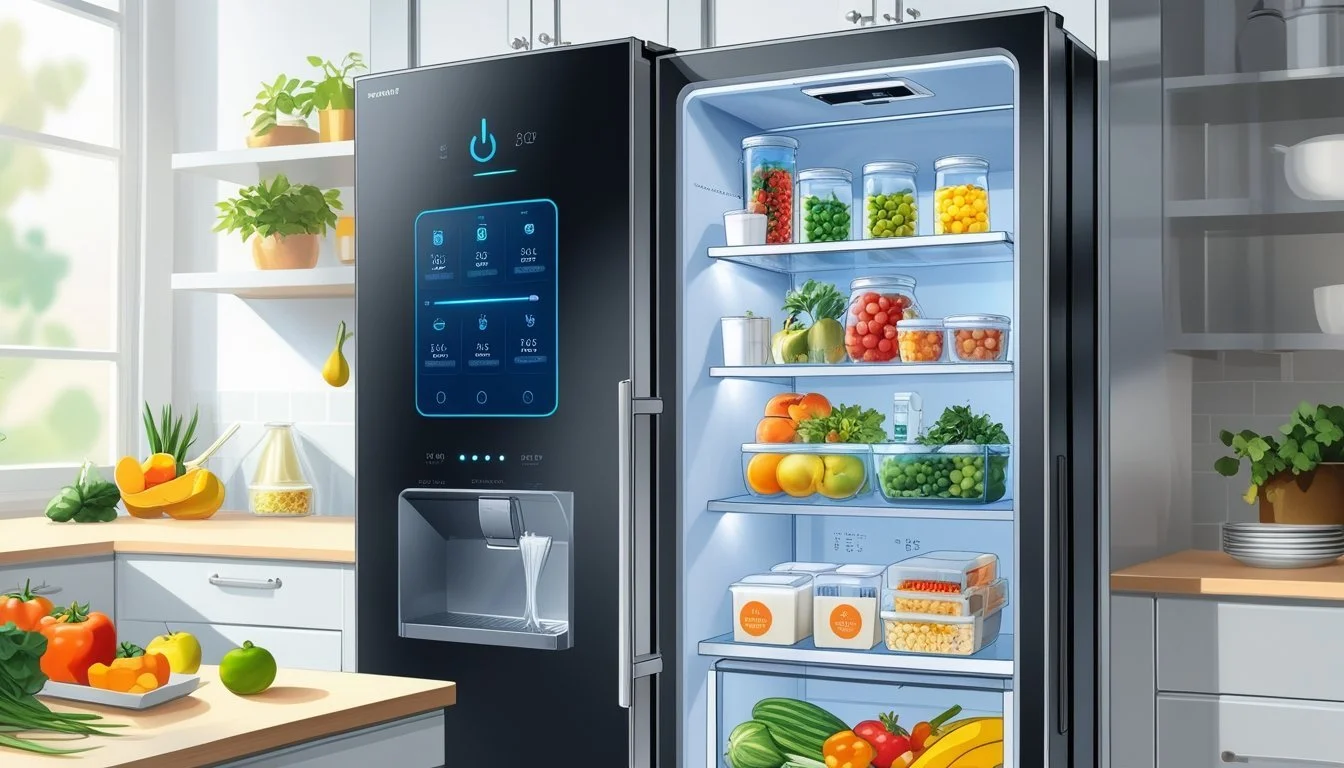
Modern smart fridges offer several ways for users to interact with their devices, improving both convenience and real-time monitoring of food items. These features support precise management of groceries and effective communication between users and the refrigerator.
Touchscreen Interfaces
Most smart fridges now come with built-in touchscreen interfaces mounted on the door. These touchscreens display inventory, expiration dates, temperature settings, and grocery lists. Users can access real-time shelf life data directly on the screen.
The touchscreen often supports drag-and-drop item management and manual entry. It can highlight foods that are close to their expiration date with visual cues such as color changes or icons. Many systems also allow users to browse recipes that use ingredients currently inside the fridge.
The interface is designed for clarity and easy readability. Frequently, touchscreens can be synced with companion apps so the same information appears on a mobile device.
Voice Control and Assistants
Smart fridges increasingly support voice control via built-in microphones and compatibility with major assistants like Amazon Alexa and Google Assistant. Users can interact hands-free, asking about what’s left in the fridge, adjusting temperatures, or adding items to shopping lists.
Voice assistants enable quick access to expiration alerts or reminders without navigating menus. Shoppers can check their inventory while preparing grocery lists by simply asking the fridge what is running low.
The integration of popular voice assistants ensures compatibility with smart home routines. This allows for streamlined control of multiple appliances within the home ecosystem from a central point.
Family Hub Features
The Family Hub is a distinctive feature in some high-end smart fridges, often led by brands such as Samsung. This hub is a large, advanced touchscreen which centralizes not just food management but also household communication and entertainment.
Family Hub can display shared calendars, leave digital notes, play music, and even mirror a TV. For shelf life monitoring, it utilizes interior cameras and sensors to list what foods are present and their expiration dates.
Users benefit from visual inventory updates, expiration notifications, and integration with recipe and shopping apps. The Family Hub acts as both a refrigerator control center and a digital family noticeboard.
Energy Efficiency and Sustainability
Smart fridges feature several innovations that support both energy savings and sustainable living practices. With technologies that optimize consumption and promote responsible material handling, these appliances reflect a shift toward greater environmental awareness in daily life.
Energy Consumption and Savings
Modern smart fridges use sensors, advanced insulation, and AI-based algorithms to optimize energy use. Features such as real-time energy monitoring and automated temperature adjustments ensure that energy is only used when needed.
Many models allow users to track their energy consumption through connected apps, enabling informed decisions about peak and off-peak use. For example, fridges may adjust their cooling cycles during low-usage hours for additional savings.
Table: Key Features Supporting Energy Efficiency
Feature Benefit LED Lighting Lower electricity consumption Adaptive Cooling Reduces unnecessary energy use Energy Use Monitoring Tracks usage for cost control
Overall, households can see a measurable reduction in utility bills due to these enhancements without compromising food preservation.
Reducing Carbon Footprint
Energy-efficient smart fridges contribute to lowering a home’s carbon footprint. By using less electricity, especially during peak demand times, these appliances help reduce greenhouse gas emissions generated by power plants.
Many units also integrate eco-friendly refrigerants, which have less environmental impact than traditional options. The combination of adaptive energy use and better refrigerants leads to more sustainable kitchen operations.
Remote control features let users shut down certain functions or enter power-saving modes while away. This not only prevents unnecessary energy waste but also encourages more mindful appliance use on a daily basis.
Recycling Programs and Eco Initiatives
Several manufacturers support responsible end-of-life recycling for smart fridges. These programs often include appliance pickup, safe refrigerant disposal, and repurposing of parts like copper wiring and plastics.
Some brands offer trade-in incentives or discounted upgrades when old units are returned for recycling. Educational campaigns guide consumers on how to participate, increasing recycling rates and reducing landfill waste.
Eco initiatives frequently extend to the production process as well. Manufacturers may prioritize recycled materials in construction and adopt greener logistics, showing a commitment to reducing the overall environmental impact of their products.
Storage Solutions and Food Preservation
Smart fridges are designed to extend the shelf life of perishable foods and reduce spoilage. Advanced features like adjustable storage compartments and real-time temperature control help keep ingredients fresher for longer and minimize waste.
Flexible Storage Options
Modern smart fridges, including popular French door models, often feature adjustable shelves, modular bins, and convertible compartments. These allow users to easily adapt their fridge’s interior based on the size and type of food they need to store.
Door-in-door access and sliding racks make it easier to organize and quickly retrieve frequently used items. Some appliances use flexible temperature zones; for example, a compartment can switch between fridge and freezer mode as needed.
A comparison of common flexible storage features:
Feature Benefit Adjustable shelves Accommodates tall or bulky items Modular drawers Segregates produce and proteins Convertible sections Switches between cooling and freezing Door-in-door access Reduces cold air loss
These features help prevent cross-contamination, optimize storage space, and support better food preservation practices.
Cooling Performance
Smart fridges excel at precise cooling, which is central to slowing food spoilage. Sensors continually monitor temperature and humidity levels. If conditions drift outside preset parameters, the system can make immediate adjustments or send alerts.
Uniform airflow systems—such as multi-zone cooling—keep temperatures stable throughout each compartment. Real-time monitoring via IoT integration can track conditions and suggest optimal storage spots for specific foods.
For meats, dairy, and fresh produce, maintaining consistent cold temperatures is crucial for retaining freshness. Rapid cooling after loading new groceries helps mitigate spoilage risk. Smart fridge cooling performance, enhanced by timely alerts and zone control, directly supports safe food storage and longer shelf lives.

