
Why Water Activity Predicts Food Lifespan
Understanding Shelf Life and Spoilage
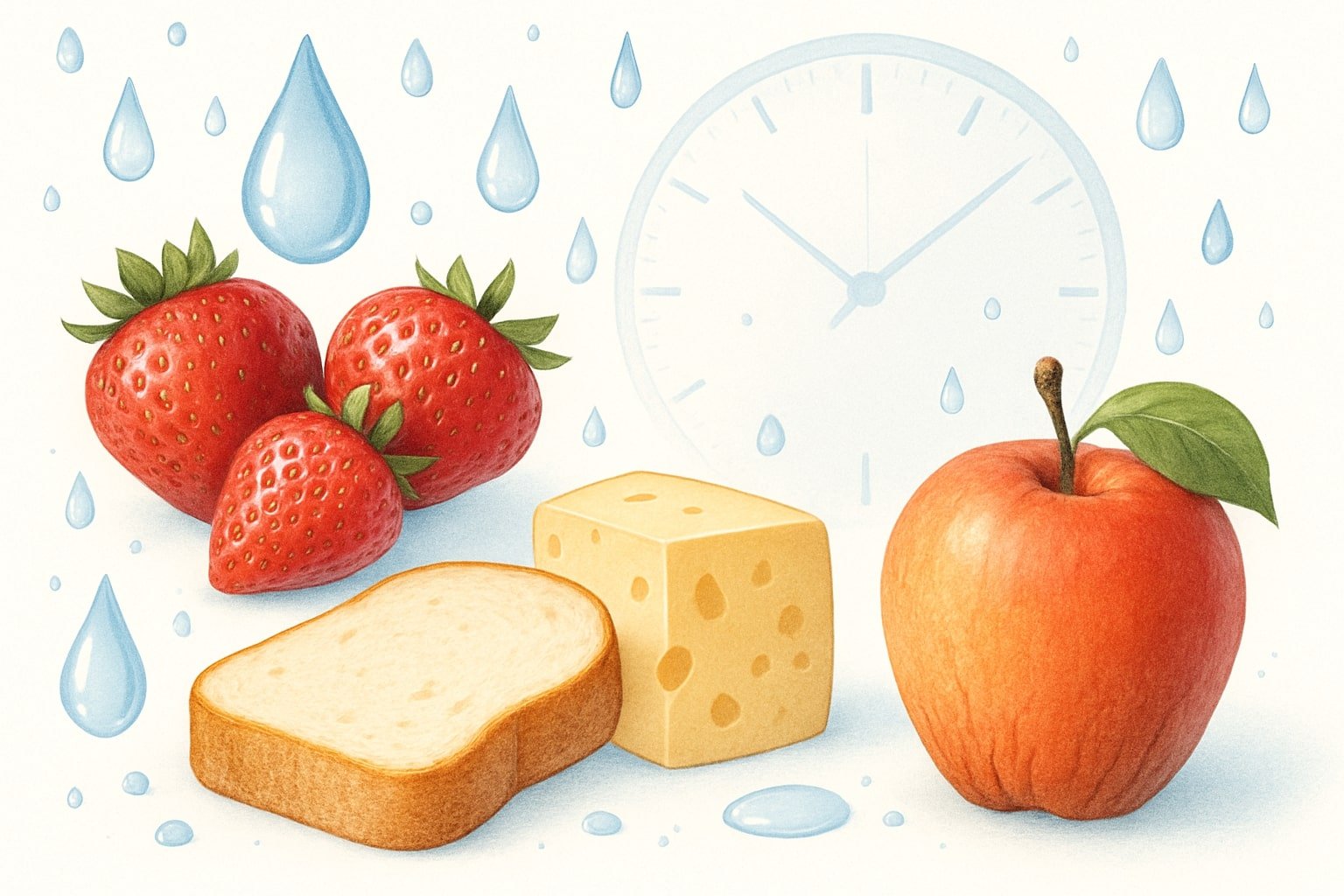
Water activity is a critical factor that determines how long food stays safe and high quality on the shelf. Unlike simply measuring moisture content, water activity describes how much water in a food is available to support microbial growth and chemical changes. Foods with lower water activity are much less likely to spoil quickly because bacteria, molds, and yeasts have less accessible water to thrive.
This measurement offers direct insight into a product’s stability, texture, and taste over time. By controlling water activity, manufacturers can accurately predict shelf life, optimize packaging, and minimize food waste. Understanding water activity helps anyone involved in food—from processors to consumers—make smarter choices about storage and safety.
Understanding Water Activity and Food Lifespan
Water activity is a central factor in predicting how long a food product will remain safe and high in quality. It is closely linked to spoilage rates, chemical stability, and the shelf life of foods.
Definition of Water Activity (aw)
Water activity, often abbreviated as aw, measures the amount of free, unbound water available in a product. Unlike total moisture content, it quantifies the water available for microbial growth, chemical reactions, and enzymatic activity.
aw is defined as the ratio of the vapor pressure of water in a substance to the vapor pressure of pure water at the same temperature. It is expressed on a scale from 0 (completely dry) to 1.0 (pure water).
For most bacteria, growth is only possible when aw values exceed 0.90. Molds and yeasts can grow at lower aw values, but few organisms can tolerate extremely low water activity.
Difference Between Water Activity and Moisture Content
Water activity and moisture content are related but distinctly different parameters. Moisture content is the total amount of water present in a food, measured as a percentage of the food's total mass.
Water activity describes only the water that is free and able to participate in microbial or chemical processes. Two foods may have the same moisture content but different water activities, depending on how tightly the water is bound within the food matrix.
Example: Dried fruit and a loaf of bread may have similar moisture contents, but the dried fruit's water is more tightly bound, resulting in a lower aw and longer shelf life.
Role of Equilibrium Relative Humidity
Equilibrium Relative Humidity (ERH) is the humidity of the air surrounding a food product when it is in moisture balance with the air. ERH is directly related to water activity, as aw = ERH / 100.
When food is stored at a given relative humidity, it will gain or lose moisture until its water activity equals the relative humidity (expressed as a fraction). This process determines how foods interact with their environment and helps explain why packaging and storage conditions are vital for shelf life.
Understanding ERH helps manufacturers choose proper storage conditions to maintain safe aw levels and extend product lifespan. Foods stored at ERH levels above their aw will absorb moisture and may spoil faster.
How Water Activity Predicts Shelf Life
Water activity plays a direct role in determining how long a food can last before it loses safety, texture, or quality. By understanding and managing water activity, manufacturers can anticipate and reduce spoilage risks from microbes, slow down unwanted chemical changes, and prevent undesirable shifts in the food’s structure.
Impact on Microbial Growth
The growth of microorganisms—such as bacteria, yeasts, and molds—depends heavily on water activity levels. Most harmful bacteria cannot grow below a water activity (aw) of approximately 0.91, while molds and yeasts are generally inhibited below 0.80 and 0.88, respectively.
By ensuring a product maintains water activity below these thresholds, it becomes possible to limit or prevent microbial spoilage. This directly contributes to safer, longer-lasting foods.
The relationship is so well established that water activity limits are commonly used in food safety standards. Reducing water activity is a key reason why drying, salting, and adding sugar are used in food preservation.
Influence on Chemical Reactions
Water activity also controls the rate of many chemical reactions in food, such as lipid oxidation, non-enzymatic browning (Maillard reactions), and enzymatic breakdown. These processes can affect flavor, color, and nutritional value.
When water activity is too high or too low, some reactions speed up. For example, Maillard browning occurs fastest at intermediate water activity levels. Oxidative rancidity in fats can proceed more quickly when water activity is low, as protective water barriers are reduced.
By identifying the optimal water activity where damaging reactions are minimized, shelf life can be maximized. This approach allows producers to maintain food quality for longer periods.
Effects on Physical Changes
Physical changes such as caking, loss of crispness, or moisture migration can be traced back to water activity. Foods that absorb moisture from the air can become soggy, while others might dry out and lose palatability.
Textural stability is often compromised when water activity shifts beyond critical limits. For instance:
Food Type Problem When Water Activity Changes Crackers Loss of crispness, staling Powdered foods Caking, clumping Candy Stickiness, crystallization
By maintaining optimal water activity, these physical changes can be controlled, further protecting shelf life and consumer acceptance.
Factors Affecting Water Activity in Foods
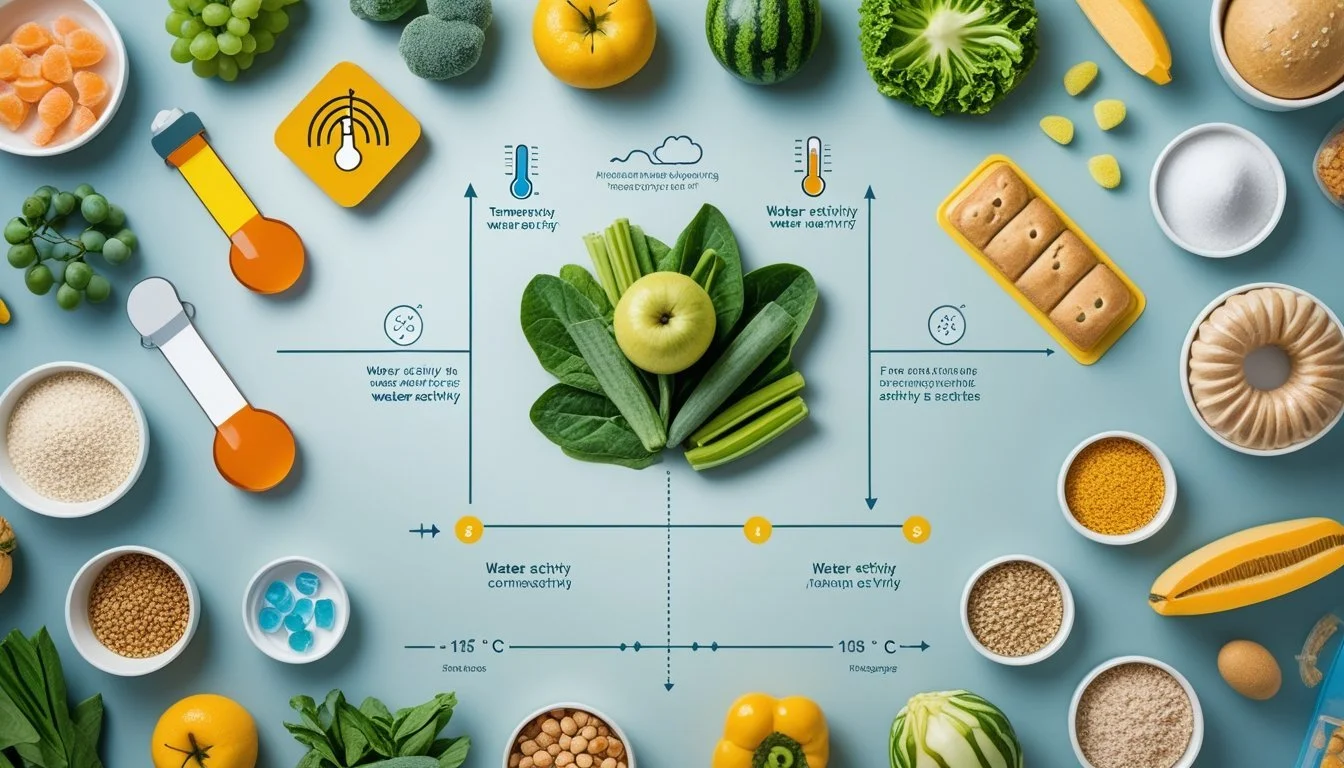
Water activity in foods is shaped by several key variables, ranging from environmental moisture to the presence of dissolved substances. Each factor influences how much water is available for microbial growth and chemical changes.
Moisture and Humidity
Moisture content directly affects water activity, but the two are not the same. Water activity measures how much water is freely available in food, while moisture content shows the total amount of water present. High moisture foods, such as fresh fruits, often have water activity values above 0.95, providing optimal conditions for spoilage organisms.
Relative humidity in the storage environment also plays a critical role. If the humidity is high, foods can absorb moisture from the air, increasing water activity. On the other hand, low humidity may cause foods to lose water, lowering their water activity and helping to extend shelf life.
Foods packed in airtight containers are less affected by environmental humidity. However, changes in internal moisture still impact water activity, as water can migrate between ingredients.
Temperature and Storage Conditions
Temperature influences water activity by changing water’s mobility and interactions within the food matrix. At higher temperatures, water molecules gain energy, which can increase the amount of free water available, thus raising water activity.
Storage conditions like refrigeration or freezing can reduce water mobility, lowering water activity even if total moisture content remains constant. Proper temperature control can keep water activity below critical levels needed for bacterial or fungal growth.
Temperature fluctuations can also cause condensation to form inside packaging, especially if not properly sealed. This sudden change can spike water activity, potentially reducing shelf life and increasing spoilage risks.
Solutes and Salt Content
Solutes such as sugar, salt, and other dissolved substances bind free water, making it less available for microbial use. This is why foods with high sugar (such as jams) or salt (such as cured meats) often have lower water activity despite high total moisture.
Increasing solute concentration directly lowers water activity. For example, a table outlining typical water activity values is below:
Food Type Water Activity (aw) Common Solute Fresh bread 0.95–0.97 Salt, carbs Salami 0.87–0.91 Salt Jam 0.80–0.84 Sugar Dried fruit 0.60–0.65 Sugar
Salt not only lowers water activity but also acts as a preservative, making environments less favorable for bacteria. Other solutes, such as glycerol, are used in some foods specifically to control water activity for safety and quality.
Water Activity and Its Measurement
Water activity is a key factor in determining food quality, safety, and shelf life. The right tools and techniques are essential for accurate measurements and meaningful results in both laboratory and production environments.
Principles of Water Activity Meters
A water activity meter determines the amount of "free" water in a food sample by measuring the equilibrium relative humidity of the air surrounding the sample. The fundamental principle relies on the relationship between the water vapor pressure in the food and the vapor pressure of pure water at the same temperature.
Most meters operate by sealing the sample in a chamber and using a sensor, often a capacitance or dew-point sensor, to detect humidity. The instrument then calculates the water activity (aw) based on the equilibrium between the sample and the air.
Results from a water activity meter are shown on a scale from 0 (completely dry) to 1.0 (pure water). Low readings indicate less available water for microbial growth, while higher readings mean more available moisture.
Accuracy and Calibration
Accurate measurement of water activity depends on regular calibration of the water activity meter. Calibration is usually performed with salt standards or certified reference solutions that have known water activity values.
Small errors in calibration can significantly affect results, making reliable calibration procedures essential for laboratories and food processors. It's important to check the meter’s calibration frequently, especially if it is used intensively or in harsh environments.
Manufacturers often recommend multi-point calibration to ensure precision across a range of water activity values. Users should also consider sensor maintenance and periodic verification against reference standards to support long-term accuracy.
Practical Applications in Food Production
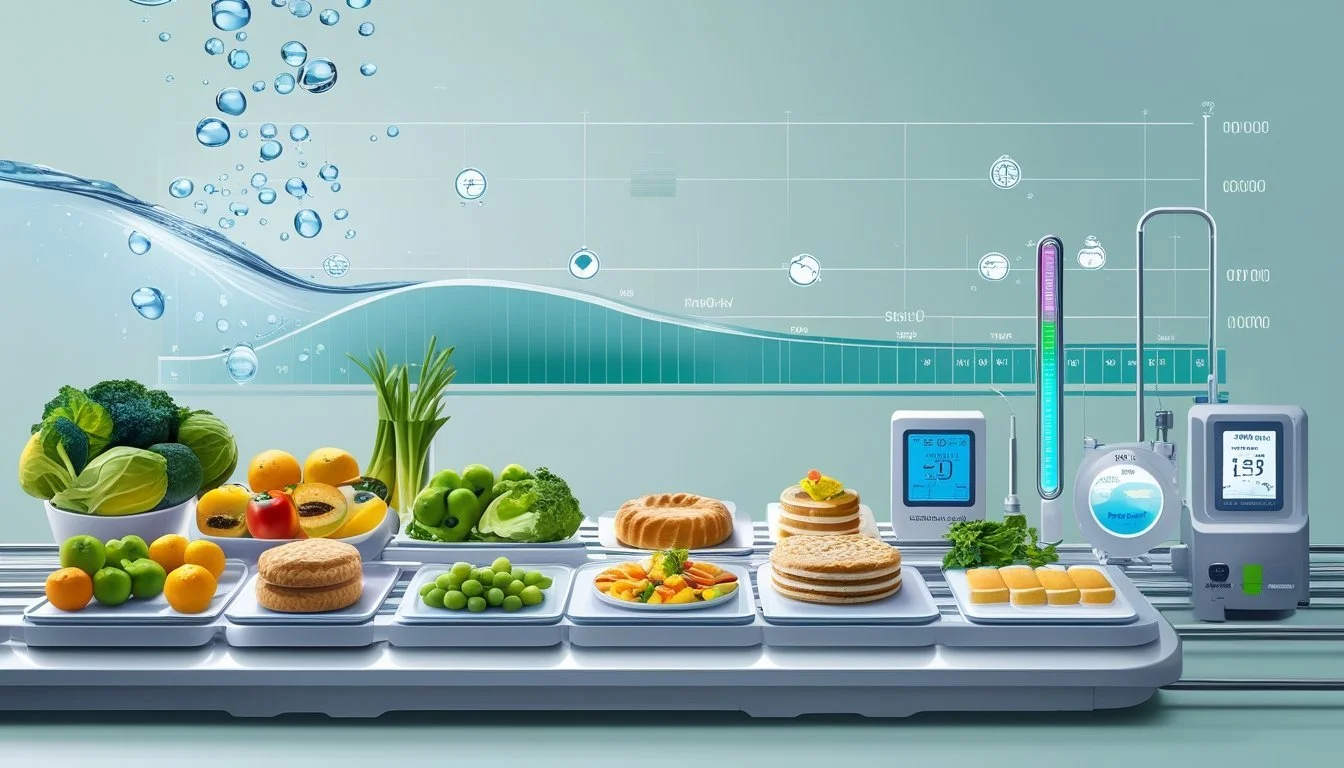
Water activity plays a critical role in how foods are preserved, processed, and monitored for both quality and safety. Controlling water activity can extend shelf-life, prevent spoilage, and improve product consistency in various food categories.
Extending Shelf-Life Through Drying and Freezing
Drying and freezing are two of the most dependable methods for preserving foods by altering their water activity. Drying removes free water from food, reducing the water activity below the threshold where most bacteria, yeasts, and molds can grow. This process is used for fruits, vegetables, meats, and cereals to make them shelf-stable.
Freezing, on the other hand, immobilizes water by turning it into ice, effectively lowering water activity even though total water content remains unchanged. This prevents microbial activity and slows down chemical reactions that contribute to spoilage. Both methods allow producers to safely store foods for weeks or even months with minimal quality loss.
Food processors monitor water activity closely during these steps. Even slight increases can signal potential spoilage or reduce the effectiveness of preservation, making regular testing essential.
Water Activity in Grains, Seeds, and Cakes
Grains and seeds are particularly sensitive to changes in water activity during storage. If their water activity rises above about 0.70, molds can grow, leading to spoilage and often the production of mycotoxins, which pose health risks. Proper drying and moisture control are vital to maintaining safe storage of bulk grains and seeds.
Cakes and baked goods present a different challenge, as moisture not only affects mold growth but also influences texture and freshness. Cakes often have a water activity level slightly above 0.80. This is high enough for spoilage organisms to survive if the product is not properly managed, but necessary for maintaining softness and palatability.
Packaging solutions, such as moisture barriers and modified atmosphere packaging, can help regulate water activity in these products. Producers must frequently check water activity to balance safety with quality, especially for items with higher moisture content.
Quality Control in Manufacturing
In food manufacturing, routine measurement of water activity is a core aspect of quality control. It allows for the identification of risks related to microbial contamination and undesired chemical changes, such as lipid oxidation or caking in powdered foods.
Employing water activity meters, staff can swiftly spot deviations from target levels. This enables immediate corrective action in the production line—whether by adjusting the drying process, modifying packaging, or rerouting products for further treatment.
Production processes benefit from systematic documentation of water activity readings. This data helps in tracing sources of spoilage, verifying shelf-life claims, and ensuring regulatory compliance. Manufacturers can use water activity as an early-warning system to prevent costly recalls and maintain product integrity.
Effects of Water Activity on Food Quality
Water activity directly affects how foods feel, taste, and appear. It is a critical parameter that influences shelf life, sensory attributes, and physical properties important to consumers and manufacturers.
Influence on Texture
Water activity determines whether a food is crispy, soft, chewy, or hard. Low water activity preserves crispness in products like crackers and cereal, preventing staleness caused by moisture uptake. In contrast, higher water activity is needed for softness in items like bread or cake, supporting a tender, moist texture.
Staling in baked goods is accelerated by moisture migration, which is governed by water activity gradients within the product and with the environment. Food scientists adjust formulations by adding humectants or controlling packaging humidity to maintain optimal texture.
Foods with high fat content, such as chocolate or peanut butter, also rely on precise water activity control to avoid graininess or fat bloom. Proper management ensures consistent mouthfeel, prolonging consumer acceptability.
Impact on Flavor and Aroma
A food's water activity influences both the release and stability of flavor and aroma compounds. Volatile compounds, which contribute to taste and smell, dissolve and move more freely in foods with higher water activity. This can intensify or sometimes dilute sensory impact depending on the food matrix.
Low water activity can help lock in certain flavors by slowing down chemical reactions and limiting volatilization. However, extremely dry foods may suppress aroma release, leading to a bland sensory experience. Conversely, excessive water activity may accelerate off-flavor development via enzymatic or microbial activity.
Many spices, dried herbs, and snack foods are packaged with moisture control to keep their flavors potent and pleasant for a longer period. Shelf-stable products are formulated with water activity levels that best preserve flavor and aroma profiles.
Relationship with Color
Water activity impacts food color through its effects on chemical reactions and physical changes. Key browning reactions, such as Maillard and caramelization, depend on the availability of water. Too much or too little water activity can inhibit or promote these processes.
Dried fruits, for example, maintain their vibrant color only when water activity is controlled to prevent both browning and pigment degradation. High water activity can lead to enzymatic browning, resulting in less appealing hues.
In confectionery, baked goods, and processed meats, managing water activity is vital for preserving intended colors. Producers often use water activity targets and specialized packaging to avoid color shifts that can make foods appear old or unappetizing.
Equilibrium and Water Availability in Foods
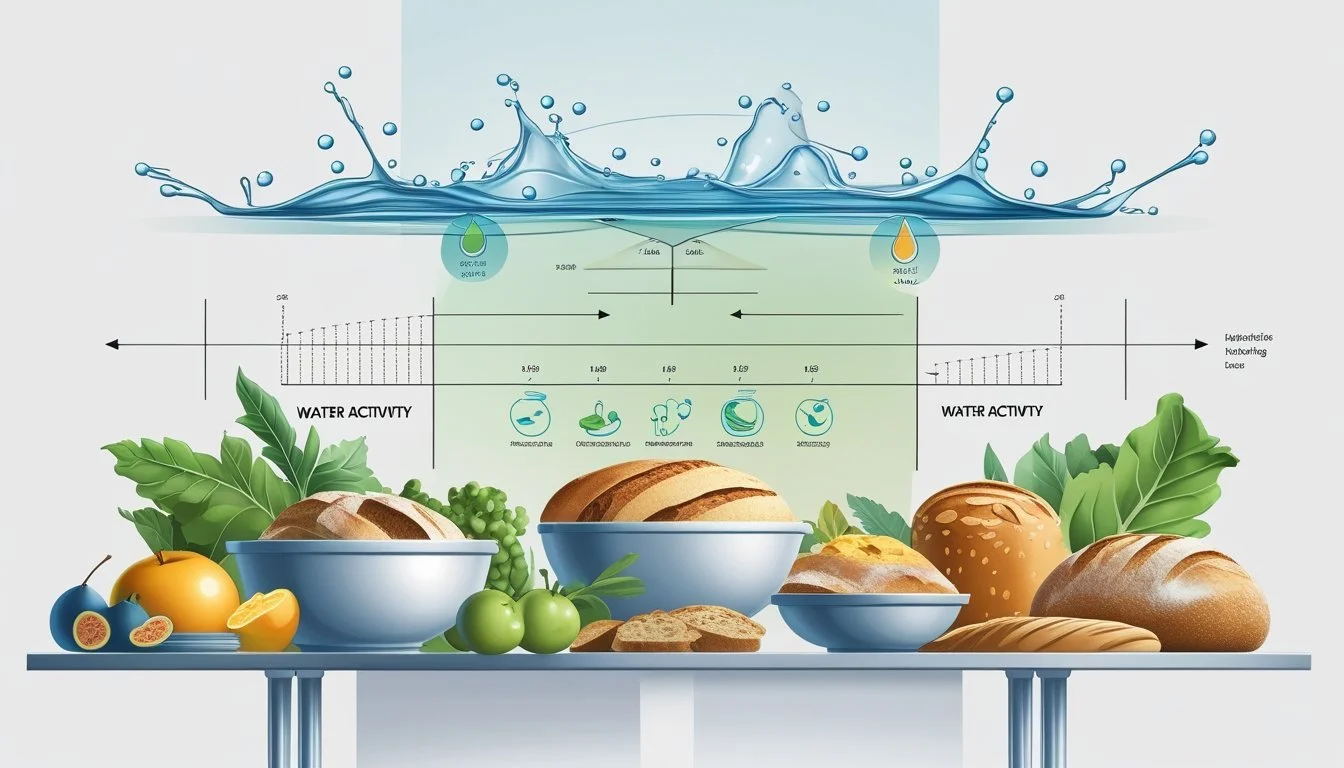
The amount of water that is available in food, not just the total water content, is fundamental to understanding food spoilage and shelf life. Changes in water distribution, especially between components with different water activities, greatly influence food stability.
Water Availability and Its Role
Available water refers to the portion of water in food that can participate in chemical reactions and support microbial growth. Unlike total moisture, available water determines the potential for spoilage and enzymatic changes.
Most microorganisms can’t grow below a water activity (aw) of 0.6. Foods with low water availability, such as dried or salted products, resist spoilage and have a longer shelf life.
Water activity measures how much water is free for use, expressed as a value from 0 (completely dry) to 1 (pure water). Ingredients like sugar and salt lower water activity by binding free water molecules, limiting their participation in deterioration processes.
Establishing Water Equilibrium
When foods with different water activities come in contact, water moves between them until their water activities reach equilibrium. This process helps equalize water distribution but does not depend on total moisture content alone.
For example, a cracker stored with a moist filling may become soggy as water migrates into the drier cracker until both reach the same water activity. This shift impacts both texture and stability.
Equilibrium water activity is also essential when mixing or packaging foods together. Food manufacturers assess and control equilibrium to predict how products will react over time and select packaging that minimizes undesirable water migration. Proper management prevents quality loss and lengthens shelf life.

