
The Hidden Shelf Life Cost of Bulk Buying
What Shoppers Need to Know
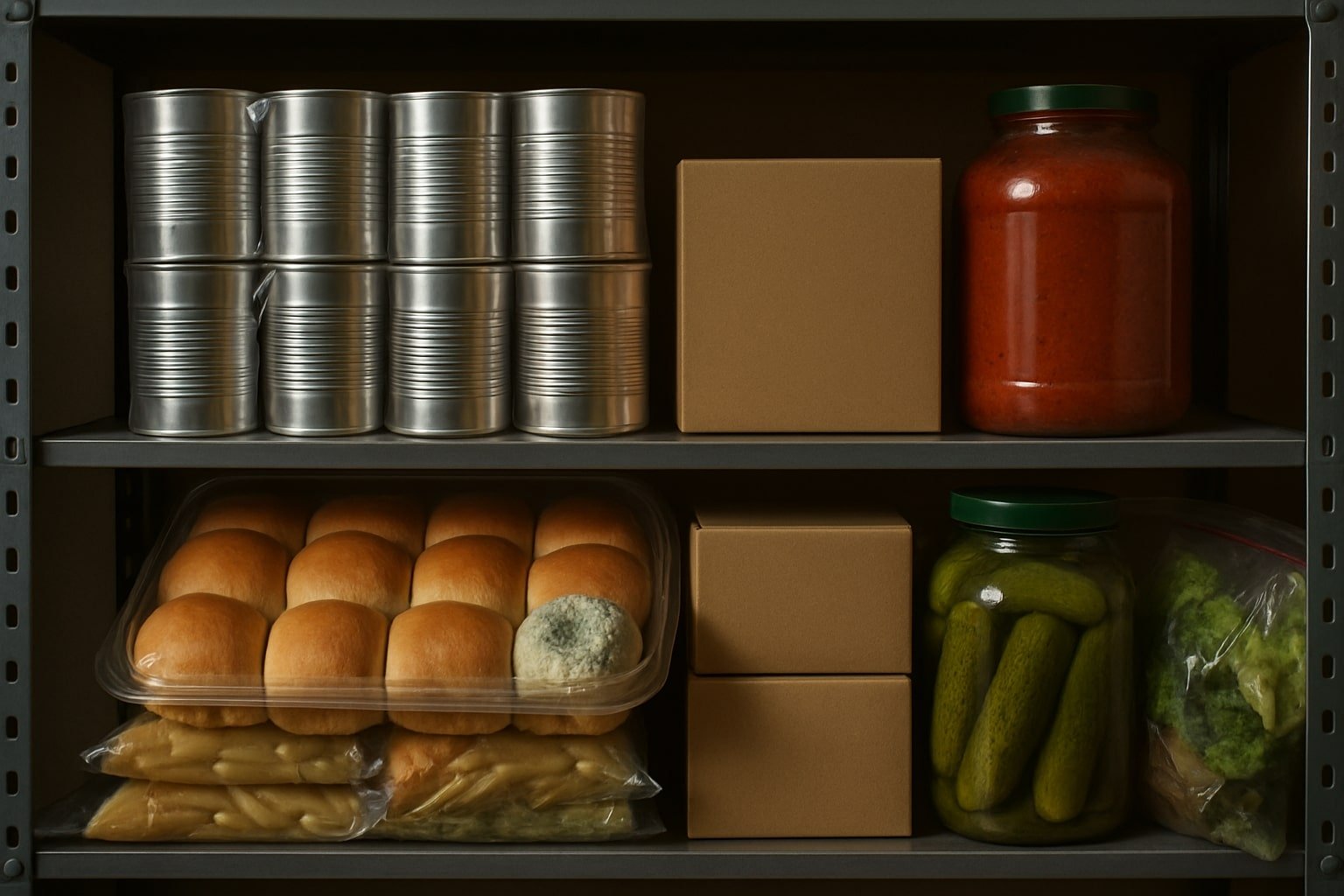
Buying in bulk is often seen as a straightforward way to save money, but the true cost can be more complex than just the sticker price. Many shoppers overlook the impact of shelf life when purchasing large quantities of groceries or household products. The hidden shelf life cost of bulk buying is that items may expire before they are used, leading to waste and eroded savings.
This issue is especially common with perishable goods like fresh produce, dairy, and certain cleaning supplies that lose potency over time. Even non-perishables can become unusable if not stored properly or simply sit too long on the shelf. For anyone considering bulk purchases, understanding and planning for shelf life is essential to truly benefit from buying in larger quantities.
Understanding Bulk Buying
Bulk buying is a shopping strategy that centers on purchasing larger quantities of products—often through warehouse clubs like Costco or during grocery shopping trips. Many consumers are attracted by the lower per-unit costs and the convenience of having extra items on hand. Bulk shopping’s advantages and limitations depend heavily on the types of products bought and storage or consumption habits.
What Is Bulk Buying?
Bulk buying, also referred to as buying in bulk or bulk purchasing, involves obtaining items in larger-than-standard package sizes or quantities. Retailers often offer a discounted price per unit, creating an impression of significant savings.
Advantages include cost reductions and fewer shopping trips, making it appealing for families or individuals with ample storage space. Drawbacks can arise when products expire or spoil before use, offsetting savings through waste. This issue especially affects perishable items such as fresh foods, dairy, and bakery goods.
Warehouse clubs like Costco focus on making bulk purchases accessible to everyday consumers. They offer both food and household products in multi-packs or larger containers, leading to greater upfront costs and increased demand on storage space at home.
Popular Bulk Purchase Items
Common products purchased in bulk fall into a few main categories:
Non-perishable groceries: Rice, pasta, canned goods, and dried beans.
Household basics: Toilet paper, paper towels, cleaning supplies.
Snacks and beverages: Chips, bottled water, and juice multipacks.
Families might also bulk buy frozen foods, meats (for freezing), and some personal care products.
Perishables, like fresh produce or dairy, are frequently found in bulk at warehouse clubs but risk being wasted if not used promptly. Consumers with careful planning and a shopping list tailored to their consumption habits are best positioned to benefit.
A table summarizing common bulk items:
Category Product Examples Non-Perishables Canned beans, rice, pasta Household Essentials Toilet paper, laundry detergent Snacks & Beverages Granola bars, bottled juice, soft drinks Frozen Foods Chicken breasts, frozen vegetables Personal Care Shampoo, toothpaste, soap
The Concept of Shelf Life in Bulk Purchases
Bulk buying can offer savings, but shelf life becomes a crucial factor that can impact overall value. Understanding how long products last, what affects their longevity, and the shelf life of everyday bulk goods helps consumers make practical decisions.
Shelf Life Explained
Shelf life is the period during which a product remains safe and suitable for use. It varies greatly between perishable items, like fresh produce, meat, and dairy products, and non-perishable items, such as canned goods, beans, rice, and pasta.
Perishable items deteriorate quickly due to bacteria, yeast, or mold. Fresh foods can spoil within days, even if they are refrigerated. Non-perishables, in contrast, can last months or years if stored correctly, making them stronger candidates for bulk buying.
Manufacturers often print expiration or "best by" dates on packaging. These dates measure peak quality, not strict safety, especially for items like canned goods and staples. However, degraded food quality, loss of nutrients, or spoilage can occur past those dates, emphasizing the need for careful planning.
Factors Affecting Shelf Stability
Storage conditions are critical for preserving shelf life. Temperature, humidity, and light exposure can accelerate spoilage, especially for perishables and cooking oils. Improper storage—such as warm, humid pantries or unsealed containers—reduces the lifespan of flour, bread, and processed foods.
Packaging also plays a key role. Airtight packaging protects dry goods like pasta and beans from moisture and pests. Canned goods maintain freshness through vacuum sealing, but damaged cans can lead to faster spoilage.
For perishable foods, proper refrigeration is essential. Dairy products and meats, for example, must be kept at consistently low temperatures to avoid rapid spoilage. Even so, overstocking the fridge from bulk purchases can reduce airflow and lead to uneven cooling.
Shelf Life of Common Bulk Goods
Shelf lives vary widely by product:
Product Typical Shelf Life Special Notes Fresh Produce Days to 2 weeks Store in fridge or cool, dry space Meat & Dairy Days to 1-2 weeks Requires refrigeration Bread 3-7 days Freezing extends shelf life Flour 6-12 months Airtight containers recommended Beans & Pasta 1-2 years Keep dry and sealed Canned Goods 1-5 years Store in cool, dry place; avoid dented cans Cooking Oils 6-12 months Susceptible to heat and light
Non-perishables like pasta, beans, and canned goods are well-suited for bulk buying due to lengthy shelf lives when stored properly. Perishables and processed foods with shorter shelf lives, such as bread and dairy, require thoughtful planning to avoid waste. Shoppers should match purchase quantities to realistic consumption rates to reap the benefits of bulk buying without incurring unnecessary loss.
Hidden Costs Associated With Bulk Buying
Bulk buying can lower the price per unit but often comes with costs that are not immediately obvious. Households and individuals might lose money through product waste, struggle to store large quantities, or end up spending more than planned.
Waste and Spoilage
Purchasing bulk quantities increases the chances of products expiring before being used. Perishable goods such as dairy, fresh produce, and baked items are most at risk. Even with non-perishables, some items lose their quality or appeal if stored for long periods.
When items spoil, they must be thrown away, turning supposed savings into direct losses. Over time, these losses can add up and outweigh the original discount. Bulk packages also tempt people to consume more than needed, which can accelerate waste.
Keeping track of expiration dates and rotating stock helps, but for many, it's easy to lose sight of what was bought. Understanding household consumption patterns is crucial to avoid spending on goods that will never be fully used.
Storage Challenges
Bringing home large quantities of goods requires adequate storage space. Not all homes or apartments are equipped to handle boxes, large packages, or extra pantry staples. Improper storage can lead to damage or further spoilage, especially with food items.
Cluttered or cramped spaces can make it harder to locate items, leading to forgotten purchases that eventually expire. Piling items in garages, basements, or closets is common, but these environments may expose products to moisture, pests, or temperature changes that shorten shelf life.
Storing non-food items in bulk—such as cleaning supplies or toiletries—can save money long term, but only if items are kept organized and accessible. Without proper shelving or storage containers, bulk buying may create more hassle than value.
Overspending and Impulse Buying
Bulk offers and large package discounts can entice shoppers to buy more than they need. It’s common to purchase items solely because of a perceived deal, not actual necessity. This can tie up more cash upfront and result in overspending.
Impulse buying in warehouse stores is a frequent issue. Shoppers might buy products they use infrequently or never used before, thinking the bulk price is a bargain. These unused or partially used products often end up wasted or forgotten.
Careful planning and budgeting can counteract impulse purchases. However, the oversized packages and promotional displays found in bulk-buying environments make it harder for consumers to stick to shopping lists and only buy items with true long-term use.
Perishable vs. Non-Perishable Bulk Goods
Bulk buying can save money and reduce shopping trips, but its effectiveness strongly depends on the type of goods. The treatment and risks for perishables like meat and dairy differ greatly from non-perishable items such as canned goods and household staples.
Risks With Perishable Goods
Perishable goods—including fresh produce, meat, dairy products, and bread—have limited shelf lives and require strict storage conditions.
Buying perishables in bulk can lead to:
Food spoilage before use
Overcrowded refrigerators and freezers
Wasted money if items expire
Increased food waste, which impacts both finances and the environment
Many consumers overestimate their ability to consume perishables quickly. Freezing or preserving items can extend freshness, but not all foods keep well, and storage space may be limited. Shoppers should carefully calculate portions, check expiration dates, and consider storage capacity before buying perishables in bulk.
Managing Non-Perishable Items
Non-perishable goods—like pasta, toilet paper, paper towels, beans, flour, canned goods, and cooking oils—are better suited to bulk purchasing.
These items generally have long shelf lives and can be stored in pantries or cabinets for months or even years. Bulk buying reduces trips to the store and often results in lower unit prices.
It is important to store non-perishables in cool, dry environments and keep track of inventory to avoid overbuying. Rotating older stock and using airtight containers for staples like flour helps maintain quality and prevents spoilage or pests. Keeping an organized storage area ensures easy access and less waste.
Financial Impact of Short Shelf Life
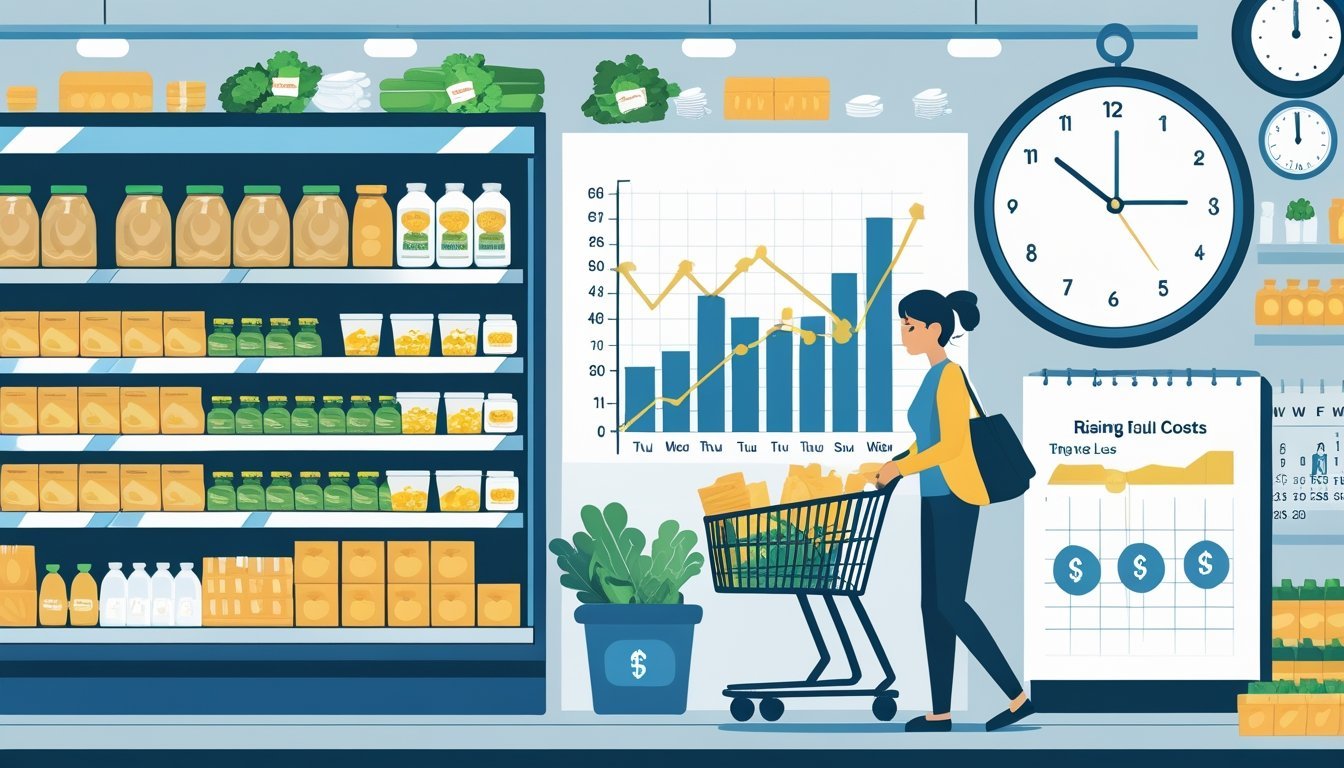
Bulk buying can help households save money by taking advantage of discounts and lower unit costs. However, items with short shelf lives introduce risks that can undermine cost savings and budget planning.
Cost Savings vs. Waste
Bulk purchases tend to offer upfront cost savings, often up to 27% on average for many products. These savings are appealing, especially for families or individuals seeking to maximize their budget and get more value per dollar.
However, short shelf life can quickly erode these benefits. Perishable items, such as fresh produce or dairy, are likely to spoil before being used, leading to avoidable waste. Spoiled goods mean the intended cost savings are lost, and money is spent on products no longer usable.
For example, buying a large quantity of fruit at a discount can result in a portion going bad unless consumption or storage matches the item’s shelf life. This waste represents a real financial loss, offsetting any discount initially gained.
Calculating the True Value
To measure the true value of bulk buying, consumers need to consider both the initial savings and the cost of potential waste. A simple way to calculate real savings is to subtract the value of wasted goods from the total savings achieved through the bulk discount.
A quick evaluation table can help clarify:
Bulk Savings Value of Wasted Goods Net Savings $30 $12 $18 $18 $6 $12
If a shopper pays higher upfront costs, but a portion of the purchase goes unused, the effective savings decrease. Understanding actual usage rates and storage capacity is essential to maximize savings and avoid financial loss.
Strategies to Minimize the Shelf Life Cost
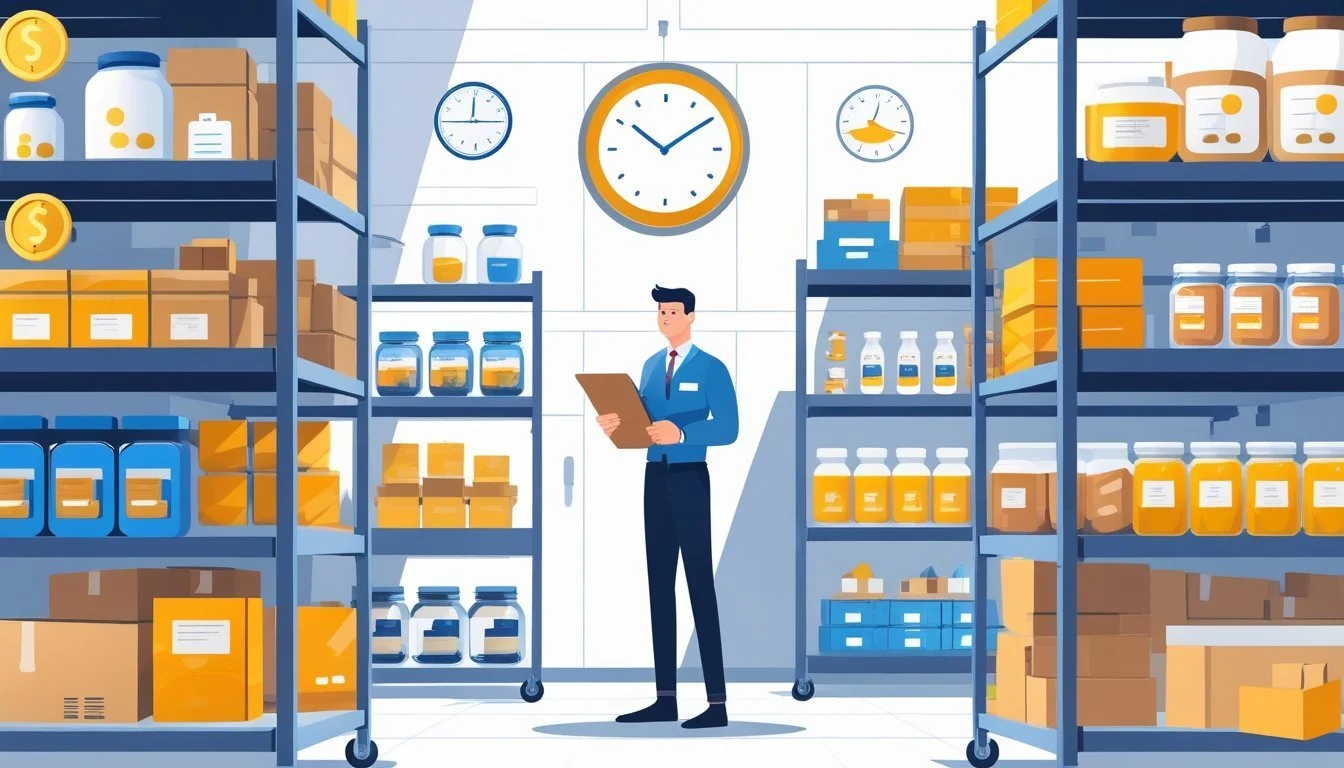
Buying in bulk can reduce per-unit costs, but it often introduces challenges like food spoilage, wasted household supplies, and cluttered storage areas. Thoughtful shopping habits, effective storage practices, and purposeful meal planning can reduce these hidden costs, ensuring products are used while still fresh.
Smart Shopping Tips
Making a precise shopping list before going to the store helps buyers avoid over-purchasing items that spoil quickly. They should compare product shelf lives and check expiration dates, prioritizing items with a longer remaining shelf life or items used frequently.
Buying non-perishables, such as canned goods or cleaning products, in larger quantities can be less risky than purchasing highly perishable items in bulk. Assessing available storage space beforehand prevents clutter and lets shoppers keep track of inventory at home.
Dividing purchases among family or neighbors, a practice known as "share buying," can minimize waste for items that expire quickly. Keeping an eye on promotions and discounts is important, but only products that truly fit into regular usage patterns should be purchased.
Proper Storage Solutions
Investing in proper storage containers, such as airtight jars or vacuum-sealed bags, can extend the shelf life of dry goods. For refrigerated or frozen items, organizing by expiry date (first in, first out) ensures older products are used first.
Clear labeling with purchase and expiration dates makes it easier to track product freshness. Shelving units, stackable bins, and use of vertical space can accommodate the extra volume from bulk buying while keeping products visible and accessible.
Temperature and humidity control is critical for many household supplies and foods. Keeping foods at recommended storage conditions slows spoilage. Regularly checking the storage areas for forgotten or expired items helps maintain an efficient inventory.
Planning Meals Around Bulk Items
Creating weekly meal plans using bulk-purchased ingredients first helps reduce waste. For example, if rice or pasta was bought in large quantities, recipes featuring those staples should be prioritized in shopping trips to avoid accumulation.
Batch-cooking and freezing meals can help manage excess perishable goods. Items with short shelf lives, such as fresh produce or dairy, can be portioned and used in multiple dishes throughout the week to maximize usage.
Using a calendar or meal planning app helps coordinate what needs to be used soon and which pantry staples can be stretched over time. This approach ensures a balanced rotation of ingredients and reduces the risk of forgotten purchases expiring in storage.
Convenience Versus Longevity in Bulk Shopping
Bulk shopping offers immediate access to large quantities while promising cost savings and fewer trips. However, convenience can be offset by challenges in storage, product freshness, and household needs.
Evaluating the Need for Convenience
Many shoppers turn to warehouse clubs and bulk shopping for the ease of always having staples on hand. Reduced trips to the store and lower per-unit costs are strong incentives, especially for families and those with busy schedules.
However, convenience may also lead to over-purchasing. Impulse buys and large pack sizes can result in food and products expiring before they are used. Items with shorter shelf lives—such as dairy, bread, and produce—are especially prone to waste when bought in bulk.
A quick assessment of household usage rates before shopping helps balance convenience with practical consumption. Keeping a running inventory or checklist ensures that purchases remain timely and relevant.
Long-Term Storage Limitations
Bulk purchases require adequate storage space to keep items fresh and accessible. Pantries, freezers, and cupboards fill up quickly, raising issues for those with limited room.
Many products degrade with improper or extended storage. Environmental factors like humidity, light, and temperature impact shelf life for dry goods, cereals, and cleaning supplies. Some items, such as rice or canned goods, are naturally long-lasting. Others—like bulk nuts or spices—can go stale.
A table for common items:
Product Type Typical Bulk Shelf Life Storage Tips Dry Goods 6–24 months Store in airtight containers Spices 6–12 months Keep cool, dry, and in dark places Canned Foods 1–5 years Check expiration dates regularly Fresh Produce 3–14 days Refrigerate or use quickly
Assessing available storage and understanding product turnover is necessary to maximize savings and reduce waste when buying in bulk.
Conclusion
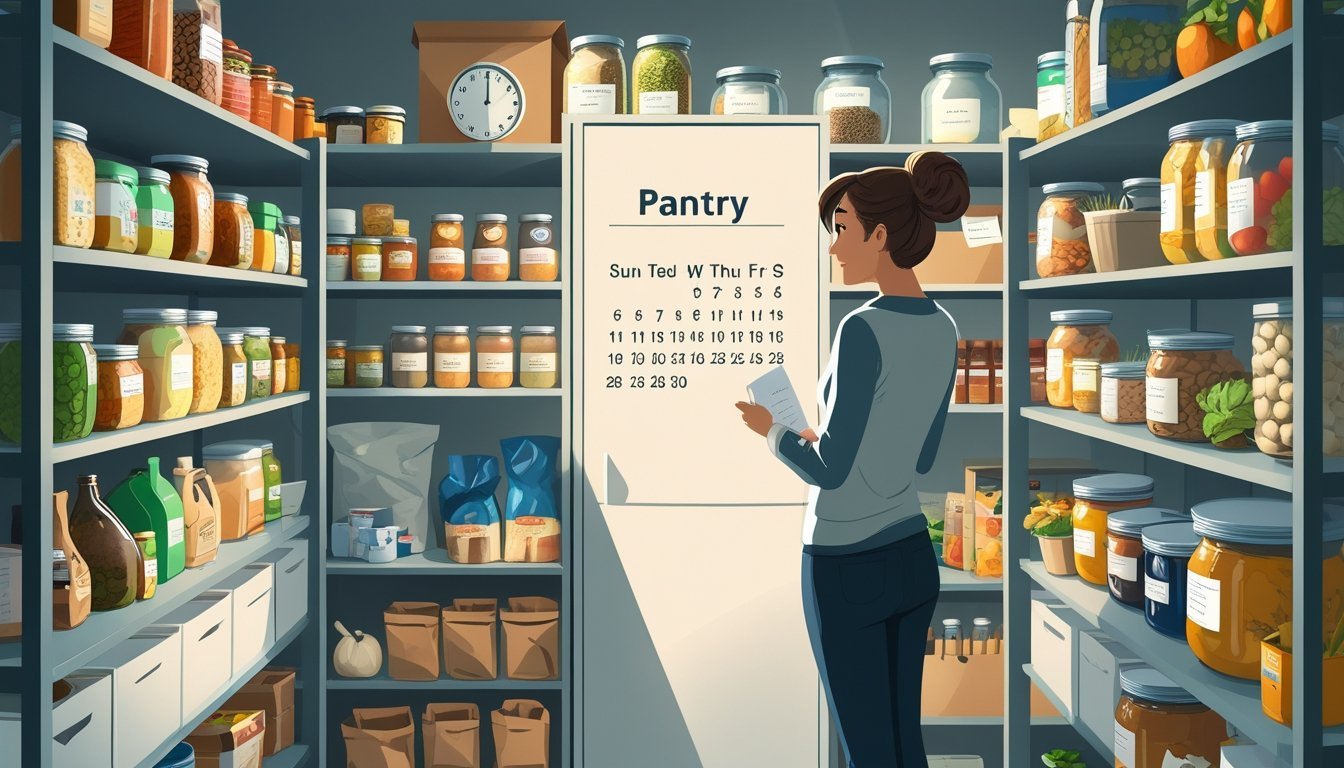
Bulk buying can deliver genuine savings, but only when storage space and product shelf life are properly considered. Items with a long shelf life or regular use are less likely to be wasted.
Short-lived perishable items often result in hidden losses if consumed too slowly. Many households find that produce, dairy, and bakery goods spoil before they are finished.
Some key factors to remember:
Check expiration dates before buying in bulk
Assess storage space at home for surplus items
Prioritize non-perishables such as canned goods, paper products, or cleaning supplies
Calculate cost-per-use instead of just cost-per-unit
A careful approach can prevent wasted food and money. Being realistic about consumption habits ensures bulk buying remains cost-effective, not costly.

