
How Temperature Abuse Happens in Grocery Stores and What It Means for Food Safety
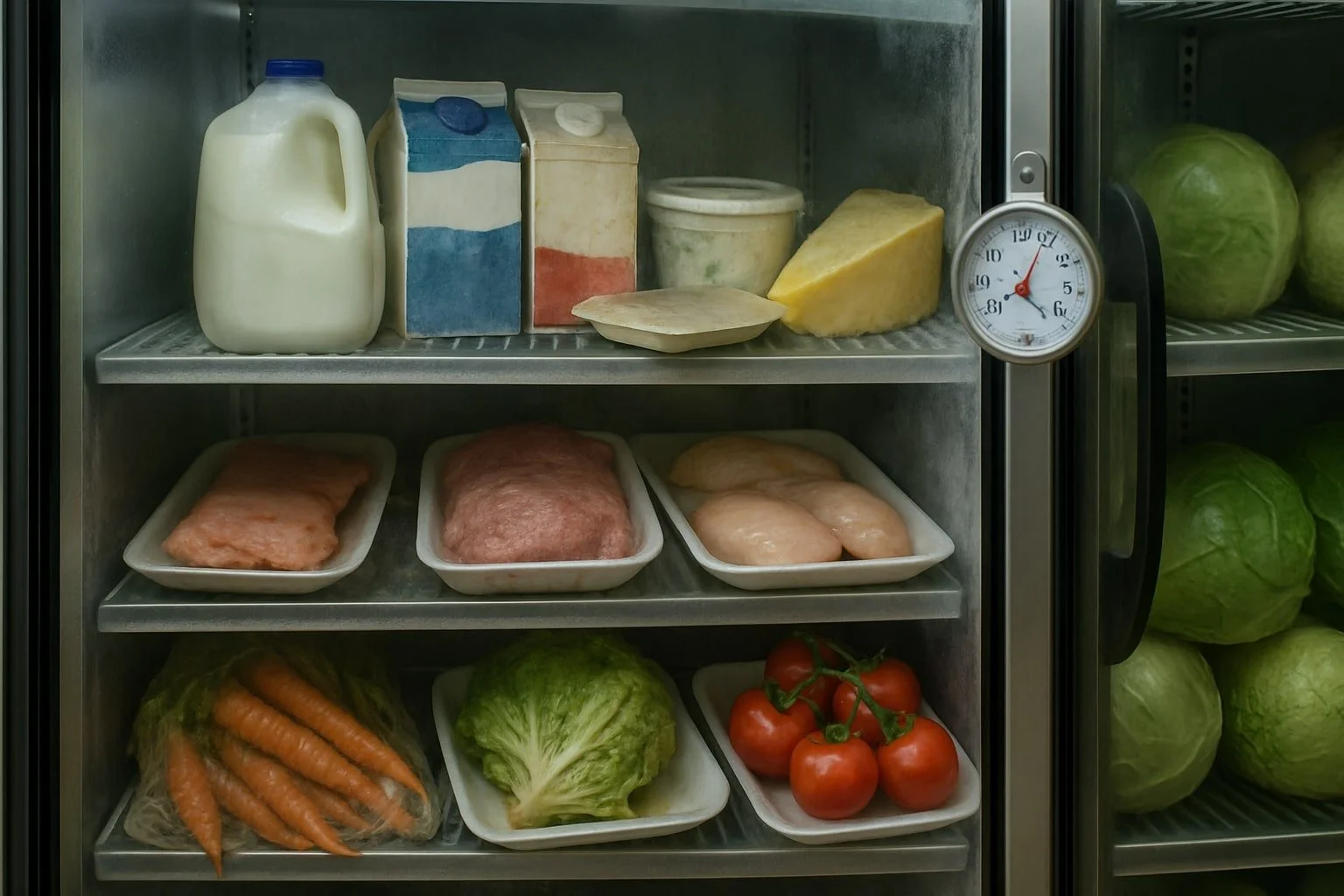
Temperature abuse in grocery stores happens when foods are kept in the temperature danger zone—between 41°F and 135°F—for too long, allowing bacteria to multiply and putting food safety at risk. This problem often arises during receiving, storage, display, or even while stocking shelves. TCS (Time/Temperature Control for Safety) foods, like meats, dairy, and prepared dishes, are especially vulnerable.
Many consumers don’t realize that a slight lapse in temperature control, whether from equipment malfunctions or improper handling, can lead to unsafe products on the shelves. Grocery stores must consistently monitor temperatures and quickly address issues to minimize the risk of foodborne illness for their customers.
Understanding Temperature Abuse in Grocery Stores
Temperature abuse is a leading cause of bacterial growth, foodborne illness, and contamination in grocery stores. Strict temperature control is necessary to keep TCS foods safe and to prevent food from entering the temperature danger zone.
What Is Temperature Abuse
Temperature abuse occurs when food is kept at temperatures that encourage rapid bacteria growth. This typically happens when foods remain in the "temperature danger zone," which ranges from 41°F to 135°F (5°C to 57°C). Within this range, bacteria can multiply quickly, increasing the risk of foodborne illness.
TCS foods (Time/Temperature Control for Safety foods), such as dairy, meat, poultry, cooked rice, and cut fruits and vegetables, are especially at risk. If these foods are not stored, displayed, or transported at the correct temperatures, they become unsafe. Repeated or prolonged exposure to the danger zone allows harmful bacteria to reach unsafe levels.
Why Grocery Stores Are Vulnerable
Grocery stores face unique challenges in maintaining food safety due to their complex operations. Multiple factors can contribute to temperature abuse, including:
Inadequate refrigeration or freezer maintenance
Employee error during stocking or display
Frequent door openings and improper storage
Malfunctioning temperature monitoring equipment
Stores often handle large volumes of TCS foods, making effective temperature control a constant concern. Delays during delivery, display, or transfer between departments can all expose food to dangerous temperatures. Self-service areas like salad bars and hot food stations are also especially prone to these risks.
Key Food Safety Concerns
Temperature abuse can lead to serious food safety issues, such as:
Accelerated Bacteria Growth: When foods remain in the temperature danger zone, bacteria like Salmonella, E. coli, and Listeria can multiply quickly.
Contamination: Fresh produce, deli meats, and dairy are especially vulnerable to cross-contamination when not kept at safe temperatures.
Foodborne Illness: Consuming temperature-abused foods can cause illnesses that result in severe health problems.
Proper temperature monitoring and strong employee training are required to reduce these risks. Using accurate thermometers and logging temperatures regularly are standard practices for keeping contaminated or unsafe foods off shelves.
Critical Temperature Ranges and the Danger Zone
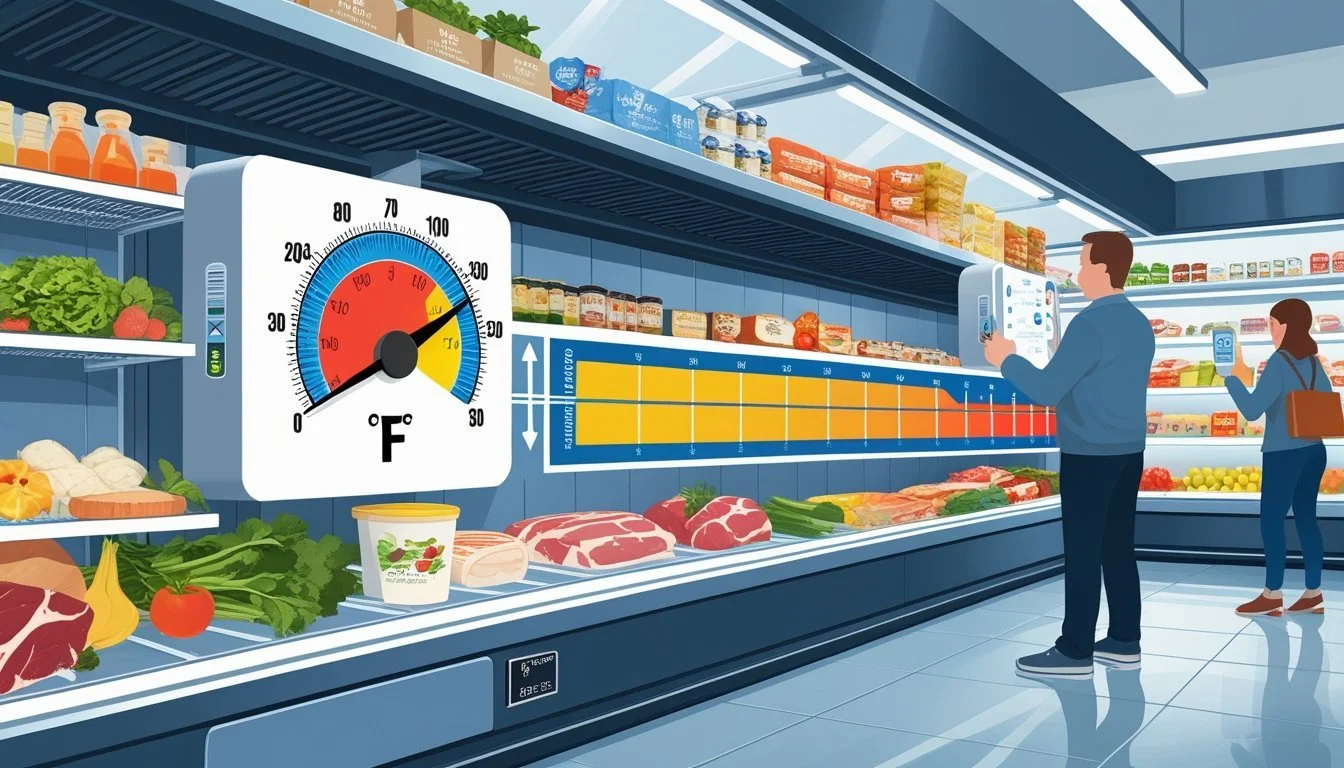
The control of temperature is central to food safety in grocery stores. Strict monitoring limits the risk of rapid bacterial growth and perishable food spoilage during storage, preparation, and retail display.
Defining the Danger Zone
The "danger zone" is widely recognized as the temperature range in which bacteria multiply most quickly. This spans between 40°F (4°C) and 140°F (60°C), although some guidelines note a slightly narrower range starting at 41°F (5°C) and ending at 135°F (57°C).
Perishable foods, such as dairy, meats, cut produce, and cooked dishes, are most at risk when held within this temperature band. Any exposure to the danger zone, even for a short period, can result in the rapid expansion of harmful microorganisms.
Grocery stores must maintain internal food temperatures outside of the danger zone, whether in cold storage, heated display, or during transport. Using calibrated thermometers and quick routine checks is critical for compliance and consumer safety.
Impacts on Bacterial Growth
Within the danger zone, bacteria can double in number in as little as 20 minutes, depending on the specific temperature and food type. The closer food temperatures are to the midpoint of the danger zone, the faster the risk escalates.
Spoilage bacteria and pathogens such as Salmonella, E. coli, and Listeria thrive in this range. Even a small lapse in maintaining safe storage temperatures can lead to contaminated products.
Prolonged exposure increases not just the likelihood of foodborne illness but also leads to higher rates of product wastage. Staff training and strict monitoring protocols are necessary to avoid unintentional temperature abuse.
The Role of Refrigerators and Freezers
Refrigerators are typically set at or below 40°F (4°C) to keep perishable foods outside of the danger zone. Proper circulation and regular checks help ensure that all areas maintain the correct storage temperature.
Freezers should be at or below 0°F (-18°C), arresting bacterial growth completely and extending the shelf life of perishable items. Any rise above these standards allows spoilage bacteria to resume activity.
In grocery stores, regular temperature logs, alarms, and maintenance are used for both refrigerated storage and freezing units. Organization of stock to allow air flow and clear labeling of use-by dates supports effective cold chain management.
Common Causes of Temperature Abuse in Grocery Stores
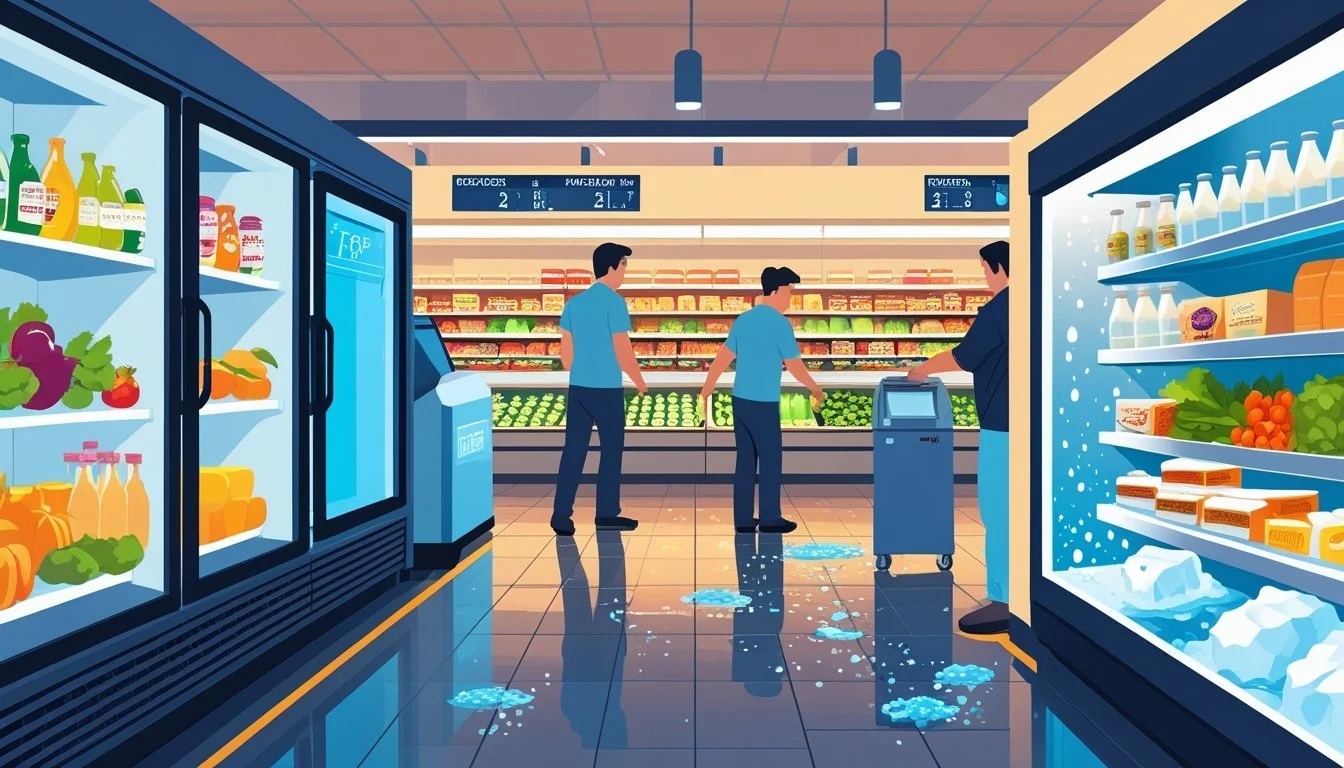
Temperature abuse in grocery stores is most often linked to issues with storage practices, failure to monitor temperatures accurately, equipment breakdowns, and inconsistent staff training. These factors directly affect food safety by increasing the risk of bacterial growth in perishable foods.
Improper Storage and Handling
Improper storage occurs when foods requiring refrigeration or freezing are left at room temperature for too long or stored in overloaded refrigerators and freezers. This is common during restocking, when pallets of perishables remain on the sales floor or in aisles before being shelved.
When foods are stacked too tightly in display cases or refrigerators, it restricts airflow and results in uneven cooling. Some items may sit in the temperature danger zone (41ºF to 135ºF or 5ºC to 57ºC), accelerating bacterial growth.
Poor handling can also include transferring hot cooked foods to cold cases before adequately cooling, or leaving foods exposed to ambient temperatures during preparation and packaging. Proper staging of food items during delivery, storage, and preparation is critical.
Inadequate Temperature Monitoring
Grocers rely on temperature monitoring devices such as thermometers, temperature probes, and data loggers to check the temperatures of refrigeration and freezer units. However, failures occur when staff skip routine checks or ignore temperature logs, leading to undetected unsafe temperatures.
Inconsistent use of temperature probes to spot-check product temperatures also creates gaps. Some stores do not routinely record data in temperature logs, or may use inaccurate or uncalibrated monitoring devices.
A lack of automated alerts from connected digital systems allows problems to persist, especially during off-hours when staff is not present. This makes comprehensive temperature monitoring essential for preventing food safety risks.
Equipment Malfunctions
Equipment failures are a major cause of temperature abuse. Refrigerators, freezers, display cases, and walk-in coolers can malfunction because of broken compressors, faulty thermostats, or power outages. When this happens, foods may remain in the temperature danger zone for long periods.
If maintenance is delayed or overlooked, even minor issues can worsen. Broken door seals, overloaded units, and poor airflow intensify the risk, often going unnoticed until spoilage or temperature logs indicate a problem.
Prompt repairs and regular preventive maintenance schedules can reduce equipment-related risks. Some stores implement systems to notify staff when units drift out of safe ranges, but not all have these practices in place.
Staff Training Gaps
Staff play a key role in preventing temperature abuse but may lack consistent training in safe food storage and temperature monitoring. Employees may not understand the importance of following temperature logs or using temperature probes correctly.
Some staff are unaware of proper storage guidelines for TCS (Time/Temperature Control for Safety) foods or may not know how to interpret data logger readings or recognize signs of equipment malfunction.
Training programs that cover every aspect—from unloading freight to placing food in display units—are essential. Regular coaching and clear standard operating procedures help to reinforce best practices and support food safety.
Risks of Temperature Abuse: Foodborne Illnesses and Bacterial Hazards
Temperature abuse in grocery stores can result in the rapid growth of harmful bacteria, leading to foodborne illnesses that can affect consumer health. Key pathogens and vulnerable food categories are closely linked to improper temperature control, highlighting serious risks in retail food safety.
Types of Foodborne Illnesses
Foodborne illnesses are most often caused by consuming contaminated foods that have not been held at safe temperatures. Common symptoms include nausea, vomiting, diarrhea, abdominal pain, and sometimes fever. The severity of illness depends on the type and amount of pathogen ingested and the health of the individual.
Bacteria such as Salmonella, Campylobacter, E. coli O157, and Listeria monocytogenes are common culprits. Other agents include viruses, parasites, and toxins, but bacteria are the most frequently associated with temperature abuse. In severe cases, these illnesses can result in hospitalization or even death, especially among high-risk groups such as children, elderly individuals, and those with weakened immune systems.
Pathogenic Bacteria of Concern
Certain bacterial pathogens thrive when foods are kept in the "danger zone" — the temperature range between 40°F (4°C) and 140°F (60°C). Notable examples include Salmonella enteritidis, Listeria monocytogenes, Staphylococcus aureus, and Escherichia coli O157.
Bacterium Main Sources Notable Illnesses Salmonella enteritidis Eggs, poultry, produce Salmonellosis Listeria monocytogenes Dairy, deli meats Listeriosis E. coli O157 Ground beef, produce Hemolytic uremic syndrome Staphylococcus aureus Ready-to-eat foods Gastroenteritis
These bacteria multiply quickly if foods are not kept cold or hot enough. Some, like Listeria, can grow even at refrigeration temperatures, making strict temperature control essential.
Risks for Ready-to-Eat and Perishable Foods
Ready-to-eat foods and perishable foods are at highest risk of supporting bacterial growth if subjected to temperature abuse. Foods such as sliced deli meats, dairy products, salads, and cooked dishes do not require further cooking, so any contamination or bacterial multiplication can go unchecked.
Improper holding or storage temperatures allow rapid multiplication of pathogens. Cross-contamination also increases risk, as bacteria can transfer from raw to ready-to-eat products via shared equipment or contact surfaces. Retailers must monitor temperatures closely, especially for foods displayed in open cases or self-service areas. Strict time and temperature controls, along with staff training, are critical to minimize the risks of foodborne contamination in these products.
Temperature Control Strategies for Grocery Stores
Effective temperature management is crucial in grocery stores to prevent spoilage, maintain food safety, and comply with regulatory standards. Proper storage temperatures, reliable measuring instruments, and systematic monitoring routines help reduce the risk of temperature abuse.
Maintaining Proper Storage Temperatures
Cold storage units for perishable items such as dairy, meats, and produce must be set to specific temperatures. Refrigerated storage should maintain foods at or below 4°C (39°F), while frozen goods must be stored at -18°C (0°F) or lower.
Operators should label storage equipment clearly and regularly check readings on built-in displays. It is important to avoid frequent door openings and maintain adequate airflow within display cases and walk-ins. Temperature management procedures should specify corrective actions if target temperatures drift outside safe ranges.
Key perishable categories and recommended storage temperatures:
Food Type Storage Temp (°C) Storage Temp (°F) Fresh Meat 0 – 4 32 – 39 Dairy 0 – 4 32 – 39 Produce 1 – 5 34 – 41 Frozen Foods ≤ -18 ≤ 0
Role of Thermometers and Probes
Accurate food thermometers and temperature probes are essential for verifying the temperature of both equipment and products. Digital thermometers enable fast and precise readings of refrigerated and frozen environments.
Regular calibration of thermometers ensures accuracy. Employees should use probes to check internal temperatures of ready-to-eat foods and cooked items on display. Each device should be cleaned between uses to prevent cross-contamination.
Types of temperature monitoring devices include:
Infrared Thermometers – For surface temperatures
Digital Probe Thermometers – For internal food checks
Data Loggers – For ongoing temperature records
Maintaining a set of functional, calibrated thermometers at each storage area allows staff to quickly identify potential temperature abuse.
Regular Temperature Monitoring and Logging
Consistent temperature monitoring is vital for early detection of storage issues. Staff should record refrigerator and freezer temperatures at set intervals during each shift and document them in temperature logs.
Automated temperature monitoring systems provide real-time alerts if temperatures deviate from safe ranges. These logs are useful for inspections and can help pinpoint recurring problems.
Establishing a clear schedule and assigning responsibility for monitoring encourages accountability. All temperature logs must be retained according to company or regulatory policies and reviewed periodically to ensure compliance. Proper logging helps demonstrate due diligence and supports corrective action if temperature control fails.
Managing the Cold Chain: Delivery and Storage Challenges
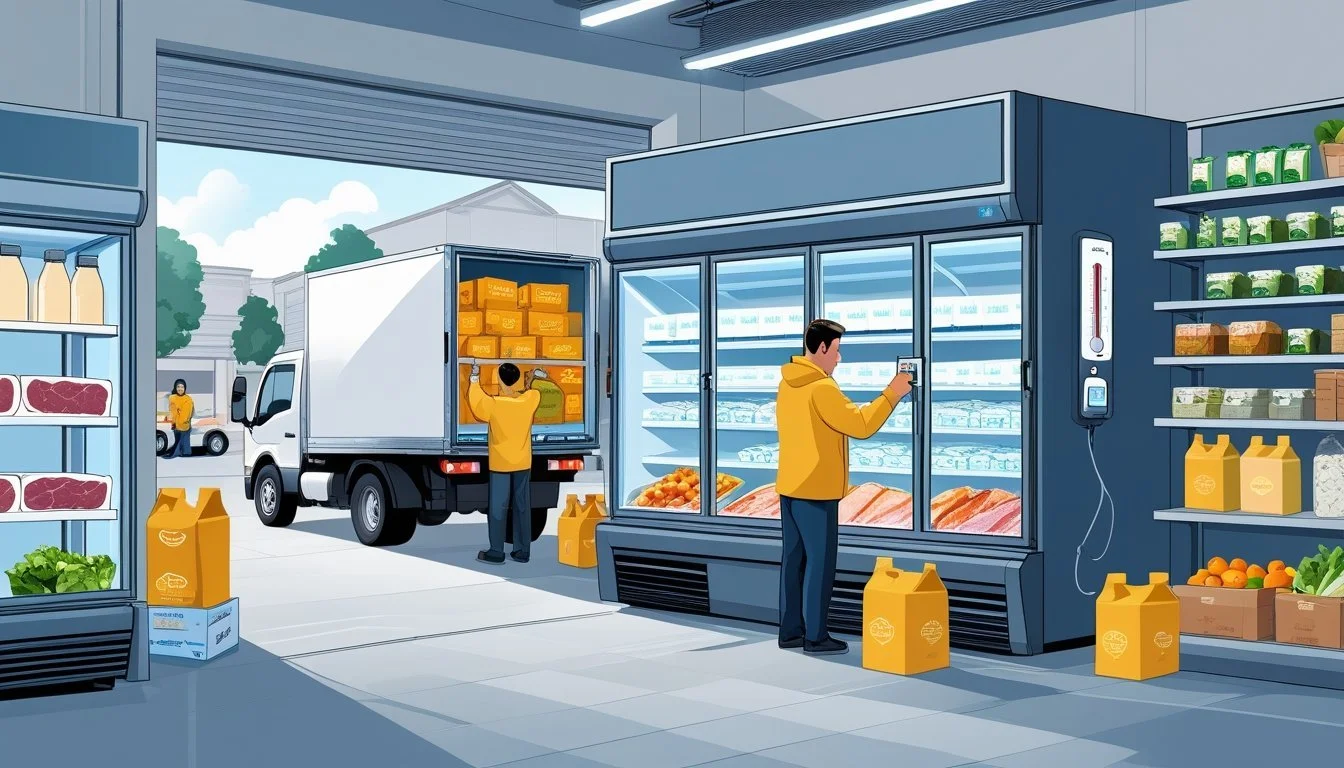
Maintaining the cold chain for perishable foods is complex and requires precise attention at every step. Failures in temperature control during delivery and storage can endanger food safety and degrade product quality.
Receiving Shipments and Delivery Drivers
Delivery drivers play a key role in the initial phase of cold chain management. They must ensure that refrigerated and frozen goods remain at the correct temperatures from the start of their route until products are unloaded at the store.
When shipments arrive, staff are responsible for quickly checking product temperatures. Infrared thermometers, data loggers, and temperature indicator strips are commonly used for this task. If a delivery sits on a loading dock for too long, especially during warm weather, there is a significant risk of temperature abuse.
Efficient scheduling and prompt unloading minimize risk. Some stores use dedicated receiving areas equipped with cold storage to further reduce exposure time. Training for both drivers and store employees helps ensure frozen and chilled items don’t warm up during transfer.
Cold Chain Breaks and Their Impact
Cold chain breaks occur when perishable goods are exposed to temperatures outside their safe range. Even brief breaks may cause significant quality and safety concerns, especially with highly perishable foods such as seafood or dairy.
Microbial growth accelerates during periods of inadequate refrigeration. Products might not show visible spoilage immediately, but the risk of foodborne illness increases. Repeated temperature fluctuations can also degrade texture, flavor, and nutritional value.
To minimize cold chain breaks, many stores rely on continuous temperature monitoring with data loggers. Employees should regularly inspect for signs of partial thawing, frost, or condensation, which often reveal past cold chain failures.
Transporting Frozen and Refrigerated Foods
Transporting frozen and refrigerated goods requires consistent low temperatures throughout the journey. Vehicles are typically fitted with refrigerated or insulated compartments and precise temperature controls.
Common challenges include equipment malfunctions, traffic delays, and improper organization of products within the vehicle. To lower risk, drivers frequently check thermostats and adjust storage arrangements so airflow is not blocked. Store staff should verify that shipments stayed within the required range before accepting the delivery.
Quick reference table:
Product Type Recommended Temp (°C) Monitoring Method Frozen Goods -18 or below Data loggers, manual Refrigerated Foods 0–4 Data loggers, checks
Strict adherence to these practices is essential to maintain product safety from supplier to shelf.
Cooking, Cooling, and Reheating Practices
To ensure food safety in grocery store environments, strict attention must be given to how foods are cooked, cooled, and reheated. Failure to maintain proper time and temperature controls at any stage increases the risk of bacterial growth and foodborne illness.
Establishing Correct Cooking Temperatures
Consistently reaching safe minimum internal temperatures is crucial during food preparation. Different types of foods have specific requirements:
Food Type Minimum Internal Temperature Poultry (whole/ground) 165°F (74°C) Ground meats 155°F (68°C) Seafood 145°F (63°C) Eggs (for hot holding) 155°F (68°C) Fresh beef, pork, lamb 145°F (63°C)
Thermometers must be used to check the internal temperature of cooked items. Relying on visual cues is not reliable and can result in undercooked food. Employees should be trained to calibrate and sanitize thermometers regularly.
Proper Cooling and Storage Procedures
Improper cooling is a leading cause of temperature abuse in grocery stores. Cooked foods must be cooled from 135°F to 70°F (57°C to 21°C) within two hours, then from 70°F to 41°F (21°C to 5°C) or below within the following four hours.
Storing large portions of hot food directly in the refrigerator slows cooling. To speed the process, staff should:
Divide food into shallow pans
Use ice baths or blast chillers
Avoid overcrowding refrigerators
Labeling cooled foods with time and date helps track compliance. Refrigeration units should be checked regularly to confirm they are keeping foods at safe temperatures.
Safe Reheating of Prepared Foods
Reheating practices must ensure foods reach an internal temperature of at least 165°F (74°C) for 15 seconds before service or hot holding. Using steam tables or slow cookers to reheat is not safe, as these cannot bring food to temperature quickly enough.
Food should only be reheated once. Thermometers must be used to verify the required temperature is reached throughout the product. Any leftovers that do not reach this standard should be discarded rather than served.
Proper reheating procedures prevent bacteria from surviving and multiplying, reducing the risk of illness for customers.
Regulatory Standards and Food Safety Compliance
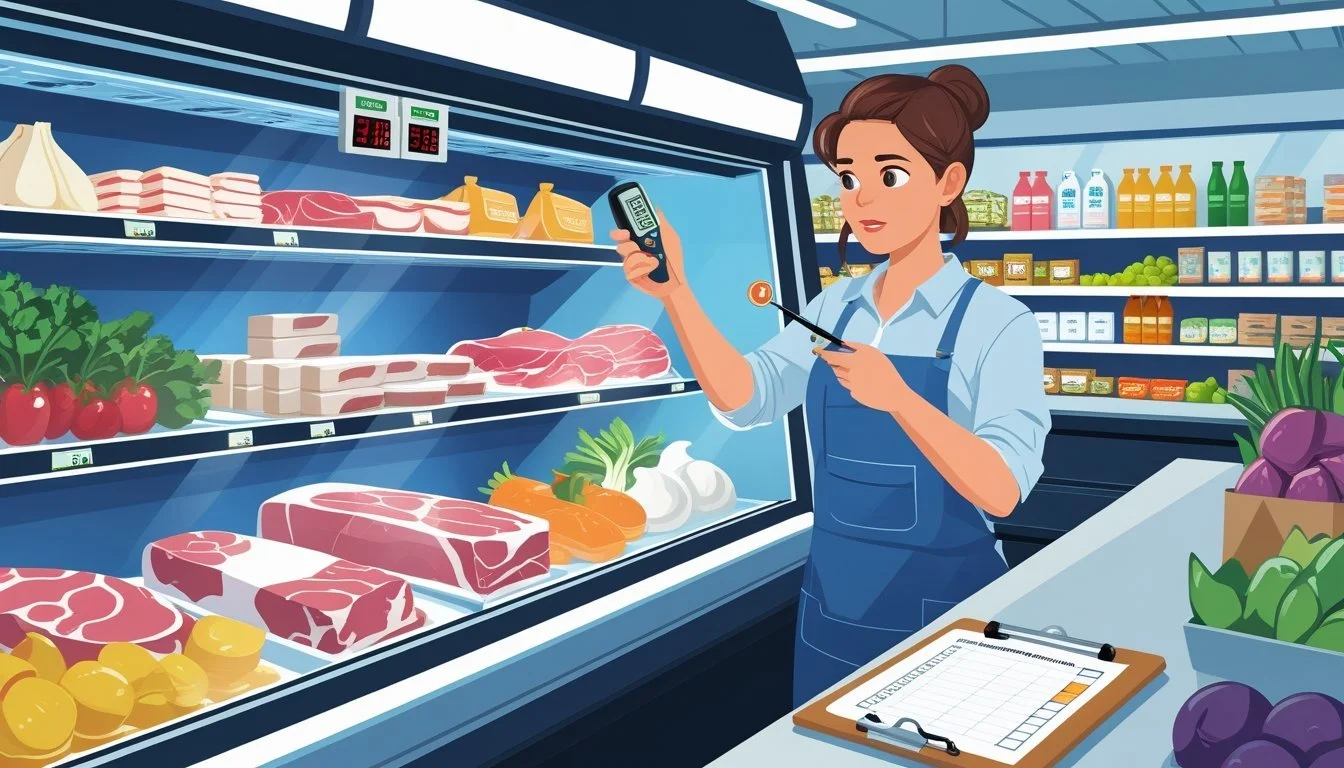
Grocery stores must adhere to precise regulations to prevent temperature abuse, as improper temperature control is a leading factor in food spoilage and the growth of harmful bacteria. Consistent monitoring and documentation are necessary for compliance and consumer safety.
Food Safety Regulations in Grocery Stores
Grocery stores in the United States are primarily regulated by the FDA Food Code and the Food Safety Modernization Act (FSMA). These set mandatory guidelines for storing, displaying, and handling perishable items at proper temperatures.
The FDA Food Code requires that potentially hazardous foods are kept at or below 41°F (5°C) or above 135°F (57°C) to minimize bacteria growth. FSMA further enforces risk assessment and prevention-based controls, making temperature logs and records essential.
Routine inspections assess compliance with these rules. Noncompliance, such as failing to maintain required temperature logs or failing to address temperature deviations, can lead to penalties or closures.
HACCP and Temperature Control Requirements
Hazard Analysis and Critical Control Points (HACCP) is a systematic approach used by grocery stores to identify and control food safety risks. Time/temperature control is central to HACCP, especially for items classified as TCS foods (Time/Temperature Control for Safety foods).
HACCP plans require stores to determine critical control points (CCPs) where temperature abuse is most likely. These points often include refrigerated and hot holding units, as well as transport and receiving stages.
Stores must regularly monitor temperatures, document findings with logs, and respond quickly to any deviations. This not only reduces the opportunity for bacterial growth but also provides proof of compliance during audits or inspections.
Importance of Food Safety Standards
Adhering to food safety standards protects both public health and a store's reputation. Temperature abuse can quickly render food unsafe, which increases the risk of foodborne illness.
Accurate temperature logs and active monitoring are required to meet regulatory expectations. This documentation supports risk assessment and allows quick corrective actions, helping to prevent unsafe products from reaching consumers.
Maintaining strict standards in temperature control reduces spoilage, minimizes legal liability, and ensures compliance with local, state, and federal requirements. The cost of neglecting these standards often outweighs any effort required to consistently meet them.
Preventing Temperature Abuse: Training and Best Practices
Effective prevention of temperature abuse in grocery stores relies on attentive employee training, clear protocols, and continuous oversight. Each step, from initial education to regular evaluation, supports food safety and protects public health.
Employee Education and Awareness
Staff training begins with a solid introduction to food safety principles and the specific risks of temperature abuse. Employees must understand the “danger zone”—between 41°F and 135°F—where pathogens multiply most rapidly.
Regular workshops and briefings reinforce why proper temperature management matters. Visual aids such as charts, infographics, and posters placed in prep areas can remind staff of key procedures. Trainees learn how to identify unsafe conditions through mock scenarios and interactive lessons.
Trainers should cover how long different foods can stay at room temperature before becoming unsafe. The use of real-world examples from grocery stores helps staff connect theory to practice. Employees should be encouraged to ask questions and clarify points of confusion during these sessions.
Best Practices for Food Service Teams
Food service teams follow precise routines to minimize time and temperature abuse. This includes monitoring holding, cooling, and reheating foods frequently with accurate, calibrated thermometers.
A standard operating procedure (SOP) checklist might include:
Checking temperatures at designated intervals
Recording readings on logs kept near food stations
Following clear rules for discarding food that enters the danger zone for 4 hours or longer
Teams must store perishable items promptly and respond quickly to equipment malfunctions or power outages. Assigning specific roles for monitoring checks and corrective action ensures accountability. Staff should wear gloves and use sanitized utensils to avoid cross-contamination during handling.
Ongoing Monitoring and Evaluation
Continuous evaluation helps maintain high standards over time. Managers routinely review temperature logs, calibration records, and incident reports for signs of recurring problems.
Audits—internal or by third parties—can catch gaps in compliance and highlight areas for refresher training. Automated temperature monitoring systems send alerts when conditions deviate from safe ranges, allowing for a quick response.
Employee performance reviews may include observations of temperature checks and accurate logkeeping. When lapses are found, retraining and feedback sessions should follow. This cycle of monitoring, feedback, and adjustment helps build a culture of food safety throughout all departments.
Special Considerations for Different Food Types
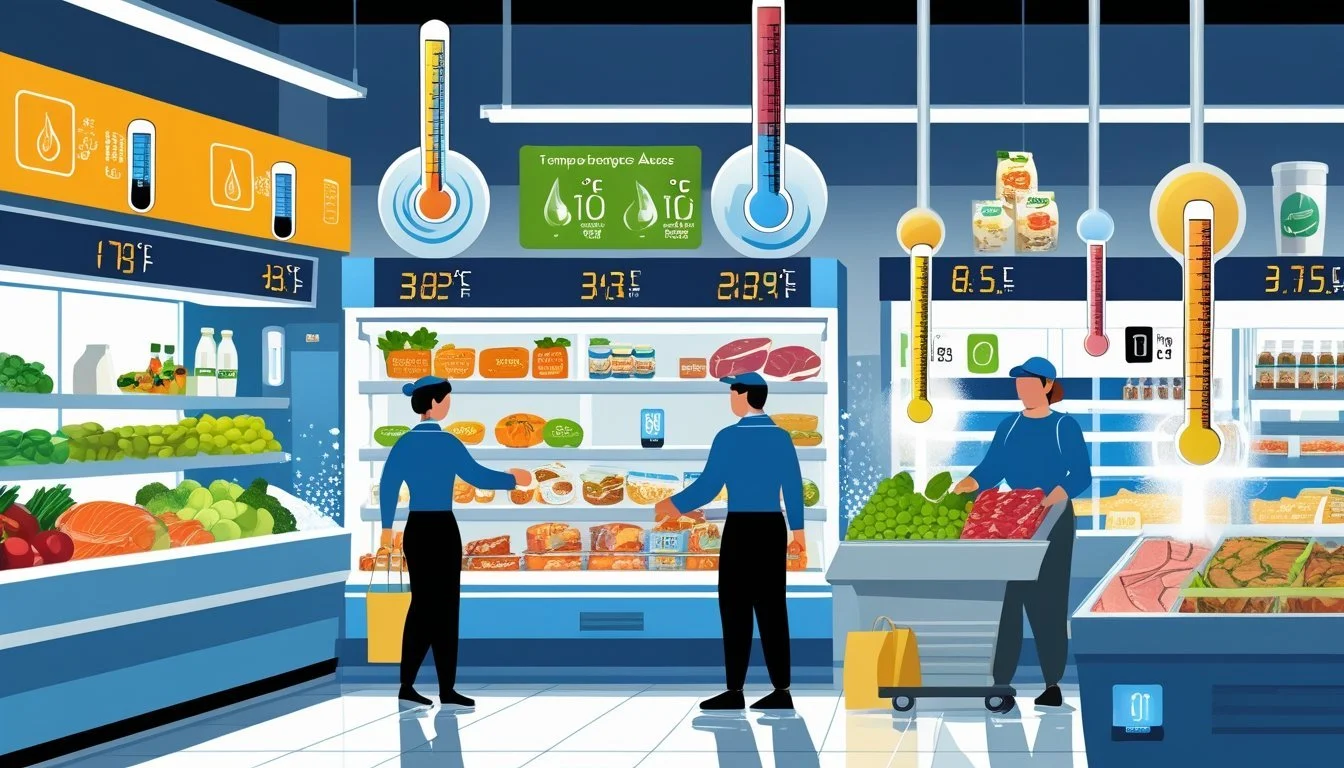
Different food categories require specific temperature and handling practices to prevent temperature abuse and the growth of harmful microorganisms. Implementing clear procedures for storage and separation helps reduce the risk of spoilage and contamination.
Handling TCS Foods and Ready-to-Eat Items
Time/Temperature Control for Safety (TCS) foods—such as dairy, meat, poultry, and cooked vegetables—are highly susceptible to bacteria growth when not kept at appropriate temperatures. These items must be stored below 41°F (5°C) or held above 135°F (57°C) to minimize risk.
Ready-to-eat foods need similar precautions but also require additional protection from direct contact and environmental exposure. Using clean utensils, gloves, and covered containers helps prevent contamination.
Staff should monitor temperatures throughout transport, display, and storage, recording readings frequently. Display cases and coolers must be maintained and checked for fluctuations to ensure that foods stay within the safe temperature zone.
Food Type Safe Temp Range Key Handling Point TCS Foods Below 41°F or above 135°F Continuous temp monitoring Ready-to-Eat Below 41°F Use gloves, prevent contact
Managing Frozen vs. Fresh Foods
Frozen goods, like seafood and pre-packaged vegetables, must stay at or below 0°F (-18°C) to prevent thawing and refreezing, which damages texture and can allow harmful bacteria to multiply. Transport from delivery to storage should be as brief as possible, with no prolonged periods at higher temperatures.
Fresh foods—including fruits, vegetables, and unpackaged meats—require consistent refrigeration, ideally between 32–41°F (0–5°C). Shelving should allow for airflow and separation to prevent temperature inconsistencies and physical damage. Periodic checks of freezer and refrigerator units help prevent undetected temperature abuse.
If signs of frost, ice crystals, or uneven freezing are found on frozen items, these products should not be sold. Proper rotation using the first-in, first-out (FIFO) method also helps maintain product safety.
Minimizing Cross-Contamination in Dry Goods
Dry goods, such as grains, flour, and shelf-stable snacks, are less prone to microbial growth from temperature fluctuations but are vulnerable to cross-contamination. Storage away from moisture and strong odors is essential, as excess humidity can lead to mold or spoilage.
Cross-contact with allergens is a key concern, especially in shared storage areas. Staff should use dedicated scoops, clearly label containers, and prevent open packaging from coming into contact with other foods.
Routine cleaning of storage bins and shelves further limits risk. If spills or contamination events occur, prompt removal and sanitation are necessary to prevent product compromise.

