
Gas-Impermeable Films: Extending Freshness Naturally for Longer-Lasting Food Quality
Gas-impermeable films play a crucial role in extending the freshness of foods by providing a strong barrier against oxygen and other gases that cause spoilage. By minimizing the transfer of oxygen, these films help preserve flavor, texture, and nutritional value, keeping products safe and appealing for longer periods.
Many packaging solutions now use advanced materials—including laminated polypropylene and specialized coatings—to create highly effective gas barriers. This technology not only benefits retailers and consumers by reducing food waste, but also supports the goal of maintaining quality without the need for artificial preservatives.
As interest grows in sustainable packaging and natural ways to improve shelf life, gas-impermeable films offer a straightforward, science-based solution. Readers interested in how packaging innovations influence everyday products will find practical value in understanding the impact of these modern films on freshness and quality.
Understanding Gas-Impermeable Films

Gas-impermeable films are specialized packaging materials designed to block the flow of gases such as oxygen, carbon dioxide, and volatile organic compounds. Their effectiveness depends on the combination of unique polymers and multilayer film structures, which play a critical role in extending product shelf life.
What Are Gas-Impermeable Films
Gas-impermeable films are thin films or multilayer laminates that prevent gases from passing through the packaging. This low permeability is crucial for protecting food, pharmaceuticals, and other sensitive items from spoilage and degradation.
Unlike standard plastic wraps, these films use advanced materials and designs to create a robust gas barrier. This makes them different from regular packaging, as they can maintain the integrity and freshness of products for much longer periods.
They’re often applied in the food industry to package perishable goods, as well as in electronics and medical fields where controlled atmospheres are vital. Gas-impermeable films can be tailored in thickness and material composition depending on the end-use requirements.
How Gas-Impermeable Films Work
Gas-impermeable films function by forming a highly effective barrier that restricts gas flow on a molecular level. Gases such as oxygen or methane can only penetrate through the film if the material allows it, which is measured as gas permeability.
To minimize permeability, manufacturers often use multilayer films. For example:
Layer Material Purpose Outer Layer Polyethylene Mechanical protection, sealing Barrier Layer EVOH* or PVDC Main gas barrier Inner Layer Polypropylene Product compatibility
*EVOH: Ethylene Vinyl Alcohol
The barrier performance depends on the specific chemistry and structure of each layer. Proper arrangement of these layers ensures minimal gas transfer and provides the durability needed for real-world applications.
Key Materials Used in Gas-Impermeable Films
The selection of polymers is critical to achieving the desired gas barrier properties. Common materials include:
EVOH (Ethylene Vinyl Alcohol): Highly effective barrier against oxygen and organic vapors.
PVDC (Polyvinylidene Chloride): Strong barrier for both gases and moisture.
Polyamides (Nylon): Adds strength and moderate barrier capabilities.
LLDPE (Linear Low-Density Polyethylene): Provides flexibility and sealing, often used in the structure’s outer or inner layers.
These materials are combined in multilayer structures to take advantage of each polymer’s strengths. The exact composition depends on the gases to be blocked and the product’s storage conditions. Advances in polymer chemistry continue to improve the gas barrier and physical properties of these thin films, making them more efficient and adaptable for new applications.
Essential Gas Barrier Properties
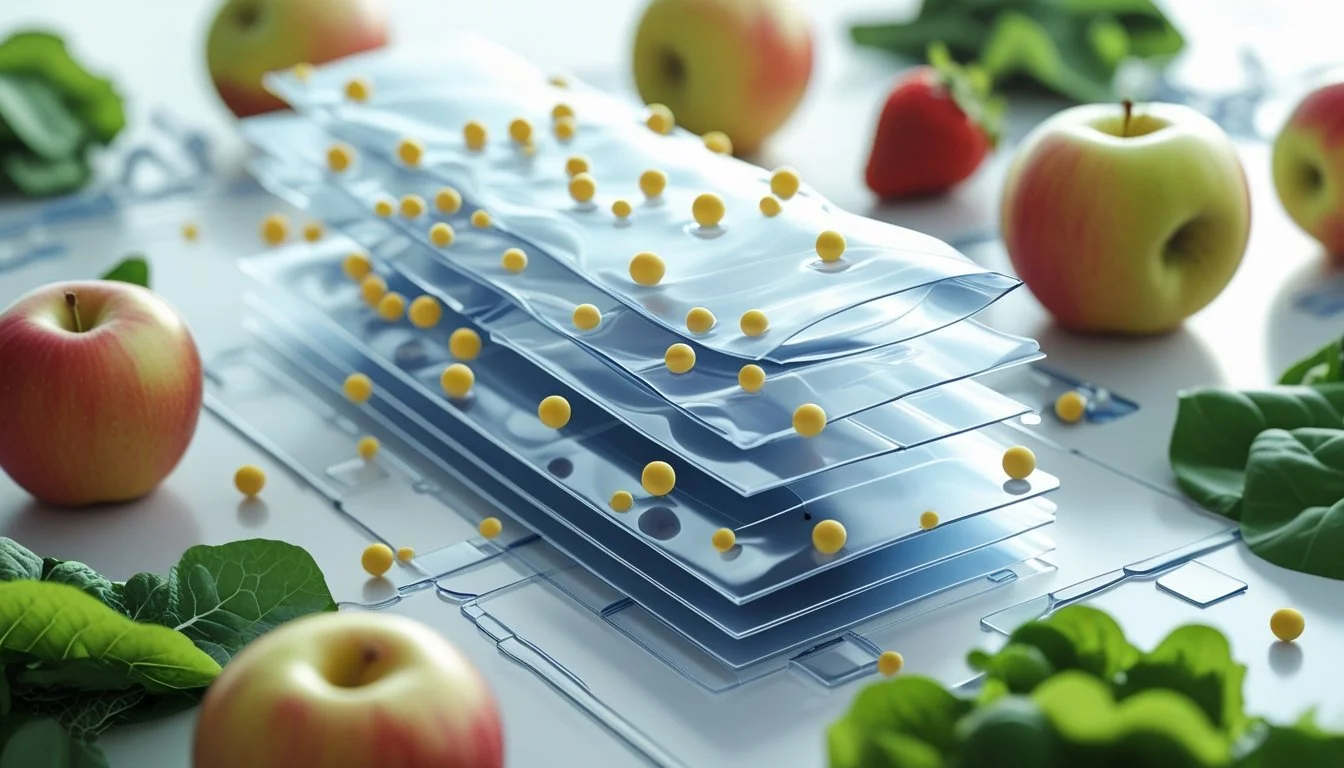
Gas-impermeable films use unique material properties to limit gas and moisture movement, protecting sensitive goods like food or pharmaceuticals. Their function relies on well-defined characteristics and mechanisms that are measurable and dependent on specific barrier properties.
Barrier Properties and Measurement
Barrier properties indicate how effectively a film stops gas or vapor from passing through. The industry uses metrics such as oxygen permeability and water vapor transmission rate (WVTR) to assess performance. Methods like ASTM and ISO standards govern the measurement of these rates.
A lower oxygen permeability value signals stronger gas resistance. Measurement is typically performed using instruments that monitor the amount of gas moving through a film over time at set temperatures and humidity.
Table 1: Common Barrier Property Metrics
Property Description Typical Units Oxygen Permeability Rate O₂ passes through a film ml/m²/day/atm WVTR (Moisture) Rate H₂O vapor passes through a film g/m²/day
Consistent measurement ensures material selection matches application requirements, safeguarding freshness and shelf life.
Gas Permeation Mechanisms
Gas permeation through films depends on polymer structure and environmental factors. Gases like oxygen dissolve on one side of the film, diffuse through it, and emerge on the other side—a process called solution-diffusion.
Polymer films with dense, well-oriented molecular structures typically exhibit low gas permeability. Additives, crystalline regions, and coatings such as aluminum or nanoclay can further reduce permeation rates for gases and vapors.
Temperature, humidity, and pressure can alter the rate of gas flow. For example, higher temperatures may increase permeability. Understanding these mechanisms is crucial for engineering films that best suit the product and its required shelf life.
Moisture and Oxygen Barrier Capabilities
Effective moisture and oxygen barrier capabilities help prevent food spoilage, loss of aroma, and chemical changes. High moisture barrier performance blocks water vapor, keeping products dry and crisp. For oxygen-sensitive goods, minimizing oxygen ingress is essential, as even small amounts can cause oxidation or nutrient loss.
Metallized films, biopolymers, and advanced multilayer materials are engineered to optimize both oxygen permeability and WVTR. Lamination and specialized coatings can dramatically reduce permeability, sometimes reaching <1 ml/m²/day/atm for oxygen and <1 g/m²/day for water vapor.
Choosing a material with the right combination of barrier properties ensures that perishables remain safe and fresh for longer periods during distribution and storage.
Advancements in Gas Barrier Materials
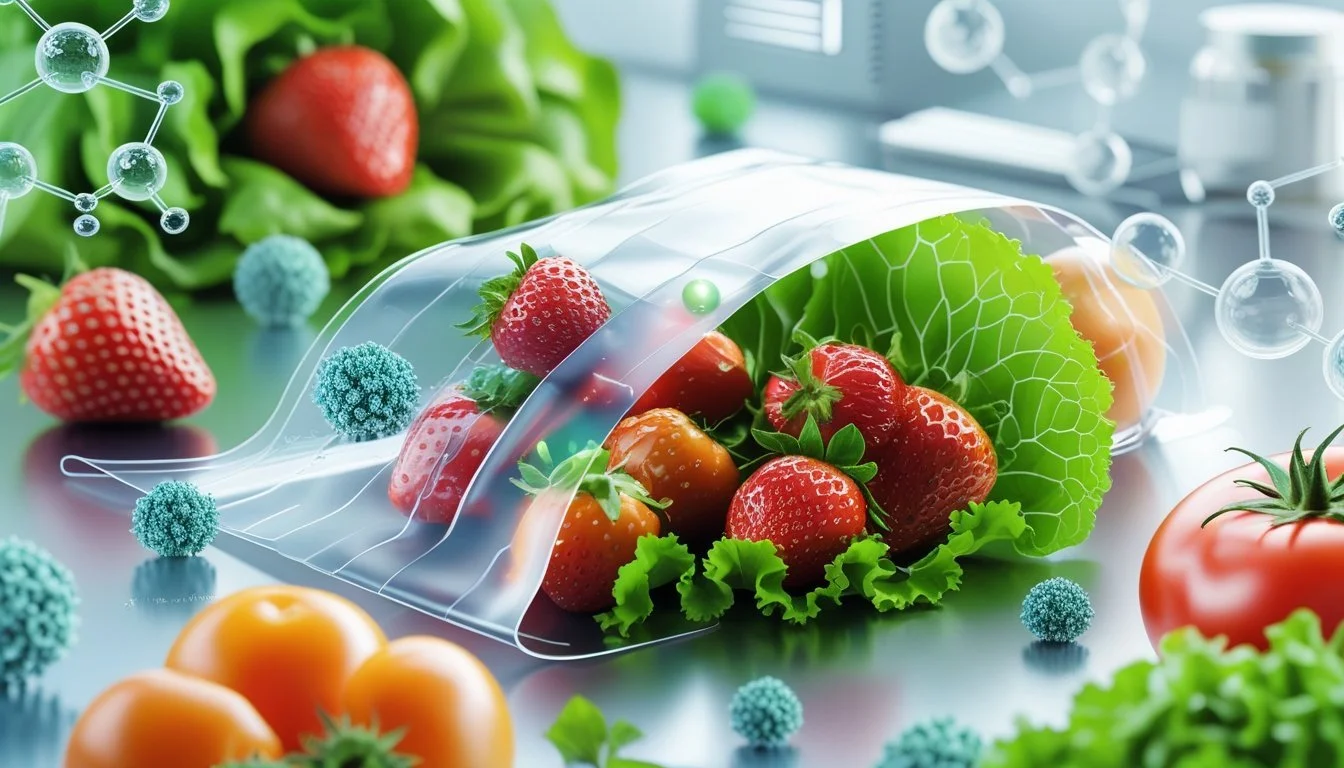
Recent innovations in gas barrier technology have led to significant improvements in the performance and utility of packaging films. Key developments focus on enhancing impermeability to gases while maintaining flexibility and transparency in packaging applications.
Multi-Layer Approaches
Multi-layer thin films have become a standard for gas barrier solutions in food, pharmaceutical, and electronics packaging. By stacking different material layers, each with unique barrier ratios for oxygen, nitrogen, and water vapor, manufacturers can fine-tune properties to specific needs.
Layer-by-layer (LBL) assembly is a popular technique for fabricating these films. This process allows the sequential addition of nanomaterial and polymer layers, optimizing film density and reducing gas permeability.
Advantages of Multi-Layer Films:
Customizable gas and moisture barrier levels
Improved durability and mechanical strength
Compatibility with a range of substrates (e.g., plastics, paper)
These structures are especially effective for sensitive products requiring long shelf life and strict atmospheric control.
Graphene and Graphene Oxide in Films
Graphene and graphene oxide (GO) have drawn attention due to their exceptional barrier properties. A single layer of graphene can act as a nearly impermeable membrane to standard gases, including oxygen and water vapor.
Integrating reduced graphene oxide (rGO) into polymers forms thin, transparent films with high gas impermeability. These materials retain flexibility and strength, keeping packaging lightweight and adaptable.
The effectiveness of graphene and GO films depends on defect minimization, layer alignment, and the quality of dispersion throughout the polymer matrix. Films enhanced with graphene materials are showing promise for use in both food preservation and flexible electronics.
Nanocomposite Technologies
Nanocomposites use minute fillers like layered double hydroxides (LDH) nanosheets or clay platelets to create a “tortuous path” for gas molecules, slowing their movement through the film. LDH nanosheets, in particular, can be stacked uniformly, providing strong barriers against gases.
Layer-by-layer assembly of nanocellulose and LDH nanosheets further increases film density. When combined with polymers through LBL techniques, these nanocomposite films exhibit notably improved oxygen barrier properties, supporting extended product freshness.
Typical nanocomposite fillers:
Layered double hydroxides (LDH)
Nanocellulose
Clay nanosheets
Nanocomposite barrier films strike a balance between processability, mechanical stability, and outstanding gas impermeability, making them suitable for advanced packaging applications.
Applications in Food Packaging
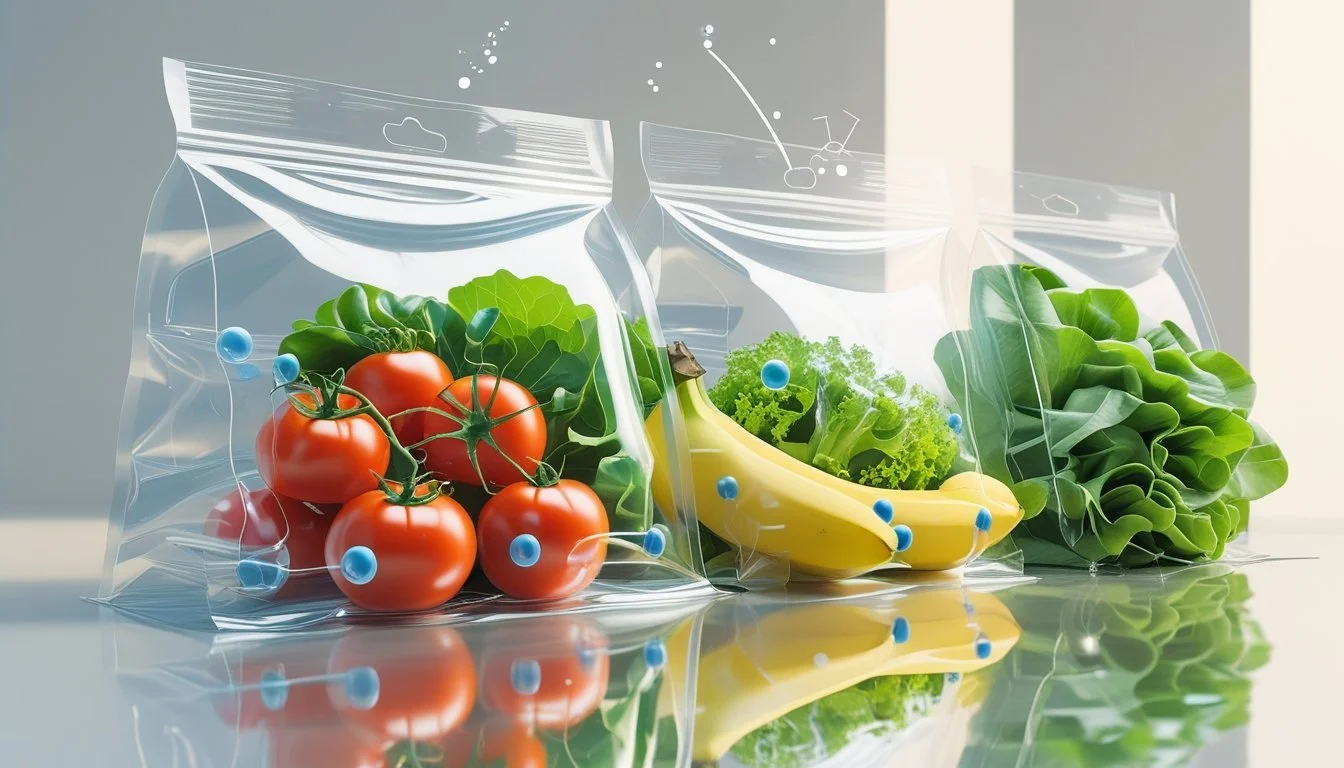
Gas-impermeable films play a critical role in modern food packaging by physically blocking oxygen and other gases, thereby limiting spoilage and extending shelf life. These materials help reduce reliance on chemical preservatives by offering an effective barrier to environmental factors.
Preserving Freshness of Perishables
Fresh produce, dairy, and bakery products benefit from packaging that limits exposure to oxygen and moisture. Gas-impermeable films create an environment that slows down oxidation and microbial activity.
Researchers have demonstrated that using these films with perishable items like fresh cherry tomatoes can extend the shelf life by several days. For example, composite films with excellent oxygen barriers have maintained tomato freshness longer than conventional plastics.
This approach helps maintain texture, flavor, and nutritional value. By delaying spoilage, gas-impermeable covers also reduce food waste in supply chains and retail.
Gas Barrier Films for Beef and Poultry
The meat industry relies heavily on gas barrier technology to protect raw beef and poultry from spoilage. Oxygen-sensitive items like these require high-performance films to prevent discoloration and bacterial growth during transport and storage.
Modified atmosphere packaging (MAP) often pairs gas-impermeable films with controlled gaseous environments such as a mix of nitrogen and carbon dioxide. This setup slows down lipid oxidation and microbial growth.
The result is a significant extension of shelf life—sometimes up to several weeks—without compromising food safety or quality. Some advanced biopolymer-based films now match the performance of synthetic materials in keeping beef and poultry fresh.
Natural Preservation Without Additives
Gas-impermeable films offer a method of extending food freshness that does not rely on added preservatives or chemicals. Innovations in biopolymer and plant-based packaging mean that these materials can even be biodegradable, reducing environmental impact.
Plant-based films can incorporate natural antioxidants or antimicrobial compounds directly into the packaging layer.
Tests have shown that some intelligent films can indicate freshness changes by color, reducing risks of spoilage and foodborne illness.
This technology supports clean-label food trends by letting brands market products as free from synthetic additives, while still keeping foods safe and appetizing for consumers.
Specific Gases and Their Impact

Gas selection plays a direct role in how well films can protect and extend the life of packaged foods. The unique properties of each gas determine their effects on freshness, spoilage, and shelf life.
Oxygen, Carbon Dioxide, and Ethylene
Oxygen (O₂) is a key factor in food spoilage. Exposure to oxygen supports the growth of aerobic microorganisms and accelerates oxidation, leading to rancidity in fats and loss of nutritional quality. Gas-impermeable films aim to exclude oxygen, sharply reducing these risks.
Carbon Dioxide (CO₂) is frequently used in modified atmosphere packaging. It suppresses the growth of many spoilage bacteria and molds, and in higher concentrations, extends the shelf life of meats and bakery products. For fresh produce, controlling CO₂ helps balance respiration rates and reduce spoilage.
Ethylene (C₂H₄) is a plant hormone released by some fruits and vegetables. Its buildup can speed up ripening and spoilage. Films with selective permeability are often used to regulate ethylene levels in packaging, slowing the aging of products like bananas and avocados.
Gas Primary Role Typical Effect on Food Oxygen Supports oxidation, spoilage Quality loss, faster decay Carbon Dioxide Inhibits bacteria, molds Shelf life extension Ethylene Hormone, ripening agent Accelerates ripening
Hydrogen, Helium, Methane, and Ammonia
Hydrogen (H₂) and Helium (He) are rarely used directly in food packaging, but their small atomic size means they can permeate most materials rapidly. They are sometimes used for leak detection in packaging systems because of this property.
Methane (CH₄) and ammonia (NH₃) are typically considered contaminants rather than protective gases. Methane is found in trace amounts in some modified atmospheres but is not used intentionally. Ammonia, with its strong odor, can signal spoilage, especially in fish and meat packaging. Films must be resistant to these gases to prevent off-odors and contamination.
Proper gas-impermeability ensures these gases do not undermine preservation. Selection of materials relies on their resistance to even small-molecule gases.
Other Critical Gases in Packaging
Argon (Ar) is an inert gas sometimes used in niche packaging applications. It displaces oxygen without adding flavor or odor, thus helping preserve sensitive products like wine or coffee beans.
Carbon Monoxide (CO) may be used in very small amounts to stabilize the color of red meats, though its use is strictly regulated.
Nitrogen (N₂) is widely used to flush out oxygen and create inert atmospheres in packaging, especially for snacks and dry goods.
Ethane (C₂H₆), methanol, and acetone are generally not used as primary gases in food packaging, but their vapors may need to be controlled to avoid flavor or quality issues.
Proper engineering and selection of gas-impermeable films help regulate all of these gases, balancing protection with product quality. Each gas’s behavior influences film choice and packaging atmosphere design.
Performance Factors for Gas-Impermeable Films
Gas-impermeable films safeguard products by restricting the movement of gases such as oxygen and carbon dioxide. Their effectiveness depends on specific material choices, physical properties, and enhancements in structure and composition.
Evaluating Gas Barrier Performance
Gas barrier performance refers to a material’s ability to slow down or block the passage of gases. This is typically measured in terms of the gas transmission rate (GTR) or oxygen transmission rate (OTR), using standardized test methods. Lower GTR or OTR values indicate better resistance to gas permeation.
Testing methods include using differential pressure, humidity, and temperature controls to simulate real storage conditions. Materials like polyvinylidene chloride (PVDC), biaxially oriented polyethylene terephthalate (BOPET), and graphene oxide have shown favorable gas barrier results. The selection of film depends on the application, whether for food packaging, medical use, or technical products.
Effect of Glass Transition Temperature
The glass transition temperature (Tg) reflects the point at which a polymer shifts from a hard, glassy state to a more flexible, rubbery form. Films with higher Tg values tend to offer enhanced gas barrier properties at typical storage temperatures.
Below Tg, chain mobility in the polymer drops, making it harder for small gas molecules to diffuse through the matrix. For example, polyethylene terephthalate (PET) has a higher Tg than polyethylene (PE), resulting in better oxygen barrier performance in many cases. Choosing materials with an appropriate Tg helps preserve the integrity of food and sensitive products for extended periods.
Improved Barrier Properties
Advancement in gas barrier properties comes from several strategies. Nanocomposite films that incorporate materials like graphene, clay, or metal oxides can greatly decrease permeation rates due to their complex, tortuous pathways for gas molecules.
Multilayer structures combine polymers with distinct barrier strengths—such as combining PVDC with PET for both strength and impermeability. Coatings, such as thin ceramic or metallic layers, add another line of defense without significant changes to film flexibility or appearance. These technologies enable manufacturers to tailor barrier levels for specific protection requirements while maintaining material efficiency.
Key Material Enhancements in Modern Films
Material/Technique Barrier Impact Typical Application Graphene-based films High (oxygen/gas) Advanced packaging, electronics Nanoclays/nanocomposite Moderate to high Food, medical packaging Multilayer designs Customized, high Flexible packaging, pharma
Manufacturing Techniques and Coatings
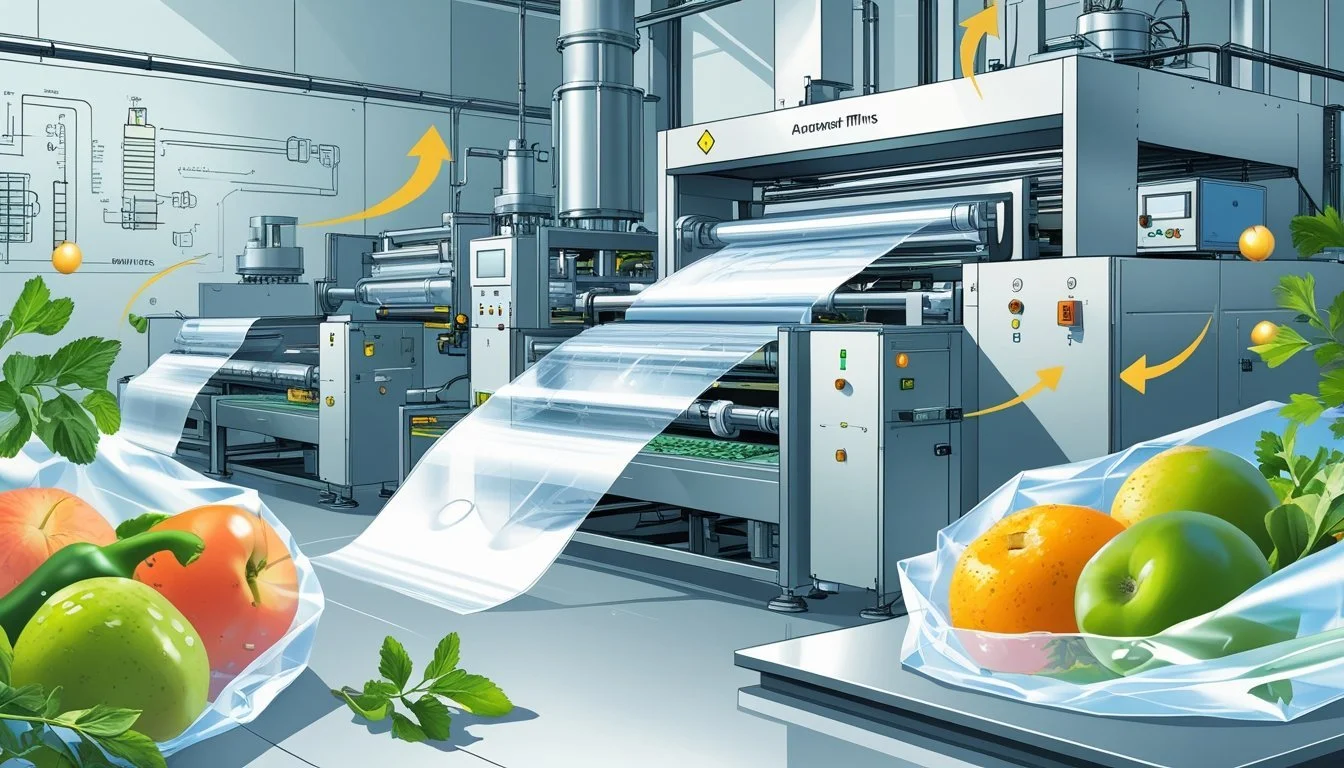
Gas-impermeable films rely on precisely engineered structures to slow down gas exchange and help maintain food freshness. Multiple technologies are combined to create robust barrier films used in food packaging.
Lamination for Barrier Enhancement
Lamination involves combining two or more layers of films or substrates to produce a single composite material. This process is crucial for enhancing mechanical strength and improving gas barrier properties.
Manufacturers use laminates that may include polyethylene for sealability and polyester or nylon for toughness. The barrier layer is often sandwiched between outer and inner layers.
Key benefits of lamination include:
Improved resistance to oxygen and moisture
Customization of properties for specific food products
Enhanced puncture and tear resistance
By selectively choosing materials and adhesives, producers can address the requirements of high-barrier packaging used for perishable products.
Gas Barrier Coatings and Metallized Films
Gas barrier coatings are thin layers applied to film surfaces to restrict oxygen, carbon dioxide, and water vapor permeation. Popular coating materials include polyvinylidene chloride (PVDC) and acrylic.
Metallized films are produced by depositing a thin metal layer, often aluminum, onto plastic substrates using vacuum metallization. The thin metal layer creates a reflective surface that significantly reduces gas and moisture transmission.
These methods offer advantages such as:
Lightweight barrier solutions compared to traditional foil
Improved shelf life for sensitive foods like coffee and dairy
Flexible packaging formats for diverse uses
Metallized and coated films can be tailored to meet the needs of products with varying sensitivities to oxygen and humidity.
Use of siox and evoh
Silicon oxide (SiOx) coatings and ethylene vinyl alcohol (EVOH) layers are advanced materials used to further enhance barrier properties. SiOx is an ultra-thin, transparent, and inert ceramic coating applied through plasma-enhanced processes.
EVOH stands out for its high resistance to gases, especially oxygen. It is typically coextruded or laminated as a barrier layer between other polymers.
A comparison of SiOx and EVOH:
Feature SiOx EVOH Transparency Excellent Good Barrier Type Oxygen, water vapor Oxygen Flexibility High Moderate to high Application Coating, lamination Coextrusion, lamination
Both technologies are important for packaging products that are especially sensitive to oxidation, such as cut fruits, meats, and snacks.
Environmental Considerations and Cost
Gas-impermeable films play a significant role in extending product shelf life while presenting challenges and opportunities related to sustainability and production costs. Material selection, environmental impact, and manufacturing efficiency are crucial factors that influence their adoption in the market.
Sustainable and Environmentally Friendly Approaches
The move toward environmentally friendly packaging is driven by consumer demand and governmental regulations. Traditional gas-impermeable films are often made from petroleum-based polymers, which can contribute to environmental waste and require non-renewable resources.
Recent research highlights alternatives like chitosan-based and other bio-polymeric films, which can reduce environmental impact. These films offer similar protection against gas permeation and can break down more easily after disposal, making them preferable for sustainable food packaging.
Efforts to enhance gas separation properties without toxic additives or heavy metals are being prioritized. By improving oxygen barriers naturally, manufacturers provide a safer path toward sustainability. Recycling compatibility and reduced carbon footprints are also key aspects when evaluating which material to use.
Cost Factors in Gas-Impermeable Film Production
Gas-impermeable films generally involve higher costs due to advanced material requirements and specialized manufacturing processes. High-barrier polymers, multilayer structures, and coatings that prevent oxidation tend to be more expensive than standard packaging materials.
Several variables affect cost, including raw material selection, processing technology, and scale of production. Bio-based alternatives can have higher initial costs but may reduce expenses tied to waste management and regulatory compliance over time.
Producers often analyze costs through comparison tables or direct calculations to balance performance and price. While upfront costs may be substantial, benefits such as extended freshness and reduced food spoilage can offset some expenses associated with these advanced films.

