
How Big Food Uses Shelf Life to Maximize Profits and Influence Consumer Choices
Extending shelf life is a critical strategy that large food companies use to boost profitability and stay competitive in the global market. By developing products that last longer on shelves, these companies can reduce food waste, streamline supply chains, and ensure their goods remain appealing to both retailers and consumers. Longer shelf life helps manufacturers avoid losses tied to spoilage and unsold inventory, ultimately leading to higher profit margins.
Big Food often turns to advanced processing and preservation methods—such as chemical additives, improved packaging, and food technology—to keep products fresh for extended periods. These practices not only help maintain product quality but also allow brands to reach more markets and reduce operational costs. The focus on shelf life is a key factor shaping decisions across the food industry, impacting everything from product development to global distribution.
The Role of Shelf Life in the Food Industry
Shelf life is a key factor in how food manufacturers manage product value, maintain quality, and protect profit margins. It also plays a role in the agri-food sector by influencing both food security and waste reduction.
Defining Shelf Life
Shelf life refers to the period during which a food product remains safe to consume and maintains its intended freshness, flavor, texture, and nutritional quality. Manufacturers establish shelf life based on factors like packaging, ingredient stability, storage conditions, and microbial growth rates.
In the agri-food sector, shelf life varies widely by product. For example:
Product Type Typical Shelf Life Fresh Produce Days to 2 weeks Dairy 1-4 weeks Canned Goods 1-5 years Frozen Foods Months to a year or more
Accurate shelf-life labeling helps retailers and consumers identify the optimal timeframe for use. This ensures the food delivered retains its intended quality and safety, affecting both consumer satisfaction and operational efficiency.
Why Shelf Life Matters for Profitability
Maximizing shelf life directly influences profit margins for food manufacturers and retailers. A longer shelf life decreases spoilage rates, which leads to less product waste and fewer write-offs from unsold inventory.
By extending product freshness, companies can widen distribution ranges and supply chains, opening new markets and reducing the need for rapid turnover. This also allows for larger, more efficient production runs, as products can be stored longer without risk.
A controlled shelf life means improved value and less waste, which supports food security by reducing losses in the supply chain. Ultimately, shelf life management is a strategic tool for increasing overall profitability in the food industry.
Strategies Big Food Uses to Extend Shelf Life
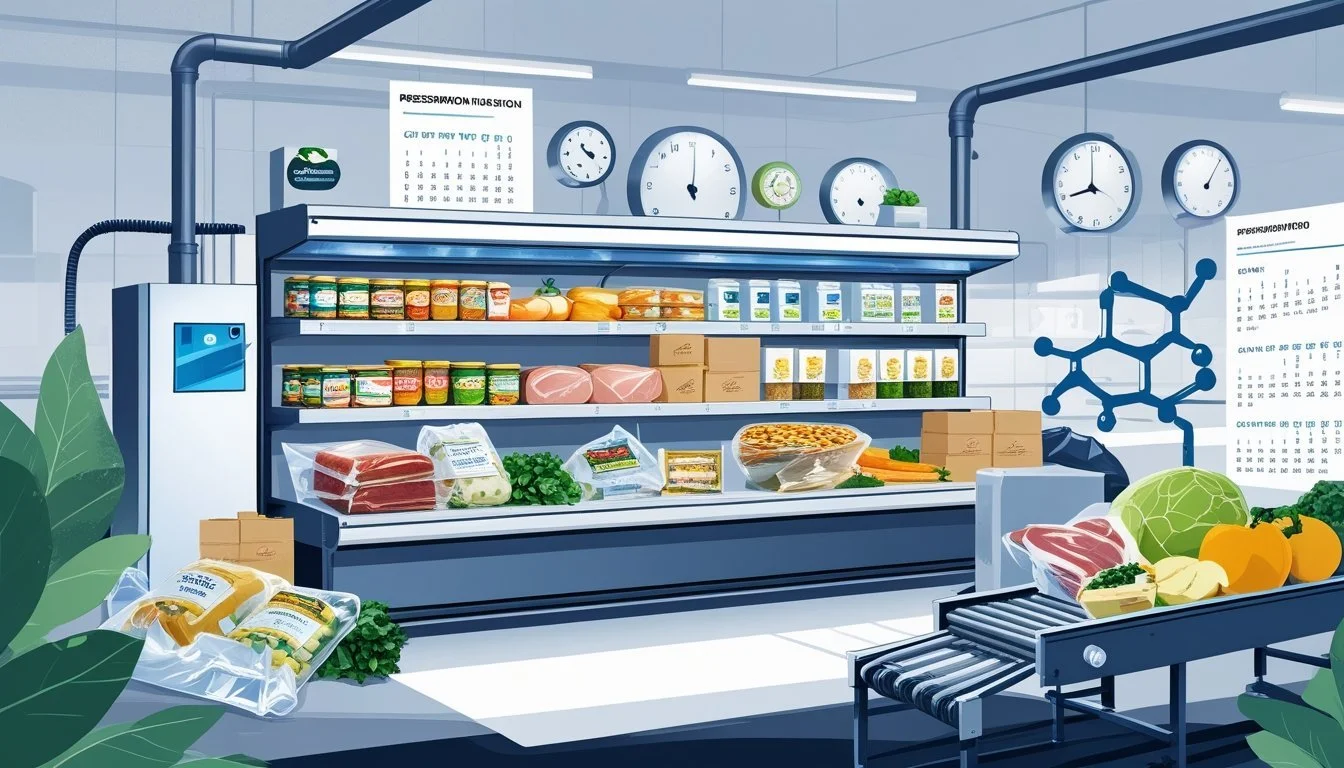
Major food producers use a combination of technology, organization, and strict environmental controls to keep products fresh for longer. These approaches help reduce losses from spoilage and improve profitability, especially for perishable goods.
Advanced Packaging Technologies
Large-scale food companies invest heavily in packaging innovations that protect freshness and prevent spoilage. Modified Atmosphere Packaging (MAP), for example, replaces the air inside packaging with a specific mix of gases that slows down microbial growth and oxidation. This is particularly effective for fresh produce, meats, and ready-to-eat meals.
Vacuum sealing removes oxygen to halt the growth of aerobic bacteria and mold. Some products use multi-layered films that block out moisture and light, extending shelf life by maintaining the right environment inside the package. Such packaging protects food during storage, transport, and display.
A comparison of packaging technologies:
Method Key Benefit Common Use Modified Atmosphere Slower spoilage Produce, meats Vacuum Sealing No oxygen for microbes Cheeses, deli meats Multi-layered Films Moisture/light barrier Snacks, dairy, bakery
Temperature and Humidity Control
Precise regulation of temperature and humidity is vital in warehouses, distribution centers, and retail spaces. For perishable goods like dairy, produce, and meat, refrigeration slows bacterial growth and prolongs freshness. Larger warehouses employ industrial refrigeration systems that maintain consistent cold temperatures across large inventories.
Humidity control is equally important. Too much moisture can promote mold and spoilage, while too little can cause foods like vegetables and baked goods to dry out and lose quality. Automated systems often monitor and adjust humidity and temperature in real time, ensuring optimal storage conditions from production to sale.
Perishables are often kept at specific temperature zones, such as 0–4°C for fresh meat and 4–8°C for fruits. Failure to maintain these conditions can shorten shelf life and result in product loss.
Stock Rotation and FIFO Practices
Inventory management is a critical but often unseen component of shelf life extension. The first-in, first-out (FIFO) method ensures that the oldest stock is sold or used before newer inventory. This reduces waste from expired products and helps maintain consistent product freshness on store shelves.
Stock rotation is supported by detailed tracking systems that record batch numbers and arrival dates. Employees manually rotate stock by moving older items forward and placing newer deliveries at the back. Automated inventory management software can also schedule alerts for approaching expiration dates.
Ensuring proper stock rotation minimizes financial losses and helps retailers meet food safety standards, making it an essential practice in large-scale food distribution.
Impacts on Food Quality and Safety
Maximizing shelf life shapes how food companies manage quality, freshness, and safety. This process supports profit goals while influencing consumer satisfaction, food waste, and compliance with safety regulations.
Maintaining Consistency for Customer Satisfaction
Big food manufacturers leverage shelf life controls to keep product taste, appearance, and texture consistent across regions and time. Adjusting water activity, pH levels, and preservatives helps manufacturers achieve the same quality in every unit, which is critical for building trust with consumers.
Benefits:
Uniform flavor and color
Stable texture
Reliable nutritional profile
Maintaining these qualities ensures customers receive a product that matches their expectations regardless of when or where it's purchased. Consistency in food quality directly impacts brand loyalty and repeat purchases, as consumers expect their preferred products to remain unchanged.
Reducing Spoilage and Food Waste
Longer shelf life helps companies reduce spoilage during storage, transport, and display. These measures lead to less product discarded due to spoilage, allowing retailers and producers to maximize inventory turnover and reduce losses.
Key Approaches to Reducing Waste:
Improved packaging
Use of preservatives and stabilizers
Optimized distribution chains
According to recent studies, enhancing shelf life contributes to food waste reduction by allowing products to stay fresh longer and reducing the volume of expired foods. Lower spoilage rates are especially important for fresh food categories, which are more perishable.
Assuring Food Safety Standards
Food safety is a primary consideration in shelf life management. Companies must ensure that products are safe to consume throughout their advertised shelf life, preventing microbiological contamination and degradation.
Manufacturers monitor safety indicators such as microbial growth, chemical stability, and packaging integrity. Effective shelf life practices involve regular testing and compliance with regulatory requirements to minimize risks to consumers.
Meeting safety standards is essential not only for regulatory compliance but also to protect brand reputation and prevent costly recalls. Shelf life extension methods like modified atmosphere packaging or temperature control help maintain safety without reducing product appeal or nutrition.
Supply Chain Management for Maximizing Profits
Supply chain management directly impacts shelf life and profitability in the food industry. Key areas include managing inventory, optimizing transportation and storage, and fostering strong procurement practices.
Inventory Management Systems
Accurate inventory management systems, used by grocery retailers and manufacturers, reduce overproduction and minimize spoilage. Real-time tracking allows for better demand forecasting, which helps store only the necessary quantities.
Automated systems connect purchasing, sales, and distribution data, increasing visibility across the supply chain. This data-driven approach enables faster decisions when products are nearing the end of their shelf life.
Canada’s leading grocery retailers leverage technology to maintain inventory balance and avoid costly losses from expired goods. Effective inventory management leads to cost savings and better stock rotation, benefiting profit margins and reducing waste.
Efficient Transportation and Storage
Proper transportation and optimal storage conditions prolong product shelf life and quality. Efficient logistics—such as temperature-controlled vehicles and warehouses—help prevent spoilage during transit and storage.
Consistency in delivery schedules ensures products spend minimal time in transit, reaching shelves faster and fresher. This is especially important for perishable goods where delays can result in significant losses.
Many companies use advanced supply chain technology to manage routes and track shipments in real time. These practices help the entire supply chain minimize waste, cut operational costs, and ultimately support higher profit margins.
Supplier Procurement and Partnerships
Strong supplier procurement practices are critical for controlling cost and ensuring fresh supply. Food businesses often develop partnerships with suppliers who can guarantee consistent quality and timely deliveries.
Using negotiation tools like novation, companies are able to adapt to changes in suppliers while protecting their contracts and pricing agreements. This ensures continuity in the supply chain despite disruptions.
Strategic sourcing from reliable producers, especially in regions like Canada, helps stabilize inventory levels and shelf life. These partnerships reduce the risk of stockouts or overstocking, creating a more manageable and profitable supply chain.
Marketing Shelf-Stable and Convenient Foods
Shelf-stable foods offer manufacturers unique marketing opportunities centered on longer-lasting value and ease of use. Effective strategies focus on both direct promotion of shelf life and highlighting the day-to-day simplicity these products bring to consumers.
Promoting Value Through Extended Shelf Life
Manufacturers highlight shelf life as a direct economic benefit. By emphasizing fewer spoilage losses, they appeal to both retailers and consumers seeking cost-effective solutions. Shelf-stable beverages and packaged foods are often marketed with clear expiration dates and storage guidelines to reinforce trust.
Key advantages often promoted include:
Reduced food waste for both stores and households
Greater storage flexibility without refrigeration
Bulk purchasing potential to save money over time
Large brands often use comparative messaging. For example, a shelf-stable beverage line might be featured beside refrigerated alternatives, showing how longer shelf life leads to fewer stock refreshes and lower overheads.
Competitive promotions also target supply chain partners. Listed benefits can include smoother inventory management and simplified logistics, which translate into better profit margins across the distribution network.
Convenience Foods and Consumer Awareness
Marketing efforts frequently stress the convenience factor of shelf-stable goods. Ready-to-eat meals, snacks, and beverages require minimal preparation, providing practical value for busy consumers.
Advertising highlights speed, simplicity, and reliability. Campaigns may use visual aids or quick-reference charts showing how these foods fit into daily routines, such as meal planning, travel, or emergency preparedness.
To boost consumer awareness, brands run educational campaigns addressing shelf life, storage tips, and usage ideas. Common approaches include:
In-store displays detailing product longevity
Social media posts explaining best storage practices
Cross-promotion with seasonal or lifestyle events
By clarifying these points, brands strengthen trust and build a clearer understanding of practical benefits tied to shelf-stable and convenience-oriented products.
Environmental and Social Implications
Shelf life strategies in the food industry have a direct impact on waste generation, resource use, and sustainability practices. Adjustments in shelf life can alter how food producers, retailers, and consumers handle and dispose of food products.
Sustainability Efforts in Waste Management
Companies that extend food shelf life can decrease product loss during distribution and retail. This reduces the need for frequent culling of unsold items, which is a leading cause of food waste. According to research, a longer shelf life can help conserve energy and resources used throughout the supply chain.
Food production is highly energy intensive. For example, producing one calorie of beef can require up to 35 calories from fossil fuels, while edible plant materials need roughly 3 calories of input energy per output calorie. Reducing waste at each stage therefore directly decreases resource waste.
Efforts by some manufacturers to adjust processing, packaging, and logistics can lead to fewer products ending up in landfills. These steps are key in corporate waste management strategies and can contribute to meeting sustainability targets, especially for CO₂ and water use reduction.
Practices for Composting and Food Waste Reduction
Retailers and producers often implement composting programs for products culled from shelves due to expired or damaged goods. This keeps food waste out of landfills and returns nutrients to the soil, supporting local agriculture.
Some companies have adopted partnerships with food banks or charities, donating unsold but still-safe food rather than discarding it. Others use waste estimators that link shelf life with potential savings in emissions and resources.
Tighter inventory controls, improved forecasting, and dynamic pricing are additional tools for reducing food waste. Through these targeted practices, businesses can better manage food culling and disposal, ensuring more efficient use of resources and less environmental impact.
Economic Consequences and Consumer Impact
Extending product shelf life affects both the economics of food production and the experiences of everyday shoppers. Methods to maximize shelf life have implications for price, profit strategies, and the balance between saving costs and maintaining product quality.
Price Increases and Profit Margins
Manufacturers often invest in technology and ingredients that increase shelf life, such as improved packaging, preservatives, and modified storage. These investments can result in higher retail prices for consumers, as companies look to recover costs and maintain profitability.
Retailers use shelf life extension to reduce product spoilage and waste, which historically accounted for 2–3% of grocers' revenue. Frequent price adjustments, such as discounts on products nearing expiration, help stores clear inventory, further supporting stable or higher profit margins.
Key tactics include:
Dynamic pricing based on shelf life status
Passing preservation costs on to consumers
Targeted promotions close to expiry
The combination of fewer write-offs and higher average prices helps big food companies consistently protect earnings while managing the risk of unsold goods.
Balancing Cost Savings With Food Quality
Longer shelf life enables large-scale producers to optimize production and reduce losses, but it can affect the overall quality of food. To achieve longer shelf life, companies may add preservatives or use processing methods that alter taste, texture, or nutritional value.
Consumers increasingly notice these changes, and some express concern about food additives or the perception of less fresh products. However, from an operational perspective, reducing spoilage cuts direct costs and simplifies supply chains for manufacturers and retailers.
The industry faces a trade-off:
Objective Potential Impact Cost savings More processing, additives Quality preservation Higher costs, shorter shelf life
Balancing cost control with consumer expectations about quality remains a central challenge for major food companies.

