
How E-Commerce Is Changing Shelf Life Demands in Modern Retail
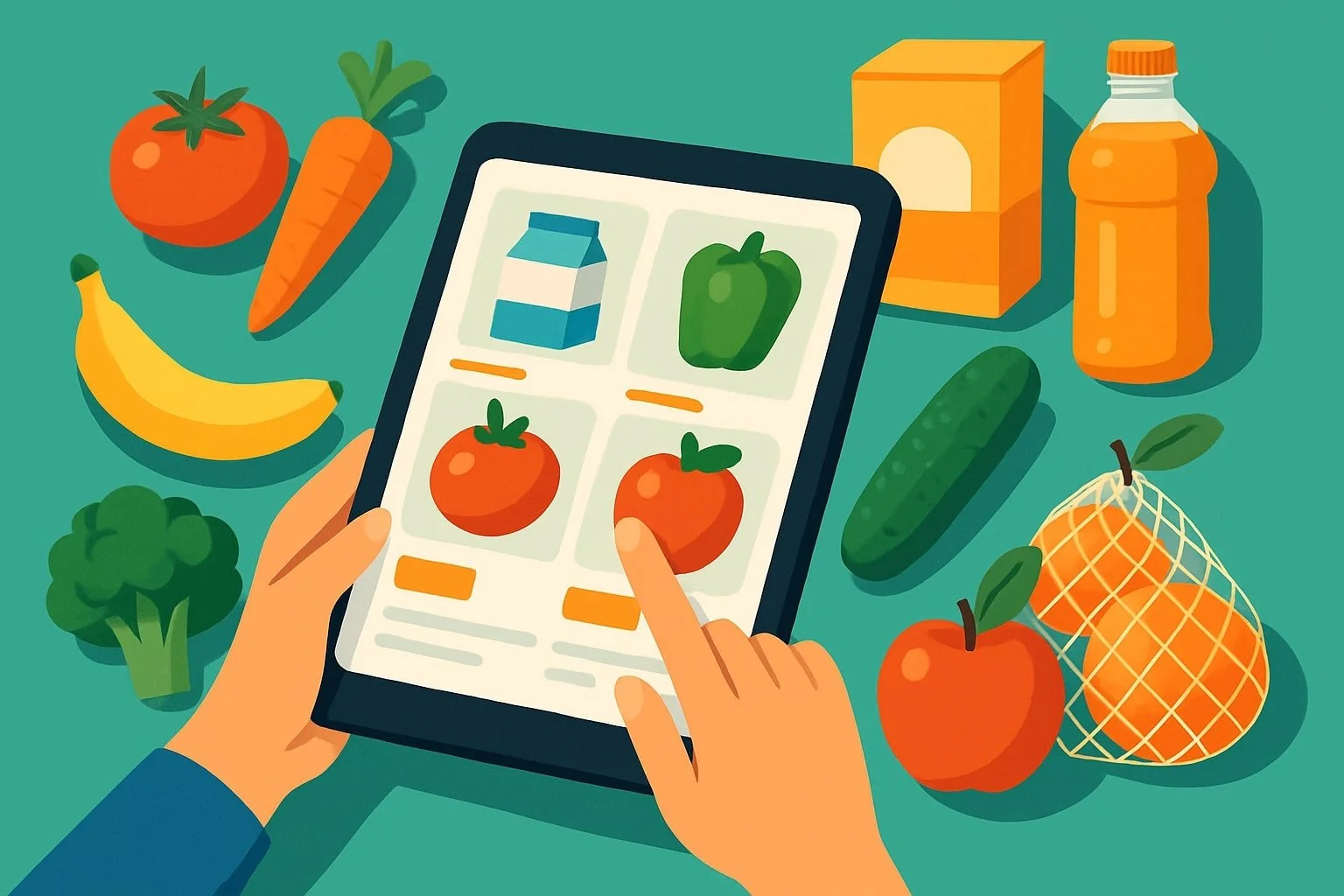
E-commerce is driving significant changes in how businesses manage and meet shelf life demands for perishable and fast-moving products. The shift to online shopping has increased consumer expectations for fresher goods delivered more quickly, directly influencing how inventory is handled and rotated.
Retailers are now using advanced technology to track product expiration and adjust pricing, such as offering dynamic discounts on soon-to-expire items. These strategies help reduce waste, cut costs, and contribute to more sustainable operations.
E-commerce's growth is also encouraging companies to find new ways to extend shelf life and improve supply chain efficiency. This ongoing transformation is shaping how both businesses and consumers think about fresh products in an online world.
The Impact Of E-Commerce On Shelf Life Demands

E-commerce has led to significant shifts in how products are managed, stored, and sold, especially those with limited shelf life. Immediate delivery expectations, increased competition, and a broader product selection have changed how retailers and brands operate in the consumer packaged goods (CPG) industry.
Shifting Consumer Expectations
Consumers now expect faster shipping and fresher products when buying online. Many shoppers look for products with the longest possible shelf life, avoiding items that are close to expiration.
This has pushed online retailers to improve their supply chain speed and transparency. Product pages often list expiration dates or freshness guarantees. Some e-commerce platforms allow filtering or sorting by shelf life, increasing pressure on sellers to keep inventory moving quickly.
Retailers are also using real-time digital shelf analytics to monitor inventory and respond to changes in demand. This enables them to reduce waste, minimize markdowns, and maintain high customer satisfaction.
Differences Between Online And In-Store Retail
Unlike traditional stores, e-commerce does not allow consumers to physically check products before buying. This makes detailed product information, such as production and expiration dates, more important in the online space.
Online retailers often stock a broader range of items, which includes products with varying shelf lives. Niche or specialty items that might sell slowly in stores can reach a national or global audience online. However, this also means increased complexity in managing expiration-sensitive stock.
Smaller packaging sizes, personalized offers, and bundled deals are more common online. These strategies help move inventory with shorter shelf lives and reduce the risk of unsold goods.
Change In Consumer Behavior And Preferences
E-commerce has made it easier for shoppers to compare products, prices, and shelf life with just a few clicks. They may prioritize factors like longer shelf life, better value, or specific freshness guarantees.
Consumers also expect transparency in shipping times and inventory status. If a product with a short shelf life is delayed in shipping, customers may be more likely to leave negative feedback or avoid repeat purchases.
Retailers must adapt by using data-driven insights to forecast demand, personalize recommendations, and optimize stock levels. This increases customer engagement and supports long-term loyalty in a highly competitive market.
Evolving Consumer Demand And Personalization
Consumer preferences in e-commerce are shifting rapidly, with increased focus on unique shopping experiences and tailored product offerings. Brands are adopting new technologies to address these evolving expectations and build stronger relationships with buyers.
Trends In Consumer Demand
Consumers expect faster delivery and more flexible purchasing options, such as buy-online-pickup-in-store and same-day shipping. These preferences have a direct impact on inventory management and how long products remain on shelves. As shoppers look for fresher products and lower waste, retailers must adjust logistics to minimize excess and expired stock.
Analytics tools now help companies identify changing demand signals with greater accuracy. Detailed tracking reveals when and where products are needed, enabling businesses to adjust supply chains accordingly. Key drivers of these changes include:
Heightened sensitivity to product freshness and availability
Increased interest in sustainable and ethically sourced goods
Demand for greater transparency about expiration dates and sourcing
These factors collectively shape how retailers manage product life cycles and inventory turnover.
Importance Of Personalized Experiences
Personalization is no longer optional in e-commerce; it shapes every stage of the customer journey. Companies use artificial intelligence and predictive analytics to recommend products based on individual preferences and previous behaviors. This reduces decision fatigue and increases customer satisfaction by matching products to real-time needs.
Personalized experiences also support better shelf life management. For example:
Personalization Method Impact on Shelf Life Targeted promotions Moves inventory with nearing expiration Custom restock reminders Increases repeat purchases of perishable goods Dynamic pricing Reduces waste by pricing short-dated items attractively
Retailers who effectively utilize personalization not only meet but anticipate demand, optimizing inventory and reducing spoilage. This approach helps maintain both customer trust and operational efficiency.
Packaging Innovations For Digital Shelf Life
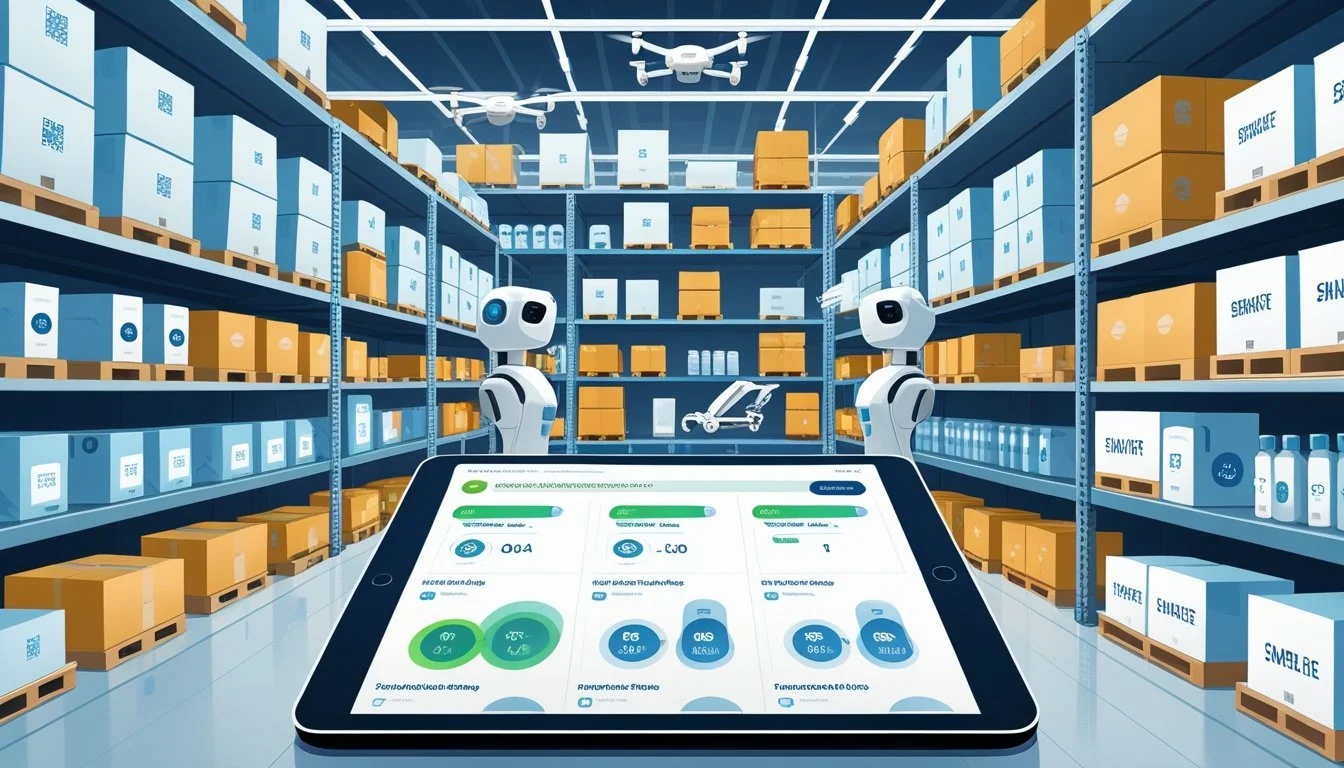
As e-commerce expands, packaging is adapting to balance longer shelf life, product safety, and environmental responsibility. Flexible designs and material choices address consumer expectations for freshness, sustainability, and reliable delivery.
Sustainable Packaging Solutions
Sustainability is driving changes in how companies approach packaging for e-commerce. Brands are shifting to recyclable, biodegradable, or compostable materials, such as paper-based wraps or plant-based plastics, to reduce environmental impact. Lightweight packaging not only cuts shipping costs but also lowers carbon emissions from transportation.
Reusable packaging models are being tested by some retailers, allowing consumers to return or repurpose containers, further reducing waste. Design considerations now prioritize minimizing material use, avoiding unnecessary plastics, and ensuring products stay protected throughout shipping. Advances in sustainable packaging help address both regulatory requirements and consumer demand for greener options.
Key attributes of sustainable packaging:
Recyclability or compostability
Source-reduced materials
Lower transportation impact
Compatibility with direct shipping
Role Of Product Packaging In Shelf Life
Product packaging directly influences the digital shelf life of goods sold online. Barrier technologies, such as multilayer films or active packaging with oxygen scavengers, help protect against moisture and spoilage. These features are critical for foods, cosmetics, and pharmaceuticals that must remain stable during longer shipping and storage periods.
E-commerce packaging ensures that items arrive undamaged and fresh, despite often undergoing multiple handlings and temperature changes during the fulfillment process. Fit-for-purpose packaging—engineered for the specific item—can reduce the risk of returns while maintaining product integrity.
Protective packaging features:
Moisture- and oxygen-control layers
Tamper-evident seals
Shock-absorbing inserts
Eco-Friendly And Smart Packaging
Eco-friendly packaging uses materials and designs that have minimal impact on the environment while still supporting shelf life goals. Companies are replacing traditional plastics with compostable films or recycled fibers to reduce landfill waste. Smart packaging integrates technologies like QR codes, RFID tags, or time-temperature indicators to monitor product conditions in real time.
This visibility helps identify spoilage or temperature abuse before delivery to the consumer. Smart features also support product traceability and transparency, responding to growing consumer interest in both sustainability and safety.
Examples of smart, eco-friendly packaging elements:
Biodegradable films with embedded sensors
Dynamic labeling for freshness or usage information
RFID-enabled tracking for logistics optimization
Supply Chain Transformation In E-Commerce
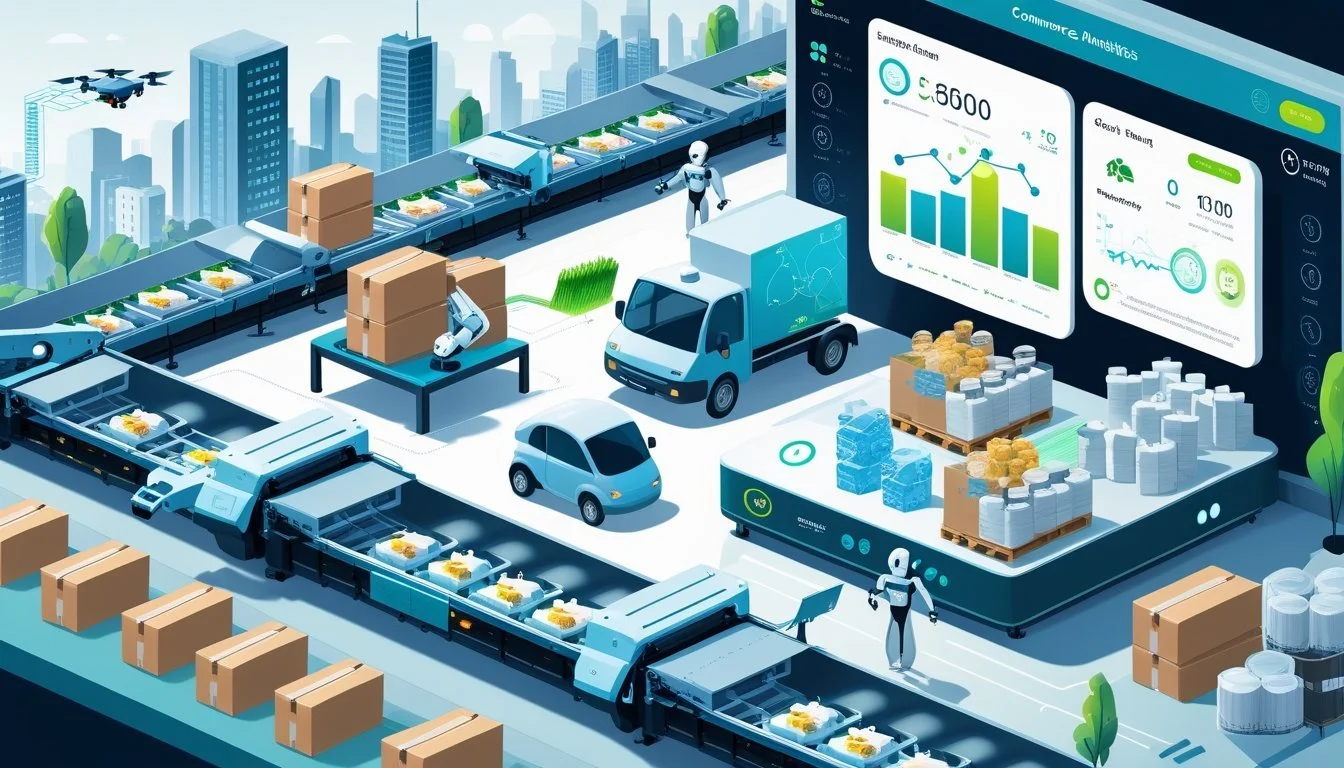
E-commerce is prompting businesses to rethink how they manage products with varying shelf lives. Organizations now rely on technology-driven supply chains to respond quickly to market demand and reduce waste.
Inventory Management For Extended Shelf Life
Companies face greater pressures to balance stock levels and reduce spoilage. E-commerce platforms use real-time data and automation tools to closely monitor inventory turnover rates for both perishable and non-perishable goods. This allows for precise forecasting and replenishment.
Key strategies include:
Employing barcode and RFID tracking to monitor product age and location.
Using data analytics for demand forecasting and just-in-time inventory.
Applying batch and lot tracking to ensure older stock is shipped first (first-in, first-out methods).
Cloud-based inventory management systems enable organizations to centralize control across multiple warehouses and selling channels. This improves visibility, lowers the risk of stockouts, and minimizes expired goods, supporting product availability and profitability.
Distribution And Logistics Adjustments
Traditional distribution models are adapting to meet the fast delivery expectations of online shoppers. Businesses have invested in regional fulfillment centers and micro-warehouses to shorten delivery times and maintain optimal storage conditions for sensitive products.
Logistics partners now implement cold chain logistics for perishables and advanced packaging to preserve product quality during transit. Advanced routing algorithms help reduce delays and prioritize shipments based on shelf life requirements.
Distribution enhancements:
Flexible storage options for products with different temperature or humidity needs.
Dynamic shipment routing based on product expiry and customer location.
Collaboration with third-party logistics (3PL) providers for specialized handling.
These changes in distribution support both shelf life extension and the high service standards expected in modern e-commerce.
Leveraging Data Analytics And AI

Modern e-commerce platforms now integrate advanced analytics and AI-driven tools to manage inventory, reduce waste, and adjust to rapidly changing shelf life demands. Companies are shifting towards data-led strategies that address the logistical and operational challenges of selling products with finite shelf lives.
Utilizing Advanced Analytics For Shelf Life Optimization
Advanced analytics allow retailers to track key variables such as product age, storage conditions, and transit times across the supply chain. By leveraging these insights, businesses can identify trends that contribute to faster or slower product turnover.
Tools enable real-time monitoring and alerts, so companies can act quickly if inventory is close to expiration. This leads to more effective markdowns, redistributions, or alternative sales channels. Data dashboards and predictive modeling help teams visualize shelf life at both product and batch levels.
Benefits include:
Lower spoilage rates
Improved inventory accuracy
Data-supported decision-making for procurement
Artificial Intelligence In Demand Forecasting
Artificial intelligence significantly improves demand forecasting by analyzing customer behavior, seasonality, and external market factors. Retailers use machine learning algorithms to predict demand patterns, helping them stock the right amount of items with limited shelf life.
AI-driven tools can evaluate historical sales data alongside real-time events, such as weather or holidays, to adjust forecasts automatically. This precision limits overstocking and reduces the risk of holding expired products.
Adjustments in purchase plans happen faster, which is critical for perishable or trend-sensitive items. AI also enables targeted promotions to move older inventory before it becomes unsellable.
Enhancing Product Listings With Data
Data analytics transforms product listings by enabling dynamic updates and recommendations. E-commerce businesses use rich product metadata and AI-powered recommendation engines to surface information that highlights freshness, use-by dates, and storage conditions.
Structured data ensures customers see the most up-to-date inventory and accurate shelf life information. This transparency builds trust and enables better purchase decisions. For example, retailers may highlight short-dated products with clear labels or discounted pricing in search filters.
Table: Key Data Points for Product Listings
Data Field Purpose Expiry Date Informs buyers of freshness Stock Levels Presents real-time availability Batch Information Improves traceability
The Role Of Customer Experience In Shelf Life Changes
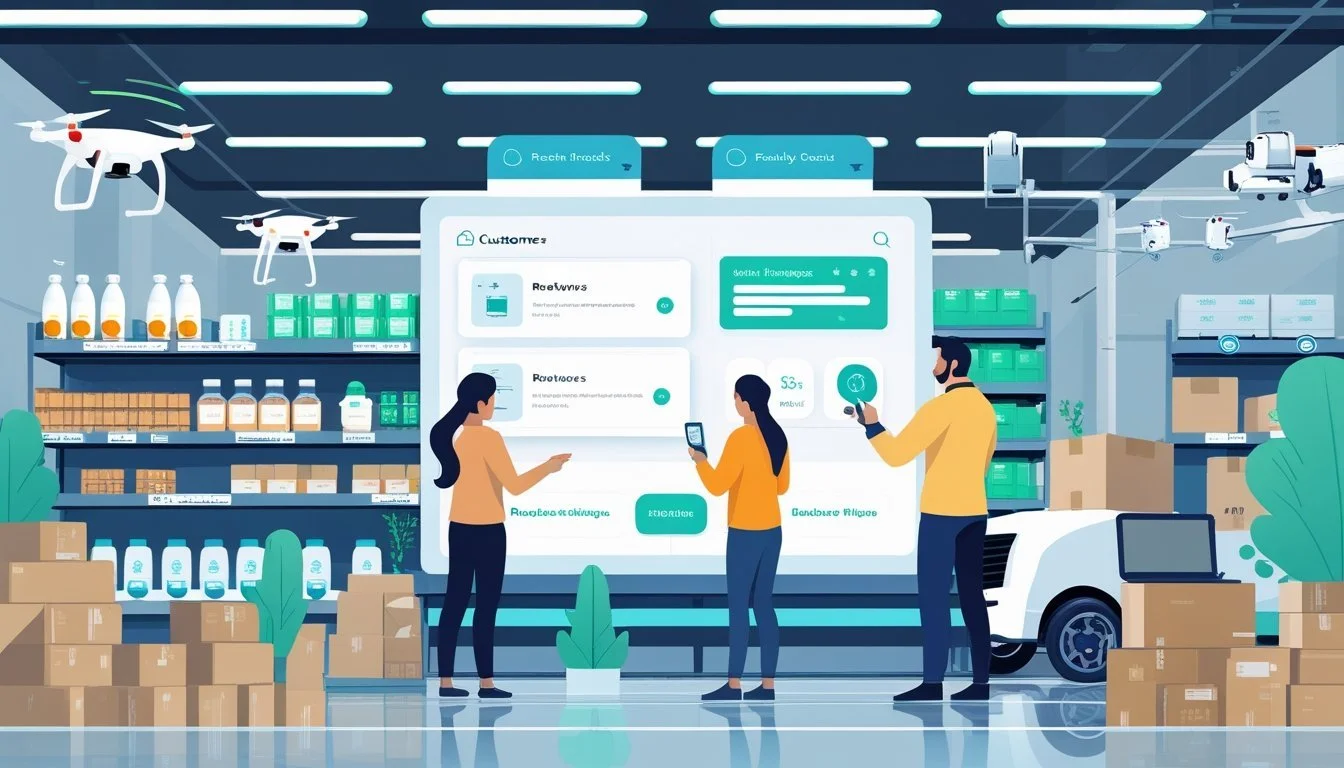
E-commerce has raised customer expectations regarding product freshness and availability. Retailers must adapt their shelf life management to meet new demands for support, convenience, and better shopping experiences.
Customer Support And Engagement
Effective customer support helps address concerns about product shelf life, particularly for perishable goods. Shoppers often want clear and accurate information on expiration dates and freshness guarantees. Companies that respond quickly to shelf life queries can build trust and encourage repeat purchases.
Data-driven customer support tools, such as live chat and FAQ sections, enable shoppers to get real-time answers about product lifespans. Personalized engagement, like sending updates or reminders about product expiry, reduces confusion and increases satisfaction. Clear communication practices, outlined in policies or responses, play a significant role in customer experience related to shelf life management.
Offering proactive support, such as notifications for soon-to-expire items in a customer’s past orders, also enhances the perception of the retailer’s commitment to quality. Addressing shelf life issues promptly contributes to stronger loyalty and positive brand reputation.
Convenience And The Shopping Experience
E-commerce platforms are streamlining the shopping experience by providing tools that help customers easily identify products with the shelf life that best matches their needs. Features such as detailed shelf life filters, clearly displayed expiration dates, and sorting options make it easier for buyers to find products that meet their freshness standards.
Automated order fulfillment and efficient logistics systems ensure that products with longer shelf lives are delivered within optimal timeframes. This reduces waste and improves customer satisfaction by providing fresher goods. Subscription and delivery scheduling options allow shoppers to control when they receive goods, helping them manage the shelf life of what they purchase.
Convenience also extends to return and refund policies. Simple processes for handling expired or soon-to-expire products can reassure customers, further enhancing the overall shopping experience and maintaining trust in the retailer.
External Influences On Shelf Life Demands

E-commerce shelf life demands are shaped by a range of outside factors, including global health events, new technology, and shifts in how brands reach consumers. Customer expectations and retailer priorities can quickly evolve as these influences change the way products are developed, marketed, and sold.
Pandemic-Driven Shifts
The COVID-19 pandemic reshaped consumer shopping habits and supply chains. Lockdowns and health concerns led to a spike in online grocery orders and home deliveries. This transition highlighted the need for longer shelf lives, as delays in distribution made product freshness a bigger concern.
Manufacturers responded by investing in advanced packaging technologies, such as oxygen absorbers and antimicrobial coatings, to extend product shelf life without relying on preservatives. The sudden demand for pantry staples and essential goods triggered brands to revisit their formulations and logistics strategies.
E-commerce platforms adapted by sharing more detailed shelf life and freshness information in product listings. This transparency reassured customers making larger, less frequent purchases due to public health guidelines. Inventory management systems also became more responsive to prevent spoilage and waste during periods of supply uncertainty.
Influence Of Social Media
Social media platforms accelerate product trends and bring new foods and brands to public attention at a fast pace. Viral “must-try” items, like trending snacks or imported specialties, often have shorter shelf lives or require rapid restocking.
Retailers must monitor these trends and adjust their inventories in real time, which puts pressure on both supply and shelf stability. Consumer interest in “clean label” and preservative-free products, often fueled by social media discussion, pushes brands to extend shelf life using natural solutions like antioxidants or novel packaging.
Extensive customer feedback and visual reviews shared on platforms like Instagram or TikTok highlight any quality issues, making short shelf lives riskier. Brands invest in quality control and logistics technology to ensure fresh products reach consumers, protecting their reputations in highly visible online spaces.
Advertising Spend And Voice Search
Advertising spend in digital retail is increasingly allocated toward precise targeting methods, including voice search optimization. As more shoppers use voice assistants to order groceries, there is greater emphasis on top-ranking products with reliable shelf life claims.
Voice search queries often include practical details such as "freshest milk" or "best-before date." Brands need to optimize product data and descriptions so that freshness and shelf life are easily conveyed, boosting visibility in search results.
Campaigns highlighting extended shelf life have become a differentiator in crowded online marketplaces. Investments in digital campaigns are often paired with efforts to improve actual product shelf life, ensuring marketing messages align with real consumer experiences. This approach helps build trust and loyalty in an increasingly competitive digital landscape.
Collaborative Strategies For Adapting Shelf Life

Companies are developing new partnerships and cross-industry initiatives to better handle shelf life challenges in the e-commerce marketplace. These strategies help organizations stay competitive, protect revenue, and address changing consumer and environmental expectations.
Retail Partnerships And Collaboration
Retailers and suppliers are increasing their collaboration to improve inventory management and reduce waste. By sharing data in real time, organizations can forecast demand more accurately and adjust orders to minimize overstocks and expiries.
Joint planning between partners often includes shared promotions and bundled offers for products nearing end of shelf life. This approach improves product turnover and helps both parties protect their profits. Additionally, aligning with distributors strengthens supply chain visibility, allowing faster response to sudden market changes.
Some partnerships now use integrated software solutions. These platforms provide all parties with instant access to shelf life metrics, inventory levels, and sales performance, enabling quick collective decisions that enhance efficiency.
Cross-Industry Efforts For Sustainability
Efforts to improve shelf life management are drawing on collaboration beyond traditional retail partnerships. Organizations are working with packaging companies, technology firms, and logistics providers to develop more sustainable processes and extend product freshness.
Key initiatives include eco-conscious packaging, such as materials that slow spoilage or are fully recyclable. Enhanced tracking technologies, like IoT sensors, now allow multiple stakeholders to monitor conditions throughout transit and storage.
Sustainability-focused collaborations also extend to shared education and best practice forums. These efforts help organizations reduce environmental impact while maintaining product quality, aligning with both regulatory demands and consumer preferences for greener operations.
Future Outlook For Shelf Life In E-Commerce

E-commerce continues to drive rapid changes in how shelf life is managed, with new technologies reshaping inventory control and evolving consumer behaviors influencing demand. The integration of online and offline retail is bringing new challenges and solutions to ensure product quality and freshness.
Emerging Technologies Shaping Shelf Life
Automated inventory management, IoT sensors, and AI-powered analytics are becoming crucial for monitoring shelf life in real time. Smart labels and RFID tags provide data on temperature, humidity, and product movement, enabling quicker response to issues that threaten product quality.
E-commerce warehouses increasingly use predictive analytics to optimize stock rotation and reduce waste from expired products. Platforms are experimenting with blockchain for transparent tracking, giving customers confidence in shelf life accuracy.
Key technology impacts:
Faster detection of at-risk products
Improved efficiency in restocking and order fulfillment
More precise shelf life estimates and fewer stockouts
Advancements in automation allow businesses to extend the shelf life of perishable goods by minimizing handling errors and ensuring proper storage conditions.
Evolving Customer Needs And Preferences
Customers expect fresher products, transparent shelf life information, and the ability to filter by expiration date or freshness. The rise of healthy and specialty diets has driven demand for products with longer shelf lives and clear sourcing details.
Consumer reviews and feedback loops are shaping product offerings, as negative experiences with short-dated items can quickly harm a retailer’s reputation. Many shoppers want notifications or sorting options that ensure the freshest available products, especially with perishables or health-related goods.
Leading preferences include:
Easy-to-access shelf life details
Flexible return policies for near-expiry items
Personalized recommendations based on freshness
Meeting these preferences requires detailed tracking and adaptive fulfillment models to maintain product quality throughout the delivery chain.
Omnichannel And Click-And-Collect Trends
Omnichannel commerce—where consumers can buy online and pick up in-store or at lockers—adds complexity to shelf life management. Click-and-collect models require precise coordination so that perishable goods are ready for pickup with minimal exposure to adverse conditions.
Retailers are developing systems to automatically allocate the freshest stock to online orders and coordinate with local inventory to reduce the risk of spoilage. Accurate inventory visibility and synchronized logistics are key to success.
Notable strategies:
Using local fulfillment hubs to reduce transit times
Deploying real-time tracking of expiration dates across all sales channels
Offering scheduled pickup windows tailored to product shelf life
These methods support higher satisfaction and minimize waste, ensuring customers receive high-quality and fresh products through every channel.

