
Long-Term Storage Myths That Refuse to Die
Debunking Common Misconceptions for Good
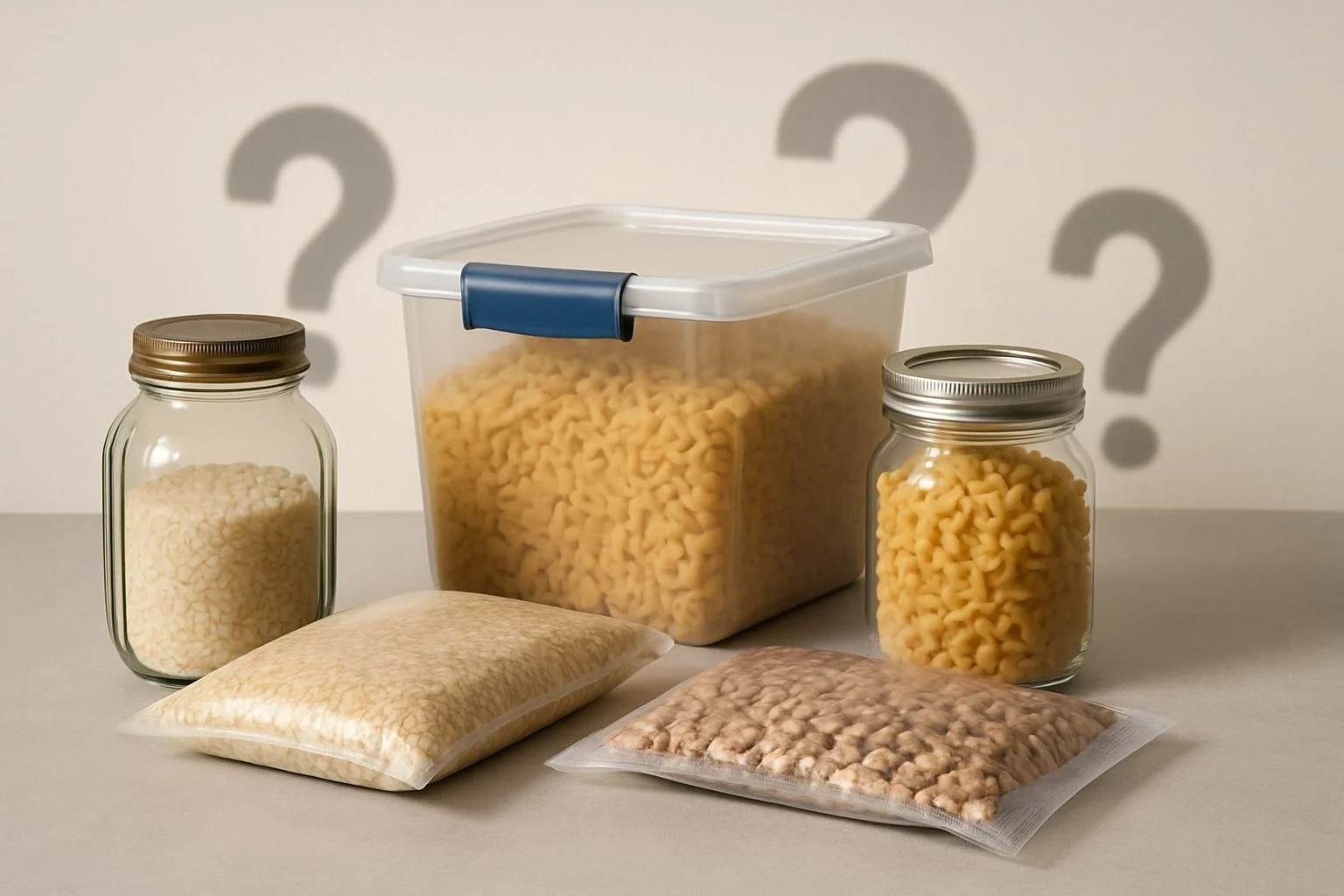
Many long-term storage myths persist despite advances in technology and better data management practices. People often believe that certain storage methods, like traditional hard drives or self storage units, are immune to failure or data loss over decades. These myths are fueled by outdated assumptions and anecdotes, leading to common misconceptions that can put important data or possessions at risk.
Accurate information is essential for making informed choices about long-term storage. Readers will learn which beliefs about disk, flash, and physical storage no longer hold true, and what practical steps actually ensure preservation over decades or even longer.
Understanding Long-Term Storage Basics
Long-term storage is about more than just finding a place to keep items for years. Successful storage relies on method, environment, and preparation that directly affect item longevity and safety.
Defining Long-Term Storage
Long-term storage refers to keeping supplies, personal belongings, or data for extended periods—often years or decades—while aiming to maintain their original condition. Items stored might include crucial resources like food, water, emergency shelter materials, paperwork, or electronic data.
Unlike short-term solutions, long-term storage involves minimizing risks like spoilage, damage from moisture, or contamination. A storage system should protect both nutrition and safety, especially when dealing with emergency rations, water, or critical documents.
A careful approach includes selecting containers and locations designed to limit exposure to light, heat, pests, and humidity. The focus extends to preserving usability and protecting health over time.
Common Storage Methods
People use a mix of physical and digital methods to safeguard items for the long term. For physical goods, options include:
Climate-controlled storage units: These reduce risks from heat, cold, and moisture.
Vacuum-sealed containers: Common for food, they protect nutrition by removing air.
Barrels and water-safe jugs: Used for storing potable water, often with chemical water stabilizers.
For digital data, common methods are:
External hard drives or SSDs: Kept in safe, dry areas.
Cloud storage: Provides off-site redundancy.
Archival-quality optical media: Designed to resist “disc rot” and environmental damage.
The method chosen should suit the specific needs—food and water for emergencies demand greater focus on contamination and shelf life than storing personal memorabilia.
Key Factors Impacting Storage Longevity
Several main factors determine the success of long-term storage:
Moisture Control: High humidity promotes mold, rust, and decay. Use desiccants or dehumidifiers in enclosed storage.
Temperature: Consistent cool temperatures slow spoilage and chemical breakdown, vital for nutrition and water purity.
Container Integrity: Sturdy, airtight containers keep out moisture, pests, and contaminants for items like food and water.
Shelter and Location: Storage should be in places protected from flooding, sunlight, and access by unauthorized persons, especially for safety and security.
Regular Inspection: Check supplies periodically to catch leaks, spoilage, or corrosion before they become problems.
Proper attention to these details helps ensure items remain safe and useful for when they are needed most.
Myth 1: Canned Food Lasts Forever
Many people believe that canned food is impervious to time, but this is not accurate. Cans do have a long shelf life, but several factors can limit their safety and quality, making it important to understand the real risks with long-term storage.
Expiration Dates vs. Shelf Life
Expiration dates on canned food are not hard-and-fast deadlines. Manufacturers use “best by” or “use by” dates to indicate when the food is at peak quality, not when it becomes unsafe.
Shelf life depends on how the cans are stored. Temperatures above 75°F or exposure to humidity can cause cans to deteriorate more quickly. Properly stored canned goods—kept in a cool, dry location—can remain safe to eat for years past their printed dates.
However, even if the food appears edible, flavor and texture often decline with time. Storing sensitive foods like cola or highly acidic products may shorten shelf life due to increased risk of corrosion or chemical changes.
How Bacteria and Mold Affect Stored Foods
Canned foods are designed to keep bacteria and mold out by creating an airtight seal. As long as this seal remains intact, the contents should be free from spoilage organisms.
Compromised seals present the biggest risk. If a can is dented, bulging, rusted, or leaking, bacteria such as Clostridium botulinum can grow and produce toxins which are odorless and tasteless.
Mold is rare in properly canned food but can develop if the integrity of the can or jar is broken. Once exposed to air, mold spores can contaminate the food, posing health risks even if there is no visible mold present.
Risks of Consuming Expired Products
Eating canned food that is far beyond its shelf life increases several health risks. Damaged, corroded, or swollen cans signal a loss of the protective barrier, allowing bacteria or toxins to develop.
Clostridium botulinum is particularly dangerous, as it produces a toxin causing botulism, a rare but serious illness. Signs include nausea, muscle weakness, and vision problems.
Even if food looks and smells normal, chemical leaching from deteriorated metal or lining is possible. Acidic foods such as tomatoes or soda like cola can accelerate this process, leading to off-flavors or contaminated food. Always discard any cans with doubtful appearance, smell, or integrity.
Myth 2: All Emergency Supplies Are Stable Indefinitely
Many believe that once emergency supplies are stocked, they remain safe and useful forever. In reality, the effects of water, moisture, time, and material decay undermine the reliability of even well-packed reserves.
Water and Moisture Risks
Water and moisture are two of the main threats to stored emergency supplies. Even in sealed containers, humidity can gradually find its way in, leading to corrosion, mold, and spoilage.
Food supplies stored in paper, cardboard, or thin plastic are especially vulnerable to moisture damage. Shelf life can be shortened drastically when stored in basements, attics, or garages exposed to temperature swings and condensation.
Airtight containers can help protect supplies. However, it is recommended to regularly inspect seals and packaging. Moisture-absorbing packets like silica gel or oxygen absorbers provide extra protection but are not a permanent solution.
Preserving Clothing and Shelter Items
Clothing and shelter materials are at risk from moisture, pests, and environmental exposure. Over time, stored fabrics like blankets, jackets, and tents can develop mildew, rot, or odors if not kept dry and well-ventilated.
Even synthetic materials may break down in high humidity or extreme temperatures. Routine airing, cleaning, and rotating supplies increases the longevity of these items.
It is important to use water-resistant bins and to store soft goods off the ground to prevent absorption of damp from floors. Labeling storage dates and condition checks for clothing and tents reduces the risk of finding critical items unusable in an emergency.
Degradation of Apparatus and Equipment
Emergency apparatus—such as flashlights, radios, stoves, and water filters—deteriorate over time, even if never used. Batteries can leak or corrode, seals and gaskets may dry out or crack, and filters can become clogged or ineffective.
Inspection checklists help users track maintenance schedules and battery changes. Equipment should be tested every six months to confirm proper operation, and replacement parts stored alongside the main apparatus.
List of common degradation points:
Battery terminals (corrosion)
Rubber seals (cracking)
Plastic parts (becoming brittle)
Electronics (oxidation from humidity)
Neglecting regular checks heightens the risk of malfunction when supplies are needed most.
Myth 3: Fillers and Additives Do Not Impact Storage
Fillers and additives are often dismissed as harmless in long-term food storage, yet their effects can be significant. These ingredients influence food quality, texture, and nutritional content during storage.
Effect of Fillers on Food Quality
Fillers such as starches, maltodextrin, and cellulose are frequently used to bulk up processed food. While they may help lower production costs, they can alter the texture and taste of products, especially as storage time increases.
Some fillers absorb moisture, leading to clumping or hardening over time. This affects the texture of stored products like powdered soup mixes or meal kits. Shelf stability can also be compromised if fillers attract pests or promote microbial growth in less-than-ideal conditions.
Quality degradation often appears as flavor loss, increased staleness, or changes in appearance. In evaluating long-term storage options, consumers should check ingredient lists for high amounts of unnecessary fillers that may worsen with time.
Additives and Nutrition Loss
Certain additives, such as preservatives and color stabilizers, are added to extend shelf life or maintain appearance. However, the presence of these substances does not fully prevent the gradual loss of nutrients during storage.
For example, some vitamins degrade in the presence of sulfites and artificial preservatives. Over several years, fortified foods may offer far less nutritional value than their packaging claims. Studies have shown that vitamin C, A, and some B vitamins are particularly vulnerable.
Key nutrients to monitor for loss include:
Vitamin C (ascorbic acid)
Thiamine (Vitamin B1)
Beta carotene (provitamin A)
Consumers should not rely on additives alone for food safety or nutrition in long-term storage. Proper rotation and monitoring remain essential for maintaining nutritional quality.
Myth 4: Farms Guarantee Unlimited Long-Term Supplies
Relying solely on farms for indefinite food security creates a false sense of stability. Food production and access depend on a range of unpredictable factors, from crop cycles to global price shifts.
Fresh vs. Stored Produce
Farms deliver fresh produce but are bound to seasonal and environmental limitations. Drought, pests, disease, and unexpected weather events can severely impact yields. Even the most productive farms face risks of crop loss or reduced harvests.
Long-term food storage, in contrast, offers preservation of nutritional value for emergencies when fresh food is unavailable. However, not all foods store equally well: high-moisture and fatty items spoil faster, even if handled properly.
A balanced food supply plan requires both rotating stored goods and supplementing with periodic fresh products. Relying on just one source—whether a farm or pantry—makes food security vulnerable.
Managing Inflation and Supply Chains
Inflation affects farm operations through rising costs for seeds, fuel, fertilizer, and labor. This translates to more expensive food for consumers. Supply chain disruptions, such as transportation delays or global shortages, can further restrict available food items.
Major events—including natural disasters and economic downturns—can cause farm outputs to drop and prices to surge quickly. In the table below, observe some of the primary factors that undermine a guaranteed farm supply:
Factor Impact on Farms Inflation Raises operating costs Labor shortages Reduces productivity Transport issues Delays food deliveries Price volatility Increases market risk
A responsible long-term strategy relies on understanding these challenges and diversifying food sources, not just assuming unlimited farm production.
Overlooked Dangers in Long-Term Storage
Improper storage practices can result in significant physical risks and safety oversights. Injury and safety issues are often underestimated when organizing or utilizing long-term storage spaces.
Hidden Injury Hazards
Storage units and crowded storage spaces often contain risks that are easy to miss. Items stacked too high or improperly balanced can fall, causing injuries such as strains, sprains, or even fractures. Heavy boxes at the wrong height may require awkward lifting, increasing the chance of back injuries.
Restricted walkways, clutter, and objects left on the floor create tripping hazards. If moisture is present, slick surfaces can result in slips and falls. Poor lighting or the absence of clear labeling can make it difficult to safely navigate the area, particularly when moving objects or searching for certain items.
Common overlooked sources of injury include:
Overloaded shelving
Sharp or protruding object corners
Blocked emergency exits
Collapsing cardboard or weakened boxes
Using ladders or step stools unsafely while accessing stored items can also lead to falls. These risks emphasize the importance of thoughtful storage layout and safe handling procedures.
Ensuring Safety Precautions Are Met
Staying alert to safety measures in and around storage areas is critical. Fire hazards increase when flammable substances or chemicals are stored improperly; this is a significant issue noted in multiple safety guidelines. Avoid placement of hazardous materials, such as paint or propane, inside storage units.
Routine safety checks should be completed to identify and address broken shelves, loose fixtures, or leaking containers. All walkways must remain clear, and adequate lighting should be maintained to minimize visual obstacles.
A basic safety checklist might include:
Task Importance Check for structural damage Prevent injury Remove tripping hazards Reduce falls Control humidity Prevent slip risks Keep flammables out Lower fire hazard Ensure clear walkways Safe access/exit
Labeling boxes carefully and storing heavier items at the bottom minimizes lifting injuries. Safe storage practices protect against both immediate and long-term injury risks.
Analyzing Popular Long-Term Storage Claims
Understanding long-term storage myths requires looking at both data and persistent beliefs. Careful analysis is necessary to distinguish what actually matters for storage reliability and maintenance.
The Role of Scientific Analysis
Scientific analysis plays a key role in evaluating storage claims. Studies measure storage media decay rates, data retention limits, and the impact of temperature and humidity. Engineers use controlled tests to simulate years of wear in a short time.
For example, hard disk drives and magnetic tapes are exposed to stress testing for failure prediction. Researchers assess error rates and data loss using statistical methods. These analyses give clear benchmarks for lifespan and performance, which are published in peer-reviewed reports.
Scientific scrutiny reveals why some media types fail faster under poor conditions. Using this approach, storage professionals can identify hardware that is suitable for long-term data preservation. The results help shape hardware recommendations and risk assessments.
Separating Facts From Fiction
Misconceptions often arise because anecdotal reports replace actual analysis. Myths such as “all cloud storage is permanent” or “physical disks last forever if unused” persist despite research showing otherwise. Some believe that simply storing items in a dry space guarantees longevity.
Fact-based reviews show that climate control and regular maintenance are critical. For example, reports have shown that self-storage units with monitoring systems provide higher security than widely assumed. Data studies indicate digital storage needs periodic checks and migration to stay valid.
By focusing on verified information rather than assumptions, both consumers and businesses can better plan for secure, long-term storage. A table of common myths versus facts can help clarify what is truly supported by evidence:
Myth Scientific Fact Hard drives last for decades untouched Drives can degrade after 5-10 years Self-storage units are not secure Many now use advanced security features Cloud data is permanent Providers warn of possible data loss
Best Practices for Reliable Storage
The longevity and reliability of stored data depend largely on both the care taken during storage and the selection of durable media. Even advanced storage devices can fail if mishandled, and choosing inferior materials or quick fixes leads to higher long-term risk.
Maintaining Optimal Conditions
Data degradation often accelerates if storage devices are exposed to excessive heat, humidity, or dust. Ideally, digital media should be kept in a temperature-controlled environment, away from direct sunlight and moisture. Fluctuating temperatures and high humidity can lead to condensation inside drives or corrosion on optical discs.
Physical security is also important; safes, lockable cabinets, or dedicated rooms help prevent accidental damage or theft. Labeling all devices or discs with a clear date and content description aids future retrievability. Regularly powering on drives, especially hard drives, helps prevent mechanical issues caused by long periods of inactivity.
For extra reliability, consider geographically diverse backups. Maintaining copies in multiple locations protects data from localized disasters such as fire, flood, or theft.
Choosing Quality Over Convenience
Many opt for cheap or widely available storage options, but not all devices are built for longevity. Archival-grade options, such as M-DISC Blu-rays or enterprise SSDs, have longer tested lifespans compared to standard DVDs or consumer drives.
Reviewing manufacturer ratings and independent endurance tests helps identify reliable brands and media types. Below is a quick comparison:
Storage Medium Typical Lifespan Notable Feature Archival-Grade Optical Disc 25-100+ years Resistant to humidity Enterprise HDD 5-10 years Designed for 24/7 operation Consumer Flash Drive 3-5 years Subject to bit rot
Avoiding counterfeit or unbranded products reduces risk of premature failure. Investing in less convenient, higher quality storage often saves significant effort and cost over time.

