
The Lifecycle of Shelf-Stable Emergency Rations
Storage, Longevity, and Safe Use
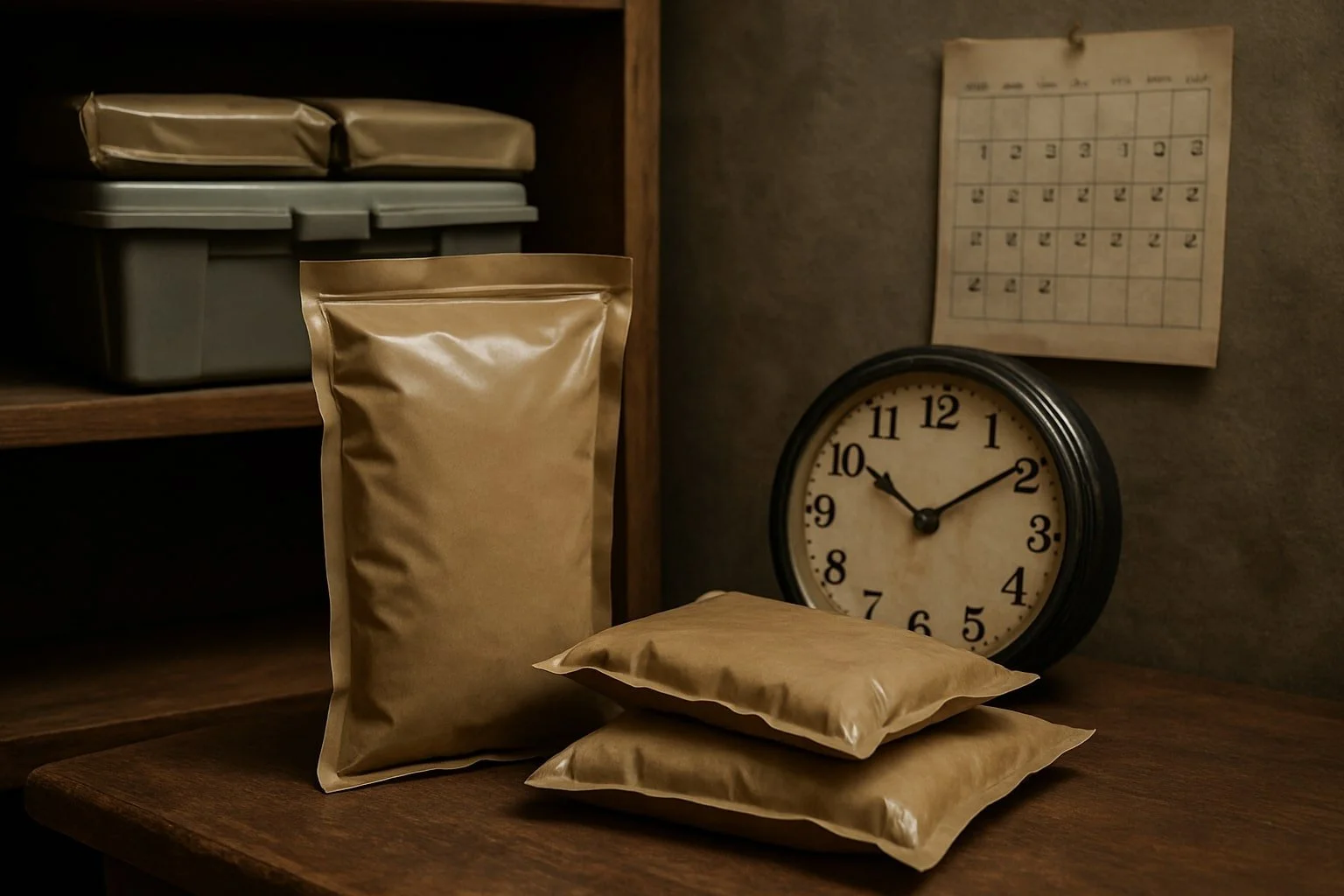
Shelf-stable emergency rations are designed to last from several years up to decades, depending on the type and how they are stored. Unlike regular pantry items, these foods are formulated and packaged to stay edible and nutritious across long periods, making them a reliable choice for crisis preparedness. Freeze-dried foods and sealed MREs can often remain viable for 10 to 25 years, while canned goods and dried snacks generally last 1 to 5 years at stable room temperatures.
Understanding how these rations age—and when they lose quality or safety—is critical for anyone maintaining an emergency supply. Regular inspection and correct storage practices help ensure that food remains safe until needed, offering peace of mind when unexpected events arise. Readers interested in practical preparedness will benefit from knowing exactly how the lifecycle of these foods can impact their planning.
Understanding Shelf-Stable Emergency Rations

Shelf-stable emergency rations are central to emergency preparedness, providing reliable nutrition when access to fresh food may be limited or impossible. Their development, variation, and qualities have been shaped by advances in food science, history, and the practical needs of disaster survival.
Defining Shelf-Stable Foods
Shelf-stable foods are products that can be safely stored at room temperature for extended periods without spoilage. This is achieved through specialized processing and packaging. Common preservation methods include dehydration, freeze-drying, canning, and the use of vacuum-sealed or oxygen-absorbing packaging.
These foods are designed for use in emergency kits or prolonged storage situations. They provide necessary calories, proteins, and micronutrients while resisting microbial growth and degradation. Typical examples include canned goods, freeze-dried meals, meal replacement bars, and dry staples like rice or pasta.
Shelf stability is measured in terms of both food safety and nutritional preservation. Most shelf-stable emergency rations are engineered to last from one to 25 years, depending on their type and storage conditions.
Historical Context and Evolution
The concept of emergency food rations became widely recognized as maritime and military needs grew. In the 19th century, hardtack and salted meats were standard on ships for voyages where spoilage risk was high. During the 20th century, both world wars spurred significant advances, leading to individually packaged rations like the U.S. military’s K-rations and later, MREs (Meals, Ready-to-Eat).
Civilian use increased after major disasters, such as earthquakes and hurricanes, exposed the need for reliable food during recovery. Over time, the range and nutrition of these foods improved, with freeze-dried and retort pouch technology extending shelf life and reducing weight. These advances allow for practical storage in lifeboats, life rafts, and emergency kits.
Today, shelf-stable emergency rations are found not only in military applications but also in homes, vehicles, and workplaces, reflecting a broader recognition of disaster preparedness.
Types of Emergency Rations
Emergency food rations come in several distinct forms, each with advantages based on storage needs and length of shelf life.
Type Shelf Life Common Use Notable Features Canned Foods 2-5 years Home, pantries, emergency supplies Wide variety, easy use Freeze-Dried Meals 10-25 years Survival kits, disaster packs Low weight, long life MREs (Meals Ready-to-Eat) 3-8 years Military, field operations, evac bags Complete meals Emergency Ration Bars 5-10 years Lifeboats, life rafts, vehicles Dense calories, compact
Each type is selected for nutritional value, caloric density, portability, and ease of preparation.
Role in Survival and Disaster Preparedness
Emergency rations serve a critical function during catastrophes, providing caloric and nutritional support when fresh food is unavailable. They are essential components of emergency preparedness kits and disaster relief supplies.
These rations are especially valuable during situations where utilities are disrupted and food supply chains have broken down. Individuals, families, and organizations stockpile such reserves to ensure continuity of nutrition during extended crises or evacuations.
Proper selection and rotation of shelf-stable foods contribute to a robust emergency plan. Recommendations typically include enough rations for several days to weeks, factoring in storage space, dietary needs, and the anticipated duration of survival scenarios.
Components and Nutritional Requirements
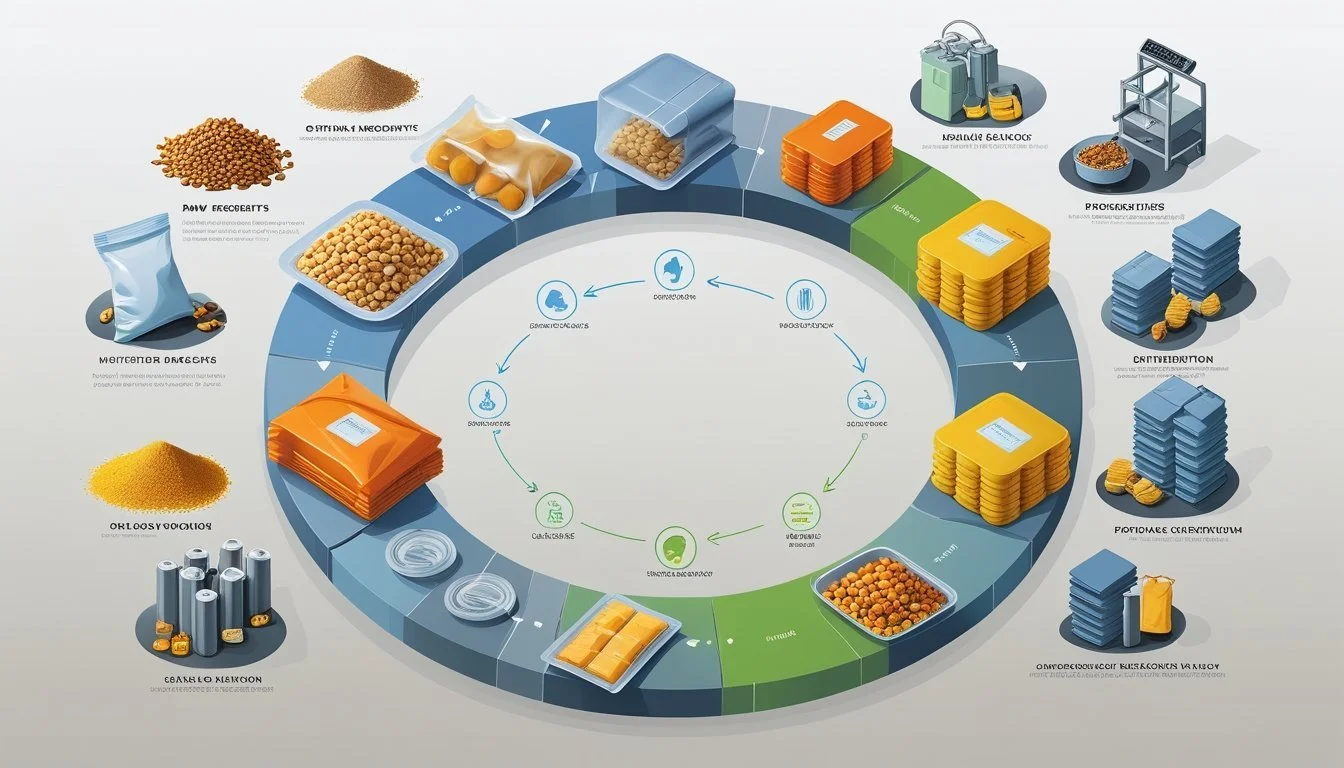
Shelf-stable emergency rations are designed to meet specific dietary needs under survival and emergency conditions. They are formulated to deliver balanced nutrition, sufficient calories, and essential vitamins and minerals within compact, long-lasting packages.
Caloric and Energy Needs
Emergency rations must provide adequate calories for energy, especially in physically demanding situations.
The USDA and military guidelines typically recommend around 2,500–3,500 calories per day for adults during high-stress or active circumstances. Survival food packets are often packed with dense food items, such as high-calorie bars and ready-to-eat meals, to meet these requirements.
For infants, specially formulated infant formula is included, ensuring age-appropriate calorie levels and safe nutrition.
Portion sizes and calorie counts are planned to prevent fatigue and maintain physical performance. Ration labels often list caloric content clearly for users to monitor intake.
Macronutrients and Micronutrients
A balanced ratio of carbohydrates, proteins, and fats is critical in shelf-stable food packets.
Proteins support muscle repair and immune function, while fats provide a concentrated source of energy. Carbohydrates are chosen for rapid energy and recovery.
Essential micronutrients, including vitamins A, C, D, B12, iron, calcium, iodine, and zinc, are added to prevent nutrient deficiencies, especially in situations where access to fresh foods is limited.
Components like fortified beverages and snacks help cover daily values set by standards such as the USDA. Emergency rations frequently rely on shelf-stable fortification to maintain long-term nutrient stability.
Evaluating Nutritional Adequacy
Nutritional adequacy is gauged by comparing the content of ration packs against daily recommended values for various age and activity groups.
A simple table for reference:
Group Calories Protein (g) Key Micronutrients Adults 2,500-3,500 50-100 A, C, D, B12, Iron, Calcium, Zinc Children 1,600-2,200 30-50 C, D, Calcium, Iron, Iodine Infants 500-700 10-15 Infant Formula Specific
Survival food packets are periodically reviewed and updated to reflect evolving nutritional science. Testing for shelf-stable items includes not only calorie count but also the retention of key nutrients throughout the stated shelf life.
Common Types of Shelf-Stable Emergency Foods
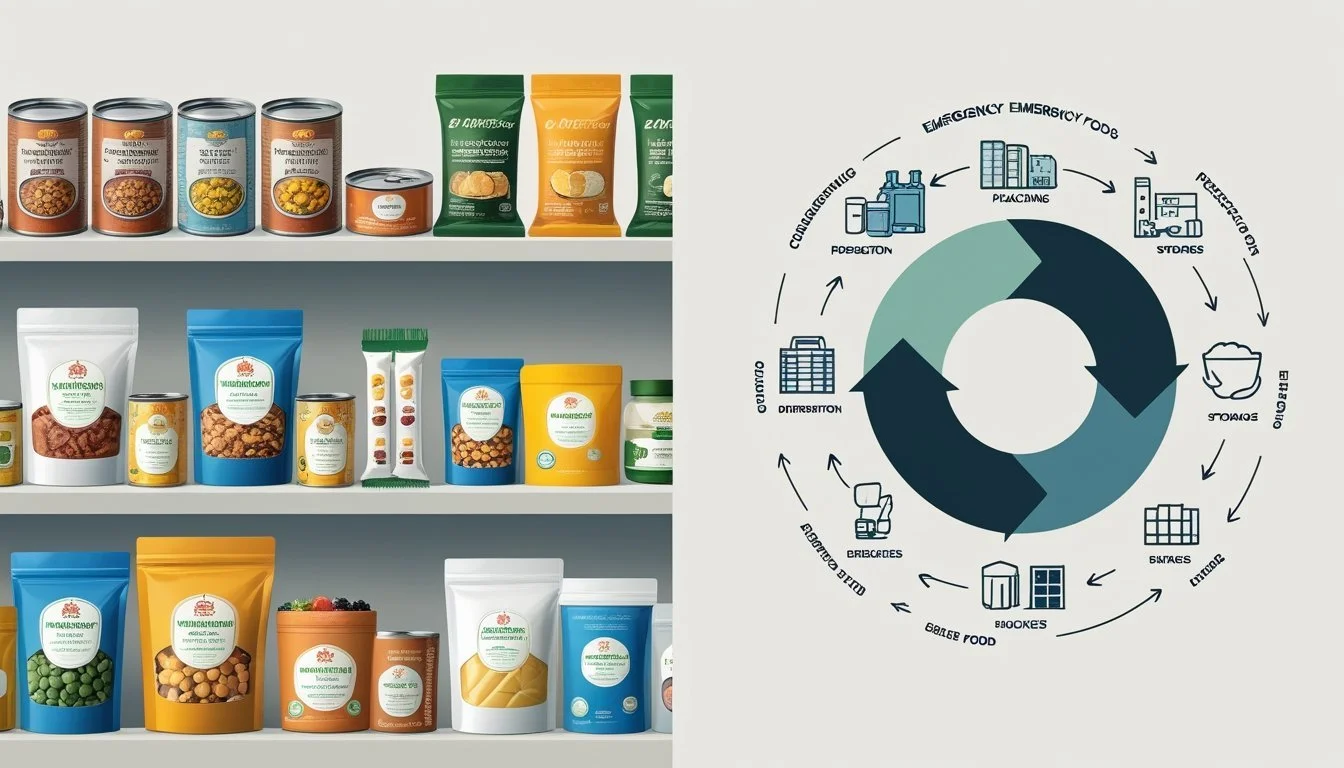
Shelf-stable emergency foods are chosen for their long shelf life, ease of storage, and nutritional value. They are specifically selected to provide reliable sustenance during disruptions and can be stored for months or even decades.
Canned Foods and Meats
Canned foods are a backbone of emergency rations because they are already cooked, sealed against spoilage, and ready to eat without further preparation. Popular options include canned beans, meats (beef, poultry, fish such as tuna and salmon), vegetables, fruits, and even pasta in sauce.
Meats packed in cans are especially valuable during emergencies as they deliver protein and essential nutrients. Shelf life for most canned products ranges from one to five years if stored properly in a cool, dry place.
Advantages:
Require little to no preparation
Preserved flavor and nutrition
Good source of calories and protein
Keep manual can openers on hand since electricity and kitchen appliances may not be available in an emergency.
Dehydrated and Freeze Dried Foods
Dehydrated and freeze dried foods are lightweight and can be stored for 10 to 30 years, making them a reliable part of long-term survival food supplies. Freeze dried foods like survival food packets and food rations lock in nutrients and flavor by removing moisture through sublimation.
Dehydrated foods, such as dried beans, lentils, fruits, vegetables, and powdered eggs, reduce storage space and weight. They require water for reconstitution, but this preparation step delivers hot meals and greater menu variety.
Key Items:
Freeze dried fruits and vegetables
Dehydrated soups and stews
Instant potatoes and egg powder
Both types offer convenience and extended shelf life, but water availability is crucial, since it is needed to prepare most freeze dried and dehydrated meals.
Grains, Legumes, and Cereals
Grains, legumes, and cereals are vital for providing complex carbohydrates and plant-based protein. White rice, dried beans, lentils, pasta, oats, barley, and dried corn are highly shelf-stable—white rice and dried beans can last up to 30 years with proper packaging.
These staples are affordable, filling, and form the base for many different recipes. A variety of grains and legumes ensures balanced nutrition over extended periods. Whole grains can be stored in bulk containers or mylar bags with oxygen absorbers to extend shelf life.
Examples:
Grain/Cereal Typical Shelf Life (Years) White Rice 25–30 Oats 10–25 Pasta 20+ Dried Corn 10–30
Having these on hand supports both short-term emergencies and long-term food security, while allowing flexibility in meal planning.
Specialty Emergency Rations
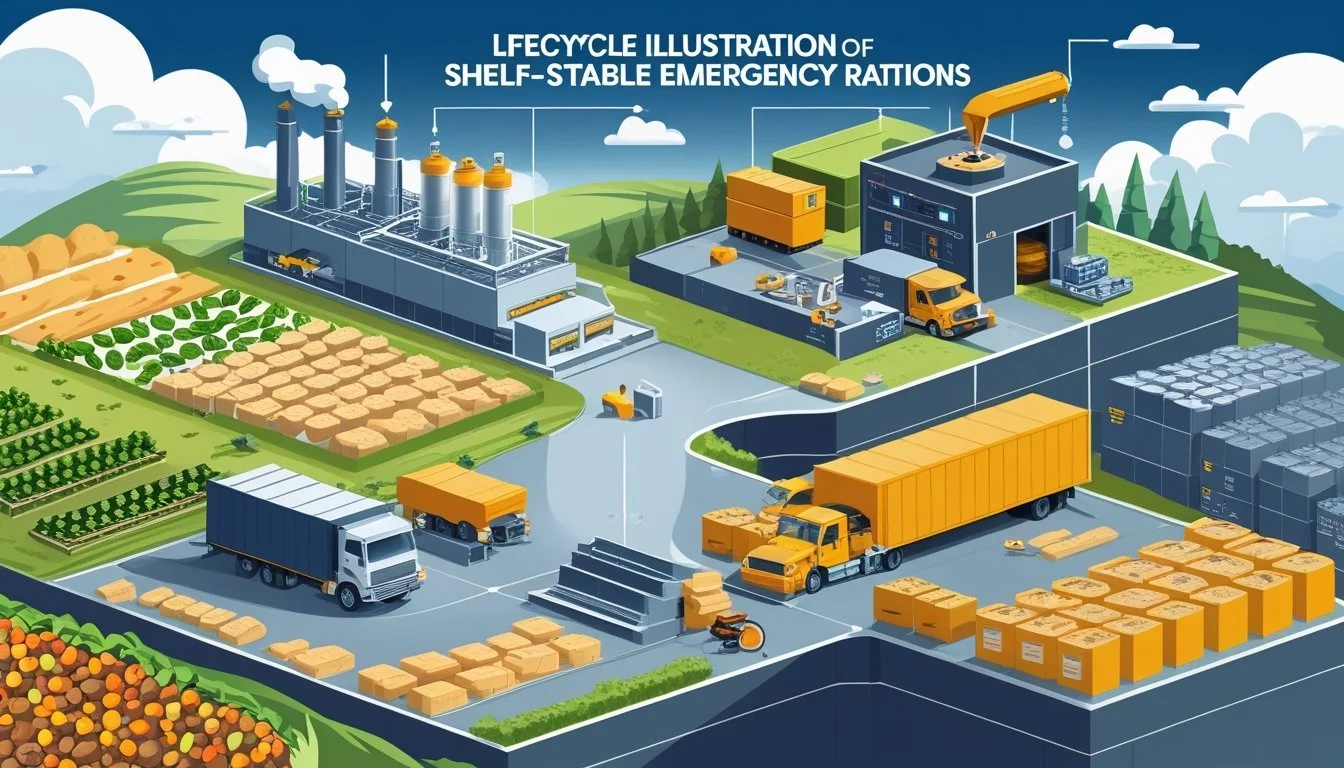
Certain emergency foods are designed for specific use cases, such as military operations or long-term survival scenarios. These rations offer practical benefits, unique ingredients, and specific packaging to maximize shelf life and nutrition.
Military and Commercial Ration Packs
Military rations, like MREs (Meals Ready to Eat) and the historical D Ration, are designed to meet the energy demands of soldiers. They are shelf-stable, calorie-dense, and sealed in waterproof packaging for use in harsh environments. Most MREs offer a shelf life of 3-5 years when stored in cool conditions.
Commercial versions of military rations are readily available. Prepper's pantries often include these because they do not require cooking and feature balanced nutrition with protein, carbohydrates, and fats. Some packs also contain essentials like utensils and heating elements, making them a self-contained meal solution.
Comparison Table:
Feature MREs D Ration Shelf Life 3-5 years Up to 5 years Preparation Required None None Main Nutritional Focus Balanced High-calorie
Homemade and Traditional Options
Homemade emergency rations often focus on traditional preservation methods. Pemmican, a mix of dried meat, fat, and sometimes berries, is a notable example. It is calorie-rich, highly portable, and can last for months if stored properly.
These options enable customization of portion sizes and ingredient quality. In emergency food storage, dried beans, grains, and dehydrated meals are also common. While homemade rations may require periodic inspection for spoilage, they provide variety and can fill gaps not addressed by commercial packs. Traditional methods like canning and dehydration allow for an adaptable prepper’s pantry tailored to dietary needs and preferences.
Preservation and Packaging Technologies
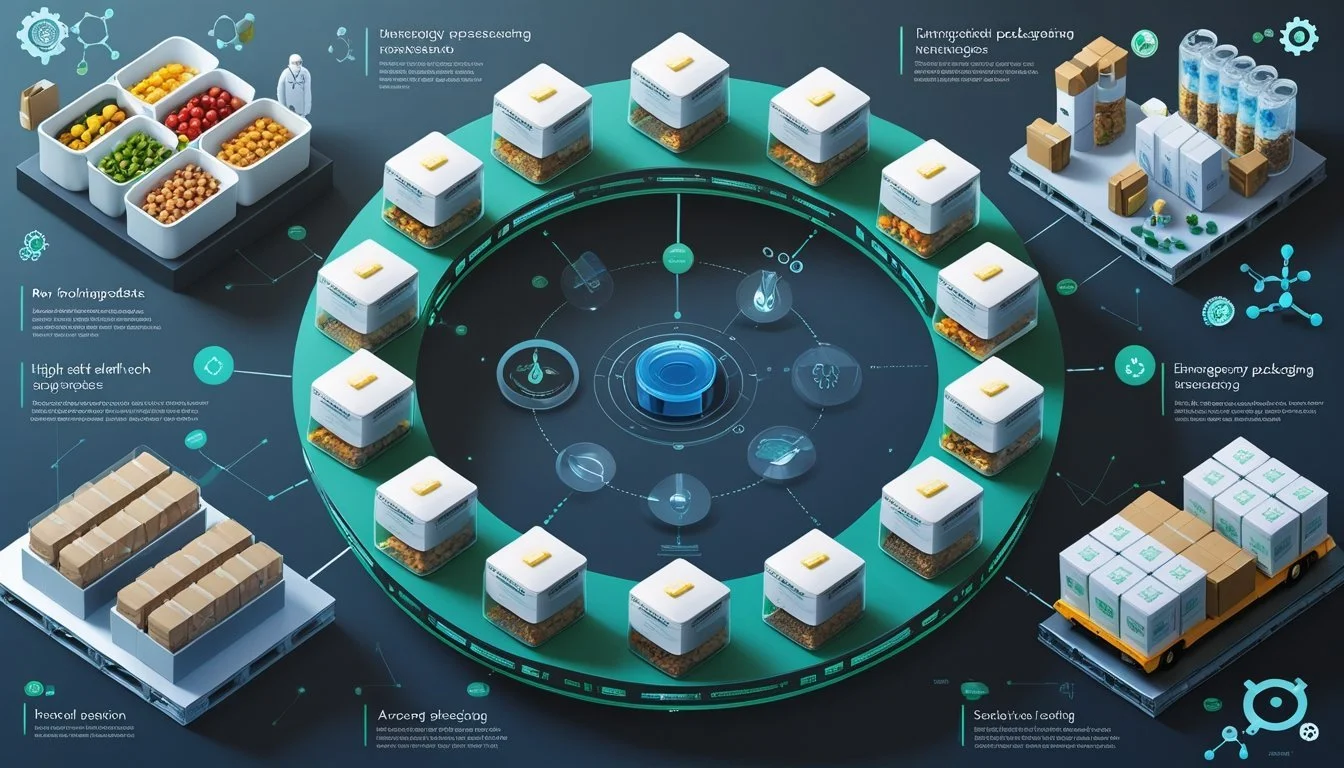
Ensuring the long shelf life of emergency rations depends on controlling microorganisms, moisture, and oxygen. Several specific technologies have been adopted to maximize safety and nutritional quality while minimizing spoilage risks.
Canning and Sterilization
Canning is a common method used to preserve shelf-stable foods. This process involves sealing foods in airtight containers and then heating them to temperatures that destroy bacteria and other microbes. The combination of heat and airtight environments prevents spoilage and maintains safety.
Sterilization is key to this process. It relies on temperatures high enough to eliminate microorganisms, including spores that could survive ordinary cooking. The effectiveness depends on both temperature and time.
Different materials—such as coated steel cans, glass jars, and retort pouches—are selected based on the food and intended shelf life. These containers are designed to block moisture, light, and contamination, which helps the rations remain stable for years under proper storage conditions.
Use of Oxygen Absorbers
Oxygen is a primary factor in both food spoilage and nutrient degradation. Oxygen absorbers are small packets placed inside food packaging that remove oxygen by means of an iron-based chemical reaction.
By reducing oxygen to very low levels (often less than 0.1%), these absorbers help prevent the growth of aerobic microorganisms. This also slows down oxidation, which can lead to rancidity in fats and the loss of sensitive vitamins.
Oxygen absorber technology does not replace sterilization or sealing but works alongside these processes. It is typically used in foods packaged for long-term storage, such as dried meals and grains. Careful handling is required, as exposure to air before sealing can reduce their effectiveness.
Sealing and Packaging Materials
The materials selected for emergency ration packaging play a crucial role in preserving freshness and safety. Options include multi-layer polymer films, metalized foils, cans, and glass.
These materials are engineered to offer barriers against moisture, oxygen, and light. Packages are hermetically sealed using heat, adhesives, or mechanical means to prevent contamination. Special coatings may be applied to reduce the risk of reactions between food and the packaging itself.
Sanitation during the sealing process is strictly controlled. Water used in cleaning is sometimes sanitized with agents like dilute bleach to further ensure safety. Labels on such packaging often provide storage guidelines to extend shelf life and minimize risk of spoilage.
Factors Affecting Shelf Life of Emergency Rations
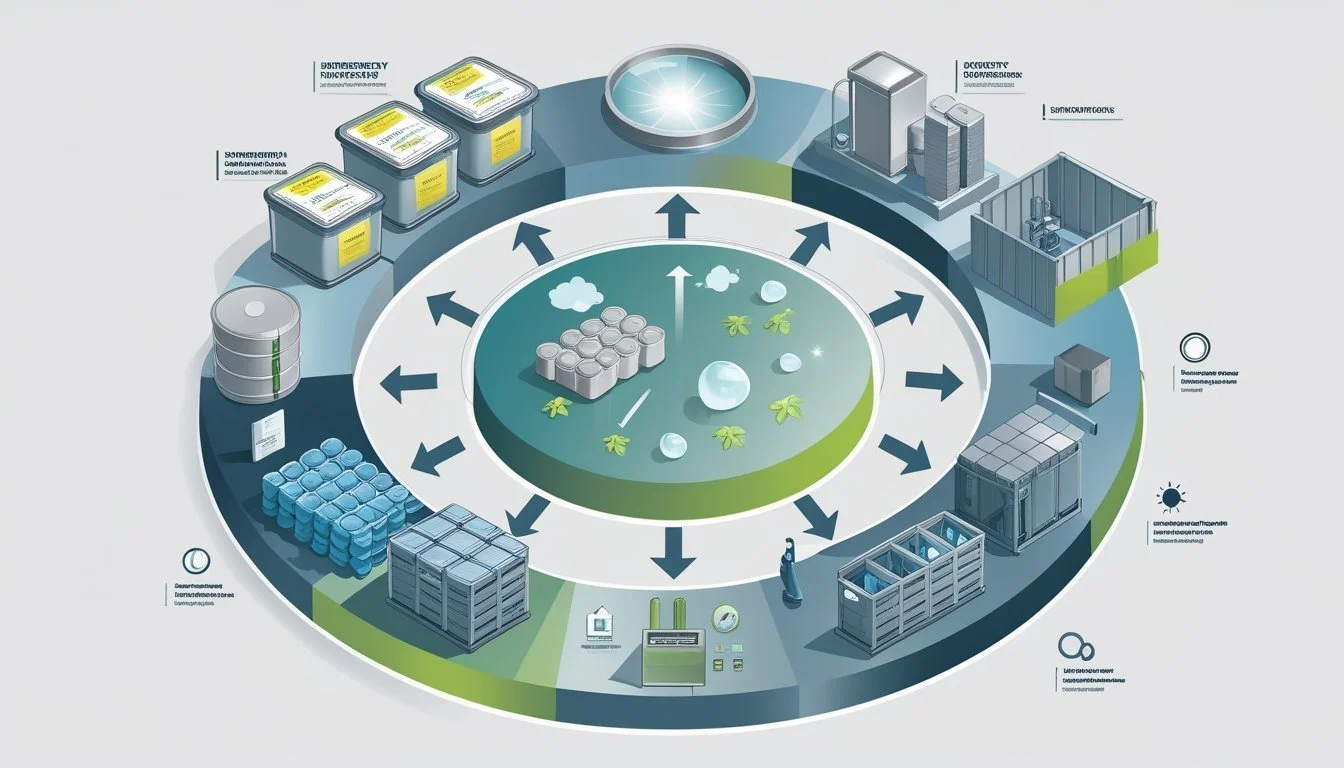
Shelf-stable emergency rations are designed to last for years, but their longevity can be significantly reduced by improper storage or poor packaging. The most critical factors include how food is stored, what it is made from, and how well it is protected from environmental exposure.
Temperature and Humidity
Temperature is a leading factor in determining how long emergency rations last. Cool, consistent temperatures—ideally below 75°F (24°C)—help slow chemical reactions that degrade food quality. High temperatures accelerate spoilage, especially in items containing fats or oils, causing rancidity.
Humidity also plays a major role. When food is stored in areas with high humidity, moisture can seep in and promote mold growth or degrade texture. Products like crackers, high-calorie bars, and dried jerky are particularly sensitive to moisture, which can cause them to spoil or lose crispness.
Proper storage includes using airtight containers and keeping rations in a dry environment. Fluctuations in temperature or humidity can lead to condensation inside packaging, which increases the risk of spoilage.
Exposure to Light and Air
Light, especially ultraviolet (UV) light, can cause both physical and chemical changes in stored food. Notably, it can break down vitamins and degrade color, taste, and nutritional quality over time. This is why most emergency rations are packaged in opaque or foil-lined materials that block out light.
Oxygen is another cause of deterioration. When packaging allows air to penetrate, it can lead to oxidation—damaging fats, oils, and even proteins. This process not only causes flavor changes but can lead to faster spoilage.
Vacuum sealing and oxygen absorbers are common methods for extending shelf life by minimizing exposure to air. Unopened packaging with intact seals provides the best defense against both air and light-driven degradation.
Ingredient Composition and Additives
The ingredients selected for emergency rations have a direct impact on how long they remain usable. Foods high in natural preservatives like salt and sugar generally last longer, as these ingredients inhibit the growth of bacteria and mold.
Certain additives, such as baking soda and baking powder, can affect shelf stability. For example, baking powder loses potency over time, leading to poor results if used after expiration. Yeast, essential for leavened breads, has a relatively short shelf life compared to many other preserved foods.
Manufacturers often include antioxidants or other preservatives to extend shelf life. Ingredient choice, formulation, and the amount of preservative used determine how long emergency rations retain quality and safety for consumption.
Storage Best Practices
Proper storage extends the shelf life of emergency food and preserves their nutritional value. Maintaining a consistent routine for checking, rotating, and securing food supplies reduces waste and ensures readiness when emergencies occur.
Long-Term Food Storage Guidelines
Emergency food storage benefits from specific temperature, humidity, and light considerations. Foods should be kept in a cool, dry, and dark environment, ideally below 70°F (21°C). Excess heat and exposure to sunlight accelerate spoilage and reduce shelf life.
Airtight and moisture-resistant containers, such as mylar bags with oxygen absorbers or food-grade buckets, minimize air and moisture exposure. Choose storage spaces like basements, closets, or pantries that are not prone to temperature swings.
Avoid storing food directly on concrete floors, as this can transfer moisture and compromise packaging. Elevating food storage on shelves encourages airflow and further protects against dampness. Label all containers with purchase or expiration dates for easy identification.
Rotation and Inventory Management
Successful management of emergency food relies on regular inventory checks. Use the "first in, first out" (FIFO) method, which prioritizes using the oldest items first. This reduces the risk of eating expired products.
A simple spreadsheet, paper log, or inventory app helps track quantities, types, and expiration dates. Schedule monthly or quarterly inspections to remove expired or damaged packages and replace them as needed.
Key inventory management steps:
Check packaging for punctures or swelling.
Note quantities remaining and upcoming expirations.
Update the inventory after any addition or removal.
Separate short-term foods (like snacks) from long-term rations to streamline rotation.
Emergency Food Storage for Households
Households should consider not just shelf life, but also dietary needs and storage space. Diversify emergency food options to include freeze-dried meals, canned goods, and calorie-dense rations that match household preferences and health needs.
Allocate pantry space specifically for emergency food storage, keeping these supplies separate from day-to-day groceries. Install shelves or storage bins in a designated area that is easy to access during emergencies but out of direct sunlight and away from heat sources.
Periodically review household size and dietary changes to ensure emergency rations remain sufficient for all members, including infants or those with food allergies. Adjust supply amounts if household size changes.
Shelf-Stable Foods: Variety and Uses
Shelf-stable emergency rations are diverse and include staples, beverages, and key additives that extend both nutrition and comfort during prolonged storage. A balanced approach to selecting these foods ensures practical meals and helps maintain routine dietary habits.
Essential Pantry Staples
Key staples in any shelf-stable supply include wheat, flour, rice, and pasta. These items form the base of many meals and offer a blend of carbohydrates and protein. Cereal grains, such as oats and cornmeal, are also popular due to their long shelf life and flexible uses in breakfast and baking.
Dairy options like powdered milk or shelf-stable UHT milk are essential for recipes and nutrition where fresh dairy is not available. Beans, lentils, and canned meats provide protein and variety, while canned vegetables and tomato powder offer essential nutrients and flavor.
Most of these staples last anywhere from one to five years when stored properly. Maintaining a rotation schedule and storing them in a cool, dry place will help ensure they remain safe and usable.
Beverages and Flavorings
Beverages are vital for hydration, comfort, and morale. Instant coffee, tea bags, and powdered drink mixes do not require refrigeration and are easy to prepare with boiled or cold water. Powdered milk is crucial not only as a drink but also as an ingredient in recipes that would otherwise use fresh milk.
Cocoa powder and shelf-stable chocolate add flavor and serve as a morale booster. Herbal teas and electrolyte drink powders are often included for both variety and additional nutritional support, especially in stressful situations.
Properly sealed containers help prevent moisture and pests from damaging beverage mixes. Store these items in airtight packages to extend their shelf life to a year or more.
Sweeteners, Condiments, and Additives
Shelf-stable sweeteners such as honey, sugar, and molasses help preserve food and sweeten recipes. Honey, in particular, is known for its indefinite shelf life if kept sealed and uncontaminated.
Condiments like salt, pepper, soy sauce, hot sauce, and pre-packaged salad dressings are important for flavor enhancement. These additives make basic meals palatable and prevent menu fatigue during long periods of emergency living.
Other common additives include baking powder, yeast, and vinegar. These are essential for baking, pickling, and food preparation. Storing condiments and additives in small, portioned containers can help ensure freshness and reduce waste.
Shelf Life Assessment and Expiration

Understanding shelf life is critical to maximizing the safety and usefulness of emergency rations. Accurate interpretation of expiry dates and vigilant monitoring for spoilage help prevent health risks and ensure that supplies remain effective during emergencies.
Reading and Interpreting Expiry Dates
Shelf-stable rations display various date codes, including “best before,” “use by,” and “manufactured on” dates. It is important to distinguish between these terms, as “best before” usually refers to quality, while “use by” is linked directly to safety.
Emergency rations often provide a shelf life range of 3 to 5 years, sometimes longer if stored under optimal, dry, and cool conditions. Manufacturers often include a built-in safety margin, meaning products may be safe for some time after the labeled date, but quality—such as taste, texture, or nutrition—may decrease.
Reading packaging charts or manufacturer documentation is recommended for interpreting codes. Some products use lot codes that require reference to company-specific guides for decoding.
Table: Common Expiry Date Terms
Term Meaning Best Before Optimal quality until this date Use By Do not consume after this date for safety reasons Manufacture On Date product was produced; calculate shelf life from here
Detecting Spoilage and Food Safety
Even with closed packaging and long shelf lives, rations can fail due to packaging damage, poor storage, or rare contamination. Key indicators of spoilage include swelling, leaks, rust, and any off-smell when opened.
Changes in appearance or consistency—such as discoloration, separation, or mold—should also trigger immediate disposal. Consumption of spoiled food can cause foodborne illness. When in doubt, food should not be consumed.
Routine visual and sensory checks at regular intervals are recommended, even if the expiry date has not yet passed. Emergency supplies should be rotated to ensure fresher stocks are always available. Proper storage—cool, dry, and away from direct sunlight—greatly reduces the risk of premature spoilage.
Updating and Replenishing Emergency Food Supplies
Proper management of emergency food supplies ensures readiness for unexpected situations and prevents waste. Staying aware of expiration dates and changing dietary requirements helps maintain a reliable and suitable reserve.
Replacing Expired or Used Rations
Emergency rations have defined shelf lives, ranging from 1 to 25 years, depending on the type and preservation method. Foods like canned goods, energy bars, and freeze-dried meals each have unique expiration dates clearly marked on their packaging.
It is important to create a schedule for checking expiration dates—every 6 to 12 months is recommended. Remove any rations approaching expiration and use or donate them before they deteriorate in quality or safety. Replace these items with new stock, keeping the most recently purchased foods at the back and older supplies at the front, using a simple first-in, first-out (FIFO) system.
A helpful checklist for replacement includes:
Review all food items and their expiration labels
Discard items with damaged packaging or visible spoilage
Restock supplies to consistently cover at least several days’ worth of calories per person
Adapting Rations to Evolving Needs
Dietary needs can change due to age, health conditions, or changes in family size. Emergency food supplies should reflect any new allergies, medical conditions, or dietary preferences that arise over time.
For families, update rations as children grow, ensuring calorie and nutrient levels remain appropriate. If someone in the household is diagnosed with an allergy, remove all products containing that ingredient. Consider cultural or religious dietary restrictions as well.
Incorporating a variety of food types—such as gluten-free, vegetarian, or diabetic-friendly options—improves the suitability of rations. Utilize a checklist or digital reminder to revisit dietary needs at least once a year, making targeted adjustments for comprehensive preparedness.

