
Legal Liabilities Around Selling Expired Food
What Retailers and Consumers Need to Know
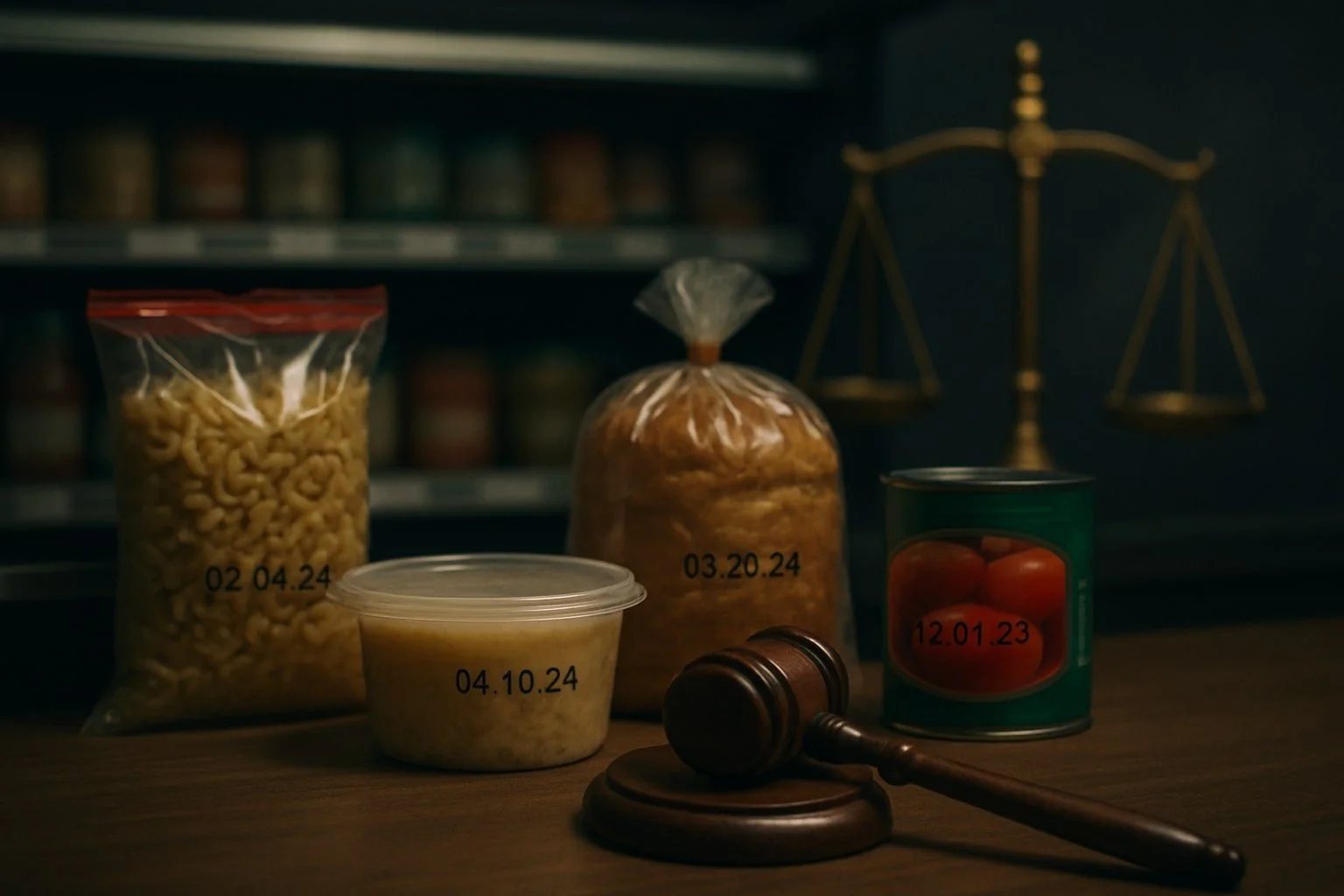
Stores can be legally liable for selling expired food if it is unsafe or causes harm to consumers. Laws around selling expired products vary by country and region, but retailers typically face penalties or even lawsuits when an expired item results in food poisoning or other health risks.
Shoppers may assume expired food is safe if it's still on the shelf, but regulations exist to protect customers from dangerous products. If someone gets sick after eating expired food, they could potentially recover damages for medical costs and lost wages.
Understanding these legal liabilities is essential for both consumers and businesses to prevent health issues and avoid legal trouble. This topic affects anyone who buys or sells food, making it important to be aware of the legal standards surrounding expiration dates.
Understanding Expiration Dates and Expired Food
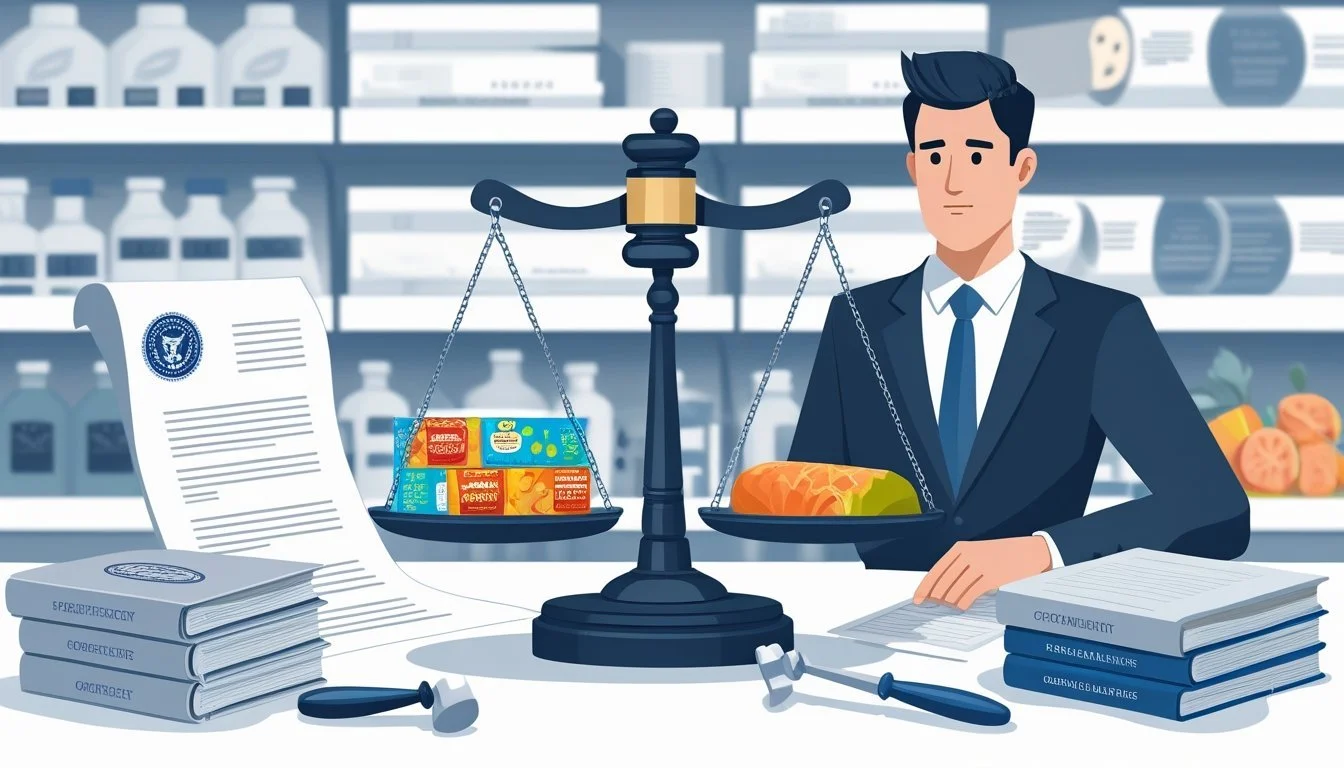
Not all dates printed on food packaging have the same legal or safety meanings. Laws about selling expired products depend on the type of expiration date and whether expired food is actually unsafe.
Types of Expiration Dates
There are several terms commonly found on food labels:
Label Type Meaning Sell By Tells the store how long to display the product for sale. Usually not for consumers. Use By/Best By Indicates the last date for peak quality, not safety, except for some foods. Expiration Date Relates to safety for certain products, often required for baby formula.
Most food labels in the United States are not federally mandated to use specific expiration dates, except for infant formula and some baby foods. Many products remain safe after their date, but manufacturers set these dates based on quality, not necessarily safety.
Differences Between Expired Food and Unsafe Food
Expired food has reached the date set by the manufacturer, but this doesn’t always mean it’s harmful. Many foods are still safe and edible after their "best by" or "sell by" dates if they have been stored properly.
Safety concerns arise mostly when food is visibly spoiled, has an off smell, or the packaging is damaged or swollen. In legal cases, selling expired food isn't automatically considered selling unsafe food. State laws often differentiate between a product’s legal expiration and its health risk.
Products like dairy, meat, or medications may pose health risks if outdated, while canned goods and dry foods often last well beyond their printed dates. It is essential to distinguish between quality and genuine health hazards when discussing expired products.
Importance of Checking Expiration Dates
Consumers should always check expiration dates, especially on perishable goods, to reduce the risk of buying items with reduced quality or safety. This is crucial for foods where safety is a concern—like fresh meats, dairy products, and baby formula.
Stores have a legal and ethical responsibility to monitor their inventory and remove expired products, especially in states with strict regulations. Photographing packaging and saving receipts helps if there is a dispute over selling expired food.
Checking labels before purchase helps avoid issues, promotes food safety, and ensures buyers are not purchasing products that may have diminished nutritional value or increased risk of spoilage. Inconsistent state laws make personal vigilance even more important.
Federal Laws and Regulations
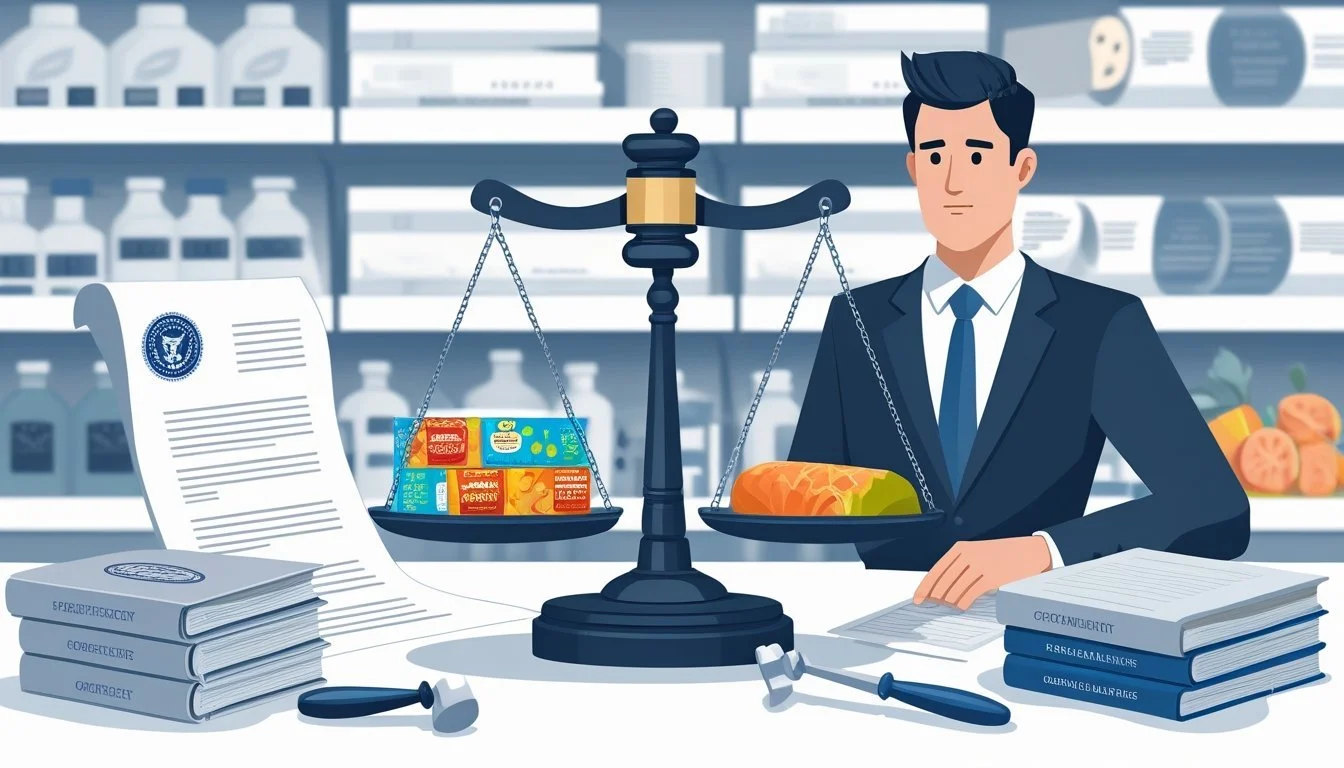
Federal rules on selling expired food in the United States involve several agencies and strict regulations. The FDA is central to food safety enforcement, while specific statutes and standards set clear expectations for retailers and manufacturers.
Food and Drug Administration Guidelines
The Food and Drug Administration (FDA) monitors food safety under the Federal Food, Drug, and Cosmetic Act (FDCA). It requires that food sold in the U.S. be safe, unadulterated, and properly labeled.
The FDA does not mandate expiration dates for most foods, except infant formula and certain baby foods. However, it does provide guidance on the use of "use by," "sell by," and "best before" dates, emphasizing that these are often quality indicators, not strict safety cutoffs.
Retailers must ensure products are fit for consumption and free from contamination, regardless of the date label. The FDA can take enforcement action if expired food is deemed adulterated or misbranded and poses health risks.
Relevant Federal Law on Food Labeling
Federal food labeling law focuses on consumer protection and accurate product information. The Nutrition Labeling and Education Act (NLEA) and the FDCA require all packaged foods to display accurate ingredient, nutrition, and allergen information.
Except for infant formula, U.S. federal law does not require uniform expiration dates for food. Manufacturers may voluntarily include date labels like "best by" or "sell by," but these are not regulated for most products.
If a retailer sells food that is mislabeled, adulterated, or otherwise unsafe, it could face penalties under the Federal Trade Commission Act and the FDCA. Laws prohibit deceptive practices such as knowingly selling expired food that could harm consumers.
Food Safety Standards and Compliance
Food sold in interstate commerce must comply with general federal safety standards. The FDA establishes procedures for handling, storage, and transportation to reduce the risk of contamination and spoilage.
Retailers are responsible for removing damaged or potentially hazardous foods from their shelves. They may also face civil penalties if found in violation of food safety standards, especially when expired food presents genuine health risks (e.g., expired baby formula).
Inspections, recalls, and enforcement actions help ensure compliance. The FDA works with other federal and state agencies to monitor and enforce food safety regulations, aiming to protect public health and maintain retailer accountability.
State Laws and Variations
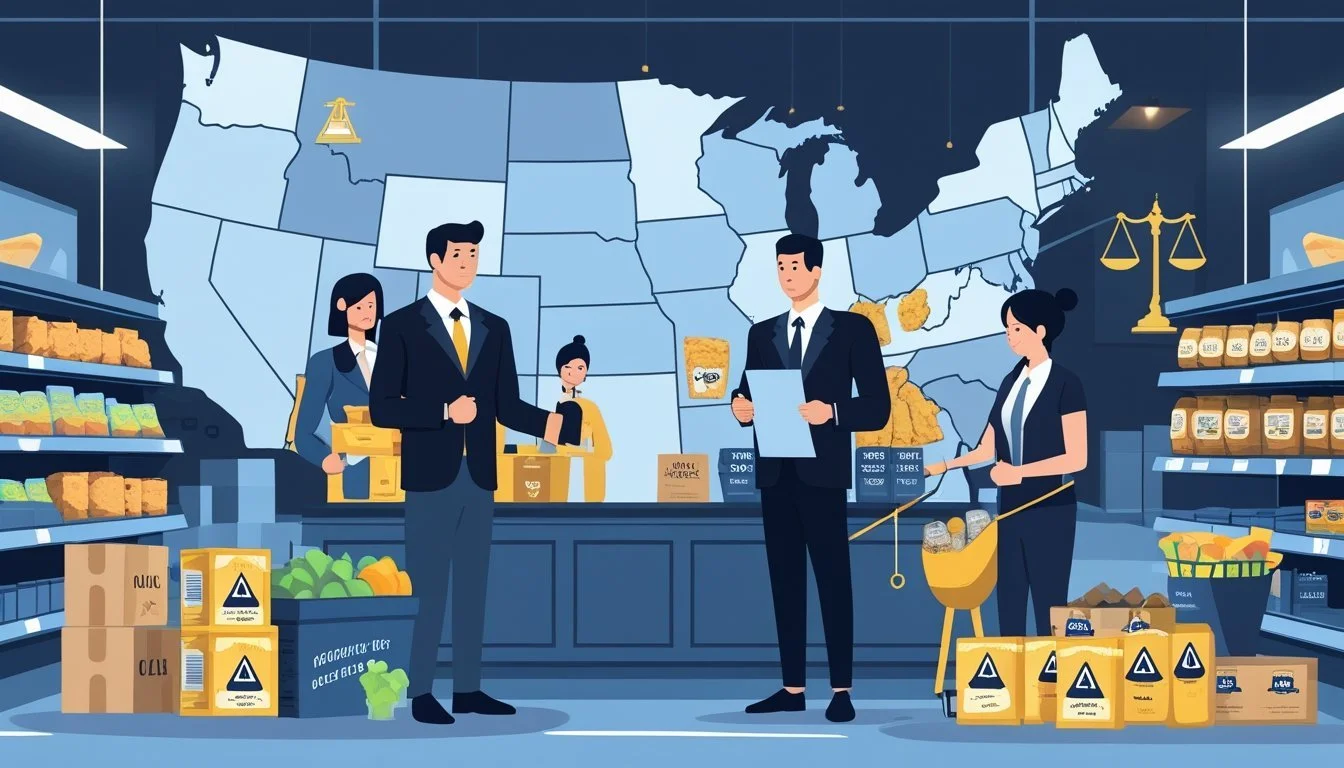
Legal rules around selling expired food depend heavily on jurisdiction. States set their own requirements on issues like labeling, removing products, and treating specific items such as milk or infant formula differently from less perishable goods.
Common State-Level Regulations
Most states rely on food safety laws to set expectations for product labeling, sale, and disposal. These laws are typically enforced by state health or agriculture departments. In many locations, there is no blanket prohibition against selling food after its printed date, except for certain goods such as infant formula.
Some states require retailers to remove products from shelves once past “sell by” or “use by” dates. Others only recommend it but do not enforce it by law. Routine state inspections may check for products that are significantly past expiration but usually focus on products that pose safety risks, such as meat, dairy, or infant foods.
Retailers in states with strict rules can face fines or penalties if expired goods are found during state inspection. Local regulations can add layers of complexity, sometimes going beyond state law requirements.
Variability in Expiration Date Enforcement
There is no single federal standard mandating how or when expired food must be removed, except for very specific categories like infant formula. As a result, enforcement varies greatly between states. Some states use guidelines rather than enforceable laws to steer retailers’ practices.
For example, California enforces expiration date removal for dairy products, while others only require removal for infant formula. Many states allow canned goods and other shelf-stable products to remain available if they still appear safe, despite an expired date.
Some states set their own definitions for terms such as “best by,” “sell by,” and “use by.” This can lead to confusion for businesses operating in multiple regions. Retailers must be aware of and manage compliance across various state lines.
Special Rules for High-Risk Products
Certain foods are subject to stricter controls because of associated health risks. Infant formula is federally regulated; it may not be sold after its “use by” date in any state due to nutrient and safety requirements. State laws often add additional oversight here.
Milk and dairy products frequently have state-specific “sell by” or “use by” date rules, particularly in states with large dairy industries. Products past these dates may need immediate removal to avoid violations and fines.
Other high-risk foods, like prepared deli items or refrigerated goods, are also subject to more frequent checks. State law might require specialized tracking or faster removal. For less risky items such as canned goods, enforcement usually focuses on visible spoilage rather than date alone.
Legal Liabilities Facing Sellers
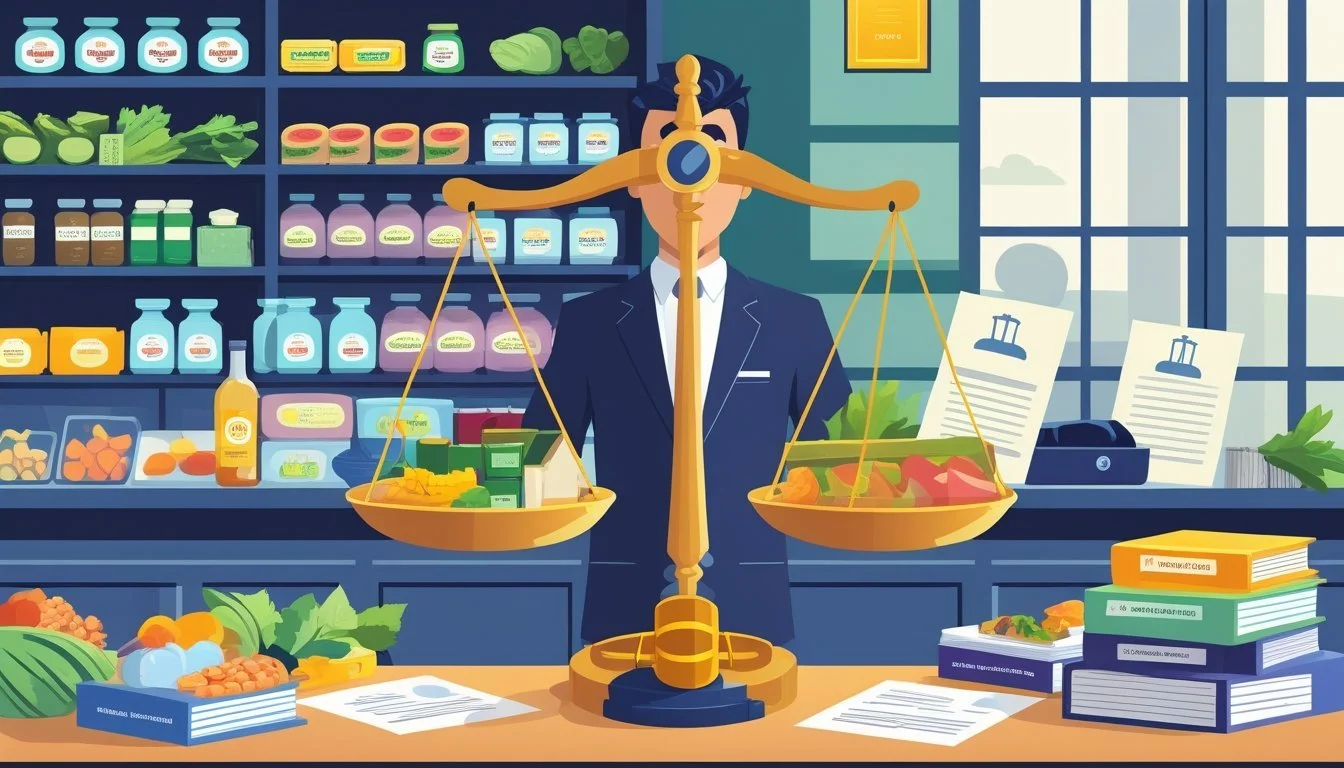
Sellers of expired food face legal exposure if their actions result in unsafe products or consumer harm. Specific legal theories—such as product liability, negligence, and breach of warranty—create avenues for claims, while careful risk management practices can reduce but not eliminate exposure.
Product Liability and Negligence
Sellers may be held strictly liable if expired foods cause harm. Product liability imposes responsibility on sellers when unsafe or defective food products result in injury.
Negligence claims focus on whether a seller failed to use reasonable care in inspecting, managing, or removing expired products from shelves. Failure to follow basic food safety procedures, or ignoring reports about expired goods, increases the risk of liability.
Retailers are often included in lawsuits even if they did not manufacture the item. Statutes of limitation usually range from 1-4 years starting from the injury or its discovery. High-risk items, such as baby formula, can attract larger penalties and public scrutiny.
Breach of Warranty
Sellers usually offer an implied warranty of merchantability, meaning food must be fit for consumption at the time of sale. Selling expired food can violate this warranty, even without visible harm, because it suggests the product is not suitable for its intended purpose.
Express warranties—such as “freshness guaranteed” labels—also create obligations. If a consumer buys expired food with such assurances, this may support a claim for breach.
Courts may award compensation or require refunds if a breach is proven. Documenting the food’s condition and receipt is important for both sellers and buyers during disputes.
Due Diligence and Risk Mitigation
Sellers can reduce legal risks by adopting strong due diligence protocols. This includes regular inventory checks, accurate labeling, immediate removal of expired items, and employee training on food safety.
Risk mitigation strategies include:
Automated expiration tracking systems
Clear supplier agreements on product quality
Written recordkeeping of inspections and disposal
Proper due diligence may limit liability or serve as a defense in court. However, no process can guarantee immunity if safety standards are ignored or if systemic failures occur.
Consumer Protection and Legal Rights
Consumers in the United States have rights and protections related to the purchase of food, including laws governing the sale of expired products. Various legal and regulatory channels are available for consumers who encounter expired goods in stores.
Consumer Protection Laws
Consumer protection laws exist at both the federal and state levels. One key federal law is the Federal Trade Commission Act, which prohibits deceptive business practices. Selling expired food, especially if the store is aware of the violation, may qualify as a deceptive act under this law.
States often have additional regulations about labeling and selling food past its expiration date. Some states require stores to remove expired goods from shelves, while others permit sales with proper disclaimers. Enforcement can include fines, civil penalties, or lawsuits, depending on the jurisdiction and severity.
Consumer Rights in Food Purchases
Consumers have the right to expect that food products sold in stores are safe for consumption and comply with labeling laws. If a person unknowingly buys and consumes expired food that causes harm, they may have grounds for a legal claim under product liability or consumer protection statutes.
Statutes of limitations for these claims vary by location, usually ranging from one to four years. Documentation such as receipts, product packaging, and medical records can support a case. It’s essential to keep this evidence in case legal action becomes necessary.
Understanding Filing a Complaint
If a consumer encounters expired food for sale or suffers harm after consumption, several complaint options are available. They can contact the store manager directly to address the issue. If the matter is not resolved, consumers may file a complaint with organizations such as the Better Business Bureau or their state’s Consumer Protection Agency.
Government entities like the Food and Drug Administration or the state attorney general’s office also accept complaints about food safety violations. In addition, ongoing violations or unresolved complaints should be reported repeatedly to regulators. Keeping copies of all communications and complaint filings helps track the process and supports further legal action if required.
Health Risks and Legal Consequences
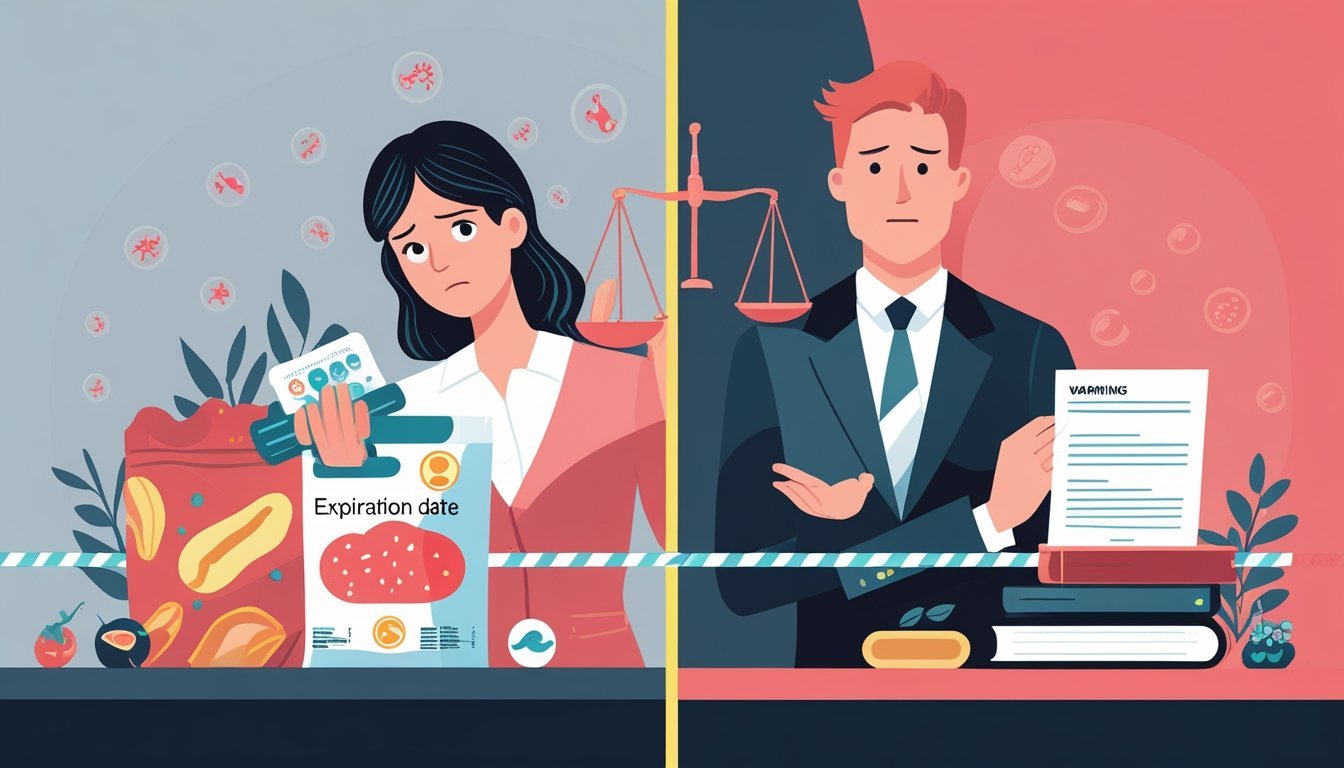
Selling expired food can create serious legal and health concerns for both businesses and consumers. Shoppers may experience illness, face medical costs, and pursue compensation if harm occurs from consuming expired products.
Food Poisoning and Personal Injury Claims
Expired food can harbor bacteria, mold, or toxins leading to food poisoning. Symptoms often include nausea, vomiting, diarrhea, abdominal pain, and fever. Severity can range from mild discomfort to hospitalization, depending on the contaminant and the person's health.
If someone falls ill after consuming expired food, they may have grounds for a personal injury claim. Key factors include whether the retailer knew or should have known the product was expired, and whether the food was unsafe for consumption. Certain states have specific regulations about selling expired goods, which can impact liability.
Personal injury law views the sale of unfit food as a potential breach of the implied warranty of merchantability. If a customer is harmed, the burden is on the injured party to prove the food caused their illness and that the food was sold beyond its expiration date.
Medical Documentation and Damages
Proper medical documentation is crucial when claiming damages from food poisoning. Medical records should clearly note symptoms, diagnosis, recommended treatment, and any hospitalization. Keeping receipts, packaging, and leftover product is also important to link the illness to the expired food.
Types of damages that may be claimed:
Medical expenses: Doctor visits, emergency care, medications, and follow-up treatment.
Lost wages: Time missed from work during recovery.
Pain and suffering: Non-economic losses related to physical discomfort and distress.
Accurate records can be critical if litigation occurs, as courts require clear evidence that links the expired product to the claimed harm.
Compensation for Harm Suffered
Compensation in cases of food poisoning depends on the type and extent of damages proven by the individual. Courts may award financial recovery for direct expenses like medical bills, as well as lost income and pain and suffering resulting from the illness.
The dollar amount varies based on factors such as the severity of the illness, duration of recovery, and any lasting effects. In rare situations, punitive damages might be awarded if a business is found to have acted recklessly or with willful negligence.
Most often, settlements or judgments provide coverage for documented out-of-pocket costs and, where justified, additional amounts for pain and suffering. Each case will depend on the strength of medical records, receipts, and other supporting evidence.
Legal Actions and Remedies
Consumers who purchase expired food and experience harm have legal remedies available. These include the possibility of filing a lawsuit, the need to prove fault or negligence, and various types of damages that may be awarded based on the evidence.
Options for Filing a Lawsuit
Individuals who become ill or otherwise harmed after buying expired food can file a lawsuit against the store or seller. Most commonly, the claim is brought as a product liability or negligence case. Specific state laws may set requirements for how and when such lawsuits are allowed.
Before suing, it is important to document the incident, save receipts and packaging, and seek medical attention if needed. Some claims may need to be filed within a certain period—statutes of limitations often range from one to four years, depending on the state.
Legal options typically include civil lawsuits for compensation or reporting the violation to a government agency that oversees food safety. Large retailers and chains have faced significant fines and settlements for selling expired goods, particularly products like baby formula or medications.
Proving Negligence and Liability
To succeed in a lawsuit, the consumer generally needs to prove the store acted negligently or was strictly liable for harm caused by expired food. Negligence requires showing the store failed to follow reasonable safety standards or violated food safety laws.
Evidence might include:
Photographs of the expired product
Store receipts
Medical documentation of illness or injury
Testimony establishing the chain of events
In strict liability cases, it is not necessary to show intent—only that selling expired food was unsafe. Legal counsel may advise on whether to focus on breach of warranty, negligence, or product liability depending on the facts.
Legal Outcomes and Types of Damages
Successful legal action may lead to various damages, depending on the harm caused. Common categories include:
Type of Damages Description Medical expenses Costs for treatment, medication, and recovery Lost wages Compensation for time missed from work due to illness Emotional distress Payment for anxiety, pain, or suffering resulting from the incident Punitive damages Additional sums to punish the store for especially reckless conduct
Courts can also order the store to change practices to prevent future violations. Settlements may be negotiated to compensate the victim without a trial, especially in clear cases of liability.
Statutes of Limitations and Legal Procedures

Legal action for selling expired food is subject to specific deadlines and procedural steps. Each jurisdiction sets its own rules for how and when such cases can be brought against a store or seller.
Statute of Limitations for Claims
The statute of limitations sets the maximum period allowed to file a claim after discovering that expired food was sold. Most states provide a one to three-year window for filing tort claims, including negligence or product liability claims related to expired food.
Filing a case after the statute of limitations expires usually results in immediate dismissal, no matter the merits of the complaint. Claimants should check state-specific laws, as some areas may have shorter or longer deadlines, or unique rules governing food safety cases.
Typical statutes are as follows:
State Common Limitations Period California 2 years (personal injury) New York 3 years Texas 2 years Florida 4 years
Consultation with a qualified attorney early in the process is strongly recommended to avoid missing critical deadlines.
Navigating Small Claims Court
Small claims court allows individuals to pursue legal remedies for smaller monetary losses, usually with minimal legal fees and less formal procedures. The court typically reviews claims under a monetary cap, which ranges widely by state (often between $2,500 and $10,000).
Filing a claim involves preparing evidence, such as receipts, photos of the expired food, and any documentation of illness or damages. Many jurisdictions require an attempt to resolve the dispute with the seller before pursuing court action.
The small claims process usually involves a brief hearing, where both parties present their case directly to a judge. If successful, the court may award damages, order reimbursement, or provide other remedies permitted by state law.
Consulting Legal Professionals
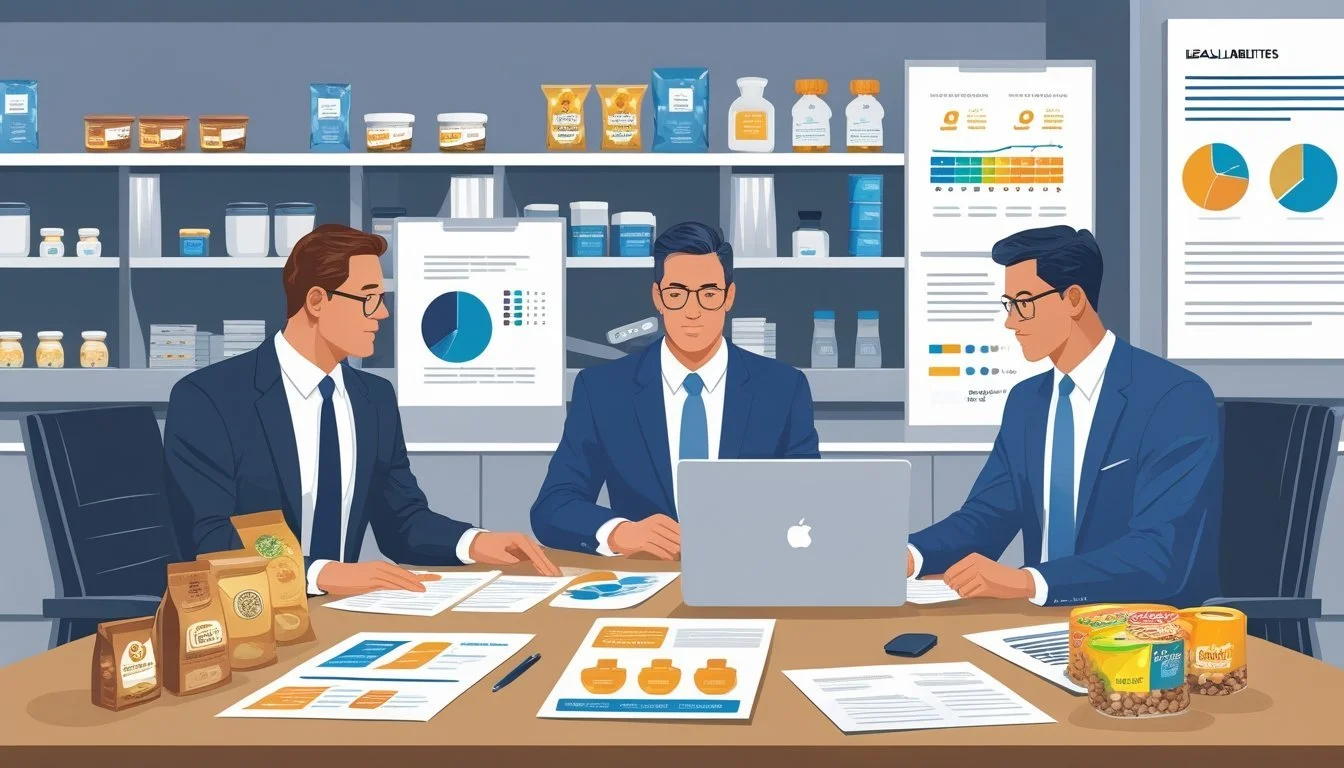
Legal issues around selling expired food often require an understanding of liability, local food safety laws, and potential defenses. Knowing when to consult attorneys, how to work effectively with them, and the relevance of expert testimony can make a substantial difference for businesses or individuals facing these challenges.
When to Seek Legal Advice
Seeking legal advice is strongly recommended if a business receives a complaint about selling expired food, faces regulatory action, or is served with a lawsuit. Legal professionals can provide guidance on regulatory compliance, liability assessments, and ways to mitigate risk exposure. Texas and many other states impose civil penalties or allow lawsuits in cases of harm caused by expired food.
If illness or injury has been reported, consultation should be immediate. Delaying legal counsel could increase exposure to penalties or litigation costs. Legal counsel can also help evaluate the strength of any consumer claims, including whether actual damages exist, since monetary compensation generally depends on demonstrable harm.
Working with Legal Counsel
A productive relationship with legal counsel supports compliance and defense strategies. Attorneys may review internal protocols for food safety, assess documentation such as expiration date logs, and advise on best practices for recalling or disposing of expired products. They may coordinate with insurance providers to understand potential coverage for legal claims.
Businesses should be open about all facts and timelines when meeting with their attorney. It is important to maintain clear records of inventory, inspections, and communications with consumers or health departments. This information enables legal professionals to craft accurate responses to regulators or courts, and can be decisive if litigation proceeds.
Role of Expert Testimony in Litigation
Expert testimony is often critical in cases involving expired food claims. Food safety experts may provide evidence about whether the expired item presented a genuine health risk, if storage conditions were adequate, or if labeling met industry standards. Their statements can inform the court about technical issues a layperson might not understand.
Legal counsel will usually vet and prepare experts to explain scientific findings in clear, neutral terms. Opposing parties may also present their own experts, making the quality of testimony a key factor in many disputes. This process helps clarify liability, potential damages, and sets standards for future conduct in similar cases.
Education and Best Practices for Consumers and Sellers
Educating both consumers and sellers about expired food is important for reducing health risks and preventing legal consequences. Understanding responsibilities and proactive steps helps maintain trust and compliance with regulations.
Promoting Food Safety Awareness
Food safety education helps consumers recognize risks associated with expired goods. Sellers, including store managers and staff, should regularly receive training on identifying, removing, and handling expired products. This reduces accidental sales and upholds safety standards.
Consumers should learn how to read “best by,” “sell by,” and expiration dates, as labeling can be confusing. Educational campaigns in stores and online increase consumer understanding and promote responsible purchasing habits.
Community partnerships, such as programs with local health departments, can provide workshops or leaflets explaining safe food handling and storage. These efforts address public concern and help prevent illness linked to expired foods.
Steps for Preventing Legal Issues
Sellers must implement clear inventory management systems. Regular shelf checks and first-in, first-out (FIFO) protocols help ensure products are sold before expiration.
Documented procedures are vital. Staff should follow written guidelines for inspecting, removing, and disposing of expired items. This minimizes the chance of negligence claims.
Clear communication with consumers is essential. Posting visible signs and making return or complaint processes straightforward encourages good customer service and can reduce legal risks. Providing transparent information about food dating also builds consumer trust.
A sample checklist for retailers:
Task Frequency Responsible Party Inspect product dates Daily Store staff Remove expired products Daily Store staff Staff food safety training Quarterly Store manager Review consumer complaints Monthly Customer service rep

