
The Role of Preservative-Free Trends in Shelf Life Science and Their Impact on Product Stability
Shoppers and manufacturers alike are rethinking the basics of food preservation as demand grows for fewer additives and more natural ingredients. The focus on preservative-free products comes from increased awareness of potential health risks linked to synthetic chemicals and a desire for cleaner labels on store shelves. Preservative-free trends directly challenge traditional shelf life science by prompting new methods for keeping food safe and fresh without artificial additives.
This shift is driving research and innovation in the way foods are processed, packaged, and stored. Scientists and producers are investigating natural alternatives, improved packaging, and novel storage techniques to maintain quality and prevent spoilage. As the landscape changes, understanding the impact of preservative-free trends is crucial for anyone interested in food safety, sustainability, and the evolution of the global food system.
Understanding Shelf Life Science
Shelf life science centers on maintaining food quality, safety, and freshness throughout a product’s lifespan. This involves analyzing how several interconnected factors—such as microbial activity, ingredient composition, and preservation methods—impact food quality and safety.
Key Determinants of Shelf Life
Shelf life refers to the timeframe in which food products remain safe and retain their intended sensory, nutritional, and functional qualities. Several primary factors influence shelf life, including storage temperature, humidity, packaging, and the presence or absence of preservatives. Storage environments that are consistently cool and dry tend to extend shelf life, while fluctuating conditions often lead to quicker deterioration.
Additionally, exposure to air, light, and moisture can accelerate both chemical and biological changes in food. The processing method—such as pasteurization, dehydration, or fermentation—can also markedly extend or reduce how long a food remains viable. Reliable shelf life determination is integral to reducing food waste and protecting consumer health.
Microbial Growth and Spoilage
Microbial growth is one of the largest contributors to food spoilage and reduced shelf life. When conditions are suitable, bacteria, yeasts, and molds proliferate in food products, leading to changes in taste, smell, and texture. This can result in foodborne illnesses caused by pathogens like Salmonella or Listeria.
Without synthetic preservatives, foods are more vulnerable to rapid microbial spoilage. The rate of spoilage largely depends on water activity, nutrient content, and storage conditions. Effective food safety protocols, such as maintaining cold chains and good hygiene during processing, help slow microbial growth and reduce health risks.
The Role of Food Composition
Food composition—including the proportions of water, proteins, fats, sugars, and acids—has a direct impact on both shelf life and spoilage rates. High-moisture foods, for instance, spoil faster than their dry counterparts due to the easier proliferation of microorganisms. Foods rich in fats may degrade more quickly through oxidation, resulting in rancidity.
Products with natural acidity, such as citrus or fermented vegetables, typically deter many foodborne pathogens. Conversely, foods with neutral pH are more prone to both microbial and chemical spoilage. Even trace nutrients, like vitamins and minerals, play a role in reactions that affect overall shelf stability.
Quality and Safety in Food Preservation
Balancing food quality and safety is a central goal of shelf life science. Preservation techniques—including thermal processing, refrigeration, and specialized packaging—are designed to extend freshness while minimizing the risk of foodborne illness. For preservative-free products, emphasis shifts to non-chemical methods such as vacuum sealing, controlled atmosphere, and ozone treatment technology.
Maintaining sensory qualities—flavor, aroma, and texture—remains critical to consumer acceptance. Rigorous safety evaluations, predictive microbiology, and shelf life testing are essential for identifying potential hazards and ensuring the product remains both nutritious and free from food-borne illnesses during storage and distribution.
The Shift Toward Preservative-Free Solutions
Growing awareness of ingredient safety and transparency has increased demand for products that exclude artificial additives, especially in the food industry. Shoppers are seeking options that align with healthier lifestyles, sustainability, and clear labeling.
Consumer Preference and Market Trends
Consumers have become more attentive to what goes into their food and personal care items. Surveys show a steady shift toward products labeled as preservative-free or minimally processed, with many targeting products that use natural or easily recognizable ingredients.
Market research indicates that these preferences have led major brands to reformulate products, often replacing artificial preservatives with natural preservation methods or improved packaging to maintain shelf life. Retailers are responding by dedicating more shelf space to preservative-free and clean label goods.
Key drivers include:
Desire for transparency about ingredients
Concern over the long-term effects of chemical additives
Perception that simpler products are fresher and safer
This move is not limited to food; it is also visible in cosmetics and personal care, reflecting a wider shift in consumer expectations.
Clean Label Demand
The clean label movement emphasizes straightforward ingredient lists, minimal processing, and the removal of synthetic or chemical-sounding preservatives. Companies aiming for clean label certification must demonstrate the exclusion of artificial additives and offer clear labeling that consumers can easily understand.
Manufacturers have responded by adopting alternative preservation strategies. These strategies include using plant extracts, essential oils, fermentation techniques, and advanced packaging that helps extend shelf life without relying on synthetic chemicals.
A brief comparison of clean label and traditional products illustrates these differences:
Aspect Clean Label Traditional Ingredient List Short, simple Often lengthy, technical Additives Natural, minimal Synthetic preservatives Consumer Perception Healthier, transparent Processed, less trustworthy
This clear labeling approach not only attracts consumers but also encourages brand loyalty and premium pricing.
Health Concerns and Carcinogenicity Related to Chemical Additives
Health concerns are a major factor behind the push to eliminate chemical preservatives. Certain additives such as sodium benzoate and some parabens have been linked to potential health risks, including allergies, metabolic disruption, and possible carcinogenicity with prolonged exposure.
Regulatory agencies periodically review the safety of these chemical additives, but ongoing public concern persists. As a result, products marketed as free from synthetic additives are perceived as safer and healthier choices.
The food industry now faces mounting pressure to demonstrate not only the safety but also the necessity of added chemicals. Wider adoption of preservative-free solutions reflects efforts to reduce exposure to substances under scientific and regulatory scrutiny, while also supporting the broader demand for healthier foods.
Natural Preservatives and Their Applications
Many foods now rely on natural preservatives as alternatives to synthetic additives. Ingredients from plants, bacteria, and spices are widely used due to their specific antimicrobial activity and benefits to shelf life and consumer safety.
Natural Antimicrobials from Plants
Plants produce many secondary metabolites with antimicrobial properties. These natural antimicrobials include compounds such as phenolics, alkaloids, and terpenoids, which inhibit the growth of foodborne bacteria and molds.
For example, guava leaves and extracts have shown strong activity against spoilage microorganisms. Polyphenols present in various fruits and vegetables also contribute to the preservation of food products by targeting microbial enzymes and cell structures.
Plant-derived natural food preservatives are used in forms such as powders, extracts, and edible coatings. When applied to fresh produce or perishable items, they can extend shelf life and reduce reliance on chemical preservatives.
Biopreservatives and Lactic Acid Bacteria
Biopreservation uses beneficial microorganisms, most notably lactic acid bacteria (LAB), to enhance food safety. LAB produce antimicrobial metabolites, including organic acids (such as lactic and acetic acid), hydrogen peroxide, and bacteriocins, which suppress pathogens and spoilage flora.
Commonly found in fermented products like yogurt, sauerkraut, and kimchi, these bacteria are considered generally recognized as safe (GRAS). Their antimicrobial activity contributes not only to longer shelf life but also to improved texture and flavor.
In modern shelf life science, biopreservatives support clean-label initiatives and can be integrated into dairy, meat, and plant-based foods to reduce or eliminate synthetic preservatives.
Essential Oils and Plant Extracts
Essential oils are concentrated natural additives extracted from plants. They contain antimicrobial compounds like eugenol (in clove), thymol (in thyme), and cinnamaldehyde (in cinnamon essential oil), which exhibit broad-spectrum antimicrobial activity.
Cinnamon essential oil, for example, has proven effective against several bacteria and molds in bakery and beverage products. Citrus, oregano, and rosemary essential oils are also widely researched for use as natural preservatives in fresh-cut fruit, juices, and ready-to-eat foods.
Food manufacturers may blend essential oils with edible coatings or emulsions to improve their stability and efficacy without negatively affecting sensory attributes.
Herbs, Spices, and Their Bioactivity
Herbs and spices such as basil, sage, rosemary, and pepper possess multiple bioactive compounds. These include polyphenols, flavonoids, and essential oils, all of which contribute to their preservative effects.
Rosemary extract is known for delaying lipid oxidation in meats and poultry, helping to maintain freshness and flavor. Basil and sage extracts are also used to inhibit yeast and mold growth in bakery or dairy products.
Often, herbs and spices are effective not only for their antimicrobial activity but for their ability to boost the overall sensory profile of foods. Their inclusion provides an appealing clean-label solution, aligning with modern trends in natural food preservation.
Antimicrobial Mechanisms and Agents
Antimicrobial agents in preservative-free foods focus on safety and shelf life by targeting spoilage and pathogenic microorganisms. Key mechanisms include inhibition through microbial metabolites, acidification, and oxidation control.
Bacteriocins and Fermentation-Derived Agents
Bacteriocins are antimicrobial peptides produced by certain bacteria, especially lactic acid bacteria (LAB). These compounds act by disrupting the cell membranes of target bacteria, causing cell death or growth inhibition.
Food fermentation relies on microorganisms like LAB not only for flavor and texture but also for the natural release of bacteriocins. Examples include nisin and pediocin, which are effective against a range of gram-positive bacteria and some foodborne pathogens.
Fermentation activity produces other antimicrobial metabolites, such as diacetyl and hydrogen peroxide. These byproducts, generated during the food fermentation process, enhance antimicrobial activity and contribute to extending shelf life without the use of synthetic preservatives.
Table: Common Fermentation-Derived Antimicrobial Compounds
Compound Source (Microorganism) Antimicrobial Target Nisin Lactic acid bacteria Gram-positive bacteria Pediocin Lactic acid bacteria Listeria, Clostridium spp. Diacetyl LAB, other bacteria Several spoilage organisms Hydrogen peroxide LAB Wide range of microbes
Organic Acids and Acidification
Organic acids, such as lactic, acetic, and citric acids, play a major role in natural food preservation. They are predominantly produced by fermentative microorganisms, including lactic acid bacteria.
The primary effect of these acids is acidification. By lowering the pH of food environments, they create inhospitable conditions for many spoilage organisms and pathogens. This process is especially relevant in products like yogurt, pickles, and fermented vegetables.
Acidification via organic acids can be further enhanced through controlled fermentation. This not only extends shelf life but also contributes subtle flavor and textural qualities desired in many traditional products.
Antioxidants and Enzyme-Based Approaches
Antioxidants protect food from oxidative spoilage by neutralizing free radicals and inhibiting rancidity. Natural antioxidants, including tocopherols (vitamin E), polyphenols, and some carotenoids, offer preservation without introducing synthetic compounds.
Enzymes provide antimicrobial activity by breaking down key cellular components of spoilage organisms. For example, lysozyme targets bacterial cell walls, and lactoperoxidase, found in milk, generates antimicrobial compounds like hypothiocyanite when exposed to hydrogen peroxide and thiocyanate.
List: Notable Natural Antioxidants and Enzymes in Food Preservation
Tocopherols: Protect oils and fats.
Polyphenols: Inhibit microbial growth, especially in fruits.
Lysozyme: Acts against gram-positive bacteria.
Lactoperoxidase system: Effective in dairy products.
The combination of these antioxidants and enzymes can be tailored to specific foods, offering antimicrobial protection while maintaining clean label status.
Preservative-Free Packaging Innovations

Advances in packaging are enabling longer shelf life without relying on chemical preservatives. These developments leverage materials science and food technology to protect products, maintain quality, and satisfy consumer demand for clean-label foods.
Edible Coatings and Biodegradable Films
Edible coatings form a thin, consumable layer on food and act as a barrier against moisture and oxygen. Chitosan, a biopolymer derived from crustacean shells, is recognized for its film-forming and antimicrobial properties. When applied to products like fruits or bakery goods, it reduces spoilage from microbial growth and delays staling, all without adding artificial chemicals.
Biodegradable films, often made from starch, cellulose, or proteins, support sustainability by decomposing naturally after use. Some films are incorporated with natural extracts such as essential oils to further deter spoilage. Key advantages include reduced reliance on single-use plastics, enhanced preservation through selective permeability, and alignment with environmentally-conscious consumer values.
Benefits of Edible Coatings and Biodegradable Films:
Feature Description Barrier Protection Blocks moisture, dust, and gases Antimicrobial Action Natural bioactive compounds used Eco-friendliness Made from plant or animal-based polymers
Modified Atmosphere Packaging (MAP)
Modified Atmosphere Packaging manipulates the internal gas composition of packs to retard spoilage and extend shelf life. Oxygen is reduced while carbon dioxide or nitrogen levels are increased, which slows down oxidation and microbial activity. This technique is widely used for fresh produce, bakery goods, and even prepared meals.
MAP allows preservative-free formulations by controlling respiration rates and moisture within the package. The process requires precise control technologies and barrier materials to maintain the desired atmosphere throughout distribution. Its effectiveness depends on the food product’s unique characteristics and the right choice of polymer films, which ensures gas retention and product stability.
Antimicrobial Packaging Technologies
Antimicrobial packaging incorporates agents that actively inhibit or kill microorganisms present on food surfaces. Common approaches use natural antimicrobial compounds such as plant extracts, chitosan, or enzymes embedded into packaging films. When in contact with food, these agents are released in controlled doses.
Such technologies provide a synergistic effect—combining mechanical protection with active microbial suppression—allowing foods to remain preservative-free while maintaining safety and freshness. Research into biopolymer-based films is expanding, focusing on optimizing compatibility, release rates, and sensory neutrality, so the packaging does not alter taste or aroma. These antimicrobial solutions support the shift toward cleaner ingredient lists and reduced food waste by prolonging product usability.
Impact on Specific Food Categories
Preservative-free trends are challenging the food industry to find new ways to maintain safety and shelf life, especially for products prone to rapid spoilage. Categories such as meat, seafood, and fruits each face distinct quality and storage challenges in the absence of traditional preservatives.
Meat and Processed Meat
Meat and processed meat products are highly perishable due to their high moisture and protein content. Traditionally, chemical preservatives like nitrites and nitrates have inhibited bacterial growth and extended storage life. As demand for preservative-free options rises, producers are turning to modified atmosphere packaging and natural antimicrobials.
Shorter shelf life is a concern, particularly for items of animal origin that are susceptible to spoilage. Clean-label strategies often use plant extracts, essential oils, or fermentation to control pathogens. However, these alternatives may not offer the same longevity, so strict cold chain management becomes even more crucial.
Product Type Common Challenge Preservative-Free Solution Fresh Sausages Microbial Spoilage Vacuum/sealed packaging, plant extracts Deli Meats Shelf Life Extension Fermentation, strict refrigeration
Seafood and Storage Life
Seafood is especially sensitive to spoilage due to high water activity and enzymatic degradation. Without traditional additives, seafood products are at increased risk for bacterial contamination and rapid quality loss during storage. Maintaining low storage temperatures is essential to delay spoilage.
Innovative preservative-free solutions include ozonation, ice glazing, and edible coatings that form protective barriers. Ozone treatment, in particular, has been adopted to reduce surface microbial load while preserving texture and color. Packaged seafood relies heavily on vacuum and modified atmosphere packaging for extra protection against spoilage organisms.
A focus on aseptic handling and reduced processing times further limits microbial growth. These combined strategies can extend storage life, but the margin for error is reduced compared to conventional preservation.
Fruits and Postharvest Quality
Fruits are naturally limited in shelf life due to respiration and ethylene production after harvest. For preservative-free protocols, attention shifts to postharvest handling techniques such as controlled atmosphere storage, rapid cooling, and humidity regulation to maintain quality.
Edible coatings using chitosan or natural polysaccharides help slow dehydration and microbial decay, while UV-C light or ozone can sanitize surfaces without chemical residues. Minimizing bruising during transport is critical, as damaged produce deteriorates faster when synthetic preservatives are omitted.
Fruits intended for longer distribution rely on varieties bred for firmness and slower ripening. The balance between consumer demand for clean labels and requirements for appearance, taste, and nutritional value drives ongoing research into non-chemical interventions.
Pathogen Control and Microbial Resistance

Controlling foodborne pathogens remains critical in preservative-free shelf life science. Natural and targeted microbial control methods are being used and studied to address bacterial and fungal threats while reducing reliance on synthetic antimicrobials.
Targets: Listeria monocytogenes, Escherichia coli, and Staphylococcus aureus
Listeria monocytogenes, Escherichia coli, and Staphylococcus aureus are among the most significant foodborne pathogens posing risks in minimally processed foods. These bacteria are known for their ability to survive a range of environmental conditions, making effective control essential.
Listeria can grow at refrigeration temperatures, while E. coli and S. aureus can persist in various foods, sometimes producing toxins. Their resistance to standard preservation methods highlights the challenge for the industry.
Control strategies often focus on sanitation, temperature management, and introducing natural barriers. The combination of approaches is necessary due to the adaptive nature of these pathogens.
Pathogen Notable Risk Key Control Step Listeria monocytogenes Growth at low temperatures Low temp inhibition Escherichia coli Toxin production, outbreaks Cooking/sanitation Staphylococcus aureus Heat-stable toxins Hygiene, rapid cooling
Bacteriophages and Natural Control Agents
Bacteriophages are viruses that selectively target and destroy specific bacteria. In recent years, their targeted activity against pathogens like Listeria and E. coli has attracted attention as an alternative to traditional antimicrobial agents.
Natural control agents, such as plant-derived polyphenols, essential oils, and organic acids, also show promise. They can disrupt bacterial and fungal growth, contributing to shelf life extension while aligning with consumer preferences for "clean label" foods.
The effectiveness of these agents can depend on the food matrix, pH, and temperature. Research continues to refine their application and improve outcomes without compromising taste or safety.
Emerging Issues with Microbial Resistance
The widespread use of chemical antimicrobials has contributed to microbial resistance, complicating control efforts for foodborne pathogens. Some bacteria, including E. coli and Staphylococcus aureus, can adapt and render common preservatives and antimicrobials less effective.
This trend increases the importance of rotation and diversification of antimicrobial strategies. Use of natural antimicrobials and combinative approaches may help slow resistance development.
Continuous monitoring is essential to track resistance patterns. The need for new and well-studied approaches, such as phage therapy and natural compounds, remains urgent in light of evolving microbial threats.
Optimizing Preservation Without Synthetic Additives
Extending shelf life without the use of synthetic preservatives relies on natural strategies that reduce spoilage and maintain food safety. Attention to preservation methods, storage environment, and robust control systems play a central role in these efforts.
Synergistic Preservation Methods
Combining multiple natural preservation methods can produce a stronger inhibitory effect on spoilage organisms than any single technique. This approach, called hurdle technology, often brings together mild heat treatment, high-pressure processing, and natural antimicrobials like plant extracts and fermentation byproducts.
Natural antimicrobials such as nisin, rosemary extract, and essential oils are often paired with mild physical interventions for enhanced protection. For example:
Method Common Partners Applications Natural Extracts Refrigeration, Vacuum Pack Processed meats, dairy Fermentation High Pressure, Salt Pickles, sauces Mild Heat Essential Oils, Barrier Pack Juices, ready meals
Manufacturers gravitate toward these combinations to avoid flavor or texture degradation and keep ingredient lists clean.
Role of Storage Conditions
Proper storage can significantly slow the growth of spoilage microbes in preservative-free foods. Temperature control is the most influential factor since lower temperatures delay bacterial and mold proliferation.
Humidity and oxygen exposure also directly impact product longevity. Limited light, regular monitoring, and humidity regulation are often used to prevent oxidative changes and moisture-driven spoilage.
Key storage considerations include:
Refrigeration at 0–4°C for perishable items
Modified atmosphere packaging to limit oxygen concentration
Controlled humidity to prevent microbial growth and texture changes
Optimizing these parameters helps maintain food quality even in the absence of chemical additives.
Integration into Food Control Systems
Effective food control systems are essential for monitoring preservative-free products throughout distribution and storage. Hazard Analysis and Critical Control Point (HACCP) plans increasingly integrate non-chemical preservation data, tracking temperatures, humidity, and physical integrity at each stage.
Regular testing for pathogens and shelf life indicators supports safer products and regulatory compliance. Real-time monitoring tools, such as smart sensors, help detect deviations promptly.
Incorporating digital logs and automated alerts ensures consistency and rapid intervention in case of storage failures or quality loss. This integration strengthens shelf life extension efforts and supports industry transition toward clean-label foods.
Challenges and Future Directions in Shelf Life Science
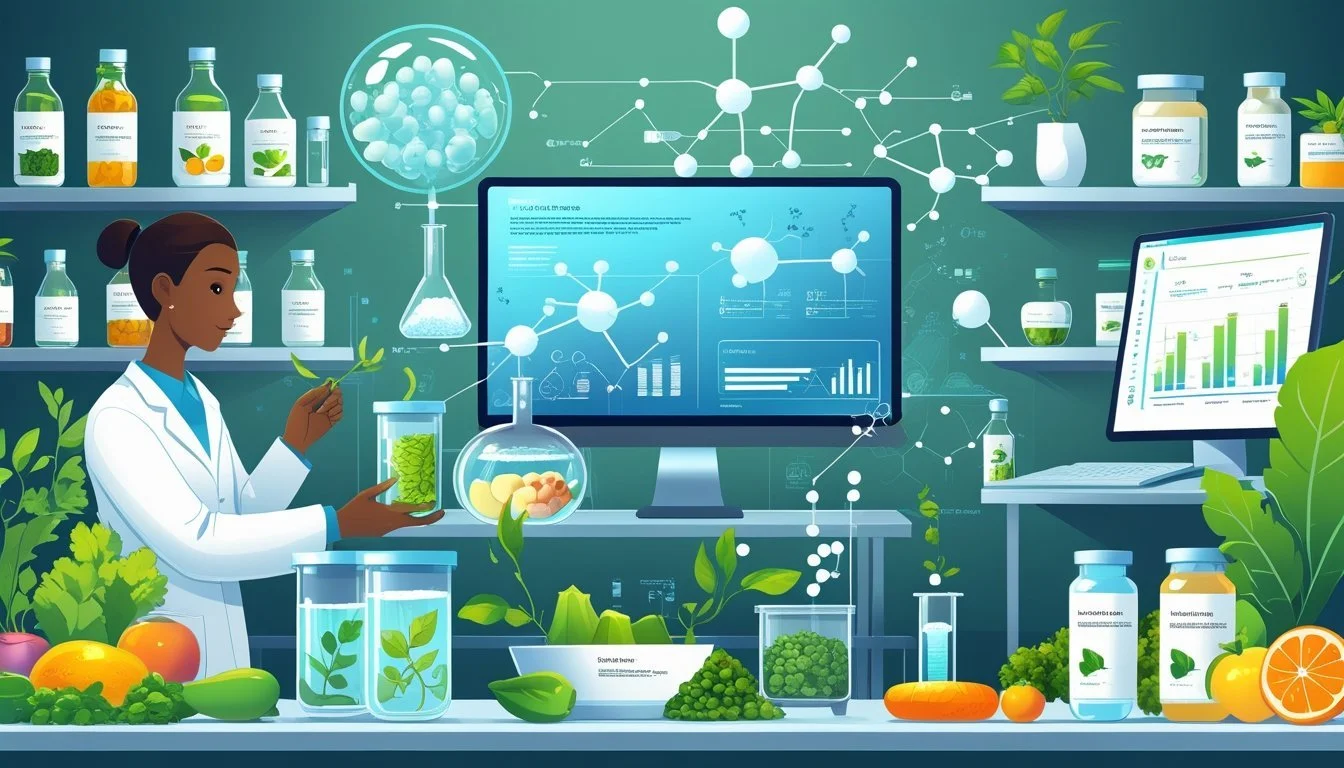
Efforts to remove or reduce synthetic preservatives have led to rapid changes in food science. New approaches to maintaining food quality, food safety, and minimizing waste continue to shape research and industry practices.
Balancing Food Quality and Safety
Ensuring both safety and high quality in preservative-free foods is a primary concern. Without synthetic additives, products may spoil more quickly or support bacterial growth.
Producers face challenges in preventing contamination while maintaining flavor, texture, and nutritional content. Technologies such as high-pressure processing and advanced packaging aim to meet these demands without chemical additives.
Food manufacturers must also consider consumers’ increasing expectations for clean labels, which further limits the range of acceptable ingredients. This pressure often leads to the exploration of natural options, functional cultures, and plant-based antimicrobials.
Reduction of Food Waste
The drive for natural and preservative-free products impacts shelf life, which can affect overall rates of food waste. Shorter shelf lives may lead to more spoilage at retail and in the home.
Strategies to reduce waste include improved cold chain logistics and predictive shelf life modeling. Retailers are turning to smarter packaging that reacts to spoilage markers, and consumers are encouraged to use foods before expiration.
Effective communication of best by and use by dates, along with clearer storage guidelines, plays a role. New preservation strategies must balance the goals of minimizing both chemical use and food waste.
Innovation in Natural Preservation
Advances in natural preservation are critical for the future of preservative-free foods. Researchers are investigating bioactive compounds, such as essential oils and plant extracts, which can inhibit spoilage.
Microbial starter cultures and natural antioxidants are being optimized for use in minimally processed products. Recent interest includes nanotechnology and bio-based preservative systems, which promise greater shelf life extension without synthetics.
Future efforts focus on scalability, cost, and the regulatory approval of these methods. For each solution, technical feasibility and consumer acceptance remain crucial for market progress.

