
How Fermentation Alters the Expiration Debate
Understanding Food Shelf Life and Safety
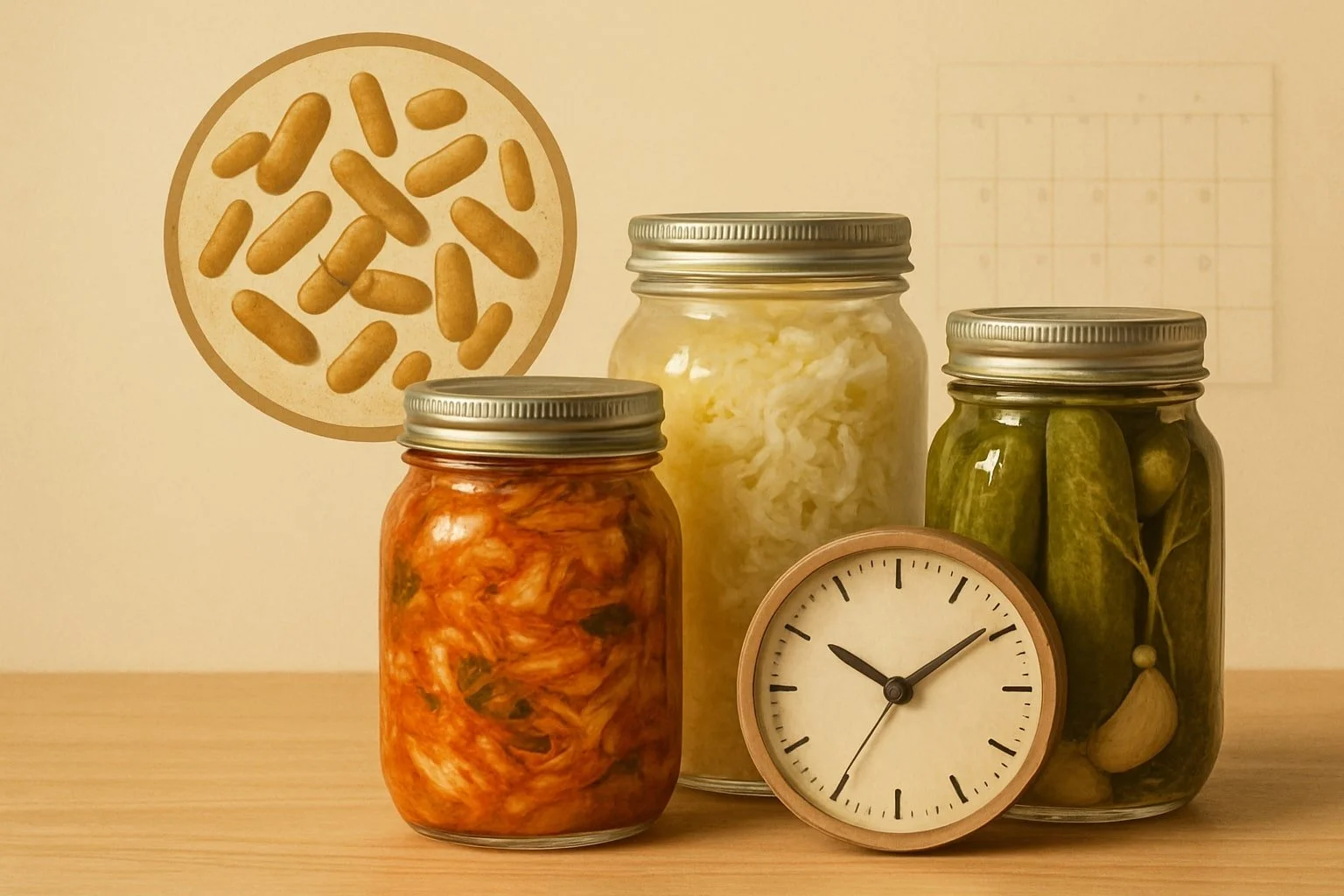
Fermented foods like yogurt, sauerkraut, and soy sauce challenge traditional ideas about expiration dates. While most foods spoil and can become unsafe over time, the fermentation process not only preserves foods but can also improve certain aspects of their safety and nutrition. Fermentation alters the expiration debate by extending shelf life and making foods less susceptible to harmful bacteria compared to their fresh counterparts.
The interaction of beneficial microbes, changes in pH, and sometimes final heat treatments all play roles in how long a fermented product remains safe and enjoyable. Since many fermented goods have been consumed safely for millennia, understanding why they last longer than non-fermented foods can help consumers make informed decisions and reduce unnecessary food waste.
For those who wonder if that jar of kimchi or carton of yogurt is still good past the date on the label, exploring how fermentation affects spoilage and shelf stability provides practical answers—based on both tradition and science.
Understanding Fermentation and Food Expiration
Fermentation is a process used in food preservation and production that can impact how foods are stored and when they expire. Shelf life, safety, and quality of fermented foods depend on several factors unique to the fermentation process, which differ from those affecting non-fermented products.
Definition of Fermentation
Fermentation is a metabolic process in which microorganisms such as bacteria, yeasts, or molds convert sugars and other substrates into acids, gases, or alcohol. This transformation often occurs without oxygen and is utilized extensively in food processing.
Common examples of fermented foods include yogurt, cheese, kimchi, sauerkraut, and kombucha. During fermentation, lactic acid bacteria or yeasts suppress spoilage organisms by lowering pH and producing inhibitory compounds.
This activity not only preserves food but can enhance flavor, texture, and nutritional content. By altering the chemical environment, fermentation can slow the growth of pathogenic microbes, reducing the risk of food spoilage.
How Expiration Dates Are Determined
Expiration dates are typically set based on product safety, quality, and anticipated spoilage rates under defined storage conditions. For fermented foods, these dates often factor in the activity of beneficial microorganisms and how they impact ongoing changes in the product.
Manufacturers use stability testing to observe how long foods retain expected flavor, texture, and safety at recommended temperatures. In non-fermented foods, spoilage pathogens are the main concern, while in fermented foods, beneficial microbes themselves can change over time.
Key considerations include:
Microbial activity: Ongoing fermentation can change taste or texture.
Acidity (pH level): Lower pH usually increases shelf life.
Packaging and storage: Airtight or refrigerated conditions affect how long foods last.
Factors Affecting Shelf Life
The shelf life of fermented foods is influenced by multiple variables:
Microbial Strain: The types of bacteria or yeast used can impact how quickly the food spoils or changes.
Acid Production: The accumulation of acids like lactic or acetic acid slows spoilage.
Salt Content: Higher salinity inhibits unwanted microbial growth and can prolong preservation.
Oxygen Availability: Some fermented foods are stored anaerobically to prevent mold and yeast contamination.
Temperature control is crucial. Warmer environments may speed up fermentation, sometimes reducing shelf life or causing off-flavors. In contrast, consistent refrigeration helps maintain safety and slows changes in the food structure.
Packaging materials, including glass, plastic, or vacuum-sealed pouches, also play a role by maintaining barrier properties against moisture, oxygen, and contaminants. Proper handling—from manufacture to consumption—is vital to ensure the intended shelf life and safety of fermented foods.
The Science Behind Fermentation’s Impact on Shelf Life
Fermentation enhances the durability of food through changes in its biological and chemical makeup. This process not only delays spoilage but also improves safety by introducing substances that inhibit harmful microorganisms.
Role of Microorganisms in Shelf Life Extension
Microorganisms, notably lactic acid bacteria like Lactobacillus, play a direct role in extending the shelf life of fermented foods. During fermentation, these bacteria outcompete spoilage microbes by rapidly consuming available sugars and lowering the pH.
This competitive environment slows or prevents the growth of pathogens and spoilage organisms. The choice of starter culture, such as defined strains of Lactobacillus, is key in commercial settings to ensure consistency and safety.
Table: Key Microorganisms in Fermentation
Microorganism Role Example Food Lactobacillus Acid producer Yogurt Saccharomyces Alcohol/CO₂ producer Bread, Beer Leuconostoc Flavor development Sauerkraut
Production of Organic Acids
The generation of organic acids, especially lactic acid, is central to fermentation’s protective effects. Lactic acid bacteria convert carbohydrates into lactic acid, which significantly lowers the pH of the food.
This acidification inhibits the growth of most harmful bacteria, including pathogens that could pose safety risks. The effect is not just preservation; it also alters flavor and texture, making foods like pickles and kimchi both safe and distinctive.
Beyond lactic acid, other acids such as acetic acid may also be produced, depending on the fermenting microorganisms and substrate. These acids are recognized as natural food preservatives that extend shelf life.
Antimicrobial Compounds and Food Safety
Fermented foods benefit from a range of antimicrobial compounds created during fermentation. In addition to organic acids, some bacteria produce bacteriocins—protein-based substances that specifically target and inhibit competing microbes.
Bacteriocins, like nisin from certain lactic acid bacteria, are approved food preservatives in many countries. These molecules can suppress the growth of pathogens such as Listeria and Clostridium.
This combination of acidification and antimicrobial activity is a primary reason why traditionally fermented foods often have improved safety profiles compared to their raw counterparts. Regular monitoring and correct fermentation conditions are crucial to maximize these protective benefits.
Fermented Foods: Safety and Quality Considerations
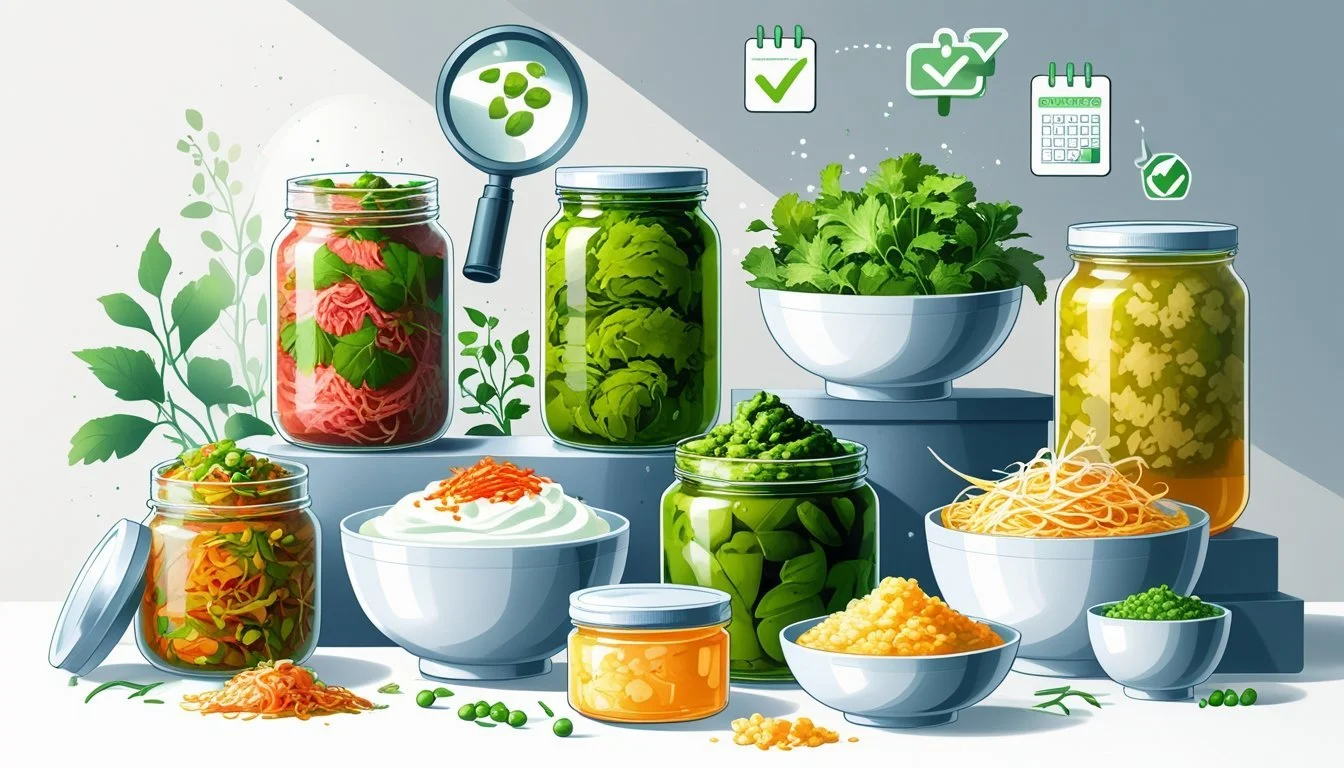
Fermented foods undergo significant changes in safety and quality due to the action of microbes and fermentation techniques. These changes can affect the shelf life, risk of food poisoning, and presence of spoilage organisms.
Growth Inhibition of Pathogens
Fermentation creates an environment that inhibits many food-borne pathogens, including Listeria monocytogenes. Acid-producing bacteria lower the pH, making it difficult for harmful microbes to survive.
Salt, temperature control, and specific starter cultures further restrict the growth of unwanted microorganisms. For example, lactic acid bacteria produce antimicrobial compounds, such as bacteriocins, which can limit the survival of pathogens.
The microbiome present in fermented foods also plays a role in outcompeting dangerous bacteria. Still, it is important to use controlled fermentation techniques to ensure consistency and food safety in the final product.
Fermentation and Food Spoilage
Fermentation delays spoilage by changing the chemical and physical properties of food. Lower pH, increased acidity, and reduced water activity slow the growth of spoilage organisms.
Traditional fermented foods like kimchi, sauerkraut, and yogurt have longer shelf lives largely due to these changes. However, improper fermentation or storage may allow spoilage bacteria or yeasts to grow, resulting in off-flavors, gas production, or undesirable textures.
Attention to hygiene and process control is necessary to prevent unintentional contamination. Safe fermented foods are characterized by stable sensory qualities and an absence of gas, slime, or discoloration.
Mold and Food Poisoning Risks
Some fermented foods are produced using molds, which can introduce specific safety concerns. Fungi used intentionally, like those in cheese or soy sauce, are generally safe, but unwanted mold growth during storage can lead to mycotoxin contamination.
Natural fermentations may also allow food-poisoning bacteria or coliforms to thrive if competition from beneficial microbes is insufficient. These risks increase when fermentation conditions are poorly controlled or raw materials are contaminated.
To minimize hazards, producers may use starter cultures, monitor environmental conditions, and test for foodborne pathogens. Regular assessment of the product for visible mold or changes in smell and texture helps ensure the continued safety of fermented foods.
Nutritional and Health Benefits of Fermented Foods
Fermented foods provide specific nutritional and health benefits not typically found in their unfermented counterparts. These benefits stem from the unique activity of microorganisms during fermentation, which can influence digestive health, nutrient content, and the production of valuable compounds.
Probiotics and Gut Health
Fermented foods such as yogurt, kefir, kimchi, and sauerkraut are natural sources of live microorganisms known as probiotics. These beneficial bacteria contribute directly to the gut microbiome by helping to balance intestinal flora.
Regular intake of probiotics from fermented foods is associated with improvements in digestive health and enhanced gut barrier function. They may support the immune system by modulating inflammatory responses and reducing the risk of certain gastrointestinal infections.
The presence of specific strains like Lactobacillus and Bifidobacterium in these foods supports the microbiome’s diversity. Importantly, not all fermented foods contain live probiotics if they are heat-treated after fermentation.
Enhanced Nutritional Value
The fermentation process often increases the availability and absorption of certain nutrients. Microbial activity can break down compounds that inhibit mineral absorption, such as phytates, improving the bioavailability of iron, zinc, and calcium.
Some microorganisms synthesize B vitamins, such as B12, folic acid, and riboflavin, during fermentation. This can increase the vitamin content of foods like tempeh or fermented dairy products.
Fermentation can also partially predigest proteins and carbohydrates, making foods easier to digest for sensitive individuals. The improved digestibility may be beneficial for people with lactose intolerance, as bacteria break down lactose in dairy products.
Bioactive Compounds and Antioxidant Properties
During fermentation, microbes generate bioactive compounds, including organic acids, peptides, and bacteriocins. These compounds can have antimicrobial properties and may help inhibit the growth of harmful bacteria in the digestive tract.
Fermentation can enhance the antioxidant capacity of foods by increasing levels of phenolic compounds and producing antioxidant peptides. This activity can help reduce oxidative stress and support cellular health.
Select fermented foods have been shown to promote anti-inflammatory responses, complementing the benefits provided by antioxidants. Together, these bioactive substances contribute to the broader health impact of fermented products.
Fermentation and Sensory Changes in Foods
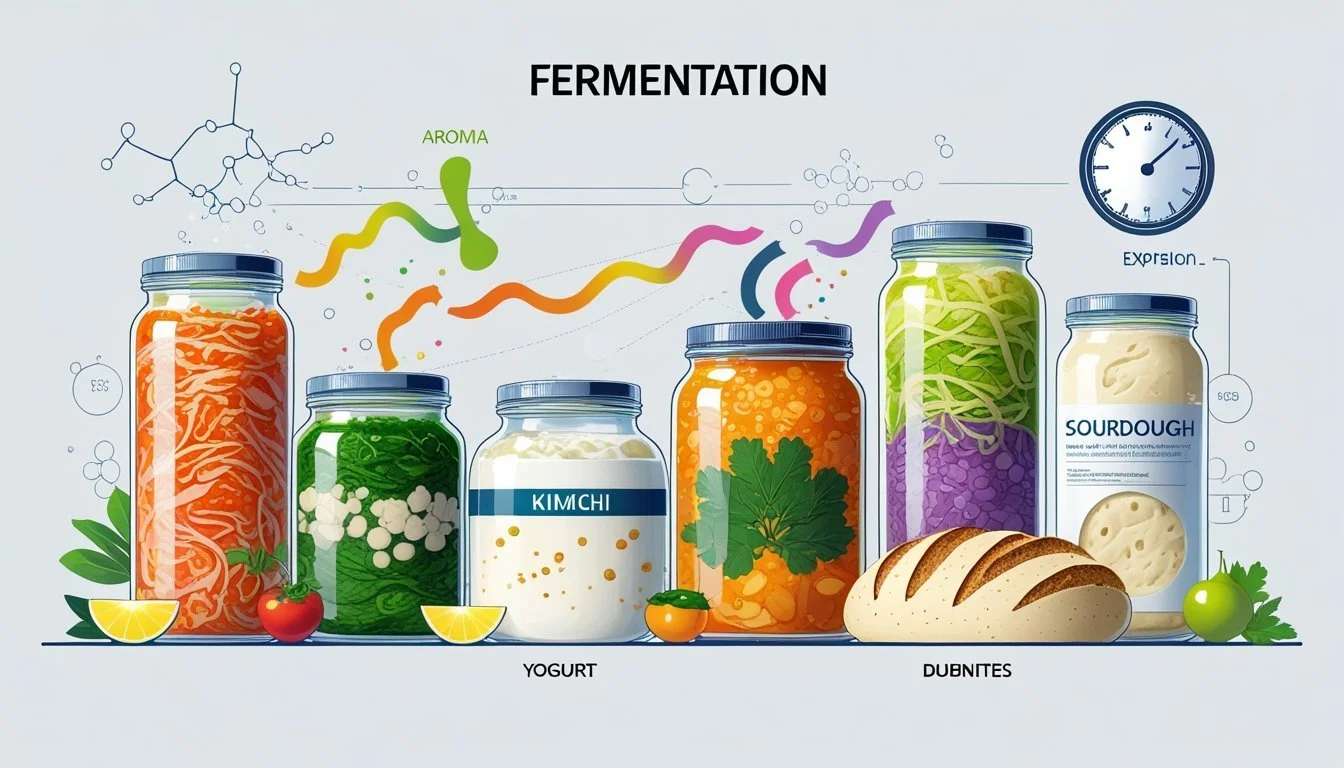
Fermentation leads to noticeable shifts in foods’ flavor, aroma, texture, and appearance. These transformations can enhance appeal, extend shelf life, and influence how consumers perceive freshness.
Flavor Development and Sensory Properties
Fermentation generates a wide range of flavor compounds through microbial activity. Common products, such as sourdough bread, yogurt, sauerkraut, and kimchi, owe their distinctive tastes to acids, alcohols, esters, and other byproducts.
This process often produces umami and other complex flavors that are absent in the original ingredients. According to recent research, plant-based foods can be engineered to achieve deeper savory notes as microbes break down proteins and release new flavors during fermentation.
Sensory properties extend beyond taste to include aromas and even mouthfeel. Fermented foods frequently develop subtle or bold aromas, ranging from the tang of lactic acid in yogurt to the pungency of fermented fish or cheese. These changes can signal freshness or desirable quality to consumers, even as some products move beyond typical “fresh” expiration periods.
Texture and Visual Changes
As microbes consume carbohydrates or proteins, food textures may become softer, firmer, or more elastic. For instance, cheese undergoes proteolysis, resulting in a smoother, creamier consistency, while cabbage in sauerkraut softens due to the breakdown of plant cell walls.
Visual changes are also apparent. Color may deepen, brighten, or sometimes become cloudy, as seen in pickled vegetables and fermented beverages. These changes, paired with altered mouthfeel, influence how people assess edibility and appeal.
A summary table of common texture shifts in fermented foods:
Food Texture Before Texture After Fermentation Milk (to Yogurt) Liquid Thickened, creamy Bread (to Sourdough) Soft dough Chewy, open crumb Cabbage (to Sauerkraut) Crunchy raw Tender, slightly crisp
Popular Fermented Foods and Their Expiration Profiles

Fermented foods often have extended shelf lives compared to their non-fermented counterparts, but safe consumption depends on both storage conditions and the particular food. Each fermented product has unique indicators for freshness or spoilage, making it important to understand the profiles for common options.
Yogurt, Kefir, and Fermented Dairy
Yogurt and kefir are fermented dairy products produced using cultures of beneficial bacteria and, for kefir, yeast as well. Refrigerated yogurt typically lasts 1–3 weeks past its manufacturing date if unopened. After opening, it should be consumed within 5–7 days, depending on hygiene and temperature.
Kefir, made from kefir grains, generally has a shelf life similar to yogurt but may last slightly longer because of its complex microbiota. Homemade or artisanal versions can differ; signs of spoilage include strong bitterness, mold growth, or off odors. Pasteurized products last longer, but both yogurt and kefir should be stored at or below 4°C (39°F).
Expired fermented dairy does not always appear spoiled; consumers should check for changes in taste, texture, or visible mold. Table 1 summarizes typical storage guidelines.
Product Unopened Shelf Life Opened Shelf Life Key Spoilage Sign Yogurt 1–3 weeks 5–7 days Mold, sourness, separation Kefir 2–4 weeks 7–10 days Strong sour, curdling
Kimchi, Sauerkraut, and Fermented Vegetables
Kimchi and sauerkraut, examples of fermented vegetables, contain lactic acid bacteria that suppress spoilage organisms and provide a distinctive sourness. Unopened, they can last for several months in the refrigerator. Over time, flavors intensify and texture may soften, but this is not always an indication of spoilage.
After opening, kimchi and sauerkraut should be kept tightly sealed and submerged in brine to stay safe and flavorful for up to 2–3 months. Visible mold on the surface or off aromas mean the product should be discarded.
Some consumers prefer heavily aged kimchi or sauerkraut, but excessive aging can lead to breakdown of texture and increased risk of spoilage. Always use clean utensils to avoid introducing contaminants.
Kombucha and Fermented Beverages
Kombucha is a fermented tea produced by a symbiotic culture of bacteria and yeast (SCOBY). Commercially bottled kombucha, when kept refrigerated and unopened, usually can last three to six months. Over time, flavor may become more acidic and some sediment or floating material may develop, which is normal.
Once opened, kombucha is best consumed within a week for optimal flavor and minimal carbonation loss. Homemade kombucha’s shelf life is shorter and can be more variable due to uneven fermentation.
Signs that kombucha has expired or is unsafe include visible mold at the surface, yeasty or “off” smells, or dramatic changes in taste. Store all fermented beverages in a cold environment to slow continued fermentation and decay.
Fermented Soy and Fermented Meat
Fermented soy products such as miso, tempeh, and soy sauce are generally shelf-stable when unopened. Miso can last more than a year in the fridge, while tempeh and natto remain safe for up to a week after opening if kept cold and sealed.
Fermented meat products like salami rely on salt, acidity, and drying to inhibit pathogens. Whole, unsliced salami may last several months in a cool pantry, but after slicing, should be refrigerated and eaten within three weeks. Mold on the casing is normal during curing, but fuzzy or colored mold on cut surfaces means spoilage.
Safety depends strongly on how these products are stored and handled. For both fermented soy and meats, visible mold (except certain white molds on cured meats), off smells, or unusual sliminess are warnings not to eat.
Variables Affecting Fermentation and Expiry
The progress and outcome of fermentation are directly shaped by environmental conditions, the choice of microorganisms, and the chemical composition of the starting materials. These factors define both the speed of fermentation and the food’s resulting shelf life.
Temperature and Refrigeration
Temperature control is a primary factor influencing fermentation activity and the ultimate expiry of fermented foods.
At higher temperatures, microbial activity increases, accelerating the fermentation process. This rapid activity can shorten the window before the final product begins to spoil. Conversely, lower temperatures slow microbial metabolism, allowing for extended fermentation and preservation.
Refrigeration is a widely used technique to stabilize fermented products after they reach the desired state. Lowering the temperature inhibits both desirable and spoilage microorganisms, effectively prolonging shelf life. Certain products, like yogurt and kimchi, are often refrigerated immediately after fermentation to retain quality and delay expiration.
Producers monitor temperature carefully to ensure safe, consistent results, as uncontrolled temperature shifts can lead to off-flavors, inconsistent textures, or unexpected spoilage.
Starter Cultures vs. Spontaneous Fermentation
The type of microorganisms used—whether applied as controlled starter cultures or allowed to develop spontaneously—directly affects both the fermentation process and expiry date.
Starter cultures are selected strains of bacteria, yeasts, or molds introduced to the substrate. These provide predictable fermentation results, consistent flavor, and reliable suppression of unwanted microbes, which can extend shelf life.
On the other hand, spontaneous fermentation relies on microbes present in the raw ingredients or environment. While this method can create unique flavors and textures, it introduces greater variability in safety, quality, and longevity. Spontaneous fermentation sometimes allows for the growth of spoilage organisms, reducing shelf life or requiring closer monitoring.
Producers seeking precise control over expiry tend to favor starter cultures. However, many traditional products rely on spontaneous processes for authentic sensory profiles.
Raw Materials and Additives
The composition and quality of raw materials play an essential role in dictating both the rate of fermentation and a product’s stability post-fermentation.
Ingredients high in natural sugars or starch (such as grains, fruits, or dairy) provide fuel for fermentation microbes, but also serve as potential nutrient sources for spoilage organisms later. Water activity and mineral content can further influence microbial growth rates and enzyme activity.
Additives such as salt, sugars, acids, or preservatives are sometimes used to regulate microbial activity. For example, salt is commonly added to sauerkraut and pickles to inhibit unwanted bacteria and favor lactic acid bacteria, increasing both safety and shelf life.
Inconsistent raw material quality or incorrect additive amounts can lead to uneven fermentation and unpredictable expiry, making careful selection and measurement standard practice in large-scale production.
Emerging Science: Multi-Omics and Technological Advances
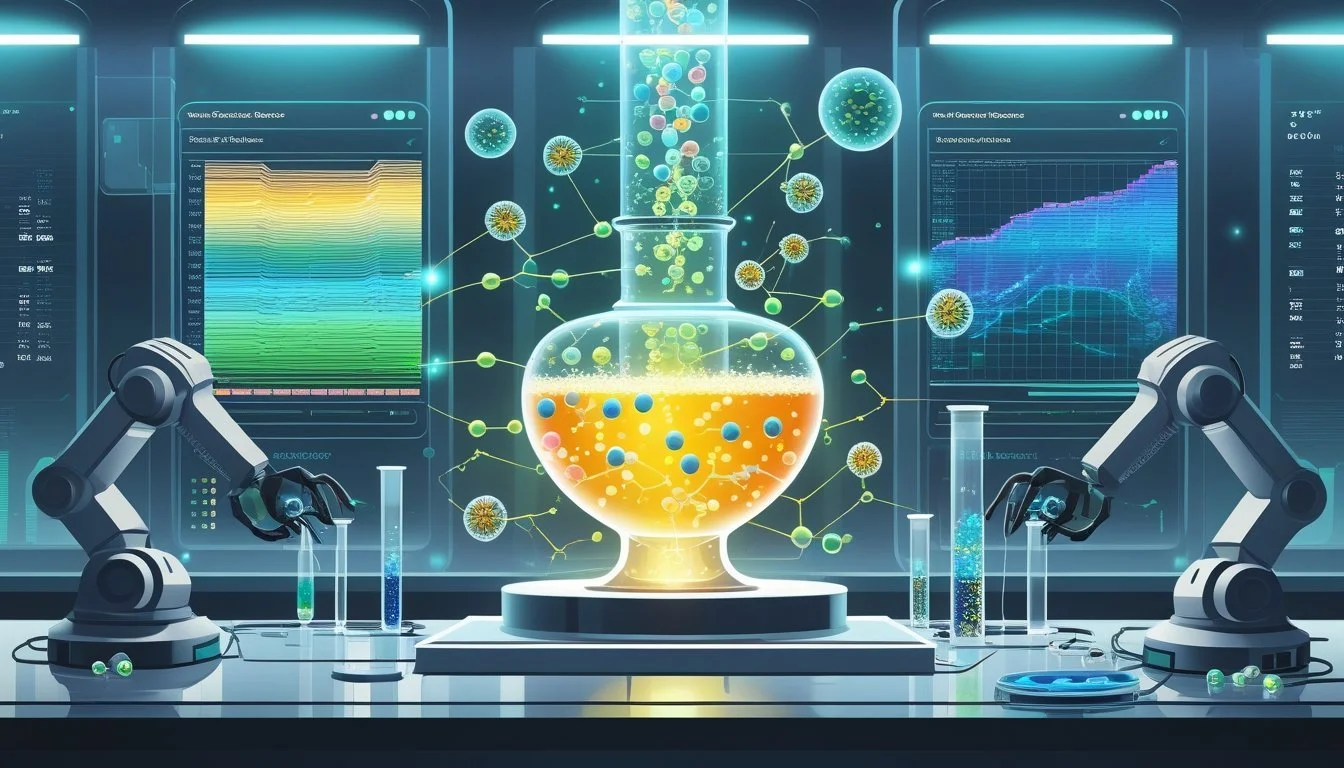
Rapid developments in omics technologies and precision gene editing are changing how food fermentation is studied and used. Modern tools help researchers understand microbial communities, improve food safety, and extend the shelf-life of fermented products in measurable ways.
Next-Generation Sequencing in Microbial Analysis
Next-generation sequencing (NGS) allows for detailed profiling of microbial communities in fermented foods. Researchers use NGS to identify both beneficial and harmful microorganisms present during fermentation.
This technology provides high-resolution data on species diversity and abundance. It helps track changes in microbiota over time, showing which microbes contribute to safety and quality.
Multi-omics approaches combine genomics, transcriptomics, proteomics, and metabolomics to reveal not only which microbes are present but also what they are doing. For example, scientists can link the presence of specific microbes to flavor formation or spoilage, supporting better shelf-life prediction.
Below is a comparison of key omics techniques:
Technique Focus Application in Fermentation Genomics DNA sequence Microbe identification Transcriptomics RNA expression Active gene pathways Proteomics Protein analysis Enzyme and protein tracking Metabolomics Metabolites Flavor and spoilage markers
Genome Editing and Metabolic Engineering
Advances in genome editing, such as CRISPR-Cas systems, enable precise modification of microbial strains used in fermentation. Scientists can enhance beneficial traits, reduce the risk of unwanted byproducts, and increase resistance to spoilage organisms.
Metabolic engineering gives control over biochemical pathways in microbes. This can increase the production of desirable compounds such as vitamins or probiotics and lower levels of substances linked to off-flavors or spoilage.
Targeted development of starter cultures supports consistent quality and safety in fermented foods. By modifying microbial genomes, manufacturers can also address allergen concerns or adjust nutritional profiles without introducing chemical preservatives.
Biotechnological Approaches to Food Preservation
Modern fermentation technology employs biotechnological tools to boost food preservation. These approaches include the use of specially designed starter cultures and protective bacterial strains that inhibit spoilage yeasts and pathogens.
Digital twin technology and automated process monitoring improve fermentation control, limiting unwanted microbial growth. These systems use real-time data from sensors and predictive models to optimize conditions, directly impacting product shelf stability.
Multi-omics analysis supports these biotechnological advances by identifying biomarkers for spoilage and desired quality attributes. This enables earlier intervention and informed decisions for extending expiration dates without compromising safety or flavor.
Cultural and Historical Perspectives on Fermentation’s Role in Food Preservation
Fermentation is deeply connected to a variety of cultures, shaping how food is prepared, preserved, and shared. Historical developments have led to many traditional foods and evolving methods that impact both shelf life and local food identities.
Traditional Foods and Regional Practices
Fermentation has roots dating as far back as the Neolithic period, when ancient communities discovered that spontaneously fermented grains and fruits produced alcoholic drinks and helped preserve harvests. This early discovery led to foundational foods like kimchi in Korea, sauerkraut in Central Europe, natto in Japan, and yogurt in the Middle East.
Communities across Asia, Africa, and Europe have preserved vegetables, dairy, grains, and fish using fermentation to extend shelf life and improve safety. These regional foods—such as Nigerian ogi (fermented cereal), Ethiopian injera (sourdough flatbread), and Chinese doubanjiang (fermented bean paste)—reflect unique microbial cultures developed through generations of local knowledge.
The links between local climate, available crops, and preferred microorganisms have produced a global tapestry of fermented foods. In many societies, fermentation has allowed for greater food security by providing nutritious, storable foods even during periods of scarcity.
Evolution of Fermentation Techniques
The earliest fermentation methods relied on natural microbes and simple techniques, often passed down orally or through demonstration. Over centuries, empirical observation guided communities to refine their starter cultures, yielding more predictable and desirable results in foods and beverages.
With the advent of modern food science, traditional techniques were documented, and starter strains were isolated for commercial use. This shift enabled large-scale production of items like cheese, beer, and soy sauce, while maintaining key flavor and preservation characteristics.
Technological advances have also led to quality control, hygienic production, and controlled aging environments, which minimize spoilage risks and support mass distribution. Despite industrialization, many regions still use traditional methods for artisanal products, blending historical practices with contemporary safety standards.
Conclusion
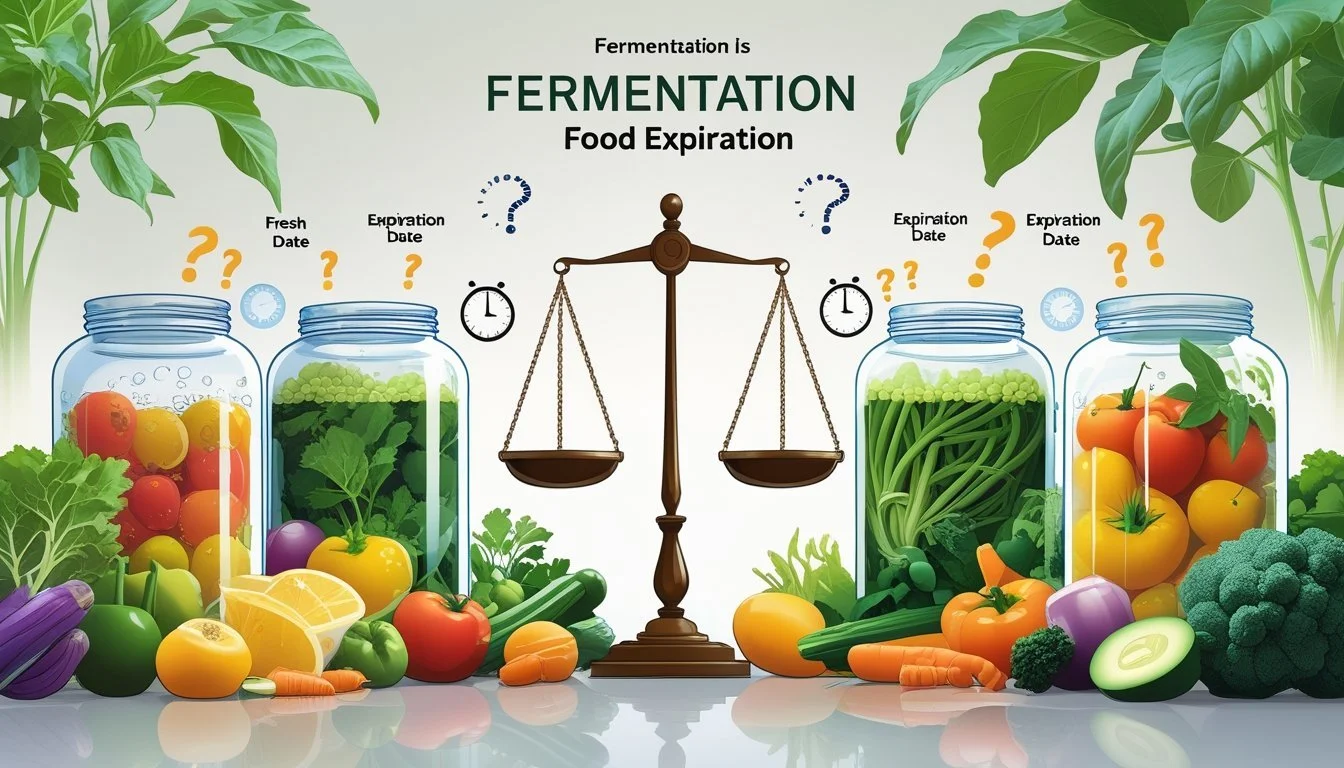
Fermentation changes the way people view expiration dates by creating foods that last longer and sometimes improve with age. Many fermented products, such as sauerkraut, kimchi, and yogurt, develop flavors and benefits well beyond their “best by” dates.
Key points to consider:
Fermentation can extend shelf life through preservation mechanisms that inhibit spoilage microbes.
Sensory cues remain important; even fermented foods can spoil if stored improperly or contaminated.
Safety is influenced by pH, salt content, and storage conditions more than strict date labels.
Unlike many packaged foods, fermented items rely less on expiration dates and more on proper handling and observation. Signs like mold, off-smells, or unexpected texture changes signal spoilage more reliably than printed dates.
This process also impacts food security by reducing waste and providing longer-lasting nutrition. For consumers and producers, understanding fermentation’s preservation qualities supports more flexible and informed decisions about edibility and food safety.

