
The Forgotten Role of Color Change in Spoilage
Understanding Visual Indicators of Food Quality

Color change is one of the most immediate and reliable indicators of food spoilage, yet it is often overlooked compared to more obvious signs like odor or texture. When foods spoil, shifts in color frequently result from chemical reactions, enzymatic processes, and microbial activity, each contributing subtle or dramatic changes that signal a decline in quality.
Many fruits and vegetables transition from one color to another as they ripen and then continue to change as spoilage sets in. For instance, bananas darken from yellow to brown while their texture softens. In some cases, natural indicators such as curcumin in packaging can even visually signal pH changes linked to spoilage, turning yellow to red as acidity increases.
Recognizing and understanding these color changes helps prevent waste and improves food safety. Consumers and the food industry alike benefit by knowing what these visual cues really mean and how to respond.
Understanding Spoilage and Color Change
Food spoilage causes obvious changes in appearance, smell, and safety, often making food unfit for consumption. Color changes serve as one of the most immediate signs that something is happening at a chemical or microbial level.
Defining Food Spoilage
Food spoilage is the process where food degrades over time due to various factors. These include microbial activity, enzymatic reactions, and certain chemical changes. Spoilage can manifest through altered taste, texture, odor, and especially color.
Perishable foods like meat, dairy, and fresh produce are particularly prone to spoilage. The breakdown of food impacts both its safety and nutritional value. Spoiled food often becomes a breeding ground for bacteria and fungi, which can make it unsafe to eat.
Spoilage can be measured by sensory changes using organoleptic properties such as appearance, smell, and feel. Not all spoiled food appears the same, and visual clues like color shifts help signal specific types of spoilage or contamination.
The Science Behind Color Alterations
Color in foods is influenced by pigments, such as myoglobin in meat or chlorophyll in vegetables. When spoilage begins, these pigments are often altered by oxidation, microbial growth, and enzymatic reactions. As a result, color alterations such as browning, fading, or unusual spots become visible.
For example, exposure to oxygen can cause red meat to turn brown as oxymyoglobin converts to metmyoglobin. Fruits and vegetables turn brown due to enzymatic browning, while bacterial growth can lead to green, blue, or black discoloration in dairy and bread.
Table: Causes of Color Changes in Spoilage
Food Type Common Color Change Likely Cause Meat Red to brown/gray Oxidation, bacteria Fruit Yellow to brown Enzymatic reaction Bread White to green/blue Mold growth Dairy White to yellow/blue Bacteria, mold
These alterations reflect underlying chemical and microbial processes that directly impact food quality and safety.
Link Between Spoilage and Color Indicators
Color shifts can signal specific spoilage agents or processes. While some color changes are harmless, others are direct indicators of unsafe conditions. Meat with a gray or greenish tinge, or bread with blue-green mold, is typically considered unfit for consumption.
Nevertheless, color alone should not be the only assessment tool for food safety. Other signs—such as off-odors, sliminess, or abnormal texture—should also be evaluated. There are cases where spoilage occurs without radical color changes, and other factors (like packaging or light exposure) can affect color without true spoilage.
Being able to recognize the patterns of color change alongside other qualities is essential in assessing when food has deteriorated. Proper storage, attention to shelf life, and a cautious approach to visible discoloration help maintain food quality and reduce health risks.
Biological Processes Driving Color Change
Color change in spoilage is mainly caused by biological actions at the microscopic level. Bacteria, molds, and enzymes are primary agents that alter the appearance and indicate transformation in perishable foods.
Microbial Activity and Its Effects
Microbial growth plays a direct role in color changes as foods spoil. Bacteria and yeasts can produce colored byproducts, such as pigments or metabolic waste, that cause discoloration. For example, Pseudomonas species may create blue or green hues in dairy, while certain molds like Penicillium lead to blue-green spots on bread.
Molds and fungi generate mycelial mats, which may initially be white and later shift to black, green, or orange as spores form. The growth of these organisms not only signals spoilage but can also mask underlying color changes caused by enzyme or chemical reactions. Perishable foods like fruits, vegetables, and meats are particularly vulnerable to visible changes from microbial colonization.
Temperature and moisture levels significantly influence microbial proliferation. Higher humidity or improper storage accelerates the transformation from normal colors to visually noticeable signs of spoilage.
Enzyme Activity and Color Reactions
Enzyme activity leads to non-microbial color changes during spoilage. Enzymes naturally present in foods, such as polyphenol oxidase in apples or potatoes, catalyze browning when plant tissues are damaged. This type of enzymatic spoilage is responsible for browning, darkening, or fading, even when microbes are not visibly present.
Oxidases, peroxidases, and other related enzymes react with substrates in fruits, vegetables, and meats once cell integrity is lost. These reactions may create diffusely colored patches or uniform discoloration, depending on the extent and localization of enzyme activity. Some enzyme-driven changes, such as gray-green hues in cooked eggs (due to reactions of sulfur and iron), are classic indicators of spoilage or overcooking.
Enzyme-driven processes often occur before the full colonization of microbes, giving early warning through subtle but distinct shifts in color.
Chemical and Environmental Factors
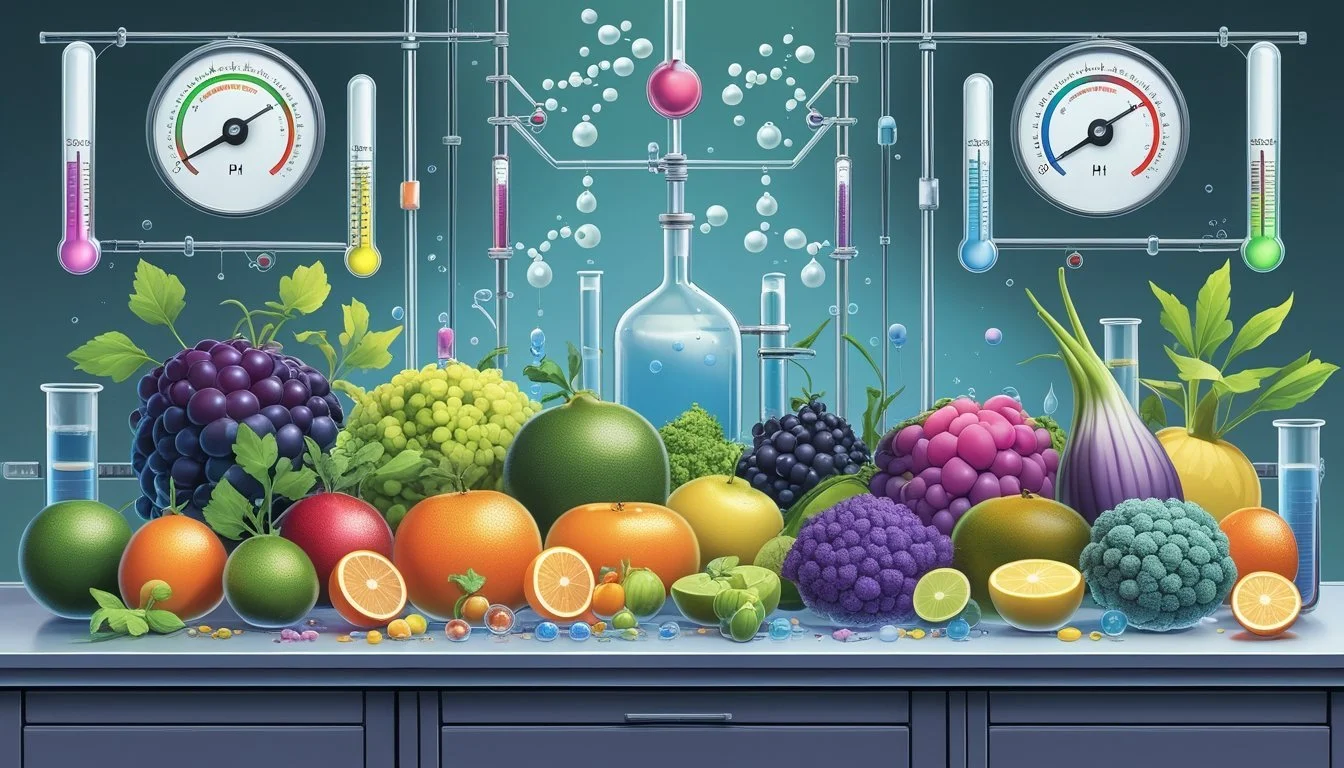
Chemical reactions and shifts in environmental conditions drive many visible changes in food as it spoils. Discoloration often signals specific underlying mechanisms, such as oxidation or shifts in moisture and temperature that alter organic and volatile compounds.
Role of Chemical Reactions in Discoloration
Chemical reactions can directly change the color of food during spoilage. Enzyme-driven processes like enzymatic browning and non-enzymatic Maillard reactions are common triggers. For instance, when chlorophyll in greens is broken down, it leads to a faded or yellow color.
Compounds such as anthocyanins, carotenoids, and polyphenols are especially sensitive. Once these are altered by chemical changes, foods lose their characteristic appearance. Modified pigments may indicate the type and stage of spoilage, helping to assess edibility.
Oxidation and Its Impact
Oxidation is one of the most significant chemical contributors to color changes. When food is exposed to oxygen, fatty acids can undergo oxidative rancidity, resulting in off-colors like browning or yellowing. Key examples include the browning of sliced apples and the graying of meat.
The breakdown of organic compounds during oxidation not only alters color but also affects flavor and nutritional content. Packaging methods such as vacuum sealing or modified atmospheres are used precisely to slow these changes.
Table: Effects of Oxidation on Food Color
Food Type Common Color Change Main Cause Apples Brown Polyphenol oxidation Fatty Fish Yellowish Lipid peroxidation Leafy Greens Fading/Yellow Chlorophyll oxidation
Influence of Temperature and Moisture
Temperature fluctuations can speed up or slow down spoilage reactions. High temperatures often accelerate chemical changes, causing rapid pigment breakdown and the release of volatile compounds that further discolor food. Conversely, cold storage can suppress most reactions but may encourage some enzymatic browning.
Moisture plays a key role as well. Humid conditions can promote mold growth and surface discoloration, while very dry environments might desiccate foods, resulting in pale or mottled surfaces. Managing both temperature and moisture is essential to prevent unwanted color shifts that signal spoilage.
Sensory Changes Accompanying Color Alterations
Color changes in food spoilage rarely occur in isolation. Such changes tend to appear alongside shifts in smell, flavor, and texture, which often warn consumers of spoilage and potential health risks.
Flavor and Aroma Modifications
When foods spoil, flavor changes often appear quickly, triggered by microbial metabolism breaking down proteins, fats, and carbohydrates. This process can produce unpleasant smells such as sour, rancid, or putrid odors.
The development of off-flavors frequently goes hand-in-hand with visible color shifts. For example, fish and meats can take on a grayish or greenish tint while also developing strong, sour, or sulfide-like smells from the buildup of spoilage metabolites.
This alteration in flavor and aroma is not just unappetizing but can indicate the presence of health hazards. Some bacteria that cause these changes can also produce toxins, increasing the risk of foodborne illnesses. The table below outlines typical changes:
Food Type Color Change Flavor/Aroma Change Fish/Meat Green/Gray Sour, rotten, sulfurous Dairy Yellowing Sour, acidic Produce Browning Musty, fermented
Texture Changes and Mushiness
As foods deteriorate, texture often declines alongside color changes. The breakdown of cell structures by enzymes and microorganisms leads to mushiness or a slimy surface, particularly in fruits, vegetables, meats, and some dairy products.
Softening and loss of firmness usually accompany visible spoilage such as discoloration or fungal growth. Consumers encountering mushy or slimy textures should treat these signs as a warning, as hazardous pathogens and spoilage bacteria may be present.
Foods that display both altered color and mushiness are at an increased risk for contamination and may harbor organisms capable of causing foodborne illnesses. Identifying these cues is vital to minimize exposure to unsafe food.
Role of Packaging and Storage in Color Preservation
A product’s visible color change can signal underlying spoilage, but packaging and storage play a crucial role in slowing or highlighting these changes. Advances in smart packaging and careful control of storage conditions contribute significantly to maintaining the color integrity of foods and detecting spoilage early.
Food Packaging Impact
Food packaging acts as a barrier against oxygen, light, and moisture, all of which can drive undesired color changes in food. Materials such as multilayer plastics and vacuum-sealed films help reduce oxidation, which is a common cause of browning and fading of colors in products like meat, dairy, and fruits.
Smart packaging technologies go further by incorporating sensors or indicators. For example, natural pigment-based films—often with pH-sensitive compounds—can change color in response to gases like CO₂ or shifts in acidity. This provides a direct visual cue of potential spoilage and allows both consumers and retailers to assess freshness without opening the package.
Time-temperature indicators and freshness sensors are increasingly used to alert stakeholders about exposure to conditions that could accelerate spoilage. The choice of packaging materials directly affects how well color and product quality are maintained.
Packaging Type Color Preservation Example Use Vacuum-sealed High Meats, Cheeses Smart Indicators Real-time Visual Mushrooms, Seafood UV-blocking Films High Dairy, Juices
Importance of Proper Food Storage
Proper food storage extends shelf life and preserves color fidelity by minimizing exposure to adverse conditions. Temperature and humidity control are the most significant factors; improper refrigeration or high humidity can trigger enzymatic reactions, microbial growth, and pigment breakdown.
Storage conditions that are too warm accelerate the fading or browning of fresh produce and processed foods. Keeping foods sealed and in the right temperature range slows down processes responsible for spoilage-related color change. For instance, mushrooms stored at the correct temperature maintain their natural color longer, while poor storage leads to visible yellowing or browning.
Consistent and appropriate storage practices, when combined with modern packaging and food sensor technology, offer the best results for upholding food quality. Good practices also help the effectiveness of color-changing smart films, ensuring that color changes observed reflect actual spoilage rather than damage from storage mismanagement.
Color Change in Specific Foods
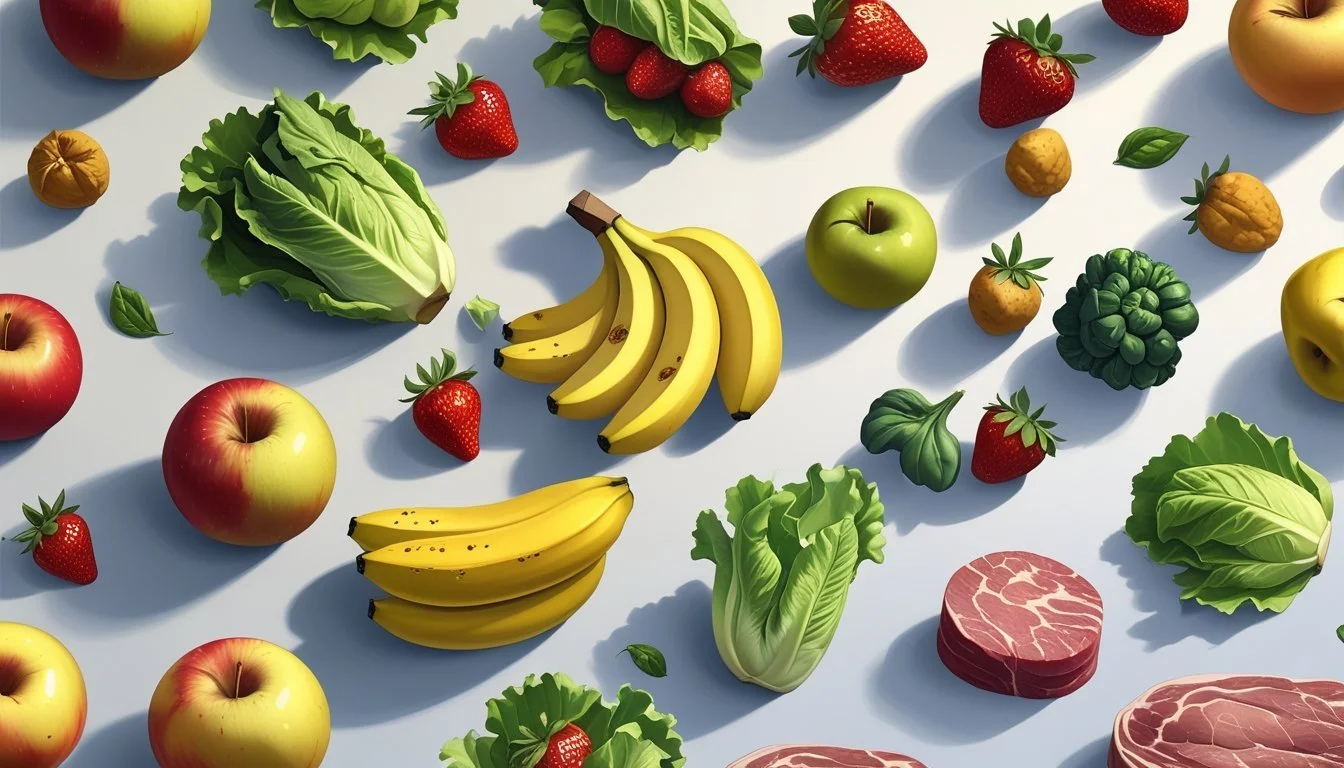
Color changes during spoilage can indicate underlying chemical or biological processes. Observing these shifts helps consumers and producers identify unsafe or degraded food before other spoilage signs develop.
Visual Spoilage in Perishable Foods
Perishable foods, such as meat, dairy, fruits, and vegetables, often show distinct color changes as they spoil. Meat usually shifts from a bright red or pink to brown or gray as oxygen exposure and microbial activity alter myoglobin. Milk may yellow as fats oxidize or, in some cases, blue-green hues signal bacterial contamination.
In produce, fruits and vegetables can display many visible spoilage patterns:
Bananas turn from yellow to brown due to enzymatic reactions and microbial growth.
Leafy greens become dull, yellow, or slimy as cells break down.
Lipase activity in some foods can release free fatty acids, contributing to off-colors along with unpleasant odors as spoilage proceeds.
Color Changes in Bakery Products
Bakery products display color shifts both during staling and microbial spoilage. Fresh bread has a uniform brown crust due to Maillard reactions, but as it stales, crumb and crust may become paler or less vibrant.
In humid environments, mold growth leads to visible green, blue, or black patches. This is often the first sign of spoilage. Fermentation by yeasts or bacteria, intended for sourdough or similar breads, can sometimes result in off-colors if contamination occurs.
Amylases used in bread-making can alter the appearance by affecting starch breakdown. Over time, enzymatic changes may make crusts less glossy and interiors slightly gray or blotchy. Keeping bakery items properly stored helps reduce visible deterioration and color changes.
Innovations in Color Change Detection
Recent years have seen rapid progress in how food spoilage is monitored using color change technologies. These innovations make it easier to detect reduced shelf life and spoilage at a glance, helping reduce waste and enhance safety.
Colorimetric Sensor Technologies
Colorimetric sensors use detectable color changes to indicate the presence of specific spoilage compounds. These devices often rely on chemical dyes that react with gases such as volatile amines, which are common byproducts of meat and fish spoilage.
For example, bromocresol green (BCG) sensors change color in response to increased spoilage markers in fish. Another approach uses acid-base indicators, such as anthocyanins from purple sweet potato, which transition from pink to green on exposure to volatile amines from shrimp.
Table: Common Analytes Detected by Colorimetric Sensors
Analyte Example Food Color Change Agent Volatile amines Fish, meat Bromocresol green (BCG) Acids/bases Shrimp Anthocyanins
These sensors offer fast, visible indicators of food condition and are important tools in ensuring product quality throughout its shelf life.
Advances in Smart Packaging
Smart packaging incorporates color-changing sensors directly into or onto packaging materials. This can include labels, films, or indicator cards that provide real-time feedback on food freshness.
One notable development is heat-sensitive packaging, such as barcodes that change color if a product is exposed to unsafe temperatures. Packaging with embedded sensors can also detect the buildup of spoilage gases and respond with distinct color changes, allowing both consumers and retailers to assess quality without opening the package.
By making spoilage visible and easy to interpret, smart packaging helps extend and monitor shelf life, reduces unnecessary food waste, and supports food safety initiatives.
Implications for Food Safety and Quality Assurance
Color change in food is more than a cosmetic issue; it can serve as a visible signal of microbial activity, chemical reactions, or environmental stress that affect edibility and safety. Identifying these changes is essential for timely intervention and risk management throughout the food supply chain.
Early Indicators of Health Risks
Color shifts in food often mark the onset of spoilage and can be linked to the presence of bacteria, yeasts, or molds. For example, green or black spots on bread typically point to mold growth, which can produce harmful mycotoxins.
Dull or faded colors in meat may indicate oxidation or microbial contamination, both of which can pose health hazards. Unusual changes such as blue or pink hues in certain products may result from specific bacterial activity.
Prompt recognition of these color changes is critical for food safety. By monitoring shifts in color, manufacturers and consumers can identify products that might harbor pathogens or toxins before consumption, reducing the risk of foodborne illnesses.
Role in Food Preservation Strategies
Understanding the role of color change enables the design of more effective food preservation methods. Color is commonly used as a visual cue when calibrating refrigeration, packaging atmospheres, or the application of antimicrobial treatments.
Technologies such as modified atmosphere packaging (MAP) and active packaging often rely on maintaining natural food color to signal freshness. Table 1 illustrates common preservation methods linked to color stability:
Preservation Method How Color Is Used Refrigeration Slows color-fading and browning MAP Reduces pigment oxidation Antimicrobial Coatings Maintains fruit/vegetable color
Quality assurance programs use color parameters as performance metrics for shelf life extension. By addressing color change, they help ensure consumer trust, reduce waste, and support clear, data-driven safety guidelines.

