
How Air Quality Impacts Dry Food Storage
Key Factors for Long-Term Preservation
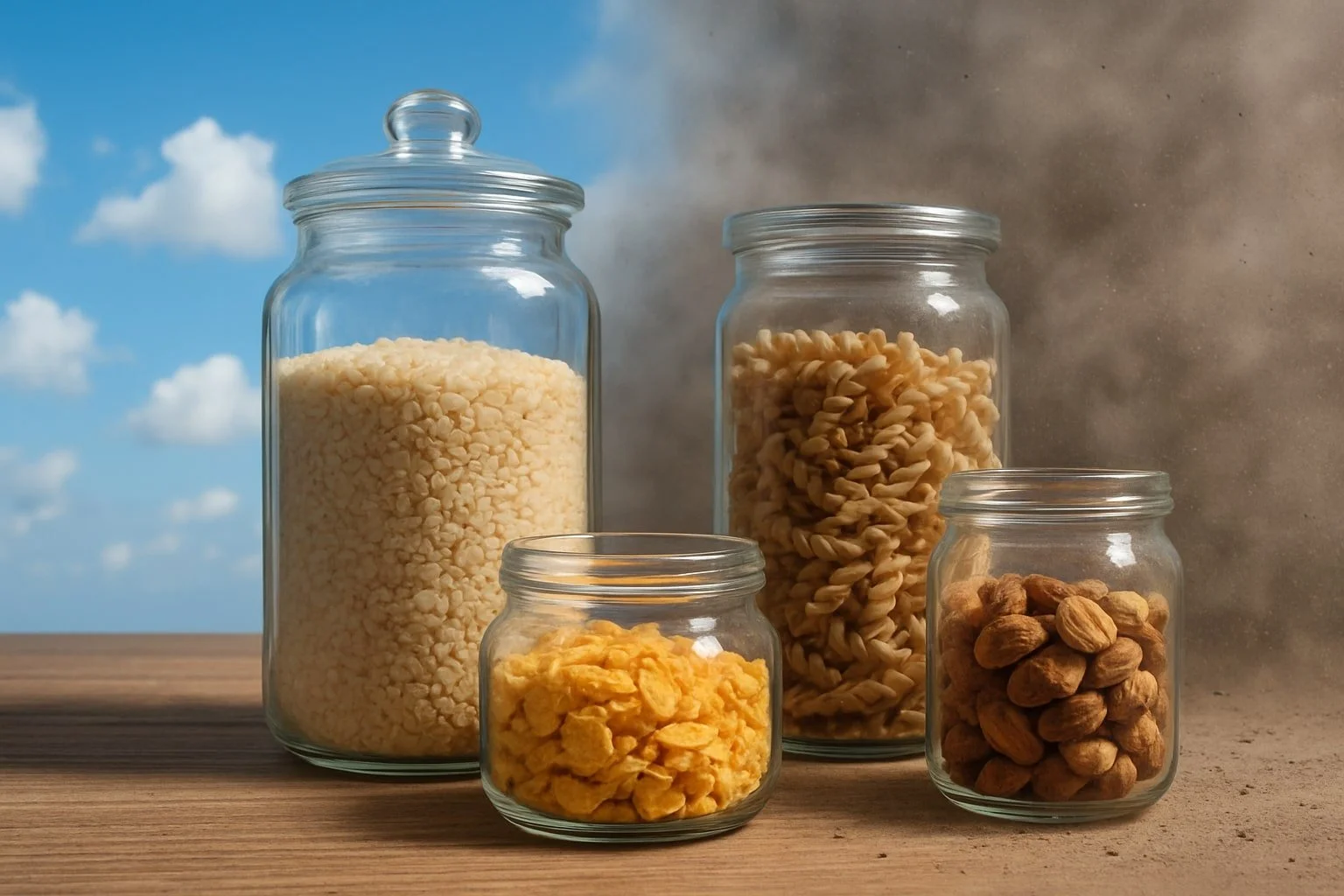
Air quality plays a crucial role in preserving the safety and quality of dry foods during storage. Contaminants in the air, such as dust, microorganisms, mold spores, and moisture, can lead to food spoilage or even health risks if not properly controlled. When dried foods absorb excess moisture from the air, the risk of mold growth and bacterial contamination increases.
Proper management of humidity, temperature, and air filtration helps maintain food quality by reducing the presence of harmful particles and preventing unwanted moisture absorption. This makes air quality control an essential part of food storage environments, especially in both homes and commercial facilities. Readers looking to extend the shelf life of their dry foods or avoid spoilage will benefit from understanding these direct connections between air quality and food safety.
Understanding Air Quality in Dry Food Storage

Proper air quality is critical in dry food storage because factors like humidity, temperature, and ventilation directly impact food stability and safety. Ensuring a contaminant-free environment not only protects products from spoilage but also reduces the risk of recalls due to indoor air pollutants.
Defining Air Quality and Its Relevance
Air quality in dry food storage refers to the condition of air within storage spaces, emphasizing the levels of moisture, airborne particles, and potential pollutants present. Good air quality helps preserve food quality and extends shelf life by minimizing degradation from environmental factors.
Poor indoor air quality can lead to increased risk of food contamination, either from microorganisms or chemicals present in the air. For dry foods, exposure to excess moisture or airborne particles often results in loss of crispness, staleness, or even the growth of mold.
Maintaining high air quality is essential not only for food safety, but also for compliance with food industry standards. Facilities often implement continuous monitoring systems to control and maintain optimal air conditions.
Key Air Quality Components: Humidity, Temperature, and Ventilation
Humidity, temperature, and ventilation are the most critical components affecting dry food storage. Elevated humidity encourages mold growth and can cause dry foods to clump or lose their desired texture. Most dry foods should be stored at relative humidity levels below 60% to prevent spoilage.
Consistent temperature control helps ensure that chemical reactions and microbial growth remain minimal. Temperatures between 10°C and 21°C (50°F to 70°F) are typically recommended for dry foods such as grains, cereals, and powders.
Ventilation aids in maintaining even temperature and humidity by allowing air exchange. Adequate ventilation also helps remove airborne particles and volatile compounds, reducing the buildup of unpleasant odors and lowering the risk of indoor air pollution.
Sources of Indoor Air Pollutants in Storage Environments
Several sources contribute to indoor air pollution in dry food storage environments. Building materials, cleaning products, packaging, and equipment can release volatile organic compounds (VOCs) or dust particles. Additionally, the movement of personnel and machinery may introduce particles and other contaminants into the storage area.
Outdoor air entering the facility can bring in pollutants such as pollen, spores, and industrial chemicals, especially if filtration is inadequate. Poorly maintained HVAC systems or inadequate air exchange can cause pollutants to accumulate, further deteriorating air quality.
List of common indoor air pollutants in dry food storage:
Dust and particulate matter
Fungal spores
VOCs from cleaning agents and packaging
Microbial contaminants
Chemical residues from equipment
Proper storage design, regular cleaning routines, and effective filtration systems are essential to control these pollutants and support safe, long-term dry food storage.
Moisture Control and Its Impact on Food Safety

Moisture levels in dry food storage areas need careful management to limit spoilage, prevent microbial contamination, and maintain food quality. Effective control methods protect inventory, reduce waste, and support compliance with safety standards.
The Role of Moisture Content in Spoilage
The moisture content of stored grains and dry foods directly determines shelf stability and safety. High moisture causes chemical and enzymatic reactions that degrade quality and flavor. It promotes caking and clumping, making the product less marketable.
When the relative humidity is too high, foods absorb moisture from the air. This uptake can quickly push moisture content above safe limits:
Food Type Safe Moisture Content (%) Wheat/Grains 13-14 Dried Fruits 15-18 Powdered Milk 3-4
Exceeding these benchmarks sharply increases risk of spoilage. Moisture meters help track and verify levels regularly to avoid loss.
Preventing Mold and Fungi Growth
Mold and fungi thrive when both moisture and warmth are present. Storage above 70% relative humidity accelerates spore germination. Even short-term exposure to high humidity may allow colonies to establish on packaging, walls, or directly on exposed foods.
Common spoilage organisms like Aspergillus, Penicillium, and some yeast species ruin the texture, taste, and integrity of foods. More dangerously, molds can produce mycotoxins that pose health hazards.
Strict moisture control, combined with temperature regulation and ventilation, drastically lowers these biological risks. Regular inspection for visible signs of fungi and monitoring air quality are part of a strong prevention strategy.
Humidity Management Techniques
Facilities use a variety of tools to manage humidity and safeguard food safety. Dehumidifiers and HVAC systems regulate air moisture levels, especially in climates prone to high humidity.
Other effective measures include:
Sealing building openings to prevent moist air infiltration
Ventilating with dry air to maintain low humidity
Desiccant packs in packaging for sensitive products
Monitoring systems that continuously measure humidity and alert staff
Enforcing these techniques reduces reliance on moisture-resistant packaging and minimizes contamination risk. Proper airflow patterns also help ensure even drying and prevent cold spots where condensation can form. Adjustments are made as seasons, weather, or product types change to maintain optimal storage conditions.
Airborne Contaminants and Their Effects on Dry Food Storage
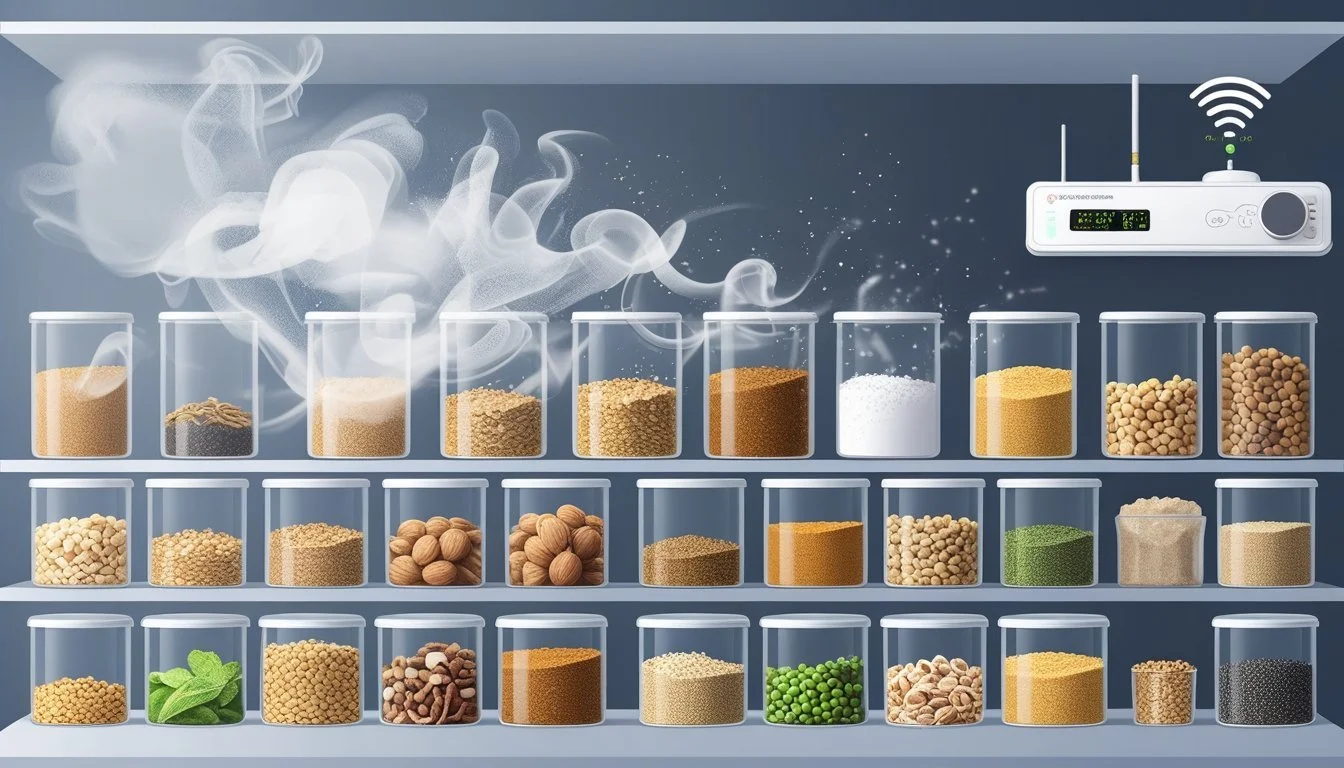
Dry food storage is affected by a range of airborne contaminants that can compromise food quality, shelf life, and safety. Poor control over air pollutants can result in unwanted chemical changes, microbial growth, and contamination of stored products.
Impact of Volatile Organic Compounds (VOCs) and Odor
Volatile organic compounds (VOCs) originate from various sources such as cleaning chemicals, packaging materials, and even building components. These substances can transfer odors to dry food, especially grains, cereals, and spices.
Odor contamination leads to altered flavors, reduced palatability, and—if strong enough—potential consumer rejection. Certain VOCs may react with food components, resulting in spoilage or loss of nutritional value.
Minimizing VOC presence requires careful ventilation, safe storage of chemicals separate from food, and continual air quality monitoring. Even low concentrations of VOCs can create undesirable odors over time, highlighting the need for effective mitigation strategies.
Particulate Matter, Dust Mites, and Allergens
Particulate matter includes dust, fibers, and other solid particles suspended in the air. This can come from packaging materials, degraded insulation, or outdoor sources entering through unsealed windows or doors.
Dust mites may be introduced with organic debris or infested packaging. Both particulates and mites can harbor allergens or bacteria, increasing the risk of allergic reactions or foodborne illness in sensitive individuals.
A table showing their sources and effects:
Contaminant Common Source Potential Effect Particulate Matter Packaging, Air Surface contamination, spoilage Dust Mites Organic Debris Allergen exposure, microbial growth
Air filtration, regular cleaning, and humidity control help reduce these risks.
Common Indoor Pollutants: Carbon Dioxide, Carbon Monoxide, and Nitrogen Dioxide
Carbon dioxide (CO2), carbon monoxide (CO), and nitrogen dioxide (NO2) are key indoor air pollutants. CO2 build-up, though not toxic at common concentrations, signals poor ventilation that may favor microbial growth.
CO is a risk from malfunctioning combustion equipment. While not typically reactive with dry foods, its presence indicates broader air quality issues that could facilitate contamination.
Nitrogen dioxide, produced from heating systems or traffic emissions, may contribute to chemical reactions with food packaging or contents. Reducing these gases requires proper ventilation and routine equipment maintenance. Monitoring levels is essential in industrial storage environments for long-term food stability.
Environmental Conditions Influencing Dry Food Storage
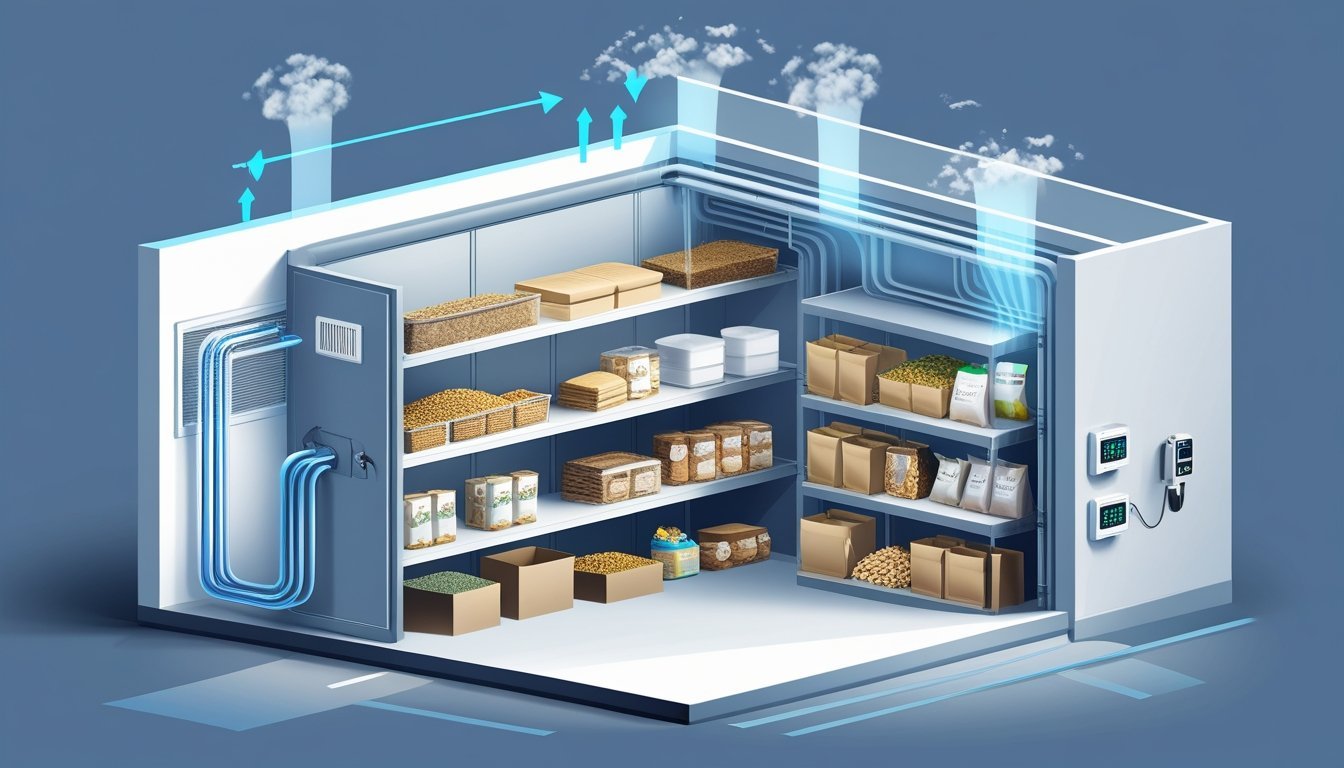
Air quality in storage areas is shaped by both climate factors and management techniques. Key influences include humidity, temperature, and how air is circulated through the storage environment.
Climate and Seasonal Variations
Climate directly affects dry food storage. Changes in temperature and humidity between seasons can alter the rate at which foods absorb moisture or degrade.
During humid months, higher moisture in the air can increase the risk of mold or bacterial growth in stored foods. Conversely, dry and cool seasons tend to favor preservation, reducing the chance of spoilage.
Regional climate patterns and the impact of climate change may also require storage practices to be adjusted over time. For example, areas with frequent temperature swings may need better insulation and humidity control to avoid condensation on packaging.
Table: Typical Impacts by Season
Season Humidity Risk Factor Spring Moderate Mold and odours Summer High Moisture uptake Autumn Variable Condensation risk Winter Low Drying, cracking
Air Circulation and Aeration Techniques
Proper air circulation helps maintain a stable environment for storing dry food. Stagnant air can lead to localized humidity buildup, encouraging the growth of mold or bacteria.
Ventilation systems, fans, and strategic spacing of containers encourage air movement. This reduces hot spots and prevents condensation that could damage food packets.
Aeration should be combined with routine checks for blocked vents or damp areas. If air movement is inadequate, even well-packaged dry food can begin to spoil due to uneven environmental conditions.
Best Practices for Air Movement:
Space shelving at least 15 cm from the floor and away from the wall for airflow
Use perforated storage bins to allow air contact
Implement periodic air exchange via vents or mechanical fans
Storage Conditions for Optimal Shelf Life
Optimal storage for dry food requires specific control of environmental parameters. Ideal relative humidity is usually between 50% and 60%. Too much humidity can result in moisture absorption, while too little may cause foods to dry out excessively and degrade in texture.
Temperature should be kept steady, ideally below 21°C (70°F), to slow chemical and microbial reactions that cause spoilage. Light exposure should also be minimized, as it can degrade certain nutrients or flavors.
Floors, walls, and shelving must be clean, and food stored at least 15 cm (6 inches) off the ground. Containers should be airtight and food rotated regularly to maintain quality and prevent pest infestations.
Pest and Integrated Pest Management in Food Storage

Air quality is closely connected to the risk of pest infestations in dry food storage environments. Controlling air moisture, maintaining cleanliness, and using integrated pest management practices can significantly reduce contamination by insects and rodents.
How Air Quality Affects Pest Infestation
Changes in humidity and ventilation strongly influence pest populations. High moisture levels make it easier for insects such as weevils, moths, and beetles to thrive. Many common pests are attracted to damp areas, as excess moisture softens packaging and can accelerate spoilage.
Improperly ventilated storage spaces allow condensation and mold to develop, further attracting pests looking for food and shelter. Stale air also creates an environment where it is difficult to spot infestations early. Using dehumidifiers, air circulators, and routine monitoring can help control ambient conditions and lower the likelihood of pest invasion.
Controlling air quality is not only about comfort but is a direct method to mitigate the risk of pests damaging stored food products. The cleaner and drier the air, the less attractive it is to insects and other invaders.
Managing Insects and Rodents
Sanitation is a fundamental aspect of integrated pest management (IPM) in food storage. Removing food debris, sealing cracks, and using proper waste disposal methods help make storage areas less inviting to pests.
Integrated Pest Management strategies typically include:
Routine inspection of food storage areas
Use of traps and monitoring devices
Eliminating sources of standing water
Education and training of staff on early signs of infestation
Non-chemical methods like physical barriers and airtight containers
When insects or rodents are detected, swift action is needed to prevent contamination. Chemical treatments are used sparingly, as they may impact food safety. Instead, facilities often focus on exclusion, sanitation, and environmental controls. By combining these approaches, food storage facilities maintain both food quality and safety standards.
Health Implications of Poor Air Quality in Food Storage
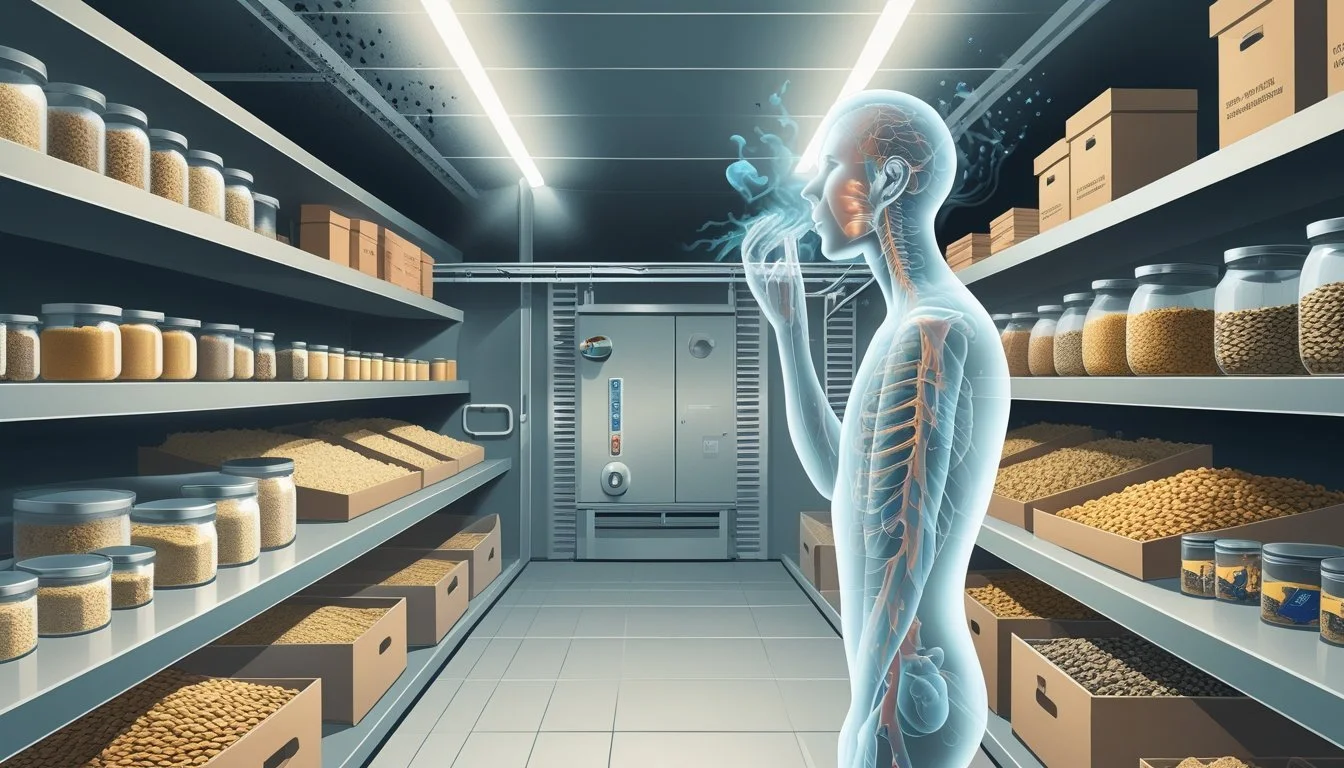
Poor air quality in dry food storage environments can increase health risks for people who handle, process, or consume stored foods. Contaminants in the air can lead to allergen exposure, promote the growth of mould and fungi, and worsen symptoms for those with asthma, which may also contribute to higher absenteeism in workplaces and schools.
Human Health and Allergen Exposure
Airborne particles like dust, pollen, and spores often infiltrate dry food storage areas when ventilation or filtration is inadequate. These substances can settle on food surfaces or circulate in the air, increasing the likelihood of allergic reactions among sensitive individuals.
Common symptoms associated with allergen exposure include sneezing, watery eyes, skin irritation, and respiratory problems. Food storage workers and consumers are at greatest risk if air quality controls are not in place.
Consistent monitoring and effective air filtration systems can lower the presence of allergens. Using sealed containers and keeping storage areas clean also reduces exposure.
Health Effects of Mould and Fungi
High humidity or poor ventilation in dry food storage can promote the growth of mould and fungi on food and shelving. Certain moulds release mycotoxins that can pose health threats if ingested or inhaled.
Short-term effects may result in headaches, irritation of the eyes and throat, or nausea. Long-term exposure increases risks for respiratory issues and can compromise immune function, particularly for people with preexisting health conditions.
Regular inspection and removal of contaminated food, maintaining low humidity, and ensuring clean airflow directly limit the risk from mould and fungi.
Asthma Symptoms and Absenteeism
Individuals with asthma are especially vulnerable in environments where air quality is neglected. Exposure to dust, mould spores, and other irritants can trigger asthma attacks or worsen existing symptoms like coughing and shortness of breath.
In food storage facilities, these flare-ups can result in increased absenteeism as workers need time away to recover. Asthma-related health issues also extend to children in school settings where poor storage practices persist.
Providing clean air and minimizing airborne irritants in storage spaces helps lower asthma incidents and reduces the frequency of missed work or school days linked to respiratory health problems.
Protecting Nutritional Value and Productivity
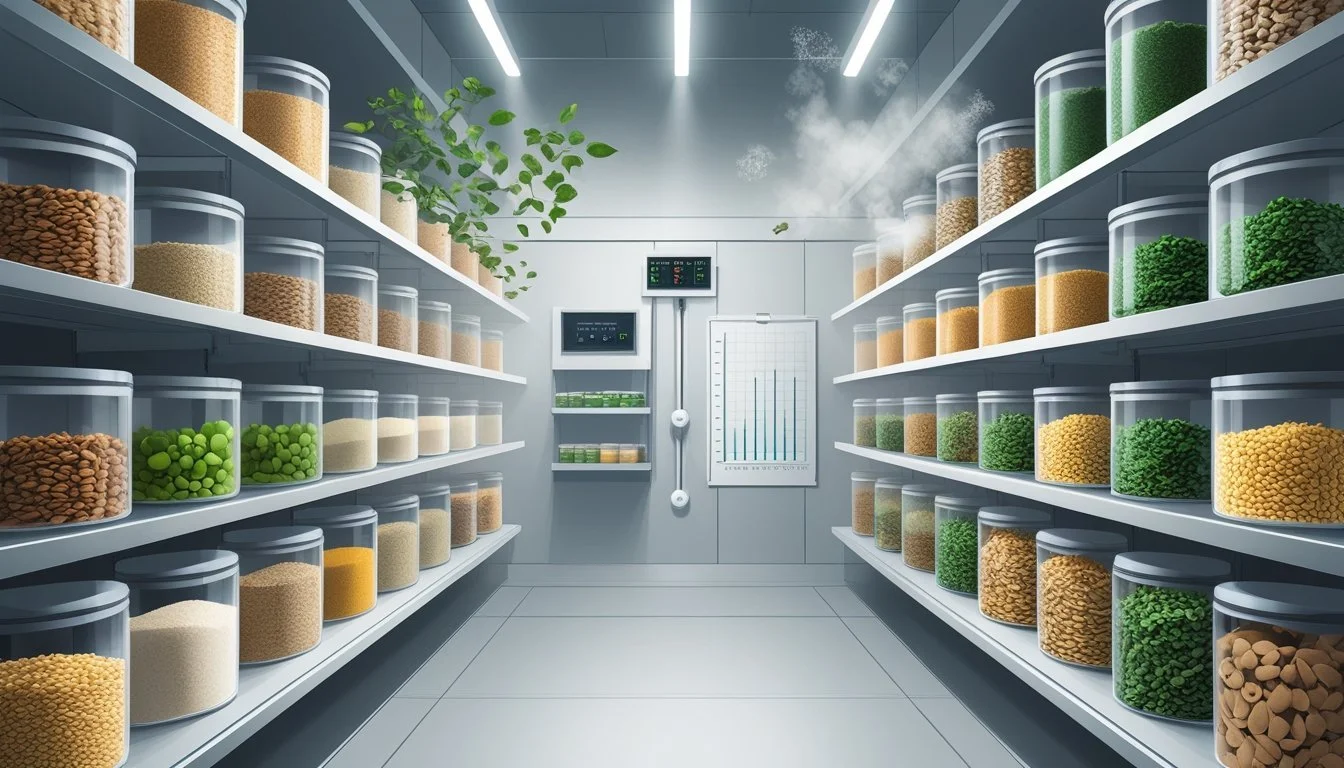
Air quality directly affects the safety and nutritional quality of stored foods. Factors such as humidity, particulate matter, and atmospheric contaminants can change the composition and shelf life of dry goods.
Effects of Air Quality on Nutritional Value
Poor air quality, especially high levels of dust and particulate matter, can degrade essential nutrients in stored foods. Dry foods, including cereals and legumes, can lose vitamins and oxidize fats when exposed to air pollutants. These chemical changes often result from reactions between airborne contaminants and food constituents.
Ammonia and other atmospheric pollutants also play a role in nutrient loss. For example, they can accelerate the breakdown of proteins and reduce the bioavailability of minerals. Keeping air free of harmful compounds slows nutrient degradation and helps preserve food value.
Monitoring air quality parameters such as humidity and particulate levels is important for maintaining the integrity of vitamin and mineral content. The goal is to store food in clean, dry conditions to minimize unwanted changes.
Maintaining Quality in Grain Storage
Controlling air quality during grain storage protects against spoilage, mold growth, and insect infestations. Grains stored in high humidity environments absorb moisture, which can promote mold and mycotoxin development. These issues not only lower nutritional quality but can also lead to health risks.
Airtight containers and low-humidity storage rooms are effective strategies. Temperature control and frequent checks for condensation also help minimize problems.
Proper ventilation with filtered air can reduce dust, spores, and other contaminants entering storage spaces. This extends the storage life of grains and other dry foods, supporting reliable supplies and consistent nutritional value.
Impact on Agriculture and Livestock Feed
Air pollution affects more than just direct food consumption. Ammonia and fine particulates from agricultural sources can degrade the quality of crops used for animal feed. For instance, poor air quality can result in reduced protein content and changes in forage digestibility.
Livestock fed with nutrient-depleted or contaminated grains may experience diminished growth, productivity, and health. Maintaining clean air in both crop storage and livestock environments—such as barns and feed silos—prevents nutrient losses.
A proactive approach includes air filtration systems, regular cleaning, and minimizing sources of pollutants near feed and storage areas. These steps help ensure that both crops and livestock maintain optimal productivity and health.
Practical Solutions for Enhancing Air Quality
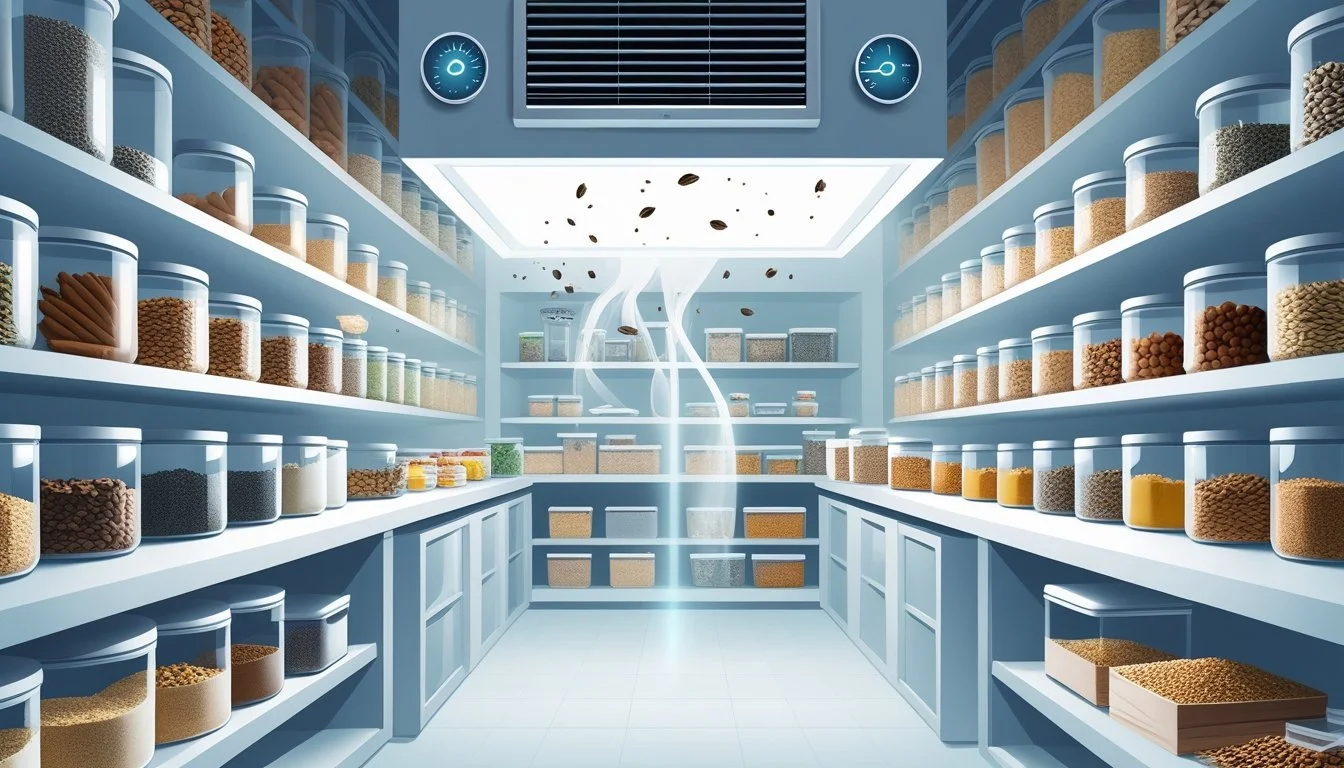
Air quality in dry food storage areas can be managed by addressing airflow, controlling humidity, and maintaining high standards of cleanliness. These steps reduce the risk of airborne particulates, excess moisture, and microbial contamination, which commonly threaten stored dry foods.
Ventilation Systems and Air Vents
Proper ventilation is a primary defense against airborne contaminants and moisture build-up. Well-designed ventilation systems, including strategically placed air vents, help circulate clean air and expel dust, volatile organic compounds (VOCs), and food processing odors.
Balanced airflow prevents stagnant zones where mold and bacteria can settle. It also helps control temperature, especially near ovens or heat-producing equipment, minimizing condensation. Routine checks on air vents for blockages and dust accumulation are necessary to sustain effective ventilation.
Installing HEPA filters in ventilation units improves the capture of fine particles and spores often present in storage spaces. Facilities should maintain a schedule for filter replacements, and log maintenance tasks for compliance and reliability.
Use of Dehumidifiers and Air Purifiers
Humidity control is essential in dry food storage. Elevated moisture levels can cause spoilage, clumping, and the growth of mold or bacteria. Dehumidifiers keep the relative humidity in safe ranges, usually below 60%.
Air purifiers, especially those with HEPA filtration, reduce airborne particulates, dust, and microbes. When paired, dehumidifiers and air purifiers help address both moisture and contaminant control.
Operators should monitor humidity regularly using hygrometers. Placement of dehumidifiers matters: units should cover the room’s full volume, especially in corners and near walls where air circulation is weaker.
Sanitation and Storage Practices
Routine sanitation directly impacts air quality. Daily cleaning removes settled dust, food residues, and potential sources of odors. Approved cleaning products should be selected to avoid introducing volatile chemicals that may contaminate food.
All equipment, including ovens and storage surfaces, needs regular wipe-down and inspection. Food containers must be tightly sealed and labeled to minimize exposure to air and pests.
Staff should follow protocols for hand hygiene and protective clothing. Keeping walkways and shelves free of debris reduces the particle load in the storage environment and helps ensure compliance with food safety regulations.
Special Considerations for Schools and Large-Scale Storage
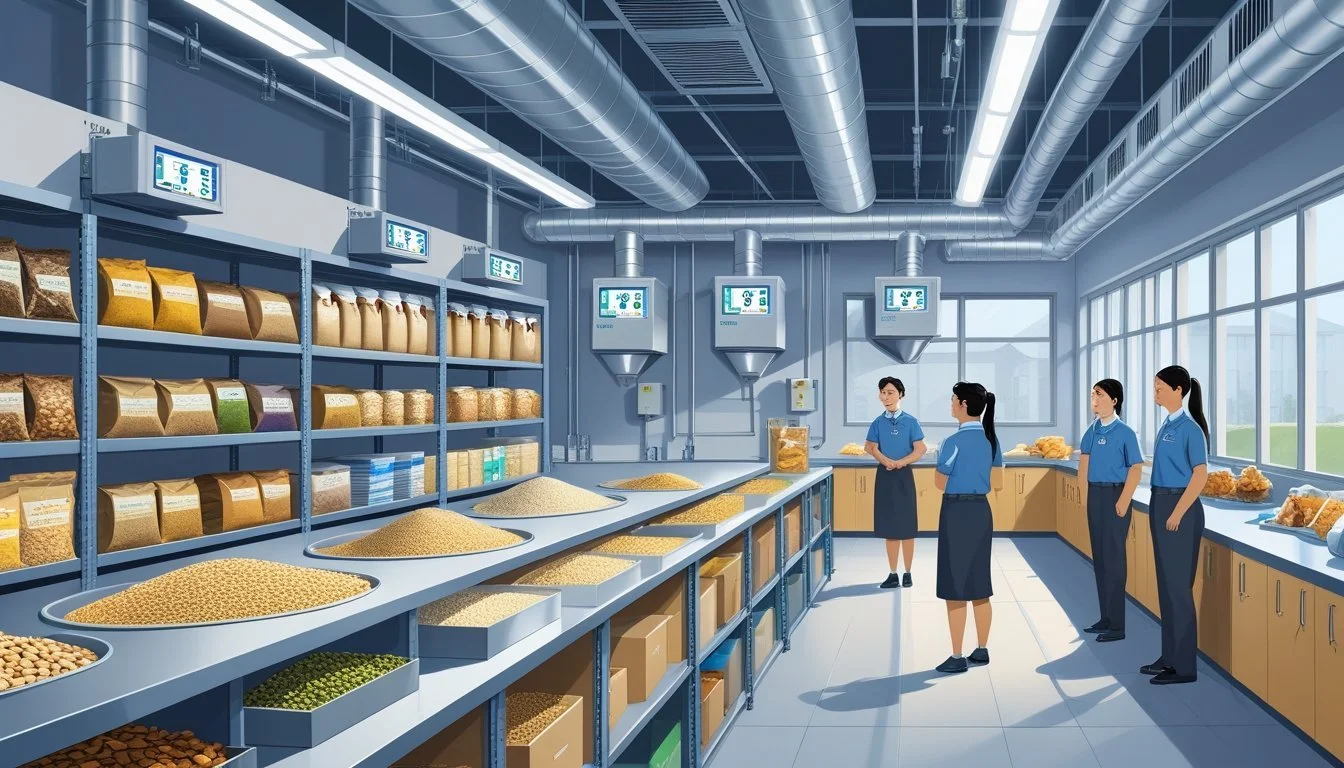
Maintaining proper air quality and using appropriate building materials are essential when storing dry food in schools and other large facilities. Factors such as occupancy rates, construction choices, and ventilation systems directly influence the safety and longevity of stored food items.
Indoor Air Quality in Educational Environments
In schools, increased occupancy and high student activity levels can raise humidity and introduce particulates, which affect dry food storage. Many schools use multipurpose rooms or older areas for bulk storage, which can lead to issues if ventilation is inadequate. Proper airflow and air filtration are required to minimize mold growth and keep contaminants from affecting stored dry goods.
When managing air quality, regular monitoring of humidity and temperature is crucial. Excessive moisture in the air can spoil foods such as grains, cereals, and powdered ingredients. Using high-efficiency filters in HVAC systems, ensuring air exchange rates meet guidelines, and scheduling routine maintenance can further improve indoor air quality. Investing in air quality also helps preserve the value of food inventories and reduces waste.
Building Materials and Storage Infrastructure
Building materials in school storage rooms should be non-porous and easy to clean to minimize dust, mold, and pest intrusion. Concrete floors with sealed coatings and shelves made from food-safe metals or plastics are commonly recommended. Careful selection of wall paint and ceiling tiles that are resistant to moisture and microbial growth can reduce the chance of contamination.
Proper storage infrastructure should include clear separation from chemical storage, waste, and cleaning supply areas. Ventilation systems should be designed to prevent cross-contamination. It is also important that lighting and electrical systems do not raise ambient temperatures in storage spaces, as this can degrade some sensitive food items. Selecting the right structural features ensures dry food stays safe and usable for longer periods.
Emerging Threats and Long-Term Trends
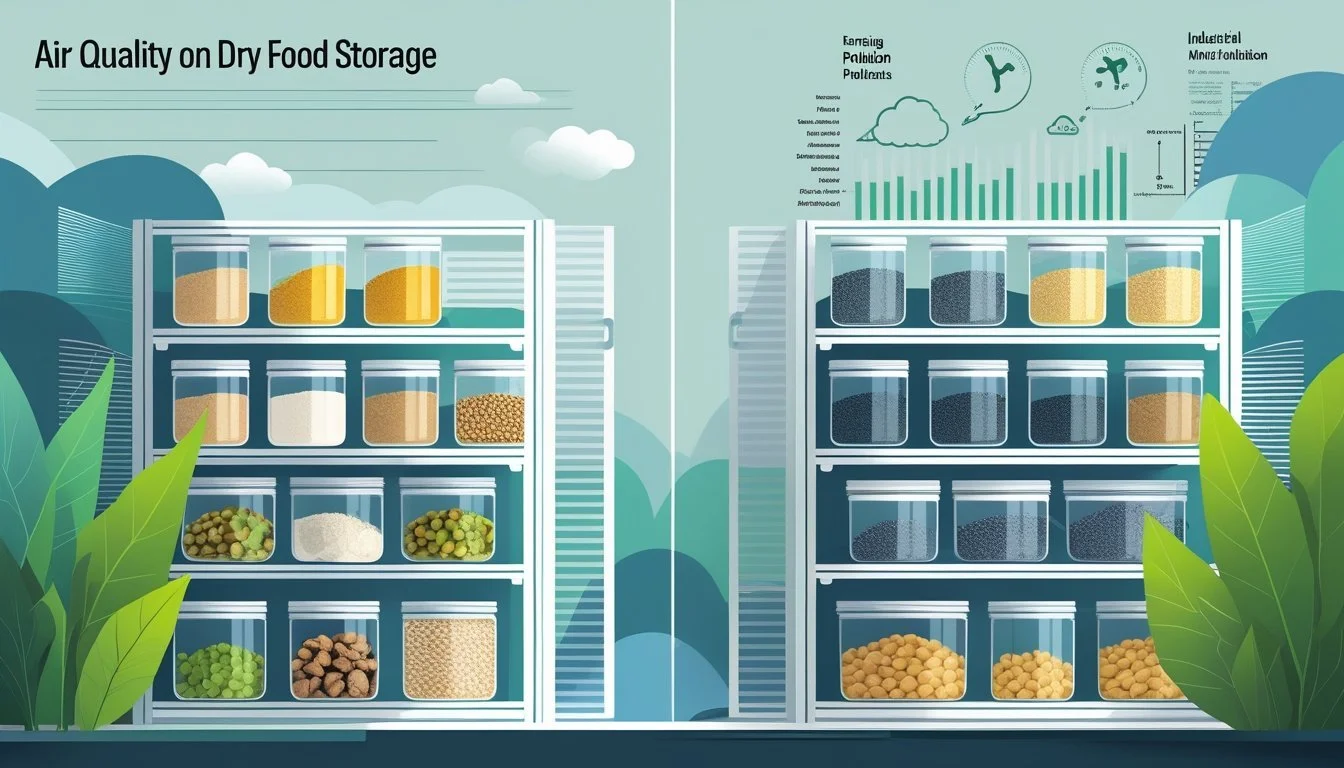
Dry food storage environments face persistent risks from airborne pollutants, hidden emissions, and indoor air contaminants. Understanding specific threats, such as radon, volatile organic compounds, and tobacco smoke, is essential for protecting food safety and quality.
Radon and Long-Term Pollutants
Radon, a radioactive gas found in soil and rock, can infiltrate storage areas through cracks in walls or foundations. While often associated with residential exposure, radon can accumulate in below-ground storage facilities, posing long-term contamination risks to packaged and unpackaged dry foods.
Long-term pollutants such as volatile organic compounds (VOCs), mold spores, and particulate matter can persist indoors. These contaminants can gradually compromise food packaging over time, increasing the risk of odors or chemical leaching. Consistent ventilation and regular air quality monitoring reduce these hazards.
Key considerations:
Radon levels should be routinely tested in basements or ground-floor storage.
VOCs can originate from cleaning products or building materials.
Long-term accumulation heightens risks, especially in poorly ventilated spaces.
Emissions and Their Future Impact
Emissions from indoor and outdoor sources introduce particulate matter (PM₂.₅ and PM₁₀), nitrogen dioxide, and ozone into storage settings. Particles settle on surfaces and packaging, potentially leading to chemical interaction or the gradual degradation of stored food.
Climate change and increased urbanization have been linked to fluctuating air quality, raising concerns about future emission levels. Indoor emissions may come from equipment, nearby roadways, or even attached garages. Keeping doors and windows closed during high outdoor pollution events, along with installing HEPA or activated carbon filters, helps maintain safe air for food storage.
Key emission sources in storage:
Source Potential Pollutant Traffic exhaust PM₂.₅, NO₂ Indoor appliances CO, VOCs Industry nearby SO₂, particulates
The Role of Tobacco Smoke in Storage Environments
Tobacco smoke contains thousands of chemicals, including carcinogens such as formaldehyde and benzene. When smoking occurs near or inside dry food storage spaces, smoke particles can penetrate porous packaging and settle on food surfaces.
Residues from tobacco smoke can persist in air and on surfaces, posing long-term risks even after exposure has stopped. This "thirdhand smoke" is difficult to remove and may cause changes in odor or taste. Strict no-smoking policies and thorough cleaning routines are crucial preventive measures in any storage environment.
Important facts:
Tobacco smoke increases chemical contamination of stored foods.
Smoke can cling to surfaces and food packaging for weeks or months.
Even small, repeated exposures undermine food safety and shelf life.

