
The Role of Irradiation in Extending Food Longevity
Methods, Benefits, and Safety Considerations
Irradiation plays a crucial role in extending the longevity of food by using ionizing radiation to reduce microorganisms, pests, and spoilage organisms without significantly affecting taste, texture, or nutritional value. This technology helps keep food safe for longer periods, making products like meat, seafood, and produce more stable and less likely to spoil quickly.
Consumers may notice that irradiated foods tend to last longer on shelves, as the process delays ripening and prevents the growth of bacteria. For producers and retailers, this means less food waste and a higher level of food safety.
Understanding the impact of irradiation offers insights into how food can remain fresher, safer, and more reliable from the farm to the table. This method addresses both safety and shelf life, two concerns at the center of modern food production and storage.
Understanding Food Irradiation
Food irradiation applies ionizing radiation to foods to control pathogens, insects, and spoilage. It uses specific technologies and regulated standards from international and national health agencies aimed at improving both safety and shelf life.
Definition and History
Food irradiation is a process that uses controlled doses of ionizing radiation to treat food products. The practice began in the mid-20th century, with research dating back to the 1950s supported by agencies such as the International Atomic Energy Agency (IAEA) and World Health Organization (WHO).
Key milestones include the approval of irradiated foods in several countries for pathogen control and pest reduction. Over decades, scientific studies published in journals like Nature and Elsevier have established its safety and efficacy. Today, irradiation is a regulated method in food processing to increase product longevity and minimize spoilage.
Types of Ionizing Radiation Used
There are three primary sources of ionizing radiation for food treatment:
Gamma rays: Typically produced from radioactive isotopes such as cobalt-60 and cesium-137.
X-rays: Generated by machines, offering deep penetration into food products.
Electron beams: High-energy electrons (measured in electron volts) generated by accelerators for surface or shallow treatments.
Each method is chosen based on food type, thickness, and intended outcome. Gamma irradiation, for instance, is well-suited for bulk and packaged foods because of its deep penetration. Electron beams are more appropriate for thin or surface treatments.
Role of International and National Health Authorities
International organizations, including the World Health Organization (WHO) and the IAEA, provide standards and guidance on the safety and application of food irradiation. These bodies review scientific evidence on benefits and risks to ensure public health.
National regulatory agencies, such as Health Canada and the U.S. Food and Drug Administration, approve specific uses and monitor compliance. They require labeling, such as the Radura symbol, to identify irradiated products. Regulatory frameworks are based on research published in respected journals and recommendations from global scientific committees.
Mechanisms of Extending Food Shelf Life
Irradiation uses ionizing radiation to prolong the shelf life of food by reducing microbial populations and slowing spoilage. This process can be combined with other methods, such as modified atmosphere packaging, to further enhance preservation.
How Irradiation Works to Preserve Food
Food irradiation exposes products to controlled doses of ionizing radiation—typically gamma rays, X-rays, or electron beams. These high-energy waves damage the DNA of microorganisms and insects present in the food.
This process is often applied to both raw and processed products and can be used for single items or bulk shipments. Irradiation can be tailored for specific outcomes, such as sprout inhibition in potatoes or slowing fruit ripening.
Radurization and radicidation are common irradiation techniques, targeting spoilage organisms and pathogens at levels that do not significantly alter taste or texture. Unlike blanching, irradiation is performed at ambient temperatures, preserving freshness and nutrient content.
Sterilization and Microbial Load Reduction
Sterilization by irradiation reduces the overall microbial load in food products. This lowers the risk of foodborne illnesses caused by bacteria such as Salmonella, E. coli, and Listeria. It is especially valuable for foods prone to contamination, such as spices, dried herbs, and ready-to-eat meals.
A comparison of popular decontamination methods:
Method Temperature Effect on Microbes Effect on Nutrients Blanching High heat Reduces, but does not sterilize Some loss Irradiation Ambient Can sterilize or reduce Minimal loss
Irradiation can replace chemical fumigation and works synergistically with packaging to extend shelf life. Proper dose control ensures that foods remain safe and palatable after treatment.
Prevention of Food Spoilage
By eliminating spoilage organisms and pests, irradiation significantly delays the onset of food spoilage. It also retards physiological changes such as sprouting and premature ripening, which are common in products like onions, potatoes, and some fruits.
This technique is particularly useful for fresh produce and grains. When combined with modified atmosphere packaging, irradiation forms an effective barrier against oxidation and moisture loss.
Through these mechanisms, shelf life is extended without the need for preservatives or refrigeration, offering practical solutions for both industrial supply chains and regions with limited cold storage.
Enhancing Food Safety Through Irradiation
Irradiation is a proven method for making food safer by targeting microorganisms that could pose health risks. It has specific effects on pathogens responsible for foodborne illnesses, helping to maintain both quality and longevity of food products.
Reduction of Pathogenic Microorganisms
Irradiation effectively reduces the presence of pathogenic microorganisms in food products by applying ionizing radiation such as gamma rays, X-rays, or electron beams. This process damages the DNA of bacteria, viruses, and parasites, which prevents them from multiplying and causing infection.
Studies have shown that low doses of irradiation can decrease contaminant levels in poultry, meats, spices, and produce. Campylobacter, Salmonella, and E. coli are among the most common pathogens that irradiation can help control.
The safety of irradiated food is supported by scientific reviews, showing it does not make food radioactive or significantly alter its nutritional value. This technology is especially useful for foods prone to spoilage, allowing for longer storage without an increased risk of microbial growth.
Key benefits include:
Lower risk of contamination.
Extended product shelf life.
Consistent effectiveness across various food types.
Control of Foodborne Pathogens
Controlling foodborne pathogens remains a central goal in food safety. Irradiation targets and inactivates dangerous microorganisms such as Listeria monocytogenes, Shigella, and Norovirus.
This method is highly reliable in reducing the incidence of foodborne diseases by inactivating pathogens on fresh meat, seafood, and ready-to-eat foods. Unlike some traditional treatments, irradiation penetrates packaging, making it possible to sanitize foods after they are sealed.
Authorities like the FDA and EPA recognize food irradiation as a highly effective and cost-efficient step for ensuring microbiological safety. When integrated into food processing lines, irradiation acts as a critical barrier, substantially limiting outbreaks associated with microbial contamination.
By consistently reducing the viable load of foodborne pathogens, irradiation contributes to the safety of the food supply and public health.
Irradiation Applications in Different Foods
Irradiation is applied across a range of food products to control spoilage, improve safety, and maintain quality. Specific methods and dose levels vary depending on the food type and the intended outcome, such as sprout inhibition, pathogen reduction, or shelf life extension.
Fresh Produce and Vegetables
Fresh fruits and vegetables, including grapes, oranges, lettuce, and other leafy greens, are commonly treated with irradiation to reduce microbial contamination and delay spoilage. This technique is especially valuable for imported produce and foods at high risk for foodborne pathogens such as E. coli or Salmonella.
Low-dose irradiation (up to 1 kGy) is often used to inhibit sprouting in potatoes, onions, and garlic, preventing early spoilage and extending market life. It is effective for delaying ripening and minimizing post-harvest losses without significant impact on texture or nutritional content.
For products like fresh-cut fruits, irradiation can lower the risk of surface contamination while preserving appearance and freshness. With appropriate packaging, this method can also be tailored for specific items to retain desirable qualities for consumers.
Meat and Poultry Products
Meat, especially ground beef and poultry, often undergoes irradiation to substantially reduce harmful bacteria like Salmonella and E. coli O157. This treatment is particularly important where raw or minimally processed meats are prone to bacterial contamination during processing and storage.
Dose levels for meat products are typically higher than those used for produce, ranging from 1 to 7 kGy depending on the intended reduction of pathogens. Irradiation does not replace proper handling or cooking, but it adds an extra layer of safety by targeting microorganisms that can cause foodborne illness.
Processed meats and ready-to-eat items, such as deli slices, can benefit from irradiation to extend shelf life and reduce spoilage. The process does not significantly alter the flavor, color, or nutritional value of these products when used within regulated dose limits.
Other Food Categories
In addition to fresh produce and meats, irradiation is applied to a variety of other foods, including spices, dried vegetables, and certain seafood. Spices and dried herbs are commonly irradiated to eliminate molds, insects, and pathogens without the need for chemical fumigants.
Cereals, dried fruits, and nuts can undergo irradiation to control pest infestations, enhance shelf life, and maintain product quality during storage. Hospital diets and foods designed for individuals with weakened immune systems may also be irradiated to ensure microbiological safety.
Irradiation in these categories helps address quarantine concerns in international trade and supports food safety for at-risk populations. The process is strictly regulated to meet safety and quality standards, ensuring the final product remains safe and nutritious for consumers.
Effectiveness in Eliminating Harmful Organisms
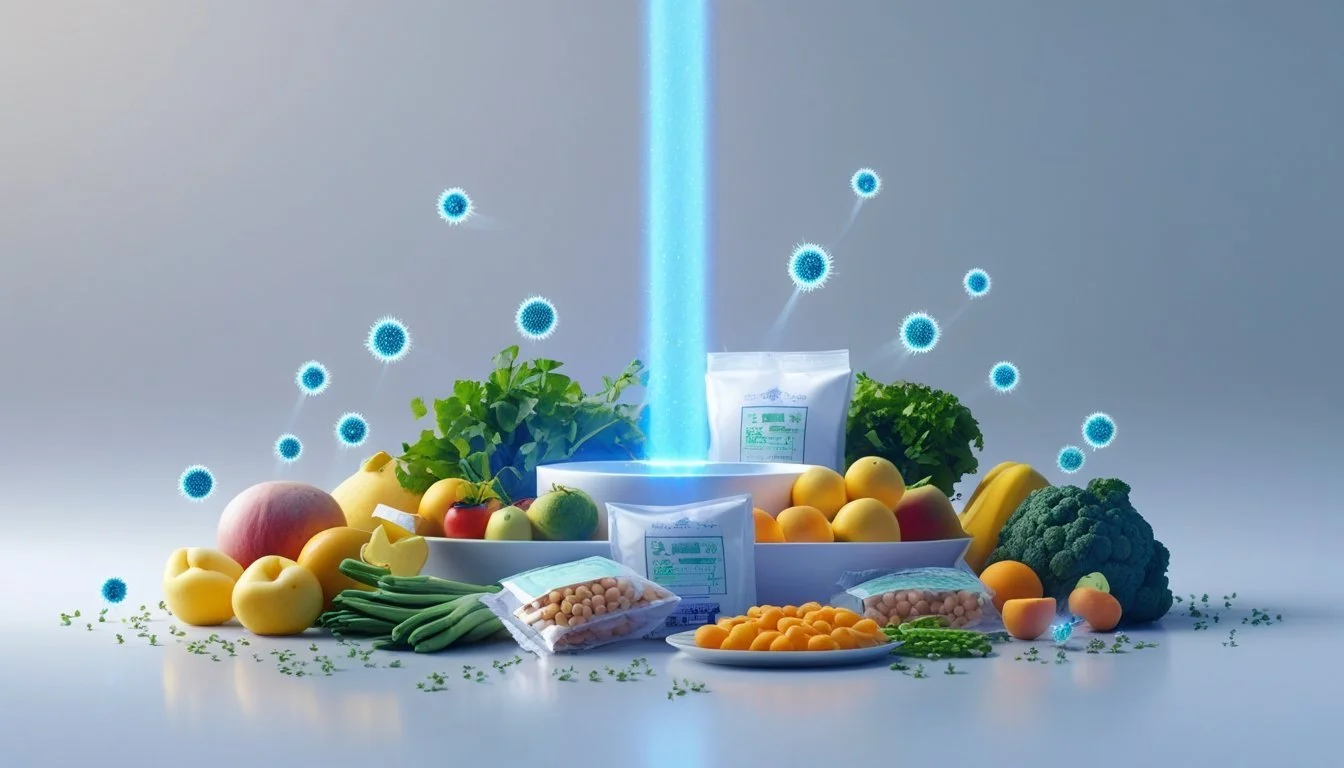
Food irradiation is widely recognized for its ability to target and destroy microorganisms that pose risks to consumer health. The technology employs ionizing radiation to disrupt the DNA of bacteria, parasites, and other organisms, which directly reduces food safety hazards and spoilage.
Impact on Common Foodborne Pathogens
Irradiation is highly effective against major foodborne pathogens, including Salmonella, Escherichia coli O157, and Listeria monocytogenes. These bacteria are common culprits in outbreaks associated with meat, poultry, and produce.
Exposure to approved radiation doses significantly reduces viable cells of Clostridium botulinum, Bacillus cereus, and Staphylococcus aureus. While spores from some microorganisms, such as Clostridium perfringens, may require higher doses, the method still lowers their numbers enough to make foods safer.
The ability of irradiation to penetrate foods allows it to reach pathogens not just on the surface, but also within crevices and inside bulk products. This comprehensive reduction in microbial presence results in both extended shelf life and reduced risk of foodborne illness.
Comparative Efficacy With Other Methods
Compared to traditional methods like heat treatment or chemical sanitizers, irradiation offers distinct advantages. Unlike heat, it does not significantly alter taste, texture, or nutritional content at approved doses. Unlike some chemicals, irradiation leaves no residue on the product.
A summary of the efficacy of irradiation versus other methods:
Organism Irradiation Heat Chemicals Salmonella High High Moderate E. coli O157 High High Moderate Listeria monocytogenes High High Low Clostridium botulinum Moderate Moderate Low
While no single method is universally superior for all microbes, irradiation is highly effective against a broad range of pathogens, with minimal impact on product quality. This makes it a strong complement or alternative to other established decontamination techniques.
Packaging and Food Processing Considerations
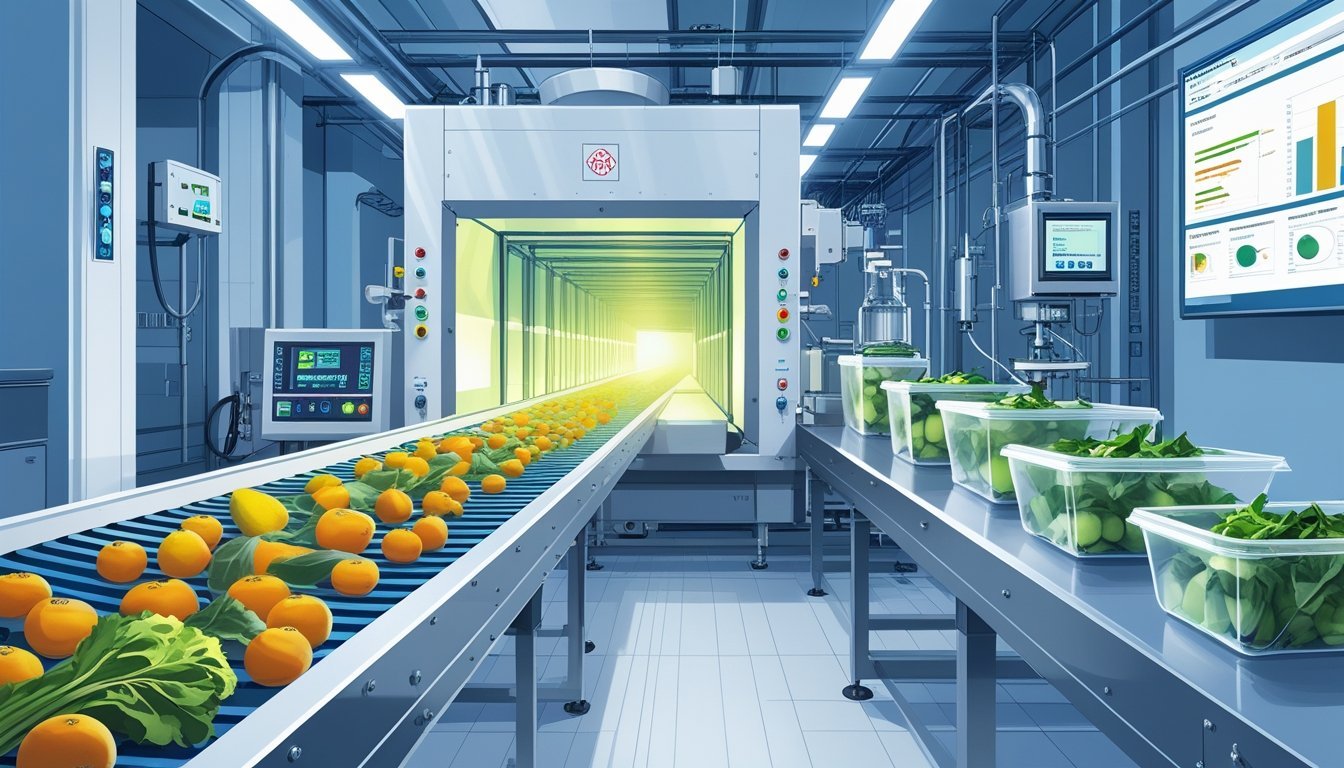
Proper selection of packaging and careful integration of irradiation with other food processing techniques are crucial for maintaining product quality and extending shelf life. Regulatory compliance and compatibility with irradiation processes are also important factors.
Role of Packaging Materials
Packaging materials used during irradiation must withstand the radiation dose without breaking down or transferring harmful substances. According to 21 CFR 179.25(c), materials used for irradiated foods are subject to strict FDA regulations to ensure safety and compatibility.
Common packaging options include:
Polyethylene
Polypropylene
Polyethylene terephthalate (PET)
These materials are favored for their stability under irradiation. They do not readily degrade or produce unwanted byproducts. Selection of packaging also depends on the intended shelf life and the specific food product.
Incompatible or low-quality packaging can lead to issues such as changes in barrier properties, off-odors, or compromised product quality. Testing and validation are required to verify that packaging maintains its protective functions during and after the irradiation process.
Integration With Other Food Processing Methods
Irradiation is typically combined with other food processing methods to maximize both food safety and longevity. Techniques such as refrigeration, modified atmosphere packaging, and vacuum sealing are often used in conjunction.
Benefits of integration:
Improved microbial safety
Extended shelf life
Preserved sensory and nutritional qualities
The specific combination of processes depends on the target food. For example, fresh produce may be refrigerated after irradiation, while dried spices may be packaged under nitrogen.
Effective integration requires careful calibration of each method to avoid negative impacts on product quality. Coordination helps maintain food safety standards and delivers consistent results across large volumes.
Nutritional and Sensory Impacts
Irradiation is valued for its ability to reduce spoilage and kill pathogens in food. Its effects on nutrients and sensory qualities, like taste and texture, are central to determining its suitability for various products.
Nutritional Quality and Nutrient Losses
Food irradiation generally preserves the main nutritional quality of foods. Most macronutrients, such as proteins, fats, and carbohydrates, remain stable under approved dose levels. However, some vitamins, particularly thiamine (vitamin B1), vitamin A, and vitamin C, can show minor reductions after irradiation.
Nutrient losses from irradiation are usually similar to those seen in traditional food preservation methods, including cooking and freezing. The table below illustrates nutrient sensitivity:
Nutrient Typical Sensitivity to Irradiation Protein Low Fats Low Carbohydrates Low Vitamin A Moderate Vitamin C Moderate Thiamine (B1) Higher than most
International agencies, including the WHO and FAO, note that the small nutritional changes do not pose a health risk. Comprehensive nutritional evaluation shows food remains safe for consumption when irradiation is used within regulated limits.
Changes in Sensory Properties
Irradiated foods typically retain their appearance, taste, and texture. Most consumers cannot distinguish between irradiated and non-irradiated products in blind taste tests when standard processing doses are applied.
High doses or improper application may sometimes cause subtle changes, such as color fading or minor texture changes in fruits and vegetables. For most foods, these effects are minimal and comparable to those caused by traditional preservation methods.
Common sensory attributes evaluated include flavor, aroma, color, and firmness. Regulatory approvals are based on foods maintaining acceptable sensory properties after treatment. Extended shelf life from irradiation does not usually compromise food quality in a way noticeable to the average consumer.
Chemical and Biological Effects of Irradiation
Exposure of food to ionizing radiation leads to the generation of free radicals and triggers both chemical and biological changes. These effects are central to both the preservation benefits and the safety considerations associated with food irradiation.
Free Radicals Formation and DNA Damage
Irradiation initiates the formation of free radicals, which are highly reactive molecules with unpaired electrons. These molecules are produced when radiation interacts with water and other constituents within food, breaking chemical bonds.
Free radicals can cause modifications in DNA, proteins, and cell membranes of microorganisms. The primary target is microbial DNA, resulting in strand breaks that prevent cell replication and thus contribute to pathogen elimination.
In plant and animal foods, most DNA damage is minimal and does not persist due to the lack of living cells capable of reproducing. For pathogenic bacteria, DNA damage from irradiation disrupts their ability to multiply, leading to safer food products.
Chemical Changes in Foods
Ionizing radiation can induce a range of chemical changes in food components. The main reactions involve oxidation, breaking of chemical bonds, and formation of new compounds.
Tables of typical changes:
Food Component Potential Change Fats Peroxidation, rancidity Proteins Structural changes Vitamins Degradation (e.g., A, E) Carbohydrates Mild breakdown
Studies have shown that the overall chemical modification from irradiation is generally less significant than from traditional heat treatments. Most nutritional components—such as proteins, carbohydrates, and minerals—remain stable, with only minor losses for some vitamins.
Irradiation does not make food radioactive. The chemical products formed during the process are carefully monitored and are considered safe within regulatory limits.
Risk Assessment and Safety Evaluation
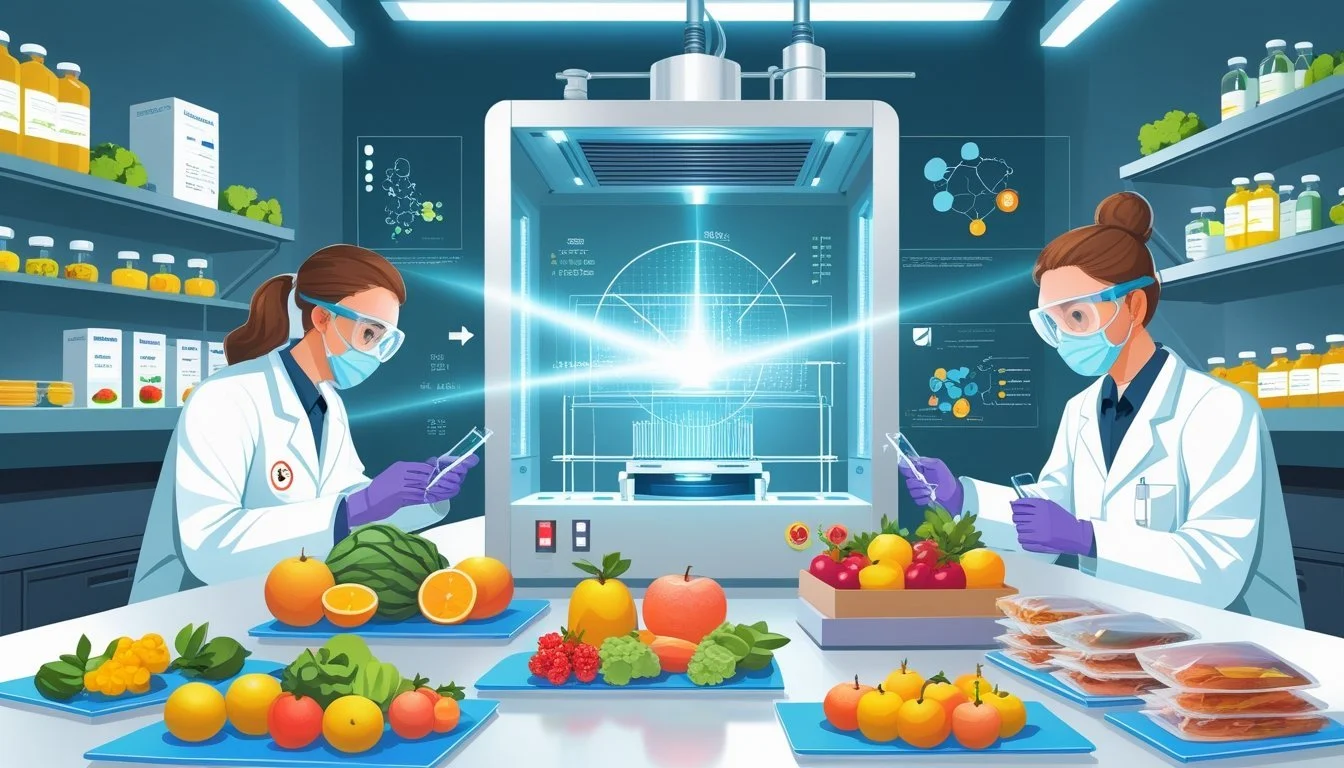
Comprehensive risk assessments and safety evaluations are essential before food irradiation can be widely implemented. Authorities rely on scientific evidence and established standards to ensure irradiated foods meet strict safety requirements.
Safety Standards and Guidelines
Food irradiation practices follow specific safety standards set by global and national organizations, including the World Health Organization (WHO), Food and Agriculture Organization (FAO), and the U.S. Food and Drug Administration (FDA).
Irradiation sources and doses are strictly regulated. For example, gamma rays (from cobalt-60), X-rays up to 5–7.5 MeV, and electron beams up to 10 MeV are typical sources, with energy limits designed to prevent induced radioactivity.
Numerous scientific studies, spanning decades, have assessed potential risks such as toxicity, nutrient loss, and the formation of harmful byproducts. Evidence demonstrates that approved levels of irradiation do not significantly impact food safety or nutrition. Each application is reviewed to confirm the absence of hazardous residues and to validate that treated products remain wholesome.
Processes for Authorization
Before approval, every food irradiation process undergoes a thorough safety assessment, which includes chemical analysis, toxicological studies, and microbiological safety checks.
Regulatory agencies review scientific data on potential risks, evaluate proposed irradiation doses, and ensure that any changes in food composition remain within safe limits. Public health impact and environmental safety are also considered.
The authorization process also covers facility licensing, equipment standards, and employee safety protocols. Regulatory oversight extends to periodic re-evaluation based on new evidence, ensuring ongoing compliance with updated scientific understanding and safety standards.
Public Health Implications
Irradiation has gained recognition from international and national health authorities for its effectiveness in improving food safety and reducing foodborne disease. Despite proven benefits, some consumers remain wary, highlighting the ongoing need for clear communication and education.
Benefits for Public Health
Food irradiation destroys harmful pathogens such as Salmonella, E. coli, and Listeria, which can cause severe foodborne illnesses. By using ionizing radiation, this process can also inactivate parasites and insects, reducing outbreaks linked to contaminated produce or meat.
According to assessments by the World Health Organization and the Centers for Disease Control and Prevention, irradiated food is considered safe and does not introduce toxicological, microbiological, or nutritional concerns. Scientific reviews covering hundreds of studies have found no significant health risks linked to consumption.
This technology also helps minimize food losses after harvest, addressing both hunger and malnutrition by extending shelf life. By facilitating safer and longer-lasting food supplies, irradiation supports public health goals and food security, especially in regions where cold storage and other preservation methods are limited.
Consumer Acceptance and Communication
Although health authorities support irradiation, public perception is shaped by concerns about safety and a lack of understanding of the technology. Surveys indicate that many consumers associate irradiation with radioactivity, despite scientific consensus that irradiated food is not radioactive.
Transparent labeling and educational initiatives are used to address misconceptions. Clear communication about the process, its benefits, and regulatory oversight helps build consumer trust.
Key strategies include:
Public information campaigns endorsed by reputable agencies.
Accessible factsheets summarizing risks and benefits.
Third-party validation by renowned health organizations.
Efforts to improve acceptance focus on demystifying the technology, ensuring consumers have accurate information from trustworthy sources.

