
Shelf Life Challenges in Plant-Based Alternatives
Navigating Spoilage and Quality Control
The popularity of plant-based alternatives is transforming the food industry, but these products come with distinct shelf life challenges. Unlike traditional animal products, plant-based meats and dairy alternatives may have different microbial loads, nutrient profiles, and preservation requirements. Understanding the unique factors affecting the shelf life of plant-based alternatives is crucial for ensuring quality, safety, and customer satisfaction.
Allergen, microbiological, and chemical concerns can impact how long these foods stay fresh and safe to consume. Factors such as lower protein content or different preservation solutions can lead to varying spoilage rates compared to animal-based foods. The development of new strategies, including alternative ingredients or innovative processing techniques, is shaping how manufacturers address these hurdles.
Consumers and producers need to pay close attention to label information, storage conditions, and expiration dates with plant-based products. As these items become more common, addressing their shelf life concerns is essential for both food safety and overall product quality.
Understanding Shelf Life in Plant-Based Alternatives
Shelf life in plant-based alternatives depends on many technical and consumer-driven factors. Product safety, quality, and storage requirements differ from traditional animal-based items, especially in areas like spoilage, sensory changes, and ingredient stability.
Defining Shelf Life for Plant-Based Foods
Shelf life for plant-based foods is the period during which a product remains safe and keeps its intended taste, texture, and nutritional value. This includes plant-based meat, dairy alternatives such as plant-based yogurt and milk, and other substitutes.
Manufacturers determine shelf life by monitoring microbial growth, chemical changes, and sensory qualities over time. Both best before and use by dates are used, depending on the risk profile of the product. For example, plant-based meat alternatives may prioritize safety, while plant-based milk may focus on taste and nutrient retention.
Refrigeration, packaging type, and ingredient selection all play roles in how a plant-based product ages on the shelf. Shelf life labeling helps retailers and consumers reduce waste and maintain food safety standards.
Key Factors Impacting Shelf Life
Ingredient composition strongly affects stability. High moisture content found in many plant-based meats leads to faster spoilage, while fats in plant-based dairy alternatives can oxidize and turn rancid.
Processing methods such as pasteurization, aseptic packaging, and the use of preservatives can extend shelf life. Most plant-based products are thermally processed, reducing the initial microbial load compared to fresh animal products.
Storage conditions are critical. Products kept in cool, dry, and dark environments generally last longer. Once opened, most plant-based meats and dairy need to be consumed within a week, while unopened items—especially frozen or shelf-stable options—can last months or even years.
Packaging also matters. Modified atmosphere packaging (MAP) and vacuum sealing are common ways to slow down spoilage in plant-based alternatives.
Comparison with Traditional Meat and Dairy
Plant-based alternatives generally have a longer shelf life than fresh animal-based meat and dairy due to lower microbial risk and use of heat treatments during processing.
A comparison table:
Product Type Typical Shelf Life (Unopened) Opened Shelf Life Plant-Based Meat 1 week (chilled), up to 2 years (frozen or shelf-stable) 3-7 days (chilled) Traditional Fresh Meat 1-2 weeks (chilled) 1-3 days (chilled) Plant-Based Milk 6-12 months (UHT), 1-2 weeks (chilled) 5-10 days (chilled) Dairy Milk 1 week (chilled) 3-7 days (chilled)
Despite the longer shelf life, plant-based foods may experience changes in texture and flavor as they age, sometimes more noticeably than their animal-based counterparts. This is an area of ongoing innovation as brands seek to improve consumer experience and minimize food waste.
Primary Shelf Life Challenges

Plant-based meat and dairy alternatives face distinct hurdles that impact product safety and stability. These challenges stem from their unique ingredient profiles, moisture content, and processing methods, all of which can differ significantly from traditional animal-based foods.
Microbial Growth and Contamination
Plant-based alternatives often have near-neutral pH, high moisture content, and significant protein levels. These factors create an environment highly favorable to microbial growth, including bacteria and molds.
Spoilage organisms thrive in these conditions, quickly reducing shelf life and food safety. Pathogens such as Listeria monocytogenes and Clostridium botulinum are of particular concern because they can cause foodborne illness even at low concentrations.
Producers may use treatments like thermal processing or extrusion to control microbial contamination, but these must be validated with challenge tests. Stringent hygiene, temperature control, and routine microbial testing are also required throughout production. Controlling water activity and maintaining a robust cold chain are key preventative steps.
Chemical and Physical Degradation
Plant-derived proteins, fats, and carbohydrates are susceptible to various forms of degradation over time. Lipid oxidation can cause rancidity, off-flavors, and loss of nutritional value, especially in products containing vegetable oils.
Enzyme activity, light exposure, and fluctuating temperatures can accelerate both chemical breakdown and physical changes. Texture loss, separation, and discoloration are common forms of physical spoilage that make products unappealing or unsafe for consumers.
Processing methods, use of antioxidants, and careful ingredient selection are commonly applied to slow these changes. Monitoring pH and moisture, and conducting shelf-life studies, help identify points of vulnerability and guide formulation improvements.
Packaging-Related Issues
Effective packaging is crucial for food protection, especially for products prone to rapid spoilage. Packaging functions to minimize oxygen, moisture, and light exposure, all of which can promote both microbial and chemical degradation.
Improperly sealed or permeable packaging can allow for the ingress of contaminants or oxygen, reducing shelf life and increasing the risk of microbial spoilage. The choice between modified atmosphere, vacuum packing, or traditional packaging depends on the product's properties and shelf-life goals.
Labels must clearly display storage conditions and expiry dates based on challenge testing. Packaging materials should be validated for compatibility, barrier strength, and durability throughout distribution and storage.
Food Safety Risks in Plant-Based Products

Food safety risks in plant-based products are shaped by the ingredients used, the complexity of processing, and the facility environment. Key issues include preventing microbial contamination, managing allergen hazards, and establishing robust control measures to reduce foodborne illness risks.
Mitigating Cross-Contamination
Cross-contamination is a critical food safety challenge because plant-based products often share production lines with other foods, including animal-derived ingredients and allergens. Even trace contamination can introduce microorganisms or undeclared allergens, posing health risks to consumers.
Standard mitigation strategies involve:
Segregated production areas
Thorough cleaning and sanitation protocols
Strict scheduling of production runs
Staff training is essential, ensuring employees recognize high-risk points. Adopting Hazard Analysis and Critical Control Points (HACCP) and frequent environmental monitoring help minimize microbial load and control food safety risks related to cross-contact between ingredients.
Allergen Management
Plant-based products often use soy, wheat, tree nuts, or other known allergens, increasing the risk for sensitive individuals. Unlike animal proteins, these ingredients are more likely to trigger allergic reactions if not clearly labeled or handled properly.
Manufacturers use several approaches:
Clear, standardized labeling practices
Dedicated equipment and utensils for allergenic ingredients
Preventive allergen testing of raw materials and finished goods
Employee education is indispensable for reducing accidental exposure. Companies must also comply with regulatory requirements on allergen disclosure to protect consumers and limit liabilities associated with allergen contamination.
Pathogen Control Measures
The risk of microbial contamination in plant-based products often differs from animal-derived ones but is still significant. Plant sources can harbor pathogens like Salmonella, E. coli, or Listeria, especially if exposed to contaminated soil, water, or handling during harvest and processing.
Key steps to control microbial load include:
Rigorous raw material screening for pathogens, mycotoxins, or pesticide residues
Use of thermal processing and other kill steps for hazardous organisms
Regular microbial testing of finished products
Facility hygiene, temperature control, and robust traceability are important for reducing food safety risks and meeting shelf life requirements for plant-based foods.
Taste, Texture, and Sensory Stability
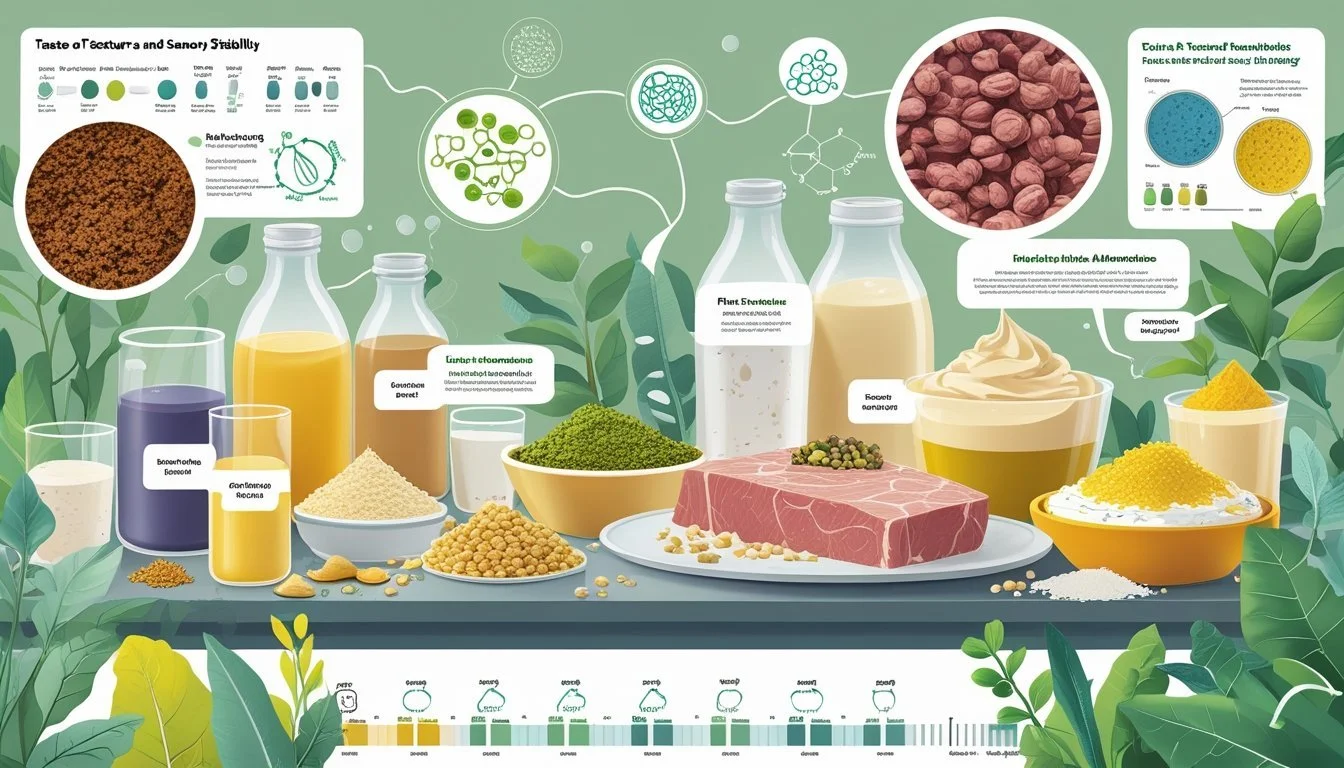
Taste and texture are central to consumer acceptance of plant-based alternatives, yet both are vulnerable to change over the product's shelf life. Ensuring stable sensory characteristics often requires careful formulation strategies, specifically with respect to flavor retention, textural integrity, and overall mouthfeel.
Flavor Degradation Over Time
Plant-based products rely on a complex blend of plant proteins, fats, and flavorings to emulate the taste of animal products. Over time, lipid oxidation, Maillard reactions, and microbial activity can lead to the breakdown of desirable aromas and the formation of off-flavors.
For example, certain plant oils used in these products are more prone to oxidation than animal fats, resulting in rancid or stale notes if antioxidant measures are not implemented. Table 1 shows some common flavor issues:
Cause Typical Off-Flavor Lipid oxidation Rancid, cardboard Protein hydrolysis Bitter, umami loss Microbial spoilage Sour, putrid
Emulsifiers and stabilizers can help protect flavor compounds, but some may interact with flavors, impacting the final sensory profile.
Maintaining Product Texture
Plant-based alternatives must mimic the fibrous, juicy texture of animal products, often using wheat gluten, pea protein, or other plant proteins. Texture stability can be compromised by moisture migration, protein network breakdown, or ingredient separation during storage.
The use of stabilizers and texturizing agents is common to preserve product structure. Nevertheless, freeze-thaw cycles, temperature fluctuations, or extended storage may still lead to undesirable changes such as dryness or mushiness.
Product texture also affects perceived juiciness and bite, essential for both initial consumer appeal and ongoing acceptance as the product ages.
Impacts on Sensory Experience
Sensory experience encompasses not only taste and texture, but also aroma, visual appeal, and mouthfeel. If any one of these degrades, it directly affects product likability and repeat purchase intent.
Sensory stability is a multidimensional challenge. For instance, the beany or grassy notes associated with certain plant proteins can intensify over time, becoming less acceptable to omnivorous consumers. Additionally, changes in ingredient interactions—such as those between emulsifiers and plant fats—can alter the ways flavors are delivered and perceived during consumption.
Maintaining a consistent sensory profile requires integrated efforts at both ingredient selection and process optimization.
Nutrition and Shelf Life
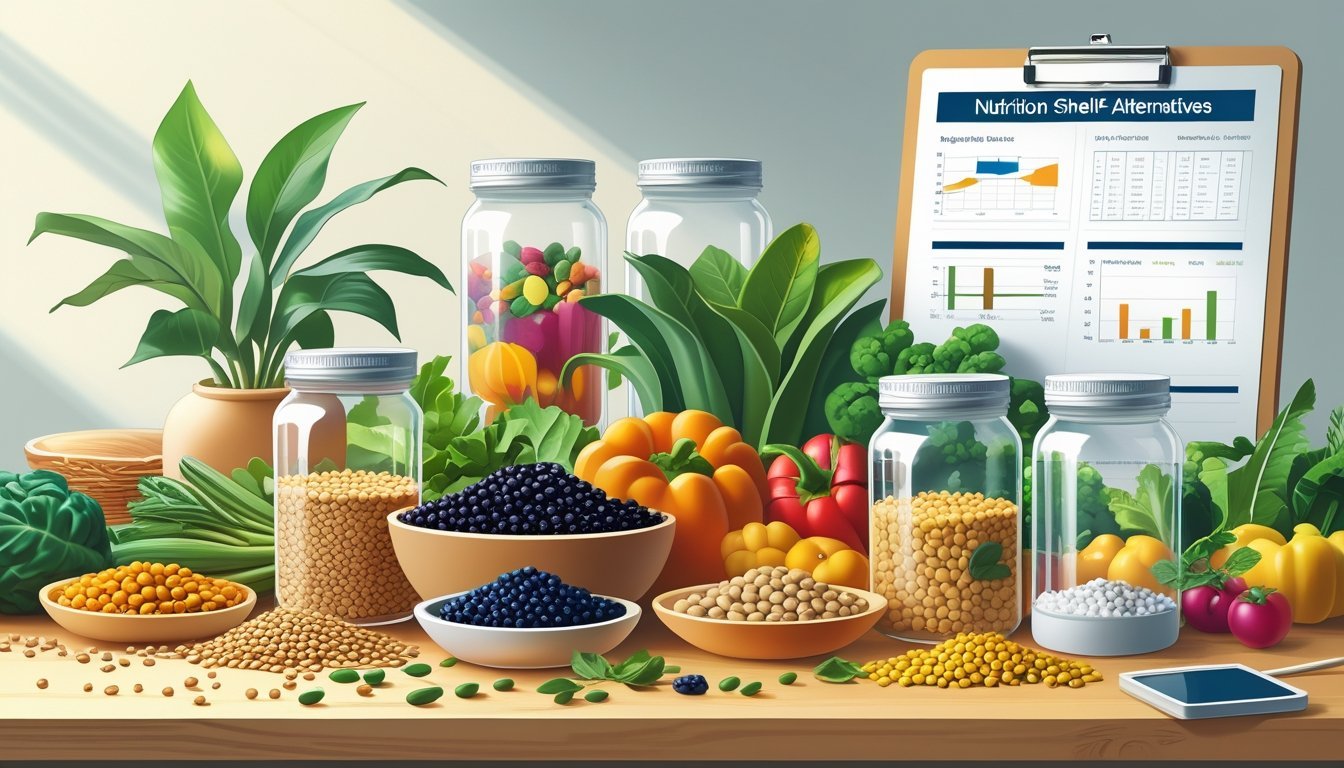
Nutrition and shelf life are closely connected in plant-based alternatives, as changes during storage can impact both nutrient retention and product safety. Factors such as protein sources and ingredient selection play key roles in how well these foods maintain their quality and value over time.
Preserving Nutritional Quality
Maintaining nutritional quality in plant-based products relies on ingredient stability and effective processing. Many plant-derived ingredients, like legumes and soy, are sensitive to heat, light, and oxygen exposure. These factors can degrade vital nutrients—such as certain amino acids, vitamins (especially B12, which is sometimes added), and unsaturated fats.
Alternative proteins from sources like peas, rice, or mycoprotein often undergo specific treatments to enhance their shelf life. These processes can affect texture and nutrient composition. Preservatives, antioxidants, and packaging technologies like vacuum sealing or modified atmosphere help reduce nutrient losses and slow spoilage, which is particularly important for those following vegetarian or vegan diets and for consumers with lactose intolerance.
Nutritional content may also be preserved by fortifying products after processing. Fortification with iron, vitamin D, calcium, and B12 is common to address the potential gaps that might arise during shelf life. Accurate labeling and regular quality checks are needed to communicate these changes to the consumer.
Nutrient Loss During Storage
Nutrient loss can occur gradually as plant-based foods sit on shelves. Protein quality, for example, may decline if storage temperatures rise or if there is exposure to moisture, which can trigger enzymatic breakdown. Water-soluble vitamins, such as vitamin C and certain B vitamins, are especially prone to degradation during storage and exposure to light.
Storage conditions—such as humidity, temperature, and light—play a major role. The table below summarizes how key nutrients can be affected:
Nutrient Main Risk Factors Losses Common During Storage? Protein Heat, moisture, enzymes Moderate Vitamin C Light, oxygen High Fats (unsat.) Oxygen, heat High (oxidation) B Vitamins Light, heat Moderate
Certain plant-based protein sources—like nuts and seeds—are also vulnerable to rancidity because of their fat content. That makes packaging and storage solutions critical to extending shelf life while protecting their nutritional value. Without proper precautions, extended storage can result in the product offering less nutritional benefit than indicated on labeling.
Formulation and Ingredients Impacting Shelf Life
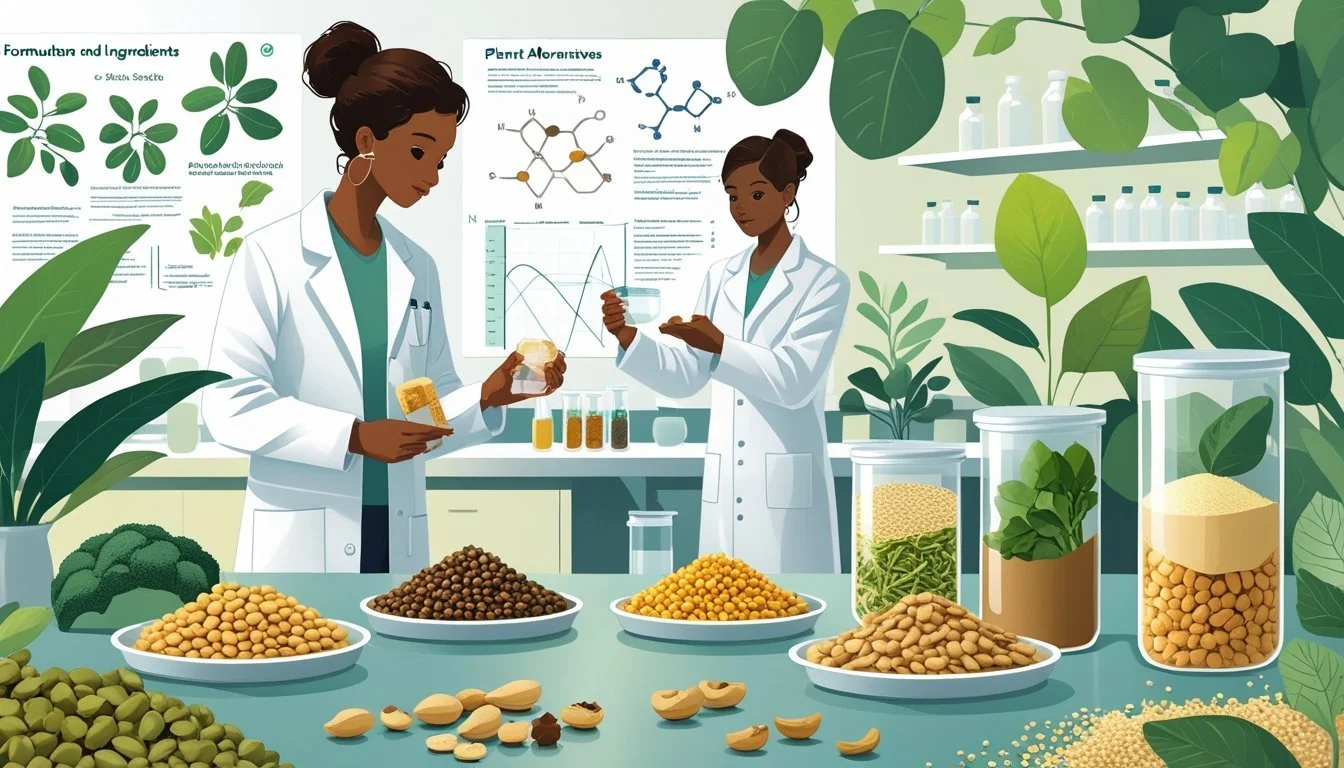
Shelf life in plant-based alternatives is shaped by the types of proteins, additives, and preservation methods used. Ingredient choice determines stability, texture, spoilage risk, and resistance to microbial growth.
Role of Plant Proteins and Additives
The type of plant protein directly influences product longevity. Soy, pea, pulses, legumes, and cereals are common protein sources, each presenting different oxidation rates and susceptibility to spoilage. Products like Beyond Meat use isolated pea protein, which has moderate stability.
Additives such as emulsifiers and stabilizers are crucial to maintain texture and prevent ingredient separation. Common options include lecithin, guar gum, and carrageenan, which help extend shelf life by creating stable emulsions and delaying microbial growth.
Prebiotics, sometimes added for health benefits, can alter shelf life since they may also encourage microbial activity. Seaweed, used in some formulations, provides both gelling and preservative properties due to its natural polysaccharides.
Water Activity and Moisture Control
Water activity is a central factor in shelf life because it affects microbial growth and chemical reactions. Plant-based foods often have higher water activity compared to animal-based items. Carefully controlling water content—through drying, concentrating, or incorporating humectants—is critical.
Manufacturers routinely measure and adjust water activity to prevent spoilage. Techniques such as using lower-moisture cereals or adding fibers (like in pulses and legumes) help bind water and reduce available moisture for microbes. Moisture migration can also lead to textural changes and must be addressed in formulation.
Ensuring consistent distribution of water throughout the product using stabilizers and emulsifiers (e.g., mono- and diglycerides) also helps avoid localized spoilage. Sometimes modified atmosphere packaging is paired with moisture control to further extend shelf life.
Use of Artificial Preservatives
Artificial preservatives play a significant role in extending shelf life, though their use is often debated by consumers seeking clean-label products. Preservatives such as potassium sorbate, sodium benzoate, and calcium propionate are common in plant-based meats to inhibit bacteria and molds.
These compounds are particularly important in products prone to rapid spoilage due to high moisture or nutrient content. Plant-based products often have ingredient profiles that foster microbial growth, making preservatives more critical than in some traditional animal-based products.
However, excessive reliance on synthetic preservatives can affect flavor and consumer perception. Some manufacturers opt for natural alternatives, like rosemary extract, or combine milder artificial preservatives with advanced packaging solutions to achieve shelf life targets.
Processing and Packaging Innovations
Improving the shelf life of plant-based products depends heavily on targeted processing techniques and advanced packaging methods. Both aspects directly address challenges such as spoilage, off-flavors, and product consistency.
Food Processing Techniques
Precise food processing plays a key role in extending shelf life and ensuring safety for plant-based alternatives. Novel methods like high-pressure processing (HPP) and ultraviolet light treatment are used to reduce microbial loads without relying on heat, which can degrade flavor or texture.
Enzyme inactivation is important for preventing spoilage. Adjusting pH, utilizing pasteurization, and employing modified atmosphere processing help slow down oxidation and microbial activity.
Manufacturers are adopting predictive models during food production to estimate shelf life more accurately. These models factor in ingredient type, processing steps, and potential contamination risks. Preparation instructions included on packaging guide consumers on how to store and handle these products to maximize freshness.
Advancements in Packaging Solutions
Packaging innovations focus on reducing oxygen exposure, which is a major cause of spoilage in plant-based foods. The use of films with low oxygen transmission rates (OTR) is becoming standard, particularly for products sensitive to oxidation like plant-based cheeses and meats.
Edible films and plant-based packaging materials are gaining traction for their environmental benefits and protective properties. Some companies also use active packaging that incorporates oxygen scavengers or antimicrobial agents to further extend shelf life.
Clear expiration dates and storage guidance on packaging support safe consumption. These instructions, derived from shelf-life studies and predictive modeling, help users maintain product quality through proper handling. This multifaceted approach aims to limit waste and ensure consistent quality for consumers.
Sustainability and Shelf Life Considerations
Maintaining the shelf life of plant-based alternatives is closely linked to both environmental sustainability and the reduction of food waste. Packaging design and material choices play a critical role in extending freshness while minimizing ecological impact.
Reducing Food Waste
Plant-based alternatives can contribute to lower food waste by offering products with extended shelf life compared to traditional animal-based items. Many plant proteins are less susceptible to rapid spoilage, but they can still face challenges like off-flavors, texture loss, and microbial growth.
Active and intelligent packaging technologies—including oxygen scavengers, moisture regulators, and freshness indicators—help monitor and control changes in the product environment. Such solutions are designed to maintain product quality, providing real-time alerts if the item’s condition shifts adversely.
Consumers increasingly demand convenient and high-quality foods that minimize spoilage. Proper packaging, clear labeling, and storage guidance are essential. When implemented effectively, these measures keep food in optimal condition for longer, helping retailers and consumers avoid unnecessary disposal and supporting sustainable eating habits.
Environmental Impact of Packaging
The environmental sustainability of plant-based products depends not just on the ingredients but also on packaging materials and disposal. Many brands are transitioning from conventional plastics to biodegradable or compostable options, such as PLA, or packaging that uses natural fibers from agricultural waste.
A key challenge is ensuring that sustainable packaging sufficiently matches the shelf life requirements of the product. If packaging is not durable enough, it can lead to premature spoilage and negate the benefits of sustainable materials.
Some innovative packages combine barrier properties with eco-friendly sourcing, balancing product protection with reduced environmental impact. The selection of materials, recyclability, and the carbon footprint of packaging production all factor into the overall sustainability of plant-based alternatives.
Consumer Expectations and Market Trends
Plant-based alternatives are influenced by dynamic shifts in consumer demand, with preferences ranging from ingredient transparency to improved storage and handling. Manufacturers must balance expectations for clean labels with the practical needs of convenience, all within a fast-evolving market landscape.
Clean Label Demands
Consumers frequently seek plant-based meat and dairy alternatives made with minimal and familiar ingredients. Short, understandable ingredient lists are favored, as many buyers associate these products with health and transparency. This demand for a "clean label" means avoiding artificial additives, preservatives, and colorings.
Transparency is especially important for this market segment. Nutrition panels, sourcing information, and allergen details help foster consumer acceptance by providing the data shoppers need to make informed choices. Consumers also expect brands to clarify processing steps and potential allergens.
Navigating these clean label demands directly affects shelf life. Limiting preservatives or synthetic stabilizers can lead to shorter product life, creating challenges for supply chain logistics and retail partners. Companies must innovate with natural antioxidants and other novel ingredients to address these issues without compromising consumer trust.
Convenience and Shelf Stable Products
The demand for convenience is high in the plant-based meat market. Consumers increasingly prefer products that are easy to store, prepare, and use. Shelf-stable options are particularly valued for their portability and reduced need for refrigeration.
Retailers benefit from products with extended shelf life, as this reduces waste and increases flexibility in inventory management. Packaging advancements—such as vacuum sealing, modified atmosphere packaging, and resealable materials—play a critical role in extending shelf life for these alternatives.
Table: Key Features of Shelf-Stable Plant-Based Products
Feature Benefit Long shelf life Less frequent restocking Portable packaging On-the-go consumption Minimal refrigeration Lower energy costs
Finding the right balance between shelf life, taste, and texture remains a core challenge for manufacturers, particularly when synthetic preservatives are excluded.
Product Development and Innovation
Continuous product development is necessary to meet evolving consumer expectations. The plant-based sector is marked by rapid innovation, driven by feedback on flavor, nutrition, and storage challenges.
Novel proteins and ingredient systems are being explored to improve taste and nutritional profile while also enhancing shelf life. Companies are investing in research to identify natural mold inhibitors, texture stabilizers, and better emulsification methods.
Incorporating consumer feedback during development ensures higher acceptance and repeat purchases. Brands that focus on incremental improvements in storage stability and product appeal are more likely to gain market share as demand grows. Advances in food processing technology will continue to shape the prospects for longer-lasting, high-quality plant-based alternatives.
Future Directions in Overcoming Shelf Life Challenges
Significant advances in food science are introducing new solutions to shelf life issues in plant-based alternatives. Innovations range from advanced predictive technologies to the use of fermentation and cultured ingredients, each with its own benefits and limitations.
Emerging Technologies and Predictive Models
Recent advancements include the development of predictive models that use machine learning to anticipate spoilage and optimize storage conditions. These models can assess microbial growth, oxidation, and moisture migration, providing actionable insights for manufacturers.
Active and intelligent packaging systems are also gaining traction. Sensors embedded in packaging can monitor freshness in real time, alerting distributors to possible spoilage before the product reaches consumers.
Challenge tests remain essential. Companies apply these tests during product development to understand how plant-based foods respond to humidity, temperature changes, and light exposure. This data supports the creation of more robust products tailored to market needs.
Role of Fermentation and Cultured Ingredients
Fermentation is a proven method to extend shelf life by introducing beneficial microorganisms such as lactic acid bacteria. These microbes can inhibit unwanted pathogens, slow spoilage, and improve flavor profiles, making products safer and more appealing.
Research focuses on leveraging cultured ingredients—including enzymes and probiotics—to further enhance stability and nutrition. For example, using specific fermentation strains may reduce the need for chemical preservatives in plant-based alternatives.
Emerging studies in food science explore the integration of these processes into large-scale production. This approach addresses both shelf life and consumer demand for clean-label, minimally processed products, shaping the future prospect for plant-based foods.

